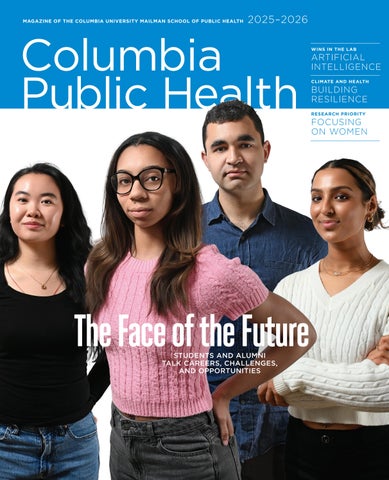
STUDENTS AND ALUMNI TALK CAREERS, CHALLENGES, AND OPPORTUNITIES
Columbia University Mailman School of Public Health conducts groundbreaking research that addresses today’s most urgent public health threats—from the health impacts of climate change to food insecurity, from emerging infectious diseases to populationlevel mental health. It has never been more important for this work to move forward—and rise to meet new challenges—to protect and improve the health of communities everywhere.
To ensure our researchers have the funding they need to continue their work, advance the science of public health, and develop the solutions that will help us build a healthier world, consider making a gift to Columbia Mailman School today.
Visit publichealth.columbia.edu/give to make a gift now, or contact Laura Sobel at ls3875@cumc.columbia.edu to discuss the power of leadership giving.
View the digital version at publichealth.columbia.edu/ CPHmagazine.
INTERIM DEAN
Kathleen J. Sikkema, PhD
INTERIM CHIEF COMMUNICATIONS OFFICER
John LaDuca
EDITOR IN CHIEF
Dana Points
ART DIRECTOR
John Herr
EDITORIAL DIRECTOR
Tim Paul
COPY EDITOR
Emmalee C. Torisk
© 2025 Columbia University
CONNECT WITH US Alumni: msphalum@cumc.columbia.edu publichealth.columbia.edu/alumni
SUPPORT US Development: msphgive@cumc.columbia.edu publichealth.columbia.edu/give
WORK WITH US Career Services: msphocs@cumc.columbia.edu publichealth.columbia.edu/careers
LEARN WITH US Admissions: ph-admit@columbia.edu publichealth.columbia.edu/apply
2 Letter From the Interim Dean
3 Momentum
Preventing injuries • Using new technology to stop drug interactions • PopFam’s big anniversary • Honors and more
6 Impact
• A new marker for heart health • Scooter and e-bike injuries • Lyme disease breakthrough • Understanding intrinsic health • Low-level lead poisoning persists
• Help for veterans • More
32 Graduates
Four inspiring alumni
35 Scholars Student entrepreneurs, new hires, and faculty books. Plus: a campus crossword
10 The Face of the Future
Alumni and students share how they have benefitted from their time at Columbia Mailman School of Public Health and consider the future—both for themselves and for the profession of public health. Interviews by Dana Points
18 AI Comes of Age
The Translational AI Laboratory for Health is exploring best practices at the intersection of artificial intelligence and public health. As researchers probe uses for AI, exploration into cancer, Alzheimer’s disease and other conditions may be forever changed. By Carolyn
Wilke
22 The Heat Is On
The School’s researchers are working to help prepare communities around the globe for extreme heat and other changes related to the climate crisis.
By Tim Paul
28 Prioritizing Women’s Health
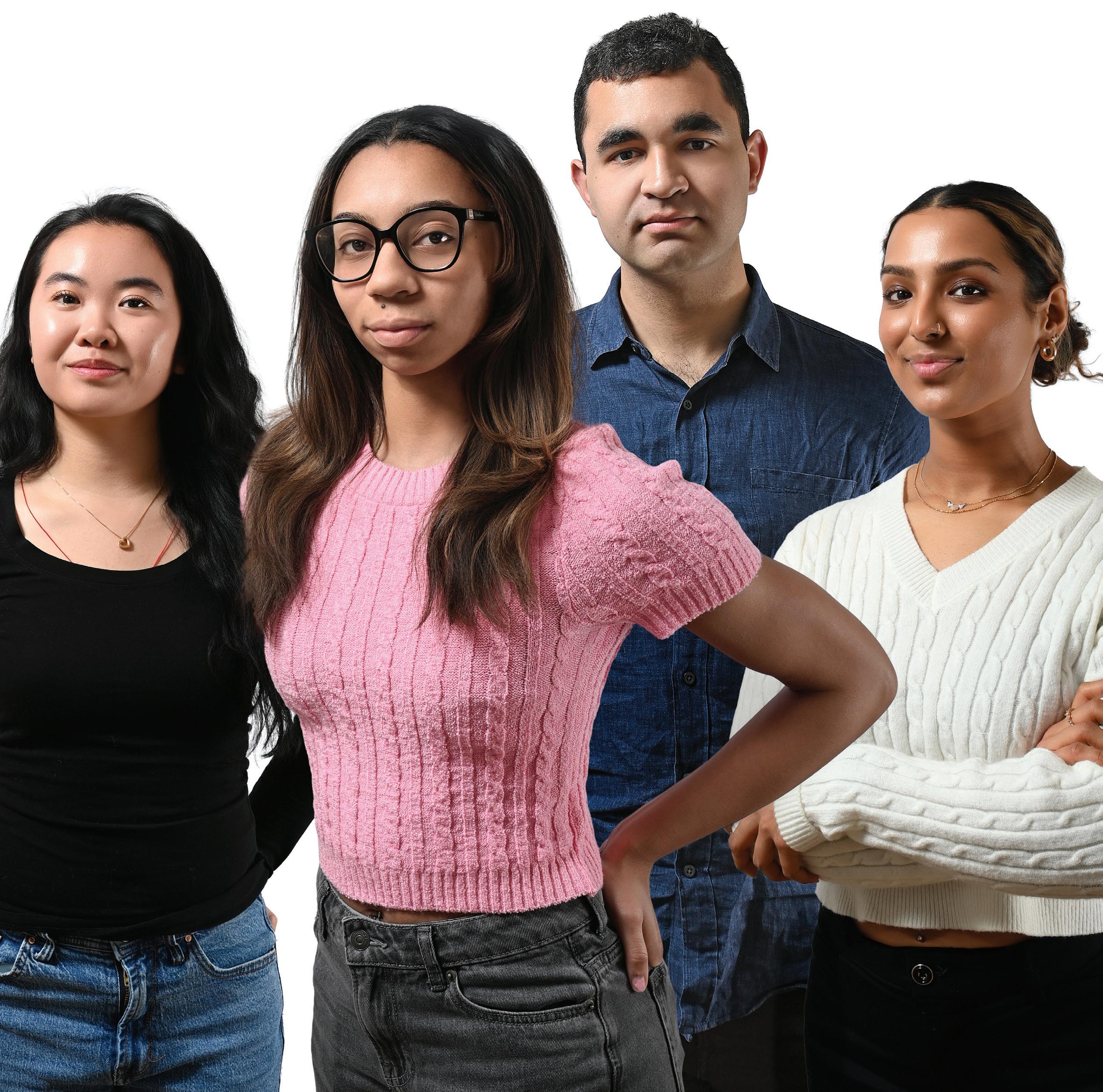
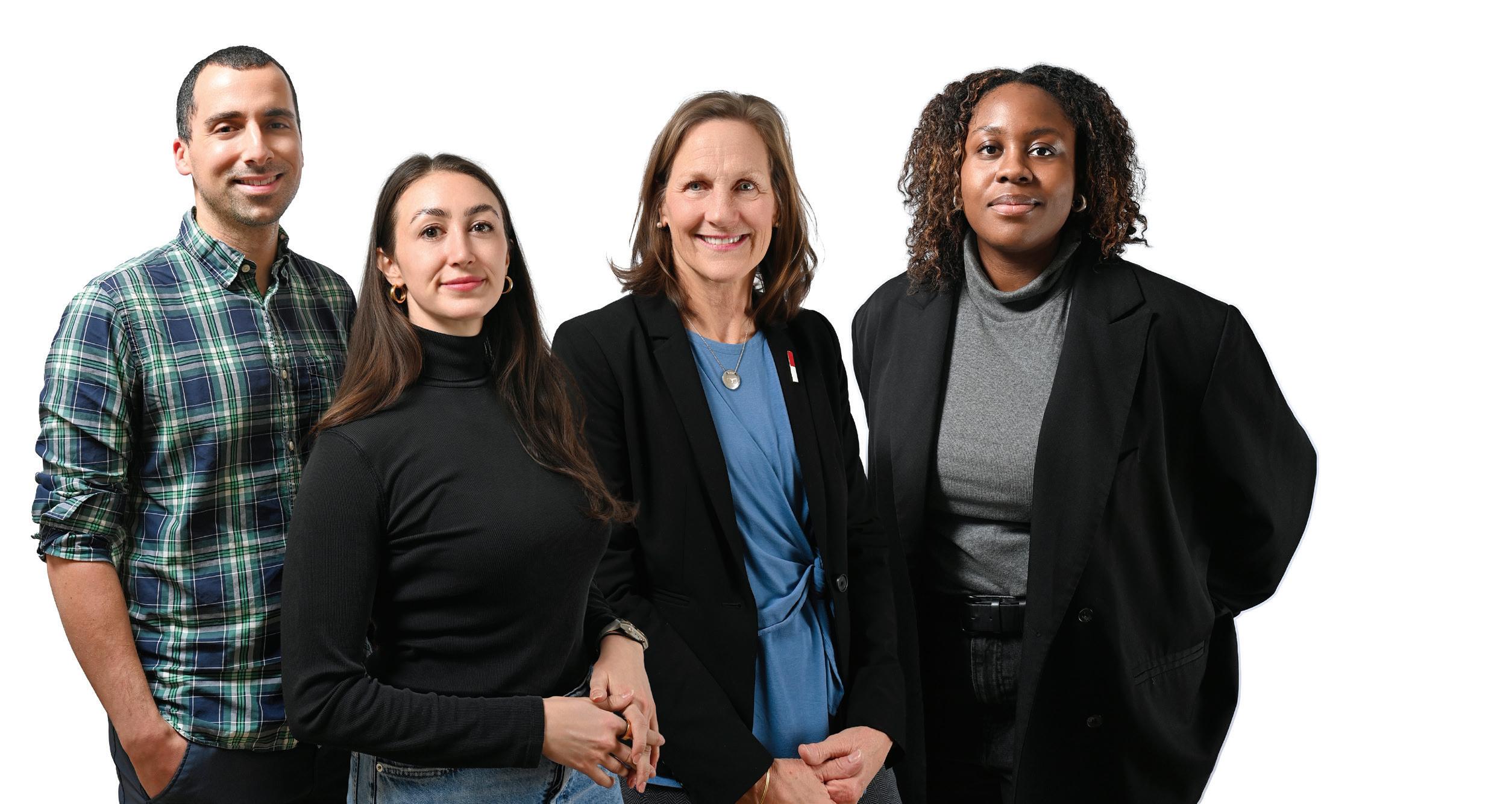
On the cover: Four current students were among those who met with alumni (below) at a School networking event earlier this year.
The three M’s of women’s health—menstruation, maternity, and menopause—are getting well-deserved attention from experts across departments. By
Christina Hernandez Sherwood
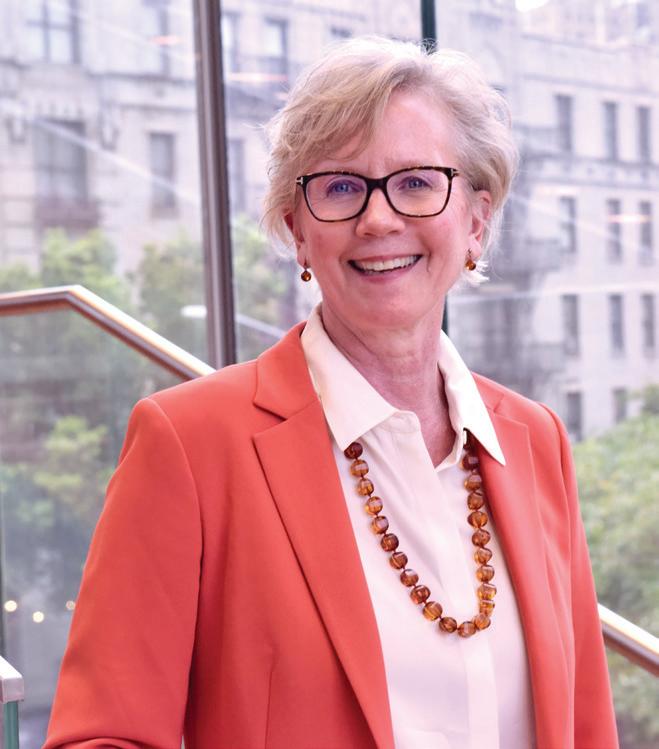
When I was asked to serve as interim dean of Columbia Mailman School this past May, I was honored and humbled. Over the past 17 years, the exceptional leadership of Dean Emeritus Linda P. Fried, MD, MPH, took our School to new heights. Now we face a critical juncture. It is a deeply unsettled moment for public health and higher education, yet I have always been buoyed by the certainty that our greatest strength is our community, and that collaboration comes as second nature to those of us in public health. Over these past months, everything I have done has been in partnership with you—our amazing students, faculty, staff, alumni, and friends. And every day I see new examples of how we’re weathering this storm and building a better future together.
The cover story of this edition of Columbia Public Health spotlights our students and alumni, giving voice to their insights on topics including the unique value of public health (“The Face of the Future, page 10). As they observe, the progress we have achieved on monumental challenges like HIV/AIDS should give us confidence in our ability to innovate and make a difference going forward. We can also take comfort in the knowledge that health is a bedrock value that transcends geography and ideology.
Throughout this magazine, you will see our School at the forefront of research innovation and impact. Our scientists are harnessing AI to uncover ways to improve outcomes on complex diseases like Alzheimer’s (“AI Comes of Age,” page 18). Many researchers are taking a life-course approach, for example, through studies examining three critical junctures in women’s health: menstruation, maternity, and menopause (“Prioritizing Women’s Health,” page 28). And in the face of the worsening climate crisis, they are developing solutions to protect communities worldwide (“The Heat is On,” page 22).
I hope you will join me in finding inspiration in all the creative and consequential work happening at our School.
Wishing you good health,
Kathleen J. Sikkema, PhD


INJURIES, SUCH AS THOSE RESULTING FROM VIOLENCE, FALLS, AND MOTOR VEHICLE CRASHES, ARE THE LEADING CAUSE OF DEATH IN THE FIRST HALF OF THE HUMAN LIFESPAN. Globally, more people die from injuries each year than HIV/AIDS, malaria, and tuberculosis combined. The Columbia Center for Injury Science and Prevention (CCISP) is celebrating 15 years of progress toward its mission of generating new science to address the ongoing challenge of injuries in the U.S. CCISP and its faculty work on issues such as better understanding adolescent depression and social media to prevent suicide; using ride-sharing services, such as Uber and Lyft, to reduce drunk driving and motor vehicle crashes; and preventing school violence before it happens. They are also training the next generation of
injury-prevention scientists. In the MPH Certificate in Injury and Violence Prevention, students pursue research on road safety, opioid overdose, violence prevention, and more.
Last spring, CCISP hosted the annual Society for Advancement of Violence and Injury Research conference for the first time in New York City. The gathering, the premier research conference for injury scientists from many disciplines, had its highest ever attendance, with almost 500 participants. And in May, faculty and students participated in a day of action to build advocacy and leadership skills during a real-world campaign to protect children against button battery injuries, which have increased significantly in recent years. The injury landscape changes constantly, and CCISP is keeping pace.
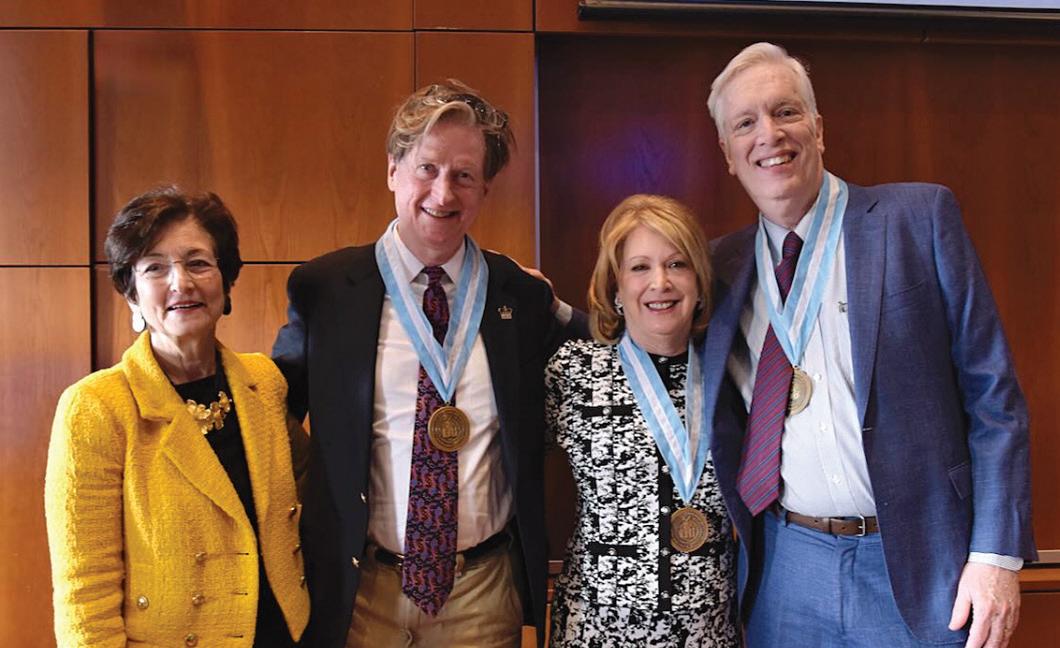
Sparer Installed as Jackson Chair
One family has made a bold investment in the School, creating the Thomas Campbell Jackson (MPH ’98) and Pamela Brandt Jackson Chair of Health Policy and Management (HPM). Longtime HPM Chair Michael Sparer, JD, PhD, has been installed as endowed chair. During his 15 years as HPM chair, Sparer has led significant growth, expanding faculty and programs. Alongside his research and leadership, Sparer has cultivated a distinguished teaching career, earning multiple awards and inspiring generations of students, including Thomas Campbell Jackson.
Berhane Named AAAS Fellow
Kiros Berhane, PhD, the Cynthia and Robert Citrone-Roslyn and Leslie Goldstein Professor and Chair of Biostatistics has been named a fellow of the
HONORS
American Association for the Advancement of Science. Berhane is recognized for his groundbreaking contributions in the development of innovative statistical methods that have contributed to environmental health, chronic disease, and public health research.
Quarraisha Abdool Karim Joins Royal Society
Epidemiology professor Quarraisha Abdool Karim, PhD, has been elected a fellow of the Royal Society, a group of the world’s most eminent scientists. For over three decades, she has played a leading role in shaping the global HIV prevention field. Her landmark research showing that antiretrovirals can prevent the sexual transmission of HIV formed the foundation for pre-exposure prophylaxis (PrEP).
Miller Takes SPARK Prize
Gary Miller, PhD, vice dean for research strategy and innovation and Environmental Health Sciences professor, is among five investigators selected for the prestigious 2024 SPARK NS Parkinson’s Disease Translational Research Program. Miller will receive milestone-based project funding of up to $2,000,000, education in drug development and academic entrepreneurship, and other support during the two-year program.
Lipkin Named National Academy of Inventors Fellow
W. Ian Lipkin, MD, director of the Center for Infection and Immunity and John Snow Professor of Epidemiology has been named a National Academy of Inventors Fellow, in recognition of his development of novel technologies for infectious disease diagnosis, surveillance, and discovery. Lipkin is known as the “master virus hunter” for his role in the discovery of more than 2,500 microbes (and counting).
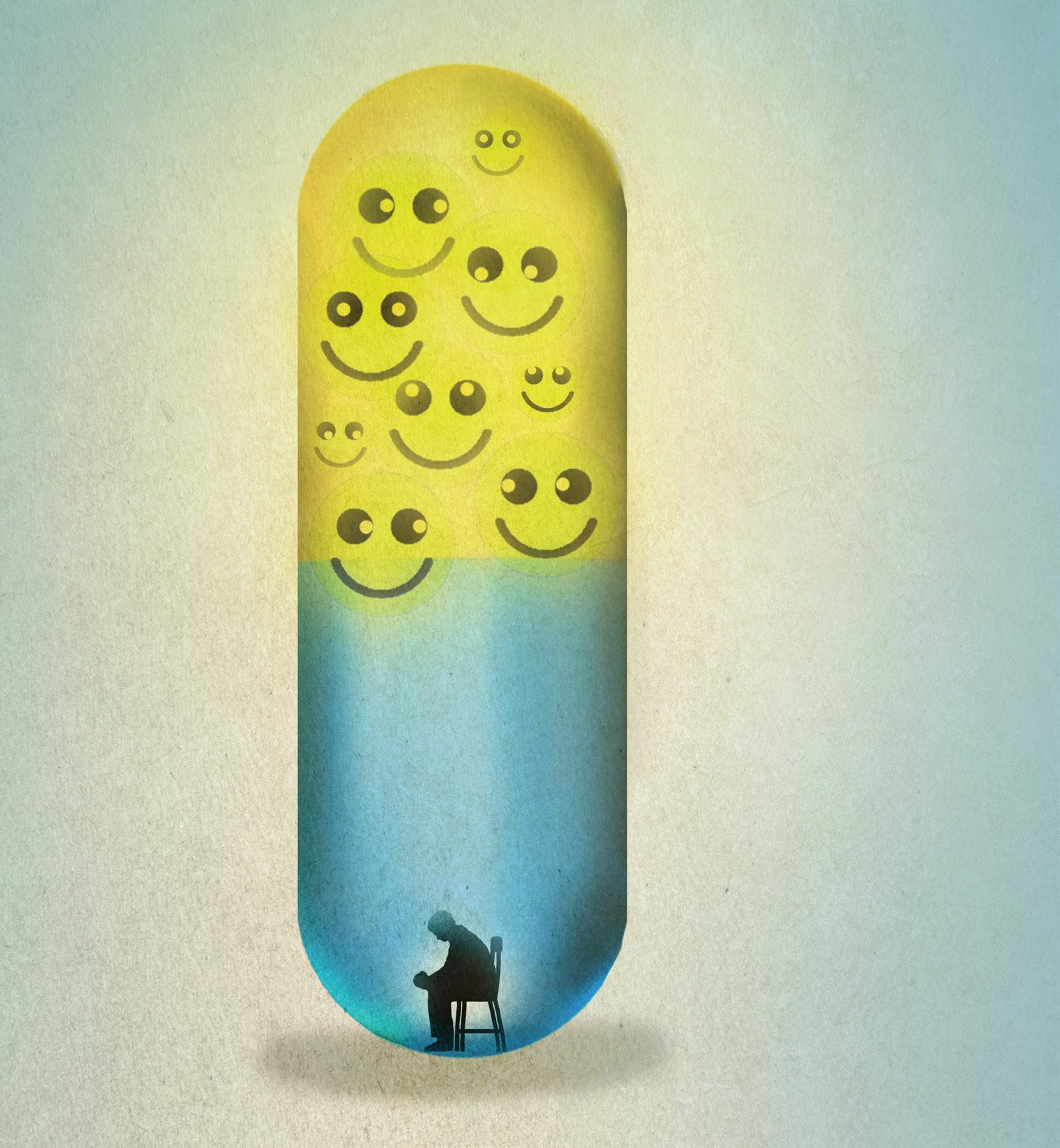
THERE ARE MORE THAN 10,000 PRESCRIPTION DRUGS, YET DOCTORS LACK BASIC INFORMATION ABOUT HOW MEDICATIONS INTERACT WITH EACH OTHER AND WITH A PATIENT’S BIOLOGY. Each year, adverse drug events account for nearly 700,000 emergency department visits and 100,000 hospitalizations. The IndiPHARM project (short for individual metabolome and exposome assessment for pharmaceutical optimization) will develop a platform and monitoring system to prevent unwanted interactions between medications and other environmental, genetic, and lifestyle factors. The platform will measure hundreds of drugs and their metabolites and thousands of chemicals derived from the environment, diet, and lifestyles. Ultimately, the goal is to optimize how medications work by equipping individuals and their
doctors with a tool that can answer the question, “Is the drug or combination of drugs I am taking optimized for me?” The platform will also help pharmaceutical suppliers, insurance payers, and providers to anticipate and reduce adverse therapeutic effects, including side effects. Led by Gary Miller, PhD, vice dean for research strategy and innovation and professor of Environmental Health Sciences, IndiPHARM includes investigators from the Mayo Clinic and Emory University, among others.
“Unfortunately, there is a gap between what drugs are predicted to do and what they actually do in the real world,” says Miller. “IndiPHARM is marshaling technology to bridge this gap.”
has joined the 300-member nonprofit Common Health Coalition to ensure the U.S. is prepared to confront the next crisis with strong partnerships between healthcare and public health.
THERE’S NO SUGARCOATING THE FACT THAT IT’S BEEN A DIFFICULT YEAR TO GET A JOB IN PUBLIC HEALTH. Spring 2025 graduates found themselves with competition from out-of-work public health workers, many with PhDs. Heather Krasna, PhD, EdM, MS, associate dean of career and professional development, has been a career coach for 25 years, so it’s not her first tough hiring environment. “We’re being very proactive,” she says. “We have developed a whole new set of materials and a mini online course on how to navigate this challenging market.” Krasna is teaching applicants to be “quick and human.” Quick means checking for new job postings daily and applying the same day. “Postings have 100 applicants in four hours. You can’t wait a week to perfect your resume,” she says. The department is training alums to use ChatGPT to version cover letters and identify important keywords to use (or avoid). They are also learning to use the tool to critique their resume.
Human means building connections that will help grads rise to the top of a candidate pool increasingly muddied by artificially generated candidate profiles. The School has stepped up appeals to alumni to share recruiting news and is maximizing opportunities to forge one-on-one connections. Pfizer hosted an alumni/student mixer this year, and the School had a Zoom mixer with Northwell, the largest employer on Long Island. Krasna herself has been attending health conferences and even a small business expo to meet potential employers. “We’re engaged in aggressive outreach, constantly deepening and expanding our contacts,” she says.
The Heilbrunn Department of Population and Family Health celebrates a milestone 50th anniversary in 2025. Among the department's highlights are its Averting Maternal Death and Disability (AMDD) Initiative. Established in 1999, it was the first global effort to frame maternal mortality as a human rights issue. PopFam leaders worked to craft a gold standard for frontline maternal care worldwide that contributed to a nearly 44 percent decline in maternal deaths.
The department's faculty and researchers also shaped the SPHERE standards, the global blueprint for ethical humanitarian aid. And as one of the world’s first academic programs dedicated to health in emergencies, PopFam has trained over 300 graduates who lead innovation in fragile settings worldwide.
PopFam’s Reproductive Health Access, Information, and Services in Emergencies (RAISE) Initiative has reached more than 1.8 million new contraceptive users in more than 30 crisis settings—with nearly half opting for long-acting reversible methods, a choice previously unavailable to most women in humanitarian settings. Today, the department has 100 faculty and staff whose work spans 70 countries and communities across the United States. “Health justice demands courage, academic rigor, innovation, and trusted partnerships,” says Thoai Ngo, PhD, MHS, PopFam’s chair. Each year, more than 160 students hone these skills, specializing in topics including child, youth, and family health; public health and humanitarian action; sexuality, sexual and reproductive health; health and human rights; global health; and public health research methods.

HOW WELL SOMEONE SCORES ON THE AMERICAN HEART ASSOCIATION (AHA)
“LIFE’S ESSENTIAL 8” LIST OF HEARTHEALTH FACTORS IS A STRONG PREDICTOR OF THEIR RISK OF DEATH. The list includes healthy diet, physical activity, and sufficient sleep, plus managing weight, blood pressure, cholesterol, and blood sugar—and of course not smoking. Now researchers at Columbia Mailman School have found that adding a ninth metric—psychological health—is an even stronger predictor of risk of death from all causes, including cardiovascular disease.
“Positive mental states such as optimism and a sense of purpose are linked to better heart health, whereas depression is linked to higher risk for cardiovascular disease,” says senior author Nour Makarem, PhD, assistant professor of Epidemiology. (Makarem
also led research that contributed to sleep being added to the AHA’s list.)
The new study was led by a Columbia Mailman School alumna, Vanessa Dinh, MPH ’23. In a sample of more than 20,000 U.S. adults with an average age of 48 years, the team investigated the association of mortality with Life’s Essential 8 (diet, sleep health, physical activity, nicotine use, body mass index, blood glucose, blood lipids, and blood pressure) plus a measure for psychological health and well-being. The study showed that having a high versus low cardiovascular health score, plus a good psychological health metric, was associated with up to 70 percent lower all-cause and a 77 percent lower cardiovascular mortality risk. These associations were stronger than those seen for the Life’s Essential 8 score alone.
“We found that even a simple two-question depression screener could serve as a feasible proxy of psychological health in a clinic or public health setting, enhancing the heart-health construct,” Makarem says. Interestingly, a higher cardiovascular health score, along with good psychological health, was associated with lower mortality risk in both sexes as well as in Black and white adults, but not in Hispanic adults. The ninth metric was an especially helpful predictor of risk among Black adults and women. “Screening for depression and addressing psychological health and well-being may have far-reaching effects for promoting cardiovascular health and extending lifespan,” says Makarem. Perhaps the AHA will eventually move on from “Life’s Essential 8” to “Life’s Necessary 9.”
AMERICA’S POLITICAL POLARIZATION DOESN’T ONLY MAKE FOR AWKWARD THANKSGIVING DINNERS. It also exacerbates health risks, according to an analysis of more than 100 papers and reviews by researchers at Columbia Mailman School of Public Health, New York University, and Syracuse University. Political polarization obstructs the implementation of legislation aimed at keeping Americans healthy, to be sure, but it also discourages individual action to address health needs, such as getting a flu shot, and boosts the spread of misinformation that compromises citizens’ trust in health professionals. In their analysis,

the paper’s authors examined a range of studies, which showed the following:
• As individuals move further from the political center—in either direction—there is a deterioration in trust in medical expertise and participation in healthy behaviors and preventive practices. Those who are more ideologically extreme than their state’s average voter have worse physical and mental health.
• Polarization affects what health information people are willing to believe and shapes their actions. This may mean disregarding accurate information or believing misinformation.

THE RATE OF E-BIKE INJURIES ALMOST TRIPLED BETWEEN 2019 AND 2022 and powered scooter injuries increased by 88 percent, according to a study published in the American Journal of Public Health. “Legislation is lacking on where micromobility devices can be ridden and regulations that restrict riding these devices while under the influence of alcohol or other recreational drugs is inconsistent and historically difficult to pass,” notes first author Kathryn Burford, PhD, a postdoctoral fellow in Epidemiology. “Our results underscore the urgent need to improve micromobility injury surveillance and to identify strategies for cities to improve safety.”
• Political leaders may make matters worse by linking health behavior to partisan identity.
• Republicans were less likely to enroll in marketplace insurance plans through the Patient Protection and Affordable Care Act (“Obamacare”) than were Democrats. These differences have been linked to excess sick days and higher mortality rates.
• As policy polarization has increased over time, so has the difference in lifespan and health across states. Americans who live in states that have more
progressive social policies live longer than those in states with more conservative policies.
• Political leaders expressed skepticism regarding COVID-19 prevention behaviors. Partisan elites and news sources subsequently amplified this belief. Gaps in vaccination rates between Republicans and Democrats then widened.
“Public health agencies need to work with trusted voices and leaders, be proactive at sharing information, engage questions, and not write off concerns as irrelevant,” says Kai Ruggeri, PhD, professor of Health Policy and Management and one of the paper’s authors. “In a time when some people look less to doctors and more to prominent figures for health information, the best steps involve engaging directly with those voices.” The study’s authors also suggest communicating information about how many people follow public health guidelines instead of focusing on people who fail to follow them, and using trusted religious, athletic, and military spokespersons as public health messengers to lessen the harmful health effects of polarization.
LYME UPDATE The Tick-Borne Disease Capture
Sequencing Assay developed at the Center for Infection and Immunity can distinguish between the Lyme bacterium and all other tick-borne pathogens. The team is now working on making it more sensitive, affordable, and compact.
How much does education actually sharpen the mind? A study published in the Journal of Human Capital may help settle this long-standing debate by comparing 20 years of data on siblings in Indonesia. Led by Yuan S. Zhang, PhD, assistant professor of Sociomedical Sciences in the Robert N. Butler Columbia Aging Center at Columbia Mailman School, the research reveals education’s impact on adult cognition—particularly for people from disadvantaged backgrounds.
Each additional year of education completed during the first nine years of schooling nearly doubled adult quantitative and abstract reasoning skills. Children of less educated mothers saw a large cognitive gain from basic schooling compared to peers with more educated mothers, but the benefits diminished at higher levels of their own education. In contrast, among children of more educated mothers, the cognitive benefits of education were more consistent across all levels of education.
Decades after participants left school, those with more education maintained sharper quantitative skills and abstract reasoning abilities. “Our study demonstrates education’s unique power to disrupt cycles of disadvantage,” says Zhang. “This lifelong dividend underscores schooling’s role not just in childhood development but in sustaining cognitive health across the adult lifespan. Early investments in education pay double dividends—stronger minds today and healthier aging tomorrow.”

LEAD EXPOSURE HAS DECLINED BY NEARLY 100 PERCENT SINCE 1970, BUT LEAD POISONING STILL HAUNTS US. Chronic, low-level lead poisoning is a major risk factor for cardiovascular disease, kidney failure, and hypertension in adults and cognitive deficits in children, even at levels previously thought to be safe, according to a new study published in the New England Journal of Medicine. Lead is readily absorbed by rapidly growing infants. In adults, 95 percent of retained lead is stored in the skeleton and can be released during menopause or in response to hyperthyroidism, causing a spike in blood lead concentrations.
Exposures linger from lead paint in older houses, leaded gasoline in soil, seeping lead from water lines, and emissions from industrial plants and incinerators. Toddlers, especially those living in poorly maintained housing built before 1960, as well as people who drink tap water from lead service lines or live near airports or pollution sites, are at highest risk. “The global burden of disease from lead exposure is staggering,” says study co-author Ana Navas-Acien, MD, PhD, the Leon Hess Professor and chair of Environmental Health Sciences. Screening lead levels is important, but the true solution is to identify and eliminate lead’s environmental sources, she notes. This means eliminating lead acid batteries, replacing lead service lines, banning leaded aviation fuel, reducing lead in foods, abating lead paint in older housing, and further reducing lead-contaminated soil and other longtime sources of lead.
/inˈtrinzik/ /helTH/
A new scientific framework proposed by researchers at the Robert N. Butler Columbia Aging Center, intrinsic health arises from the interaction of three essential biological components: energy (the fundamental requirement for life); communication (the system’s ability to acquire and transmit information); and structure (the physical framework in which energy and communication support biological function and adaptation). Intrinsic health is quantifiable and tends to decline with age, making it a vital focus for aging research and preventive medicine. “Measuring it will allow us to focus on building, maintaining, and restoring health—not just preventing and treating disease,” says Alan Cohen, PhD, associate professor of Environmental Health Sciences and a member of the Butler Columbia Aging Center.

Two major new studies reveal that veterans of the Vietnam War continue to have significant health challenges decades after their combat experience. The research is one of the longest observational studies of Vietnam veterans to date. “Combat exposure and PTSD were strong predictors of heart disease and other chronic illnesses in veterans, especially those who faced the most intense combat,” says Jeanne Stellman, PhD, professor emerita of Health Policy and Management and co-author, along with Steven Stellman, PhD, professor emeritus of Epidemiology. Veterans who experienced higher levels of combat exposure were twice as likely to report heart disease as those with less exposure. Post traumatic stress disorder was also strongly associated with increased rates of arthritis (46.5 percent), sleep apnea (33.0 percent), and gastroesophageal reflux disease (23.5 percent).
Low Medicaid reimbursement for telehealth services in New York state could worsen a shortage of mental healthcare practitioners at Federally Qualified Health Centers (FQHCs). The centers provide badly needed safety-net care, and telehealth has many advantages for patients and providers. But when researchers conducted 56 interviews with leaders, clinicians, and staff at six FQHCs in New York City, the centers reported losing up to 40 percent of their mental health staff due to inadequate reimbursement and lack of remote work options. “In the face of potential Medicaid cuts and broader austerity measures, our study suggests that cutting telehealth reimbursements would exacerbate provider shortages, increase barriers to care for vulnerable populations, and lead to worse outcomes,” says study co-author Sorcha A. Brophy, PhD, assistant professor of Health Policy and Management.
The researchers also identified a form of PTSD where veterans’ symptoms fall below the threshold for a formal diagnosis. Veterans with sub-threshold PTSD were found to have worse physical and mental health outcomes than those who never had PTSD. Veterans with sub-threshold PTSD are often ineligible for Veterans Affairs services coverage, and the researchers call for a more comprehensive approach to veteran care, one that considers the full spectrum of PTSD symptoms, including sub-threshold cases, and addresses both the psychological and physical tolls of combat. Says Jeanne Stellman, “This study provides crucial insights into the lasting legacy of the Vietnam War on those who served and underscores the urgent need for improved care.”
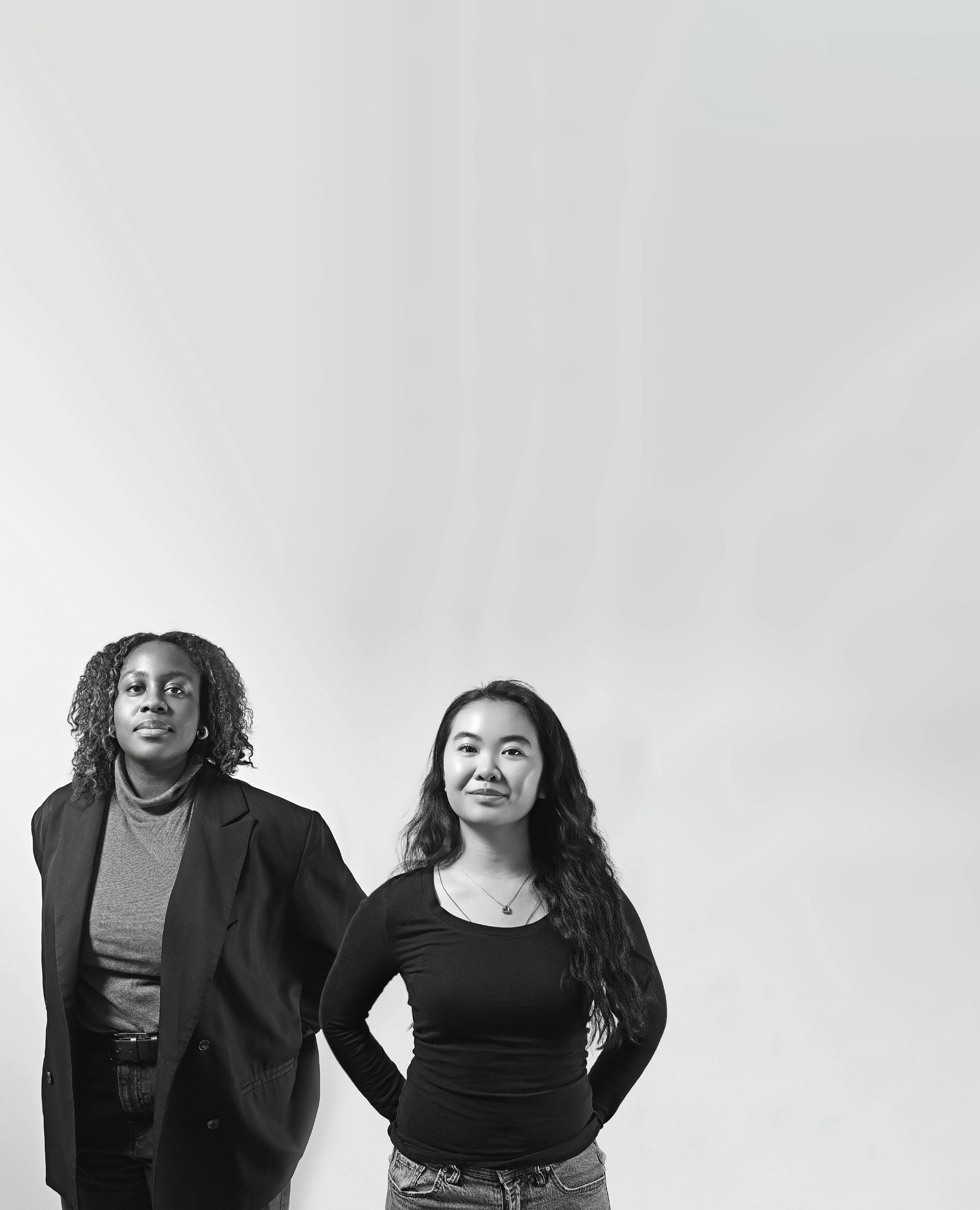
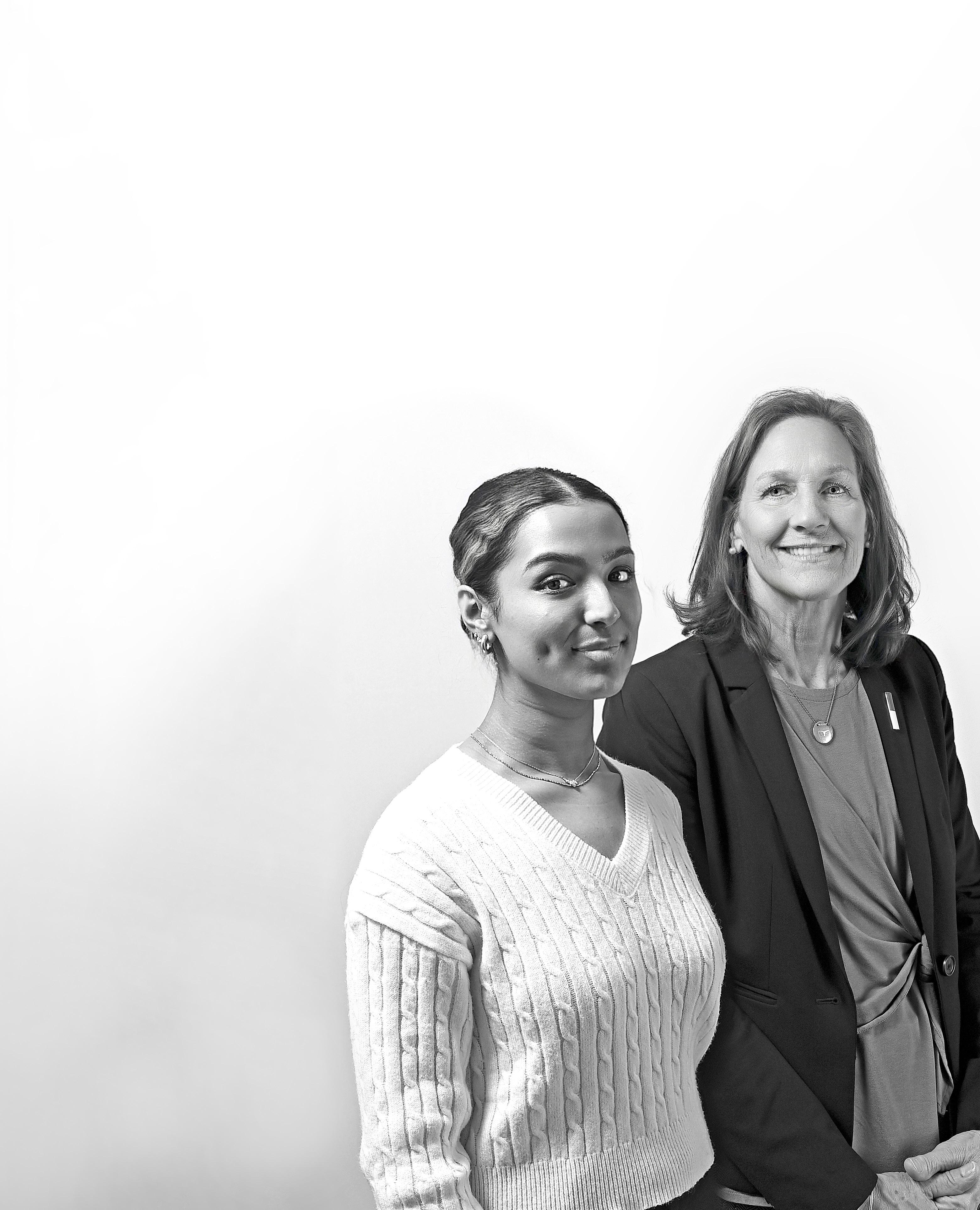
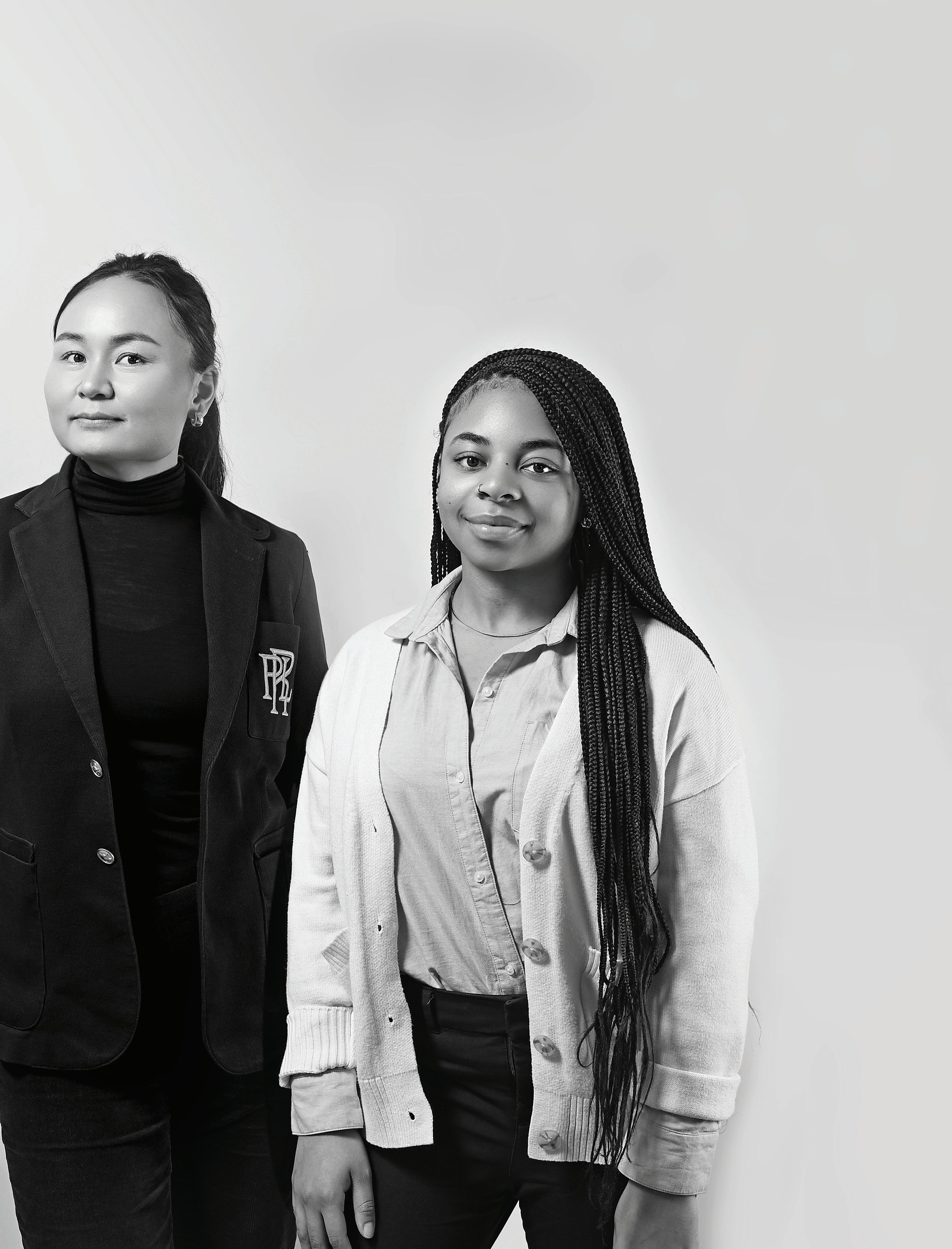
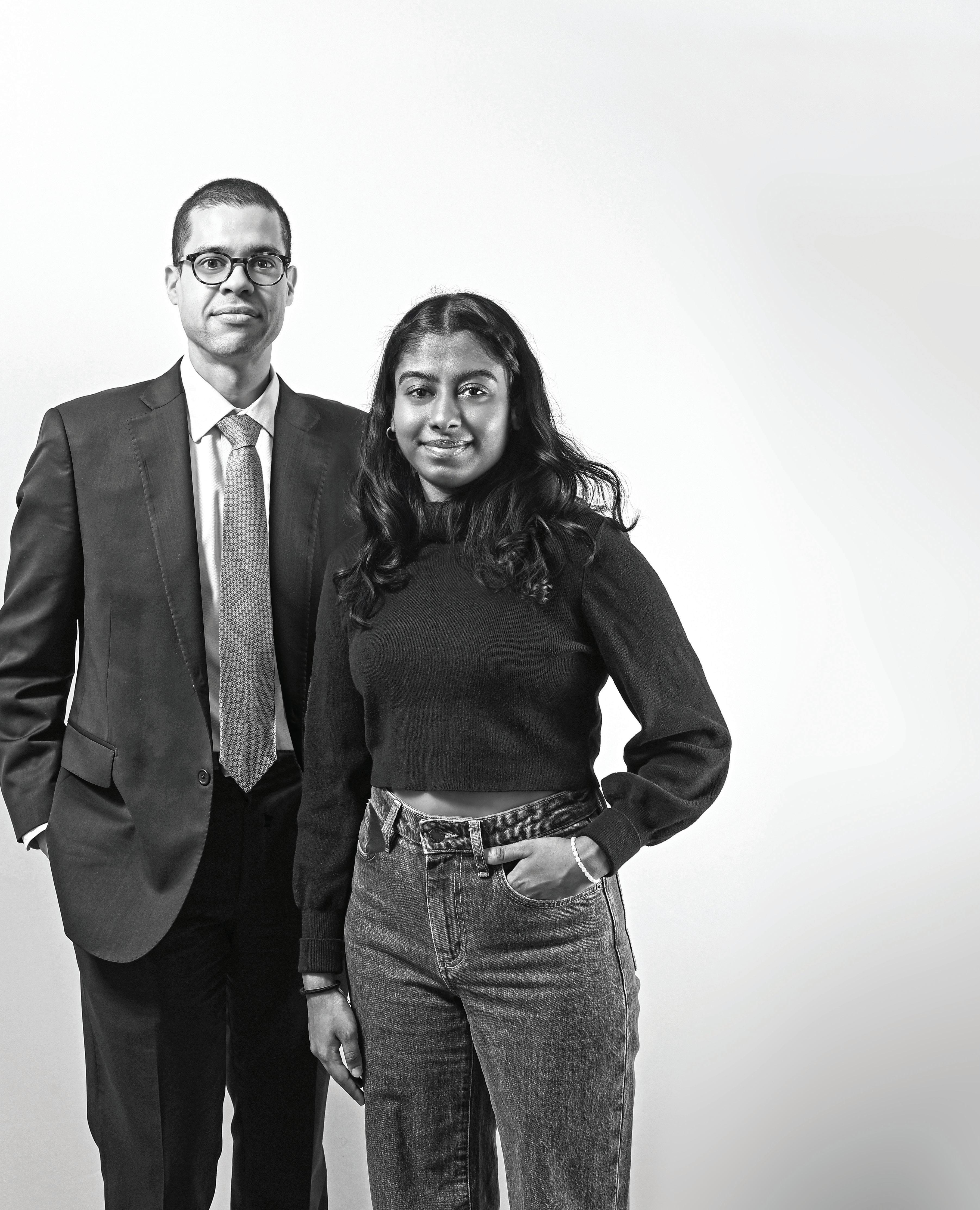
When Columbia Mailman School alumni met current students at a networking event on campus this spring, the room was buzzing with connection and community. There was lots of talk about career plans, challenges, and opportunities. One thing everyone could agree on: Public health matters.
Interviews by Dana Points
Photographs by John
Herr
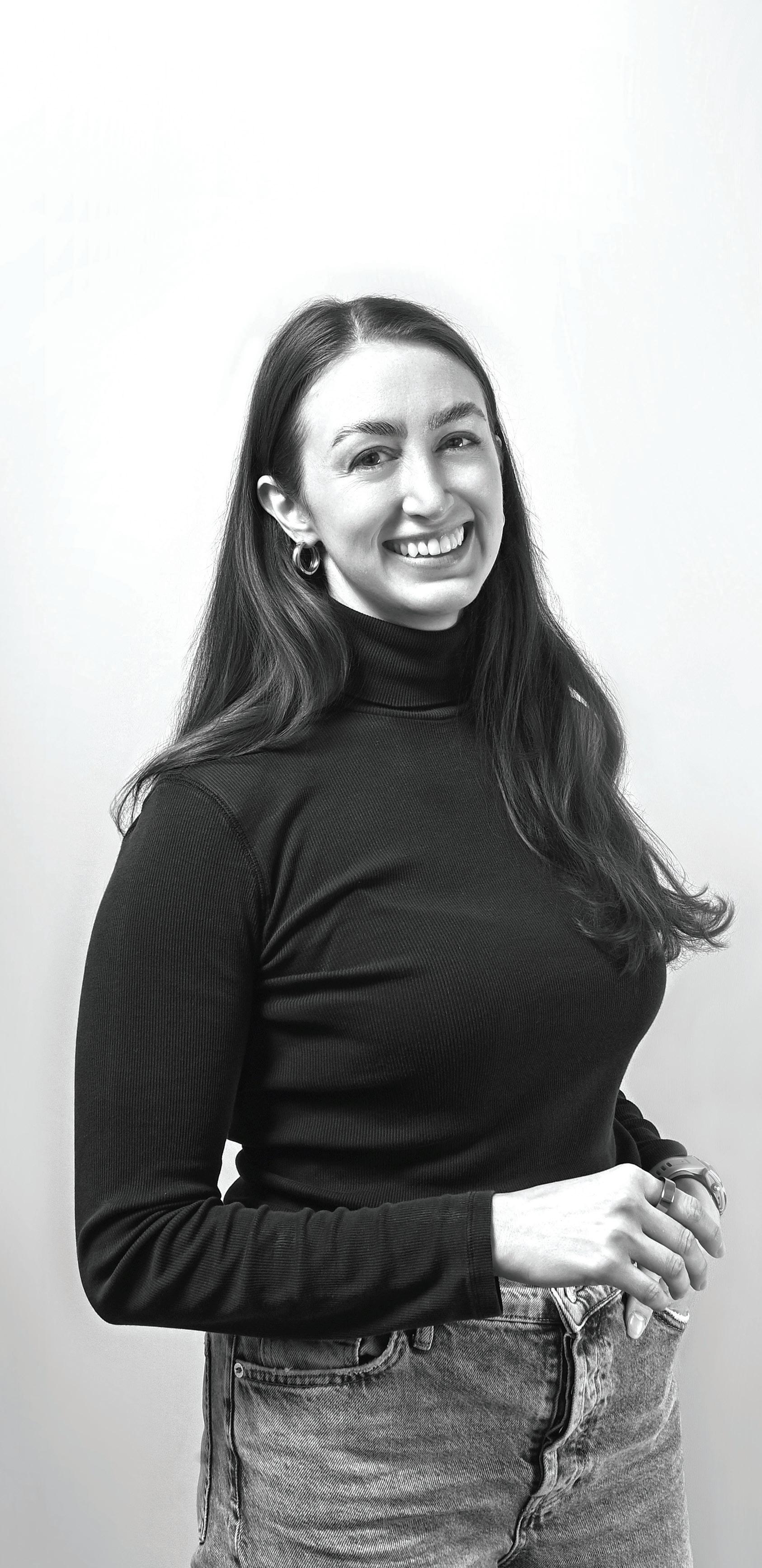
Suzanne Kirkendall, MPH ’18
Sociomedical Sciences
CEO, North America at BVA Nudge Consulting
We apply human psychology to help clients change the behavior of customers, employees, and the public.
How has the degree furthered your career?
My public health degree honed my expertise in behavior change and communication and provided me with a strong global network of wonderful people with whom I continue to exchange expertise and opportunities.
What keeps you connected to the School?
Columbia Mailman School is one of my “happy places.” I absolutely loved what I

was learning, I loved exploring New York, and I loved the people. I met some of my best friends through the program. I have a unique career that I love as a result of the program. Joining the Alumni Board in 2020 has been a wonderful way to stay in touch.
What’s in the future for you?
I am fascinated by the science of how to help people, teams, and organizations grow and thrive. I’m excited about continuing to find new ways to combine my psychology, coaching, and business skills to solve interesting challenges.
Do you have a tip for today’s students?
Don’t be shy. You know more than you give yourself credit for, and you’ll often be the expert in the room. Step up and share what you know so everyone can benefit. Get assertive—we public health folks can be nice to a fault. It’s time to pull out all the stops.
Why public health?
I chose the degree after observing the lack of quality health-promoting tools in the Black community in urban areas.
What have you enjoyed about the School?
The program’s networking culture has pushed me out of my comfort zone and prepared me to interact with individuals across different industries who will advance my career.
The field of public health is more than 100 years old. Why does it matter now?
Our global population is growing at such a rapid pace and getting more diverse. We must be open to adopting new intervention approaches and concepts.
What’s in the future for you?
I intend to work in health policy analytics at the state and federal levels. My degree has been essential to teaching me about past public health failures and how to prevent unethical practices in program planning.
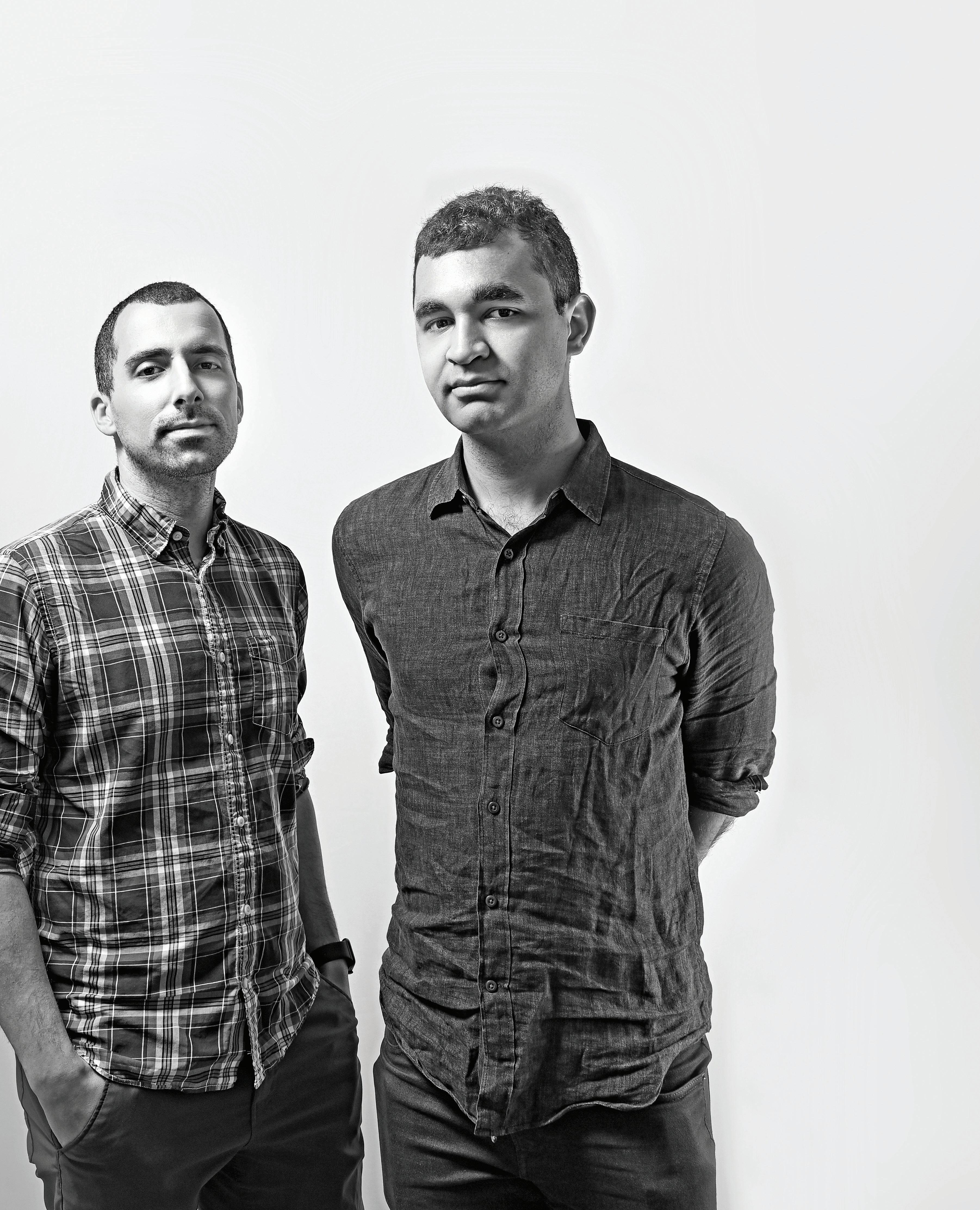
Population and Family Health
Technical Advisor at Resolve to Save Lives
I co-create solutions with country governments to prevent and prepare for epidemics globally.
How has the degree furthered your career?
My MPH helps me approach public health challenges with systems thinking, strengthening my ability to design, implement, and evaluate programs.
Do you have a tip or for today’s public health students?
I think it is crucial to be able to tell a clear, compelling story about what you’re looking
for when job-hunting and how it is rooted in your previous experiences.
What’s in the future for you?
I went straight from my MPH to working at the global policy and planning level. I think there is a lot I can still learn by working on direct implementation with communities.
Why does public health matter now?
Public health matters now more than ever because the nature and interconnectedness of today’s challenges—from climate change to colonialism—demand public health solutions and core principles. I’m hopeful that our generation will rebuild in a way that resists imperialism and centers human rights.
Biostatistics
Why public health?
I’m passionate about using mathematical and statistical methods to solve problems. I was pre-med but pursued biostatistics because I wanted a career with a more quantitative focus.
What have you enjoyed about the School?
I’ve enjoyed doing research. My work with the Belsky Lab at the Columbia Aging Center was a highlight of my first year.
How will your degree further your career?
I’m hoping to use my master’s to enter a PhD program in biostatistics or to work full time at a hospital or university, or at a pharmaceutical or biotech company.
What’s in the future for you?
I’m especially interested in genetics, preventive medicine, and healthy aging. We’re only scratching the surface of what gene-editing treatments can do.
Health Policy and Management
Healthcare Consultant at Deloitte Consulting
I offer advice, analysis, and strategic planning to help healthcare entities innovate or solve problems.
How has your public health degree helped further your career?
My degree equipped me with the skills to strategically analyze complex challenges and develop solutions when working with diverse, large-scale stakeholders. It also provided a strong foundation in business and accounting.
What keeps you connected with the School?
Alumni and peers offered me invaluable insights and guidance, and I’m eager to pay that forward. Mailman’s engaging events provide rich opportunities to learn and network.
Do you have a tip for today’s students?
Seek opportunities to gain knowledge in other fields as well. Drawing connections between public health and areas like economics or architecture can offer valuable perspectives.
What’s in the future for you?
I am passionate about helping organizations implement systems that enhance operational efficiency and modernize technologies. I’m particularly interested in how technology can be leveraged to improve quality metrics within the healthcare sector.
Why does public health matter now?
Significant health challenges continue to impact broad populations and require thoughtful, evidence-based solutions. The increased interest and awareness sparked by the pandemic present a unique opportunity. I believe my peers and I are well positioned to help rebuild trust and drive innovation.
Population and Family Health
Why public health?
Health is a human right, and children need protection now more than ever. I also care deeply about reducing health disparities.
What have you enjoyed about the School?
Connecting with passionate, like-minded, and driven individuals, whether they are faculty or my peers. I have grown immensely on a professional and personal level here.
What’s in the future for you?
I want to become a maternal and child health policy analyst. I strongly believe that my MPH will help me critically analyze health policies, advocate for evidence-based solutions, and collaborate with community organizations and health systems to reduce disparities and improve outcomes for mothers and children.
What problems are you excited to solve?
I think the biggest public health opportunities lie in health communication, digital health, and mental health (especially in maternal and child health). I am excited to help solve high maternal mortality rates and children’s mental health challenges.
Why does public health matter now?
Public health matters more than ever as we face multiple, intersecting crises, from climate change and systemic racism to mental health challenges and maternal mortality.
Health Policy and Management
Why public health?
I hope to make a real, positive impact on healthcare systems and improve access to care.
What have you enjoyed about the School?
The professors! I’ve never had this many favorite professors. They are such accomplished, interesting people.
Where do you think the biggest public health opportunities lie in the coming decades? What problems are you excited to help solve?
Digital access—improving online scheduling tools to make access to healthcare easier in those ways! This is what my summer project is focusing on. I’m excited to solve problems around access, patient retention, and care coordination, especially for underserved populations.
Why does public health matter now?
Innovative and system-level thinking is more important now than ever in a world where we face pandemics, climate change, and health disparities.
What’s in the future for you?
I hope to work in healthcare strategy either in an administrative role or as a consultant, using data and design to improve care delivery and access. The MHA is helping me build the skills and network to lead system-level change.
Environmental Health Sciences
Vice President for Environmental Health and Safety at Columbia University
I lead and oversee a comprehensive health and safety program for research and clinical radiation, ensuring a culture of safety across campuses and affiliates.
How has your public health degree helped further your career?
My first public health degree, the MPH, was
pivotal in shifting my perspective from focusing solely on individual patient care to embracing a population-based approach.
What keeps you connected with the School? Beyond working at Columbia University, I am connected by a deep sense of gratitude and purpose. I’ve served on the Alumni Board, including as president, and represented Mailman on the Columbia Alumni Association Board, which has a global community of more than 420,000. The
School has profoundly shaped my professional life, and staying connected allows me to help the next generation of public health professionals find their path.
Do you have a tip for today’s students?
Keep an open mind and pursue the joy. Public health is a broad, dynamic field, and your path doesn’t have to be linear. Follow your curiosity, stay connected to your values, and seek out opportunities that align with both your skills and your sense of purpose.

Why does public health matter now?
Facing serious health threats, from HIV/ AIDS and COVID-19 to obesity and workplace violence, show that public health is both urgent and forward-looking. It equips us to protect communities today while preparing for emerging challenges.
What’s in the future for you?
I see bright, passionate, capable students and professionals stepping up with energy and purpose. The future of public health will require all of us working together, staying grounded in evidence, and never losing sight of the greater good.
Health Policy and Management
Why public health?
While working for the National Alliance on Mental Illness, I learned to appreciate efficient systems. I’ve seen firsthand how operational and administrative burdens can be detrimental to patient care, and I want to reshape that from within.
What have you enjoyed about the School? I’ve loved the people I’ve interacted with. From peers to professors to mentors, everyone radiates optimistic energy.
Why does public health matter now?
COVID taught us that no amount of technological or clinical advancement alone can shield us from uncertainty. A strong public health infrastructure is the framework through which we can respond to global health threats, promote wellness, and address disparities that can affect health.
What’s in the future for you?
I’d love to work in consulting for a few years. Longer term, I want to develop a tool to alleviate administrative burdens in hospitals, to enhance patient experience and outcomes. I believe artifical intelligence will be key to making healthcare more affordable and enabling providers to focus on care without being overwhelmed by administrative burdens.
Do you have a tip for today’s students?
Epidemiology
Chief Strategy Officer at Aecho.ai.
I lead research and product validation efforts for a health tech startup creating a behavioral health tool powered by voice data.
How has your degree furthered your career?
My MPH gave me analytical tools and systems thinking. It also deepened my understanding of structural inequities, which drives how I shape tech-enabled public health solutions.
What keeps you connected with the School?
I’m inspired by the passion and brilliance of alumni, faculty, and students. It reminds me why I chose this field—to create impact with others who care about health justice.
What’s in the future for you?
I’m focused on refining how AI can responsibly support behavioral health and public health decision-making.
Stay curious and open. The field is vast and evolving—your skills can apply in unexpected sectors. Don’t be afraid to explore tech, policy, or entrepreneurship if the mission aligns.
Why does public health matter now?
I grew up as a nomadic child where healthcare was scarce. My family endured incredible hardship, and I lost two brothers—one to chickenpox due to a lack of access, and another due to an ill-prepared health provider. Public health is the key to making sure that every family, no matter how remote or vulnerable, has access to quality care, dignity, and hope.
Epidemiology
Why public health?
I’ve seen gun violence claim the lives of innocent young people and illnesses worsen the struggles of those already facing economic hardship. My initial aspiration was to work as a physician, but I realized that I needed to engage more broadly with public health, which addresses these issues at their root.
What’s in the future for you?
I aim to delve deeper into the underlying issues surrounding drug addiction, gun violence, and the pervasive lack of education related to health and disease. Why do these challenges exist? What are their root causes? Who is most affected?
What problems are you excited to help solve?
If we do not implement specific, strategic changes now, the future of public health could face significant challenges. Many of the existing systems need to be reconsidered and restructured to earn the trust of communities, especially those who have historically been skeptical of external interventions.
Why does public health matter now?
People who were historically silenced are speaking up, organizing, and demanding change. We are no longer just focused on preventing disease—we’re addressing injustice, rebuilding trust, and fighting for equity. Public health today is about more than policies and data; it’s about power.
Health Policy and Management
Consultant, Medicaid policy and strategy
What keeps you connected with the School?
Public health is constantly evolving. Mailman allows me to be a lifelong learner. Other schools teach the foundations of public health. But what makes Mailman special is its people! Being a top-ranked school of public health, located in New York City, with the resources of a world-renowned university, Mailman attracts talented professors and researchers. Staying involved allows me to meet new thought leaders, maintain relationships with career services for professional advice and hiring top-tier talent for my organization, and to meet the next generation of talented public health professionals.
What’s in the future for you?
I will continue dedicating my skills to efforts that help underserved populations get access to vital health services while supporting the entities that provide that care.
Do you have a tip or for today’s students?
The School gives you tools to succeed, but it’s up to you to get practical experience. While you’re in New York City, seek out opportunities at local health departments, nonprofits, and community organizations. Even a parttime role can lead to future positions and help you home in on what you like and don’t like.
Why does public health matter now?
Public health will be one of the key economic issues for the foreseeable future. By focusing on prevention and early intervention, we will reduce costs and ensure healthy communities.
Health Policy and Management
Why public health?
In high school, I was hospitalized and saw the inequities within the system. I knew I wanted to play a role in making care accessible for underrepresented populations.
What have you enjoyed about the School?
The passion of my fellow students has been inspiring to me.
What’s in the future for you?
I am interested in the intersection of health and technology and how we can leverage technology to bring more accessible care at the population health level.
What problems are you excited to solve?
I think the biggest opportunities lie in the ability to advance who can receive quality and affordable care. Right now, the system is incredibly fragmented, and it is important to consider all kinds of populations and standardize the chance to receive care.
Why does public health matter now?
Public health is being seen as a right that can be taken away by the government. Access to healthcare is a fundamental right, and it should be treated as such.
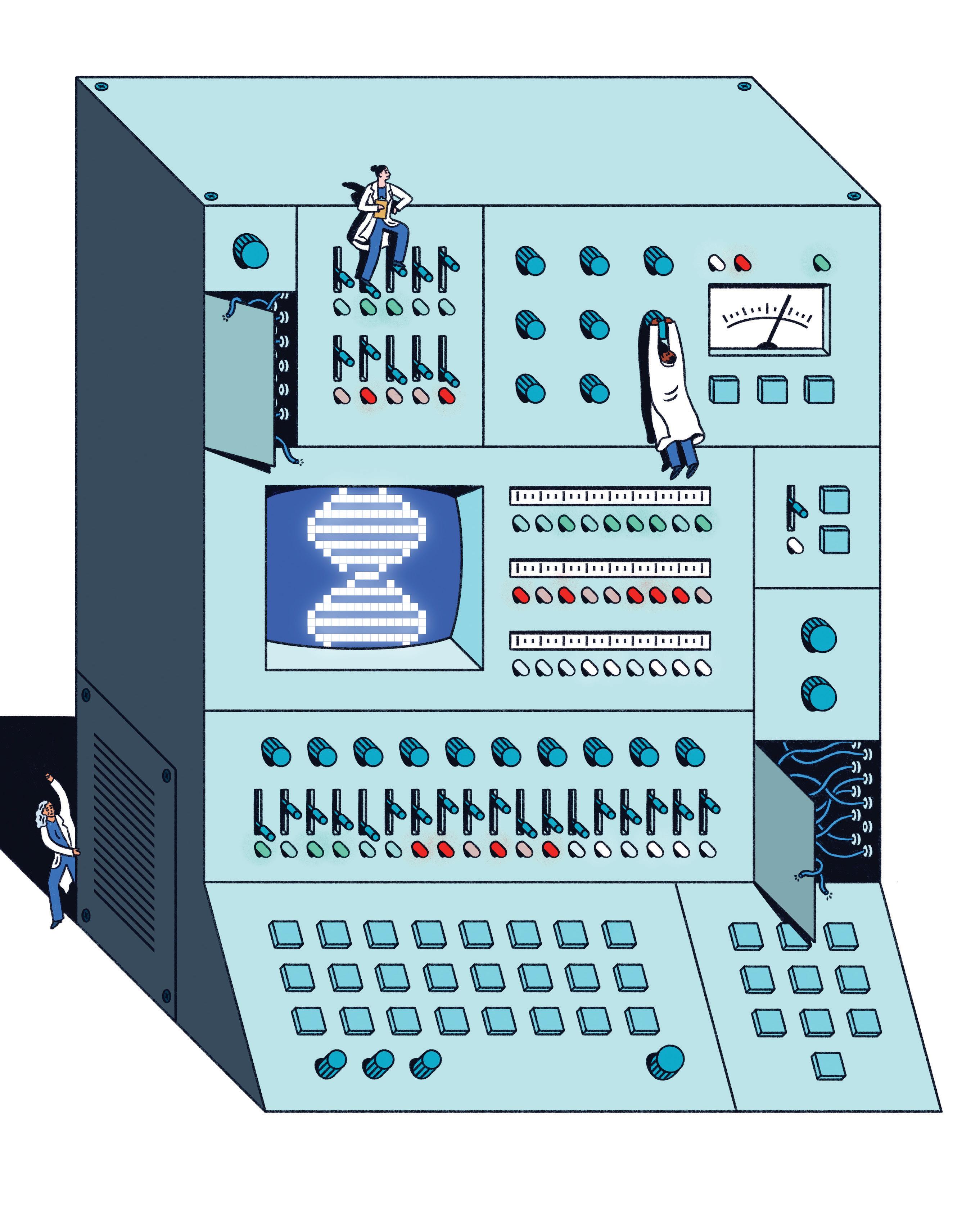
Columbia Mailman School researchers are using artificial intelligence (AI) to speed up laborious research steps, probe minute variations in proteins with speed and accuracy, and develop ways to predict disease progression—all while working to ensure that AI tools for public health are both actionable an d trustworthy. By Carolyn
Wilke/Illustration
By Josie Norton
IN AUGUST 2024, EXPERTS FROM ACROSS COLUMBIA UNIVERSITY GATHERED IN COLUMBIA MAILMAN SCHOOL’S HESS COMMONS. AS THEY SAT UNDER WINDOWS OVERLOOKING THE HUDSON RIVER AND THE PALISADES, THE GROUP—COMPUTER SCIENTISTS, BIOSTATISTICIANS, AND ENGINEERS—FOCUSED THEIR ATTENTION ON SOMETHING ELSE: ENVISIONING HOW ARTIFICIAL INTELLIGENCE (AI) COULD USHER IN A NEW ERA FOR PUBLIC HEALTH RESEARCH. Attendees mulled over the limitations of current tools and brainstormed collaborations. The daylong research salon was the first event held by TRAIL4Health, the Translational AI Laboratory for Health, which is tasked with exploring best practices for using AI in public health, building useful tools, and forging partnerships for better research.
TRAIL4Health emerged from the Department of Biostatistics at Columbia Mailman School. “We feel machine learning and AI can be transformative,” says Ying Wei, PhD, professor of Biostatistics and the director of TRAIL4Health. Even before ChatGPT's capabilities blew people away, Wei and Kiros Berhane, PhD, the Cynthia and Robert Citrone-Roslyn and Leslie Goldstein Professor and Chair of Biostatistics, were considering how AI might aid research. The potential seemed clear—AI tools are supercharged prediction machines
“THE
IN EMBRACING AI, BUT IN A WAY THAT DOESN’T DO AWAY WITH THE
that handle huge amounts of data. But, Wei says, those benefits needed to be weighed against the high stakes of public health research. It’s one thing for AI to recommend a movie or spit out email drafts. But AI for health needs to be trustworthy, generalizable, and actionable, Wei says.
That’s where biostatisticians can contribute their expertise in gauging uncertainty in data, Berhane notes. If researchers can get it right, AI tools may enable researchers to mine unwieldly, underutilized datasets. For instance, wearable devices can rack up 24/7 readings of blood sugar, oxygen levels, and other metrics. Past data science tools used summaries because they couldn’t handle the glut of data. Now, “you can deal with the data in its full complexity,” he says. That could enable researchers to pursue more complex and important questions.
As they continue to interrogate the limitations of AI tools, the School’s researchers are using them to make laborious research steps lightning fast and develop ways to predict disease progression. Says Berhane, “To me, the future lies in embracing AI, but in a way that doesn’t completely do away with the careful public health research and practice we’ve been doing so far.”
WHEN WENPIN HOU, PhD, ASSISTANT PROFESSOR OF BIOSTATISTICS, STARTED HER LAB IN 2022, SHE SAW STEEP LEARNING CURVES THAT STYMIED SOME TRAINEES. Students and postdocs often struggled with analyzing genomics data, working with biomedical images, or learning programming skills. “GPT models drew my attention quickly when I noticed their great potential to assist these trainees,” Hou says. GPT stands for “generative pre-trained transformer,” and Hou sensed that the technology might transform learning. But Hou also wondered about the models’ reliability. A type of AI, GPTs are large language models, or LLMs, designed to parse and produce text. They’re the basis for AI interfaces such as ChatGPT, Claude, and Gemini.
Hou’s group hunts for clues about biological processes in vast datasets of DNA and RNA sequences to reveal how tumors grow and to develop treatment strategies. One of the first steps is cell annotation: discerning the identity of cells based on key genes. That process can be long, laborious, and iterative, taking months for novices. Automated approaches exist but are limited in the data they draw from. So Hou turned to GPT-4, an LLM from OpenAI. She and her collaborator, Zhicheng Ji, PhD, an assistant professor at Duke University School of Medicine, developed GPTCelltype. The app instructs the GPT to access an important open-source database of gene functions. Without needing any extra training, GPTCelltype can return cell identities in a matter of seconds. Hou and Ji evaluated the app’s reliability on ten large datasets that had been annotated by humans. The GPT tool matched the cell types 75 percent of the time and was faster and more accurate than other automat-
ed methods. GPTCelltype quickly began to change how Hou’s students work. One master’s student flew through the initial step—annotating cells with the tool and verifying results—so he could get right to investigating radiation’s effect on human hematopoietic stem and progenitor cells. “Our trainees now can focus on the more intellectual parts of the research,” Hou says.
Working with tools that combine text and image processing, Hou has found that GPT models can classify medical images, for instance, categorizing brain MRI scans and lung CT scans as normal or having a tumor. Given one set of labeled training images, the best-performing AI tool identified 89 percent of images correctly and, when prompted, provided the rationale behind its classification. Feeding that rationale back to the AI in a second training boosted image identification accuracy to 99 percent. Language models are an unexplored way to work with images, Hou notes. “This is something really new and inspiring.”
Hou’s team is also working on an AI-based method to puzzle out epigenetic modifications, chemical changes that alter how cells follow genetic instructions, across different types of cancer and across the genome. The method could reveal hallmarks of specific cancers, making it useful for early detection or identifying new targets for treatments. It’s an ambitious project requiring intense computational power, which Hou has access to thanks to financial support from the National Institutes of Health (NIH), IT support from Columbia University, and Google’s cloud credits program. The state of New York’s Empire AI initiative, which aids public and private research institutions advancing AI research, is helping too. “Access to the high-performance computing resources provided by the Empire AI platform will be critical to the success of this project,” Hou says.

Ying Wei, PhD, professor of Biostatistics, is director of TRAIL4Health, which is exploring best practices for AI in public health.
AI TOOLS MAY ALSO HELP RESEARCHERS GET A BETTER HANDLE ON ALZHEIMER’S DISEASE. Proteins, produced by cells in response to genetic instructions, have myriad biological effects—from making us itch to allowing us to digest food. And they influence or are influenced by diseases such as Alzheimer’s. There are thousands of proteins in blood plasma. Zhonghua Liu, ScD, assistant professor of Biostatistics, reasoned that some of them might foretell the emergence of Alzheimer’s well before symptoms set in. His team used a statistical approach to identify seven plasma proteins linked with Alzheimer’s disease. They then studied how genetic mutations can change a protein’s amino acid sequence, which may alter its three-dimensional structure. “It’s like a lock and key,” Liu says. Modify the key, and it may lose the ability to open a lock. Changing just one DNA letter in a protein’s code can mean the protein loses the ability to participate in a chemical reaction or make a molecular cut.
diseases, including diabetes, and conditions such as aging. “The modeling capacities could be game-changing,” Wei says.

Liu’s team used an AI-based tool called AlphaFold3 to predict folded structures of proteins based on their amino acids. The tool reveals how genetic differences translate to differences in proteins among Alzheimer’s patients. Differences in structure can explain why a drug may work for one set of patients but not another. “We need a more personalized treatments,” Liu says. Some of the proteins Liu found are already targeted by drugs for other conditions. Clinical trials could reveal whether they hold promise for Alzheimer’s. Liu recalls an email from an alumnus sharing that his mother, grandmother, and sister all had Alzheimer’s disease. “He hopes someday we can develop a cure for Alzheimer's disease,” Liu says. That is what Liu is working on now, and AI is playing a critical role: He is helping to develop a tool to identify moleculer formulas for compounds that will take the right shape to latch onto proteins involved in the disease.
Other researchers, including Wei, are using AI to look for road maps of Alzheimer’s disease progression and prevention strategies, with the support of the NIH and the Columbia University Data Science Institute’s 2025 Seed Fund. “The question that patients ask the most is, ‘What’s going to happen next year?’” Wei says. Wei has partnered with colleagues at the Columbia University Alzheimer’s Disease Research Center to curate and mine rich patient data—brain scans, blood test results, cognitive assessments and more—with GPT tools. She hopes to uncover which factors predict progression. This could someday help forecast the disease trajectory to help patients prepare, and could also yield insights into preventing or slowing disease progression.
The complexity of the disease and the aging process is a major reason to use AI, Wei says. Simplified Alzheimer’s models haven’t been adequate for understanding and addressing person-to-person differences. With the amount of data AI tools can integrate, “that could really be transformative.” Both Liu’s and Wei’s approaches could be applied to other
NOT ALL AI APPLICATIONS SUCCEED. Andrew Rundle, MPH ’94, DrPH ’00, professor of Epidemiology, wondered whether generative AI could boost research efforts in population health. “Somewhat facetiously, the idea was, can we have ChatGPT do the work that we would normally tell doctoral students to do?” he says. In one project, doctoral student Nicole Itzkowitz pulled information about helmet use from anonymized health records of emergency room visits by patients who had bicycle or scooter crashes. These records include doctors’ freehand notes. “There’s often a ton of information there, but it’s a nightmare to use,” Rundle says. Working with postdoc Kathryn Burford, PhD, Itzkowitz scoured records for misspellings and abbreviations, eventually creating a text-searching program that categorized reports by helmet use. Could ChatGPT replicate her work?
“Yes. On some days,” Rundle says.
Fed all the information from the student’s painstaking work, the AI tool performed well. But its output wasn’t repeatable. Given the prompt and data on successive days, it provided correct information one day and hallucinated the next. On the next day, it repeated the wrong information from the previous hallucination. These experiences have Rundle contemplating how and when AI tools should be used. In some cases, they may shortchange student learning, he says. Meanwhile, Rundle has found his own copyrighted research in databases of articles used for AI training. “Am I going to use this tool that hasn’t really produced great results to do my work when it is based upon what I see as the theft of scientists’ work?” Rundle says. Given public health’s high ethical standards, it’s an important question.
How to apply AI tools—with all their capabilities, limitations, and ethical quandaries—is something that Columbia Mailman School faculty, especially those involved in TRAIL4Health, will continue to consider. Some researchers are developing tools with built-in safeguards to check for consistency and look for errors, Berhane points out. Another issue is AI tools’ propensity to propagate biases from training materials or to eliminate or discount data from certain populations. Researchers including Daniel Malinsky, PhD, assistant professor of Biostatistics, are working on measures to counter this algorithmic unfairness. Training—both training AI tools with the best data possible and educating students to interrogate their research results—will be key in using AI well in public health, Berhane notes, but he remains optimistic about the future. “With best practices in place, AI tools will allow us to answer important questions in their full complexity.”
Carolyn Wilke covers science for curious readers old and young in The New York Times, National Geographic, and more.
Water is delivered at an Ahmedabad market. Before 2010, residents worked through extreme heat. Today, they take more precautions.

The School’s experts are racing to help communities worldwide build resiliency to high temperatures, pollution, and other effects of a rapidly evolving climate emergency.
By Tim Paul
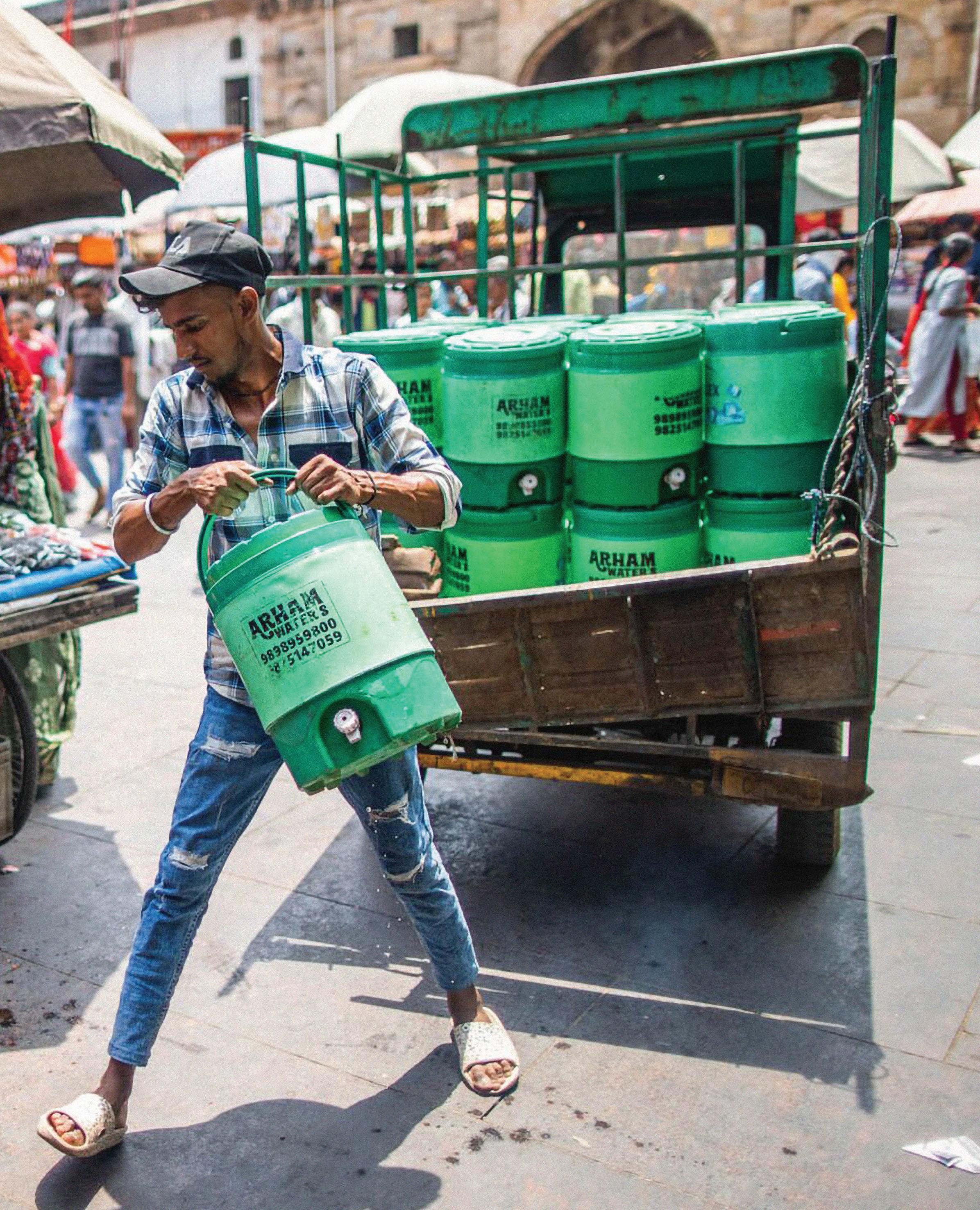
IN AHMEDABAD, INDIA (POPULATION 9,062,000), DAYTIME TEMPERATURES IN THE SPRING ROUTINELY REACH THE UPPER 90s F (36 C). BUT MIDWAY THROUGH MAY 2010, THE CITY EXPERIENCED A NEW KIND OF HELL: BLISTERING CONDITIONS CLIMBING AS HIGH AS 116 F (47 C)—THE HOTTEST DAY IN NEARLY A CENTURY. At Sheth Vadilal Sarabhai Hospital in the city center, a line of people seeking treatment for heat-related illnesses stretched out of the doorway and onto the street outside. Ultimately, records showed that there were more than 1,300 deaths above what would typically be expected in a summer month, excess mortality attributable to the heat. Eight hundred people died in a single horrific week. Most were older adults and people with preexisting conditions. The Ahmedabad heat wave, which made headlines around the world, spurred the government to act. The Ahmedabad Municipal Corporation and partners, including the Indian Institute of Public Health and the Natural Resources Defense Council (NRDC), developed a Heat Action Plan (HAP)—India’s first. Kim Knowlton, DrPH ’05, assistant clinical professor of
Environmental Health Sciences and former NRDC senior scientist, was part of the multiyear effort. “Heat is often called the invisible killer, but in heat waves like the one in Ahmedabad, unfortunately, you see people suffering and perishing before your eyes,” Knowlton explains. “It’s not only heatstroke, but it’s a whole range of respiratory and cardiovascular causes of death, because those organ systems are enormously challenged and compromised by trying to thermoregulate the body.”
Released in 2013, the Ahmedabad HAP was built on a rigorous assessment of heat vulnerability—age, medical status, and occupation were among factors studied. The result was a road map to protect residents. The plan created an early warning system to alert government agencies, health officials and hospitals, emergency responders, and community groups when a heat wave was imminent. It ensured that healthcare workers were trained on how to recognize and respond to heat-related illnesses. And it launched a campaign to educate residents—not easy in a place where people traditionally take pride in carrying on despite the heat.
Five years later, Knowlton and collaborators looked at whether the HAP had made a difference. It had certainly been tested. In 2016, Ahmedabad experienced another record high, reaching 118.4 F (48 C)—two degrees Fahrenheit above the 2010 extreme. To the team’s relief, the HAP proved its worth: 1,100 deaths were avoided each year during the heat season in the years since the plan’s release, versus a comparable earlier period. In the intervening years, India has created dozens of HAPs for cities across the country modeled after the one in Ahmedabad. Meanwhile, Ahmedabad’s HAP has continued to evolve, for example, by directing resources to the most vulnerable neighborhoods. A similar effort launched in 2017 introduced an air quality index. Attitudes in the city have been changing, too. Before 2010, residents would shrug off heat waves as a fact of life. These days, Knowlton asserts, they emphasize the danger and urge one another to take precautions.
THE FIELD OF CLIMATE AND HEALTH WAS IN ITS INFANCY 20 YEARS AGO, WHEN KNOWLTON EARNED HER DrPH. COLUMBIA MAILMAN SCHOOL WAS A PIONEER—THE FIRST PUBLIC HEALTH SCHOOL TO LAUNCH A CLIMATE AND HEALTH PROGRAM IN 2011. As the number of heat-related deaths grew to what is now an estimated 489,000 per year, the School established itself as a leader in the science documenting the myriad health impacts of climate change and in training front-line responders and policymakers. The latter is done through the Global Consortium on Climate and Health Education (GCCHE), housed at Columbia Mailman School. All the while, median global temperatures have continued to rise—this year, the world shot past the 1.5 C (2.7 F) excess temperature benchmark established in the 2015 Paris climate meeting.
Extreme weather events like Ahmedabad’s are becoming more frequent and intense. To prepare for this new reality, in early 2025, the School launched the Center for Achieving Resilience in Climate and Health (C-ARCH) to serve as a “solutions lab” developing concrete ways to protect populations from the growing health impacts of climate change.
Across disciplines, the School’s scientists are working to design, deploy, and evaluate evidence-based solutions to reduce all manner of climate-related health risks—from obvious hazards like heat waves, hurricanes, flash floods, and wildfire smoke to less obvious ones like food insecurity and mental health crises. Led by Darby Jack, PhD, professor of Environmental Health Sciences, and Kiros Berhane, PhD, Cynthia and Robert Citron-Roslyn and Leslie Goldstein Professor and Chair of Biostatistics, C-ARCH is spurring creative solutions like hurricane vulnerability mapping and controlled burning to prevent wildfires. While federal grants for health-related climate research, always limited, have dried up, the work continues.
“We’re seeing the effects of climate change worsening. It’s unequivocal that the health and lives of millions around the world are being stressed in new ways,” says Jack. “That’s why it’s so urgent that we identify the resources and the strategies to build resilience and help the world adapt to the shifting ground of the changing climate.”
EVERY COUNTRY ON EARTH IS AFFECTED BY CLIMATE CHANGE. BUT CLIMATE CHANGE ISN’T EXPERIENCED THE SAME WAY EVERYWHERE, AND MANY POORER COUNTRIES ARE LESS EQUIPPED TO PREDICT AND ADAPT TO ITS IMPACTS. Of course, fossil fuel emissions driving these impacts have largely happened outside their borders; the U.S. is responsible for more atmospheric CO2 than any country—one-quarter of all historical emissions. In a study in Ghana funded by the Wellcome Trust, Jack and colleagues at the Kintampo Health Research Centre (part of Ghana’s Ministry of Health) are measuring the effects of heat on overall mortality, as well as the specific impacts on birth outcomes and child development. Even as the data analysis is ongoing, Jack is developing a text-based system designed to warn pregnant people about extreme heat. Because air-conditioned cooling stations aren’t an option, recommendations include reminders to find shade, avoid physical activity, and drink water.
“The U.S. and other wealthy countries have extensive data on population-level health. By contrast, in low- and middle-income countries, where climate impacts and vulnerabilities might look very different, these national datasets are lacking. Our study aims to help fill this gap. Our goal is to help protect the population as extreme heat becomes more commonplace,” he explains.
Air pollution, whether from cookstoves or industrial smokestacks, is intertwined with climate change; the emis-
THE RAPID PACE OF CLIMATE CHANGE DEMANDS THAT HEALTH PROFESSIONALS QUICKLY GET UP TO SPEED ABOUT ITS THREATS TO HEALTH. The Global Consortium on Climate and Health Education (GCCHE) develops curricula and standards for teaching climate and health to future doctors, nurses, public health professionals, health system administrators, and health policy makers. Over 400 health professions schools worldwide are now members. In recent years, as part of its global effort to build coalitions and knowledge, the GCCHE and partners have also joined with community organizations and government partners to directly train front-line health professionals. One nine-week course, offered online in English, Spanish, and French, covered topics such as how to prevent and treat climate-sensitive health conditions.
Director Cecilia Sorensen, MD, associate professor of Environmental Health Sciences and Emergency Medicine, is gearing up to offer another course with partners including the Pan American Health Organization, Health Canada, the World Health Organization, the United Nations University, and the Inter-American Institute for Global Change Research. Its goal: Equip health workers with the knowledge and tools needed to rapidly scale up adaptation, mitigation, and resilience efforts. “Participants will explore the emerging, unprecedented threats that climate change poses, moving beyond traditional single-hazard thinking to understand compounding, cascading, and cumulative climate impacts,” she says.
sions both harm human health and heat the atmosphere. Children bear the brunt of both: Their bodies are more susceptible to air pollution, and most of them will live to see the worst effects of climate change later in the century. Since 2007, Jack has worked with collaborators in Ghana to study the health risks of traditional cookstoves that burn organic matter and the benefits of switching to devices that use liquefied petroleum gases like propane or butane. The Ghana Randomized Air Pollution and Health Study (GRAPHS) has followed a group of mothers and children for years, documenting improved heart and lung health in children using the newer cookstoves.
Much like Jack’s GRAPHS study, researchers at the Columbia Center for Children’s Environmental Health (CCCEH) have documented all kinds of health risks related to air pollution exposure. A study of children in Krakow, Poland, reported evidence of developmental, respiratory, and cognitive and behavioral challenges linked to dirty air. The findings were instrumental in prompting the government there to ban coal burning in homes. According to an estimate by CCCEH founder Frederica Perera, MPH ’76, DrPH ’82, PhD ’12, and colleagues at the Jagiellonian University in Krakow, the resulting decline in fine particulate matter in the air meant avoiding hundreds of preterm births, infant deaths, child hospitalizations, and cases of asthma. Similarly, they found that children’s health in New York City benefited following the introduction of climate-friendly policies, including low-emissions city buses.
Documenting health risks is critical to provide the evidence necessary to garner support for regulations or spark behavioral changes. But so too are the follow-up studies like the evaluation of the Ahmedabad HAP and of the policy changes in Krakow and New York. “Telling these good-news stories is important,” Perera says. “We want to show how
these policies can make a difference and share examples of success with everyone—community members, collaborators, policymakers, and funders.”
THE WARMING ATMOSPHERE DOESN’T JUST HEAT THE AIR. THE OCEANS ARE WARMING, TOO. HEAT RISING OFF THE OCEANS GENERATES KINETIC ENERGY THAT CREATES HURRICANES AND TROPICAL CYCLONES. At the same time, sea levels are rising, leaving coastal communities more exposed to danger. Robbie M. Parks, PhD, assistant professor of Environmental Health Sciences, has analyzed the aftermath of these storms, finding that Americans in their path have elevated death rates—not just drownings and injuries, but also infectious and parasitic diseases, cardiovascular and respiratory diseases, and mental illness. A related study Parks did of 179 cyclones over 32 years found that older adults and socially vulnerable populations were most affected.
According to Parks, vulnerability to storms and flooding is due to lack of awareness of the risks and timely warnings. In ongoing work, he’s developing a system to anticipate the impact of hurricanes with greater precision than a traditional flood zone map. To do this, he feeds images of hurricane-damaged housing in New York City taken from Google Street View into a machine-learning algorithm. “The idea is to create a map of vulnerability, including for neighborhoods that haven’t been directly in the path of the hurricane,” he explains.
Thinking about climate change often creates anxiety. More directly, higher temperatures also drive higher rates
of mental illness and related challenges. In one study, Parks linked high temperatures with hospital visits due to drug and alcohol use. People spend more time outdoors, get dehydrated and intoxicated, and behave in a way that leads to injury. Another Parks paper found that hospitalizations due to violence—interpersonal and self-inflicted—climbed in the first two days after exposure to heat stress. Separately, to assess strategies to address mental health risks of heat, Parks examined 83 HAPs in 24 countries. Most acknowledged the risks, yet few proposed interventions like neighbor check-ins to protect the vulnerable. India was the only nonwealthy country to include mental health in its HAPs.
Another unexpected way heat puts us at risk: Pedestrian falls increase. High heat affects us physiologically and causes sidewalks to buckle; both increase the risk of falls. As the climate gets hotter and the number of unsteady older adults swells, the problem could worsen, notes Andrew Rundle, MPH ’94, DrPH ’00, professor of Epidemiology. In a paper to be published in the American Journal of Epidemiology, Rundle and colleagues report that tree canopy cover—and the cooling shade it provides—appears to prevent these falls.
HUMAN AGRICULTURE EMERGED IN THE AFTERMATH OF THE LAST ICE AGE, 12,000 YEARS AGO. Since then, the climate has been remarkably stable until relatively recently, only dipping less than 0.5 C during the Little Ice Age period between 1600 and 1800. Feeding 8 billion people is a miracle possible only after the invention of chemically synthesized fertilizers and pesticides in the 20th century. Now, our increasingly unstable
“The idea is to create a map of vulnerability, including for neighborhoods that haven’t been directly in the path of the hurricane.”—Parks

climate is creating more droughts and heavy flooding—both of which ruin crops. In a pair of journal articles, Berhane and collaborators observed that the African continent faces a larger burden of health impacts from climate change than anywhere else in the world. Food systems are particularly vulnerable, “lacking resilience to climate shocks,” they wrote.
Plant biologist Lew Ziska, PhD, associate professor of Environmental Health Sciences and a former scientist at the U.S. Department of Agriculture, has been documenting the wide-ranging impacts of climate change on plants and agriculture for more than 25 years. “This is not about polar bears on ice anymore. Climate change is directly affecting your health and the quality of your life—everything from the availability of plant-based medicines to the quality of the nutrition of the food that you consume to the potential toxicity of that food,” Ziska says. “We’re under the gun to not only produce enough safe, nutritious food to feed to 8 billion people, but also to feed an additional billion people in the next 15 to 20 years.”
Beyond too much or too little rain, crops contend with more aggressive weeds and insects, which are increasingly resistant to pesticides. While farmers use more pesticides, evidence suggests these chemicals are bad for our health.
In early 2025, Ziska published research on how higher temperatures and carbon dioxide concentrations raise arsenic levels in paddy rice, a staple food that feeds half the world’s population. Consuming arsenic is linked with risk for heart disease, diabetes, and cancer. An ongoing study suggests that even a single hot year can increase levels of the toxin. On the plus side, it’s possible to roughly predict the amount of arsenic in a harvest, and there is a method to prevent arsenic by draining and refilling rice paddies halfway through the growing season. Unfortunately, the process is labor intensive so farmers may resist doing it.
Another possible way to prevent arsenic accumulation is trying new rice varieties. Ziska recalls an encounter with a Thai rice farmer growing 20 rice varieties on his 2-acre plot. “I was blown away. His way of farming was so different than the American corporate mode of going all in on a single variety. I asked him, ‘Why are you growing 20 varieties?’” Ziska says. The farmer’s answer was a testament to the importance of planning and resilience. “He answered, ‘Because, no matter what happens, I will always have food for my family.’”
Tim Paul is editorial director at Columbia Mailman School. He has covered the School’s climate science for 13 years.
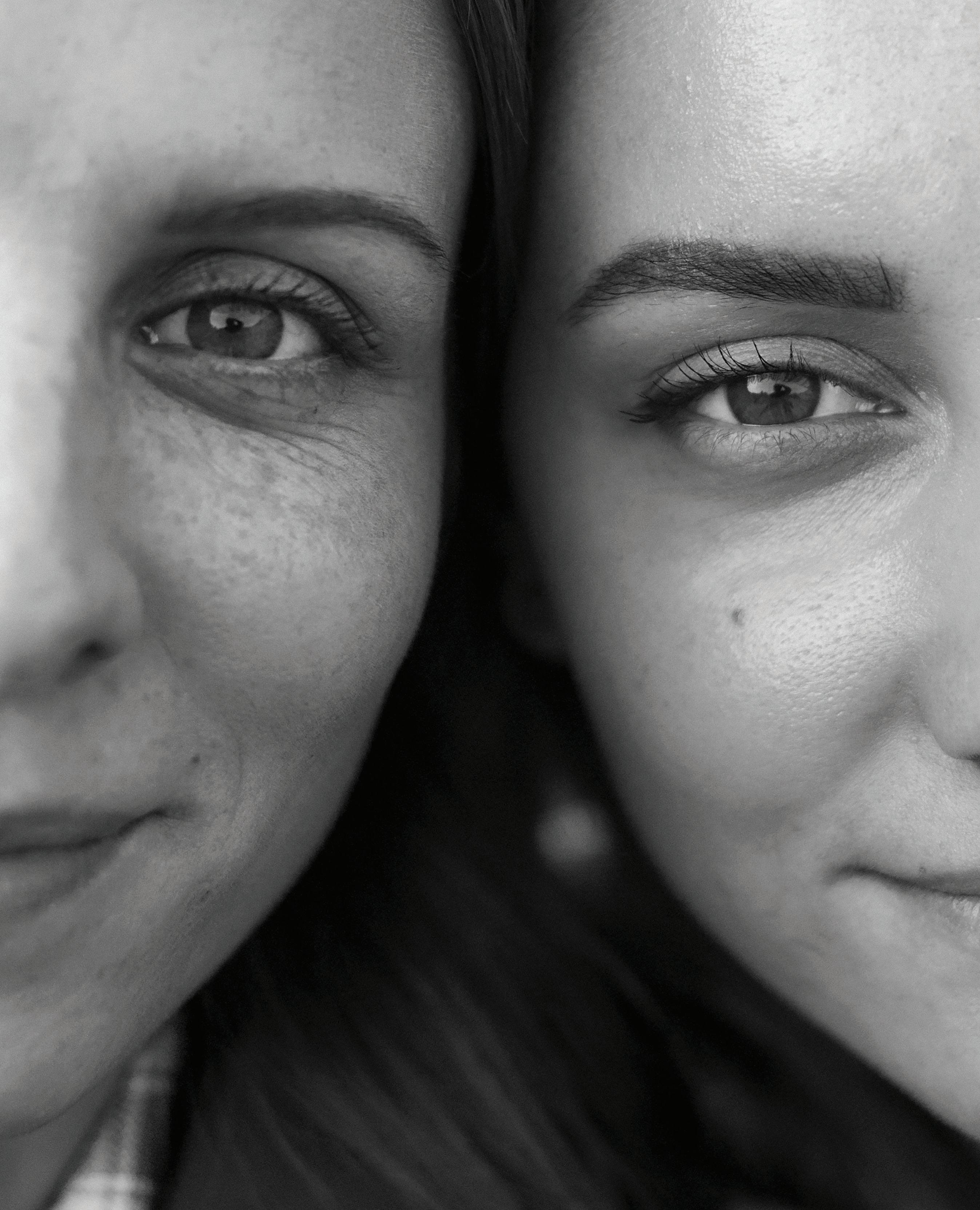
Research into the three M’s of women’s health— menstruation, maternity, and menopause— has uncovered new insights about the start of puberty, shed light on mothers’ mental health, and laid a foundation for much-needed conversations about menopause.
By Christina Hernandez Sherwood
In her 80-year lifespan, the average American woman will menstruate more than 400 times, give birth to one or two children, and have symptoms of menopause for five to ten years. These profound, hormonally driven experiences are linked to public health, yet woefully underresearched. The majority of studies in the field of aging, for example, fail to consider menopause. Public health scientists across multiple departments at Columbia Mailman School are working to bridge this gap. And though federal funding cuts have slowed progress, there’s exciting research to report and more on the horizon.
TODAY, AN AMERICAN GIRL IS AN AVERAGE OF 11.9 YEARS OLD WHEN SHE GETS HER FIRST PERIOD, DOWN FROM 12.5 YEARS IN THE 1950S AND 1960S. Concerns about earlier periods popped up in the headlines after research linked earlier puberty to increased breast cancer risk later in life. Studies have also connected early periods to obesity, type 2 diabetes, and cardiovascular disease. Menarche, or first period, is the culmination of a process that happens over multiple years, and researchers at the School are now examining that process more thoroughly. An initial part of puberty, breast development, is happening sooner. Lauren Houghton, PhD, assistant professor of Epidemiology, aims to understand why girls are experiencing breast development earlier than in the past. In a paper that is currently under peer review, Houghton brings together two previously siloed bodies of research—pediatric research on body mass index and psychology research on stress—to test if increased stress in the presence of increased fat tissue accelerates puberty.
Two to four years after breast development begins, the first menstrual period arrives. Houghton is among the thought leaders, including the American College of Obstetricians and Gynecologists, to call for menstruation (or its absence) to be considered a vital sign. “Just as clinicians regularly check blood pressure, they should also inquire about menstrual health, including last menstrual period, cycle length and regularity, and associated symptoms that occur around menstruation,” Houghton wrote in a 2024 paper. “Menstrual cycle characteristics outside clinical norms, or changes over time for an individual, may be a warning sign of endometriosis or another health condition.”
Though Houghton thinks about menstruation daily, she has never been directly funded to research it. The research community has historically viewed menstruation as either a routine biological process undeserving of dedicated funding—particularly when weighed against diseases like cancer—or as a nuisance, Houghton notes. That exclusion means there are gaps in knowledge, and outdated information, about the menstrual cycle. For instance, the common belief that the average menstrual cycle lasts 28 days comes from research that is more than half a century old.
Smartphone apps that track period length and symptoms could help researchers like Houghton refresh such outdated information. Some period tracking apps, while maintaining user privacy, share large, deidentified datasets with public health researchers who use them to conduct studies that aim to improve women’s health. (While some women became concerned about using period tracking apps after Roe v. Wade was overturned, for fear their data could be used against them, Houghton says in states with data protections, using a period tracking app that supports public health research is a way for users to “protest with their period” against the historic lack of research into women’s health.) Houghton utilizes pseudonymized data from the app Clue in her research. “Embracing the noise of the menstrual cycle would help us better study so many health outcomes for women,” she says, “because if you don’t account for it, you’re either missing something or you’re masking it.” While menstruation is an intimate function, it has important implications not only for health but also for a woman’s life in the outside world. “It’s super impactful to people’s daily lives and ability to thrive,” says Marni Sommer, DrPH ’08, MSN, RN, professor of Sociomedical Sciences, who has worked to draw more attention to menstrual health. Sommer directs GATE (Gender,
Adolescent Transitions & Environment), a research program dedicated to improving the lives of girls and women through puberty and adolescent development, menstrual health and hygiene, and access to sanitation.
Recent GATE research found that adolescent girls across the United States aren’t getting their menstrual health needs met, whether it’s information about their first period, symptom relief, or school-based support. “For a young person, menstruation can bring shame and discomfort and an inability to engage in the world in a full way,” Sommer says. “Conversely, being adequately recognized and supported—for example, having easy access to bathrooms and menstrual supplies in schools and other public places— is such a transformative way of experiencing your period.”
GATE’s work extends beyond the U.S. Sommer collaborated with colleagues around the world to publish a list of national-level priorities for menstrual health and hygiene for adolescent girls, including improved menstrual health education, adequate sanitation facilities in schools, access to menstrual materials, and policies that support these goals. With support from UNICEF and the Gates Foundation, they are working to see these incorporated into national-level monitoring and budgets of countries in Asia and Africa.
A GATE study assessing menstruation-friendly public toilets in New York City, Barcelona, Kampala, Manila, Osaka, and Rio de Janeiro found all six cities lacking. As part of the study, researchers collected stories of “Menstruation on the Move,” asking women how their period impacted their ability to travel about
FOR MANY WOMEN, THE NEXT MAJOR LANDMARK ALONG THEIR HEALTH JOURNEY IS PREGNANCY. In recent research, Columbia Mailman School faculty found that creating an environment for a healthy maternity phase begins well before conception. Teresa Janevic, PhD ’08, associate professor of Epidemiology, found that prediabetes in youth is linked to poor pregnancy outcomes, such as gestational diabetes and hypertensive disorders. Prediabetes care isn’t standardized, but Janevic’s work flags the importance of intervening even in young girls. “Diabetes and cardiovascular health aren’t just important to midlife and older people,” she says. Janevic has done other research revealing that structural and interpersonal racism are associated with increased postpartum blood pressure, another cardiovascular risk factor. This can set up women for a higher lifelong burden of disease, including stroke. “That physiological wear and tear on the body might have lasting effects for the mother and even the infant,” Janevic says.
The dramatic changes pregnancy induces in a woman’s physiology, anatomy, metabolism, hormones, and immune function don’t necessarily disappear after childbirth; they can have ripple effects on a woman’s health that extend far beyond nine months. Calen Patrick Ryan, PhD, associate research scientist in the Robert N. Butler Columbia Aging Center, says that “while most of these changes resolve postpartum, some may leave lasting imprints, even at the molecular level.” One example: In a study done in the Philippines, Ryan and others observed that women with more pregnancies had a higher epigenetic age—that is, a higher biologic age, which differs from their chronologic age. The effects may be more pronounced in women with fewer resources or limited access to healthcare.
The importance of policies that support maternal health was made clear in Janevic’s recent work showing that postpartum Med-
icaid extension decreased inequities in insurance coverage for immigrant women in New York City. “From pregnancy and through postpartum is a critical period,” she says. “It’s really important to support these women.” Her colleague Jamie Daw, PhD, assistant professor of Health Policy and Management, published research in May showing that only a quarter of mothers are in “excellent” mental health, a steep drop from more than one-third in 2016. Daw and colleagues found consistently worse health status among mothers versus fathers and note that poor mental health in parents can have a detrimental long-term effect on a child’s mental and physical health. “Maternal mortality may be a canary in the coal mine for women’s health more broadly,” they wrote, adding that “addressing rising population-level rates of poor maternal mental health both during and beyond the perinatal period should be a central focus of policy efforts.”
While American mothers’ mental health is on the brink, the dismantling of the U.S. Agency for International Development (USAID) slashed support for millions of women worldwide. “In times of crisis, women and girls tend to be deprioritized,” Thoai Ngo, PhD, MHS, chair of the Heilbrunn Department of Population and Family Health, told MIT Technology Review. Ngo brought together a group that collected data from February to May 2025 to understand the impact of the loss of USAID. At a School event, Sara Casey, MIA ’02, MPH ’02, DrPH ’16, associate professor of Population and Family Health, presented data from more than 100 organizations across six continents, collected through Columbia’s Global Health Action and Evidence Program, that showed extremely widespread disruptions to mental health and reproductive healthcare, including closed clinics, women with no safe place to give birth, and children who can no longer find a health provider. The event was aptly titled: Frozen Aid, Failing Women.
their city. One respondent noted that Barcelona has limited menstrual-friendly public toilets. “You have to go to a bar and ask for something to go to the bathroom,” her translated response says. “I have never found a bathroom where there was access to emergency pads or tampons. For those of us who have irregular periods, this is a big problem.”
Groundbreaking work on another aspect of menstrual health is coming from the Environmental Health Sciences department, where assistant professor Kathrin Schilling, MSc, PhD, found that several tampon brands contain lead, arsenic, and cadmium— concerning given that vaginal skin has an especially high potential for chemical absorption. Exposure to metals has been found to increase the risk of dementia, infertility, diabetes, and cancer.
At age 32, Allyson Felix was already one of history’s most decorated track stars, and a globally recognized Nike athlete. But as she prepared for her first pregnancy, she faced a shocking reality: Nike proposed a 70% pay cut in her contract renewal. The new documentary film She Runs the World, directed by Columbia Mailman School Board of Advisors member Perri Peltz, MPH ’84, DrPH ’23, and Emmy award winner Matthew O’Neill, tells the story of how Felix refused to accept that motherhood should cost an athlete her career. Felix spoke out publicly in The New York Times, walked away from Nike, and
FOR DECADES, MARNI SOMMER HAD FOCUSED HER RESEARCH ON MENSTRUATION. Then she found herself fielding calls from friends—educated, well-connected women who had strong relationships with their doctors—seeking perimenopause advice. “These are privileged, thoughtful women, yet they don’t know what’s going on in their bodies. It just seemed insane,” she recalls. Sommer decided to expand her research portfolio to include menopause. The starting point: a joint survey with colleagues from Georgetown University and Johns Hopkins University on how perimenopause—the yearslong transition from the reproductive period to menopause—affects women working in academic environments. Nearly 400 faculty and staff from the universities were surveyed in English or Spanish. The findings were accepted for presentation at the Menopause Society conference this fall. Researchers explored the symptoms women encountered at work—including hot flashes, brain fog, erratic bleeding, and mood changes—as well as how they managed those symptoms,
ultimately launched her own sneaker brand.

Felix (shown above with her daughter Camryn) went on to unprecedented Olympic success, and her fight with Nike reshaped the industry. The company adopted a policy guaranteeing athletes’ pay for 18 months around pregnancy; other companies soon followed, adding their own protections. The inspiring story of a public health-related victory for mothers, She Runs the World debuted at the 2025 Tribeca Film Festival. Find screenings at sherunstheworldfilm.com.
their workplace environment and conditions, and the nature of their jobs. The study combined quantitative data with open-ended questions about personal experiences and recommendations. Future areas of research could include a deeper look into how workplaces can support women in perimenopause and translating the findings into practical guidance, Sommer notes. The work represents just the beginning of what could be a larger research program at Columbia Mailman School and an expanded recognition of the connection between menopause research and research into healthy aging, an area where the School already excels. “Menopause and perimenopause can be really disruptive,” Sommer says. “Survey respondents wished there wasn’t so much silence around it and that it wasn’t so stigmatized. They wished people were given grace to manage their symptoms, whatever they are.”
Christina Hernandez Sherwood has an MS from Columbia Journalism School. Find her at christinahernandezsherwood.com.

Vivian Cortes, MPH ’10, PhD
VIVIAN CORTES HAS SPENT HER CAREER HELPING TO ENSURE THAT THE LIVED EXPERIENCES OF COMMUNITY MEMBERS ARE CENTERED AND UPLIFTED. The seed was planted by a formative experience in her undergraduate years: “I had a toxic relationship,” she says. “I decided to learn more about sexual health and healthy relationships, and I realized that I enjoyed educating young people about how to take care of themselves.” After graduation, Cortes worked for the nonprofit Community Healthcare Network, teaching sexual health to New Yorkers, with a focus on marginalized communities. At Columbia Mailman School, she chose the sexual and reproductive health track. “A Latino fellowship covered tuition; without it, I wouldn’t have been able to pursue graduate studies,” she recalls.
One of her favorite classes was taught by Linda Cushman, PhD, now professor emerita of Population and Family Health. “I thought a class called Research Design and Data

Collection was going to be so heavy and boring, but it was really exciting,” Cortes says. She also appreciated a class on the Pedagogy of Sexuality Education taught by Leslie Kantor, MPH ’92, PhD, now at Rutgers University. “I learned we can’t just dump information on folks. If we want to change behavior or attitudes, we need to try exercises that allow the message to resonate, such as condom demonstrations or having people role-play calling a clinic about birth control.”
Cortes put those lessons into practice when she went to work for the New York City Department of Health and Mental Hygiene in 2014. She oversaw community engagement in the Teens Connection program, which employed youth as sexual and reproductive health education ambassadors. When she pursued a doctorate in public health, she took what she learned about participatory research back to the office and involved 20 young people as researchers in a project about how young people communicated sexual consent. “#MeToo was bubbling up,” she recalls. “And Love & Hip Hop and other shows were having conversations about consent.”
The team Cortes led held focus groups and created a research-informed awareness campaign of three one-minute videos featuring teens worrying about the awkwardness of asking for consent but also imagining what might happen if they didn’t. The videos have been viewed by more than 100,000 people. Her research paper about this project, “Addressing Sexual Consent: Youth Participatory Action Research with the New York City Department of Health,” has been accepted for publication in Progress in Community Health Partnerships
Recently, Cortes was promoted to director of women’s health and family wellness suites at the health department. The new role “has been challenging in ways that are helping me grow professionally,” she says. But as before, she adds, “I’m excited to offer up the experience that I have to guide my team.”
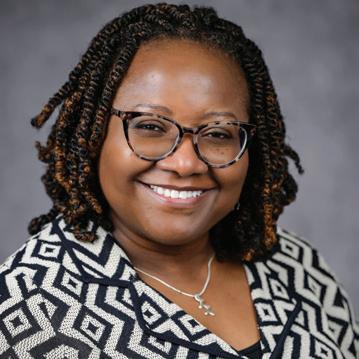
Mwango Kashoki, MD/MPH
’02
The ICU was filling up on a hectic evening. Mwango Kashoki bustled around the unit. But as the second-year internal medicine resident worked fervently with colleagues to care for another patient who was crashing, she acknowledged to herself that direct patient care wasn’t her passion. “That was a turning point that got me thinking about different career choices,” says Kashoki, reflecting on that day 25 years later. “When I spoke with people about switching out of internal medicine, they were like, ‘You gotta be crazy. Just finish up your residency. You don’t have that far to go.’ But I knew I needed to do something different in medicine.”
Kashoki, who grew up in Zambia and witnessed the devastation of the AIDS epidemic there, had always thought she’d work directly with patients. But after that day in the ICU, she decided that rather than one-on-one care, she wanted to work at the population health level. She restarted her residency in preventive medicine at Stony Brook University, where the program included an MPH from Columbia Mailman School.
At Columbia Mailman School, she took classes in health policy, biostatistics, and the social determinants of health. Professor of Sociomedical Sciences Robert E. Fullilove, EdD, stood out because of how he helped students understand how patients in the community experienced and accessed healthcare. “I expanded my knowledge about how data and policies shape our healthcare, community engagement, and patients’ agency in their treatment decisions,” she recalls.
Kashoki’s residency program rotated her through local health departments, as well as the Surgeon General’s office in the U.S. Department of Health and Human Services. In those places, she analyzed big datasets to inform decision-making, and she began to envision a career as a regulator. Postgraduation, she went to work at the U.S. Food and Drug Administration (FDA), where she started off assessing pharmaceutical companies’ clinical trial proposals to ensure they were correctly designed. One of her first assignments was looking at the drug pregabalin for the treatment of fibromyalgia. Because the diagnostic criteria had not been fully determined at that time, designing trials and assessing the drug’s approvability was complicated. “I still smile when I see that drug, because I’m like, ‘Hey, I contributed to that’—not as much as the scientists that identified the molecule and people who ran the studies, but I had a role to play in getting the drug to patients.”
After 16 years and successive leadership roles at the FDA, Kashoki took a position with Parexel International, a clinical research organizaton. Today she is global head of regulatory strategy, with an interdisciplinary team of global advisors to pharmaceutical companies. Now she’s on the other side of drug development, strategizing on new medicines and trials, evaluating data, and advising on regulatory submissions to the FDA. Looking back on her decision to leave behind a career as an internal medicine doctor, she has few regrets. “I am still kind of nerdy, so data is exciting to me. But my motivation continues to be, ‘How do I help make people better?’” she says. “And I want to do it in broader strokes than one person at a time—not to diminish that, I love my doctor—but yeah, that’s what keeps me going.”
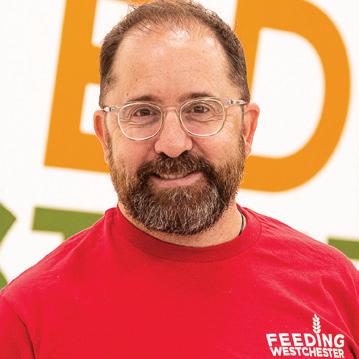
Brad Kerner, MPH ’05
Brad Kerner went from international public health worker to retail store owner after he and his family watched the documentary A Plastic Ocean in 2019. The film led Kerner to launch an Instagram feed called “My Plastic-Free Family Feud,” where he humorously documented steps he took to reduce his family’s plastic waste. He shared his ideas at a stand at his local farmers market in Bridgeport, Connecticut, and was soon known as “The Eco Dude.” Then he won a contest for new retail entrepreneurs. “I was given keys to a 2,300-square-foot store. It became Eco Evolution,” he says. It was a big change for someone who had spent his career in international public health. Kerner was a Peace Corps volunteer in Gabon, where he convinced the head of the railroad to make his 300 male workers attend sexual health workshops. “They would talk to me and get condoms and learn about HIV and family planning,” Kerner says. “It was fun.”
After Gabon, Kerner decided to get his MPH. But he did not do as well on the GRE as he’d hoped, and he worried he might not get into his first choice: Columbia Mailman School.
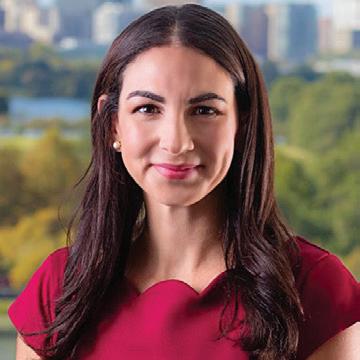
Emily Katz, MPH ’08
Emily Katz had already dipped a toe into health policy when she decided to get her MPH. As a legislative aide to U.S. Sen. Ron Wyden (D-Ore.), she absorbed his focus on elder healthcare. Katz chose Columbia Mailman School because of its Health Policy and Management track. Due to her interest in healthy aging, she got involved in the International Longevity Center, now the Robert N. Butler Columbia Aging Center, using biostatistics to model Medicare impacts of various health services. Eventually, she returned to Wyden’s office as a healthcare policy staffer and helped support passage of the Affordable Care Act, a once-in-a-lifetime experience. “The top thought leaders in the country were emailing me directly with ideas,” she says. “It was unbelievable to be able to process that on [Wyden’s] behalf and make recommendations and write legislation that ultimately made it into the bill.”
Katz would eventually move on to work with other legislators, including U.S. Rep Diana DeGette (D-Colo.) and U.S. Sen. Barbara Boxer (D-Calif.), both champions of reproductive rights. Along the way, she’d look back on what she learned. “Even though I was a health policy student, I still think about core classes of epidemiology and environmental health
He set up a meeting with Therese McGinn, DrPH ’04, now a professor emerita in the Heilbrunn Department of Population and Family Health. McGinn had also been a Peace Corps volunteer in Africa. “I told her I didn’t think my scores were good enough and she said, ‘You’re a man who wants to be in population and family health. We’re letting you in.’”
In 2001, he began in the Program on Forced Migration and Health while working full time at Harlem’s Public School 135 as a sexual and reproductive health educator in a clinic run by NewYork-Presbyterian Hospital and Columbia Mailman School. Kerner studied epidemiology and social determinants of health, as well as refugees’ sexual and reproductive health. Then he spent 17 years traveling the world as a sexual health educator for Save the Children. He left in 2021 to focus full time on Eco Evolution. His public health training helped him in retail. “I had my implementation plan, my monitoring and evaluation plan, and I used data for decision-making,” he says.
Kerner is proud of the store, which has finally reached a point of stability. Last year, he took a full-time job as vice president of community engagement and impact at Feeding Westchester. “Food insecurity is a social determinant of health, and so I continue to feel connected to public health,” he says. Kerner already has plans to cut back on the food bank’s use of plastic bags. “They all know I’m The Eco Dude,” he says with a laugh.
today,” she says. “I’ve done so much work in reproductive rights. There are a lot of arguments there that are not just about autonomy, but about economic health for the country and for a woman and her family.”
When Boxer announced her retirement in 2015, Katz decided to leave Capitol Hill as well. She became a healthcare lobbyist, working on drug pricing and policy for Express Scripts and then on a variety of healthcare issues for lobbying firms. Today, she’s vice president and healthcare practice chair for Van Scoyoc Associates where she represents hospitals, pharmacies, and other clients. “I love it because I get to work on multiple issues,” she says. “I get to work on artificial intelligence policy. I get to work on hospital reimbursement policy. I get to work on pharmacy policy.” And while she no longer works directly for a politician, she’s still frequently on Capitol Hill. She says some legislative staffers and lobbyists shy away from healthcare because they think it’s too dense or boring. But Katz is quick to remind them that they know more than they think they do just from personal experience, whether they’ve battled with a health insurer over a deductible or visited a loved one in the hospital. “People are like, ‘Oh, healthcare, it’s too complicated. I could never!’” she says. “And I respond, ‘But you know more than you think you do, and it impacts you so personally.’ Some people refuse to work on healthcare policy. But I love it for all those reasons.”
Nancy Averett covers public health from Cincinnati.
AS STUDENTS RETURN TO CAMPUS EACH FALL, THE COLUMBIA HEALTHCARE VENTURES (CHV) PITCH COMPETITION SWINGS INTO HIGH GEAR. The student-run group, based at Columbia Mailman School, pulls teams of contestants from across the university, ultimately involving 500 students each year. Fifteen teams are in the pitch competition, presenting their idea in front of investors and founders. Participants benefit from planning events, including a “startup lab” and a session on legal issues. Each team is matched with an experienced venture capitalist or founder as a mentor.
In the spring, CHV will host its second Innovation Fellowship program. “Student teams of three to five people work with venture capitalists on real projects, everything from fundraising
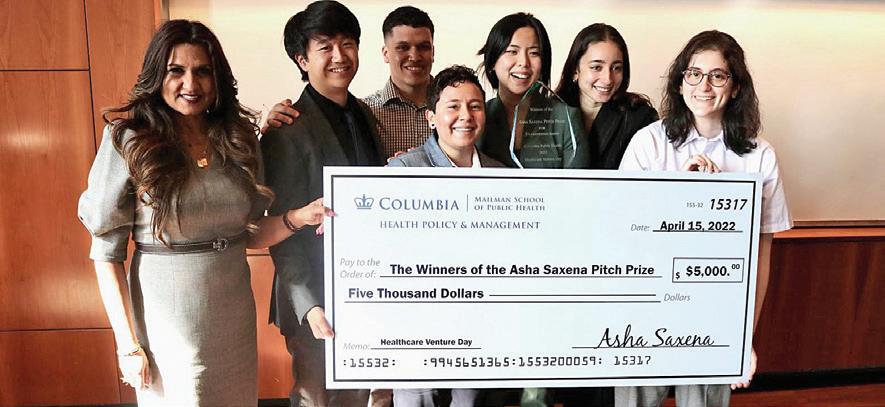
Asha Saxena, MS, adjunct professor of Health Policy and Management (far left), underwrites the pitch competition first prize.
to venture capital strategy,” says CHV president Victoria Rentrop, MPH ’26. “We’ve created a curriculum and recruited partners from the startup and venture worlds.” About half of mentors have some connection to the University, but the other half do not. “Writing to entrepreneurs under the name Columbia Healthcare Ventures really opens a lot of doors,” Rentrop says.
CHV is a strong training ground and a networking opportunity for participants, drawing students from Columbia Business School, Columbia Engineering, and Columbia Law School in addition to Columbia Mailman School. The group and students who become involved in it mean business: At least one veteran of last year’s pitch competition, Mirelle Pereira, MPH ’26, is raising a first round of financing for her startup, Santé. And Rentrop? She launched a company in high school that is currently paying half her tuition.
THE SCHOOL HAS WELCOMED SIX NEW FACULTY MEMBERS IN THE LAST YEAR. HALF KNOW THE CAMPUS WELL BECAUSE THEY EARNED DEGREES HERE.
Nicole Haberland, MPH ’93, joined the faculty as an associate professor of Population and Family Health and director of strategic initiatives for the School after more than 25 years advancing research, policy, and practice with a focus on gender equity, education, women’s and girls’ empowerment, sexual and reproductive health, civic participation, and youth. Haberland co-led development of the It’s All One Curriculum—a widely used resource translated into multiple languages—which has informed sexuality and HIV education programs globally. She comes to Columbia from the Population Council, where she co-founded and directed the Gender, Education, Justice, and Equity initiative.
Kacie Dragan, MPH ’16, PhD, is back to the School as an assistant professor of Health Policy and Management. Her research draws on economics and epidemiology to study how health systems interact with the social safety net, often with a focus on policies affecting low-income New Yorkers. She earned her MPH in Sociomedical Sciences; while here, she wrote for Columbia Health’s Go Ask Alice website and worked at the New York City Department of Health and Mental Hygiene. Most recently, she was a post-doctoral research fellow at the Dartmouth Institute for Health Policy and Clinical Practice.
Sarah McKetta, PhD ’21, is returning as an assistant professor of Epidemiology. A social epidemiologist, she focuses on use of novel measurements to expose hidden disparities and to inform policy and interventions that advance population health. Her areas of interest include alcohol use, sexual health, mental health, women’s health, and LGBT health. “I know Mailman attracts excellent master’s and doctoral-level students, and I’m eager to get to know them and start new collaborations and mentor-mentee relationships,” she says.
by
POWERLESS: THE PEOPLE’S STRUGGLE FOR ENERGY (Sage Foundation)
In Powerless, Diana Hernández, PhD, associate professor of Sociomedical Sciences, and Jennifer Laird, an assistant professor of Sociology at Lehman College, uncover the often-overlooked crisis of energy insecurity—the struggle to afford or access the basic household energy needed to live safely and with dignity. The book is based on in-depth interviews and detailed survey data, and brings to life the struggle of families who are quite literally choosing between paying for electricity and paying for food. It’s a five-star winner on Good Reads for its personal stories and for awakening readers to the fact that energy insecurity is about far more than just paying the bills.
AND ENTERPRISE (Oxford University Press)
Named a 2025 Best Summer Read by the Financial Times, this book by Amar Bhidé, professor of Health Policy and Management, offers a new framework to help analyze everyday uncertainties that arise in entrepreneurship. Drawing on more than 30 years of teaching and research, Bhidé offers a modern take on the the ideas of Frank Knight and other economists. He shows that using narrative reasoning—combining reason, contextual evidence, and creative interpretation—aligns leaders and helps companies take bold steps forward.
85 Meager
87 Ogle
Perform as one
With the bow, in music
Lassoed
Buckeye State
Hair-protecting headwear 22 Baroque stringed instrument
23 64A’s Center for Innovative _______, which studies environmental impacts on health and disease
25 What the 2017 Astros did with trash cans
27 Pale lager, informally
28 “Star Trek” captain
29 Surname of 64A’s “Dr. Bob”
30 Crush, as an exam
Employs
Negligent
35 French actress Leslie of “Gigi” and “Lili”
36 Stanford rival, informally
38 Got comfortable, military-style
41 64A department founded in 1940
44 Cold war term of address
49 Lung compartment
50 Tickle pink 51 Cushion
52 Required fieldwork program for all 64A master’s students
53 Casino cube 54 Goof
56 Actress Jessica
57 Sudden shock
58 Restrain
60 Words of empathy
63 Actress Edie of “The Sopranos”
64 For over 100 years, a global leader in the field revealed in this puzzle’s circled letters
71 Dutch-speaking Caribbean island
72 Frenzy 73 Storylines
74 Renaissance artist Guido ___
75 Backyard building
77 Playbill listings
80 Vietnamese noodle
soup
83 See 2D
84 Attila the ___
90 “Call me ___” (“Moby Dick”)
92 Radiation-exposed canines studied at 64A
94 Stereotypical sign of a very bad breakup
96 “How ya doin’?”
97 Surprise ending
101 “Yes, clearly”
102 Roof overhang
104 “Gross!”
107 64A’s famed virus hunter
109 Numbers to crunch in 41A
110 Pet pest
111 Kitchen or bathroom feature, often
113 One of 64A’s mid-career honorees
115 Winter ailments
116 “Am not!” comeback
117 Biblical name of ancient Syria
118 Upright
119 Late-night host Meyers
120 Throat malady
121 Actor Diggs of “Rent”
122 Celebration
1 South American cornmeal cake
2 With 83A, a 64A and CUNY repository of once-classified information about industrial poisons
3 Common addition to a compost heap
4 Vintage Speed Wagons, e.g.
5 Passports and driver’s licenses, e.g.
6 Most cozy
7 More parched
8 Rock’s Jagger
9 ___ Alamos, N.M.
10 Jewel case contents
11 Equips
12 Excite
13 Arranges for airport transport, e.g.
14 Neutrogena dandruff shampoo
15 St. Teresa’s Spanish birthplace
16 High standards in scientific research
By Bettina Elias Siegel

17 Discussion, slangily
18 “WandaVision” star Elizabeth
24 Approves
26 Command to an attack dog
31 Sephora competitor
32 Civic club member
33 Revise
34 Self-defense spray
37 Real ninny
39 Nobel Peace Prize city
40 Pop
41 Rotten
42 Shakespeare's “Richard ___”
43 Sharp-tongued
45 Indian royals
46 Olympian speed skater Ohno
47 Car battery pioneer
48 Praise highly
51 Entreaty
55 Slugger’s stat
56 Branch
58 Picasso’s movement
59 Actress Thurman
61 64A laboratory of which 107A is the director, for short
62 Restaurant ordering option
63 Govt. media watchdog
64 Rapper ___ B
65 Cookies since 1912 66 Midday meal
67 “You can say that again!”
68 Fuming
69 Singer ___ King Cole
70 “wait, wut??”
75 “The Giving Tree” writer Silverstein 76 Grassy garment 78 Years, in Italy 79 Put in the attic, say
Spirit of St. Louis part
Witch 82 NBA tiebreakers, briefly
“___ Gotta Have It”
(Spike Lee film)
86 Hand over
88 “What ___ is new?”
89 College URL ending
91 Moving about 92 Takeout option
93 “No clue!”
95 Messy one
97 Spats
98 Hit 2008 Pixar film about a trash-compacting robot
99 Office tray labels
100 Splash around
103 Rug cleaner, informally
105 ____ for Environmental Justice, Harlem community partner of 64A
106 Toadlike
108 School-supporting orgs.
109 Cartoon explorer
110 Throw ___ loop
112 Soak (up)
113 Bit of ink
114 Like cool cats, back in the day Bettina Elias Siegel is a writer, editor, and lifelong crossword enthusiast.
SPOILER ALERT! Public health folks are persistent, but if you find yourself stuck you can see the answers for this puzzle at https://www.publichealth.columbia.edu/crossword25

Columbia Mailman School researchers have been identifying and addressing the world’s most pressing public health challenges for over 100 years. It’s your generosity that makes it possible for our scientists to continue pioneering discoveries and developing innovative solutions that improve the health and lives of communities around the world.
Scan now to make your gift, or email Laura Sobel at ls3875@cumc.columbia.edu to discuss the power of leadership giving.