




The selection of GCSE courses in Year 9 is an exciting step in a pupil’s educational journey at Clifton High School. Whilst the choices made dictate the subjects studied to examination level, we appreciate that pupils of this age are often unsure of their future education and career goals. With this in mind, it is important for them to spend time discussing options with their parents, their subject teachers and tutors to ensure they select a broad range of GCSE subjects that keep their options open and are best fitted to their passions and ability. As pupils enter Year 10, they will be provided with a bespoke timetable enabling them to spend more time studying those subjects from which they gain the greatest joy and fulfilment.
At Clifton High School the majority of our pupils will select nine GCSEs. Unlike other local schools with pre-set blocks, we offer first-choice combinations by constructing option blocks based on pupils’ choices.
The core subjects pupils are expected to study provide a broad base for their education and include:
• English Language and English Literature
• Mathematics
• A minimum of two Sciences from Biology, Chemistry and Physics
• A minimum of one Language from French, German, Latin and Spanish
Remaining GCSE subjects are freely selected from the range detailed in this booklet, approached and selected with a balance of aptitude and enjoyment in mind.
Pupils who are in the top set for Mathematics will be given the opportunity to study towards a tenth qualification, which is taken alongside their other subjects in the summer of Year 11. The AQA Level 2 Further Mathematics qualification, graded from 9 to 1, provides a stretch and challenge opportunity to the most able mathematicians, as well as bridging the transition from Key Stage 4 to many Key Stage 5 subject areas. Full details of this will be given to these pupils at the outset of their GCSE courses.
Pupils will examine contemporary moral issues such as life and death, good and evil, human rights, relationships and families, developing critical thinking and evaluative skills. Through studying religious teachings, beliefs and practices, learners will gain insight into how faith and non-religious belief systems influence ethical decision-making and personal values. The course encourages respectful dialogue and reflection, helping pupils to articulate their own views while understanding diverse perspectives.
The Ethics paper provides a rich foundation for philosophical enquiry and moral reasoning, ideal for pupils interested in religion, philosophy or social sciences. Christianity and Islam are explored in depth, allowing pupils to compare and contrast religious responses to ethical dilemmas. Assessment is through three externally examined papers, with no coursework involved. This course complements other humanities subjects and supports progression to further study in Religious Studies, Philosophy, Sociology or Politics. It is particularly suited to pupils who enjoy debate, discussion and exploring the big questions of life!
Invited pupils will be given the opportunity to undertake the HPQ which is the equivalent of an A*-C grade at GCSE level. The project involves pupils independently researching a topic of their choice to produce a written report and/or a creative artefact, developing academic and research skills for high education or vocational courses. It is a coursework-based qualification that helps students with independent learning, time management and the ability to plan and manage a project, ultimately preparing them for A levels and further study.
If the School feels a pupil is struggling to access any of the core subjects or would benefit from reducing the number of GCSEs studied, the Enhanced Learning Department will make contact with the family to establish a pathway that will most benefit the pupil.
IGCSE (International General Certificate of Secondary Education) are the international equivalent to the GCSE courses undertaken by Year 10 - 11 pupils in the United Kingdom and accepted by all UK universities.
At Clifton High School we prioritise wellbeing; believing happiness and security form the foundation for flourishment. Health and Wellbeing lessons will be delivered each week to support personal, emotional and academic development, covering various areas such as Relationships, The Wider World, Equality and Building for the Future. Consistent support will also be provided by form tutors and subject teachers to help pupils navigate the challenges of sitting examinations, through tutorials, assemblies, revision workshops and subject specific resources.
Pupils are persistently encouraged to immerse themselves in wider School life, engaging in clubs offered as part of our Co-Curricular Programme, volunteering to obtain Duke of Edinburgh Awards, raising money for charitable initiatives, participating in the School Production, Bright Green Day, House Events and more. These all provide unparalleled opportunities for pupils to forge lasting relationships with those in other year groups as well as develop essential skills such as leadership, teambuilding and communication.
After reviewing this booklet, pupils have time to consider options, with finalised decisions and options submitted via Talaxy by Tuesday 27th January 2026. External pupils should discuss preferences with our Admissions Team, who will provide an electronic submission form. Both internal and external pupils may be able to change choices within the pre-created option blocks after the submission dates.
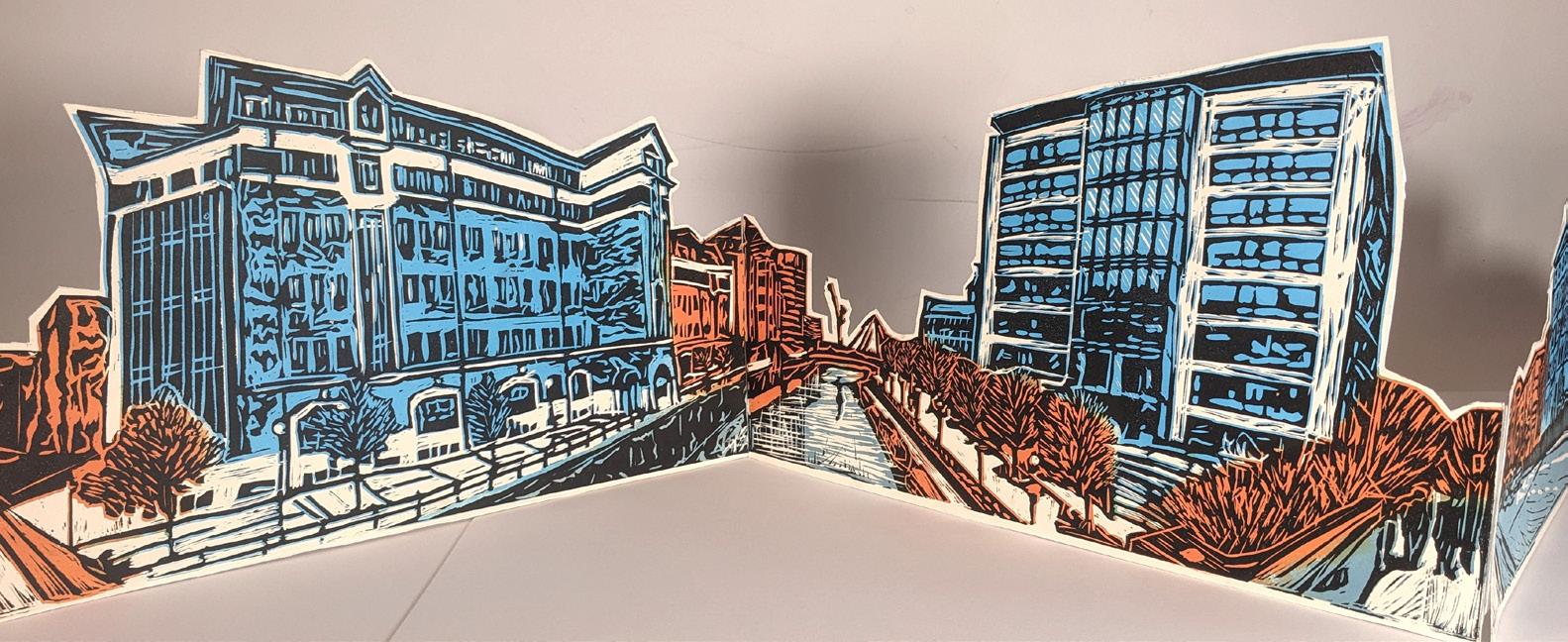
The GCSE Art and Design course is ideal for individuals who wish to develop their intellectual and imaginative skills to express themselves in a variety of ways. The course will enable pupils to extend their thinking by studying the work of artists and designers, both contemporary and traditional. Pupils will develop these skills by using a wide range of media including drawing, painting, photography, sculpture, ceramics, textiles, printmaking, animation and digital media. We will afford opportunities to visit exhibitions and museums in London and encourage pupils to submit work to national competitions such as the Royal Academy’s Young Artist Summer Show.
Component 1: Portfolio 60% of GCSE:
• A personally devised practical project. Non-examination assessment (internally assessed and externally moderated)
Component 2: Externally Set Task 40% of GCSE:
• An early release paper, issued on 2nd January 2025, provides pupils with a number of themes. A response must be based upon one of these options and a final outcome produced in a 10 hour practical examination (over two days)

An enjoyment of being creative and aspring to increase practical skills, whilst enhancing an ability to analyse and communicate, is a good basis for choosing Art and Design GCSE. It is a fantastic option that complements other subjects. Through Art and Design, pupils are able to develop a unique perspective to better understand the world. In today’s society, creation and understanding of images is important and, therefore, this course can help pupils with further study and prepare them for the world of work.
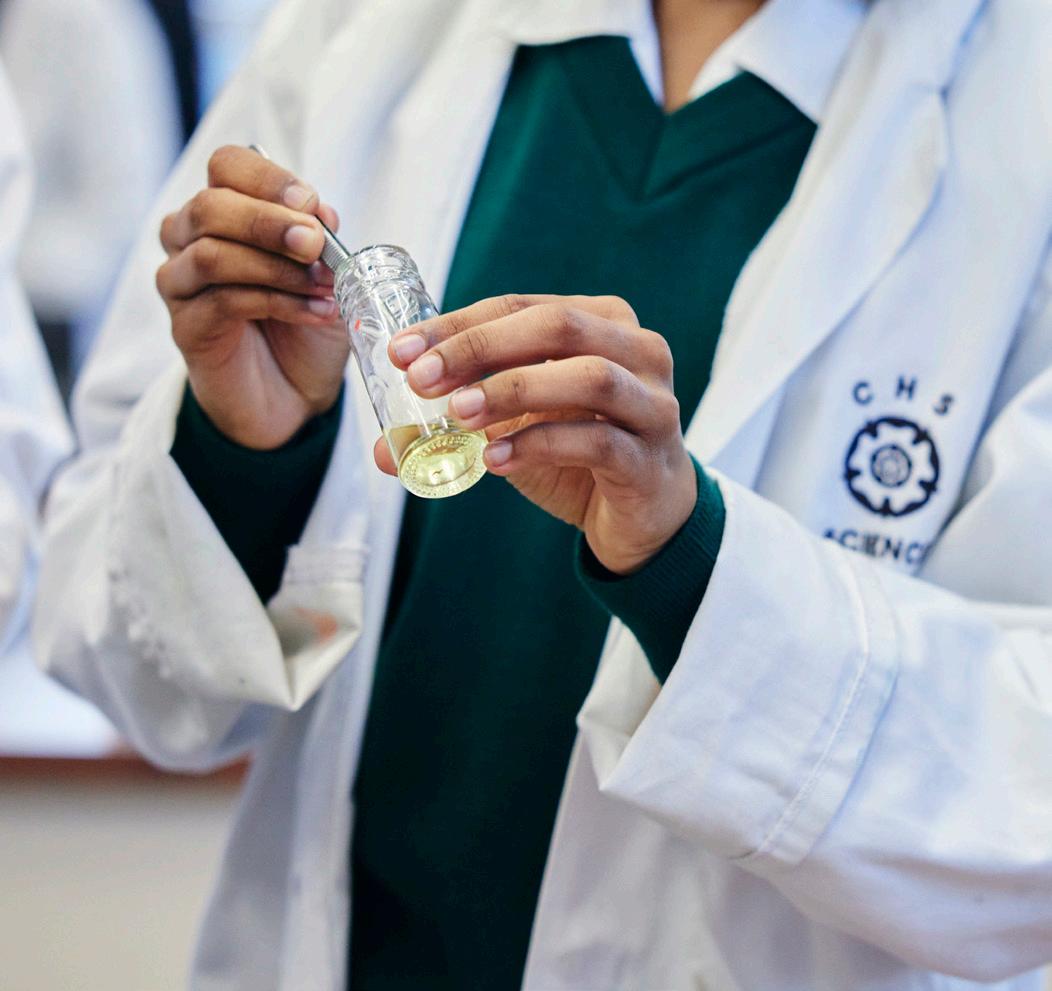
The GCSE Biology course is designed to develop a pupil’s understanding of the fundamental principles governing the living organisms that inhabit our planet, from the intricacies of cell structure to broader ecological interactions. The course combines theoretical knowledge with practical skills, enabling them to perform experiments, collect and analyse data, thereby enhancing scientific inquiry abilities. Beyond academics, this course aims to promote curiosity about the living world, addressing real-world challenges such as climate change, genetic engineering and human health, empowering pupils to make informed decisions and contribute to a sustainable future.
Pupils will sit two papers containing a mixture of question styles including multiple choice, structured, closed short answer and open response.
Paper 1: 50% of GCSE (105 minutes):
• Cell biology
• Organisation
• Infection and response
• Bioenergetics
Paper 2: 50% of GCSE (105 minutes):
• Homeostasis and response
• Inheritance, variation and evolution
• Ecology
GCSE Biology is designed to be accessible and engaging for pupils of all backgrounds and abilities. Whether a pupil aspires to become a future biologist, a medical professional or simply desires a comprehensive understanding of the natural world, this course will provide them with a strong scientific foundation. Pupils will also develop essential skills such as critical thinking, problem-solving and data analysis, which are valuable not only in Biology but also in various aspects of future academic and professional life.

GCSE Chemistry is the scientific study of the composition, properties and interactions of substances. In this captivating field of study, pupils learn how to create new materials and evaluate their impacts on our daily lives, both positive and negative. Chemistry is important for inspiring chemists, but also understanding Chemistry is crucial for the involvement in making decisions regarding global warming, energy, technology and medicine.
Pupils will sit two papers containing a mixture of question styles including multiple choice, structured, closed short answer and open response.
Paper 1: 50% of GCSE (105 minutes):
• Atomic structure and the periodic table
• Bonding, structure, and the properties of matter
• Quantitative Chemistry
• Chemical changes
• Energy changes
Paper 2: 50% of GCSE (105 minutes):
• The rate and extent of chemical change
• Organic Chemistry
• Chemical analysis
• Chemistry of the atmosphere
• Using resources
Taken further, the study of Chemistry can lead individuals towards a huge variety of exciting careers including drug research, forensic science, veterinary science, medicine, cosmetic chemistry and science journalism. From the food people eat to the clothes they wear, to the pill that may one day save a life, a chemist’s voyage of discovery could lead anywhere.
“The people who think they are crazy enough to change the world are the ones who do” – Steve Jobs
GCSE Computer Science is a dynamic and rapidly changing subject. On this course pupils will delve into the world of Artificial Intelligence, the ethics behind becoming a more technology advanced world and immerse themselves into problem solving with some Python Programming. Pupils will develop strong programming skills in order to create their own games or portfolio for advanced Robotics.
The course begins with learning about the fundamentals of a computer system, it’s components and how information, images and sound are stored on a computer.
Pupils then turn their focus to working on computer networks and how the world wide web works in society, before moving on to the problem-solving aspects of Python Programming and developing and using skills for real life scenarios.
The components of the GCSE are:
Paper 1: 50% of GCSE (90 minutes):
• Computer Systems
• Memory and Storage
• Networks
• Operating Systems
• Ethical, Legal and Social studies with AI
Paper 2: 50% of GCSE (90 minutes):
• Computational Thinking
• Programming
• Testing a program
• Defensive design
• Boolean Logic
Technology is playing a crucial role in our ever-changing society and is in almost every industry. Computer science pupils can find jobs in software development, data analysis, cybersecurity and AI. The field is evolving and providing opportunities beyond 21st century skills which enable pupils to stay engaged and interested in their learning. Computer Science is a great fit for anyone who is passionate about technology and wanting to tackle new challenges.

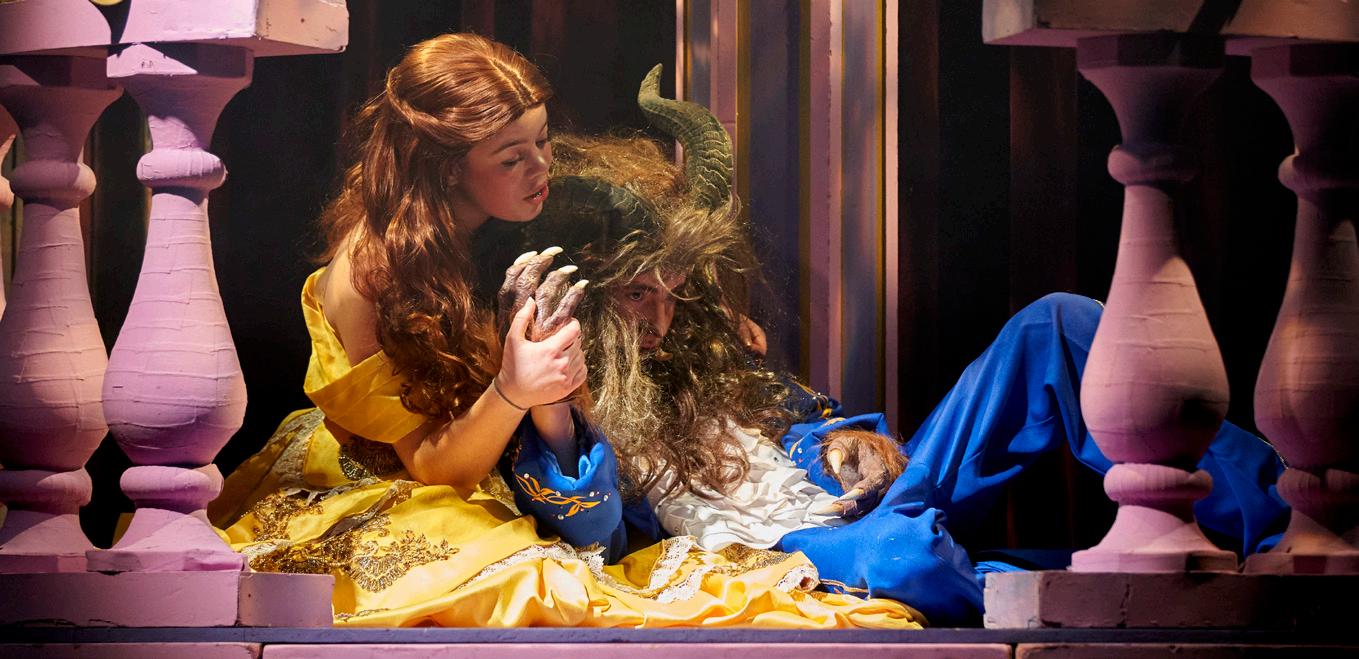
GCSE Drama offers an exciting opportunity to develop your creativity, confidence, and collaboration skills. The course explores the role of theatre makers and pupils will develop an understanding of drama from the perspective of an actor, designer and a director. Pupils will analyse and evaluate live theatre, attending trips to regional and national productions as well as creating, performing and evaluating their own original work. GCSE Drama offers pupils the opportunity to explore drama as a practical art form in which ideas and meaning are communicated to an audience; they will create, perform and respond to drama informed by their theoretical knowledge of theatre. The course will stimulate pupils, increase their self-awareness and help develop excellent communication skills.
Course Content
Component 1: Understanding Drama Written Examination Paper 40% of GCSE:
• Theatre roles and terminology
• Study of set text
• Live theatre production
Component 2: Devising Drama Non-Examination Assessment 40% of GCSE:
• Devised practical performance
• Devising log
Component 3: Texts in Practice
Scripted Performance 20% of GCSE:
• Practical performance
A thirst to see and discuss theatre is vital to pupils’ enjoyment of this course, as the written paper provides an opportunity to analyse and review live theatre. During the course, pupils will participate in workshops led by industry professionals, enjoy backstage tours, and talk to directors and actors to develop their understanding of theatre. Critical thinking and creative cooperation are vital to all the practical work and a keen interest in the world around them enables pupils to make original choices for their devised work. During the course pupils learn to collaborate with others, think analytically and evaluate effectively. They gain the confidence to pursue their own ideas, reflect and refine their efforts. Whatever the future holds, pupils of GCSE Drama emerge with a toolkit of transferable skills, applicable both in further studies and in the workplace. GCSE Drama provides a solid foundation for further studies in the arts, including A-level Drama and Theatre, performing arts, and various creative disciplines. Skills acquired in this course are invaluable in numerous career paths, including acting, directing, stage management, film, television and education.
The IGCSE English Language and Literature courses offer pupils exceptional exposure to a range of poetry, prose, non-fiction and drama from across eras and around the globe. Pupils read a range of entertaining texts, learn how to respond to thoughtprovoking questions through well-structured analytical essays, refine the skill of discussing and arguing their points of view in class as well as master the art of creative writing. Our explorations of a diverse range of fiction and non-fiction help pupils learn about the world, the ways in which it is inhabited and how we live alongside one another. They learn what others are passionate about and how to share their views, how to be outward thinkers and how words and communication are crucial for our futures.
Pupils complete coursework in Year 10:
• English Language (40%): essay on the study of 3 pieces of poetry / prose from an anthology; imaginative writing
• English Literature (40%): essay on the study of a modern drama text (A View From the Bridge or An Inspector Calls); essay on the study of Romeo and Juliet
In Year 11, pupils will focus on material and skills for the IGCSE examinations:
• English Language Examination (60%): an anthology of non-fiction texts and comprehension style responses; transactional writing
• English Literature Examination (60%): essay responses to unseen poetry; the study of a poetry anthology; Of Mice and Men
English is the study and understanding of how words, sentences and texts can be crafted and manipulated to achieve the author’s desired effect. This is true whether we consider a persuasive letter of application for a dream job, a dissertation for a degree at university, a recommendation of a recent adventure or experience, a poem to win the heart of someone special or the words of a speech or presentation. Some lessons texts are individually crafted whilst other lessons will explore and analyse how authors have crafted their texts and for what purpose. Class discussion and oracy skills of speaking and listening are used frequently in English lessons. The skills of IGCSE English Language and Literature are entirely complementary with each other and together form an essential foundation for life skills.
Pupils studying this course will be given an opportunity to develop and broaden their food preparation practical skills to produce expertly crafted dishes to suit a variety of needs. Pupils will also develop skills in food science, experimenting with ingredients to identify what they are composed of and how these components react during cooking.
Component 1: Written examination 50%
• This is a 105 minute examination which includes assessment on theoretical knowledge of food preparation and nutrition
Component 2: Scientific Investigation 15%
• Portfolio of evidence showing pupils understanding of the working characteristics, functional and chemical properties of ingredients
Component 3: Food Preparation Assessment 35%
• Pupils knowledge, skills and understanding in relation to the planning, preparation, cooking and presentation of food and application of knowledge related to a task – an electronic portfolio of evidence and 180 minute practical examination.
All the work produced in Year 10 is designed to support their examination preparation and prepare them fully for the Non Examination Assessments in Year 11. Year 10 is predominantly core knowledge and development of practical and experimental skills.
During Year 11, pupils will spend 30 hours completing their Non Examination Assessments and then use the remaining time to recap and revise for the examination based on their notes from the previous year. Pupils are expected to catch up on any theory missed in their own time so they do not fall behind or lose valuable marks in their examinations.
Choosing Food Preparation and Nutrition as a GCSE subject offers numerous advantages. Firstly, it equips pupils with essential life skills by teaching them how to cook and prepare nutritious meals, fostering independence and a healthy lifestyle. This subject also enhances practical skills, time management, and organization, which are transferable to various aspects of life. Additionally, it cultivates an understanding of the science behind nutrition, enabling informed food choices and promoting long-term wellbeing. In an everevolving food landscape, it is crucial to have the knowledge and skills to make wise dietary decisions. Food Preparation and Nutrition not only empowers pupils to feed themselves and others but also promotes an awareness of global food issues, sustainability and culinary diversity.

The French GCSE Edexcel course, helps pupils develop listening, speaking, reading and writing skills through themes like identity, culture, travel and aspirations. It also builds cultural awareness and prepares pupils for real-world communication with clear grammar and vocabulary guidance.
Lessons are interactive and varied, including group and pair work as well as online tools. Furthermore, pupils benefit from the support of a native French teacher and get to work in 1:1 situation and/or small group with a French native Language assistant. Finally, pupils also have opportunities to speak with French native peers within the School.
The thematic contexts of this course are:
• My personal world
• Lifestyle and wellbeing
• My neighbourhood
How is it assessed?
• Media and technology
• Studying and my future
• Travel and tourism
The course is assessed with final examinations in the four skills (Listening, Speaking, Reading and Writing) in the summer of Year 11. Each examination is worth 25% of the total mark. There is no coursework.
Paper 1: Speaking (25%)
Choosing French at GCSE opens diverse opportunities. It enhances communication skills, broadens cultural horizons and boosts employability. Widely spoken, French is valuable for travel and business, and it can lead to further studies and diverse careers.
France, like Germany, is one of the UK’s closest trading partners, making French-speaking employees highly sought after and well paid in the business world.
The speaking examination includes a “read aloud” task, roleplay, a picture description and follow-on conversation
Paper 2: Listening and understanding (25%)
A variety of questions set in English (multiple-choice, multiple-response short-answer open response) and a dictation.
Paper 3: Reading and understanding (25%)
A variety of questions set in English (multiple-choice, multiple-response and short answer open response questions) and a translation into English.
Paper 4: Writing (25%)
You are required to complete structured and open response writing tasks and translation into French
IGCSE Geography offers pupils a captivating exploration of how the world operates. Topics include active volcanoes, growing populations, shifting coastlines and evolving cities. They also explore how climate change and urban growth affect the planet. The broad range of topics covered and the breadth of skills gained makes it a great base for every pupil, whether their interests are human, physical or environmental geographies. Geography is a subject that bridges both the sciences and humanities, making it an excellent choice no matter a pupil’s future aspirations. Real life examples studied in the course gives pupils valuable global insights.
Who does not love learning about earthquakes and volcanoes? Pupils will learn how to prepare for disaster management, followed by the study of rivers and coasts, weather and climate. Pupils will look at case studies such as a tropical rainforest and a hot desert.
Pupils study the following five topics:
• My personal world
• Changing coastal environments
• Changing ecosystems
• Tectonic hazards
• Climate change
Geography equips pupils with essential life skills. By completing the IGCSE, pupils gain an understanding of the physical, human and environmental aspects shaping modern societies. A background in Geography can aid university applications due to the valuable skills and global perspective acquired. Those who pursue Geography at A level and university are recognised as some of the most employable graduates.
Witness explosions in population and learn about the problems (and benefits) of over/under populations, as well as population policies in different countries. Learn about migration, settlement patterns and urban areas in contrasting countries. Learn all about money! Why are some countries more developed than others? How has globalisation impacted people?
Pupils study the following five topics:
• Changing populations
• Changing towns and cities
• Development
• Changing economies
• Resource provision
The Geography field trip is a highlight of the course, offering pupils the chance to relate physical and human geographical topics to real-life situations. Pupils spend three days exploring the Forest of Dean, jumping into rivers, climbing mountains, and assessing local services, regardless of the weather. Upon returning to School, they use the collected data to produce a project explaining their investigations and analysing their results.
Did you know that German is the second most spoken language in Europe after Russian? It is also the most indemand foreign language in the UK job market. Learning it can unlock a world of possibilities for travel, business and friendship across the continent.
Lessons are fun and interactive, with noticeable progress. Pupils benefit from dedicated time with a native German Language Assistant, group and pair work and teacher-led activities.
The thematic contexts of this course are:
• My personal world
• Lifestyle and wellbeing
• My neighbourhood
Method of assessment
• Media and technology
• Studying and my future
• Travel and tourism
The course is assessed with final examinations in the four skills (Listening, Speaking, Reading and Writing) in the summer of Year 11. There is no coursework.
Paper 1 Speaking (25%)
The speaking examination includes a ‘read aloud’ task, role play, a picture description and follow-on conversation.
Paper 2 Listening and Understanding (25%)
People with language skills and knowledge are highly thought of in the modern world. They stand out as talented and successful people, with broad and exciting horizons! Taking GCSE German means you will:
• Be able to share your interests, ideas and opinions with other people who speak German
• Learn about the countries where German is spoken and get a lot more out of a visit there
• Add an international dimension to your choice of GCSE subjects, which is something many future employers and higher education providers look for
• Learn many skills which are useful in a wide range of future careers, such as adaptability, critical thinking, problemsolving, resilience, the ability to communicate clearly, cultural sensitivity and time-management.
A variety of questions set in English (multiple- choice, multiple-response and short-answer open response questions) and a dictation
Paper 3 Reading and Understanding (25%)
A variety of questions set in English (multiple- choice, multiple-response and short-answer open response questions) and a translation into English.
Paper 4 Writing (25%)
You are required to complete structured and open response writing tasks and a translation into German.
“The study of history is the beginning of wisdom.”
- Jean Bodin
History is a fascinating subject, and the IGCSE course introduces pupils to some of the most significant turning points in the twentieth century, from the rise of Hitler to the Vietnam War. By the end of the course, pupils will have a confident grasp of the remarkable events that shaped the twentieth century and subsequently informed the world we live in today.
The course begins with the immediate aftermath of the First World War – we assess the momentous decisions made by the world leaders in 1919, which ultimately contributed to the rise of the Nazis and the outbreak of the Second World War.
Pupils then turn their focus to the Cold War and the flashpoints that shaped that conflict between East and West. We study particular case studies and conflicts that include the Vietnam War and the construction of the Berlin Wall.
History is the fascinating story of who we are, and as well as being a remarkable tale of events and individuals, it encourages pupils to approach the past with curiosity and a healthy determination to understand the world we live in today. Pupils will develop their knowledge and deploy historical skills in order to explain and evaluate the significance of historical events. The study of history will enable pupils to understand concepts such as cause and consequence, and change and continuity. Pupils will also develop the ability to write with confidence and clarity, to analyse contemporary sources, and to form their own opinions on the most contentious issues and the most significant events.
Pupils will also complete an in-depth study of the rise of the Nazis, 1918-1945, focusing on how Hitler came to power and what life was like for those living under Nazi tyranny.
The components of the IGCSE are:
Component 1: 120 minute examination, worth 60 marks (40%)
Two questions from the core study (20th century International Relations since 1919) and one question from the depth study (Germany 1918-1945).
Component 2: 120 minute examination, worth 40 marks (30%)
Five source questions on one topic from the core study. The topic is known in advance
Component 3: 60 minute examination, worth 40 marks (30%)
Two questions on the depth study (Germany 1918-1945) testing chronology and analysis.
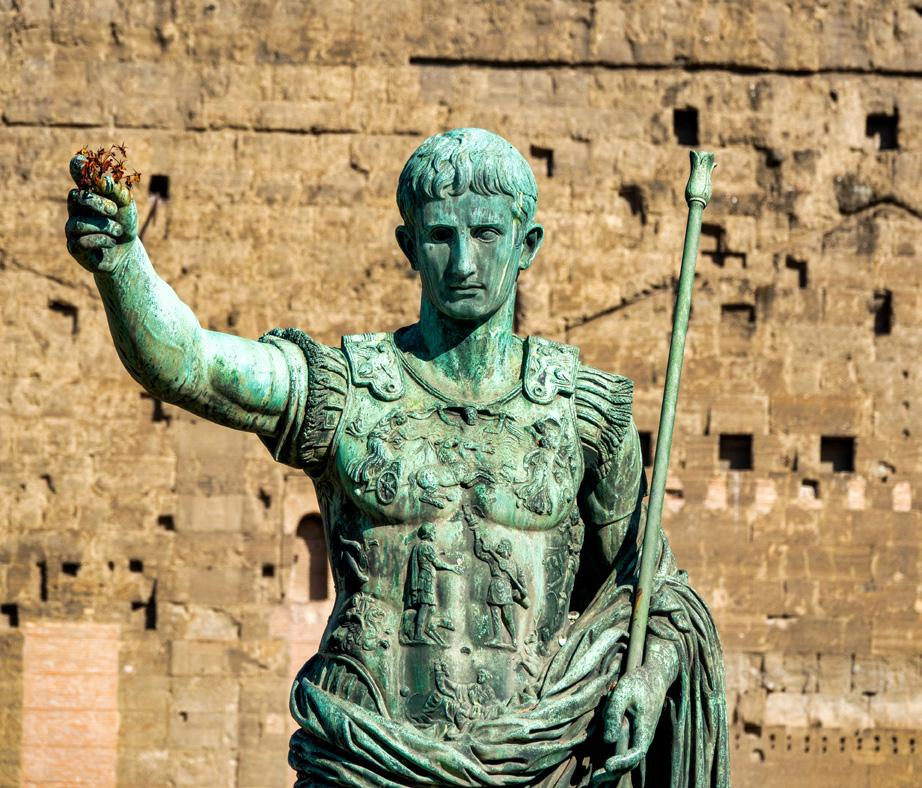
GCSE Latin is an exciting, rigorous and intellectually stimulating course which gives pupils the opportunity to deepen their understanding of the language, literature and culture of the Romans. Modern society owes a huge cultural debt to the civilisations of Greece and Rome. A knowledge of the intellectual achievements of these societies can help us make sense of the world today. In fact, there is hardly any area of study on which Latin and the ancient world have not left their mark. The course gives pupils the opportunity to study Latin language and literature in greater depth. It enables pupils to acquire an understanding of linguistics, to read and make a personal response to great literature and to consider the social, moral and cultural values emerging from this reading.
There are three examinations at the end of the two-year course, with no coursework.
Language paper – worth 50% of the GCSE
Pupils build on the foundation of Latin language work from Key Stage 3. Pupils study texts and stories in Latin to build knowledge and understanding of vocabulary and grammar.
Prose Literature – worth 25% of the GCSE
Pupils study Latin set texts and answer questions in English on aspects of content and analyse, evaluate and respond to the ancient literature they have studied. Set text options are: the Story of Cupid & Psyche from Apuleius’ Metamorphoses OR The Story of Androcles and Lion by Aulus Gellius and Pliny’s Story of the Dolphins.
Verse Literature– worth 25% of the GCSE
Pupils study Latin set texts and answer questions in English on aspects of content and analyse, evaluate and respond to the ancient literature they have studied. Set text options are: the Story of The Trojan Horse and Laocoon’s warning from Virgil’s Aeneid OR the Story of Pyramus & Thisbe from Ovid’s Metamorphoses.
The study of Latin will not only provide pupils with an excellent basis for learning other European languages, but it will also help them to understand structures and vocabulary in their own language and to write with sophistication.
Universities and employers are looking for people who can think precisely, communicate clearly and apply skills of analysis effectively. The study of Latin will provide pupils with all of these skills.
Latin provides strong support for university applications in English, Modern Languages, Law, Archaeology, History and Medicine. It is always respected as a particularly rigorous subject. Many former Latin pupils have moved to careers in politics, the civil service, journalism, teaching, law, advertising, banking, industry and the arts.
Pupils will use Mathematics in every area of School life. They could be reading scales in Food and Nutrition or plotting graphs in Physics. It may help pupils understand perspective in Art and Design or to locate a city in an atlas in Geography. Pupils will continue to use mathematical skills outside of School in everyday life and in almost every possible career.
Mathematics is therefore compulsory for all pupils at GCSE. Fortunately, it is also a fun and fascinating subject, which pupils are invited to opt into fully.
During the IGCSE course, pupils will develop their knowledge and skills in four main areas:
• General Problem Solving: this involves decision making, communicating ideas and developing reasoning skills.
• Number and Algebra: this includes basics such as decimals, fractions, percentages and more advanced topics such as the manipulation of equations and transformations of graphs.
• Shape, Space and Measure: pupils will study ideas such as areas and volumes, angle and circle properties, trigonometry and transformations of 2D shapes.
• Handling Data: this is the study of statistics and probability.
IGCSE Mathematics affords important skills that are useful in many jobs, like problem solving, logical thinking and analysing. It also helps with creativity such as figuring out costs, using spreadsheets, managing resources and schedules in businesses.

Pupils will sit two 120 minute calculator examinations at the end of Year 11, and they will be assessed on their recall and use of knowledge; selection and application of methods; and interpretation and analysis of problems. Their quality of written communication is also assessed: never has it been more important to show working out!
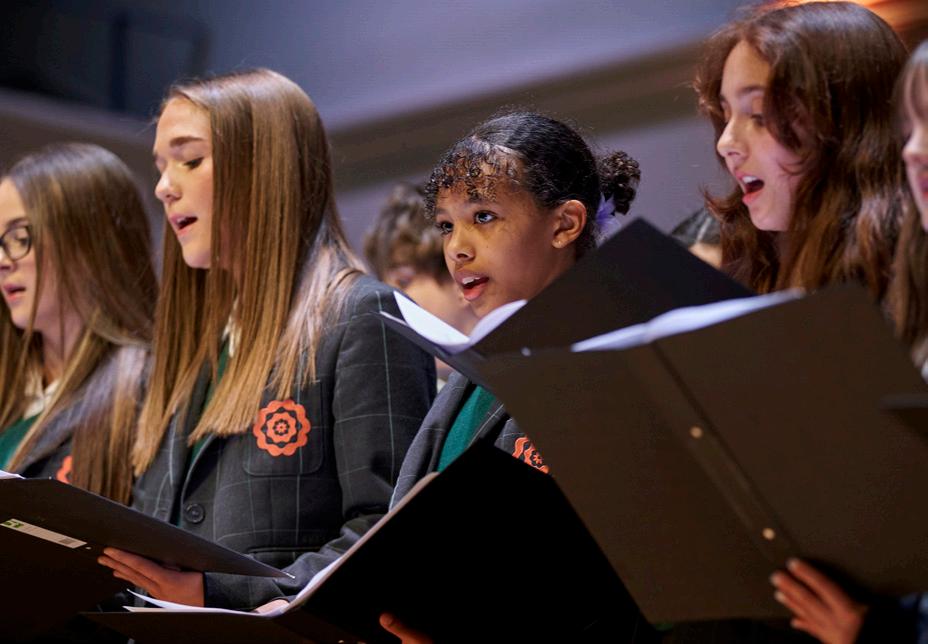
GCSE Music gives pupils many opportunities to develop their creative skills. They will gain increased knowledge about the way music is composed and performed around the world, as well as writing a number of pieces of their own music using this new knowledge. Music technology plays a part in the content of this GCSE course whereby pupils will learn to use music software to notate their compositions. Pupils’ skills as performers will also be recognised in the final assessment, which will allow them to record a solo performance as well as one featuring other musicians working together with them.
Content
Component 1: Performance, solo and ensemble (coursework – 30%):
• Pupils perform for at least four minutes’ combined duration. Solo performance must be of at least one minute in duration, and may comprise one or more pieces. Ensemble performance must be of at least one minute in duration, and may comprise one or more pieces.
Component 2: Composition (coursework – 30%):
• Studying compositions covers - Developing musical ideas, compositional techniques and strategies, ensuring technical control and coherence and methods of notating composition scores.
Studying Music allows pupils to nurture their own creativity whilst having the academic foundations to thoroughly understand how it works. It develops skills such as analysis and confidence being in front of an audience, whilst creating a safe space for pupils to push themselves out of their comfort zones. It easily leads on to studying Music and Music Technology at A level, both of which open doors to numerous ancillary careers.
• Pupils craft two compositions, of at least three minutes’ combined duration. One composition to a brief set by Pearson, of at least one minute in duration. One free composition set by the pupil, of at least one minute in duration.
Unit 3: Listening and Appraising (examination – 40%):
• Instrumental Music 1700–1820
• Vocal Music
• Music for Stage and Screen
• Fusions
The examination paper will cover the listening and analysis of 8 pieces of music associated with these areas of study.
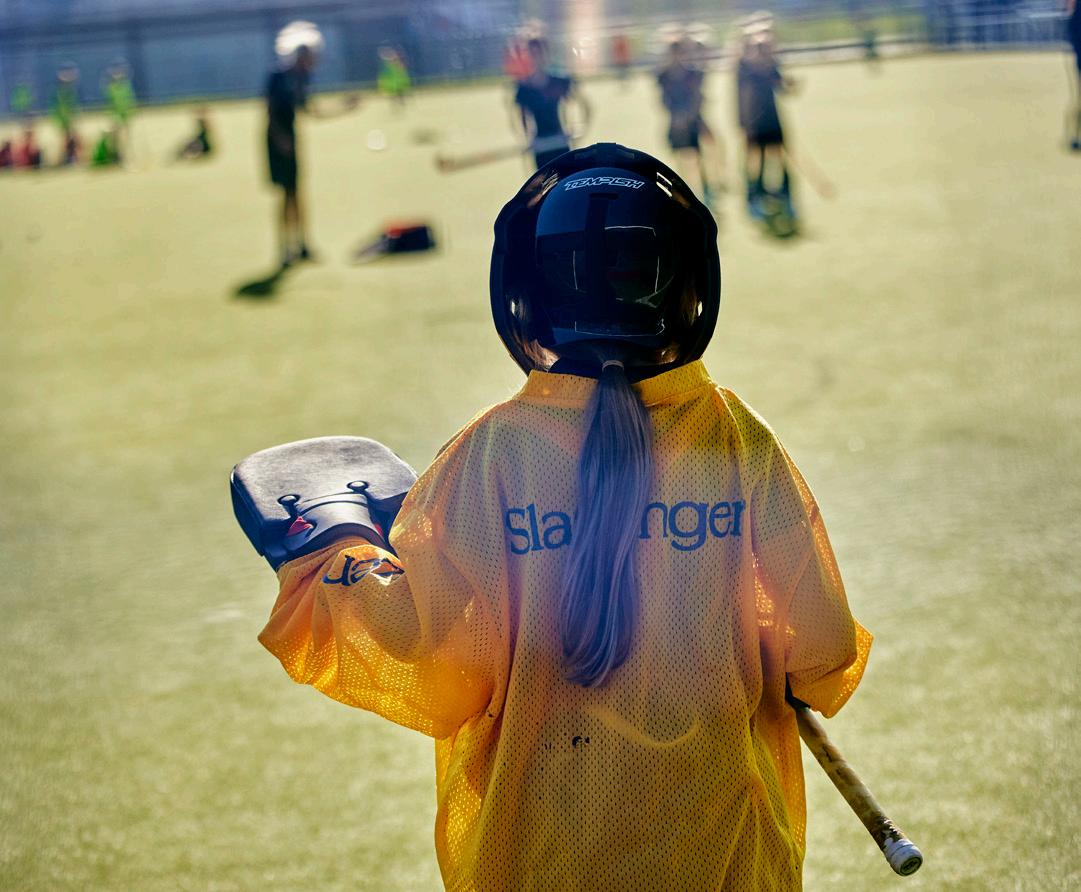
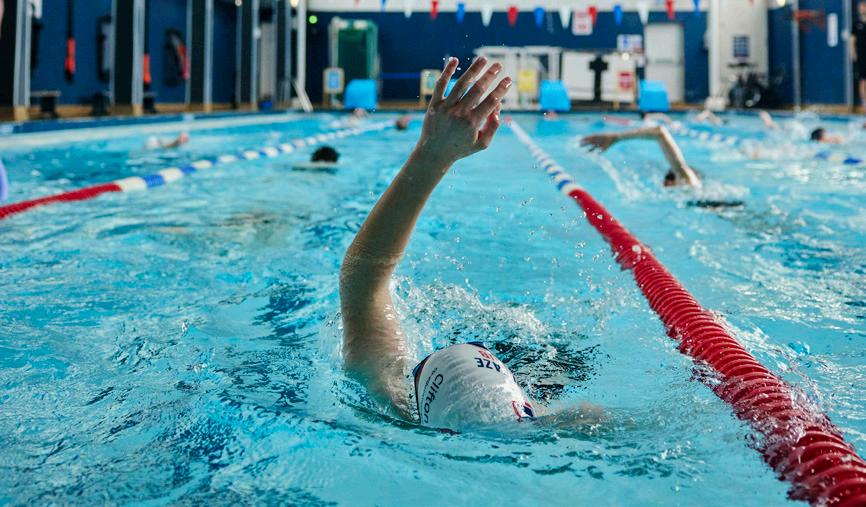
The Physical Education GCSE course provides pupils with the knowledge and understanding of how to live a healthy and active lifestyle, enabling them to make informed choices about their own physical development. Pupils should have a keen interest in how the human body works alongside a passion for Sport. Practical performances form part of the assessment so pupils should be participating in a range of sports competitively.
Pupils are assessed via two theory examination papers at the end of the two-year course.
Paper 1: The human body and movement in physical activity and sport (30%) :
• Applied anatomy and physiology
• Movement analysis
• Physical training
• Use of data
Paper 2: Socio-cultural influences and wellbeing in physical activity and sport (30%)
• Sports psychology
• Socio-cultural influences
• Health, fitness and well-being
Non Examined Assessment makes up the final 40% of the overall mark with practical performances in three sports (two team and one individual, or one team and two individual) counting for 30%.
The final 10% of the GCSE grade requires pupils to analyse and evaluate a performance in one activity from the specification:
The GCSE Physical Education course requires pupils to have a keen interest in sport and recreation. Choosing to follow this course will allow pupils to develop knowledge and understanding through practical involvement. They will learn to understand the benefits of taking part in regular sport and exercise and how this, in turn, benefits society. This GCSE course helps to prepare pupils for further study at A level.
• Performance assessment (practical performance) 75 marks
• Performance analysis assessment (analysis and evaluation) 25 marks
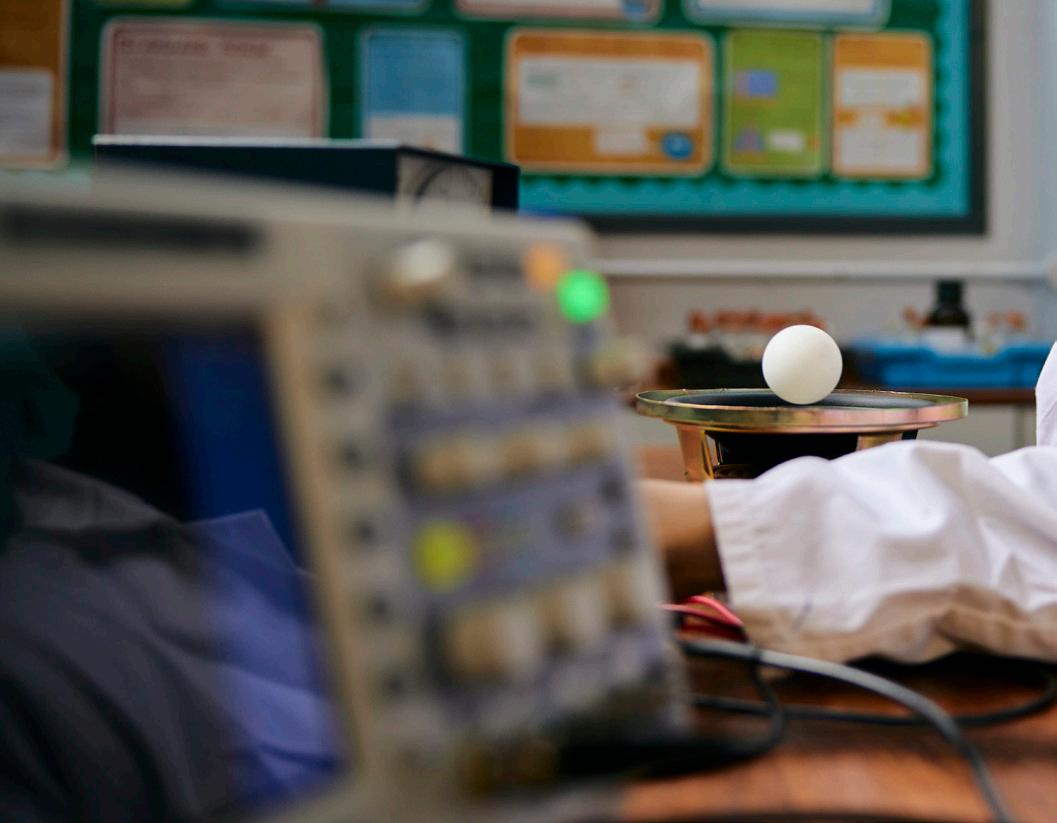
Studying this fascinating subject involves seeking answers to fundamental questions about the Universe we exist in, such as “How do we know what stars are made from?” or “How is our electricity generated?”. The course combines practical tasks with the theoretical concepts necessary to explain our observations. Studying Physics will develop analytical skills which provide a good basis for a wide variety of future careers. This subject is suitable for anyone who actively questions the world around them and often asks the question “Why?” rather than merely accepting things as they are.
The course content is covered by sixteen topics broken into 4 modules:
• Energy and Energy Resources
• Particles at Work (Electricity, Matter and Radioactivity)
• Forces in Action (including Motion and Pressure)
• Waves, Electromagnetism and Space
The course is 100% assessed through examinations. There are two papers, both of duration 105 minutes. Each paper contains a mixture of question types; multiple choice, structured, closed short answers and open response.
There are ten compulsory practical activities which are embedded into the teaching of the course. There are certainly many further practical tasks and demonstrations throughout the course!
The compulsory practical activities will be assessed through questions in the examination papers. 15% of the marks across the two papers will relate to practical techniques covered in the course.
The course is an essential grounding for anyone going on to study sciences at A level and beyond. The logical and problemsolving skills developed are highly regarded by educational institutions and employers. Physics also helps to develop an inquisitive mind which enables pupils to gain a richer experience from life. Physics knowledge can benefit people in their day-to-day life, by building the understanding necessary to make wise decisions about anything from sport to cooking to vehicle maintenance to computer-gaming success!
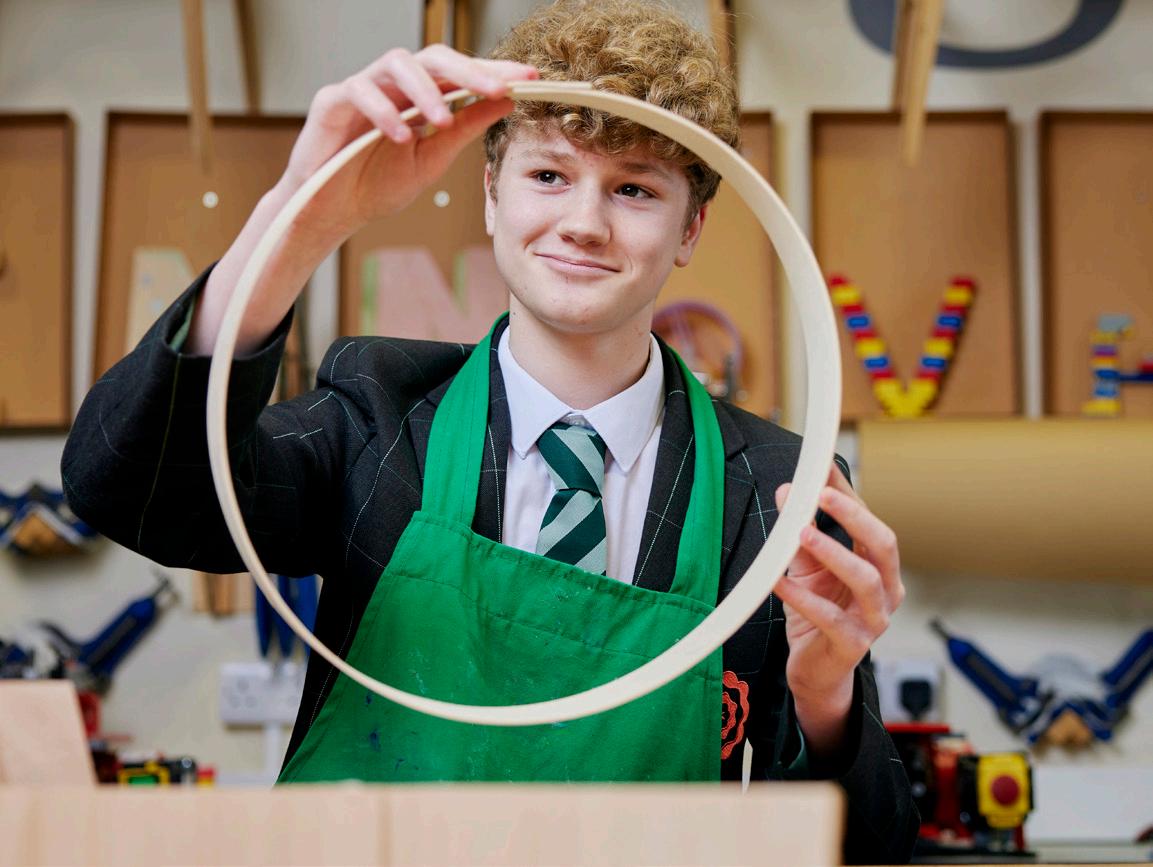
Product Design IGCSE is a discipline where creativity can be fully expressed and used to change the world in meaningful ways. Approximately 10% of the UK workforce is directly employed in creative industries, whilst many others leverage creative thinking to excel in their respective fields.
The IGCSE Product Design qualification represents a contemporary and pertinent course that equips pupils with knowledge about current technologies, materials, and processes, alongside established practices.
Study visits form part of the Product Design nonexamination assessment portfolio. Pupils will visit Bristol galleries and The Victoria & Albert and New Design Museums in London to study and appreciate iconic designs.
Pupils are also encouraged to visit exhibitions and museums independently, recording their findings and inspirations. Open workshop sessions are available at lunch and after School for pupils to continue their work.
Assessment:
Cambridge IGCSE Design and Technology 0979:
• School based assessment project 50%
• Product design examination 25%
• Theory based examination 25% Cambridge

Pupils will use their creativity and imaginations to design and make prototypes that solve real and relevant problems, considering their own and others’ needs, wants and values. This will be a stepping stone to careers in engineering, architecture and design, whilst enabling pupils to hone their imagination to solve any problems. Universities and employers value individuals who are imaginative and can creatively solve problems in their chosen field.
Spanish is the second most spoken language globally, with over 460 million native speakers across more than 20 countries. The GCSE Spanish course helps you explore the language and cultures of Spain and Latin America, fostering cross-cultural understanding. The content covers real-life topics like holidays, school, and global issues such as social justice and the environment, while exploring traditions like La Tomatina and Día de los Muertos through authentic media. This fun, interactive subject builds practical language skills for travel and study, with weekly sessions with a native Spanish Language Assistant to boost your spoken confidence and fluency.
The thematic contexts of this course are:
• My personal world
• Lifestyle and wellbeing
• My neighbourhood
How is it assessed?
• Media and technology
• Studying and my future
• Travel and tourism
Studying Spanish at GCSE opens diverse career opportunities in fields such as business, law, tourism and international relations, making pupils highly attractive to future employers and providing them with a competitive edge in an increasingly global job market. Beyond career benefits, Spanish serves as a gateway to studying abroad, offering enriching travel experiences in Spain and Latin America. Learning Spanish also sharpens memory, creativity and problem-solving abilities, while boosting confidence in handling new challenges. It fosters a global mindset, helping individuals engage with international cultures and issues more deeply.
The course is assessed with final examinations in the four skills (Listening, Speaking, Reading and Writing) in the summer of Year 11. There is no coursework.
Paper 1 Speaking (25%)
The speaking examination includes a ‘read aloud’ task, role play, a picture description and follow-on conversation.
Paper 2 Listening and Understanding (25%)
A variety of questions set in English (multiple- choice, multiple-response and short-answer open response questions) and a dictation.
Paper 3 Reading and Understanding (25%)
A variety of questions set in English (multiple- choice, multiple-response and short-answer open response questions) and a translation into English.
Paper 4 Writing (25%)
You are required to complete structured and open response writing tasks and a translation into Spanish.