THE 10 MOST EXPERTS
LEADERS IN
CREATING GLOBAL IMPACT, 2024 IN FOCUS
IN FOCUS
Data and AI in the Boardroom: How CEOs are Embracing Digital Transformation
IN FOCUS
Optimizing AI for health Enquiry: The 5 Key Ingredients
The Next Generation of Data and AI Leaders: Emerging Innovators
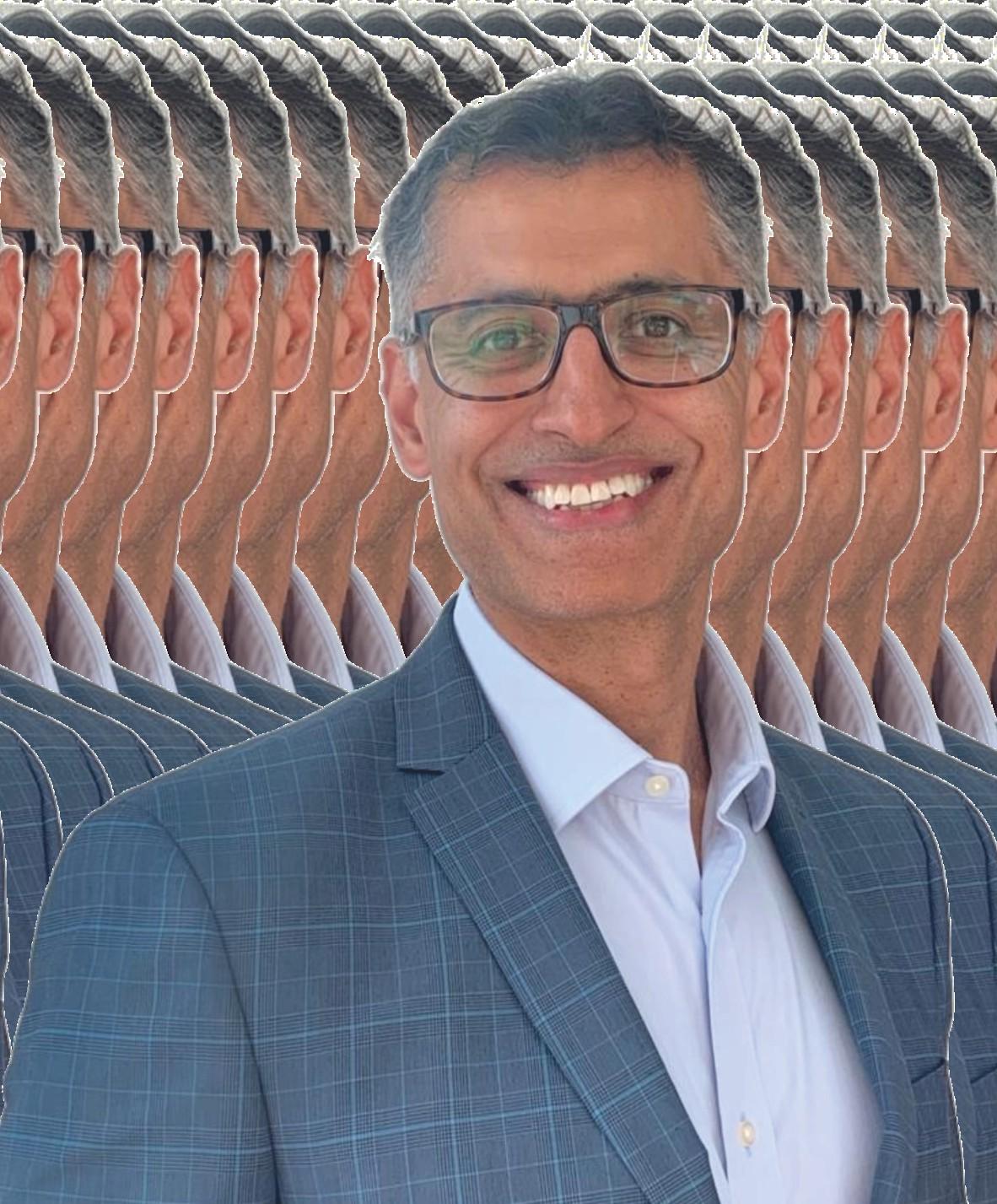
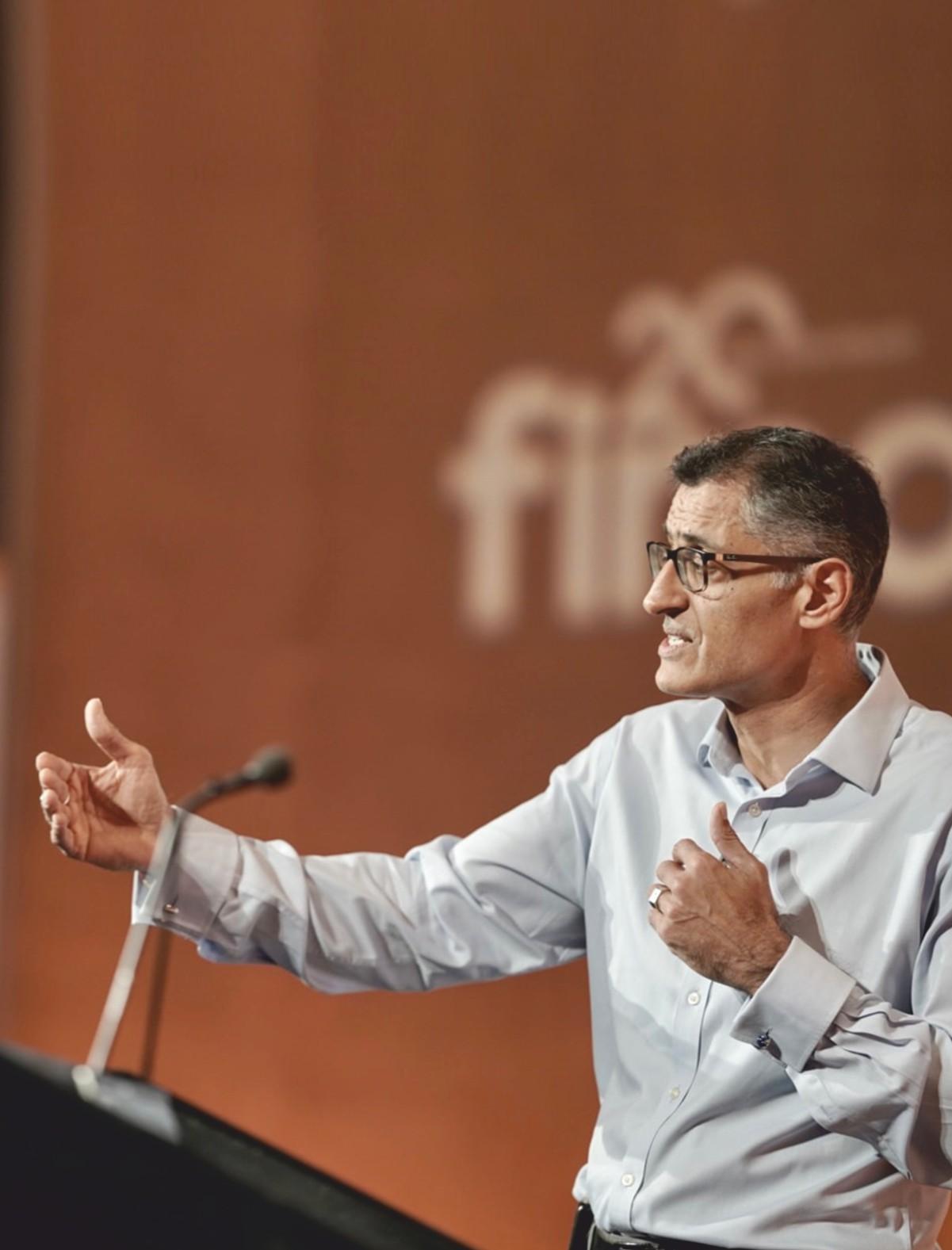
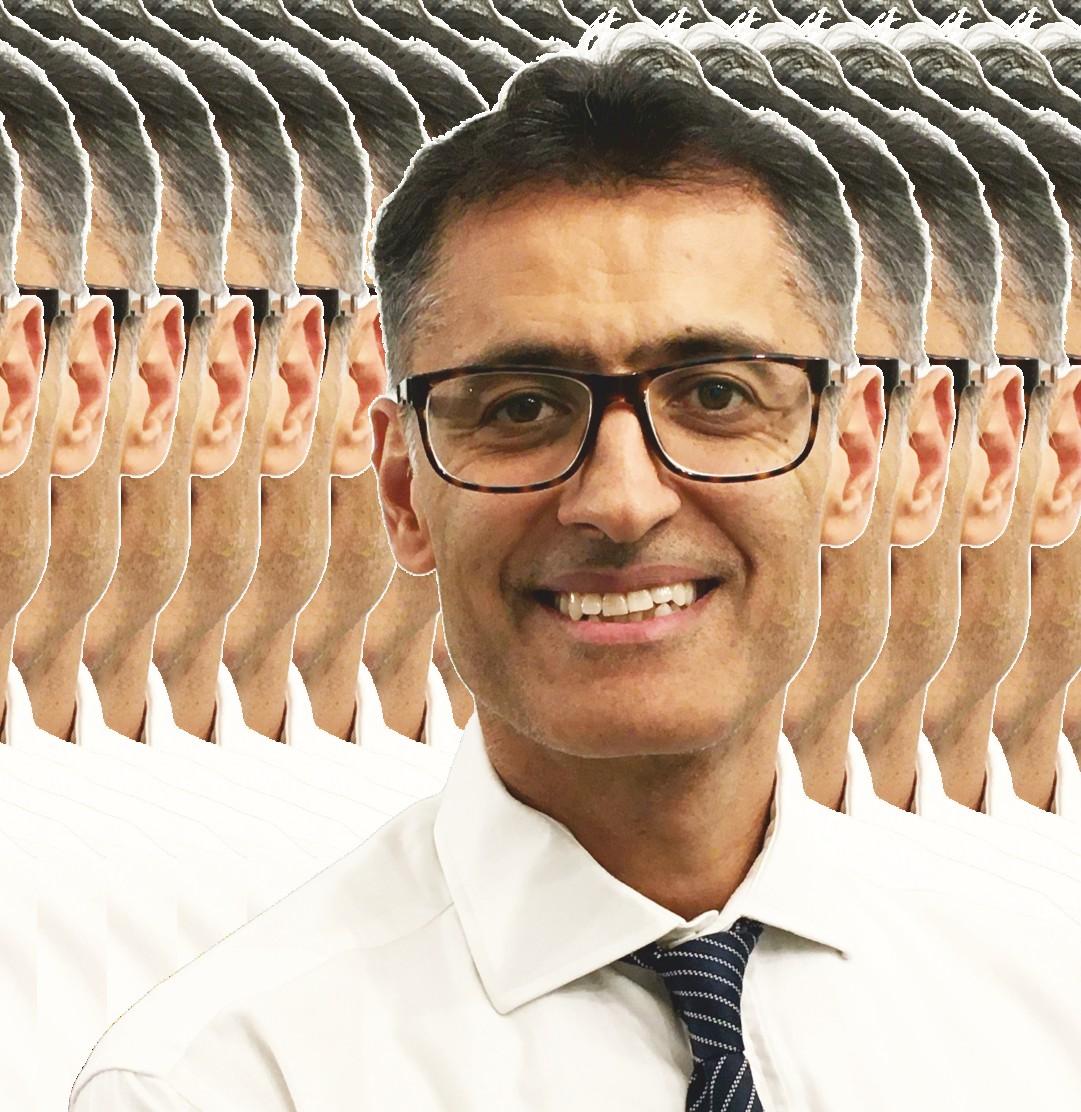
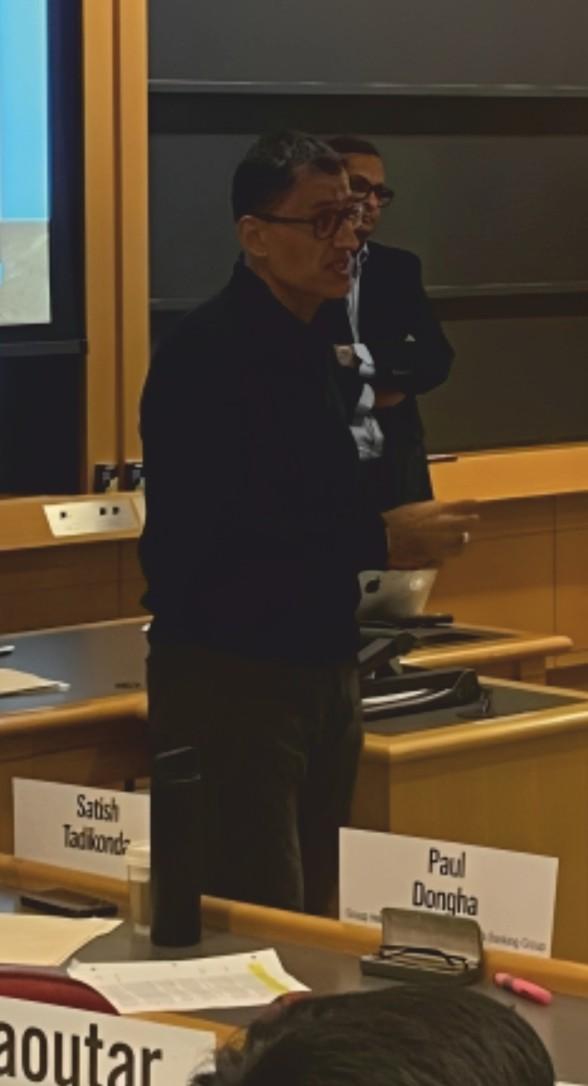
Head of Responsible AI & AI Strategy
NatWest Banking Group
Dr.Paul Dongha Editorial Note Leading the Future of Data & AI As we look toward the
future, the role of experts and leaders in data and artificial intelligence (AI) becomes even more critical in shaping the trajectory of modern industries. These individuals are more than technologists—they are the visionaries transforming how businesses operate and how society interacts with the vast, complex digital landscape.
Their leadership is essential in navigating an ever-evolving technological environment, where data is being produced at unprecedented rates, and AI continues to advance at a breakneck speed.
One of the key contributions of these data and AI leaders is their ability to harness the potential of big data. While the volume of data continues to grow exponentially, the real challenge lies in the extraction of meaningful insights from this data. AI has proven indispensable in helping organizations process vast amounts of information
efficiently, but it is the human expertise behind these technologies that ensures successful implementation and innovation. Data scientists, AI engineers, and technology leaders are the ones turning theoretical potential into real-world applications, directly impacting everything from business strategies to daily operations.
Industries such as healthcare, finance, and logistics have already experienced significant benefits from the integration of AI. For example, in healthcare, AI-driven diagnostic tools and personalized treatment plans have revolutionized patient care. Financial institutions are leveraging AI to enhance fraud detection and improve risk management, while in logistics, AI is optimizing supply chains and forecasting demand more accurately than ever before. The application of AI across such diverse sectors demonstrates the breadth of its potential, and it is the thought leaders and innovators in this space who are driving these breakthroughs.
However, as powerful as AI is, there are still challenges and responsibilities that leaders must face. The ethical use of AI has become a focal point of discussion. Issues such as data privacy, algorithmic bias, and the lack of transparency in AI decision-making models continue to raise concerns. Leading figures in data and AI are spearheading efforts to address these challenges, advocating for responsible AI practices that prioritize fairness, accountability, and transparency. They are working not only to build powerful technologies but also to ensure that these innovations are developed and deployed in ways that benefit society as a whole.
Collaboration is another critical factor in the ongoing success of AI initiatives. The complexity of AI technology requires interdisciplinary teams, combining expertise from fields like computer science, data analytics, ethics, and domain-specific industries. Leaders in this space foster environments of innovation, encouraging experimentation and creative problem-solving across their teams. Their leadership is central to ensuring that AI solutions are scalable, sustainable, and adaptable to future challenges.
Despite the progress made, AI and data-driven technologies are still in their relative infancy. As these technologies evolve, the role of AI experts and leaders will only grow in importance. They are at the forefront of not just technological innovation but also the ethical and strategic considerations that will shape the future of global economies and societies.
In conclusion, leaders in data and AI are the driving forces behind today's most transformative technological advancements. Their expertise and vision are redefining the future of business, healthcare, and countless other sectors, while their commitment to responsible innovation ensures that AI can positively impact the world. As featured by CIO Business World, these pioneers continue to push the boundaries of what is possible, laying the groundwork for a future where AI plays an even more integral role in improving lives, driving business growth, and solving global challenges.
Contents COVERSTORY Dr. Paul Dongha 14 Data and AI in the Boardroom: How CEOs are Embracing Digital Transformation
Next Generation of Data and AI Leaders: Emerging Innovators Optimizing AI for health Enquiry: The 5 Key Ingredients
AI: How engaging with schools is key to the future talent pipeline
Building Awareness on the Implications of AI Usage in Organizations
Dr.Paul Dongha Inthebustlingheartofthefinancial world,amannamedDrPaul Donghastoodasabeaconofethical wisdomandtechnologicalprowess.His journeybeganinthe1990s,atimewhen AIwasafledglingconcept,andPaulwas amongthepioneers,divingdeepintothe realmsofartificialintelligencewitha passionthatwoulddefinehislife'swork. Hespentyearsteachingandresearching AI,motivatedbythepossibilitiesitheld forthefuture.
Fastforwardtothepresent,andPaulhas becomeaguardianofintegrityintheeverevolvinglandscapeofdataandAIethics. Currently,asHeadofResponsibleAI andAIStrategyatNatwestBanking Group,andbeforethatasGroupHeadof Data&AIEthicsatLloydsBanking group,hismissionisclear:toensurethat thepowerfultoolsofAIareused responsiblyandethically,safeguarding boththeorganizations,customersand society
Paul'svisionforanethicalAIframework iscomprehensiveanddeeplyhuman.He believesthattechnologyalonecannot
navigatethemurkywatersofethicaldilemmas;humanjudgmentisessential. KeytoachievingthisisthroughthecreationofanAIethicsboard.Paulhas co-chairedanorganization-wideethicsboard,aforumofseniorleaderstasked withmakingcriticaldecisionsaboutthedeploymentofAImodels.Thisboard ensuresthateverymodelisscrutinizednotjustforitstechnicalmerits,butfor itspotentialimpactonsocietyandindividuallives.Paul’svisionand experienceisperfectlyalignedwiththecultureandambitionsofNatWest Bankinggroup,whoarestrivingtodeliveramorepersonalisedandsafer bankingexperienceforitscustomersandcolleagues
Paulalsounderstandsthatknowledgeispower.Hechampionsrigorous training,communication,andawarenessprogramsacrosstheorganization, ensuringthateveryone,fromdatascientists,riskmanagementandcompliance teamstoexecutives,arewell-versedintheethicalrisksandresponsibilities associatedwithAI.Hiscommitmenttofosteringacultureofethicalawareness isunwavering,recognizingthatawell-informedteamisthefoundationof responsibleAIdeployment.
Inhisheart,PaulknowsthatAIholdsimmensepotentialforgood.He envisionsaworldwhereAIcanbringtailoredlearningtounderserved communities,revolutionizehealthcarewithgroundbreakingdiscoverieslike Alphafold3,anddrivesustainabilityinitiativesthatprotectourplanet.His dedicationtotheseidealsisatestamenttohisbeliefinAI'spowertotransform societyforthebetter.
Throughhistirelessefforts,DrPaulDonghahascarvedapathwhere technologyandethicswalkhandinhand,ensuringthatthefutureofAIis bright,responsible,andprofoundlyhuman.
BuildingaResponsibleAI AssuranceFramework PaularguesforagenerativeAI assuranceframeworkthatcovers people,process,andtechnology acrossanenterprise.
Onthepeopleside,anethicsboard orcommitteeshouldbeestablished. Thiscommittee,composedofsenior leaders,wouldberesponsiblefor makingdecisionsonmodel deploymentconsideringethicalrisks suchasbias,discrimination, reputationalharm,etc.Training programsonAIethicsand responsibleAIshouldalsobe implementedforvariouspersonas acrosstheorganization,including datascientists,non-technicalusers, legal,riskmanagement,dataprivacy teams,andexecutives.
Ontheprocessside,for organizationswithcomplexbusiness processes,suchasbanks,ensuring modelvalidationandrisk managementteamshavetheright support,technology,andskillsis crucial.Additionally,existingdata scienceorDevOpslifecyclesshould beaugmentedtoincludeethical checks,focusingonexplainability, biasremoval,andfairnessduring modelcreation.
Finally,onthetechnologyside, buildingguardrailsintothemodels themselvesisnecessary.Techniques includedebiasingtrainingdataand usinglibrarieslikeInterpretML, Fairlearn,andAIF360todetectand addressbiasthroughoutthedata sciencelifecycle. Modelcards documentingthemodel's characteristics,assumptions,training data,testingresults,andethical impactassessmentsarealsocrucial forresponsibleAIpractices.Lastly, maintainingamodelinventorythat tracksallmodelsinproduction,
includingrisklevels,deploymentduration,andretraining needs,isessentialforeffectiveoversight.
RiseofAIandtheUrgencyofEthics PaulDonghadescribeshispersonaljourneyinthefieldof AI.
AfterearningaPhDandworkinginAIresearchand educationduringthe1990s,thelackofcareeropportunities inAIledhimtopursueasuccessfulcareerinfinance.Paul hasleadmanayenterprise-widetransformationprograms, buildinganddesigningcomplexquantitativesystems involvingBigDatafeeds.
However,around2018,herecognizedthesignificant advancementsinmachinelearningandAIbeingutilizedby majorcompanies.ThisresurgenceofAI,particularlythe complexandprobabilisticnatureofgenerativemodels, sparkedarenewedconcernfortheethicalrisksinvolved. By2020,thepotentialforrapidAIgrowthsolidifiedhis beliefinthecriticalneedtoaddressthesecomplexethical issues.ThisrealizationreignitedhispassionforAI,leading himbacktothefieldin2019.
LeadingtheWayinEthicalAI Paulreportsencounteringapositivereceptionforhiswork onethicalAI.Thecompanieshe'sworkedwithhave expressedgenuineinterestandcuriosityinunderstanding thisconcept,despiteitsperceivedmysteriousness.He attributesthisopennesstothegrowingawarenessofethical risksinAIandthepotentialforreputationaldamageifthese risksarenotaddressed.Consequently,he'sbeenwelcomed bydevelopmentteams,datascientists,andmachine learningengineerswhoareeagertocollaborateandensure responsibleAIpractices.
UrgencyofEthicalAIFrameworks PaularguesthatethicalconsiderationssurroundingAIare universalacrossindustries. Whileinherentriskslike explainability,bias,androbustnessapplytoallAImodels, theseverityofconsequencesvariesbysector High-stakessectorslikehealthcareandfinanceface particularlycriticalramificationsformodelerrors.Public servicesarealsoconcerningduetothepotentialimpacton people'slives.
Inlightoftheserisks,Paulemphasizestheimportanceofa robustassuranceframeworkforallorganizationsusingAI. Thisframework,drivenbyseniorleadership,should establishsafeguardstomitigateethicalrisksacrossvarious industries.Heconcludesthatthere'snoavoidingthese challenges,andresponsibleAIdevelopmentnecessitates addressingtheseissueshead-on.
BuildingaResponsibleAIFuture Paulstressestheimportanceofrobustprogram managementwhenimplementingagenerativeAIassurance framework. Successhingesonseveralkeyprinciples.First, aclearlydefinedvisionandmeasurablegoalsensure everyoneisworkingtowardsthesameobjective.Second, strongleadershipcommitmentiscrucialtodrive collaborationbetweenthevariousteamsinvolved. Third, AIethicsspecialistsplayacriticalroleinbridgingthegap betweentechnicalteamsandfosteringanunderstandingof theethicalconsiderationsbehindresponsibleAI.
Furthermore,asuccessfulprogramrequiresan organizationalculturethatacknowledgestheimportanceof ethicalAIandfostersasenseofsharedresponsibility.The evolvingnatureoftheAIfieldnecessitatesanadaptable frameworkthatcanaccommodateongoinglearningand experimentation. Thisdynamicenvironment,though challenging,alsopresentsexcitingopportunitiesfor innovation.Finally,PaulhighlightsthattheproblemsolvingnatureandnoveltyofbuildinganAIassurance frameworkcanbemotivatingforengineers,fosteringa positiveprogramenvironment.
StayingInformedandProactive PaulDonghaaddressesthechallengeofnavigatingthe ever-evolvingregulatorylandscapesurroundingAI.The globalnatureofAIdevelopmentpresentsacomplex situationwithvariousorganizationsformulating regulations.TheseincludetheOECD'sprinciples,theEU's legislation,andindividualUSstatesenactingtheirown laws.SimilartrendsareobservedinCanadaandother countries,withindustry-specificregulationsemergingas well.
Tostayinformed,Paulrecommendsestablishinga dedicatedhorizonscanningteamwithinanorganization. Thisteam,consistingofjustafewpeople,wouldbe responsibleformonitoringpublicationsfromrelevant organizationsliketheOECDandEU.Legalfirms specializingintrackingtheseregulationsand
communicationwithindustryregulatorsarealsovaluable resources.
Stayingaheadofthecurve,however,provesmore challenging.Ratherthanattemptingtopredictfuture regulations,Paulsuggestsaproactiveapproach. Organizationsshouldidentifypotentialriskswithintheir specificAIusecasesandproactivelymitigatethem.This focusonresponsibleAIpracticesalignswithethical obligationsandpositionsthemtocontributemeaningfully toshapingfutureregulationsbasedonreal-world experience.
MeasuringtheEffectivenessofaGenerativeAI AssuranceFramework
Paulemphasizestheimportanceofmeasurablemetricsto assesstheeffectivenessofagenerativeAIassurance framework.Heproposesasetofkeymetricsthattrack variousstagesofthemodeldevelopmentprocess.
• EthicalImpactAssessmentCompletion:Thismetric monitorsthenumberofmodelsthathavesuccessfully completedamandatoryethicalimpactassessment.
• EthicalImpactAssessmentSuccessRate: This metricgoesbeyondcompletionratesandfocuseson thepercentageofmodelsthatpasstheethicalimpact assessment,indicatingasuccessfulmitigationof potentialethicalrisks.
• EthicsBoardReview:thesemetrictracksthenumber ofmodelspresentedtotheethicsboardforadditional scrutinyandapproval,ensuringahigherlevelof oversightforpotentiallysensitivemodels.
• ModelValidationSuccessRate:Thismetricfocuses onthetechnicalaspects,trackingthepercentageof modelsthatpassthemodelvalidationteam's assessments,ensuringthemodelsfunctionasintended withouttechnicalflaws.
• ModelInventoryCompletion: Thismetrictracksthe numberofmodelsthathavesuccessfullyreachedthe finalstagebybeingaddedtotheorganization'srisk modelinventory Acompleteinventoryprovidesaclear pictureofalldeployedmodelsforongoingmonitoring andriskmanagement.
Bymonitoringthesemetrics,organizationscangain valuableinsightsintotheeffectivenessoftheirAIassurance frameworkinidentifyingandmitigatingrisksthroughout
theentireAIdevelopmentlifecycle. Thesemetricsnotonly assessthehealthoftheframeworkbutalsodemonstratea commitmenttoresponsibleAIpractices.
MitigatingtheUnforeseen Paulrecognizestheinherentdifficultyofanticipating unforeseenconsequenceswithAI. However,heproposes twokeystrategiestomitigatetheserisks.
Firstly,Paulemphasizestheimportanceoffostering diversitywithindatascienceteams. Thisincludesdiversity intermsofgender,background,culture,andage. Abroader rangeofperspectivesduringmodeldevelopmentcanhelp identifypotentialbiasesorunintendedconsequencesthata homogenousteammightoverlook.
Secondly, Pauldescribesastructuredprocesscalled "consequencescanning." Thisproactiveapproachinvolves aseriesofstepsforteamstoidentifypotentialnegative behaviorsamodelmightexhibit. Byconsidering"what-if" scenariosandcorrespondingmitigationstrategies,teams canaddresspotentialissuesbeforetheyarise. Forexample, consequencescanningmightinvolveexamininghowa modelcouldunintentionallydiscriminateagainstacertain group,evenifsuchdiscriminationwasn'ttheintended purpose. Additionally,thisprocessincludesanalyzingthe trainingdataforpotentialbiasesoralackofdiversitythat couldleadtoskewedoutcomeswhendeployedindifferent regions.
Byimplementingthesetwostrategies,organizationscan takeaproactiveapproachtomitigatingunforeseen consequencesandfosteringmoreresponsibleAI development.
BeyondCode PauldispelsthemyththatdataandAIethicsspecialists requireextensivetechnicalexpertise.Whileafoundational understandingofprobabilisticmodels,commonalgorithms likegradientdescentandXGBoost,andtransformermodels isbeneficial,thecorecompetencyliesinethical considerations.
Astrongunderstandingofhowandwherebiascancreep intoAImodelsiscrucial.Thisincludesrecognizingbiasin rawdata,trainingdatalabeling,discrepanciesbetween trainingandtestingdatasets,andpotentialmismatches betweentrainingdataoriginanddeploymentlocation.
Beyondtechnicalknowledge,Paulemphasizesthe importanceofempathyfortheimpactofAImodelson users.
Mostimportantly,Paulhighlightspassionasthemost criticalquality Agenuineenthusiasmforthefieldanda desiretoleverageAIforpositiveoutcomesareessentialfor successinthisrole.
AIforSocialGood Paulexpressesoptimismaboutthepositivesocietalimpacts ofAI.Hehighlightsseveralexamples:
• PersonalizedCustomerInteractions:AIenables highlypersonalizedinteractionswithcustomersacross varioussectors,includingbanking,eLearning,and more.Thisallowsfortailoredexperiencesandtargeted informationdelivery,exceedingpreviouscapabilities.
• AIonMobileDevices: AIsystemscanbedelivered onmobiledevices,makingthemaccessibleevenin regionswithlimitedtraditionalITinfrastructure.This opensdoorstoapplicationslikepersonalizedlearning opportunitiesinregionswithunderdeveloped educationalsystems.
• MedicalAdvancements:AIisplayingasignificant roleinmedicalbreakthroughs.Forinstance, DeepMind'sAlphaFold3hasthepotentialto revolutionizediseaseidentification,treatment,and vaccinedevelopment,leadingtoamajorboostindrug discovery.Personalizedmedicinealsoholdsimmense potential.
• EnvironmentalSustainability:AIcanbeapowerful toolinachievingtheUN'sSustainableDevelopment Goals. Itcanbeusedtopredictpathwaystonet-zero emissionsandoptimizeenergyefficiency. For example,AImodelsarebeingusedtooptimize workloaddistributionindatacenters,leadingto significantefficiencyimprovements.
PaulemphasizesthatAIethicsplaysacrucialrolein maximizingthesebenefitsbymitigatingpotentialharms andlimitationsassociatedwithAIdevelopment.He expresseshisenthusiasmforthefutureofAI,particularly itspotentialtosolveproblemsandcontributemeaningfully tosociety.
Thelettersonallourmindsareofcourse AI andwhatitmeansforourbusinesses andourtechnologyteams.Whatskills willbeneededinthefuture,andhowdowe prepareourbusinessesforthatfuture?
While AI mightbebusyrevolutionisinghowwe work,howweinteract,andhowwerunourlives, thereisonecriticalthingit'snotgoingtochange unlessweactquickly.Rightnow,weare experiencingacrisisaroundskillsgapsindigital, techandtechadjacentroles.Allresearch companies,recruiters,andmanagement consultantstellusthatthetechnologyskillsgapis onlygoingtowiden.Simply,morepeopleneed betterdigitalskillsandtheabilitytowork confidentlywith AI asitaugmentsandenhances theirroles.
There'salsoacompellingneedfortechnology anddatateamstobefarmorediversethanthey currentlyare.Themostproductiveand performantbusinessesneedtohaveteamsthat matchthedemographicoftheircustomersand citizens-notjusttobecompetitive,butalsoto avoidunintendednegativeconsequencesinthe AI drivenservicesbeingcreated.Despitemore than20yearsoftargetedinterventionsby progressivebusinessestorecruitinclusively,to createsupportiveenvironments,encourageearly careers,continuouslearningand'squiggly' careers,diversitylevelshaven'treallychanged.
Startingyoung Didyouknowthatchildrencanmakecareerlevel typedecisionsasyoungasfiveyearsold?Also, betweenleavingprimaryandsecondaryschool children'sviewsonwhichcareersare'forthem' continuetonarrowastheyareinfluencedbytheir families,communities,teachers,andpeers.They thennarrowagainwhentheypick GCSEs, usuallytotryandmatchaverysmallnumberof careeroptions.
Howtomakeschoolsengagementpartofyour talentmanagementprogramme
Acrucialbutoftenunder-developedcomponent ofstrategictalentmanagementprogrammesisthe implementationofavolunteeringschemethat workswithschoolstoinspirenewgenerationsto jointhetechworkforceinthefuture.Notonly canthiscreateabiggerpooltorecruitfrom,buta well-designedschemefocusingonyoungpeople fromdisadvantagedorunder-representedgroups canalsocreatealargeanddiversepipelineof previouslyuntappedtalent.Itcanalsocreatea double-digitsocialvaluereturnoninvestment, nottomentionengaged,confidentandmotivated employees.
Partneringwithorganisationswhoaretrusted adviserstoteachersandschoolscanaccelerate impactbothontheimmediateandlong-term
talentpipeline,aswellasdelivermeasurable socialvalueatnationalandlocallevelsinterms ofaddressingsystemicissuessuchassocial mobility.
Sustainablevolunteeringprogrammesinschools areeasytoimplementandmanageifan educationalpartnerlike STEM Learningisused. Youdon'tneedtostartfromscratch.Thefreeto use STEMAmbassadorsplatformhasa ComputingAmbassadorschemewhichguides andsupportsindividualsandorganisations throughthevolunteeringprocess.
Youremployeescan:
Ÿ Quicklyregisterandundertaketherequired45 minutesoftrainingwhichincludes safeguardingtraining
Ÿ Getafree DBS checkorsharetheir DBS certificateiftheyalreadyhaveone
Ÿ Freeaccesstoarangeofself-pacedand remotelydeliveredtrainingsuchasplanning anddeliveryanactivity,howtotalk inclusively,howtoengagevirtuallyinan impactfulwayandmanymore
Ÿ Freeaccesstoadigitalcommunityofother volunteerssupportingeachother
Ÿ Freeaccesstotemplated,triedandtested, impactfulschoolactivities
Ÿ Freeaccesstoa'marketplace'whereteachers askforvolunteerstosupportthemwith specificasks(suchascareerseventsorto supportacompetition),andwherevolunteers cansharetheirofferstoteachers
Ÿ Freepersonalsocialimpactscorebasedonthe activitiesloggedontheplatform
Ifmorethan25ofyouremployeesregisterand logatleastoneactivityevery12months, STEM Learningcancreateadatasharing agreementwhichwillgiveyouaccesstoa consolidatedsocialimpactreportforallthe volunteeringworkreportedbyyouremployees ontheplatform.
Itreallyisthatsimpletogeneratesocialvalue impact,buildadiversefuturetalentpipeline, helpyourearlycareeremployeesdevelopkey businessskills-andultimatelyincreaseboth employeeretentionandproductivity.
Tobetterrepresenttheworldwelivein,we needtocontinuetochallengeanddiversify theindustry.Thisstartsinschools.Joinus! employers@stem.org.uk
Bio: Dr Nicki Clegg has over 30 years of experience as a technologist and 15 years as strategist and senior leader. She was a Chief Technology Officer for almost five years before deciding to focus fully on driving social mobility, diversity and inclusion in technology. She is now Industry Stakeholder Relationship Manager for STEM Learning helping deliver the National Centre for Computing Education (NCCE). Her role raises awareness of the NCCE and increases business engagement with schools and young people to help inspire a new and more diverse generation into careers in technology
DataandAI intheBoardroom: HowCEOsareEmbracing DigitalTransformation Intoday'scompetitivebusinessenvironment,dataand artificialintelligence(AI)arenolongeroptionalbut essentialtoolsforsuccess.CEOsarerealizingthat digitaltransformationiskeytoremainingcompetitive, drivinginnovation,andimprovingdecision-making.By leveragingdataandAI,companiescanoptimizeoperations, predictmarkettrends,anddeliverhighlypersonalized customerexperiences.Thisshiftisreshapingindustries,and CEOsareleadingthewaytowardadata-centricfuture.
ThePowerofDataandAI Datahasbecomeoneofthemostvaluableresourcesfor businesses.WithAI'sabilitytoprocessmassiveamountsof informationinreal-time,companiescanmakefaster,more accuratedecisions.AIcandetectpatternsandinsightsthat helporganizationsstayaheadoftheircompetitors.For CEOs,effectivelyutilizingdataisnowcrucialfordriving growthandmaintainingacompetitiveedge.
AItechnologieslikemachinelearningandnaturallanguage processing(NLP)havealsomatured,offeringcompanies theabilitytoautomatetasks,improvecustomerservice,and createinnovativeproducts.Whetherit'soptimizingsupply chains,enhancingcustomerexperiences,ordriving operationalefficiency,AIistransformingeverybusiness function.
TheCEO'sRoleinDigitalTransformation CEOsplayavitalroleindrivingdigitaltransformation. Morethanjustadoptingtechnology,successfuldigital changerequiresembeddingaculturewheredataiscentral todecision-making.VisionaryCEOsunderstandthat companiesmustbeagileandinnovativetoremainrelevant inanever-evolvingdigitallandscape.Thismeansfostering anenvironmentwhereemployeesareencouragedto embracedataandAIastoolstoimprovetheirwork.
Managingthischangeisoneofthebiggestchallenges. Digitaltransformationoftenrequiresrestructuringteams, reskillingemployees,andrethinkingtraditionalbusiness processes.CEOsmustguidetheirorganizationsthrough thistransition,ensuringtheworkforceisengagedand alignedwiththenewdigitaldirection.
CEOsalsoneedtoensurethatdigitaltransformationaligns withthecompany'slong-termstrategy.It'snotjustabout implementingAIanddatatools,butaboutmakingsurethey enhanceoverallbusinessgoals.
AIintheBoardroom AIisnotjusttransformingbusinessoperations—it's reshapinghowCEOsandboardsmakestrategicdecisions. AI-poweredtoolsprovidereal-timeinsightsthatenable betterdecision-making.PredictiveanalyticsallowCEOsto forecastmarkettrendsandadjuststrategiesproactively, whileAI-drivenfinancialmodelshelpexecutivesmonitor theircompanies'healthandperformance.
Intheboardroom,AIalsoaidsingovernanceandoversight. Byanalyzinglargedatasets,AIcandetectinefficiencies, complianceissues,orfinancialrisks,givingboardmembers actionableinsightstoimprovecorporateperformance. Additionally,AIsupportsriskmanagementbyidentifying potentialthreatssuchascybersecurityvulnerabilitiesor supplychaindisruptions.ThisallowsCEOstomakedatadrivendecisionstoprotecttheircompaniesfromemerging risks.
ChallengesofDigitalTransformation WhilethebenefitsofdataandAIareclear,CEOsface significantchallengesindrivingdigitaltransformation.The rapidpaceoftechnologicalchangeisoneofthebiggest hurdles.CEOsmustcontinuallyeducatethemselvesand theirteamstostayaheadofAIadvancementsanddetermine whichtechnologieswillbemostvaluablefortheir businesses.
Dataprivacyandsecurityarealsomajorconcerns.As companiescollectandanalyzeincreasingamountsofdata, theymustensurethatsensitiveinformationisprotected. CompliancewithregulationsliketheGeneralData ProtectionRegulation(GDPR)iscritical,andadatabreach coulddamageacompany'sreputationandfinancial standing.CEOsmustprioritizecybersecurityanddata protectiontomaintaincustomertrust.
Organizationalresistancetochangeisanotherchallenge. Digitaltransformationoftenrequiresashiftincompany culture,andemployeesmaybehesitanttoadoptnew technologiesorworkflows.CEOsmustbreakdownsilos andencouragecross-functionalcollaborationtodrive innovation.
Finally,findingtherighttalentisacriticalissue.AIand datascienceexpertiseareinhighdemand,andCEOsmust ensuretheircompaniescanattractandretainskilled professionals.Investingintrainingprogramsandbuilding
partnershipswithacademicinstitutionsareessential strategiestoclosethetalentgap.
TheFutureofAIintheBoardroom TheroleofAIanddataintheboardroomwillcontinueto grow.CEOswhoembracethesetechnologieswillbebetter positionedtoleadtheircompaniesintoafutureof innovation,agility,andcompetitiveness.Real-timedataand predictiveanalyticswillbecomeevenmoreintegralto decision-making,allowingbusinessleaderstonavigate complexmarketswithgreaterconfidence.
Intheyearsahead,AIwillplayalargerroleinshaping corporatestrategy Asthetechnologyevolves,AIwill provideevendeeperinsights,helpingCEOsandboards makesmarter,fasterdecisions.Companiesthatfully integrateAIintotheiroperationswillhaveasignificant advantageoverthosethathesitate,gainingagilityin adaptingtonewmarketconditions.
Tosucceed,CEOsmusttakeaproactiveapproachtodigital transformation.ThismeansnotonlyinvestinginAIand datatoolsbutalsofosteringacultureofinnovation,agility, andcontinuouslearning.Thosewholeadwithaclear digitalvisionwillpositiontheirorganizationstothrivein thedata-drivenfuture.
Conclusion DataandAIaretransformingbusinesses,andCEOsareat theforefrontofthisrevolution.Byembracingdigital transformation,theycanimprovedecision-making, optimizeoperations,andstaycompetitiveinanincreasingly complexworld.Whilechallengeslikerapidtechnological advancements,dataprivacy,andtalentshortagesremain, thebenefitsofadoptingAIfaroutweightherisks.CEOs whosuccessfullyleadtheirorganizationsthroughthis transformationwillunlocknewopportunitiesforgrowth andinnovation,ensuringtheirbusinessesremain competitiveandrelevantinthedigitalage.
Articial Intelligence: Balancing Cybersecurity Risks and Defenses ArtificialIntelligence(AI)standsatthe forefrontofbothcybersecurityrisksand defenses,embodyingadualrolethatshapes themoderndigitallandscape.Thisarticledelvesinto howAIiscontributingtoincreasedcybersecurityrisks whilesimultaneouslybolsteringdefensemechanisms, highlightingthecomplexinterplaybetween innovationandvulnerabilityintoday'scyberrealm.
IncreasingCyberRisks AI'sproliferationincyberintroducesnovelrisksand challengesthatorganizationsmustnavigate. Examplesinclude:
• SophisticatedCyberattacks:AI-driventoolscan enhancethesophisticationandefficiencyof cyberattacks.MaliciousactorsutilizeAIto automatetaskslikereconnaissance,phishing,and malwaredeployment,makingattacksand malwaremoretargetedanddifficulttodetect.
• SocialEngineering: AIcanalsomakesocial engineeringhardertodetect. Phishingemailscan bemoretailoredandcontainfewererrorsand “tells.” Evenvideoandaudiocanbefakedwith AI. Inoneincident,anattackerusedAItomake livedeepfakestoimpersonatetopexecutiveson videocalls,therebytrickinganemployeeinto
improperlytransferring$25Mtoanaccount controlledbytheattacker
• AdversarialAI:Researchershavedemonstrated thepotentialforAIalgorithmstobemanipulated ordeceived,leadingtoadversarialattacks.These attacksexploitvulnerabilitiesinAIsystems, causingthemtomisclassifydataormake incorrectdecisions,underminingthereliabilityof AI-basedcybersecuritydefenses.
• PrivacyConcerns:AI-poweredsurveillanceand dataanalysistoolsraiseconcernsaboutprivacy infringement.Thecollectionandanalysisofvast amountsofpersonaldatacanleadtounauthorized access,databreaches,andregulatorynoncompliance,posingsignificantriskstoindividuals andorganizationsalike.
AI'sRoleinEnhancingCybersecurityDefenses Conversely,AI-driventechnologiesareinstrumental instrengtheningcybersecuritydefenses,offering proactivemeasurestomitigateevolvingthreats:
• ThreatDetectionandAnalysis:AIexcelsin detectingpatternsandanomalieswithinvast datasets,enablingquickeridentificationof potentialthreats.MachineLearningalgorithms
• cananalyzenetworktraffic,userbehavior,and systemlogsinreal-time,alertingsecurityteamsto suspiciousactivitiespromptly.
• AutomatedResponseandMitigation:AI automatesincidentresponseprocesses,allowing forrapidcontainmentandmitigationofcyber threats.Automatedsystemscanisolate compromisedsystems,updatesecurity configurations,anddeploypatchestovulnerable software,reducingthewindowofopportunityfor attackers.
• PredictiveCapabilities:AI'spredictiveanalytics forecastpotentialcyberthreatsbasedonhistorical dataandcurrenttrends.Thisproactiveapproach enablesorganizationstopreemptivelystrengthen defenses,allocateresourceseffectively,and prioritizesecuritymeasuresbasedonidentified risks.
ChallengesandEthicalConsiderations WhileAIpresentssignificantopportunitiesfor cybersecurity,severalchallengesandethical considerationsmustbeaddressed:
• BiasandFairness:AIalgorithmscan inadvertentlyperpetuatebiasespresentintraining data,leadingtodiscriminatoryoutcomesin cybersecuritydecisions.Ensuringfairnessand transparencyinAImodelsiscrucialtomitigating theserisks.
• RegulatoryCompliance:ThedeploymentofAI incybersecuritymustadheretoregulatory frameworksgoverningdataprivacy,security standards,andethicalguidelines.Compliance ensuresthatAItechnologiesoperatewithinlegal boundariesandupholdusertrust.
• IntellectualProperty:UseofAIraisesdifficult intellectualpropertyproblems. Forexample,ifAI generatescybersecuritycode,procedures, policies,orotherdocumentsinpart,onanother person'scopyrightedworks,doesitviolatetheir copyright? Thesequestionshaveyettobefully
addressedbycourtsanditmaybeawhilebefore wehavereliablyanswers.
• SkillGap:EffectiveimplementationofAIpoweredcybersecurityrequiresskilled professionalscapableofmanaging,interpreting, andrefiningAIsystems.Bridgingtheskillgap throughtrainingandeducationisessentialto maximizingthepotentialofAIincybersecurity defenses.
FutureOutlook Lookingahead,theevolutionofAIincybersecurity willcontinuetoshapethelandscapeofdigital resilienceandvulnerability.InnovationsinAI-driven threatdetection,behavioralanalytics,andautomated responsesystemswillredefinecybersecurity strategies,empoweringorganizationstocombat emergingthreatseffectively
StrikingabalancebetweenleveragingAI'scapabilities tofortifydefenseswhilemitigatinginherentrisks remainsparamount.Embracingcollaborativeefforts amongcybersecurityprofessionals,researchers,and policymakerswilldriveadvancementsinAI technologiesthatsafeguarddigitalassetsanduphold cybersecurityresilience.
Conclusion Inconclusion,ArtificialIntelligencerepresentsa pivotalforceinthedualnarrativeofcybersecurity, bothaugmentingrisksandfortifyingdefensesin today'sinterconnecteddigitalecosystem. Organizationsmustnavigatethiscomplexlandscape withanuancedunderstandingofAI'spotential vulnerabilitiesandtransformativecapabilities. ByharnessingAI-driventechnologiesresponsibly, organizationscanproactivelydefendagainstevolving cyberthreats,upholddataintegrity,andfostera resilientcybersecurityposture.Embracingethical considerations,regulatorycompliance,andcontinuous innovationwillenableAItofulfillitspromiseasa cornerstoneofmoderncybersecuritydefenses, safeguardingbusinessesandindividualsagainstthe ever-evolvingthreatlandscape.
The5Key Ingredients Atremendouspotentialtoimprove healthcareandpublichealthoutcomes. Butifnotdevelopedthoughtfullywithequityin mind,AIrisksexacerbatingdisparities.Hereare fivethingstoknowaboutensuringAIpromotes healthequity:
AIcanrevealhealthcaredisparities.
Byanalyzinglarge,diversehealthdatasets,AI systemscanuncoverdifferencesinaccess, treatment,andoutcomesacrossdemographics thatmayotherwisegounnoticed.Forexample,an algorithmmayfindracialdisparitiesincardiac carebyminingelectronichealthrecords.These insightsallowtargetingofsolutionsto disadvantagedgroups.
AImodelscanperpetuatebias.
BecauseAIlearnsfromdata,modelstrainedon historicallybiaseddatasetsmay disproportionatelymisdiagnose,underserve,or negativelyimpactmarginalizedpopulations. Studieshavefoundautomatedsystemsthat exhibitgenderandracebias.Ongoingbias monitoringandmitigationiscrucialthroughout developmentanduse.
Human-AIcollaborationcancounteractbias.
AIsystemsthatcombinehumanexpertisewith machinelearningnotonlyimproveperformance buthelpaddressalgorithmicbias.Humans providecontextandequity,whileAIaddsspeed andscale.Thisbalancedapproachprevents marginalizedgroupsfrombeingoverlooked.
Diversityindataandteamsenablesequity.
TodevelopequitableAI,diversereal-worlddata andperspectivesareneeded.Inclusivedata collectionandhavingrepresentativeteams involvedindesign,validation,andevaluation helpsbuildsensitivitytodifferentpopulations intosystems.
Post-deploymentauditsupholdfairness.
Ongoingtestingfordiscriminationandregular algorithmicimpactassessmentsafter implementationarekeytoensuringAIfairnessin practice.Thisallowspromptidentificationand correctionofemergentbiasesassystemsareused inchangingrealenvironments.
TheincreasinguseofAIinmedicineholdsvast potentialtoimprovecare,butthoughtfully embeddingequityconsiderationsthroughits developmentandapplicationiscrucialtotruly benefittingallpatients.Thisrequires conscientiouseffort,buttherewardswillbemore informed,just,andcompassionatehealthcarefor all.
Articial Intelligence or Human Intelligence? Taaleem, Director of Education Aswechargetowardsanuncertainfuture,Artificial Intelligence(AI)hasbecometheprimaryfocusof thetechworld.Investorsarekeentoidentifythe mostpromisingventures,seekinganswerstoquestionslike: Whattoinvestin?Whatnewapproachwillincrease profitability?What'sthenextunicorn?
Inmostindustrysectors,thelion'sshareofinvestmentis beingpouredintoAI.Assomeonewhohasworkedin educationformostofmycareer,Ican'thelpbutponder:if 80%ofR&Dfundingisbeingpushedintothedevelopment ofanartificialentity,whatthenforthedevelopmentof humanintelligence?Don'tgetmewrong;Iamnota naysayer.IvaluetheprogressmadewithAIand acknowledgethatitwillbeinstrumentalinourfuture. However,aswenavigatethisnewroad,therearesome considerationsweneedtotake.
Duetotherapidpaceofchangeanddevelopmentsinthe raceforthenextnewapp,product,orbreakthrough, organizationsaredrowninginexaminingthe“whatnext.” Onemustaskiftimeisbeingappropriatelyspentto examinewhatweshouldlooktoreplaceandwhatwe shouldn't.Inwhatinstancesarewethrowingoutthebaby withthebathwater?Whereistheprocessmoreimportant thantheproduct?
Weknowthedevelopmentsinthepipeline,andinsome casesalreadyinplace,willincreaseefficiencyandensure betterqualityproductsthanthoseproducedbyteachers,
students,andleaders.However,byhavingAIgenerate them,weoftenlosetheprocessesthatareessentialin developingcollaborationskills,researchskills,deeper contentknowledge,andmore.
MicrosoftUAEGeneralManager,NaimYazbeck,recently likenedAItoelectricity,emphasizingthesubstantial changeswewillencounterinourliveswithitsadvent.Ifwe consideraworldpre-AIandpost-AItobesimilarinterms oftransitionandchangetotheworldpre-electricityand post-electricity,werealizethemagnitudeofthisshift.Our childrenwillexperienceaworldcompletelyforeignfrom theoneweknewgrowinguporliveintoday,inalmost everyfacet.
Whilechangeistheonlyconstant,andthischangeis inevitable,itiscrucialforeverycountry,ministry,and organizationtoexaminethepotentialchangeindetailand considerwhattheywanttoholdonto.Whataspectsofthe curriculumshouldberetained?Whatlearningandskills shouldremainpartoftheexpectationofhuman intelligence?I'mnotparticularlybotheredthatpostthe inventionofelectricitymostofushavenotretainedthe knowledgerequiredtomakecandlessuccessfully,butI believeasweheadintothischange,weneedtoconsider whatskillsandknowledgewedonotwishtolose.
Onesignificantconcernisthepotentialdeclineinessential humanskills.Criticalthinking,creativity,andemotional intelligencearejustafewareaswherehumanintelligence
currentlyexcelsoverAI.WhileAIcanprocessdataat unimaginablespeedsandoffersolutionstocomplex problems,itlackstheinnateabilitytounderstand context,nuance,andhumanemotionfully Theseare skillsthathavebeenhonedthroughcenturiesofhuman experienceandeducation.
Educationsystemsworldwidearealreadyfeelingthe pressuretoadapttoamoreAI-centricworld.Schools areintegratingmoretechnologyintotheclassroom, andcurriculaarebeingupdatedtoincludecodingand dataanalysis.Whilethesechangesarenecessary,they shouldnotcomeattheexpenseoftraditional educationalvalues.Reading,writing,andarithmetic arestillfoundationalskillsthateverychildneeds. Additionally,subjectslikehistory,philosophy,andthe artsplayacrucialroleindevelopingwell-rounded individualswhocanthinkcriticallyandappreciatethe humanexperience.
Ifwedon'tpumpthebrakesandexamineeachstepof theway,ifwelandinaworldwithanoverrelianceon AI,thatcouldleadtoadiminishedcapacityfor problem-solving.Whenstudentsorleadersrelytoo heavilyonAItoprovideanswers,wemissoutonthe criticalthinkingprocessinvolvedinarrivingatthose answers.Ifwearenotmindful,thiscouldresultina generationofindividualswhocanoperateadvanced technologiesbutlackanyunderstandingofthe principlesbehindthem.
Additionally,ethicalconsiderationsmustbeaddressed asAIcontinuestodevelop.Issuessuchasdataprivacy, algorithmicbias,andthetransparencyofAIdecisionmakingprocessesarecriticalareasthatrequirecareful oversight.EnsuringthatAIisdevelopedanddeployed responsiblywillbeessentialtoharnessingitsbenefits whilemitigatingitsrisks.
ThedevelopmentofAIisundoubtedlyexcitingand holdsimmensepotentialbenefits,however,itiscrucial thatwedonotlosesightoftheimportanceofhuman intelligence.BalancingtheadvancementofAIwiththe nurturingofhumanskillsandknowledgeisessential forcreatingafuturewheretechnologyenhancesrather thandiminishesourlives.Aswechargetowardsthis uncertainfuture,letusinvestnotonlyinartificial intelligencebutalsointhelimitlesspotentialofhuman intelligence.
-GlenRadojkovich
The Next Generation of Data and AI Leaders: Emerging Innovators Asartificialintelligence(AI)anddatascience continuetotransformindustries,anewgeneration ofleadersisemerging,shapingthefutureof innovation.TheseemerginginnovatorsareusingAIand datatodriveadvancementsinsectorslikehealthcare, education,andsustainability,whilealsoaddressingethical challenges.Theirinterdisciplinaryapproach,combinedwith afocusonresponsibleAI,isredefiningwhatitmeansto leadinthedigitalage.
TheChangingRoleofLeadershipinAI Today'sAIleadersaredistinguishedbytheirabilityto combinetechnicalexpertisewithastrategicvision.They understandthatdigitaltransformationismorethanjust adoptingnewtechnologies;it'saboutembeddingdataand AIintothecoreofbusinessoperationstoimprovedecisionmakingandfosterinnovation.Unliketraditionalleadership, whichoftenreliedonhierarchicaldecision-making,these
emergingleadersembracecollaborationandagility,key traitsfornavigatingaconstantlyevolvingfield.
Technicalskillsarecritical,butsuccessfulAIleadersalso haveastronggraspoftheethicalandsocietalimpactsof theirwork.AsAIbecomesmoreingrainedindailylife, issueslikefairness,transparency,andaccountabilityhave cometotheforefront.Leadersmustnotonlyfocusonthe potentialofAIbutalsoonhowitcanbeusedresponsiblyto benefitsociety.
InnovatorsTransformingIndustries Inhealthcare,AIisrevolutionizingthewaydiseasesare diagnosed,treatmentsarepersonalized,anddrugsare discovered.InnovatorslikeFei-FeiLi,co-directorof Stanford'sHuman-CenteredAIInstitute,arechampioning theethicaluseofAIinhealthcare,ensuringthattechnology enhancescarewhilerespectingpatientrights.
Ineducation,AIishelpingtailorlearningexperiencesto
individualstudents,makingeducationmoreinclusiveand personalized.Emergingleadersaredevelopingadaptive learningtechnologiesthatadjusttostudents'needs, ensuringthateveryonecanprogressattheirownpace. AIisalsoplayingapivotalroleinthefightagainstclimate change.InnovatorsareusingAItooptimizeenergyusage, predictclimatepatterns,anddevelopsustainablesolutions forindustries.TheseleadersrecognizethatAIcanhelp reduceenvironmentalimpact,providingtoolsforamore sustainablefuture.
DiversityinLeadership OneofthemostexcitingtrendsinthenextgenerationofAI leadersistheincreasingdiversityinthefield.Historically, technologyleadershiphaslackedrepresentation,butthat's changingasmorewomen,peopleofcolor,andindividuals fromdiversebackgroundsstepintoleadershiproles. OrganizationslikeBlackinAIandWomeninMachine Learningarefosteringdiversityandinclusion,ensuringthat AIisshapedbyabroaderrangeofperspectives.
ThisdiversityisvitalforcreatingmoreequitableAI systems.Leadersfromunderrepresentedbackgroundsoften
bringuniqueinsightsintothechallengesofalgorithmicbias andinequality.TheirexperiencespushtheAIindustryto createsolutionsthatbenefitallcommunities,drivingsocial goodalongsidetechnologicaladvancement.
KeySkillsofTomorrow'sLeaders TheemergingAIleadersarenotjusttechnicallyproficient; theyarecreative,adaptable,andlifelonglearners.Therapid paceofAIdevelopmentrequiresleaderswhocanquickly adapttonewtechnologiesandideas.Theyarealsostrong communicators,capableofexplainingcomplexAIconcepts inawaythatisaccessibletonon-technicalstakeholders, includingpolicymakers,investors,andthepublic.
Collaborationisanothercriticalskill.Themostsuccessful AIprojectsareinterdisciplinary,requiringinputfromdata scientists,engineers,ethicists,andbusinessstrategists. Emergingleadersexcelatbringingtogetherthesediverse teams,ensuringthatAIinitiativesarealignedwithboth technologicalcapabilitiesandbusinessobjectives.
TheRoleofStartupsandAcademia Startupsandacademicinstitutionsareplayingamajorrole innurturingthenextgenerationofAIleaders.AIstartups, oftensupportedbyincubatorsandventurecapital,are drivinginnovationbyfocusingonnicheproblemsand developingspecializedsolutions.Theseenvironments encouragerisk-takingandexperimentation,whichare essentialforadvancingthecapabilitiesofAI.
Academia,too,remainsakeysourceofleadership.
Universitiesandresearchinstitutionsareattheforefrontof AIdevelopment,producingleaderswhocombine theoreticalknowledgewithpracticalapplications.Through partnershipswithindustry,academicleadersareensuring thatAIresearchhasreal-worldimpact,addressingsocietal challengesandcontributingtotechnologicalprogress.
TheChallengesAhead AsAIcontinuestoevolve,thenextgenerationofleaders willfacenewchallenges.Ethicalconsiderationswill becomeevenmorecriticalasAIisappliedtosensitiveareas
likehealthcare,criminaljustice,andautonomousvehicles. Leadersmustnavigatequestionsaroundfairness, accountability,andtransparencytoensureAIisdeveloped responsibly
There'salsotheneedtoadvocateforregulationsthatgovern theresponsibleuseofAI.Emergingleaderswillplayakey roleinshapingpoliciesthatprotectconsumerrights, promoteinnovation,andaddresstheunintended consequencesofAI-drivenautomation.
Conclusion ThenextgenerationofdataandAIleadersisdriving innovationacrossindustrieswhileaddressingtheethical challengesposedbythesepowerfultechnologies.These emergingleadersaredefinedbytheirtechnicalexpertise, creativeproblem-solving,andcommitmenttodiversityand socialgood.AstheycontinuetopushtheboundariesofAI anddatascience,theyaresettingthestageforafuture wheretechnologynotonlytransformsindustriesbutalso benefitssocietyasawhole.
Building Awareness the Implicatƣns of AI Usage in Organizatƣns ArtificialIntelligence(AI)hasbecomeanintegral
partofmodernorganizationaloperations, promisingefficiencyandinnovation.However, withgreatpowercomesgreatresponsibility,andtherise ofAIinworkplaceshasintroducedsignificantsecurity concernsthatneedtobeaddressed.Inthisarticle,we willexplorethecriticalneedforawarenessaboutthe implicationsofAIusage,bothwithinorganizationsand inpersonaluse,emphasizingtheimportanceofopen discussionsandincorporatingAIpitfallsintosecurity awarenessprograms.
DataLeakageBeyondPublicAITools Dataleakageisamultifacetedproblemexacerbatedby AI.It'snotjustaboutpostingsensitiveinformationon publicAIplatforms.Forexample,anemployeemight inputproprietarydataintoanAItooltogetinsights,not realizingthatthisactioncouldleadtounauthorized accessormisuse.However,evenwhenorganizations implementinternalAItools,doesn'tcompletelysolve theproblem. - May Brooks-Kempler
Oneofthebasicprinciplesofinformation securityismaintaininginformation confidentiality.Partofthatisimplementing accesscontrolsincludingNeed-to-Knowcontrols. InternalAImodulesdonotcurrentlyinclude need-to-knowrestrictions,meaningthatifadata analystandaCEOasktheAItoolaquestion, theywillgetthesamedata.Thebiggestissue withthatisthelackofunderstandingsomeofthe employeesmayhaveontheimplicationsof sharingdatareceived.IntheM&Aworld,a prematurepublicationofapotentialM&Amay becomethekissofdeathfortheproject.People whoarereadintothepotentialtransactionare wellawareofit.However,ifpeoplewhoarenot inthatinner-circlelearnaboutitbecauseofAI indiscretions,theymaynotunderstandhow sharingthatdatacanhavecatastrophic consequences.
BlindTrustinAIResponses Oneofthemostpressingissuesistheblindtrust usersplaceindataproducedbyAI.AItoolsare designedtosimulatehuman-likeresponses,often leadinguserstoaccepttheseoutputswithout question.Thisuncriticalacceptancecanresultin flaweddecision-making.
AIbiasandmisinformationisoneelement, however,evenwhenAIgivesuscorrectanswers, weshouldnotblindlyfollowthem.AIdoesn't inventnewideas,it'snotcreative,itsimply repeatsthingsthatweregiventoit.Forexample ifcompanyAisusingAItogenerateamarketing plan.TheCompanyAteamischallengingtheAI toolagainandagain,perfectingtheplantoits needs.LateroncompanyBasksAItogenerate a marketingplan.Theyreceiveagreatoutput, basedoncompanyA'sreiterations.However,if theyblindlyfollowtherecipe,theywillstill probablybeafewstepsbehindcompanyA,and oncecompanyAreleasesitscampaign,company Bwillrealizetheyhaveverylittletoshowfor
TheRiseofShadowAI ShadowIT—whereemployeesuseunauthorized applicationsanddevices—isawell-known challenge.Now,wefaceanewfrontier:shadow AI.
TakeforexampletheuseofAIcompanions duringvirtualcalls.Manypeoplearenowrelying onthesetoolstosummarizemeetingsand generateclearactionitems.Un-authorizeduseof suchtoolsbyemployees,contractorsandother thirdparties,potentiallyleadstodatabeingsent touncontrolledaccounts.Thispracticeposesa significantsecurityrisk,assensitive organizationaldatacouldbeexposedthrough unmonitoredchannels.Organizationsmust recognizethisthreatandimplementmeasuresto detectandmitigateshadowAIusage.
BuildingaCultureofAIAwareness TryingtostopuseofAIis,inmyopinion,similar totakingahorseandbuggytowork.Wecannot andshouldnotstopinnovation,meaningthatwe havetofosteracultureofawarenessand vigilancewhichwillallowourorganizationsto embraceinnovationwhileprotectingthe organization.
ThekeytoembracingsafeAIusageisawareness. IncorporateAIpitfallsintoexistingsecurity awarenessprograms.Educateemployeesabout thepotentialrisksofblindlytrustingAIresponses andtheimplicationsofsharingdatawithAItools. Makesurethatpeopleexposedtosensitivedata understandAIriskspertainingtouseand disclosureofsuchinformation.Andmost importantly,encourageopendialoguesaboutAI usagewithintheorganization.Createforums whereemployeescansharetheirexperiences, concerns,needsandbestpracticesregardingAI tools.
SUCCESS JOURNEY OF BUSINESS LEADERS Capturingthe Read some awesome inspiring insights from the experts of the business world!
SUBSCRIBE NOW!
Gain a different outlook!