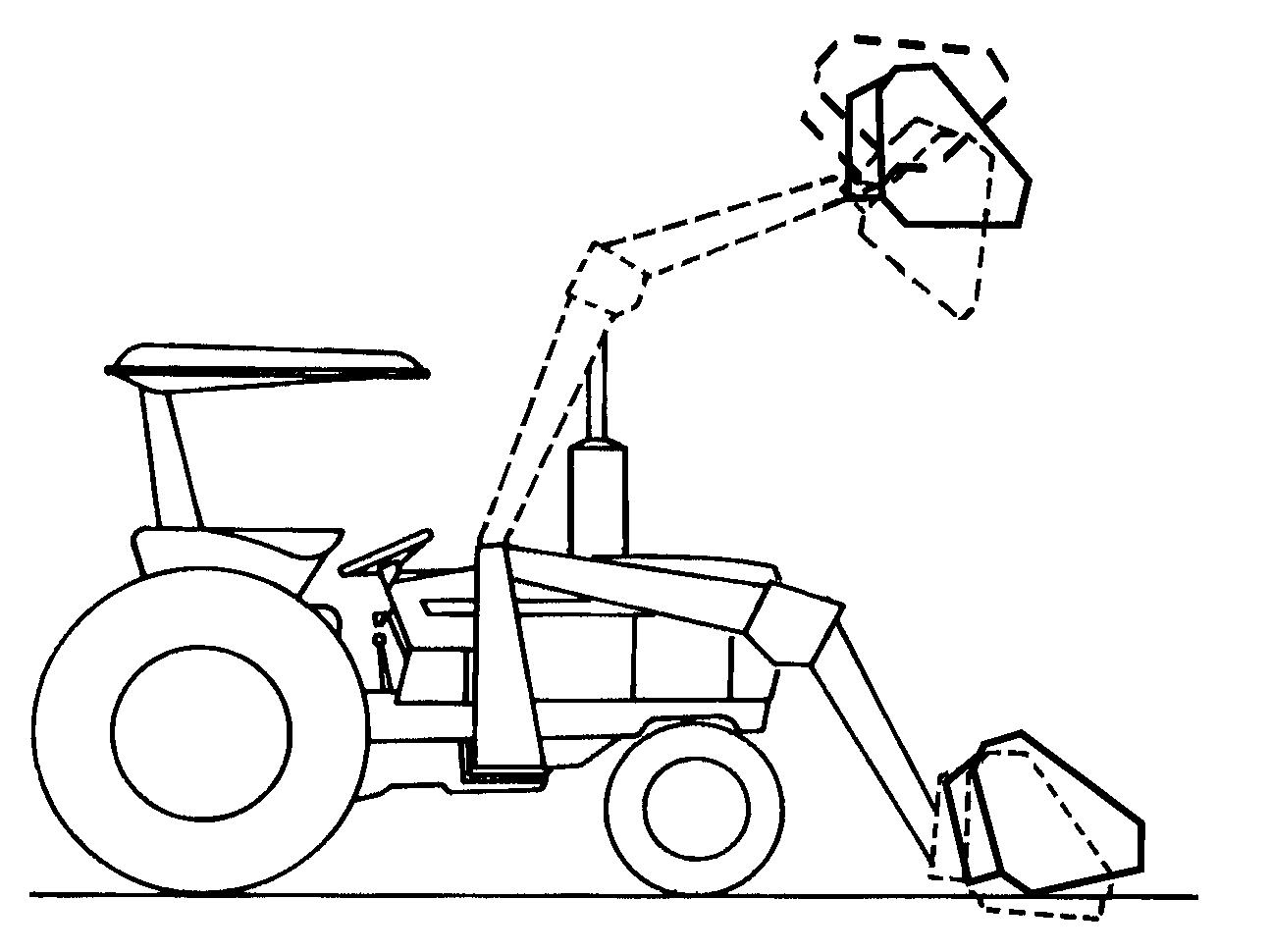
7, 8, 8A, 10, &10A Backhoes
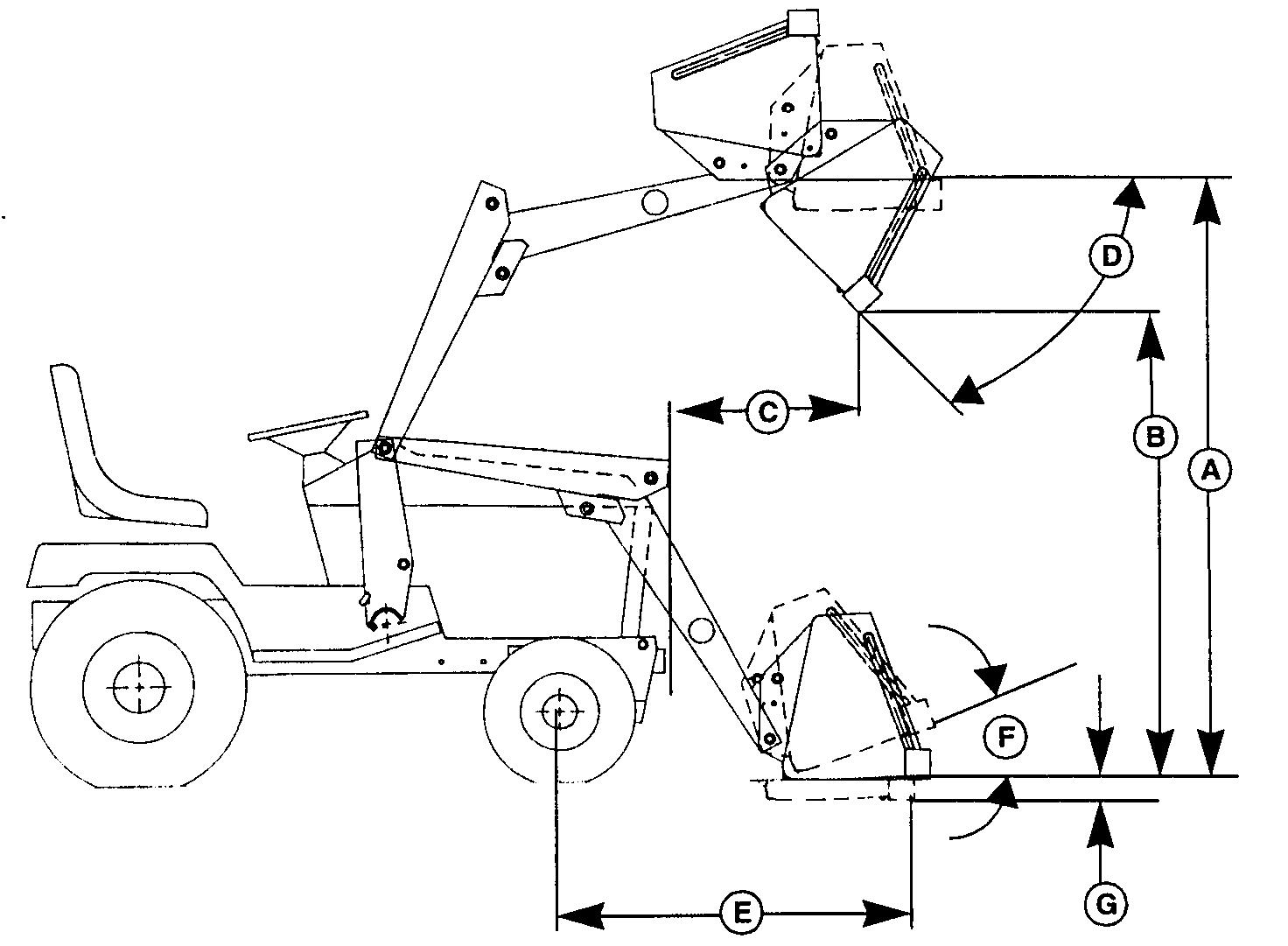
40, 44, 51, 52, 60, 67, 70, & 70A Loaders 365, 375, 380, 380A, & 390 Front Blades
30-Inch Hydraulic Tiller Hydraulic Dump MCS
This technical manual is written for an experieced technician and contains sections that are specifically for this product. It is a part of a total product support program.
The manual is organized so that all the information on a particular system is kept together. The order of grouping is as follows:
• Table of Contents
• Specifications
• Component Location
• System Schematic
• Theory of Operation
• Troubleshooting Chart
• Diagnostics
• Tests & Adjustments
• Repair
Note: Depending on the particular section or system being covered, not all of the above groups may be used
Each section will be identified with a symbol rather than a number. The groups and pages within a section will be consecutively numbered
All information, illustrations and specifications in this manual are based on the latest information available at the time of publication. The right is reserved to make changes at any time without notice
We appreciate your input on this manual. To help, there are postage paid post cards included at the back. If you find any errors or want to comment on the layout of the manual please fill out one of the cards and mail it back to us.
COPYRIGHT© 1995
JOHN DEERE LAWN AND GROUNDS CARE DIVISION
Horicon, Wisconsin
All rights reserved Information
RECOGNIZE SAFETY INFORMATION
HANDLE FLUIDS SAFELY-AVOID FIRES
Be Prepared For Emergencies
This is the safety-alert symbol. When you see this symbol on your machine or in this manual, be alert to the potential for personal injury
Follow recommended precautions and safe servicing practices
Understand Signal Words
A signal word—DANGER, WARNING, or CAUTION— is used with the safety-alert symbol. DANGER identifies the most serious hazards
DANGER or WARNING safety signs are located near specific hazards. General precautions are listed on CAUTION safety signs. CAUTION also calls attention to safety messages in this manual
REPLACE SAFETY SIGNS
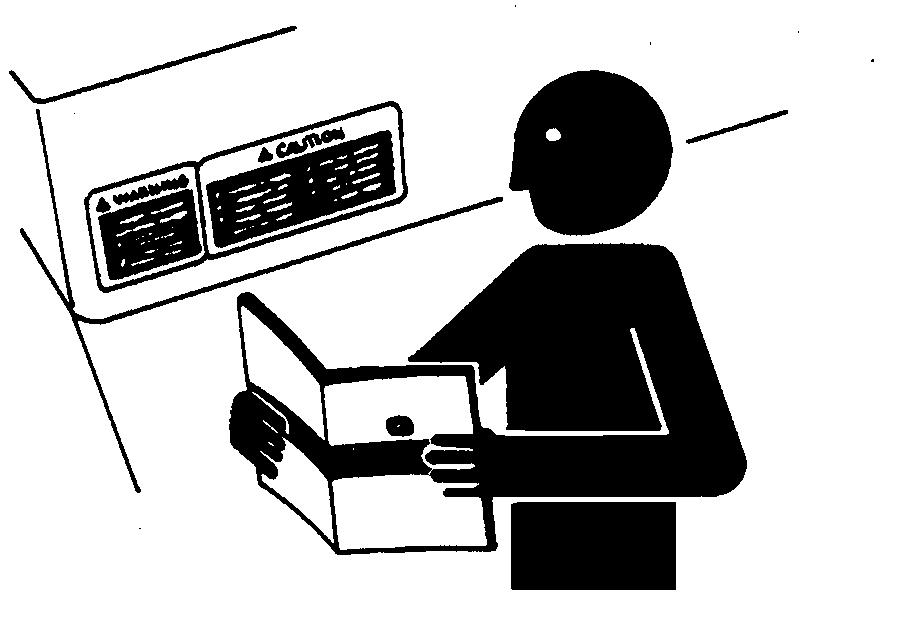
Replace missing or damaged safety signs. See the machine operator’s manual for correct safety sign placement
When you work around fuel, do not smoke or work near heaters or other fire hazards
Store flammable fluids away from fire hazards. Do not incinerate or puncture pressurized containers
Make sure machine is clean of trash, grease, and debris
Do not store oily rags; they can ignite and burn spontaneously
Be prepared if a fire starts
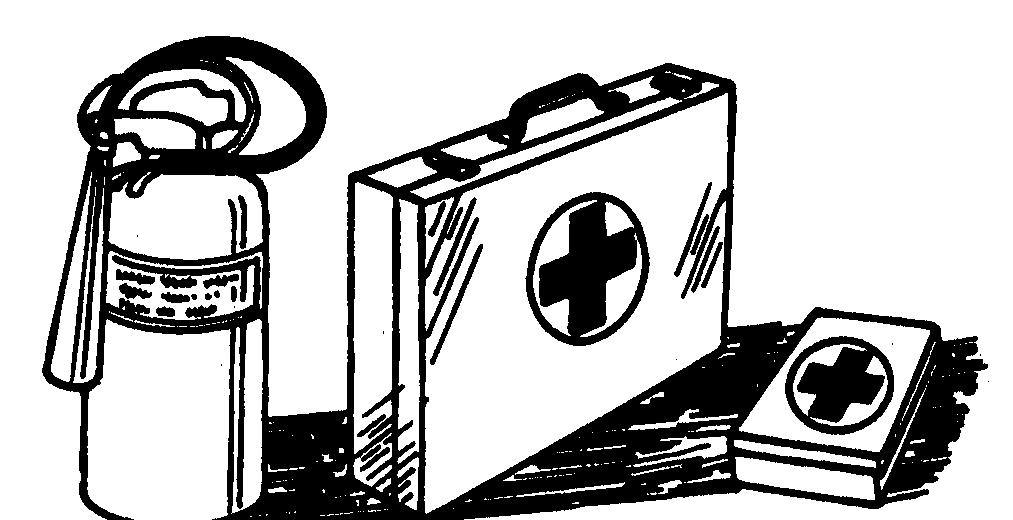
Keep a first aid kit and fire extinguisher handy
Keep emergency numbers for doctors, ambulance service, hospital, and fire department near your telephone
USE CARE AROUND HIGHPRESSURE FLUID LINES
Avoid High-pressure Fluids
USE SAFE SERVICE PROCEDURES
Wear Protective Clothing
Wear close fitting clothing and safety equipment appropriate to the job.
Prolonged exposure to loud noise can cause impairment or loss of hearing. Wear a suitable hearing protective device such as earmuffs or earplugs to protect against objectionable or uncomfortable loud noises.
Operating equipment safely requires the full attention of the operator. Do not wear radio or music headphones while operating machine
Escaping fluid under pressure can penetrate the skin causing serious injury.
Avoid injury from escaping fluid under pressure by stopping the engine and relieving pressure in the system before disconnecting or connecting hydraulic or other lines. Tighten all connections before applying pressure
Search for leaks with a piece of cardboard. Protect hands and body from high pressure fluids.
If an accident occurs, see a doctor immediately. Any fluid injected into the skin must be surgically removed within a few hours or gangrene may result. Doctors unfamiliar with this type of injury should reference a knowledgeable medical source. Such information is available from Deere & Company Medical Department in Moline, Illinois, U.S.A.
Avoid Heating Near Pressurized Fluid Lines
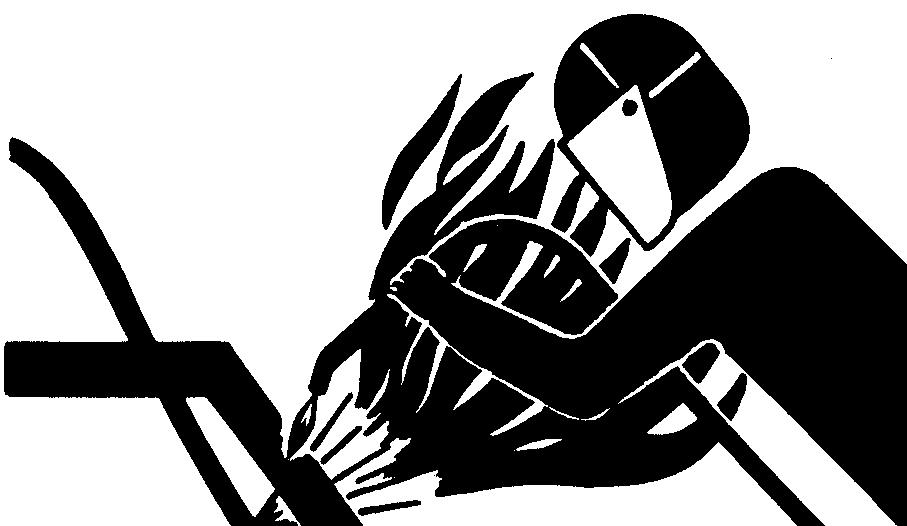
Flammable spray can be generated by heating near pressurized fluid lines, resulting in severe burns to yourself and bystanders. Do not heat by welding, soldering, or using a torch near pressurized fluid lines or other flammable materials. Pressurized lines can be accidentally cut when heat goes beyond the immediate flame area
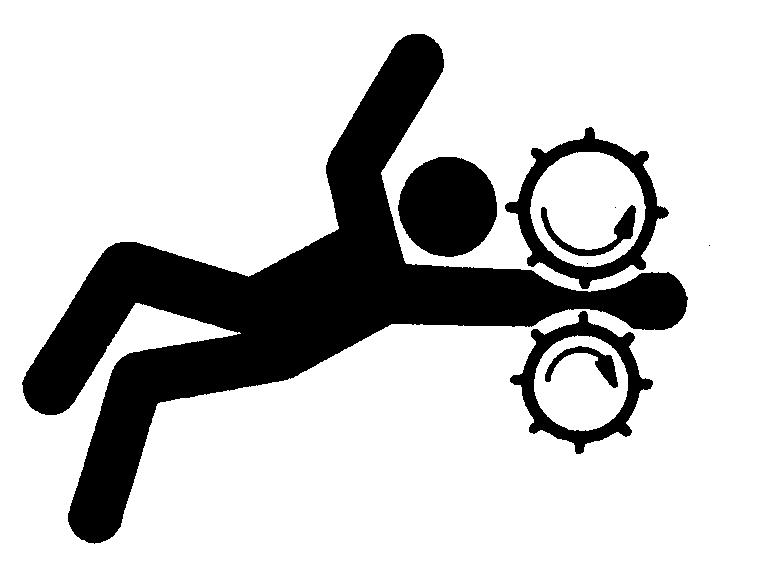
Service Machines Safely
Tie long hair behind your head. Do not wear a necktie, scarf, loose clothing, or necklace when you work near machine tools or moving parts. If these items were to get caught, severe injury could result.
Remove rings and other jewelry to prevent electrical shorts and entanglement in moving parts
Use Proper Tools
Use tools appropriate to the work. Makeshift tools and procedures can create safety hazards. Use power tools only to loosen threaded parts and fasteners. For loosening and tightening hardware, use the correct size tools. DO NOT use U.S. measurement tools on metric fasteners. Avoid bodily injury caused by slipping wrenches. Use only service parts meeting John Deere specifications
Park Machine Safely
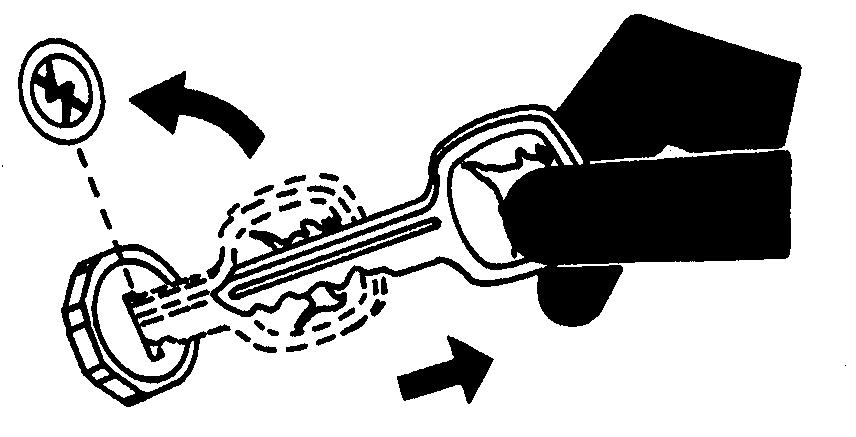
Before working on the machine:
1. Lower all equipment to the ground
2. Stop the engine and remove the key.
3. Disconnect the battery ground strap.
4. Hang a “DO NOT OPERATE” tag in operator station
Support Machine Properly And Use Proper Lifting Equipment
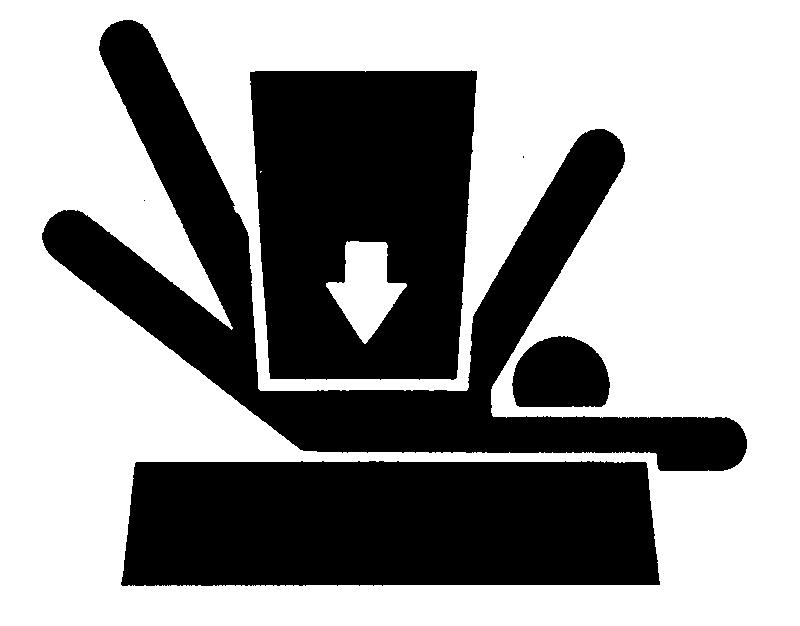
If you must work on a lifted machine or attachment, securely support the machine or attachment.
Do not support the machine on cinder blocks, hollow tiles, or props that may crumble under continuous load. Do not work under a machine that is supported solely by a jack. Follow recommended procedures in this manual
Lifting heavy components incorrectly can cause severe injury or machine damage. Follow recommended procedure for removal and installation of components in the manual
Work In Clean Area
Before starting a job:
1. Clean work area and machine
2. Make sure you have all necessary tools to do your job.
3. Have the right parts on hand.
4. Read all instructions thoroughly; do not attempt shortcuts
Using High Pressure Washers
Directing pressurized water at electronic/electrical components or connectors, bearings, hydraulic seals, fuel injection pumps or other sensitive parts and components may cause product malfunctions. Reduce pressure and spray at a 45 to 90 degree angle
Illuminate Work Area Safely
Illuminate your work area adequately but safely. Use a portable safety light for working inside or under the machine. Make sure the bulb is enclosed by a wire cage. The hot filament of an accidentally broken bulb can ignite spilled fuel or oil
Work In Ventilated Area
Engine exhaust fumes can cause sickness or death. If it is necessary to run an engine in an enclosed area, remove the exhaust fumes from the area with an exhaust pipe extension
If you do not have an exhaust pipe extension, open the doors and get outside air into the area
Remove Paint Before Welding Or Heating
Avoid potentially toxic fumes and dust. Hazardous fumes can be generated when paint is heated by welding, soldering, or using a torch. Do all work outside or in a well ventilated area. Dispose of paint and solvent properly. Remove paint before welding or heating: If you sand or grind paint, avoid breathing the dust. Wear an approved respirator. If you use solvent or paint stripper, remove stripper with soap and water before welding. Remove solvent or paint stripper containers and other flammable material from area. Allow fumes to disperse at least 15 minutes before welding or heating
AVOID INJURY FROM ROTATING BLADES, AUGERS AND PTO SHAFTS
Dispose of Waste Properly
Improperly disposing of waste can threaten the environment and ecology. Potentially harmful waste used with John Deere equipment include such items as oil, fuel, coolant, brake fluid, filters, and batteries. Use leakproof containers when draining fluids. Do not use food or beverage containers that may mislead someone into drinking from them. Do not pour waste onto the ground, down a drain, or into any water source. Inquire on the proper way to recycle or dispose of waste from your local environmental or recycling center, or from your John Deere dealer
LIVE WITH SAFETY
Keep hands and feet away while machine is running. Shut off power to service, lubricate or remove mower blades, augers or PTO shafts
HANDLE CHEMICAL PRODUCTS SAFELY
Direct exposure to hazardous chemicals can cause serious injury. Potentially hazardous chemicals used with John Deere equipment include such items as lubricants, coolants, paints, and adhesives
A Material Safety Data Sheet (MSDS) provides specific details on chemical products: physical and health hazards, safety procedures, and emergency response techniques. Check the MSDS before you start any job using a hazardous chemical. That way you will know exactly what the risks are and how to do the job safely. Then follow procedures and recommended equipment.
Before returning machine to customer, make sure machine is functioning properly, especially the safety systems. Install all guards and shields