

By Laura Freeman
Blocked veins steal legs and lives. Aching, burning pain can be unrelenting, and devastating wounds may develop and never heal.
While medical advances have brought a variety of treatments for restricted circulation in legs and thighs, one barrier has persisted: to be successful, most therapies need at least some access to the vein. In patients with Peripheral Artery Disease (PAD), severely calcified plaques can create a 100 percent block-
age that previously has been difficult or impossible to open. The only choice was taking the risks of an open surgery procedure or doing nothing.
Either choice comes with the possibility of complications, especially in patients with diabetes and other chronic conditions that make them more prone to both blockages and adverse surgical outcomes.
Now a new sonic tool is giving interventional cardiologists a way to break through the problem much like sound waves are used to break up kidney stones.
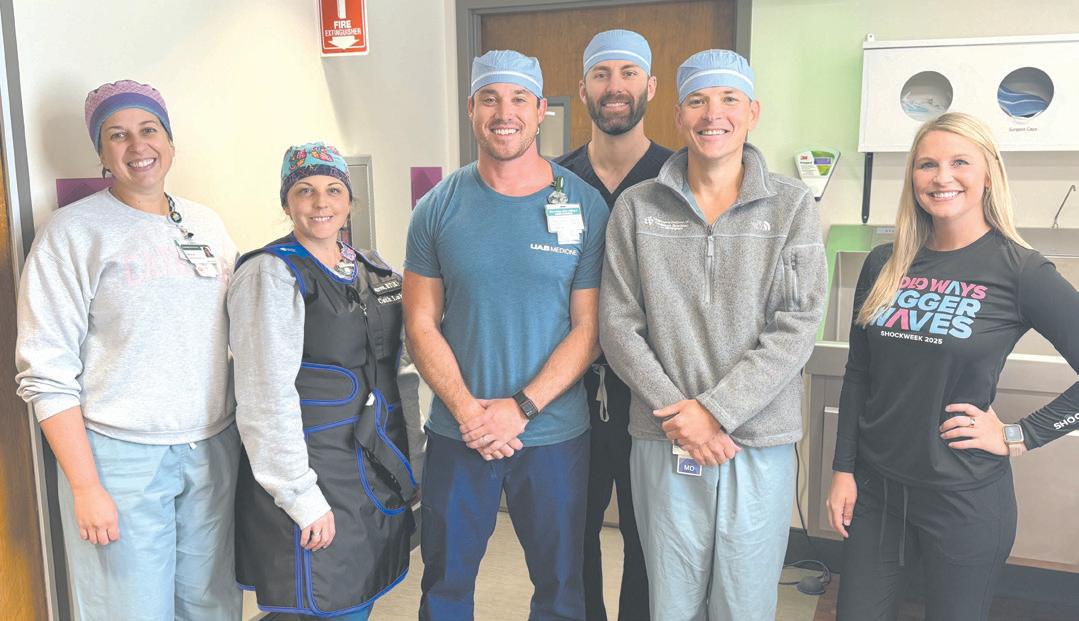
“When we’re working on restoring circulation in the legs and thighs, and we come to a 100 percent blockage that even a wire can’t get through, intravascular lithotripsy can often fracture the calcified plaque to open the veins enough for further treatment,” interventional cardiologist Christopher DeGroat, MD of UAB St. Vincent’s said.
the first in Birmingham to use this innovative approach to open blocked vessels. In several advanced cases with 100 percent blockage, they have focused acoustic waves produced by Shockwave Medical’s Javelin like a sonic chisel to fracture obstructions to help patients with chronic limb-threatening ischemia (CLTI) avoid the need for amputation.
for expanding narrowed vessels. The catheter is tipped with a tool that produces pulsing sound waves in a spherical energy field. We position it to chip away the blockage so we can do what is nec-
essary to restore circulation,” DeGroat said. “The goal is safer, more effective care for better outcomes.”
Used for lesions both above and below the knee, the Javelin peripheral
“In simple cases, we may be out of the cath lab in an hour. Where there is a lot of work to be done, it could take up to five hours.
By ansLey Franco
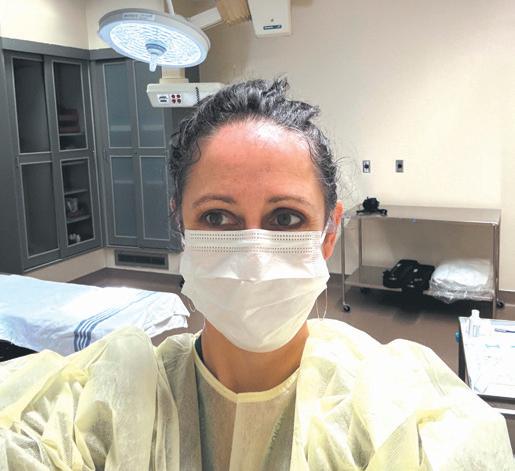
Rebecca Brown, MD, PhD has a unique set of skills that sets her apart in the medical world. She is the only dermatoneurooncologist in the world, a role that combines her expertise in neurooncology with a unique focus on the skin manifestations of neurofibromatosis (NF). NF is a rare genetic condition that causes tumors to form throughout the body. The tumors are most often noncancerous, but may affect the brain and spinal cord. Her research and clinical



practice focus heavily on the skin, where many NF patients first notice symptoms that affect their confidence, social interactions and quality of life.
“Some of the tumors are large and grow along large nerves and large nerve Plexi, and those are called plexiform neurofibromas. Those have the ability to grow to a massive size that really impacts people’s lives, and also can develop into a cancer that’s almost universally fatal, ” Brown said.
She added that the medical community has subsequently paid less attention
to patients with smaller tumors that have self-limited growth and no potential to become cancerous. “If you talk to people who have NF-1, the depression, anxiety, socioeconomic disadvantages associated with having these visible tumors all over the body were, in fact, one of their hugest concerns,” she said.
This gap between clinical focus and patient experience has shaped Brown’s approach to care. Her interest in NF is deeply personal, as her sister has the condition.



At the heart of one of the most highly regulated industries in the nation, health care facilities and providers face challenges that draw attention and resources away from their mission to provide quality patient care.
Burr & Forman’s health care team works alongside you to address and anticipate your needs by providing preventative guidance and pragmatic solutions, enabling you to focus on providing care and achieving healthy outcomes.
Alabama Health Care Team
Birmingham | Mobile | Montgomery
Jessie Bekker
Howard Bogard
Richard Brockman
Lindsey Druhan
Kelli Carpenter Fleming
Jim Hoover
Catherine “Cat” Kirkland
Garrett Lucey
Angie Cameron Smith
“The procedure can greatly improve symptoms, but how long that relief lasts depends on what happens after the procedure. If the patient does cardiac rehab and a lot of walking, keeps blood sugar under control, and stops smoking, the outlook is good. If not, we are likely to see symptoms returning all too soon.”
Restoring circulation can dramatically improve quality of life. In addition
to getting around better and being able to do more, the easing of relentless pain can be a tremendous relief.
Without intervention to restore circulation, problems tend to increase and take a serious turn for the worst. Wounds may develop and progress into huge lesions that can become septic. Eventually, patients may have to choose between the amputation of toes, feet, or legs and losing their
continued from page 1
lives. Even with such a drastic intervention, the loss of a leg has been associated with a negative effect on life expectancy.
“Not every patient will have such a severe blockage,” DeGroat said. “I often perform a variety of interventions before the problem gets that bad. But when we run into veins that we can’t get through with other measures, this new technology gives us something we can do. I’ve been
“Just having grown up alongside my sister and speaking with her a lot about what she’s going through on a day-to-day basis, it occurred to me pretty early on that what was really concerning people with neurofibromatosis was not being addressed by the medical community,” Brown said.
That perspective has informed Brown’s career-long mission, which is to align medical research and treatment priorities with what NF patients actually experience. Empathy and understanding for the patient experience is what Brown brings to her new leadership role at the UAB Neurofibromatosis Clinic after she saw an urgent need for NF expertise.
“Coming to UAB was definitely related to expanding patient access to an NF expert, because previously I was up at Mount Sinai in New York City, and there
are three to five excellent NF care facilities within the New York City radius. And here in Alabama, we don’t have an NF expert within a multi-state area,” Brown said. “At the same time, my predecessor, Dr Bruce Korf, was retiring. He had a very large clinic here, where the patients were going to be left without a sufficient provider. So, to address the healthcare desert and care for patients whose physician, their dedicated physician, was retiring. Those were two big motivating reasons to come down to UAB.”
At UAB, Brown aims to continue the clinic’s legacy of research and compassionate care while broadening its reach to patients who may have limited access to specialists. She is especially focused on helping patients better understand their diagnosis and find community in what

finding it very helpful in more severe cases. “However, I remind patients who are showing early signs of circulation problems, the best procedure is no procedure. It’s worth making an effort to do what you can to slow the progression of PAD. Walk as much as you can. Do everything possible to keep you blood sugar under control. Most of all, if you smoke, stop. It could make a world of difference in your life.”
continued from page 1
can often feel like an isolating condition.
“We’re trying to break down complex medical conditions into something that patients can understand, and then also to bring them together to form social communities that may extend across multiple states,” Brown said. “And if you think that you have difficulty remembering or pronouncing neurofibromatosis and schwannomatosis, imagine if you had no medical training and maybe not even a high school degree, which some of these patients are dealing with.”
Through education, empathy and scientific insight, Brown continues to try and bridge the gap between medical innovation and patient-centered care. She hosted her first 2025 Neurofibromatosis and Schwannomatosis Patients and Caregivers Symposium on Nov. 8.
The most meaningful part of Brown’s work, she said, is the connection she builds with her patients. She sees the impact of her care not only in clinical outcomes, but in the relief and reassurance patients feel after conversations that help them better understand their condition.
Her clinic at UAB is structured to give patients this level of attention and support. Full-day clinics, tailored treatment plans and multidisciplinary collaboration with other medical professionals at UAB help move the needle toward allowing every patient an opportunity to be given adequate care. With her unique expertise and the perspective she gained from her own family experience, Brown spends her days trying to make a difference for NF patients across Alabama and beyond.



• Patients are scheduled within 24 hours
• Patients are seen in clinic within 2-4 weeks of referral
• We keep you informed about the patients’ treatment plan
• We make sure the loop is closed on your referral
By Lauren Johnson
Hearing loss does not directly cause cognitive decline or mental health issues, but there are strong correlations between them. Leah Kavanagh, Au.D., CCC-A, an audiologist with ENT Associates of Alabama, has seen firsthand how patients suffering from hearing loss have benefited from treatment and technology like hearing aids. Kavanagh specializes in adult and pediatric diagnostics, tinnitus management, and fits patients with hearing aids.
“Research shows that hearing loss can result in reduced audibility and reduced auditory input into the parts of our brain that are important for hearing, and that can change how the brain functions,” Kavanagh said. “When your hearing loss isn’t treated through something like hearing aids, there’s an increased listening effort, so hearing conversations gets more difficult. That in turn can use up more of our cognitive resources in our brain.”
This can put patients at greater risk for dementia, cognitive decline and depression. Hearing loss can also mimic dementia. Instead of a memory issue, the individual either misheard the conversation or never heard it at all.
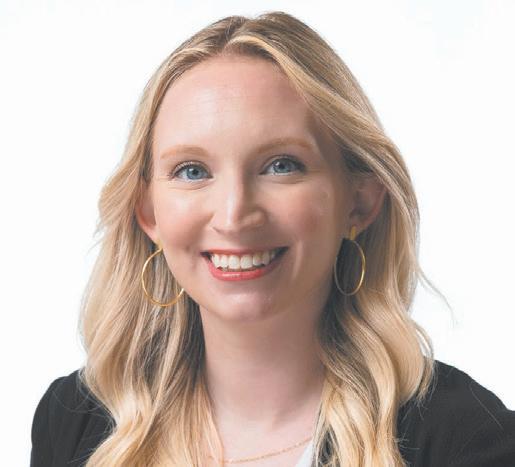
Leah Kavanagh, Au.D., CCC-A
People with untreated hearing loss tend to isolate themselves and withdrawal from social interactions to avoid embarrassment. Kavanagh has heard many patients say they’ve stopped participating in activities they enjoy or going to events with friends or family because they have a hard time hearing. Isolation can cause a downward spiral leading to depression and sometimes cognitive decline.
After being fitted with hearing aids, most patients return to their former activities and social events, and Kavanagh has seen improvements in their mental health.
“They don’t have those feelings of being embarrassed from asking for rep-

etition, or they don’t have an increased listening effort like they used to, so they’re not as tired once they leave different functions,” she said.
The most common form of hearing loss that Kavanagh sees in patients in sensorineural hearing loss, which is a permanent form of hearing loss that can’t be treated with medication or surgery. The best way to treat it is through hearing aids.
Over time, hearing aids have improved from technology to style and size. The two main types include one that goes in your ear canal and another that goes behind your ear. Among Kavanagh’s pa-
tients, the hearing aid that goes behind the ear is the most popular because it’s not as noticeable.
Other treatment options include cochlear implants, which are used for severe hearing loss, and surgery, which is an option for a patient with a bone or tympanic membrane (eardrum) issue.
“Another complaint we hear a lot is tinnitus or ringing in the ears. That goes hand in hand with hearing loss. Hearing aids can help not only with hearing loss, but the tinnitus as well. It’s not going to get rid of the ringing in the ears, but it kind of tricks your brain into not perceiv-

By Laura Freeman
Now that injectable medications as well as surgical options are available for patients taking on the challenge of reversing severe obesity, providers have to consider which choice is right for each patient. What should physicians consider in making recommendations? The best choice varies by patient, their individual health factors and their personal circumstances.
“While GLP-1 injections finally offer a medical approach to treating morbid obesity, they aren’t without side effects. They can be expensive, especially without insurance, and results only seem to last as long as injections continue. For patients who need to achieve major weight loss long-term, some form of weight loss surgery may need to be considered,” Jay C. Long, MD, FACS said.
Morbid obesity is a risk factor for many diseases that affect longevity, quality of life and overall health. This includes diabetes, heart disease, and there are correlations with some forms of cancer. In addition to arthritis and mobility issues, there are the psychological and economic effects of social stigma and career-limiting prejudice.
However, the more we learn about the mechanisms of obesity, the more we

understand that people don’t necessarily fail at weight loss for lack of trying. Many severely overweight people have been dieting most of their lives. The factors keeping them obese tend to be complex and varied. For lasting success, most will need help.
In past years, more than 270,000 bariatric surgery procedures have been done annually in the United States. Recently, around six percent of adults in the U. S. are reported to be currently using GLP-1 injections, and 12 percent have used them.
“For patients with a BMI over 40, and under new guidelines the consensus is over 30 to 35, surgical weight loss could be an effective approach,” Long

said. “Now we can do minimally invasive laparoscopic surgery in an outpatient setting. Single Anastomosis Duodeno-Ileal Bypass bypass (SADI) with a sleeve gastrectomy may be all that is necessary.
“In some cases, a more extensive procedure is indicated. For example, a patient with severe reflux problems would probably do better with a gastric bypass. We also see some patients who need revision surgery if the stomach pouch becomes stretched over time. These patients may need distalization to move the connection downstream, reducing the amount of absorption surface the food passes through.”
After surgery, patients tend to be satisfied with less food, leading to weight loss. Fewer calories are absorbed, and there can be a shift in metabolism that can have
a helpful effect on losing weight. Since a primary objective achieved by surgery is reducing absorption of calories, reduced absorption of nutrients should also be addressed with a planned program supplementing vitamins and minerals as needed.
“Some form of weight loss surgery is possible for most patients,” Long said. “I’ve done procedures for patients well into their senior years. I usually prefer that patients be over 18, since the bodies of younger patients are still growing. There may occasionally be a few cases where earlier intervention could be indicated.”
Sometimes people may prefer not to have surgery or they could have other conditions or circumstances that might
(CONTINUED




Celebrating One Year. And Countless More to Come.



One year ago, Baptist Health made our community a promise: to bring a new day in healthcare to Central Alabama, built upon a faith-based foundation. Already, that commitment has meant more advanced care, stronger connections and more ways to keep our community healthy — and our journey together has only begun. Thank you for welcoming us and trusting us with your future. See how far we’ve come at BaptistHealthAL.com
By sara KLocK, michaeL Werner, JenniFer rangeL and meLissa Wong
The U.S. Food and Drug Administration (FDA) and U.S. Department of Health and Human Services (HHS) announced a broad initiative to «rein in misleading direct-to-consumer pharmaceutical advertisements.» In its press release, the FDA said it was “sending thousands of letters warning pharmaceutical companies to remove misleading ads and issuing approximately 100 ceaseand-desist letters to companies with deceptive ads.”
The FDA published these letters on its Warning Letter database. Notably, in addition to drug companies, the FDA issued warning letters to telehealth providers and companies, including several glucagon-like peptide-1 (GLP-1) telehealth providers. The FDA claimed that due to what it deems misleading advertisements, these products are misbranded and, therefore, cannot be lawfully introduced into the U.S. market. Some of the GLP-1-related claims that the FDA specifically flagged as concerning were:
• “Weekly injectable GLP-1 with the
same active ingredient as Ozempic and Wegovy”
• “Clinically proven ingredients”
• “Semaglutide (the same ingredient in Wegovy & Ozempic)”
• “Tirzepatide (the same ingredient in Zepbound & Mounjaro)”
• “Semaglutide (generic Ozempic/ Wegovy)”
• “Tirzepatide (generic Mounjaro)”
• “Is Semaglutide the same as Wegovy and Ozempic? Semaglutide is the active ingredient in Wegovy and Ozempic. Semaglutide is often more cost effective.”
• “Your healthcare provider will help





you find the right dose of GLP-1 Medication including Semaglutide (same active ingredient as Wegovy, and Ozempic), to achieve healthy weight loss.”
• “Semaglutide is the active ingredient in Wegovy and Ozempic. Semaglutide is often more cost effective for members whose insurance deny coverage of brand name medication like Wegovy or who are uninsured.”
The telehealth industry saw and participated in the emergence and drastic growth of the GLP-1 marketplace while Semaglutide and Tirzepatide were on the
FDA’s drug shortage list. While Semaglutide and Tirzepatide were in shortage, compounding pharmacies were permitted to compound the active ingredients with fewer regulatory constraints. As a result, the burden associated with patient access and market entry was significantly reduced.
Semaglutide and Tirzepatide are now off the drug shortage list, and the standard 503A and 503B pharmacy rules apply. At this time, 503A pharmacies are the only entities that can compound Semaglutide and Tirzepatide and, when doing so, must ensure the drugs are compounded with valid patient-specific prescriptions and that they comply with other legal and regulatory requirements. Significantly, the FDA’s issuance of these warning letters is the first time we have seen FDA regulators specifically call out telehealth providers and the advertising associated with compounded products, signaling that future enforcement

That’s the difference in having the attorneys at Cloud Willis represent your medical practice in managing your accounts receivables. We provide the complete services of an agency and a law firm or anywhere in between — you choose. We will collaborate with you to design a collection strategy that helps limit unpaid invoices and medical bills. Then we will implement that strategy in our office, and help you implement the strategy in yours.
We have the experience and know-how in medical collections to make it better for you. Call today for a free consultation.



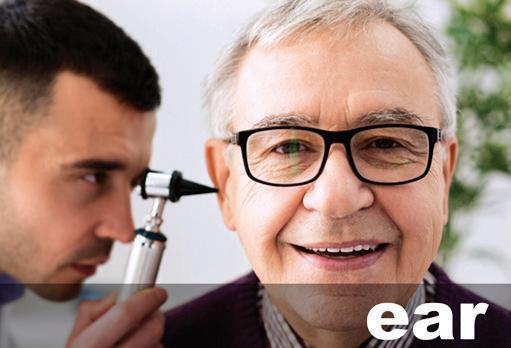


If you suffer from allergies or other ear, nose, throat or hearing problems, we don’t want you to treat your healthcare lightly or ignore symptoms that could lead to more serious issues. Call us now for a complete evaluation with one of our 14 board certified physicians, 5 highly trained and licensed PAs, or 18 clinical audiologists — all available to serve your needs at any of our 11 locations.

continued from page 7
actions against telehealth providers is likely and, as a result, telehealth providers should closely evaluate their compliance with FDA requirements and other applicable laws.
Specifically, telehealth companies and providers, even those outside of the GLP-1 space, should ensure their marketing materials, websites and statements about the products and services offered are truthful, not misleading and can be substantiated. Though the FDA’s misbranding laws and regulations traditionally fell within a gray area when applied to compound pharmacies, this latest action appears to show the FDA’s intent
to enforce the rigorous advertising and marketing standards that apply to pharmaceutical manufacturers. These entities should also understand and appreciate the broader risks for compounding these drugs, including the applicability of state practice of medicine and pharmacy laws, including corporate practice of medicine, scope of practice, freedom of choice of pharmacy, and prescriptive authority requirements and restrictions.
continued from page 1
ing it to be as loud or as noticeable,” Kavanagh said.
Hearing aids range in price, starting around $2,000 depending on what the patient needs. Kavanagh encourages patients not to let the cost prevent them from moving forward with treatment as she can help find something that will work within any budget.
“Statistics from the American Speech and Hearing Association show there are about 48 million Americans with some degree of hearing loss across all life spans,
kids to adults, and that number is only going to increase given the age demographic of the U.S,” Kavanagh said. “As our baby boomers get older, we’re going to see that number grow. One thing I tell a lot of people is that if we’re lucky to live long enough, we’re all going to have some degree of hearing loss.”
She recommends those over the age of 50 to get a baseline hearing test as most people start to experience hearing loss around the age of 60.
continued from page 1
make surgery difficult. That’s when the help they need may be in the form of GLP-1 injections.
“I’m going to be offering GLP-1s to give my patients a full range of options. I’ll start with the one that research is showing offers the greatest potential for weight loss. If patients experience side effects, we can switch to another.” Long said. “In the next couple of years, we’re expecting even better medications to become available.
“The injections help to slow emptying of the stomach and reduce appetite. Some patients may experience side effects
such as diarrhea, constipation or bloating, though these may ease as they become accustomed to the medication.
“For all my patients, whether surgical or medical, I suggest building good habits in both eating and activity so they achieve the best results for their efforts and hold on to that success as long as possible.”
Lap-band certified, Long is fellowship-trained in minimally invasive and bariatric surgery and practices with Birmingham Minimally Invasive Surgery PC on Medical Park Drive near UAB St. Vincent’s East.










By Laura Freeman
Like most decisions, choosing whether you want to be part of a private practice, sell to an equity group, or become an employee of a medical facility has both positives and negatives. However, unlike choosing the color to paint your office, switching to a different structure for work can be difficult to nearly impossible if you change your mind. That’s why it’s so important to thoroughly consider everything, and make sure your colleagues are on the same page.
When John Cade, Jr, MBA, CFO joined Cardiology P.C. in 1990, most
cardiologists in the area were part of a private practice. Today he is helping to manage one of the few, and possibly the only, cardiology practice in the area that is still private.
“The challenges in healthcare have become more complex, and so has everyday life. Achieving a balance, finding satisfaction in your work while still having time for a private life, can depend on how the business side of a practice is structured,” Cade said.
Recently many practices are either selling out to equity groups or coming under the wing of a hospital where physicians and staff work as employees.

“This can ease some of the day to day financial pressure, get you home to dinner on time, and give you more certainty in planning your time off,” Cade said. “On the other hand, you don’t have as much autonomy in how you practice medicine, how much time you spend with a patient, and whether you can work in a patient who needs to see you today.
“If you find you want to earn more to cover an unexpected expense or save for a special anniversary cruise, you may not have the option to see a few extra patients. The financial arrangement you agree to is what you’ll be paid, and you may or may not have the leverage to get
a raise or say when or how much.
“For a practice with partners approaching retirement age, selling to an equity group may be an easier way for them to cash out rather than having to find financing or a new partner to buy them out. However, changing structure could have a profound effect on other partners who will continue to work there. A good decision is one that works for everyone.
“As a practice grows, you’ll be adding new doctors. Young doctors with big student loans look for financial stability. This is where equity or hospital ownership has an advantage. It can take a couple of years for a new doctor to build a patient following to become a profitable contributor to the practice.
“Younger doctors are also tending to put a higher value on work/life balance and want to have more time for a young family. Instead of on-call nights and weekends, an equity group or hospital can hire someone to cover call hours.
“Concentrating staffing and resources is where equity and medical center groups make their money. Instead of three practices each having someone
By marti WeBB sLay
One might think that meeting rocket scientist Wernher von Braun would be the most significant development of someone’s life, especially if von Braun was something of a father figure. For ophthalmologist Robert Morris, MD, founding physician of Retina Specialists of Alabama and president of the Helen Keller Eye Research Foundation, knowing von Braun was indeed significant. However, his help was really just a starting point, and Morris has moved on with passion to make significant contributions of his own.
Morris met von Braun when his family moved from California to Alabama in the 1960s. His dad was hired to start the Marshall Space Flight Center under the auspices of the new space agency NASA. After Morris’s father died when he was a high school senior, von Braun took him under his wing and even put a good word in for him when he learned Morris wanted to attend Purdue. He got his acceptance letter without even applying.
“I was influenced by all the suc-

cesses of the moon landing program,” Morris said. “I ended up at Purdue University studying physics, and I was going to be a Navy pilot and then hopefully an astronaut. Then I failed my eye exam, and I went to Plan B, which was to go to medical school.”
While he was a medical student, Morris learned of a program that would allow him to enter the Air National Guard and become a fighter pilot.

This time he passed the eye exam, so he went into the Air Force and achieved his goal of becoming a pilot, even though it meant taking a break from medical school halfway through his senior year.
“Now I was going to be scientist astronaut with my medical degree,” he said. “Then they knocked the Apollo program out. So it was time to focus on my medical career, and I chose ophthalmology because inner space was open-



ing up at that time. We landed on the moon in 1969, but we didn’t reach the back of the human eye until 1971.”
Deep eye surgery became his specialty, and although he was offered a chance to do research at Duke, Morris chose to return to Alabama. “I came back because our state had four million people with no deep eye surgeon,” he said. “I’ve been practicing at the Calla-












Healthcare organizations need access to external resources to support their strategic vision. Our team of professional healthcare advisors have extensive experience and specialized education to serve a broad spectrum of needs in the healthcare community. As your advisor, we focus on learning your values and goals and work with your team to develop an effective strategy specific to your organization.



By: roBin B. marK, esQ
On January 20, 2025, the President signed Executive Order 14148, titled “Initial Rescission of Harmful Executive Orders and Actions.” A significant aspect of this Executive Order is the removal of previous protections against Immigration and Customs Enforcement (ICE) actions around “sensitive locations,” including hospitals, schools and places of worship. In recent months there have been multiple incidents where ICE agents entered a medical facility for the purpose of detaining an individual. It is important for medical professionals to protect patient rights and privacy, document the incident thoroughly, and ensure that no patient information is disclosed without a valid judicial warrant.
• Stay calm and professional.
• Identify a Designated Liaison. Instruct all medical staff to refer any and all law enforcement agents to a designated medical representative, such as an Administrator. The medical staff should not provide any information and direct all questions to the designated liaison.
• Request the Warrant. The designated liaison should request a copy of the warrant and review it carefully. It is also advisable to contact legal counsel and provide them with a copy of the warrant.
• Examine the Scope of the Warrant. Check to see that the judicial warrant was issued and signed by a Judge. The warrant should include information about the locations that the Judge has authorized the agents to search and there should be a list of items that the Judge has authorized agents to seize. It is appropriate to follow the information outlined in the search warrant and only allow agents to search the areas that have been approved by the Court.
• Protect Patient Information: Do not provide any patient information unless it is specifically authorized by the judicial warrant or unless authorized by HIPAA or applicable state laws. It is crucial to protect patient rights and privacy and ensure that no patient information is disclosed without lawful authority.
• Prioritize Patient Safety and Care. Make sure that patient care continues without interruption.
up:
• Document the incident. Staff should document the encounter, including the agent names and badge numbers, the date and time, contact information and any actions taken by the agents.
• Consult with Legal Counsel. If a search warrant was presented, it is best practice to consult with a lawyer and determine the nature of the investigation and the status of the medical facility.
• Conduct a post-incident review. Review the incident with Administration and relevant medical staff to determine if there are any changes that should be made to the response protocol.
• An Administrative ICE Warrant is Not Sufficient. An administrative warrant issued by ICE does not authorize access to private hospital areas or confidential patient information. Compliance with an administrative warrant is voluntary. HIPAA rules governing disclosure of personal health information to law enforcement officials are well established. HIPAA permits disclosure of personal health information to law enforcement in certain circumstances that are set forth in regulations. However, an administrative ICE warrant seeking removal or detention of an individual issued by the


Department of Homeland Security is not a judicial warrant and does not authorize ICE agents to enter private areas of health care facilities without consent.
• If agents do not have a judicial warrant, and the agents do not fall within the specific HIPAA regulations, do not provide information or allow access to patient care areas and immediately contact security with any concerns.
• In general, medical facilities must allow agents in any areas where they would allow general members of the public, such as the lobby, cafeteria, or parking. However, without a judicial warrant, or as specifically authorized by federal regulation, agents should be prohibited from entering private areas that are clearly posted and enforced for patients and families.
• Medical staff should refrain from interfering with or attempting to stop or obstruct law enforcement



from entering public areas of the medical facility. Interfering with law enforcement can result in federal criminal charges, including assault, obstruction or interfering with law enforcement official duties.
• Additionally, it is illegal to intentionally protect a person from detention who is known to be in the United States unlawfully. Obstructing or otherwise interfering with ICE or actively helping a person to evade law enforcement is a federal crime. Do not hide or assist any patients in leaving the premises or actively evading ICE agents. Do not destroy any documents, records or other information about a patient. Medical professionals must balance their obligations to comply with a lawful judicial warrant or applicable federal regulation with their obligations to comply with HIPAA and other privacy laws.
Medical professionals should stay informed and take active steps to protect their patients privacy and medical care. Clearly defining public and private areas within a facility and training medical staff on how to respond to law enforcement will help to ensure compliance with the law and minimize any disruptions to patient care.
Robin Mark is a partner at Burr & Forman LLP. Robin may be reached at (205) 458-5473 or rmark@burr.com.



offers $50,000 a year for primary care physicians, with a 3-year maximum award period. The award is a






continued from page 10
assigned to an administrative task, one employee may handle the same task for all three.
“That can reduce overhead, but it doesn’t allow for the fact that a welltrained employee who knows your practice and goes above and beyond to make your life easier and to look out for your patients could be worth more.
• Education & goal setting
• Medication adjustments
• Insulin pumps & continuous glucose monitoring
• Individualized ongoing support
“Instead, you may have to settle for someone who is just good enough and willing to accept whatever the group is willing to pay. And you may not have as much say in staffing. If someone isn’t up to the job, replacing them can get complicated.
“The big advantage in private practice is autonomy. You decide how you want to practice, how many patients you want to see and how much time you spend with them, as well as when you’re willing to stay a few minutes late to work in a patient whose condition may not wait until tomorrow.
“You also have a say in who you work with, the staff you want working for you and how much you think they are worth. You decide how you want to grow your practice along with the systems and equipment you prefer to use.
“The other side of it is if you want new equipment, you’ll have to budget for it. Instead of a hospital directing new pa-
tients your way, or an equity group with a promotional budget, you’ll be responsible for building a referral network and getting your name in front of other physicians and patients. If you need a lawyer or accountant, you’ll have to hire one, and you’ll have to staff for all the support tasks that have to get done.
“The big issue is managing your time so you still have a life. In private practice there’s a sweet spot of around five to ten physicians so that you have enough people to share on-call without nights and weekends becoming too much, yet without so many people that scheduling becomes complicated. There’s also nothing that says a private practice can’t recruit someone to cover at least some of the on-call hours.
“The two primary considerations are knowing what you want out of your career and your life, and honestly assessing what type of person you are. If you have the heart of an entrepreneur, can you also see that the bills get paid or hire someone who will? Or would you rather go home at 5:00 and not have to think about work until the next day?”
Knowing yourself and what you value are the keys to designing a professional and personal life that works.

problems.




continued from page 11
han Eye Hospital ever since.
“In my career as a retinal surgeon, I’ve been particularly interested in repairing injured eyes. Fortunately, 97 percent of eye injuries are to only one eye. I’ve been focused on helping the three percent who go from perfect vision to almost no vision in an instant with injuries to both eyes. These injuries are most frequently caused by auto accidents, explosions, and shotgun injuries.”
Over the years, Morris has restored vision to a number of patients who had been told they would never see again. Along the way, he met a UAB scientist named Magnus Hook. Hook told Morris that he had studied Helen Keller in high school in Sweden. He was surprised that in Alabama, Keller’s home state, there was no eye research foundation named after her.
After giving it some thought, Morris contacted the Helen Keller family. “Keller’s niece, Patty Johnson, had lived with Helen Keller at times and felt ownership of the legacy,” he said. “I asked her if this was something she wanted to do, link her famous aunt’s legacy with modern biomedical research, and she said, ‘absolutely.’
“We’ve concentrated on eye injury, macular surgery, retinal detachment, and infections in the eye after cataract extraction. Now we’ve gotten interested in floaters. A lot of people suffer from floaters, and I’m not talking about just nuisance fl oaters. I’m talking about lots of stuff going across their vision and interfering with their reading and driving and sometimes missing a step that causes them to fall. It’s the simplest surgery we do, but it’s got to be done with a risk factor close to zero, just like cataract surgery.”
The foundation began with eye research, then expanded to include education about Helen Keller’s life. Now it has split into two foundations, one focusing on research, and the other on education. And Morris continues to grow in his ad-







miration of Keller.
“We recognize that Helen Keller and the work we do could have a halo effect for the Alabama” he said. “I worked with Governor Siegelman to put Helen Keller on the state quarter and worked with Governor Riley to put the statue of her in the Capitol.”
Morris has produced a digital book of Keller’s quotes, but he knows many of his favorites by heart. “She said, ‘life is either a daring adventure or nothing.’ She also said, “I will not just spend my life, I will invest my life.’ And she really acted on that. She was a pioneer and civil rights advocate for America in the 20th century, for children, minorities, the disabled, indigent people. She called on America to live up to its ideals long before many others did,” Morris said.
Morris found his “research brother” from Hungary
“I met a young Hungarian retina surgeon in 1989 while attending the first international congress on ocular trauma in Tel Aviv,” Morris said. “He came to Birmingham to do eye research with me on injuries the next year, for a one year fellowship.
“Ferenc Kuhn, MD, ended up staying for 22 years and became my ‘research brother.’ He is now the most traveled ophthalmologist in history, having lectured in 67 countries on every continent but Antarctica. We developed the talks together, and he presents them while I hold down the fort here in Birmingham. Together we developed the Birmingham Eye Trauma Terminology (BETT) that has become the language of eye injury used worldwide.”
Kuhn is now the director of research at our Birmingham based Helen Keller Eye Research Foundation. The American Society of Ophthalmic Traumatology called him the father of modern ocular traumatology and named their highest lecture after him.











When people with extraordinary talent and passion are given the technology, the facilities, and the support, they achieve great things. The discoveries and innovations happening today will help shape the future of treatments and lead to cures. And it benefits not only the patients and families who come to Children’s of Alabama, but people across the country and around the world for years to come.


Brent Kinney, Jd
“It’s not bad people, it’s bad systems.” - Lucian L. Leape, MD
Samantha Taylor was a 33-yearold female who had been a patient of Main Street Obstetrics (MSO), a Maternal Fetal Medicine practice, intermittently since 2018. Prior to the birth at issue, Ms. Taylor gave birth to three children (2009, 2019, and 2020). MSO was involved in the 2019 and 2020 deliveries.
For the pregnancy at issue, Ms. Taylor was initially seen at MSO via a telehealth visit on April 13, 2021, by Daryl Cadeau, MD, a Maternal Fetal Medicine (MFM) specialist. Ms. Taylor was referred to MSO by her primary obstetrician, Antonia Garcia, MD, for IgA deficiency, asthma, short intervals between pregnancies, obesity, history of recurrent pregnancy loss, and recurrent urinary tract infections. Dr. Garcia’s employer, Local Obstetrics and Gynecology (LOG), had a relationship with MSO whereby MSO’s MFMs provided telehealth services for LOG’s patients who had high-risk pregnancies, which reduced the number of
out-of-town visits the patients needed to make.
In all, Ms. Taylor had a total of seven telehealth visits with three different MFMs at MSO. During the telehealth visit with MSO on October 13, Dr. Cadeau scheduled Ms. Taylor’s induction for October 28 at Downtown University Hospital (DUH). On that same day, October 13, MSO faxed Ms. Taylor’s medical records to DUH. Ms. Taylor’s last telehealth visit with MSO was on October 20 with Margaret Washington, MD.
Ms. Taylor also had a Group B Streptococcus (GBS) culture test performed on October 20, which was ordered by Dr. Garcia. The GBS test resulted on October 22, and it indicated that GBS was detected. A fax confirmation sheet from Dr. Garcia’s office indicates the GBS test result was successfully faxed to MSO on October 25.
Ms. Taylor presented to DUH on October 28 for the scheduled induction, at which time she was reported as an unknown GBS status. Accordingly, a PCR test was performed, and it returned negative for GBS. Based on that result, Ms. Taylor was not given intrapartum antibiotics. The baby (K.T.) was delivered vaginally on October 29. The delivery appeared to go smoothly with APGARS of 9 and 9. The next day, unfortunately,
K.T. was found unresponsive on her mother’s chest. Aggressive resuscitation followed, but K.T. was diagnosed with, among other things, hypoxic ischemic encephalopathy, respiratory failure, seizure activity, and GBS sepsis. K.T.’s prognosis was poor at the time of discharge.
Over the following months and years, K.T. has received neurology, orthopedic, and cardiology care. K.T. has also received occupational, physical, and speech therapy. K.T.’s continuing diagnoses include spastic cerebral palsy, complex partial epilepsy, and swallowing dysfunction.
At this point, I am sure you are asking – if MSO received a fax with a test result showing that Ms. Taylor tested positive for GBS, then why was she reported as an unknown GBS status and why wasn’t she given intrapartum antibiotics? The unfortunate reality is that MSO’s system of handling incoming lab and test results had some glaring defects that became evident during the discovery phase of this case. Due to these defects, none of the MFMs at MSO were aware of Ms. Taylor’s positive GBS test result at any time prior to her induction and delivery.
First, discovery revealed that when an MFM at MSO ordered a lab or test, the result was placed in the respective
MFM’s personal “bucket” and, if abnormal, it was marked “high.” On the other hand, if the result was from a lab or test ordered by an outside provider, the result was filed as a “referral record” and assigned to the last MFM who saw the patient. However, MSO’s system had no mechanism to alert or notify the MFM that a “referral record” had been assigned to him or her; instead, the MFM would not see the “referral record" until opening the patient’s chart during the next office visit.
In this case, and pursuant to MSO’s system, MSO’s medical records clerk filed the GBS test result as a “referral record” and assigned it to Dr. Washington since she was the MFM who saw Ms. Taylor on October 20, the date of Ms. Taylor’s last prenatal visit with MSO. Since MSO’s system did not provide for a mechanism to alert or notify Dr. Washington of this new “record referral” being assigned to her, she would not have seen it until accessing Ms. Taylor’s chart during the next office visit. Unfortunately, Ms. Taylor did not have another office visit prior to the scheduled induction and delivery. Furthermore, Dr. Washington was not involved in Ms. Taylor’s induction and delivery.
The other defect in MSO’s system
(CONTINUED ON PAGE 18)






By heather croWe, msha, mBa
In the heart of North Alabama, UAB Medicine: Huntsville Regional Medical Campus stands as a beacon of innovation, education, and compassionate care. As an extension of the University of Alabama at Birmingham’s medical system, the Huntsville campus plays a vital role in training future physicians while delivering high-quality care to the community. With a strong emphasis on primary care, the campus not only educates medical students and residents but also serves as a critical access point for patients across the region. Among its many forward-thinking initiatives, one program in particular has emerged as a transformative force in patient care: The Population Health Team.
Meet the Population Health Team: Led by Experience, Driven by Compassion
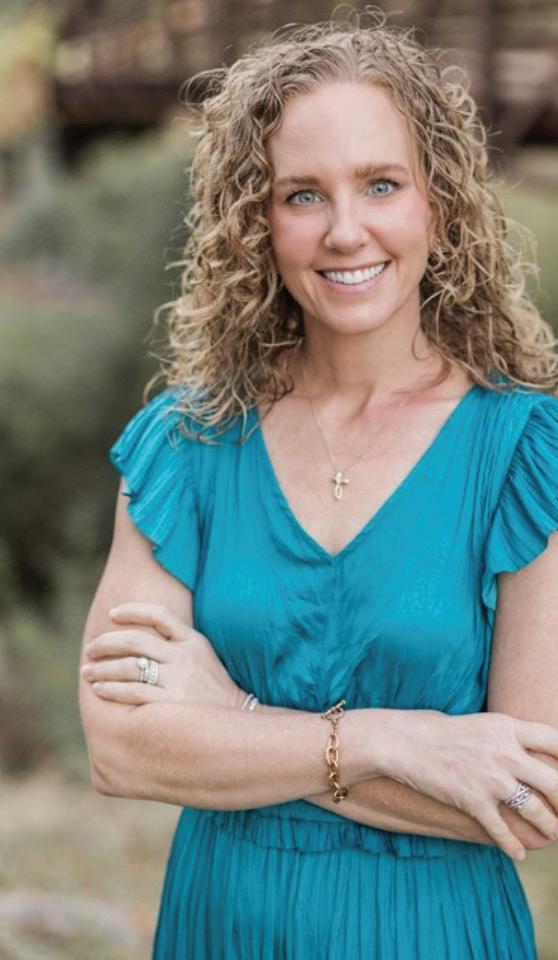
Formed in 2018, the Population Health Team is led by Mary RozierHachen, BSN-RN, who has over 33 years of healthcare experience. RozierHachen and her group of skilled medical assistants work in close collaboration with
physicians, residents, pharmacists, and a social worker to create an interdisciplinary care model.
The Population Health Team’s mission is to close care gaps and provide comprehensive support to patients, particularly those in vulnerable populations. Many of the individuals served by the team face challenges related to age, socioeconomic status, or chronic health conditions. These patients often require more than a standard 15-minute appointment—they need time, education, and a personalized approach to care.
Patients who qualify for chronic care management are invited to join the program where they receive tailored support. The team presents evidence-based options and empowers patients to make informed decisions about their treatment plans. Rozier-Hachen connects with patients on a personal level, explaining how disease impacts daily life and guiding them through complex health decisions.
In today’s healthcare landscape, physicians are often stretched thin. Appointments are short, patient needs are complex, and the system can feel overwhelming. The Population Health Team acts as a bridge to fill in the gaps that traditional care models may leave behind. By working together across disciplines, the team ensures that no patient falls through the cracks.
This collaborative approach is critical for patients with low health literacy. Understanding medical terminology, navigating insurance, and adhering to treatment plans can be daunting. Rozier-Hachen and her team take time to educate patients, whether it’s explaining the importance of A1C monitoring for diabetes or walking a patient through the steps of a colon cancer screening.
The results speak for themselves. Each year, the team conducts approximately 2,000 annual wellness visits. These visits are more than routine checkups. They’re opportunities to assess risk, catch issues early, and build relationships that lead to better long-term outcomes.
With so many medical liability insurers having sold out to Wall Street, there’s an important question to ask. Do you want an insurer that’s owned and led by physicians, with $7.3 billion in assets, and a financial award program that’s paid more than $175 million in awards to retiring members? Or do you want an insurer that’s focused on paying its investors?
Join us and discover why our 90,000+ members give us a 93% satisfaction rating when it comes to exceptional service.

UAB Huntsville’s Population Health Team is also a proud part of the Huntsville Hospital Accountable Care Organization (ACO), a partnership that enhances care coordination and reduces unnecessary healthcare costs. Being part of an ACO means that the team can offer patients a wide range of preventive services—such as the in-house retinal imaging camera, IRIS, Cologuard testing for colorectal cancer, and regular A1C monitoring—while also minimizing duplication of efforts and avoiding redundant hospital admissions.
This model is a win-win. Patients receive proactive, personalized care that keeps them healthier and out of the hospital, while providers benefit from streamlined communication and shared goals. The ACO framework supports the Population Health Team’s mission by aligning incentives around quality, not quantity.
the Field
Consider the case of a patient with uncontrolled diabetes, limited transpor-
Claim Review, continued from page 16
was that there was no mechanism for dealing with outside lab and test results received between the period of a patient’s medical records being transmitted to the hospital and the scheduled delivery date. In this case, MSO transmitted Ms. Taylor’s medical records to DUH on October 20. Five days later, MSO received the fax showing that Ms. Taylor had tested positive for GBS; however, there was no mechanism in place to have this critical test result transmitted to DUH since Ms. Taylor’s medical records had been transmitted on a prior date. Even if the MFM supervising the induction and delivery had remotely accessed MSO’s electronic medical records on October 27 or 28, it is unlikely the MFM would have seen the positive GBS test result since a “referral record” did not become a part of the patient’s official medical chart until it was opened and reviewed by the MFM to whom it was assigned. Since Dr. Washington never opened and reviewed the “referral record,” the GBS test result was never a part of Ms. Taylor’s official medical chart at MSO.
This was a case in which there was no standard of care defense for MSO. This was a system failure by MSO that simply could not be defended. All defense experts agreed that, at the very least, MSO needed a process for channeling critical lab and
test results to the immediate attention of an MFM. As Dr. Leape stated, “it’s not bad people, it’s bad systems.” Ultimately, MSO settled before trial, as did Dr. Garcia and his employer, LOG4
Brent Kinney is a Claims Attorney for SVMIC. He received his undergraduate degree from the University of North Carolina at Chapel Hill and his law degree from North Carolina Central University School of Law. Prior to joining SVMIC, Brent practiced law in Nashville, where he primarily focused on aviation law and the defense of health care providers in medical malpractice lawsuits.
1 Lucian L. Leape, MD was an American pediatric surgeon and academic, who became one of the world’s foremost experts on preventing medical errors.
2 All names have been changed to protect the identities of the parties.
3 One of MSO’s MFMs, who was not involved in any of Ms. Taylor’s prenatal telehealth visits, supervised resident care of the induction and delivery in this case.
4 The main concern for Dr. Garcia and LOG is that they too did not send the positive GBS test result to DUH, and Dr. Garcia’s medical records do not indicate that he discussed the positive GBS test result with Ms. Taylor.
continued from page 17
tation, and low health literacy. In a traditional setting, this patient might struggle to manage their condition, leading to frequent ER visits and poor outcomes. But under the care of the Population Health Team, the story changes.
Team begins by scheduling a wellness visit, during which they assess the patient’s needs and barriers. They coordinate with the social worker to address transportation issues, consult with the pharmacist to optimize medication management, and provide one-on-one education about diet and glucose monitoring. The patient is given tools, support, and a clear path forward. Over time, their A1C levels improve, hospital visits decrease, and their confidence in managing their health grows.
This is just one example of the countless lives touched by the Population Health Team. Each patient is treated as a whole person, not just a diagnosis.
Rozier-Hachen’s vision for the Population Health Team includes expanding its reach and resources to identify patient needs even before an official diagnosis is made. For example, if a patient’s blood pressure has been consistently elevated over several visits, the team could intervene early—educating the patient, coor-
dinating care, and potentially preventing the onset of hypertension.
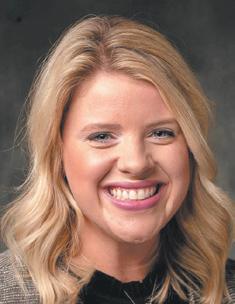
This forward-thinking mindset is echoed by Shivani Malhotra, MD, Chair of Family Medicine at UAB Huntsville, who shares:
“Our population health team has truly made a difference. Through proactive outreach, thoughtful coordination, and smart use of data, they’ve not only improved outcomes but also strengthened our ACO performance—allowing us to deliver care that’s more connected, compassionate, and cost-effective. What makes this team stand out even more is how genuinely personable they are—patients feel seen, heard, and cared for in every interaction.”
Malhotra’s words highlight the heart of the program: a team that blends clinical excellence with human connection. As Mary and her colleagues continue to grow and innovate, their work will remain a cornerstone of UAB Huntsville’s commitment to community health.
The Population Health Team is more than a program—it’s a philosophy. It’s about recognizing that health is not just about lab results or prescriptions; it’s about understanding, support, and the belief that every patient deserves a chance to thrive.
Heather Crowe, MSHA, MBA is the Director of the Office of Family Health Education & Research at UAB Medicine.


EDITOR & PUBLISHER
Steve Spencer
VICE PRESiDENT OF OPERATIONS
Jason Irvin
CREATIVE DIRECTOR
Katy Barrett-Alley
CONTRIBUTING WRITERS
Jane Ehrhardt, Ashley Franco, Laura Freeman, Lynne Jeter, Marti Slay
Birmingham Medical News
270 Doug Baker Boulevard, Suite 700-400, 35242 205.215.7110
AD SALES: Jason Irvin, 205.249.7244
All editorial submissions should be e-mailed to: editor@birminghammedicalnews.com
effective January 12, 2026.
Hadar has more than 20 years of health care, most recently serving as the CEO of University of North Carolina Hospitals. She held key leadership roles across the UNC Health enterprise, including senior vice president of Operations for the medical center and system hospitals and vice chair for Clinical Integration for the UNC Department of Medicine.
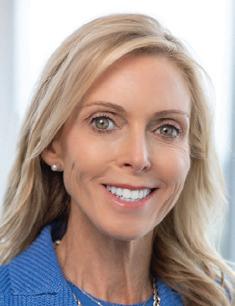
Under Hadar’s leadership, UNC Hospitals achieved improved rankings, including a CMS 5-star rating; developed a new 54-bed Child and Adolescent Behavioral Health hospital. She managed a portfolio of $1 billion in infrastructure investments to enhance and build new medical facilities, including a new surgical hospital.
“UAB’s mission to serve people as a leader in health care fits perfectly with my experience and passions,” Hadar said. “I am humbled and excited about this opportunity and look forward to building meaningful relationships with physicians, staff, patients and partners across the UAB Medicine enterprise.”
With UAB Health, Hadar will help shape the strategy for and oversee the operations of UAB Hospital and Ambulatory Services, UAB St. Vincent’s, UAB Medical West and related support services and provide operational guidance to the UAB Health System-managed hospitals across the state.
“Janet’s leadership excellence and expertise will enhance our ability to serve pa-
tients, employees and communities across the state,” said UAB Health System CEO Dawn Bulgarella.
The UAB Health System is nearly a $7.5 billion enterprise with 133 locations serving all 67 counties in Alabama and beyond. The system now includes UAB Hospital, UAB St. Vincent’s, UAB Medical West, Baptist Health in Montgomery, UAB Callahan Eye, and all associated sites of care of the owned and affiliated entities.
With a workforce of more than 30,000 physicians, health care professionals and staff, UAB Health System serves almost 1.4 million unique patients. UAB also promotes sustainable rural health care throughout the state by supporting associate hospitals like Regional Medical Center of Central Alabama, Russell Medical Center, and Whitfield Regional Hospital.
For the 16th consecutive year, Children’s of Alabama is ranked among the nation’s best hospitals for children in Alabama by U.S. News & World Report.
“We are pleased to again be ranked among the best children’s hospitals in the nation and the best hospital for children in Alabama,” said Tom Shufflebarger, Chil-
dren’s of Alabama CEO. “We appreciate this recognition of the hard work and dedication of our staff and physician partners at the UAB School of Medicine.”
U.S. News & World Report ranks pediatric specialty services, and Children’s is ranked in the top 50 nationally in eight services. To create the pediatric rankings,
The Medical Association of the State of Alabama(MASA) and BlueCross BlueShield of Alabama (BCBSAL) have announced progress in improving the prior authorization process.
Key changes underway:
• BCBSAL has not used AI for denials and is committed to future denial decisions not being made by AI.
• Less paperwork for chronic conditions. Once initially approved, BCBSAL will not require repeat prescription prior authorizations for patients with chronic
conditions. A physician may be periodically asked to verify the continued need of the prescribed course of treatment.
• No surprise denials. An approved treatment or service will not be reversed if coverage is still active.
• BCBSAL offers a program that exempts physicians with a strong track record of prior authorization approvals from the standard process for certain services. BCBSAL will expand this initiative.
• Prior authorization will become fully electronic, allowing for instant approvals.
U.S. News & World Report gathers critical clinical data through a detailed survey that assesses patient safety, infection prevention, and the adequacy of nursing staff.
Since 1911, Children’s has provided specialized care for children, offering inpatient and outpatient services throughout the Southeast.
• If patients change BCBSAL plans, their existing prior authorization will remain valid for 90 days as long as the service is covered under the new plan with an in-network provider.
• Clearer rules: Patients and doctors will have access to a user-friendly platform that clearly shows which services require prior authorization and the associated criteria. Changes will be announced at least 45 days in advance.
Both organizations are continuing to collaborate on additional improvements.
birminghammedicalnews.com
WE ARE LEADERS SPECIALIZING IN:
• Chest pain & hypertension
• Peripheral Artery Disease
• Cutting-edge therapies
• Watchman & treatment of AFIB
• Venous disease & procedures
• Interventional cardiology including TVAR, TCAR, and EVAR procedures








With one of the nation’s largest healthcare law practices, Holland & Knight has more than 475 experienced attorneys covering virtually every segment of the healthcare industry, from transactional matters, regulatory compliance and real estate to litigation, government enforcement and public policy issues. Our dedicated healthcare attorneys and professionals – in Birmingham and throughout the country – have the insight, experience, depth and resources to help promote and protect your interests.
www.hklaw.com