

Dear reader,

Dear reader,
As we move into June, the dog show season is in full swing. Across the country, exhibitors, handlers, breeders, judges, and enthusiasts continue to do what they love most, spending weekends ringside, celebrating beautiful dogs, lifelong friendships, and the passion that brings us all together.
One of the things I appreciate most about our community is that every show weekend tells a different story. Behind every win photo is a journey filled with dedication, early mornings, countless miles traveled, careful planning, and an unwavering commitment to our dogs. Success in our sport is rarely measured by a single ribbon. It is built through consistency, perseverance, and the relationships we create along the way.
This issue celebrates those stories. Inside these pages, you will find inspiring interviews, breed features, industry insights, and highlights from some of the most exciting events of the season.
As always, our goal is to showcase not only the winners but also the people whose passion keeps our sport thriving.
We are also excited to introduce a new feature beginning with this issue: our Winners Gallery. Every issue, we will showcase dogs and achievements from the previous two months, creating
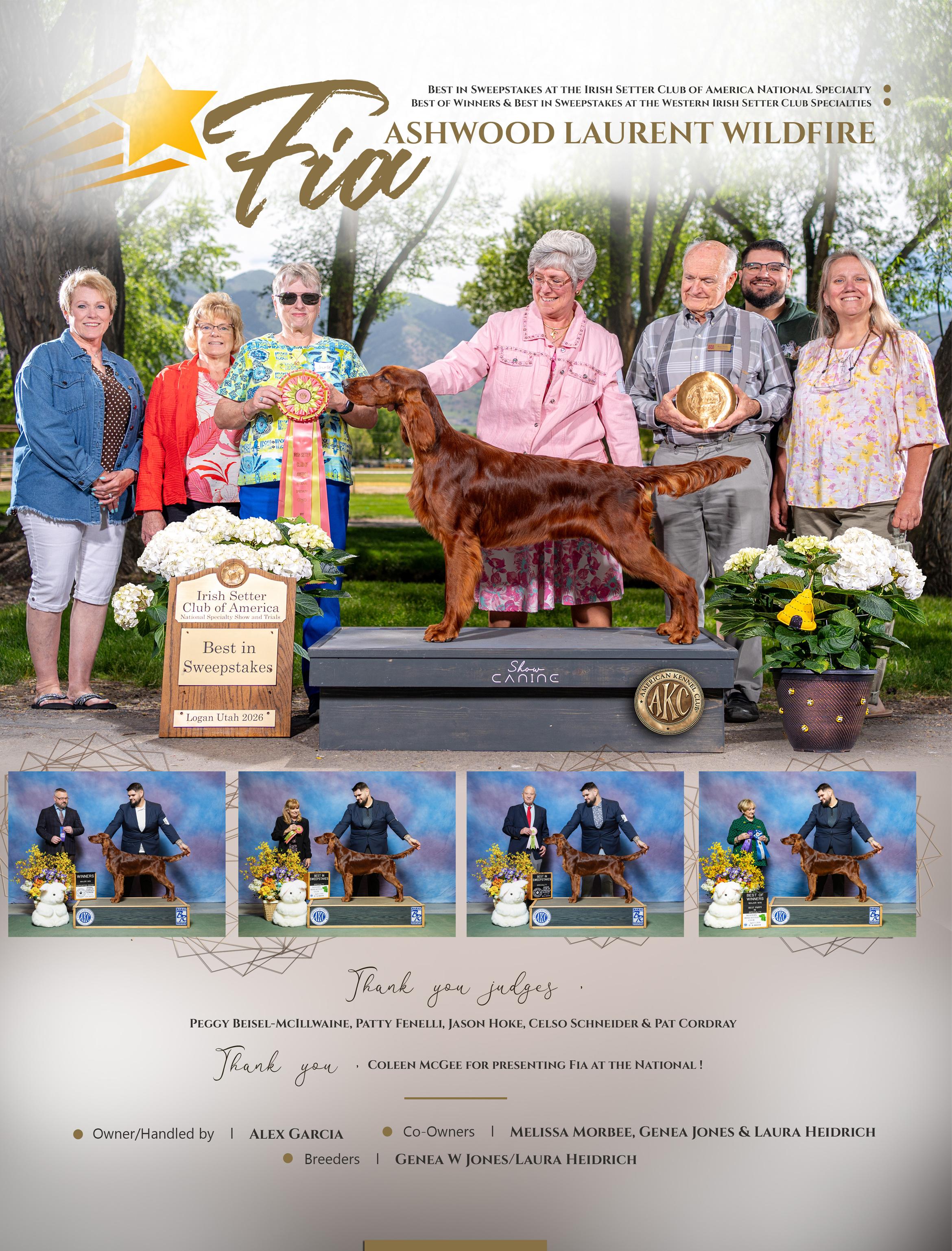
a visual celebration of success across the sport. We want this section to be driven by our readers and exhibitors. If you would like your dog to be considered for publication, be sure to visit our Facebook page each Monday. Look for the Winners Gallery post and simply leave a comment with your win photo and information. We look forward to seeing and sharing your accomplishments with the entire BIS Magazine community.
At BIS Magazine, we continue to focus on quality over quantity. We believe a magazine should be something worth keeping on your shelf long after the show weekend is over - a publication that informs, inspires, and preserves the moments that make our sport special.
I would also like to thank our advertisers, contributors, photographers, and readers. Your support allows us to continue growing while remaining true to our mission of delivering meaningful content to the dog show community.
As summer approaches, I hope you find time to enjoy both the excitement of competition and the simple moments that remind us why we fell in love with dogs in the first place.
Thank you for being part of the BIS Magazine family. We are honored to share this journey with you.
Warm regards,


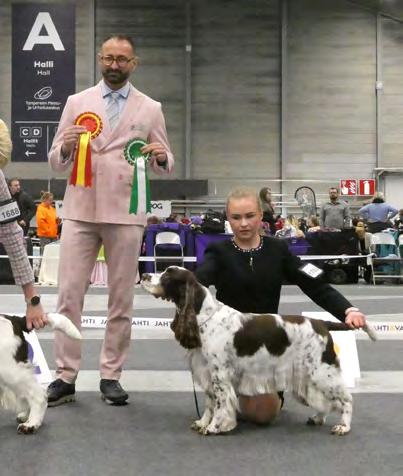
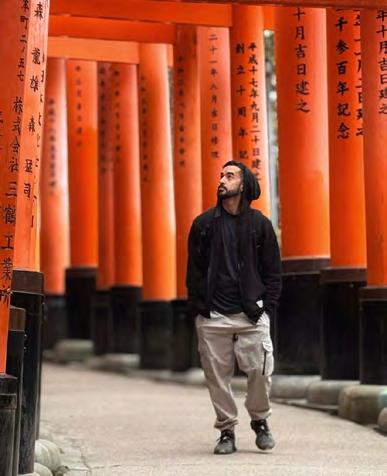
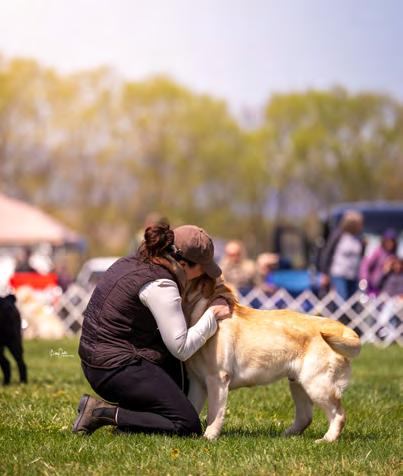
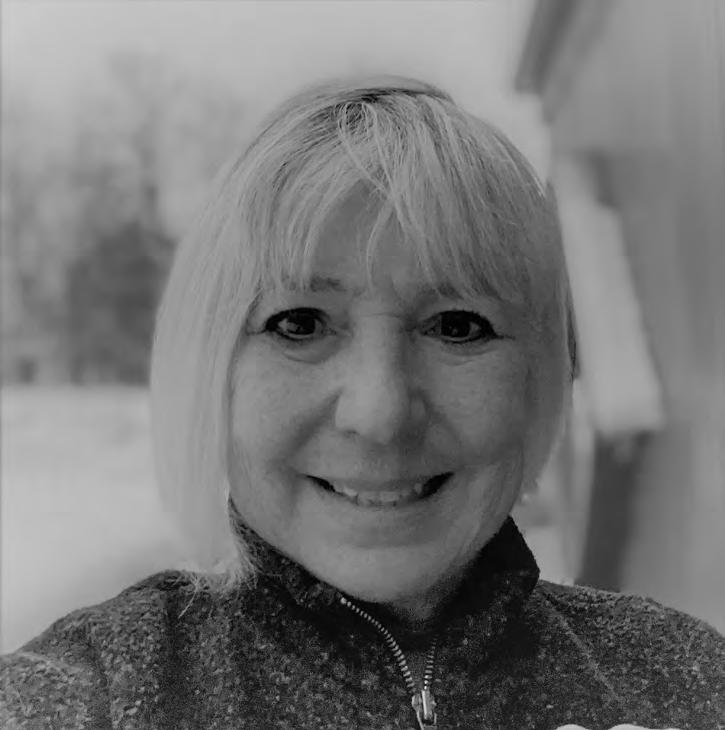
“Guided by trust”
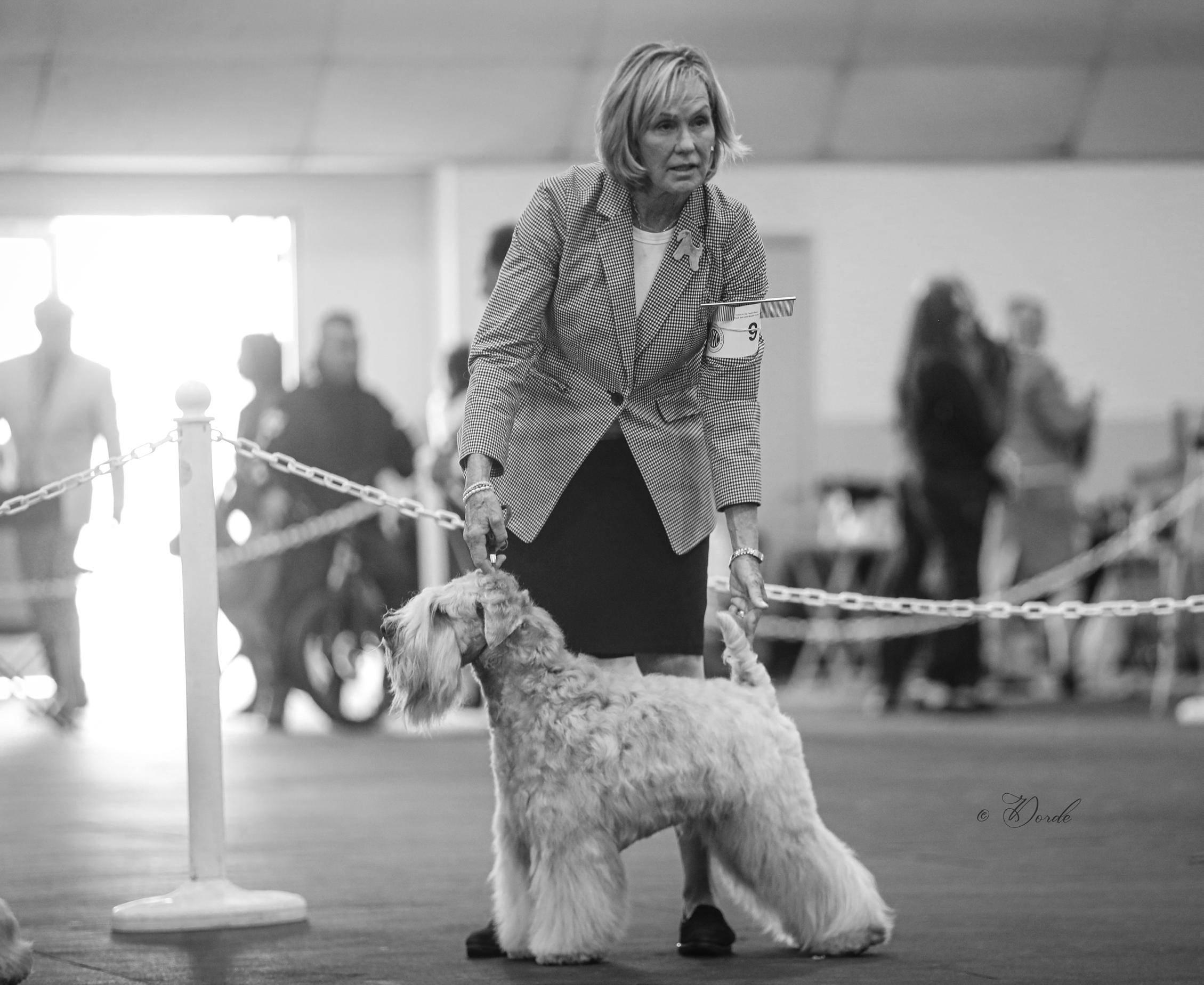
FROM OWNER HANDLER LEASH
Please tell our readers how you got involved in the world of pedigree dogs and which people were the most important in your beginnings.
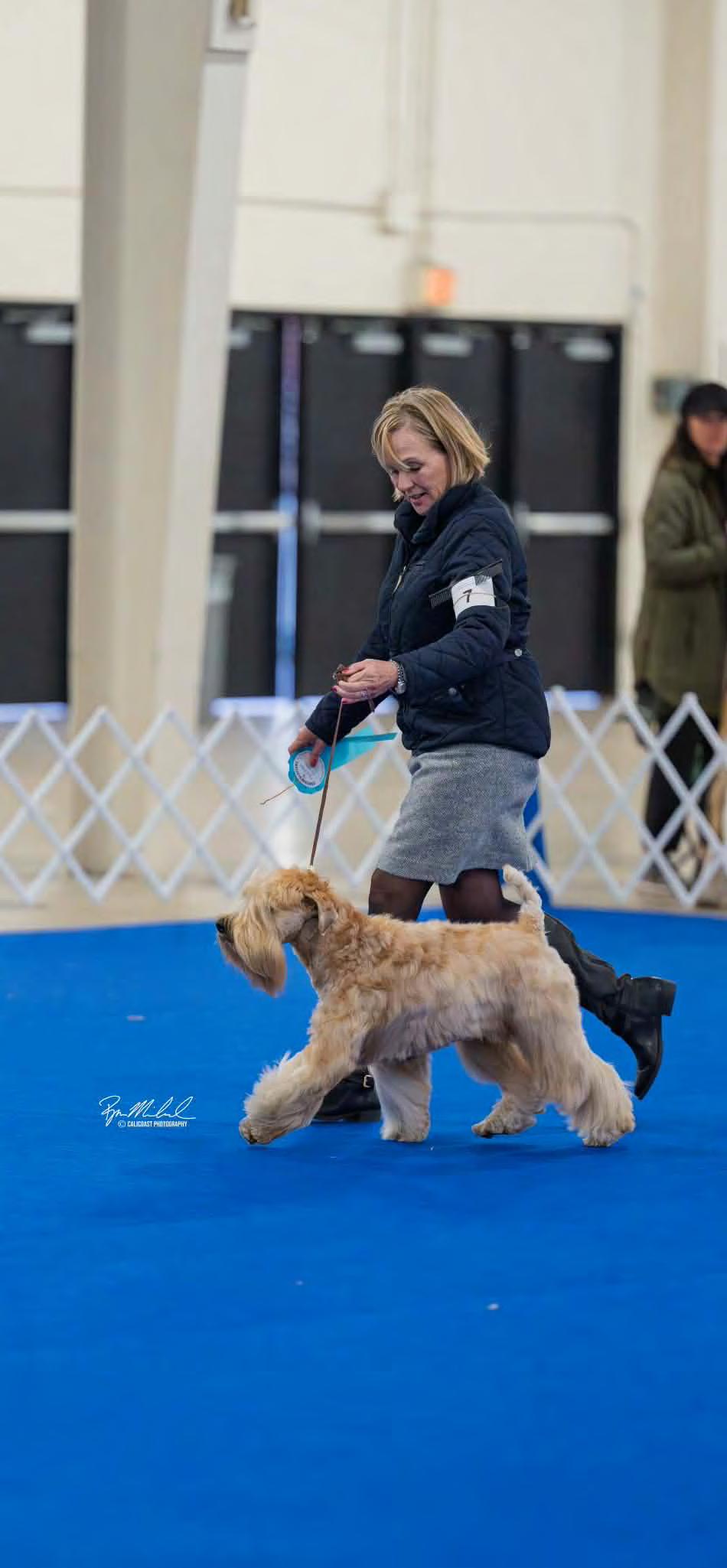
When we got our second Wheaten, we looked at his pedigree and thought maybe we should try showing him — or more specifically, hire a handler. I had gone to a few shows with my first Wheaten and thought it was fun, but at the time I didn’t have the right dog or the time to really pursue it.
We bought our second Wheaten as a pet, but when we looked at his pedigree, we decided to give the dog show world a real try. A friend recommended that we have him evaluated by Bergit Coady Kabel. She said yes, and after that first ribbon, we were hooked. Bergit is still, to this day, my number one mentor. Her knowledge, guidance, and love of the sport are why I decided to show
dogs myself and why I am still showing today.
I have always admired Gabriel Rangel, Bergit Coady-Kabel, Amy Rutherford, and Shari Boyd. Each of them has spent time with me, giving me advice and encouragement. Watching each of them in the ring, and seeing the connections they have with their dogs, is magical. Since the beginning, each of them has taken the time to share techniques that helped me better present my dog and become more confident.
What breeds of dogs have you shown over the years, and which breeds are your favorites to work with?
As an owner-handler, I have only shown Wheaten Terriers. I have helped out with some other Terrier breeds, but that has been very limited. I would love to learn how to show a Sporting dog.
Where did you get your foundation dogs in your main breed, and which breeders from the sport do you work with today?
I am not a breeder. I have been very lucky to know many of the top Wheaten breeders in the country, and when I was looking for my first show bitch, I contacted Molly O’Connell of Stratford Wheatens. I was very successful with Ella, Stratford No Words Can Express It, taking her all the way to a Silver Grand Championship. I showed and won with her at Wheaten Specialties under some very tough Terrier judges.
Tate (Lochlinear For Love and Money), our current show dog, is from Pat Mullin of Lochlinear Wheatens. She is well known for breeding healthy, beautiful dogs with wonderful temperaments. I was honored to be chosen to raise and show one of her dogs.
Please mention some of your most successful dogs, owned or bred by you. (Show ring, litter box, and/or stud. They do not have to have been shown by you.)
Kolohé It’s Raining Sunshine was our first true show dog and finished his career as a Gold Grand Champion. He was shown for most of his career by Cecily Skinner, and later by Susie Olivera.
Right now, we are over-the-moon proud of Tate, Lochlinear For Love and Money. At just two years old,
he became — and remains — the number two Wheaten in the country. He earned an invitation to Westminster and has competed successfully, earning multiple Group placements and Specialty wins along the way.
Please share with our readers some of your highlights in the show ring so far.
When I look back on the first day I showed, I have to laugh. I really didn’t know what I was doing, but luckily for me there were so many people — now friends — who encouraged me, gave me pointers, and kept me going. I practiced, took lessons, and it paid off.
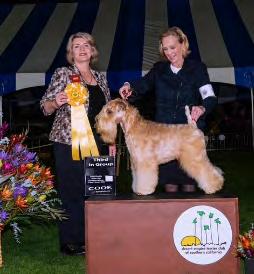
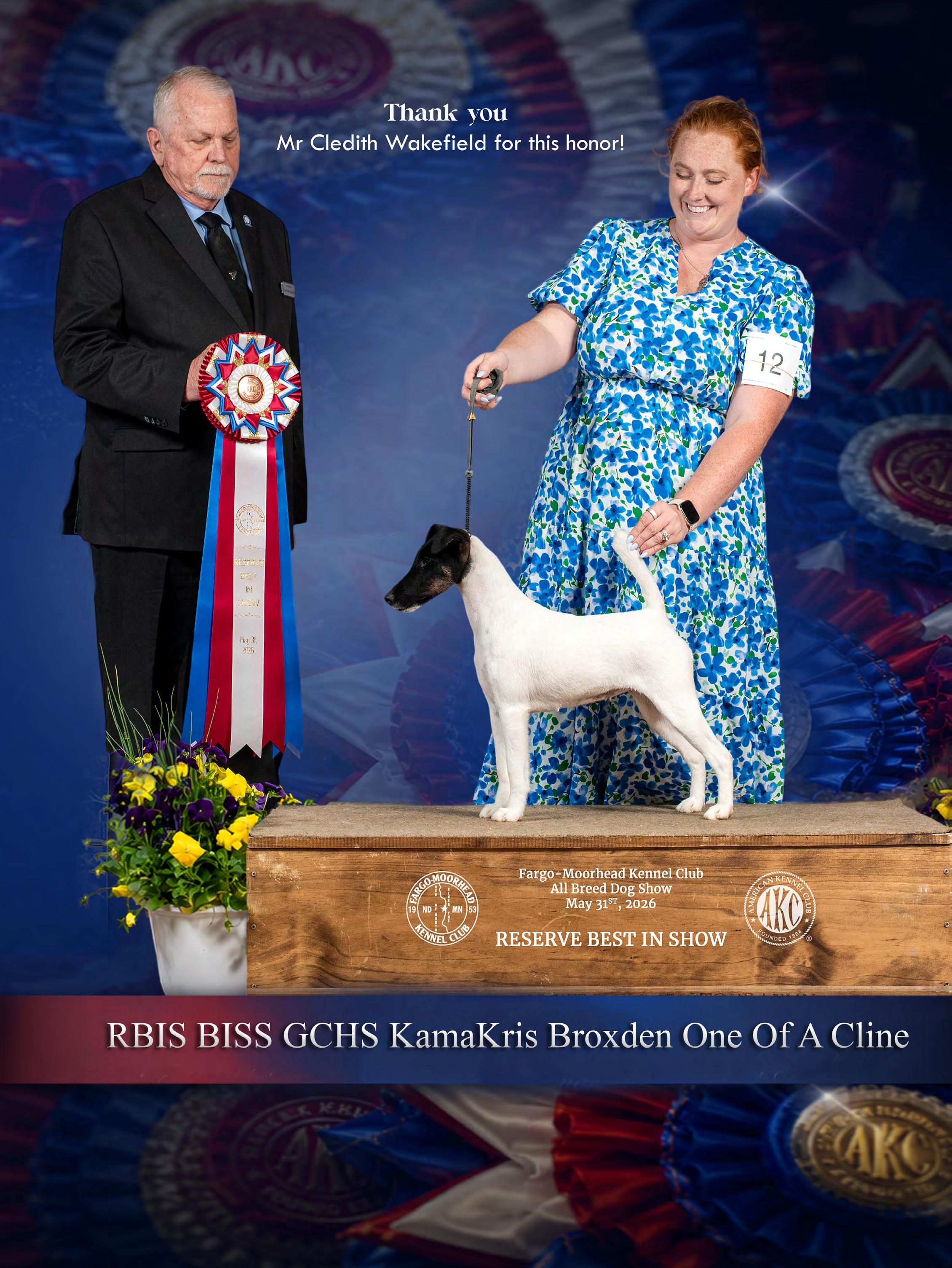
The highlight to this day is going Reserve Best in Show! I never thought I would be in that position, but then to earn that placement… just WOW! The judge was incredibly kind and had such encouraging things to say to me and Tate.
A few months later, we were awarded a Group 3 at a Terrier Specialty. To be in the Group ring against the top Terriers and handlers in the country was daunting, but we held our own. I remember when the judge pointed at me, I froze. It was a dream come true, and then Bill McFadden turned and gave me a high five. I felt so proud.
Then, just when I thought it couldn’t get any better, Tate and I earned an Owner-Handled Best in Show and a Reserve Best in Show. Being in the ring with the other owner-handlers is thrilling. They are a tough group but always very supportive of one another. Last year at the National Championship in Orlando, we won Best of Breed in the NOHS competition. It was an honor to represent Wheatens in the highly competitive Terrier Group.
What excites you more — winning an All-Breed Best in Show or a Specialty Best in Show?
I think that winning Best in Show at a Terrier Specialty would be the biggest honor. A Specialty means that you are competing against the best of the best. If that ever happens, I would probably retire right then and there.
On the whole, do you believe there are too many allrounder judges judging your breed and not enough breed or group specialists?
While there are all-rounder judges who do an admirable job judging Terriers, including Soft Coated Wheaten Terriers, large entries — particularly at Specialties — often require a deeper understanding of the finer details of each breed. Appreciating the nuances that distinguish one Terrier breed from another typically comes from extensive Terrier-specific experience and expertise.
In your opinion, where in the world does your breed have the best quality?
I don’t feel qualified to give an opinion on this. I have seen very few Wheatens from outside the USA. I have watched the competition at Crufts, and the Wheatens in the USA look different — not better or worse, just different because of grooming styles, undocked tails, and other factors.
Is there any advice you would like to give to professional handlers, owner-handlers, and judges?
I don’t have any advice for professional handlers; they have always been kind and courteous to me. To my fellow owner-handlers, I would say: stay the course, be professional, and believe in yourself and your dog. To the judges, I would simply ask that they give all owner-handlers the same respect they give the professionals.
What is your favorite way to unwind on your days off? Do you have hobbies outside the dog world?
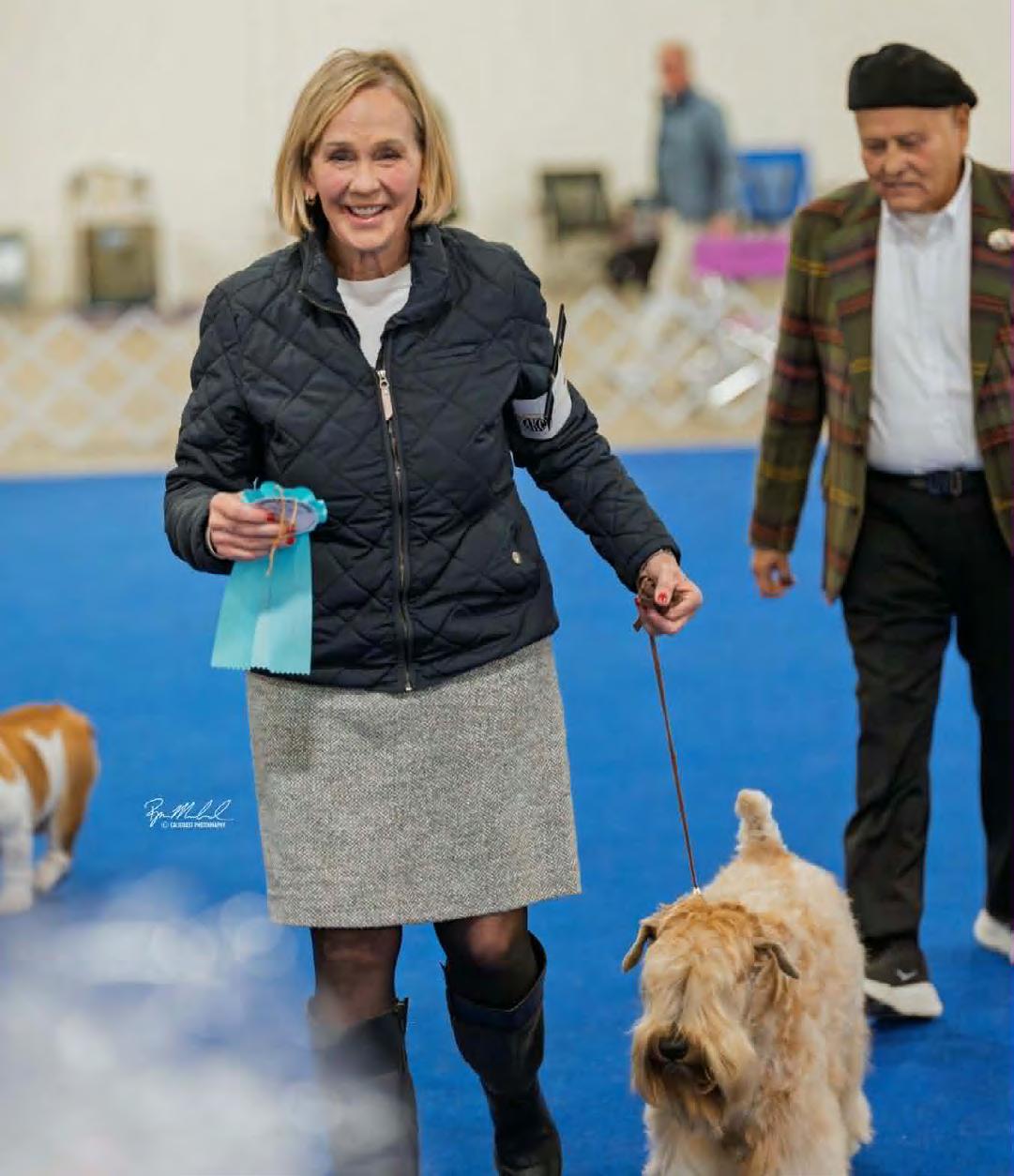
We live at the beach, so when we are home, we like to kick back and relax with the dogs. I enjoy craft projects with my girlfriends, gardening, and hosting parties.
If you had the power to change dog showing for the better, what would you change?
Better sportsmanship. Some days we are winners, and some days we are losers. Smile and be thankful to participate in this fancy. Be kind to new people; without them, this sport will not continue.
Is there something that has recently moved you?
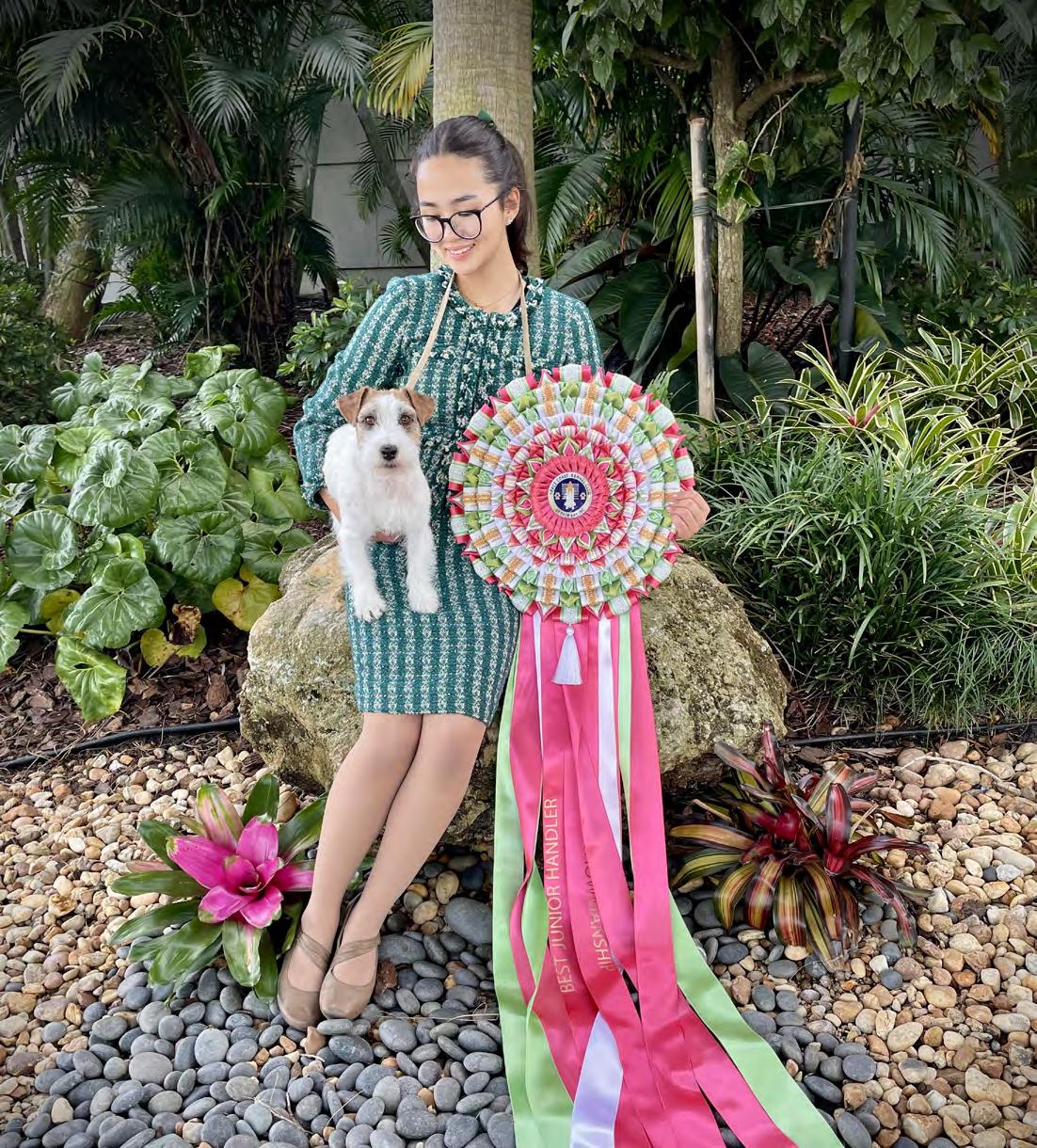
A: My husband and I have watched a young Junior Handler gain confidence and poise over the past two years. Just this month, she won at a Regional Specialty. She learned how to groom her dog, train her dog, and show her dog. I can’t wait to watch her continue to shine.
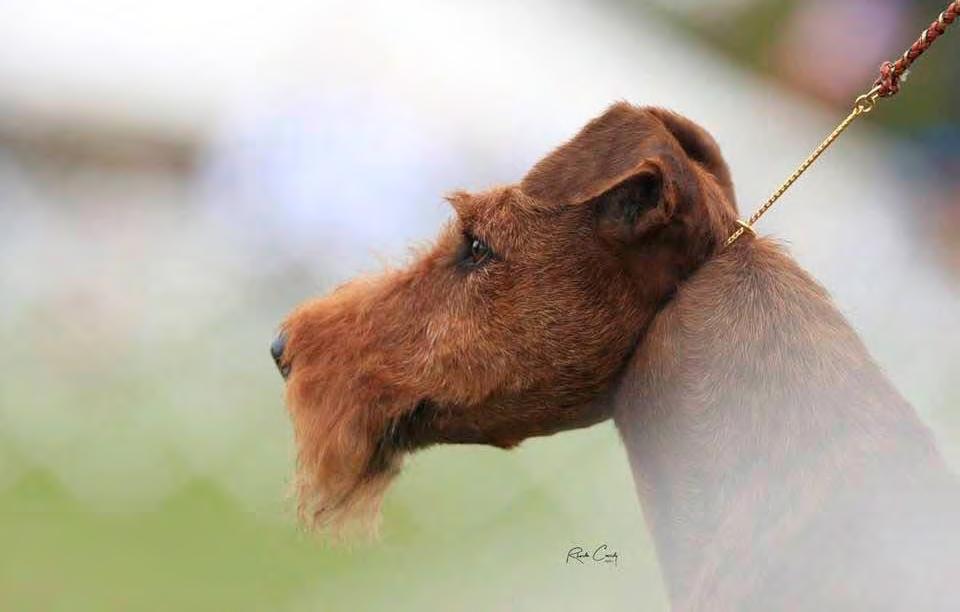
On June 13, 2026, at the Great Lakes All Terrier Association (GLATA) show cluster in Grayslake, Illinois, The Irish Terrier Club of Chicago (ITCC) will be celebrating its 100th Anniversary. On Sunday June 14, the club will host the Irish Terrier Club of America’s Traveling Specialty, with yet another specialty planned on Friday June 13, 2026. Sweepstakes are slated for both Saturday and Sunday. For more information, please see: www.irishterrierclubofchicago.com.
The current membership is both moved and amazed by this monumental milestone. The ITCC, established in May of 1926, is the oldest regional Breed Club still in existence in the U.S. Its first specialty show, with 30 entries, was held at the Armory at 16th Street and Michigan Avenue in Chicago in affiliation with the Western Specialty Club Association show. That first ITCC Specialty show, held on November 21, 1926, was one of seven other specialties. At that time, 8 dogs yielded 3 points, 10 for 4 points, and 20 dogs for 5 points. Today, one hundred years later, numbers are 4 for 3 points, 5 for four points and 6 for 5 points. ITCC Specialty shows have been held continuously for 100 years including throughout the war years and through the Covid19 pandemic.
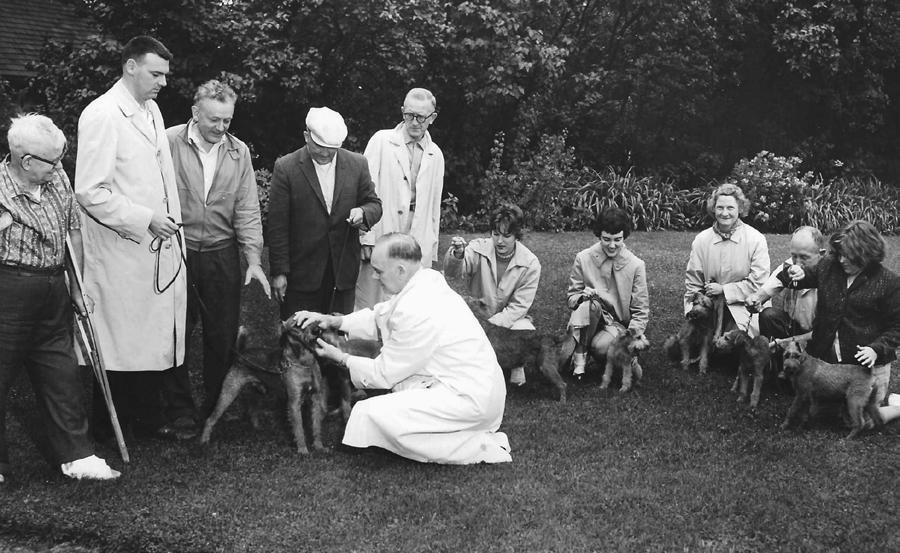
In 1976 the annual ITCC Specialty joined the newly organized Great Lakes Terrier Association (now the Great Lakes All Terrier Association). The ITCC’s highest entry was 44 in 1992; and membership then was about 70. Today, our membership, slightly higher, spans the U.S. from the East, South, West, plus Canada, and Europe. Many members make the annual trek to participate and show their dogs. In addition, members have been successful in the NOHS group and BIS rings. As in the beginning, dedication remains to maintain the breed integrity through adherence to the standard, established in 1885, and updated in 1968.
The ITCC continues without a hitch, and Irish Terriers have a lot to do with that. Their traits of loyalty, steadfastness, strength, and determination are reflected in the breeders and owners. Much like family, Irish Terrier owners are “related by dog” and have been tireless in keeping the club functioning. A true camaraderie exists within the club.
The centennial celebration will continue throughout 2026, but the weekend of June 12 -14 will be the pinnacle of their 100th year. For more information, please see: www.irishterrierclubofchicago.com.
by Boris Pegan
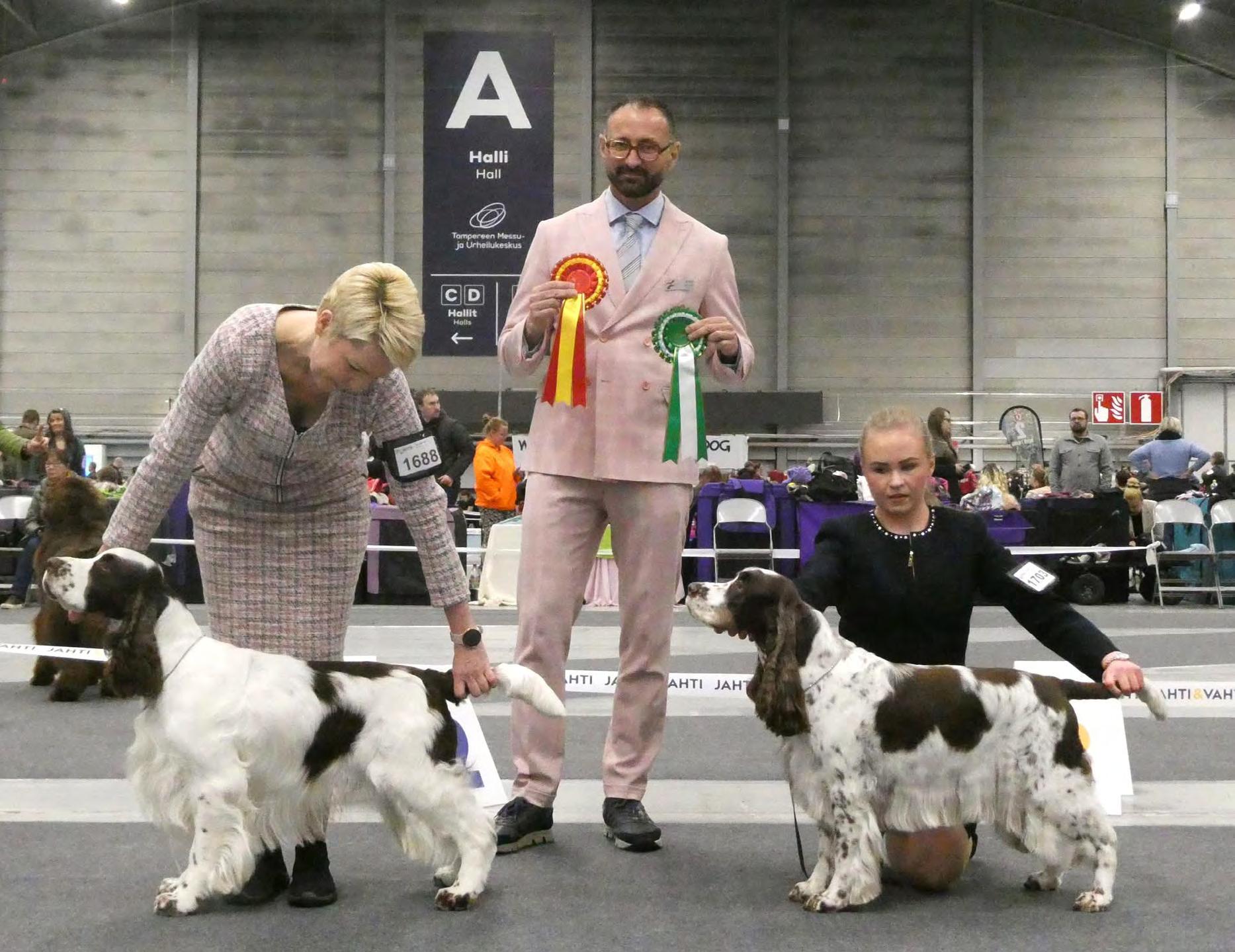
I started attending dog shows as a child in the mid-1980s. During those golden years, many of the judges were breeder-judges — experts who had bred, owned, and lived with the breeds they evaluated. In the Balkan region and surrounding countries, it was not unusual to see entries of 80 English Cockers, 80 Irish Setters, or 80 Dobermans. Many of today’s famous all-rounders began as spaniel specialists, judging spaniel breeds twice a month across Europe.
Later, I moved to the United States and lived in Las Vegas, where it once took 18 English Springer Spaniel bitches to build a threepoint major. At the local specialties for American Cockers, Irish Setters, and English Springers, entries of 50 to 90 dogs were common. At that time, not every judge was a group judge or an all-breed judge. Instead, many shows were judged by people who had deep knowledge of a handful of breeds. As a result, we consistently saw dogs of outstanding quality, soundness, and correct type being rewarded.
By contrast, when I moved to Canada, I found a very different picture. All-breed shows averaged 150 entries, with a “large” one reaching 300. Gundog entries were sparse — sometimes just two in a breed.
More often than not, the breeds were judged by an all-rounder who was merely handing out ribbons rather than truly judging dogs. I was horrified to see group winners emerge from a lineup of 25 dogs, or Best in Show awarded at a 150-dog entry, by judges who lacked real understanding of the breeds they were assessing. It wasn’t entirely their fault — the small entries simply didn’t allow them the opportunity to learn.
In 2024 I returned to Europe, only to discover that the continent’s cynological landscape was heading in the same troubling direction I had witnessed in Canada. There are now more shows than ever, but with fewer dogs. Every weekend brings yet another exhibition, yet entries continue to shrink. In this environment, breeder-judges are no longer considered necessary. Instead, three or four all-rounders are hired, handing out CACs with little discernment. Far too often, CACs are being awarded to dogs of “pet quality,” animals becoming champions without having to face meaningful competition. Some CACIB shows now have fewer than 150, even 100 dogs. Incredibly, countries with populations of just 2–3 million host more CACIB shows than nations of 20–30 million — and, unsurprisingly, they are judged mostly by all-rounders.
Today, entering a show almost guarantees one of the four or six CACs required for a championship. At the same time, licensed judges are desperate to qualify for more breeds so they can secure appointments at these smaller shows. In their rush, many neglect to invest the time required to study and truly understand breed type. The result is a vicious cycle: smaller entries, less knowledgeable judging, and diminished quality in the ring. We now have champions who have never lost — dogs handed ribbons, “Excellent” ratings, and CACs at every show. They hardly need to try to become champions. The quality is slipping away.
Statistics reflect what many of us have experienced firsthand. In the American Kennel Club, so-called “Low Entry Breeds” — those with fewer than 3,500 annual entries — now represent 47% of recognized breeds. The average number of entries at U.S. dog shows dropped from 996 in 2010 to 859 by 2017. In the last 20 years, total entries in American conformation shows have declined by roughly 28%, even as the U.S. population grew by 18%. That represents a 39% drop in entries per capita. In Las Vegas, there are no longer English Springer, American Cocker, or Irish Setter specialties. Today it takes just four English Springer bitches to make a three-point major — and even that rarely happens.
This is not just a numbers game. It represents the slow extinction of wisdom — the seasoned eye of the breeder-judge, the person who has compared hundreds of dogs, studied pedigrees, corrected faults, and passed on knowledge. Without them, the integrity of our sport erodes.
So what can be done?
¿?
• Promote specialization. Support breeder-judges and encourage clubs to prioritize specialists in the ring.
• Quality over quantity. Reduce the number of shows and focus on hosting fewer, better-attended exhibitions that foster real competition.
• Commit to education. Judges must study standards, pedigrees, and histories — not just skim a one-minute TikTok video.
• Reform the title system. Championship points and CACs should represent genuine competition. Given today’s low entries, they should be awarded to Best of Sex winners, not class winners, and never treated as automatic rewards for simply showing up.
If we fail to act, the dog sport as I have known it for forty years — rooted in knowledge, integrity, and respect for breed type — will disappear. We are already seeing specialties with just ten English Cockers, something unimaginable decades ago.
The breed experts are aging, the new generation often mistakes superficial knowledge for expertise, and the shows themselves are shrinking. Unless we restore the importance of breeder-judges, we risk losing not just a tradition, but the very foundation of conformation: the preservation of type, soundness, and excellence.
The extinction of breeder-judges is not inevitable — but without urgent change, it is fast approaching.

by Nacho Calvo Sostoa
After more than two decades of dreaming, imagining, and promising myself “one day,” that day has finally arrived - I am in Japan.
I still remember being a child, telling my friends and my mother that one day I would travel to this extraordinary country. Back then, it felt like a distant fantasy. Today, at almost 36 years old, it has become my reality. Sitting here writing this, with tears in my eyes, I realize this journey is more than a trip, it is a full-circle moment.
And just like that…
Deer? Where? Everywhere.
Just under an hour from Osaka, Nara feels like stepping into another world—one where nature and history exist in perfect harmony.
Yes, everyone talks about the deer. And yes… they are everywhere.
But Nara is so much more than that. What was meant to be a short visit quickly turned into a full day, and honestly, I could have stayed
even longer. There is something about this city— calm, grounded, almost sacred—that pulls you in.
At the heart of Nara stands Todai-ji Temple, one of the most significant Buddhist temples in Japan. Inside, you’ll find the Great Buddha (Daibutsu)— one of the largest bronze Buddha statues in the world. Originally built in the 8th century, Todaiji was once the head temple of all provincial Buddhist temples, symbolizing both spiritual and political power.
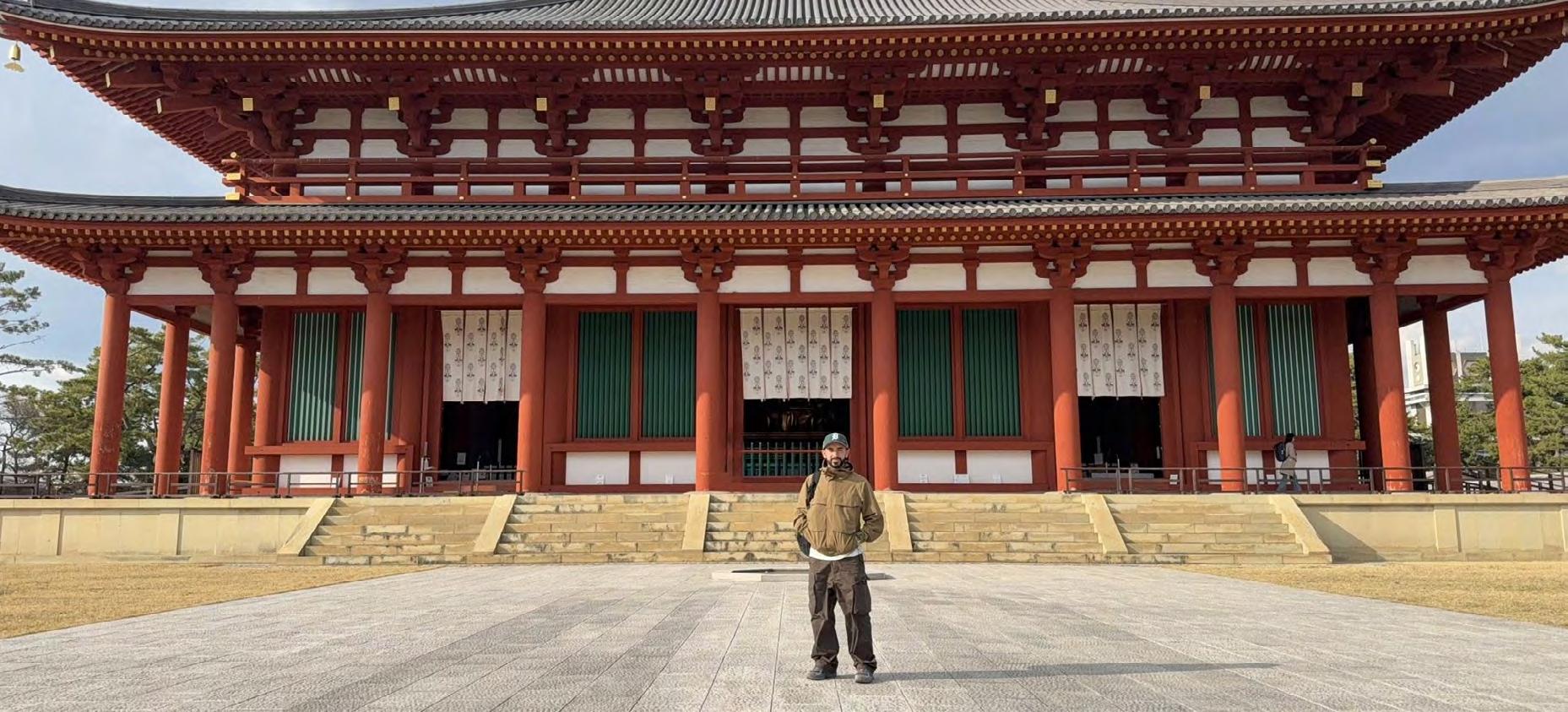
Nearby, Kofuku-ji rises with its iconic pagoda, a reminder of Nara’s time as Japan’s first permanent capital (710–794). Walking through these grounds feels like walking through history itself. And then… the deer.
Considered sacred messengers of the gods in Shinto belief, they roam freely throughout Nara Park. Curious, persistent, sometimes a little too confident— but unforgettable. After hours of being followed (and occasionally negotiated with), I realized they are just as much a part of the experience as the temples themselves.
At Nakatanidou, I tried freshly made mochi—and to this moment, it remains the best thing I’ve eaten in Japan. Soft, warm, perfectly balanced. Watching it being made at incredible speed is an experience on its own.
The day ended back in Osaka, walking through the retro streets of Shinsekai—a place that feels frozen in time, glowing with nostalgic neon lights and oldschool charm.
And just like that, I reached the halfway point of my journey.
If I’m being honest… Osaka might be my favorite city so far. Traditional. Retro. Modern. All at once.
Kyoto doesn’t try to impress you.
It simply exists—and that’s enough.
Before leaving Osaka, I made one last stop at Osaka Castle. Something about it kept calling me back, like I wasn’t quite ready to say goodbye.
The plan for Kyoto? Rest.
The reality?
Not happening.
Because then I thought… There will be time to rest later—plenty of it. But moments like this? They don’t wait.
And so, I walked.
Even with tired legs, I visited:
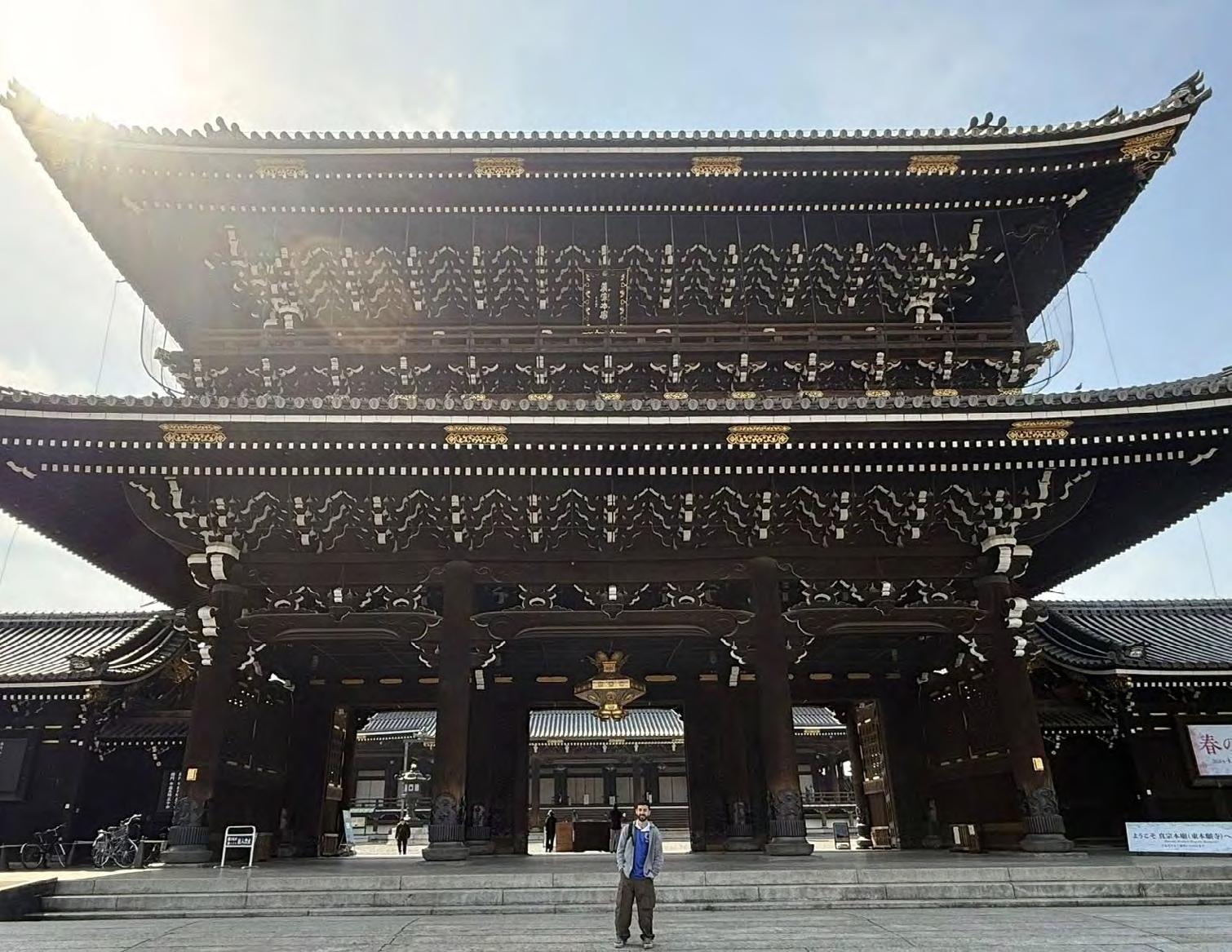
Higashi Hongan-ji – one of the largest wooden temple structures in the world
Nishi Hongan-ji – a UNESCO-listed temple representing Pure Land Buddhism
To-ji Temple – home to Japan’s tallest wooden pagoda,
standing since the 8th century
And somehow… they were empty.
No crowds. No noise. Just space, silence, and time to truly experience them.
Moments like this feel rare—almost like the city is giving you a private glimpse into its soul.
At night, Kyoto transforms.
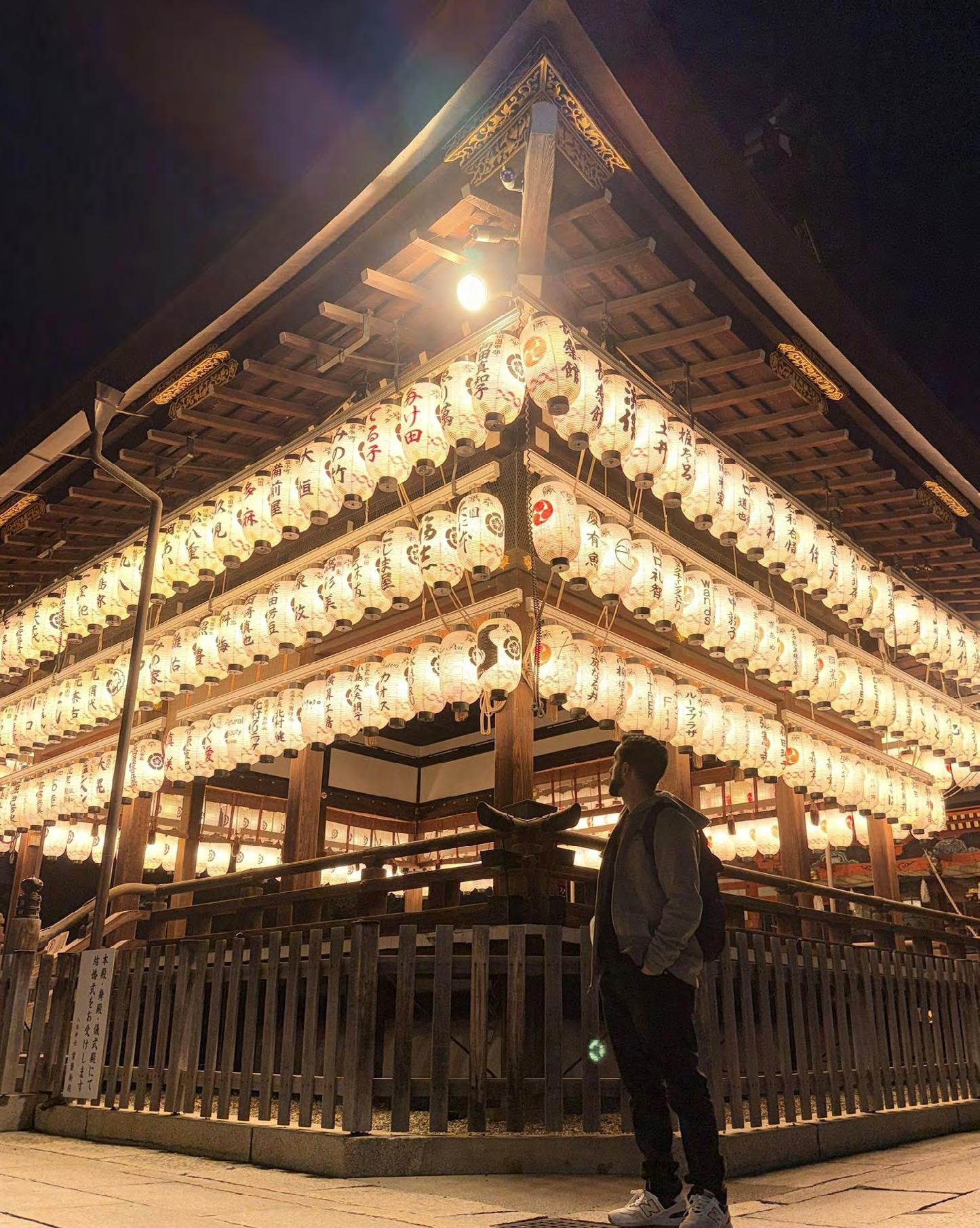
I walked through Yasaka Shrine, glowing under lantern light, open 24 hours like a quiet guardian of the city. From there, I continued to Ninenzaka and Sannenzaka, traditional streets lined with preserved wooden houses.
Day 9 – Kyoto: walking through history, one step at a time
Kyoto is not a city you simply visit—it’s a city you navigate with intention.
Massive, layered, and deeply historical, Kyoto is best experienced piece by piece. Today, I focused on the southwest area, knowing that every step would take me deeper into its story… and further away from any idea of “taking it easy.”
FUSHIMI INARI: THE PATH OF 10,000 GATES
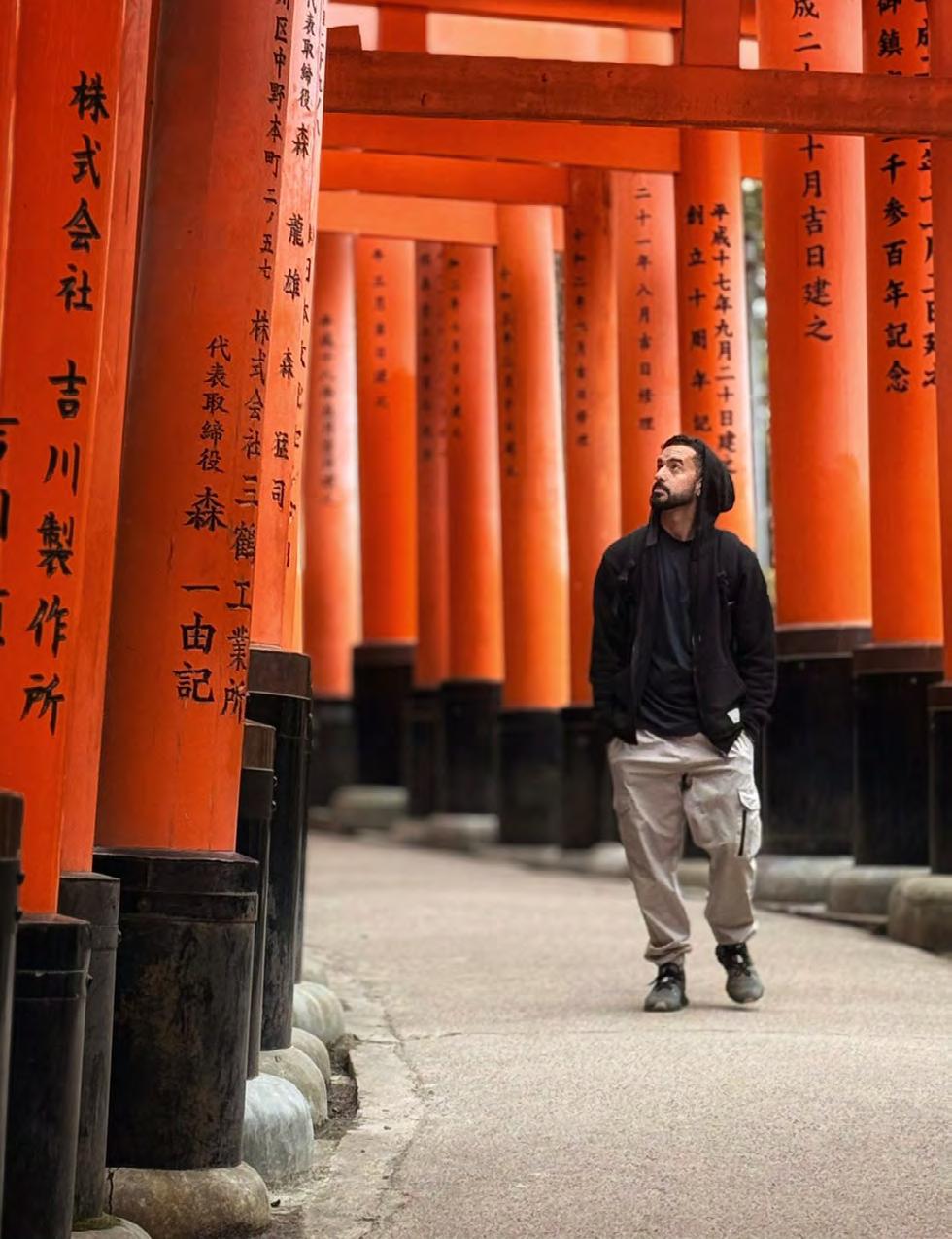
The day began at 7:00 AM at one of Japan’s most iconic landmarks—Fushimi Inari Taisha.
Even at that hour, the path was already alive with visitors, but as I moved further into the mountain,
something changed. The crowds faded. The noise softened. And for brief moments, it felt like I had the entire place to myself.
More than 10,000 vermilion torii gates form a winding trail up Mount Inari, each one donated by individuals or businesses as a symbol of gratitude and prosperity. The shrine itself is dedicated to Inari, the Shinto god of rice, trade, and success.
The hike?
Let’s just say—12,000 stone steps is no joke.
But every step was worth it.
“Knowing when to slow down is part of the journey.”
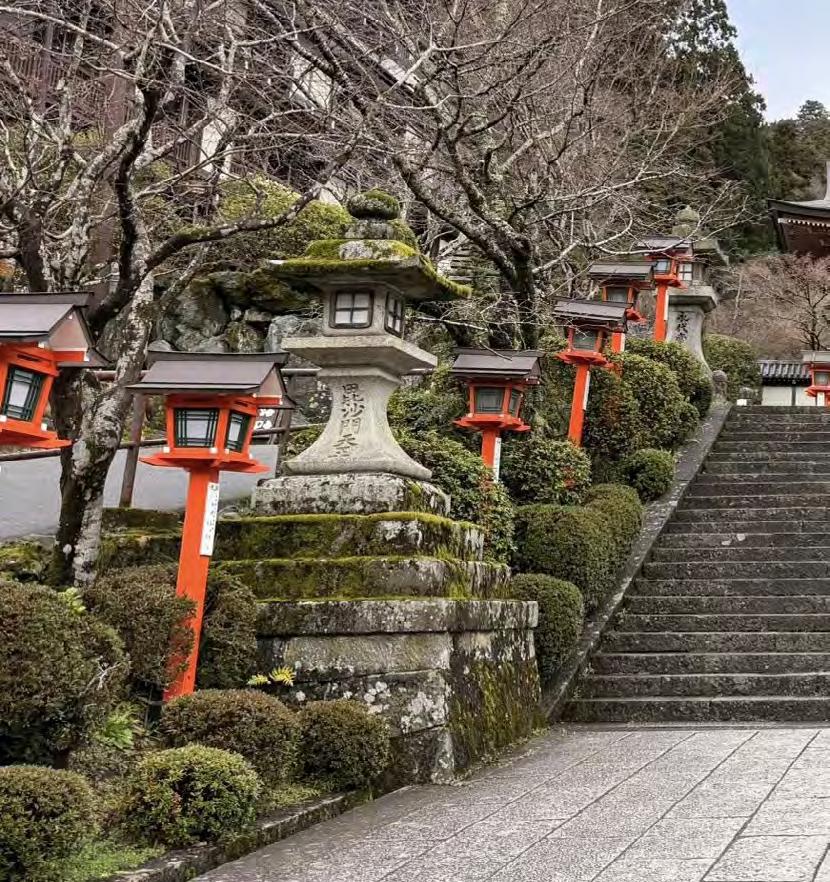
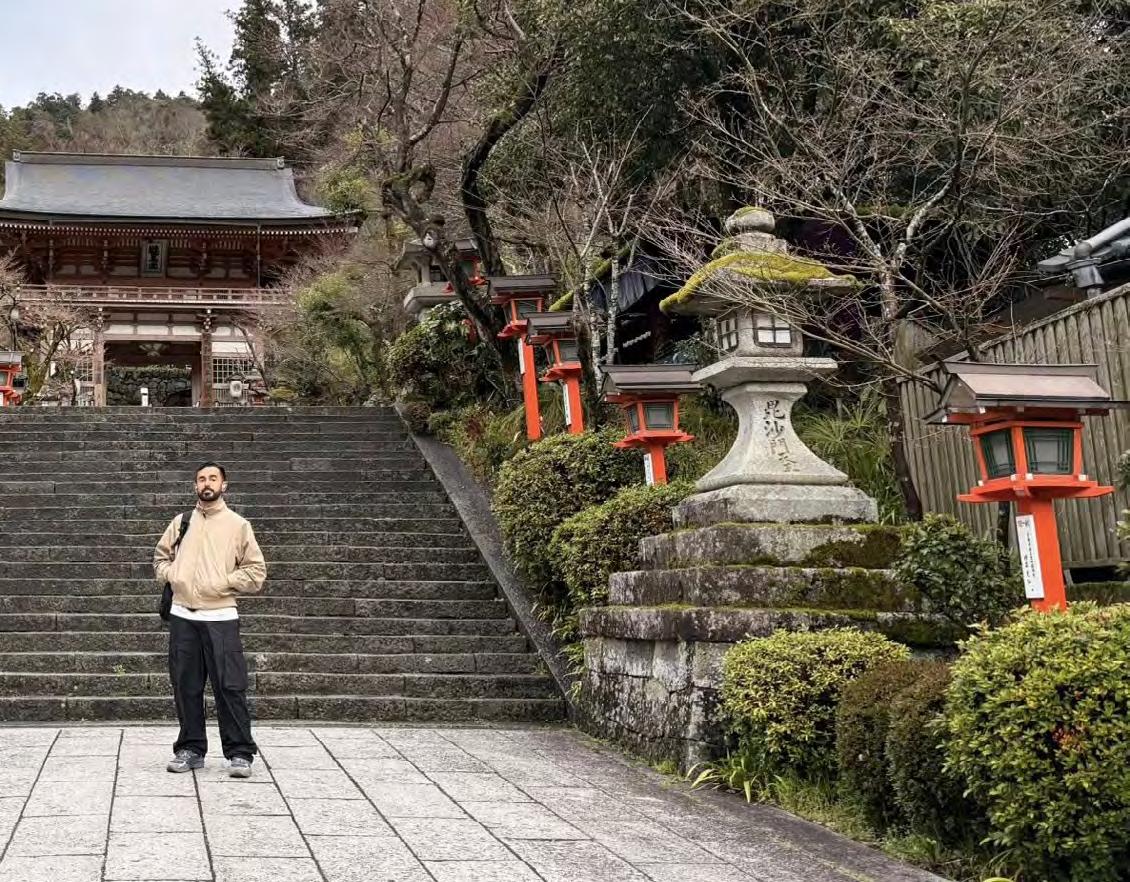
Today started with a two-hour journey north to Kurama-dera, a temple hidden deep in the mountains and known as the birthplace of Reiki.
Dating back to 770, the path is surrounded by forest, silence, and statues of Tengu—mythical guardians once feared, now seen as protectors and symbols of strength and discipline. There’s something about this place—you don’t just visit it, you feel it.
From there, I went to Kinkaku-ji, the Golden Pavilion. Covered in gold leaf and perfectly reflected in the
water, it almost looks unreal. Beautiful, balanced, and unmistakably Kyoto.
By the afternoon, I started feeling a bit under the weather, so I slowed things down—something I haven’t done much on this trip. But sometimes, that’s part of the journey too.
At night, I visited To-ji Temple, illuminated with soft lights and surrounded by blooming sakura. Quiet, peaceful, and the perfect way to end the day.

“Some places don’t just exist— you feel them.”
This day wasn’t planned—and maybe that’s why it became one of the most memorable.
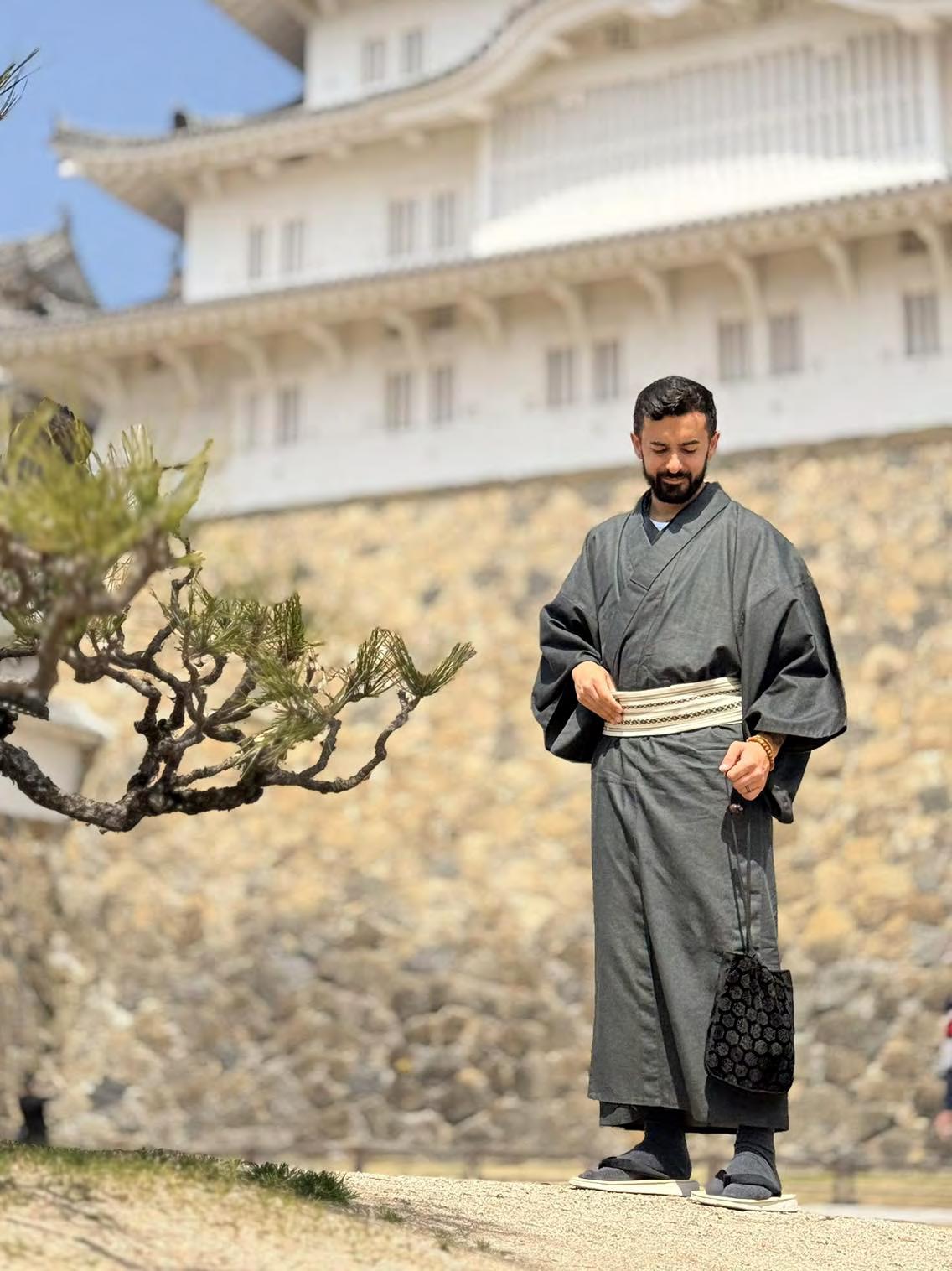
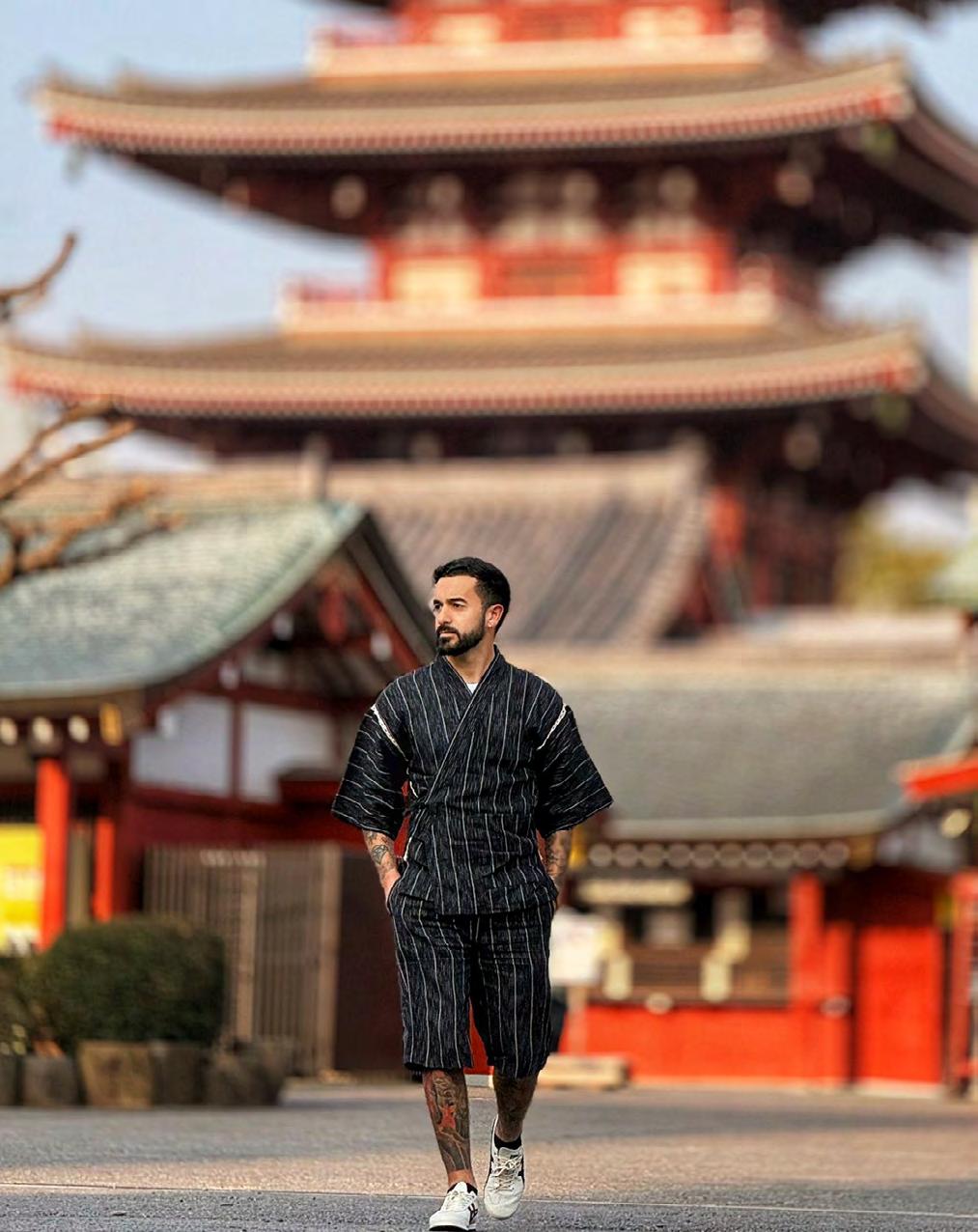
I started early and headed to Himeji Castle, but this time… in style. I rented a yukata, a summer kimono, and quickly realized one thing—it’s not made for rushing. Every step forces you to slow down, to move with intention.
Himeji, known as the “White Heron Castle,” is one of Japan’s best-preserved feudal castles. Elegant from the outside, demanding on the inside—full of steep wooden stairs and history in every corner.
After Himeji, I had a choice: go back to Kyoto… or keep going.
So I kept going.
A bullet train later, I arrived in Hiroshima.
A city the world knows for its past—but what you feel when you arrive is something else entirely.
Quiet. Calm. Reflective.
“Some experiences don’t let you rush—they teach you how to move differently.”
Less noise, fewer lights—almost like the city invites you to slow down and think. Visiting the Genbaku Dome, preserved as it stood after 1945, is a moment that stays with you. Not loud, not overwhelming—just powerful in its silence.
I also visited Hiroshima Castle, standing strong as a symbol of rebuilding and resilience.
On the way back, I passed by Kyoto Tower one last time—a quiet goodbye to a city that gave me so much.
Tomorrow, I return to Tokyo for the final days of this journey.
And somehow… it already feels like it went too fast.

Day 12 – Tokyo: lights, memories, and a full circle
Back to Tokyo—but this time, a different side of it.
I’m staying in Akihabara, the heart of technology, anime, and neon lights… and maybe the best ramen in Japan. It feels like stepping into the future, mixed with everything I loved as a kid.
On the way, I made a few stops—Gundam Base, the Fuji Television Building, and one of the most unexpected highlights: Yotsugi Station.
For anyone who grew up with Captain Tsubasa (Supercampeones), this place is special. The entire station— and even the neighborhood—is dedicated to the series and its creator, Yoichi Takahashi, who is from this area. It’s one of those moments where childhood memories and real life meet.
“Sometimes the places you visit aren’t new—they’ve been part of you all along.”
Later, I met with Yoshiki Momoo, and we went to the Sakura Festival along the Meguro River.
The cherry blossoms are in full bloom right now—soft, glowing, almost unreal under the evening lights. People gathered, walking slowly, taking it all in. No rush. Just the moment.
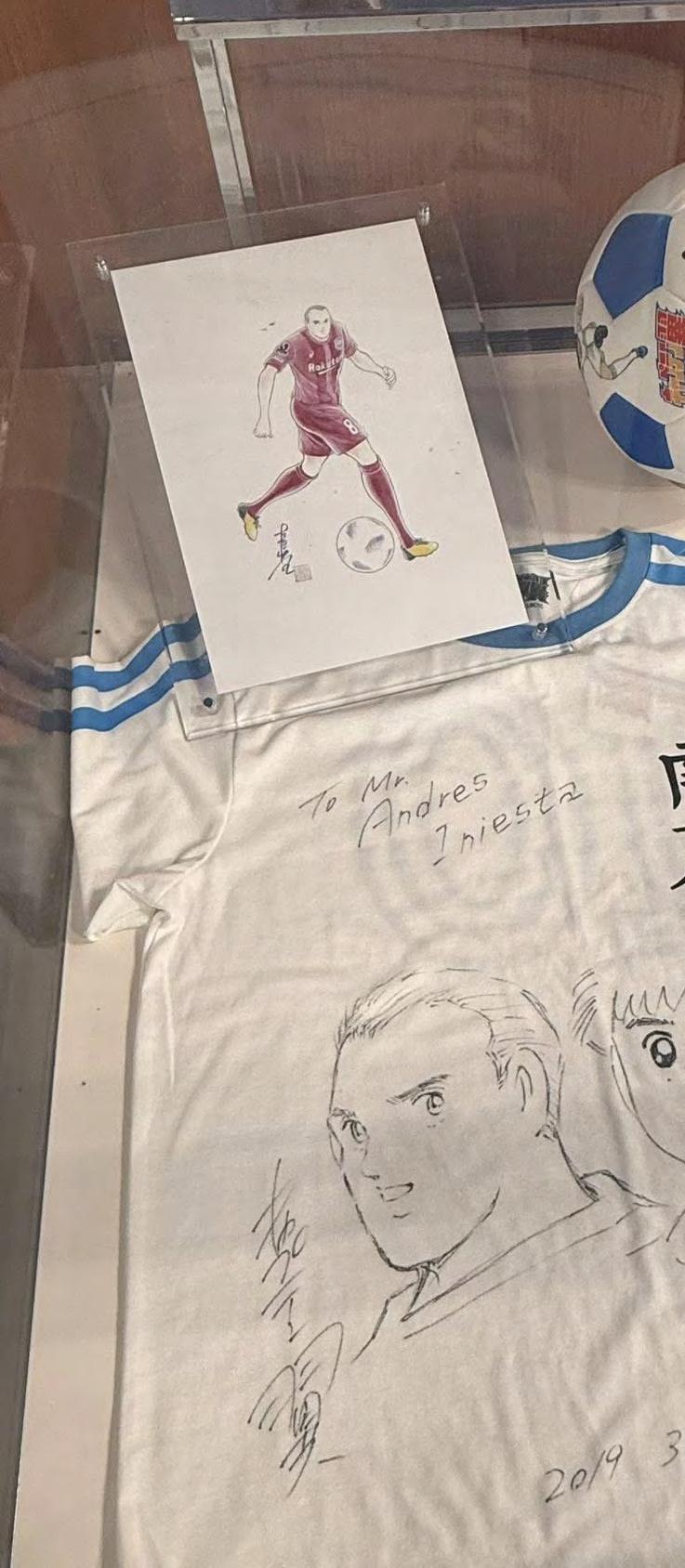
nights
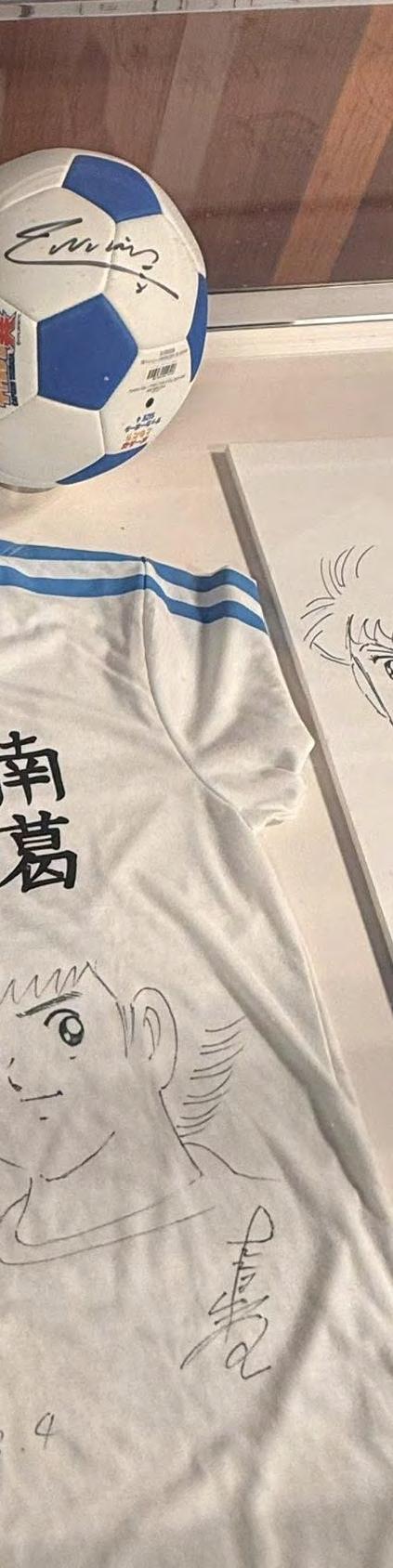
My last full day in Japan started early—with a quiet visit to Senso-ji.
Without the usual crowds, the temple felt different. Calm, almost personal. A perfect way to begin the final chapter of this journey.
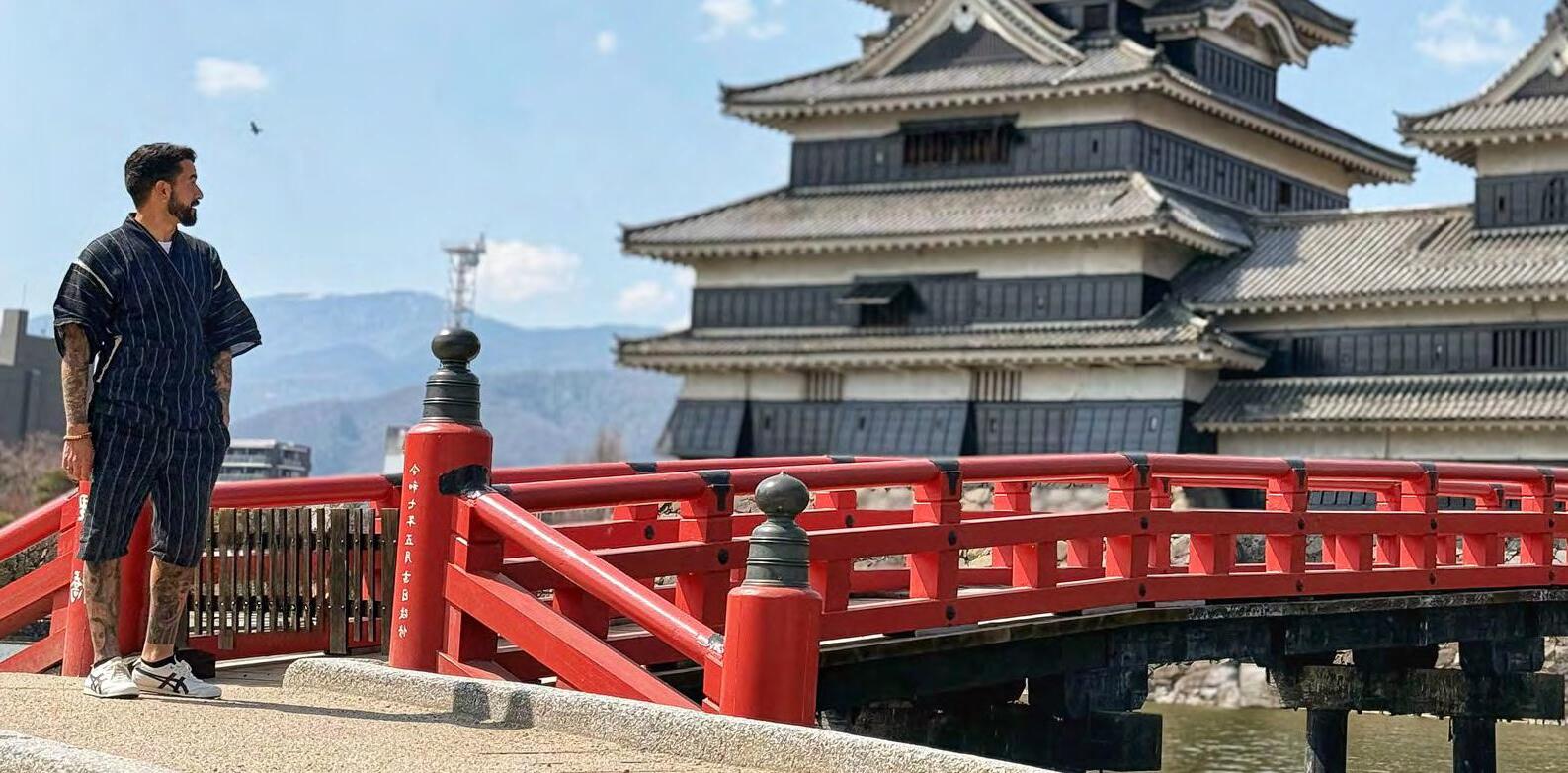
From there, I took a three-hour train to Nagano Prefecture to visit Matsumoto Castle.
Not the biggest castle I’ve seen—but to me, the most beautiful.
Known as the “Black Crow Castle,” its dark exterior reflected perfectly in the water around it, surrounded by mountains and silence. The entire area felt untouched, almost like a painting. And then, a small unexpected detail—the Kajika frog street, something that immediately caught my attention… especially since I have one tattooed on my leg. Moments like that feel too specific to be coincidence.
Back in Tokyo, I made one more meaningful stop—the iconic stairs from the movie “Your Name” (Kimi no Na wa).
“Sometimes travel feels like the world is quietly connecting the dots for you.”
If you know the story, you understand the feeling. If you don’t—watch it.
It’s built around the Japanese belief of Akai Ito, the Red Thread of Fate—the invisible connection that ties people together, no matter time or distance.
A fitting thought for the end of this journey. The night ended simply—and perfectly.
Tomorrow is my last day in Japan.
No itinerary.
No schedule.
Just walking… observing… taking it all in one last time.
Japan is not just a place you visit. It’s a place that stays with you.
From the precision of Tokyo to the silence of Hiroshima…

From the energy of Osaka to the timeless beauty of Kyoto… From childhood dreams to real-life moments…
This journey was never just about seeing Japan. It was about feeling it.
I came here with expectations.
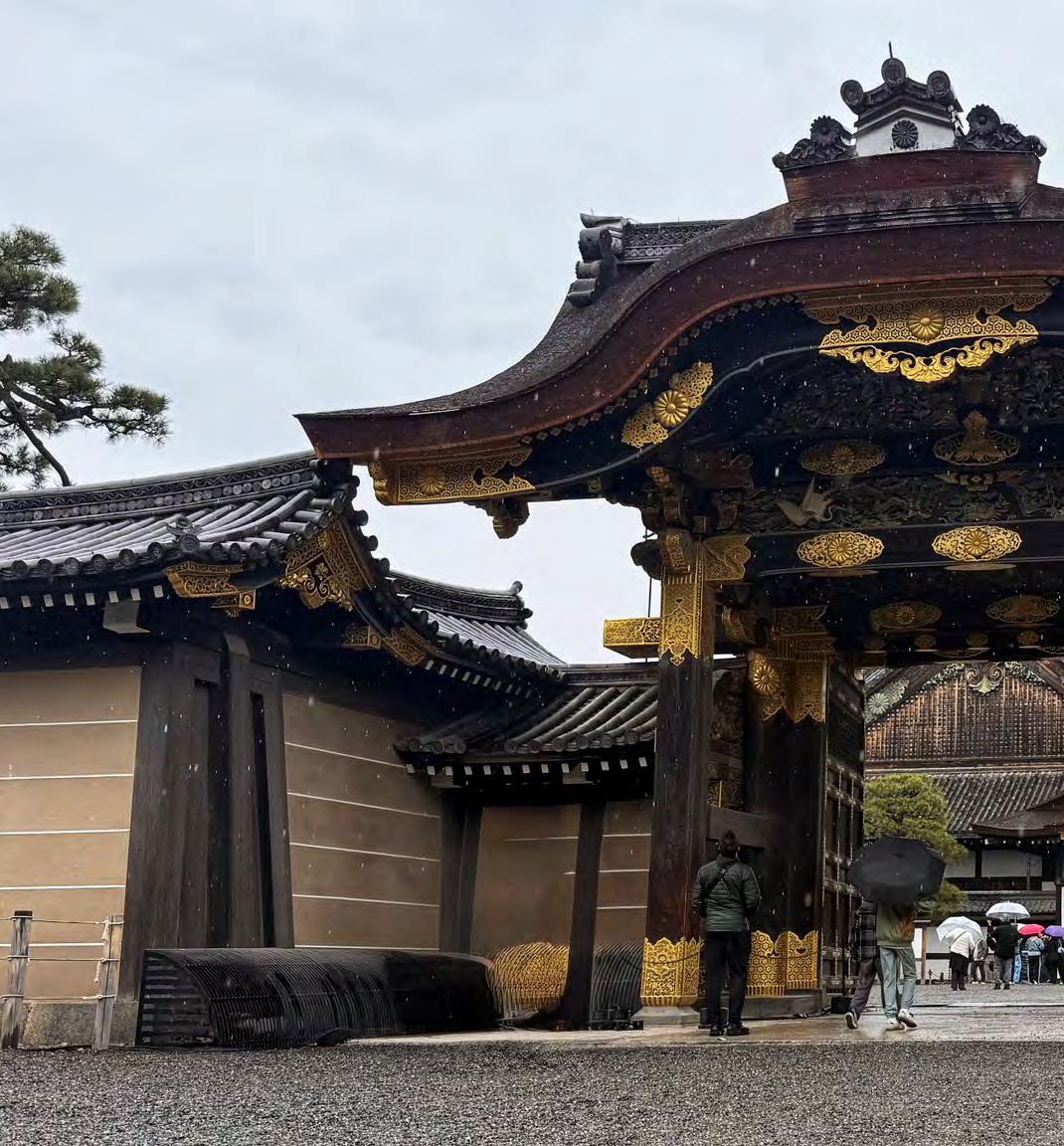
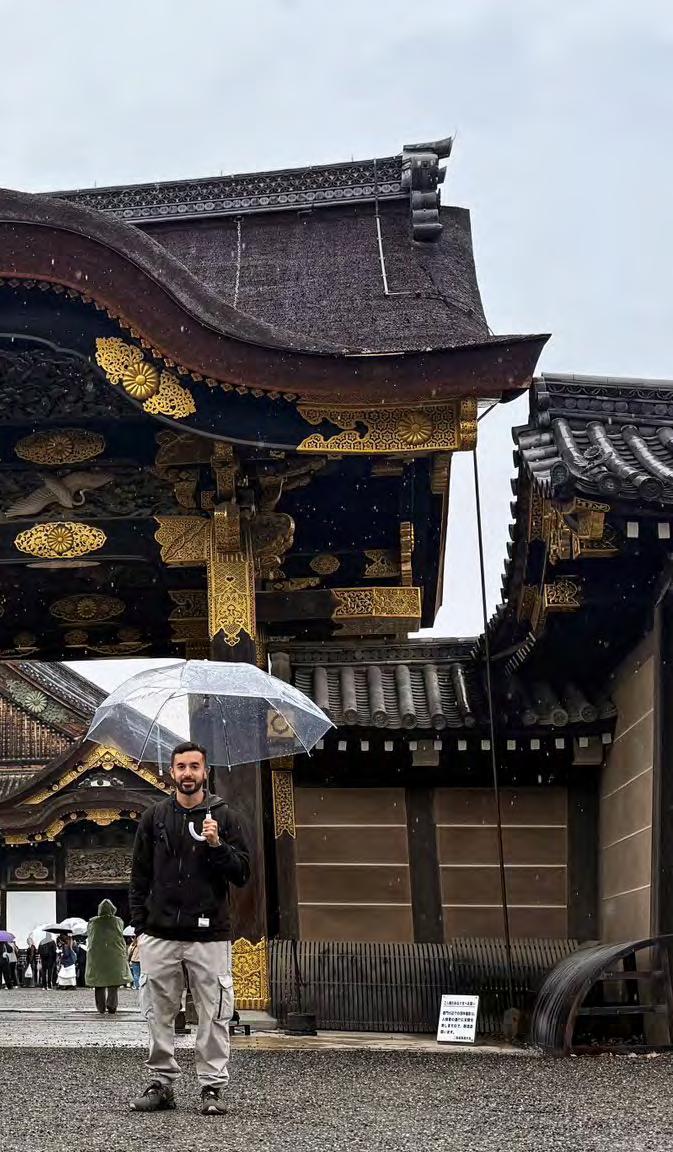

By Jovana Rangel

We often say the dog makes the first impression.
But the truth is the entire picture does.
Before the down and back.
Before the free stack.
Before a single word is exchanged with the judge.
An image is formed.
In the conformation ring, we talk about balance, silhouette, conditioning, timing. Presentation is precise. Discipline is visible. The smallest detail matters.
And clothing quietly plays its part in that composition.
Talking about first impressions reminds me of a moment that stayed with me.
A couple of years ago at Westminster, when the show was held at the USTA Billie Jean King National Tennis Center in late spring, I noticed something unusual. Near our setup stood a man and a woman dressed unlike anyone else at the show.
They were not handlers that day.
They were not preparing dogs.
They were presenting style.
Their presence felt intentional. Elevated. Almost cinematic. I remember thinking they looked as though they had just stepped off a runway.
Shortly after, our paths crossed.
And destiny, as it often does, had its own timing.
That same fashion visionary, Randy Lubinsky, is now organizing something the dog world has never seen before: a true runway production dedicated to our sport.
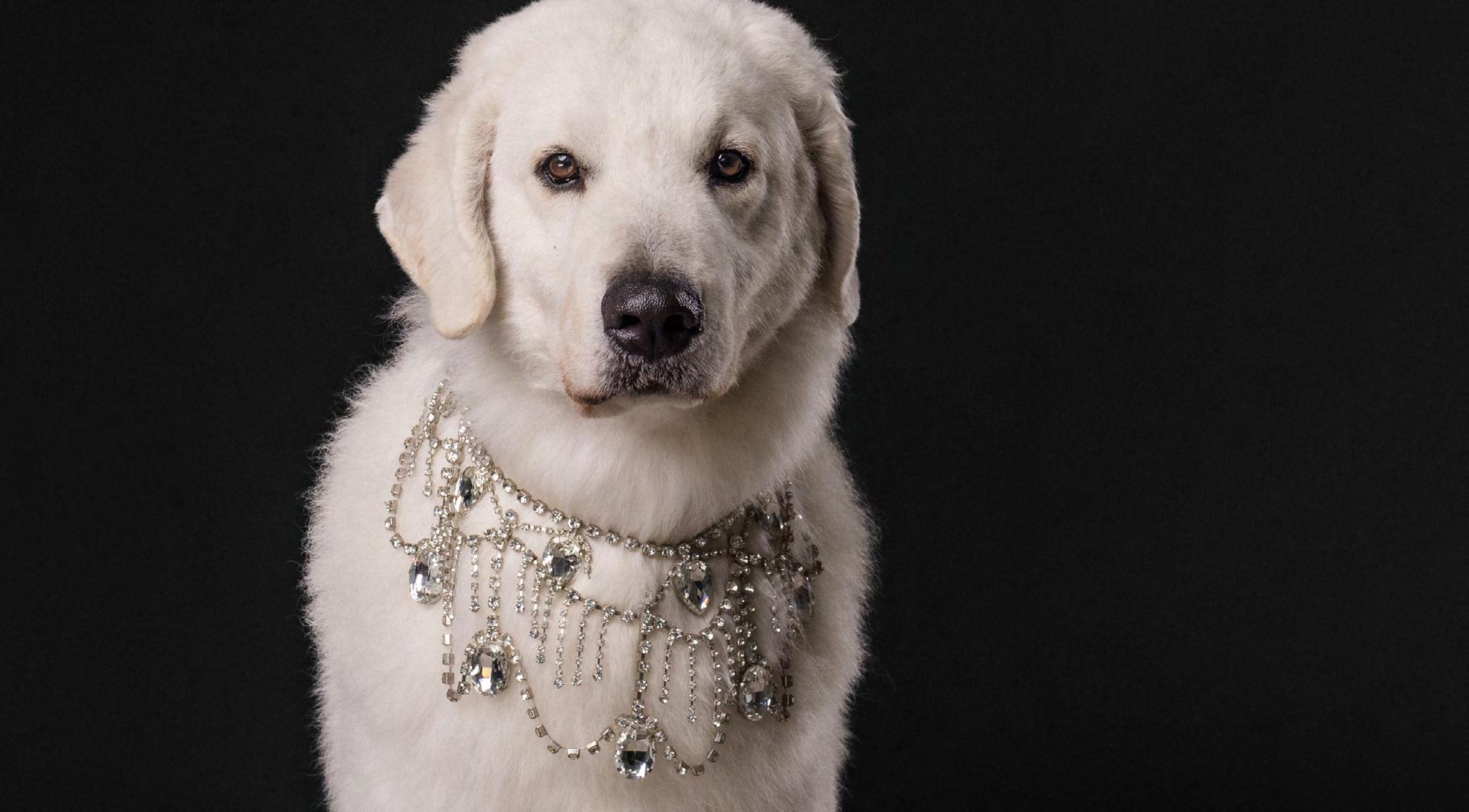
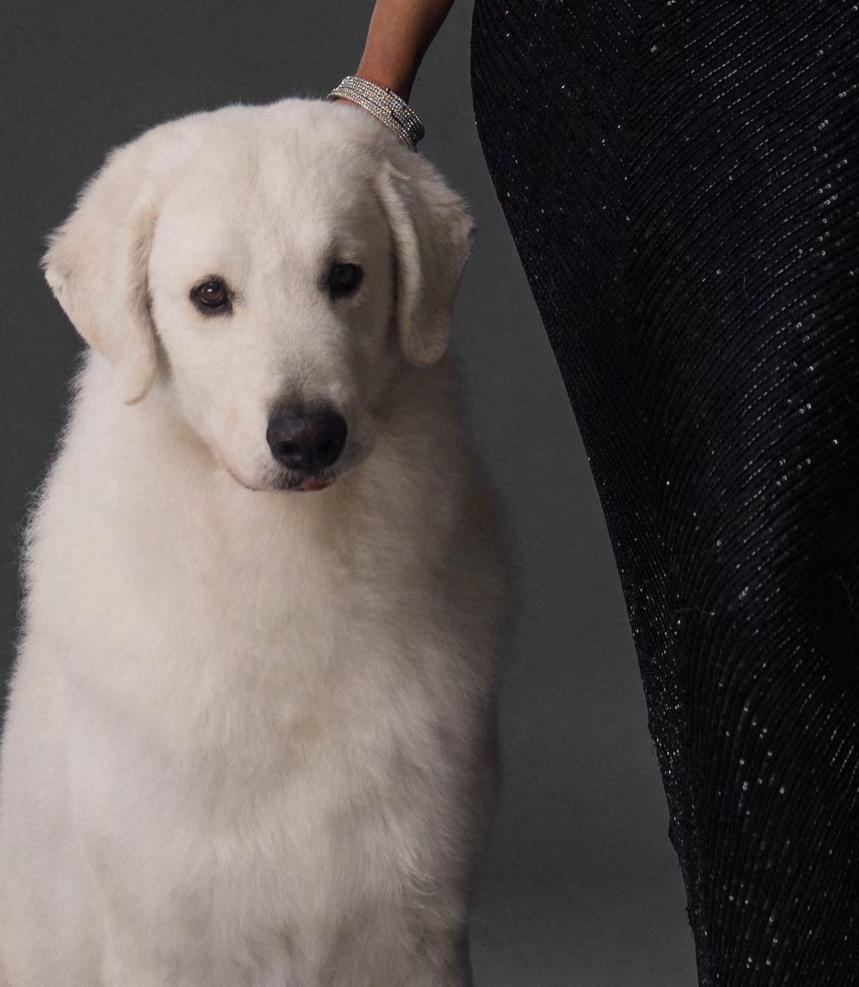
With great excitement, I present the Elite Runway Experience, making its debut in Orlando in December 2026 during one of the most significant weeks in the American show world.
On Friday night, December 11, 2026, during the week of the Royal Canin National Championship, a new kind of spotlight arrives at the Walt Disney World Dolphin Hotel Ballroom in Orlando.
The Elite Runway Experience brings together Grand Champion show dogs, elite professional handlers, and highfashion models in a couture runway presentation designed to celebrate excellence in motion.
For one evening, the precision of the ring meets the drama of the runway.
High-fashion models walk alongside champion show dogs in styled pairings that celebrate structure, movement and presence. Professional dog handlers take the spotlight in “Handler Chic,” segments that reveal the artistry, athleticism and composure that define the very best in the sport.
This is not about replacing the ring.
It is about expanding the moment.
Set within one of the most anticipated weeks on the dog show calendar, the Elite Runway Experience is designed to be joyful, visual, and unforgettable — a celebration of the dogs we admire and the people who dedicate their lives to presenting them.
Orlando will be the debut of what is envisioned as a growing international series aligned with major dog show competitions in the United States and Europe.
An evening of champions.
An evening of style.
An evening that will be photographed, shared and remembered.
December 11, 2026
Walt Disney World Dolphin Hotel Ballroom
Orlando, Florida
by Jacquelyn Fogel
Many years ago, when I first started breeding bedlington Terriers, one of my co-breeders, Sally DeKold would call and ask me to describe over the phone the puppies I was watching and trying to evaluate. I usually started with color and gender, then almost always moved quickly into telling her how cute this one or that one was. Every single time Sally responded by saying, “Cute is not in the standard, so now start describing the puppies’ characteristics to me.” I was not a quick learner. I continued to describe puppies as cute and often catch myself doing just that as I watch puppies
playing in a pen or yard. Sometimes I do it intentionally because it has become painfully obvious that few people actually want to hear what I see when looking at their puppies, and cute is a word every novice accepts.
In some ways I am grateful that I started my breeding programs before the appearance of Smart Phones with their ability to instantly snap then send photos and videos of everything. When I had litters that needed evaluating my mentors called me and made me explain in minute detail everything about the puppy’s structure, coat, movement and temperament. I had to paint that picture with words, and we both had to understand what those words meant. I could not just say the puppy had a well-laid-back shoulder, I had to explain how I had the puppy stacked, then give an approximate degree of the angle of the shoulder blade to the tabletop. I had to measure the length of the shoulder blade and compare it to the length of the upper arm. I had to measure the puppy from point of shoulder to ischium, then point of withers to the table and give them the measurements. They did not trust my “eye” to tell them if the puppy was longer than tall, I had to supply undeniable proof.
I had to tell them how far apart the withers were with the puppy’s head in different carriage positions. I was literally painting pictures in their minds as I went over each puppy. Sally would only accept terms in the standard, or words with commonly understood definitions within the canine world. David would ask the hard questions like, “Why did you do this breeding, and what were you hoping to achieve, and shouldn’t you keep a dog that actually exhibits that characteristic you bred for?” Sally would ask about the exact eye color and shape, and its position on the head, and David would ask, “What are the weaknesses in your dogs now that you can fix with this breeding or the next?” Sally would ask about the size and color of the teeth, and how strong the underjaw was, and David would say, “The breed is losing heads – where can you go to find a good one, and I don’t care if you like that person or not, just bite the bullet and breed to it!”
Neither Sally DeKold nor David Ramsey suffered fools gladly. Neither of them allowed me to indulge in wishful thinking or uneducated guessing. They both understood what would change on puppies as they matured, and what would not. For me it was trial by fire. They let me know that I could listen to them and learn how to breed better dogs, or I could do it my way and spend the next 30 years reading, listening to others, guessing, and doing trial-and-error breeding that might give me an occasional good dog but would never result in dogs that would consistently become valuable breeding stock. I had already spent 25 years breeding basset hounds with the latter methodology, so I was fully prepared to take, without question, all the advice I could get from two master bedlington breeders who had begun to breed together within the previous 8 years before I met them. My bassets had improved over the years, but they did not become worthy of being part of others’ breeding programs until about 18 years ago. Considering I bred my first basset litter in 1971, that meant I spent 37 years playing around, and 18 years actually producing dogs worthy of being in others’ breeding programs. By the
time I started breeding Bedlington Terriers in 1996 I knew I did not have the time or energy to make the same mistakes I had made in bassets. I wanted to start at the top and stay there. I wanted to produce dogs that anyone could win with regardless of handling or grooming skills. I wanted to consistently produce quality dogs that were built correctly, had stunning movement, and had heads I always wanted to look at. I started with a great bitch from David, and a superb stud dog from Sally and went forward from there. I felt it was a mandate from my mentors to preserve, and better the breed.
Today everyone takes pictures, dozens, sometimes hundreds of them, and sends them or posts them on social media. Most of the puppy pictures I see are CUTE! There’s that word again. What the people looking at the photos do not understand is that without first developing an eye for your breed, all photos and videos look good, and all puppies are cute. Photos and videos are deceiving even when the puppies are stacked beautifully, and the angle and magnification of the photo is good. It is not the same as getting your hands on the dogs. In bassets you cannot see flanged ribs or kinked tails. You might miss a mismatched front or a cowhocked rear on a beautifully stacked dog. You most certainly cannot determine anything regarding their temperament. On a bedlington the hair can hide a multitude of sins. You cannot see if the puppy has a big gap between the elbow and the ribcage, nor can you see if there is adequate fill between the front legs. You cannot see the width between the shoulder blades, and you do not know if the topline is flat or curved with sculpted hair. You also cannot tell if the puppy tends to stack the front feet naturally close or if they have no
tendency towards conversion, and you cannot tell how deep the chest actually is. Just as groomers consistently fool judges with hair, so do photos fool people who cannot see what their hands cannot feel.
Mostly I am concerned these days with the lack of interest in learning how to breed to the unique breed standards. Knowledge about phenotype, genotype and genetics is woefully lacking. I cannot tell you the last time someone asked to see one of my bedlington pedigrees, or asked about any of the dogs in it. Basset breeders tend to be better, but there is still a lack of understanding about the necessity and value of careful linebreeding and the importance of genetic transmission in achondroplastic dogs. As long as the puppy pictures are cute, everything is fine, and everyone is happy.
I have tried several times to mentor younger breeders in both of my breeds, and I know there are long-time breeders with other breeds out there who have built highly successful mentorship programs, but I have not yet cracked the code for finding the people who really want to learn the craft and put the work into building a sound breeding program. They put a lot of effort into learning how to groom and sculpt a beautiful picture, but not near as much time into learning and evaluating great structure, movement and head-type. Most just see me as the person who produces the dogs to beat at a show. My guiding principle for years has been to encourage less experienced breeders to beat me in the whelping box, not at the dog shows. I am always looking for breeding programs that consistently produce beautiful dogs capable of consistent winning. In a rare breed like bedlingtons, this would be a much-welcomed change in attitude, and I would relish the opportunity to breed to dogs produced by a breeder who shares my guiding principles. I am looking for breeders
who not only understand that cute is not in the standard, but also understand what all of the words in the standard actually mean, and how the different parts of the standard fit together to produce our unique breed.
Recently a friend of mine called to tell me she showed her dog to a judge who told her he thought her puppy was cute. I gently suggested that perhaps that was not a compliment, but rather a way to avoid what the judge was actually thinking, thereby preventing a personal or social media attack on his knowledge and character. My friend recoiled a bit when I said that, but to her credit, she did come around to saying, “and cute is not in the bedlington standard.” I agreed and suggested we look deeper into her dog’s movement and structure to see what, if anything, could be done to make her very nice dog look even better in the show ring. That’s what good Preservation mentors and outstanding exhibitors do to improve judging outcomes. We don’t blame politics or succumb to kennel blindness in our pursuit of wins. We don’t blame the judges for not understanding our breed. We dig deeper into our own understanding of our unique breed to make sure we’re doing the best we can to breed and present quality dogs. We accept truth and work to get better at breeding, presenting and preserving our breed. It takes time, commitment to brutal honesty and quality, and knowledge of health and genetics. We should never accept cute as enough, because if it’s not in the standard it isn’t.
by Eddie Baute
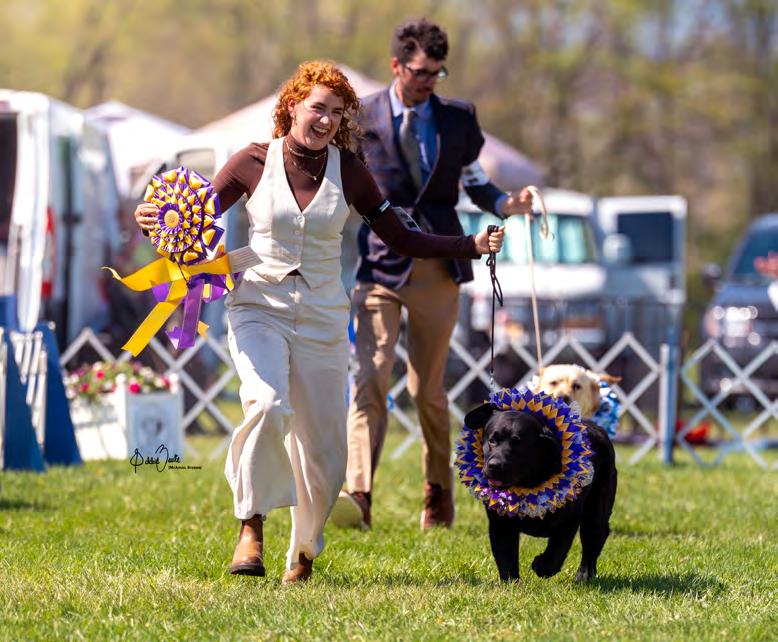
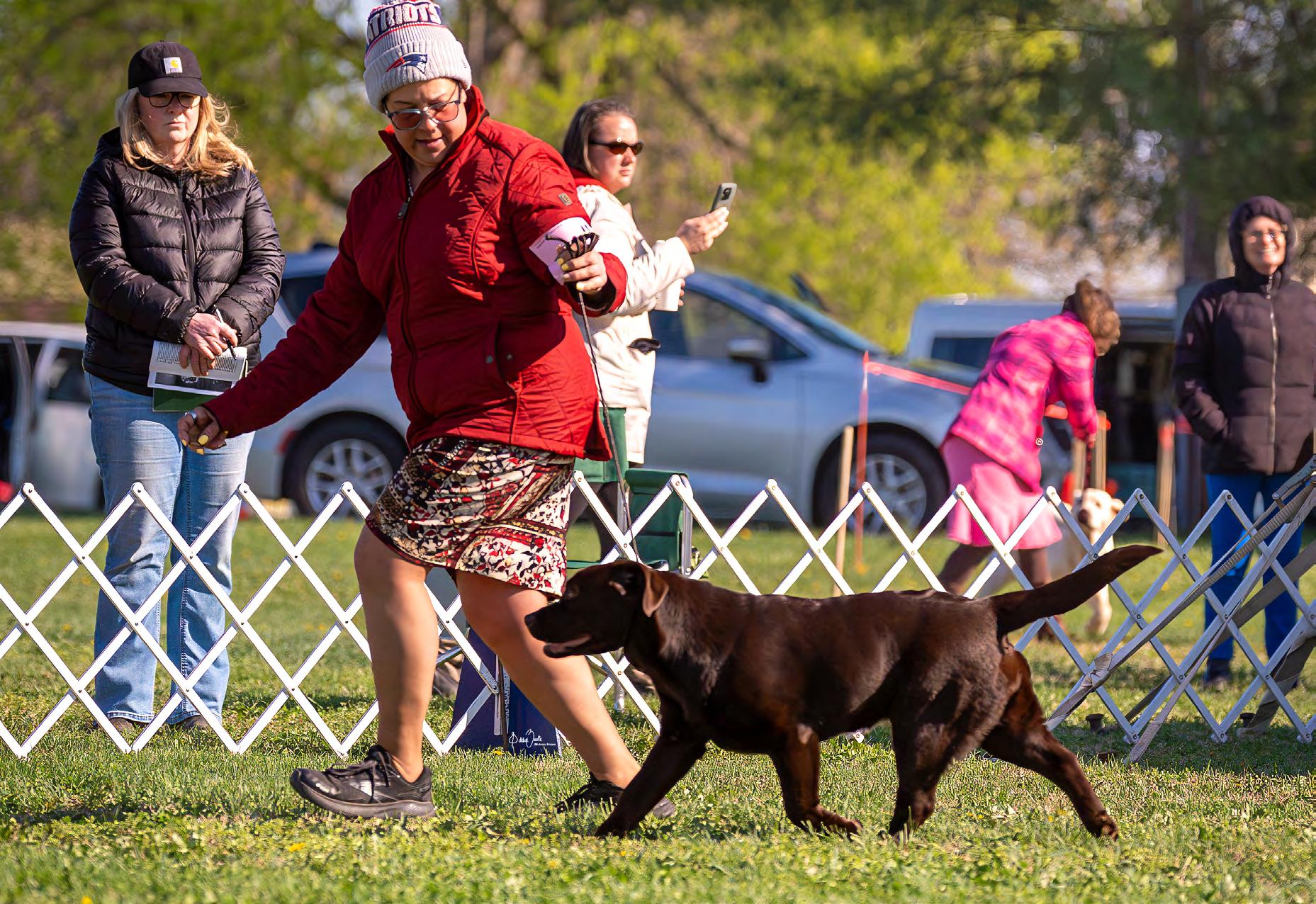
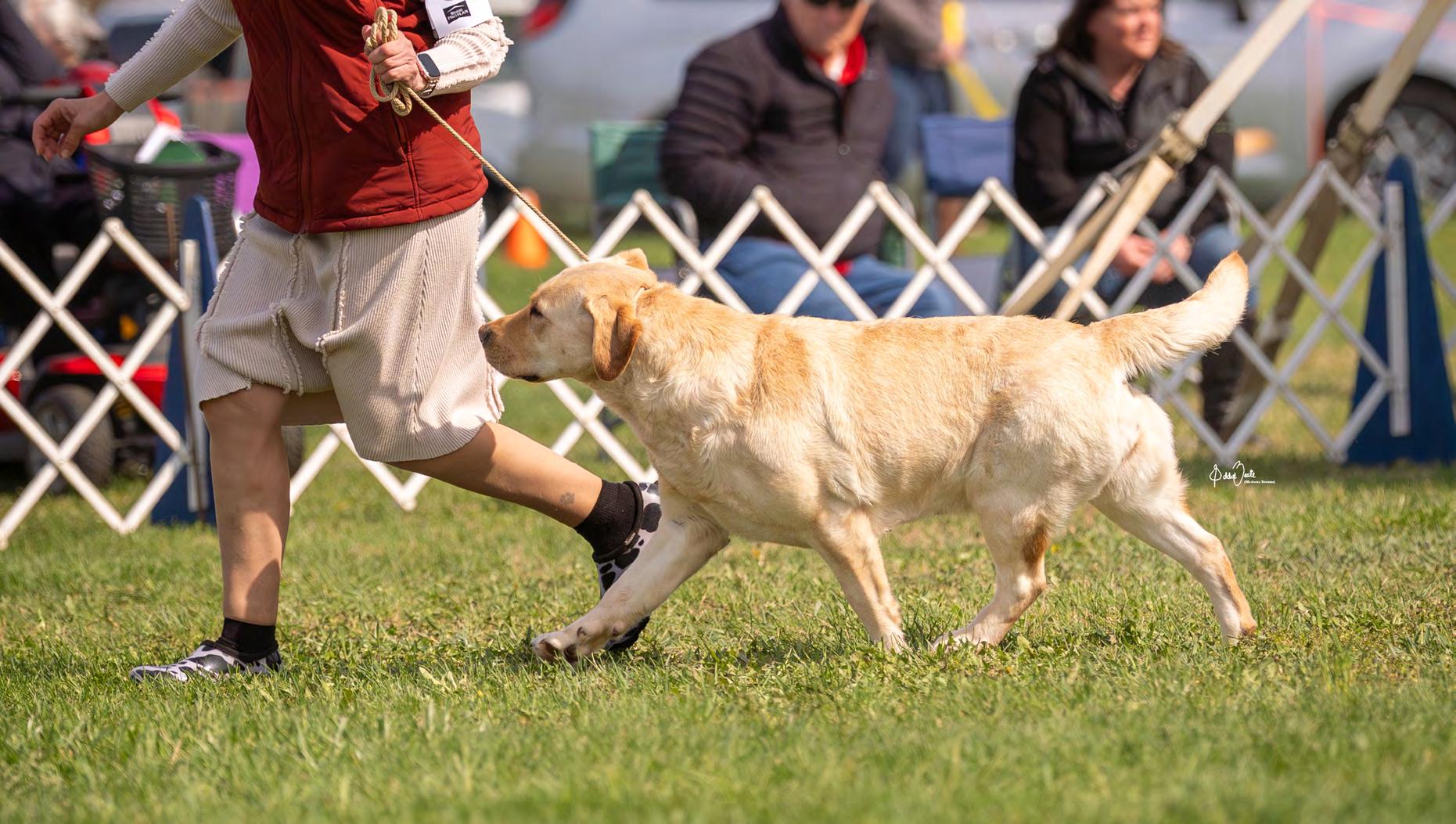
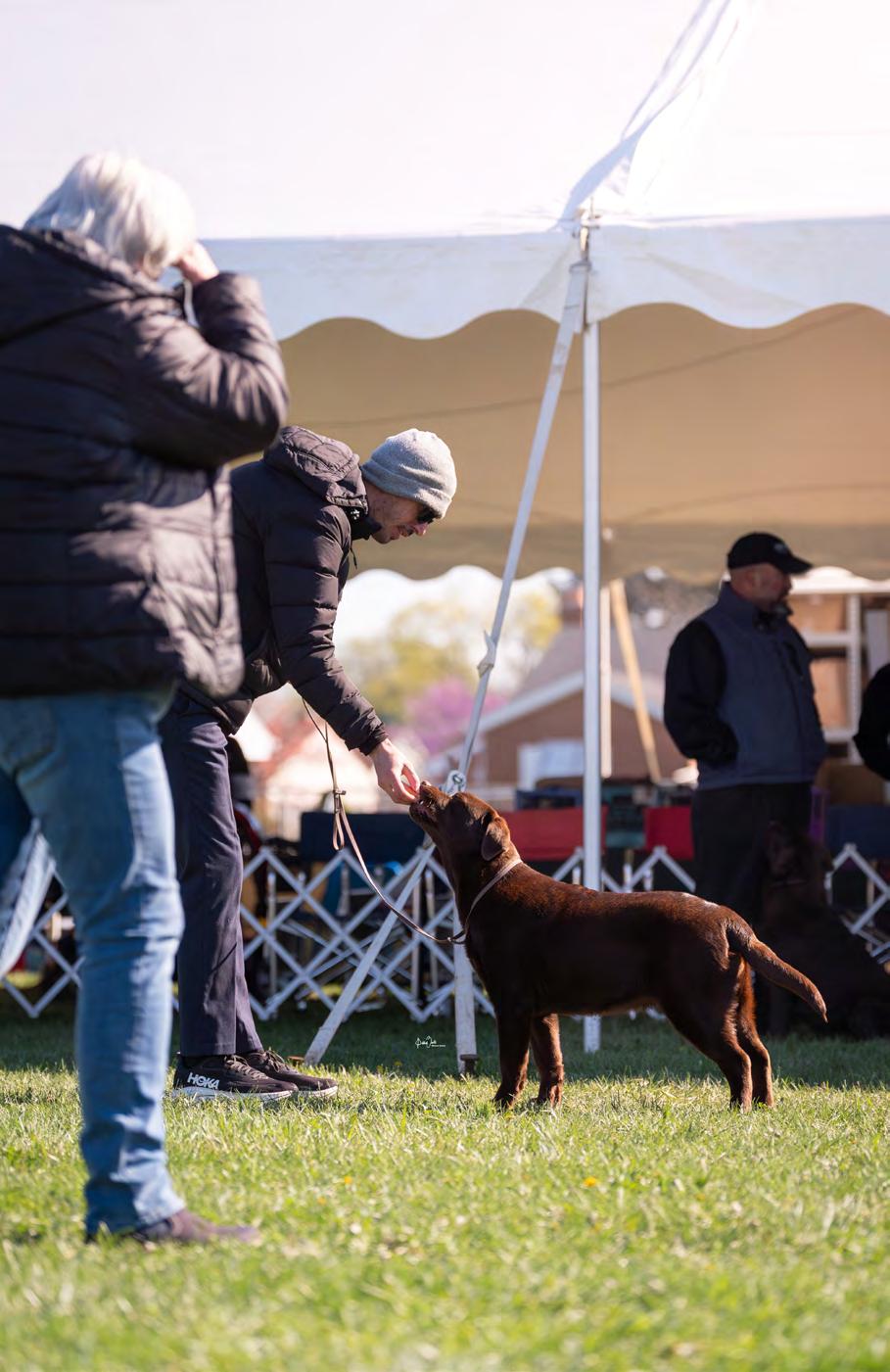
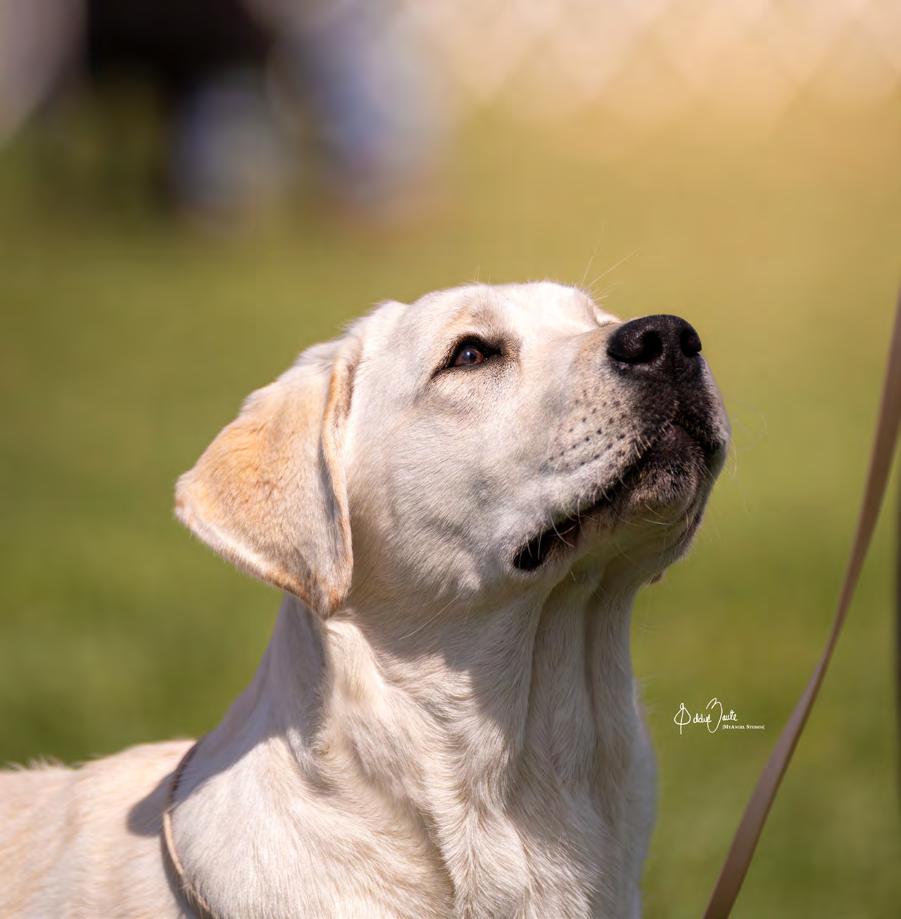
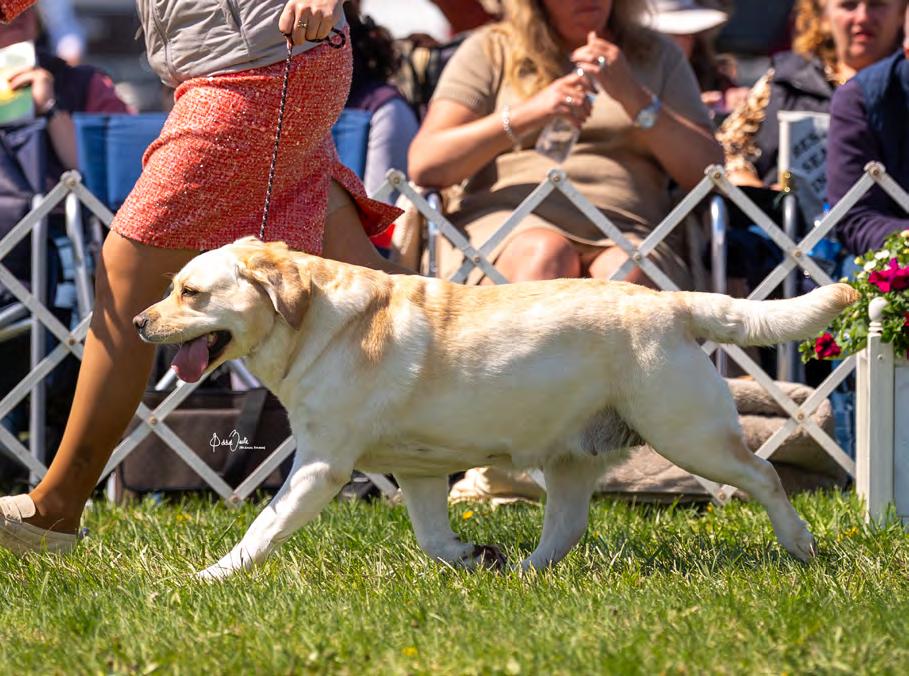
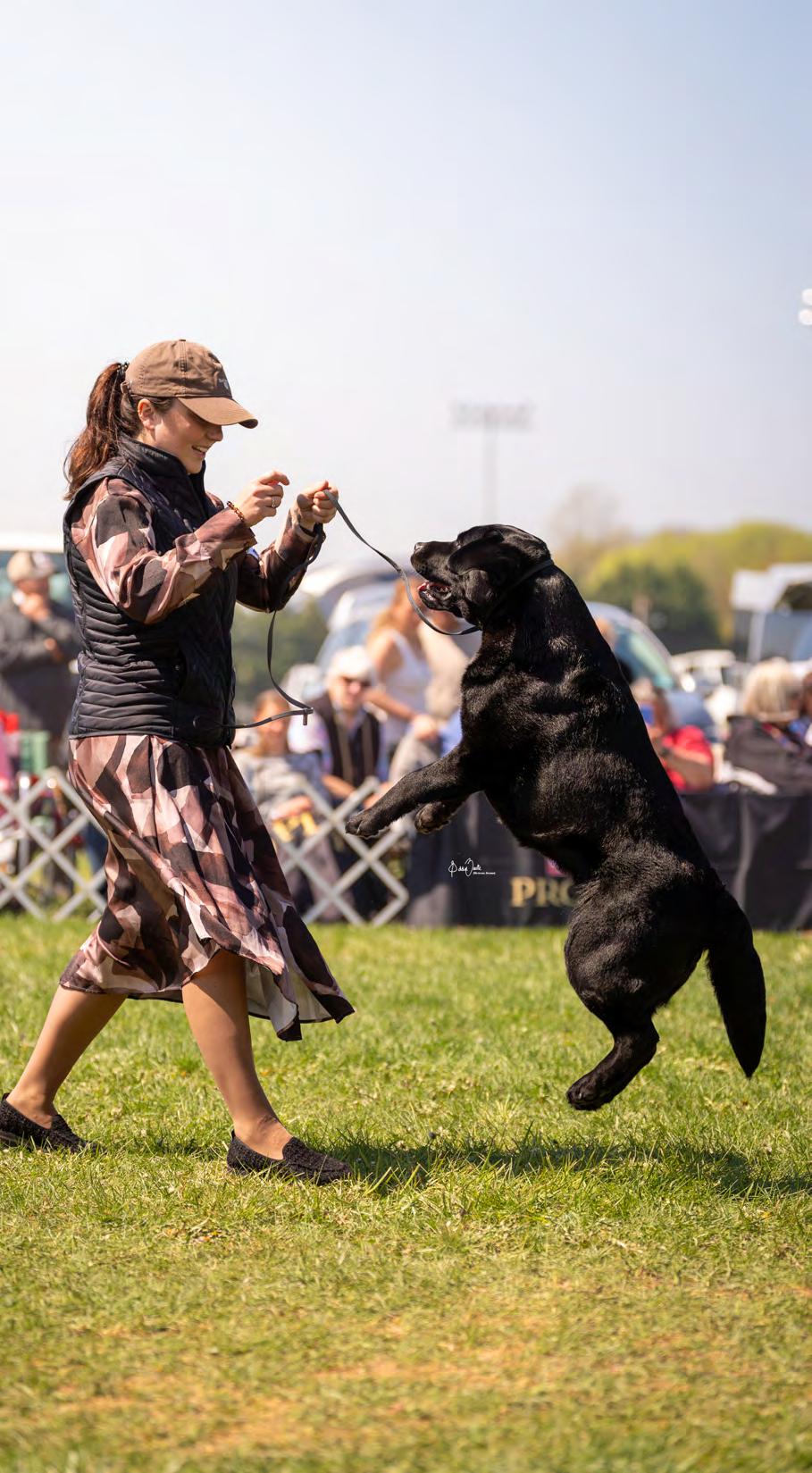
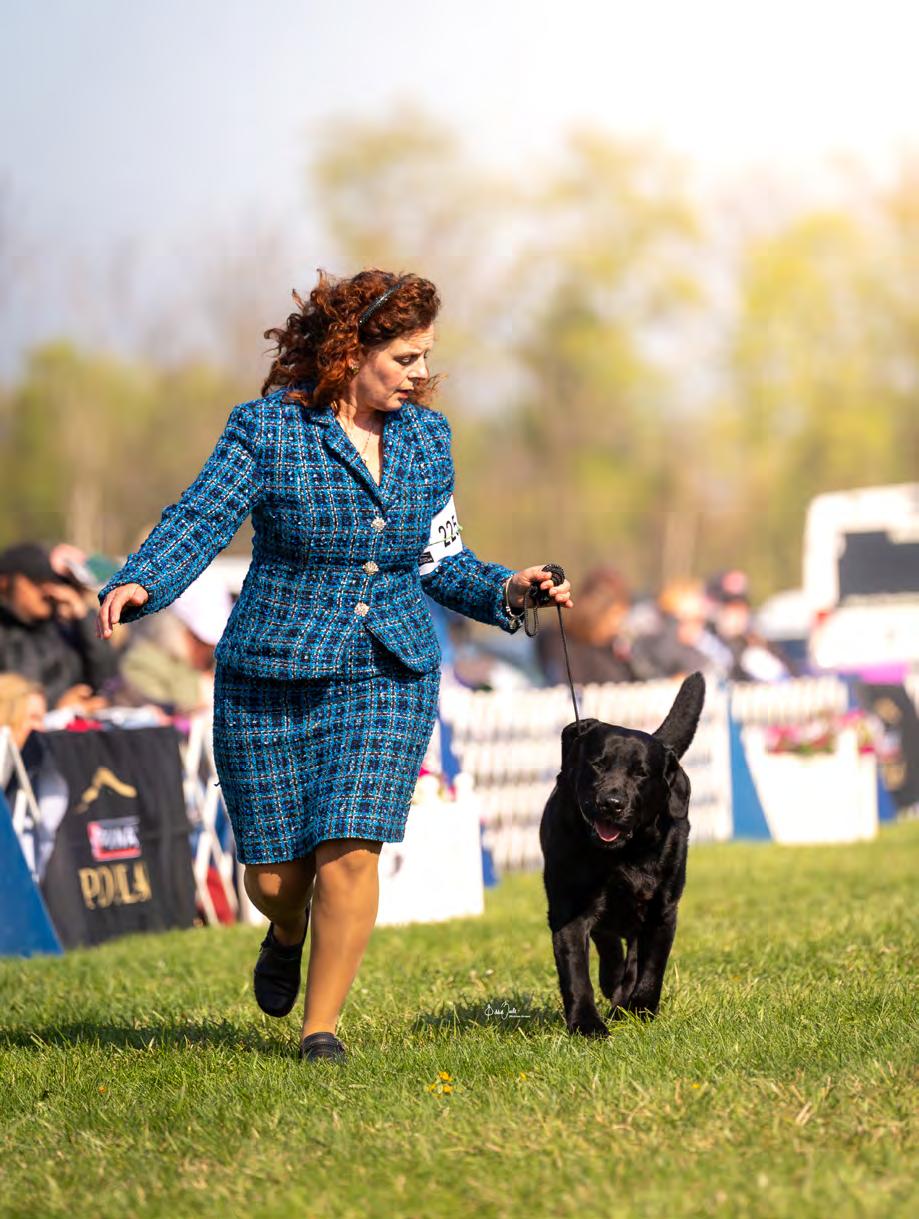
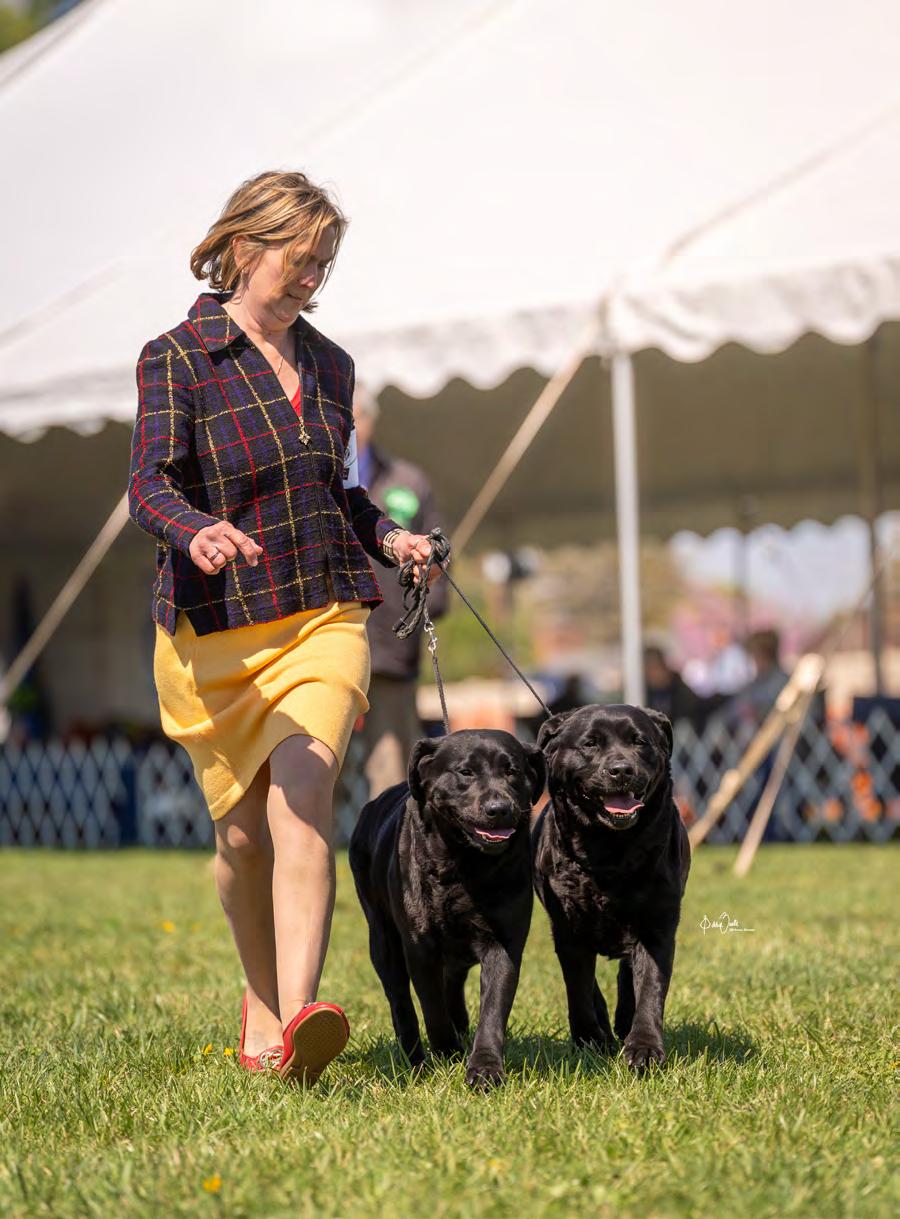
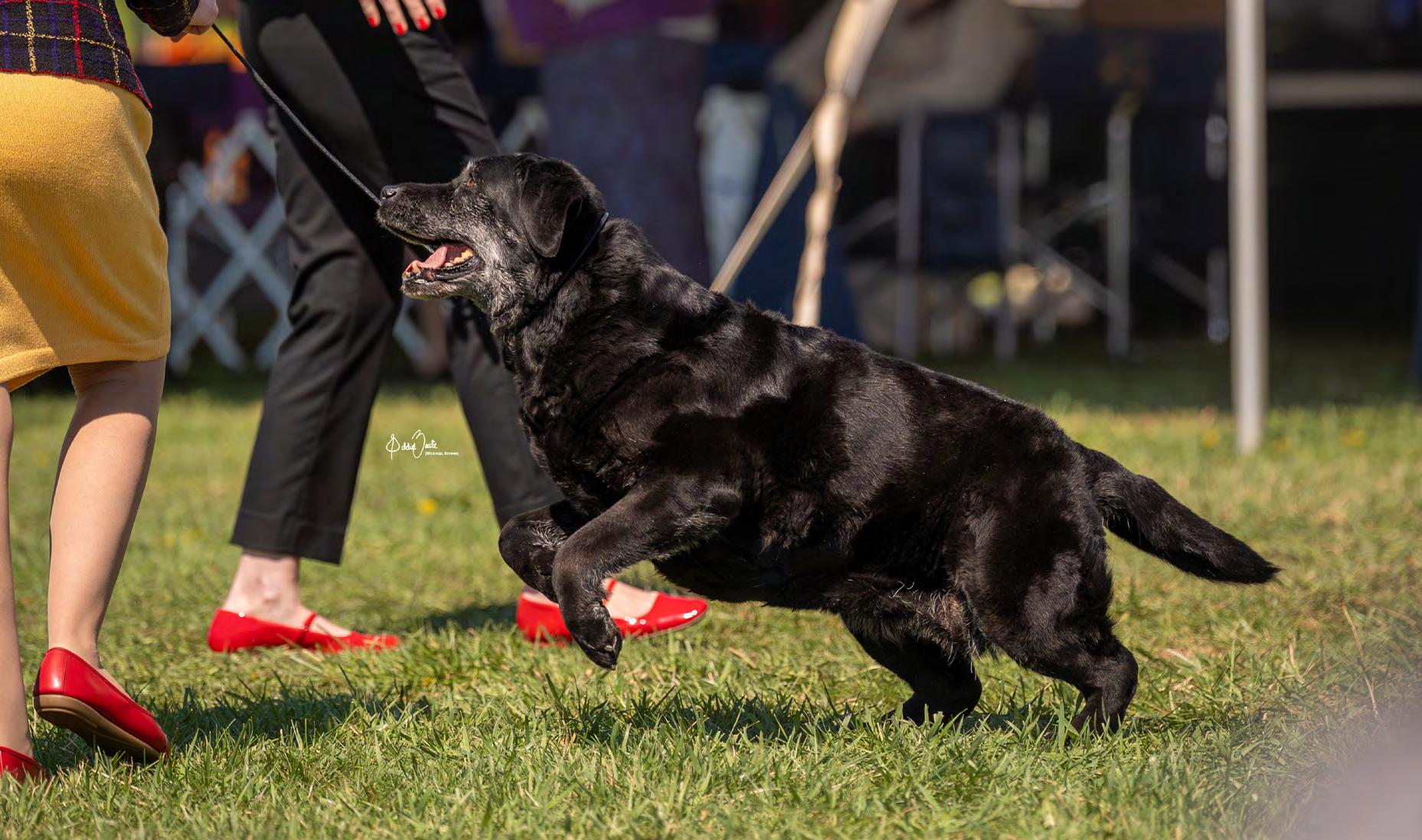
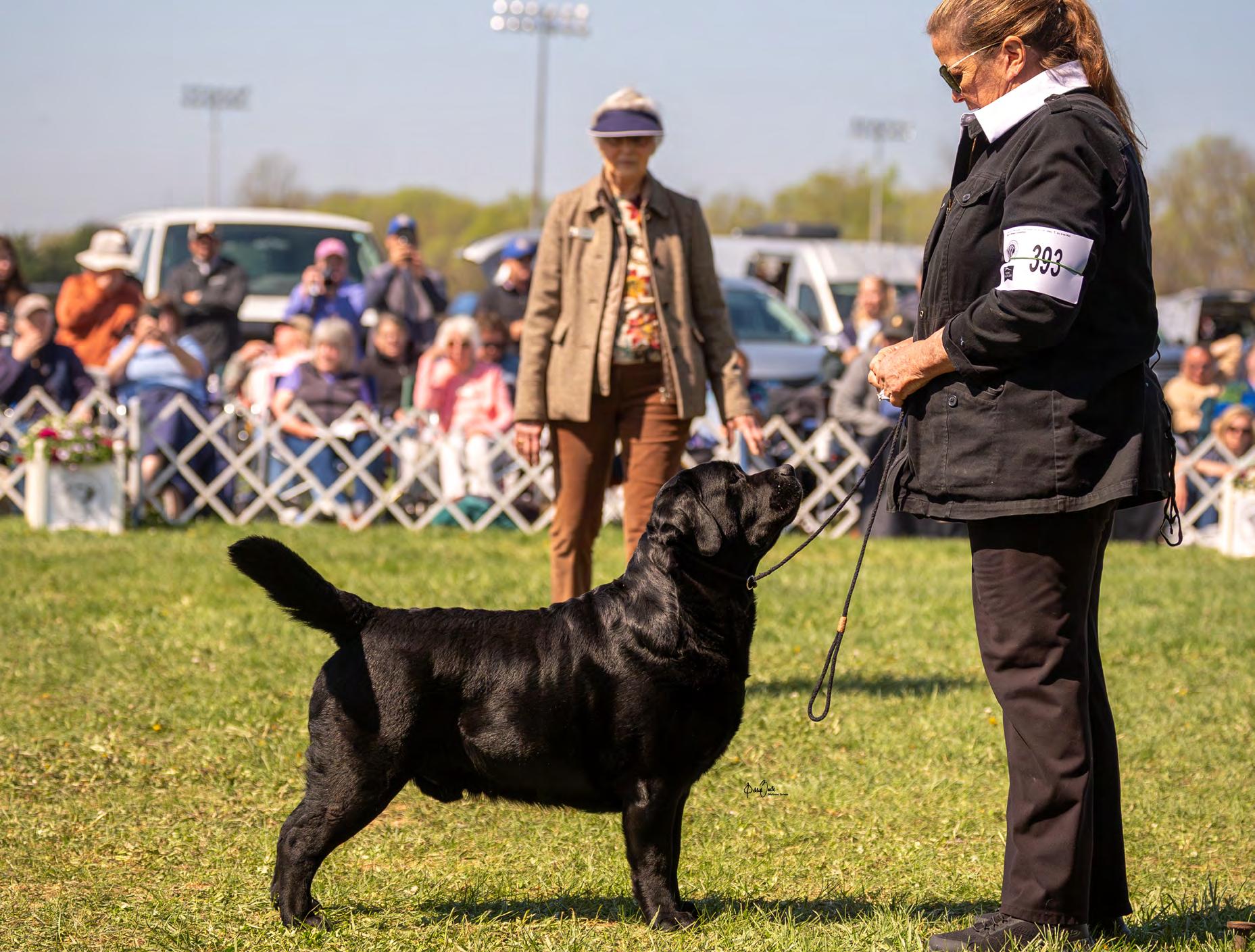
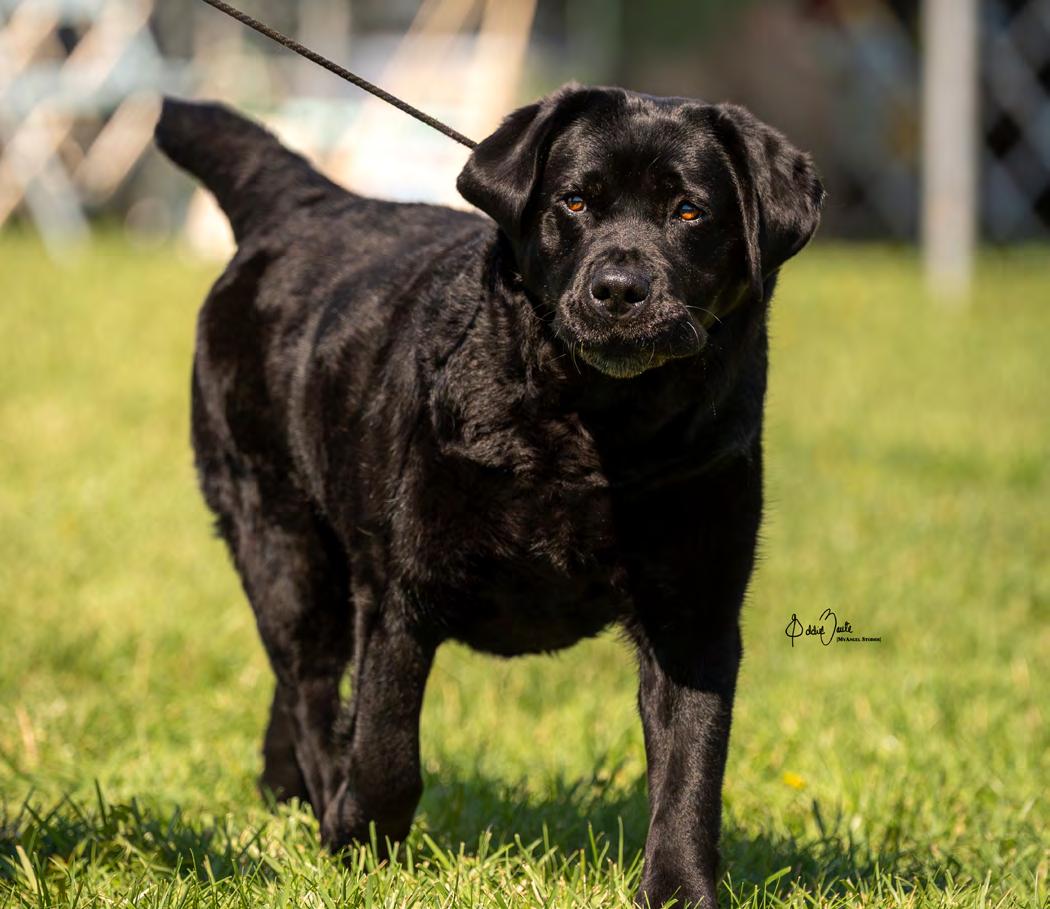
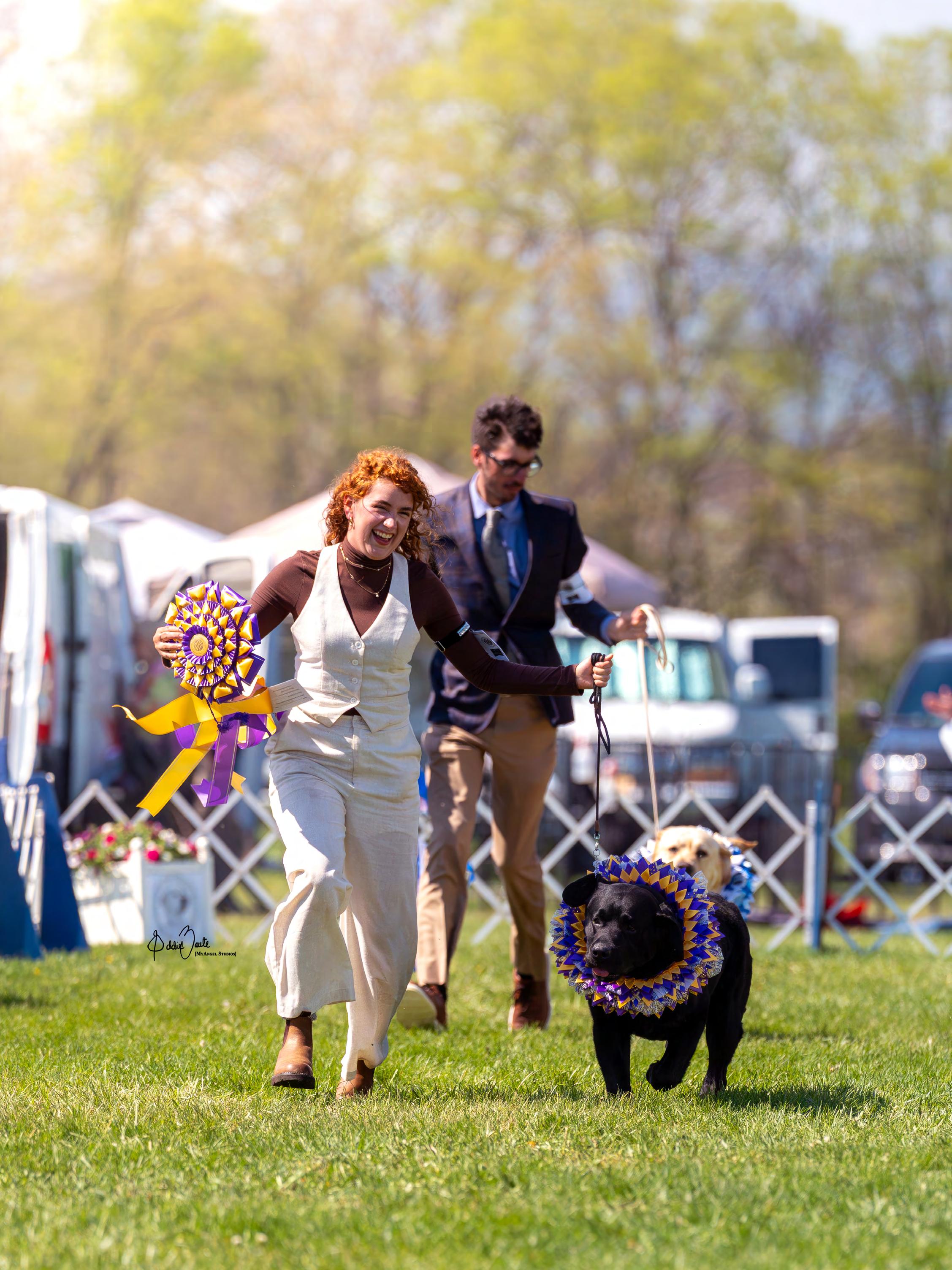
Every spring, Labrador Retriever enthusiasts from around the globe make their way to Walkersville, Maryland, for one of the most anticipated events on the canine calendar — The Potomac Labrador Retriever Specialty. Scheduled for April 7–10, 2026, this legendary gathering is far more than a dog show. It is a celebration of the Labrador Retriever breed, its history, its future, and the passionate community that surrounds it.
Often referred to simply as “The Potomac” the event has earned a reputation as the largest single-breed specialty show in the world. With entries that have approached an astonishing 2,000 Labradors, exhibitors, breeders, handlers, judges, and spectators travel from every corner of the globe to be part of this extraordinary week.
The Potomac’s appeal extends far beyond the conformation ring. Throughout the week, attendees enjoy a wide range of educational and competitive opportunities, including the beloved B Match Competition, Judges Education programs, Junior Showmanship, Health Clinics, the prestigious Top Twenty Celebration, the always-entertaining Stud Dog Auction, and performance events such as Obedience, Rally, Canine Good Citizen (CGC), and Trick Dog competitions.
Its reputation for excellence has not gone unnoticed. In 2019, Dog News honored the event with its prestigious “Best Specialty Show” award, recognizing the dedication and professionalism that have made The Potomac a benchmark for specialty shows throughout the sport.
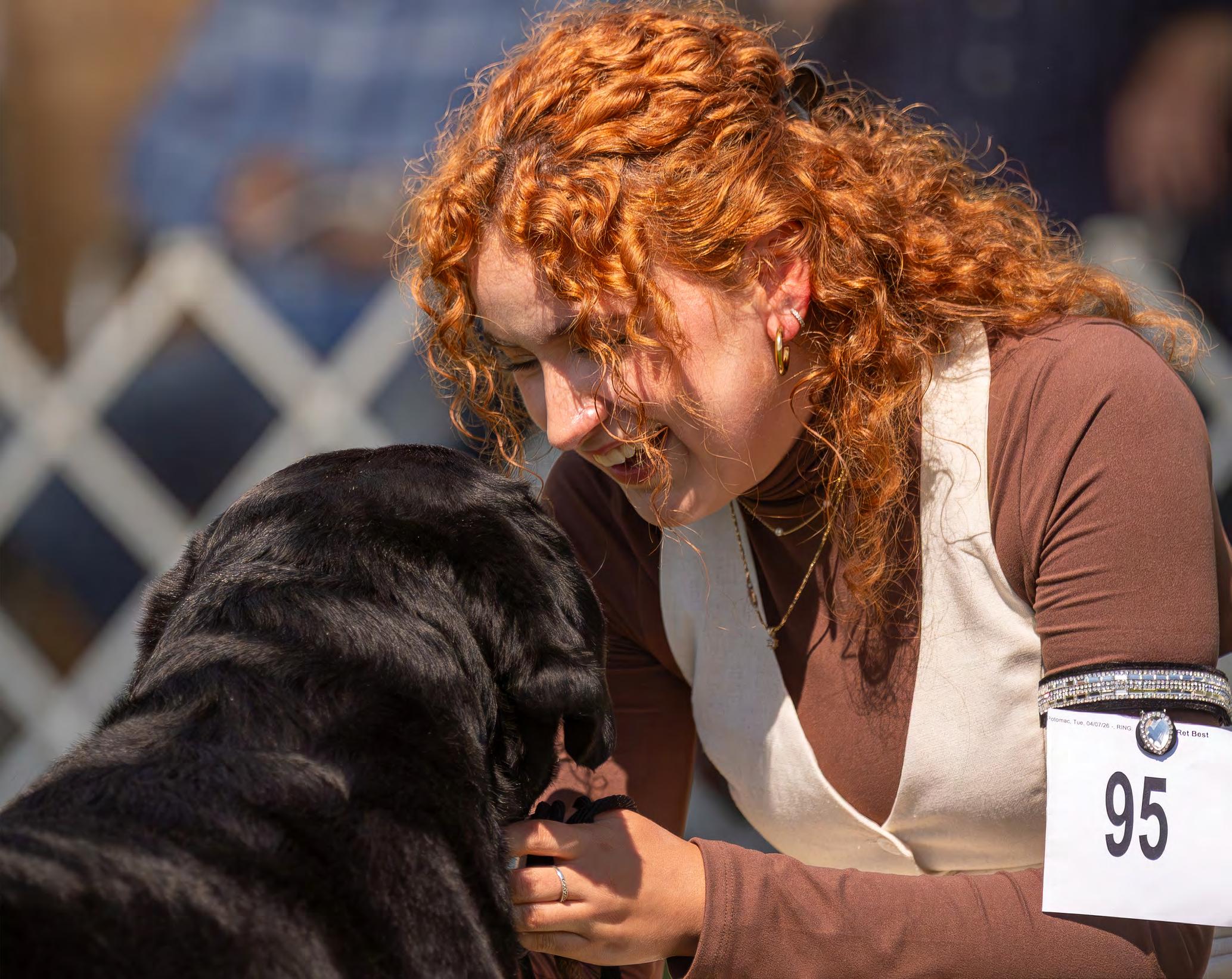
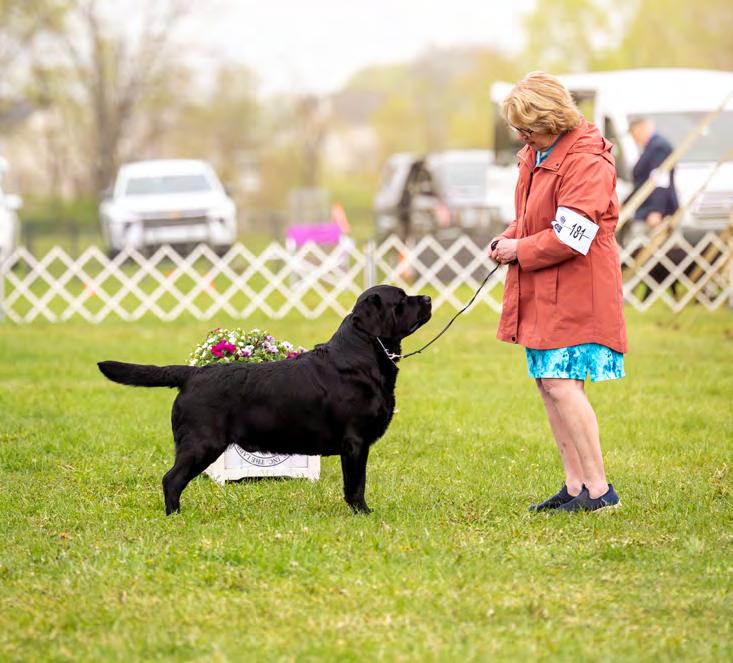
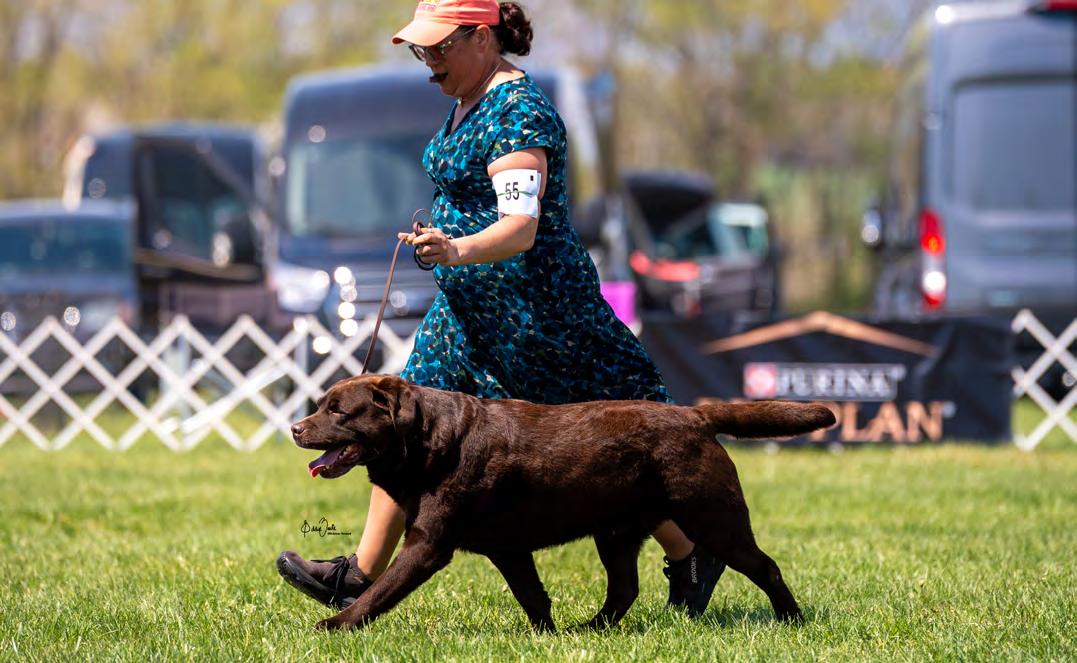
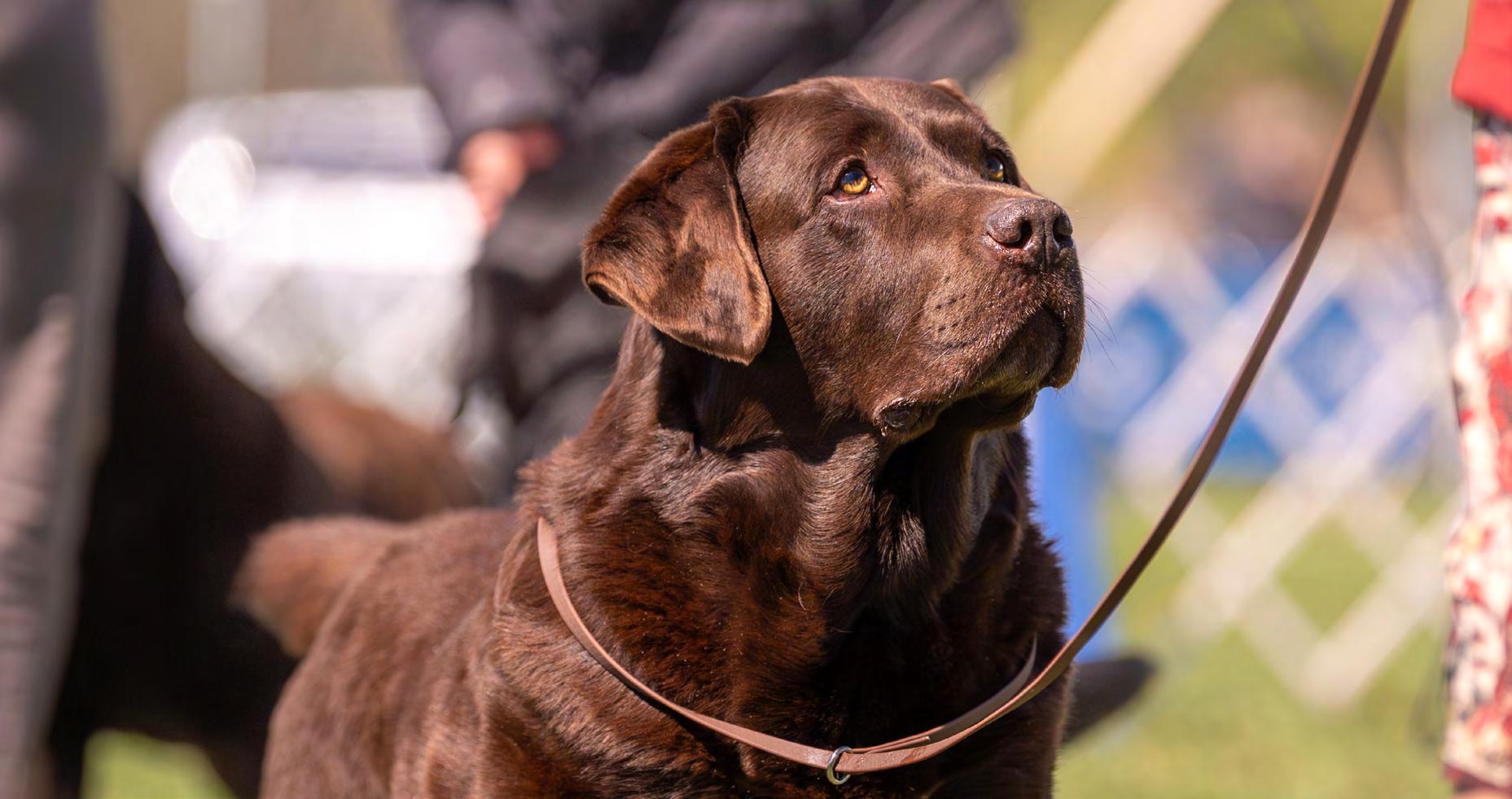
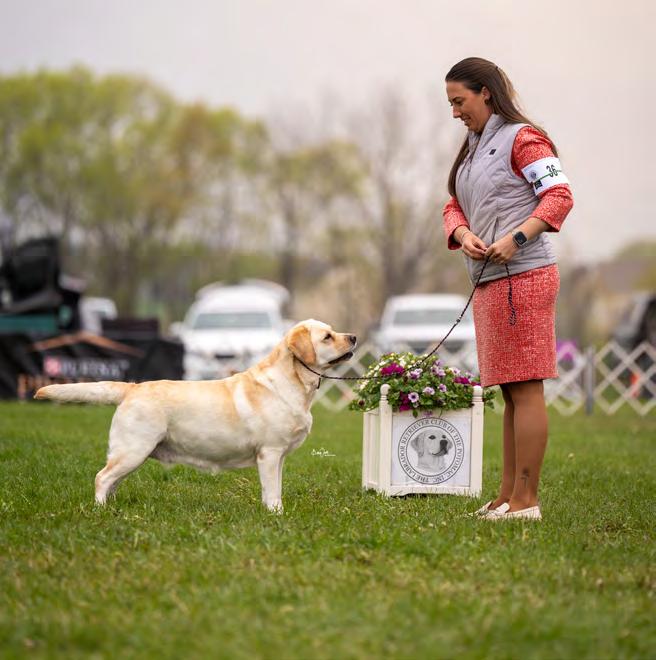
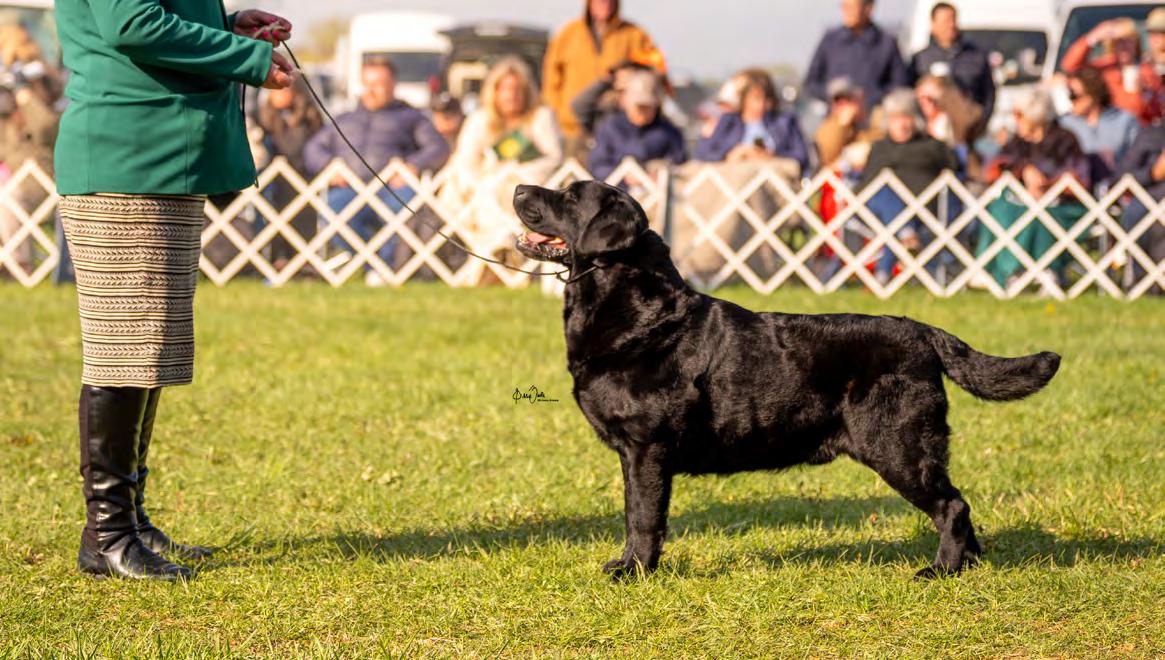
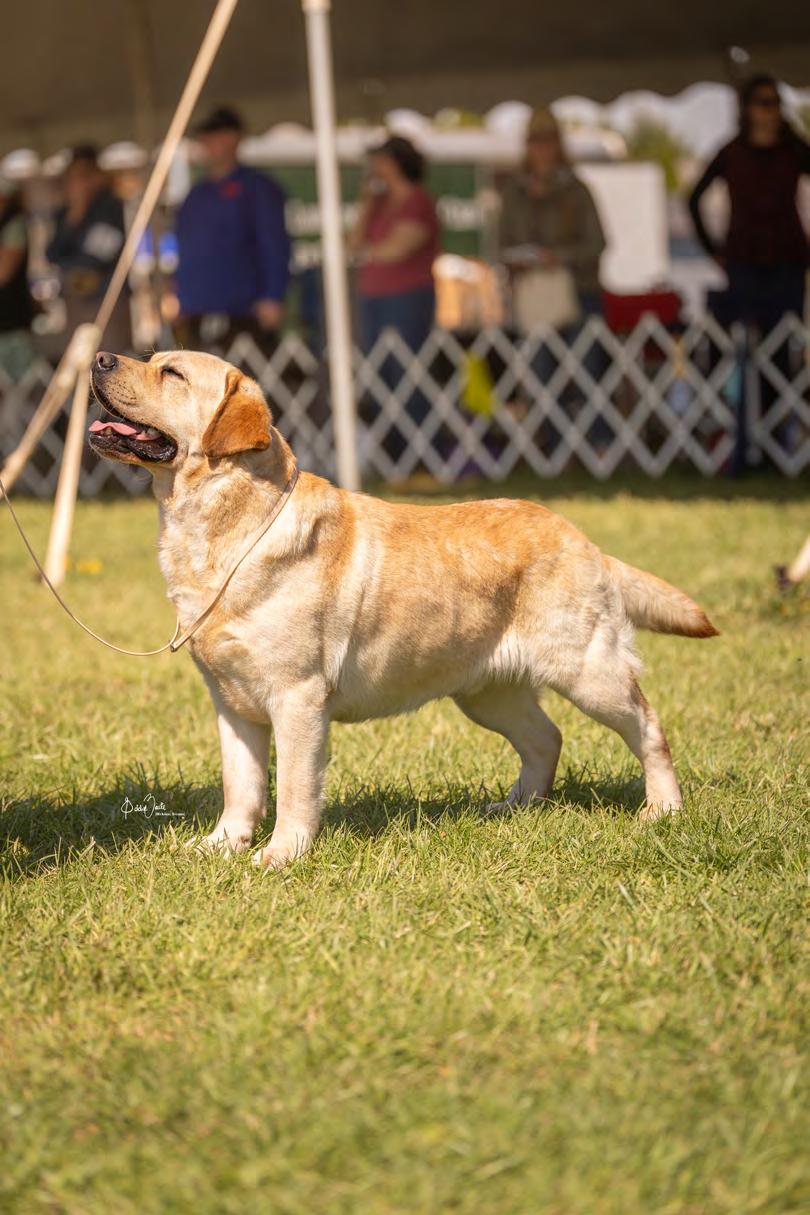
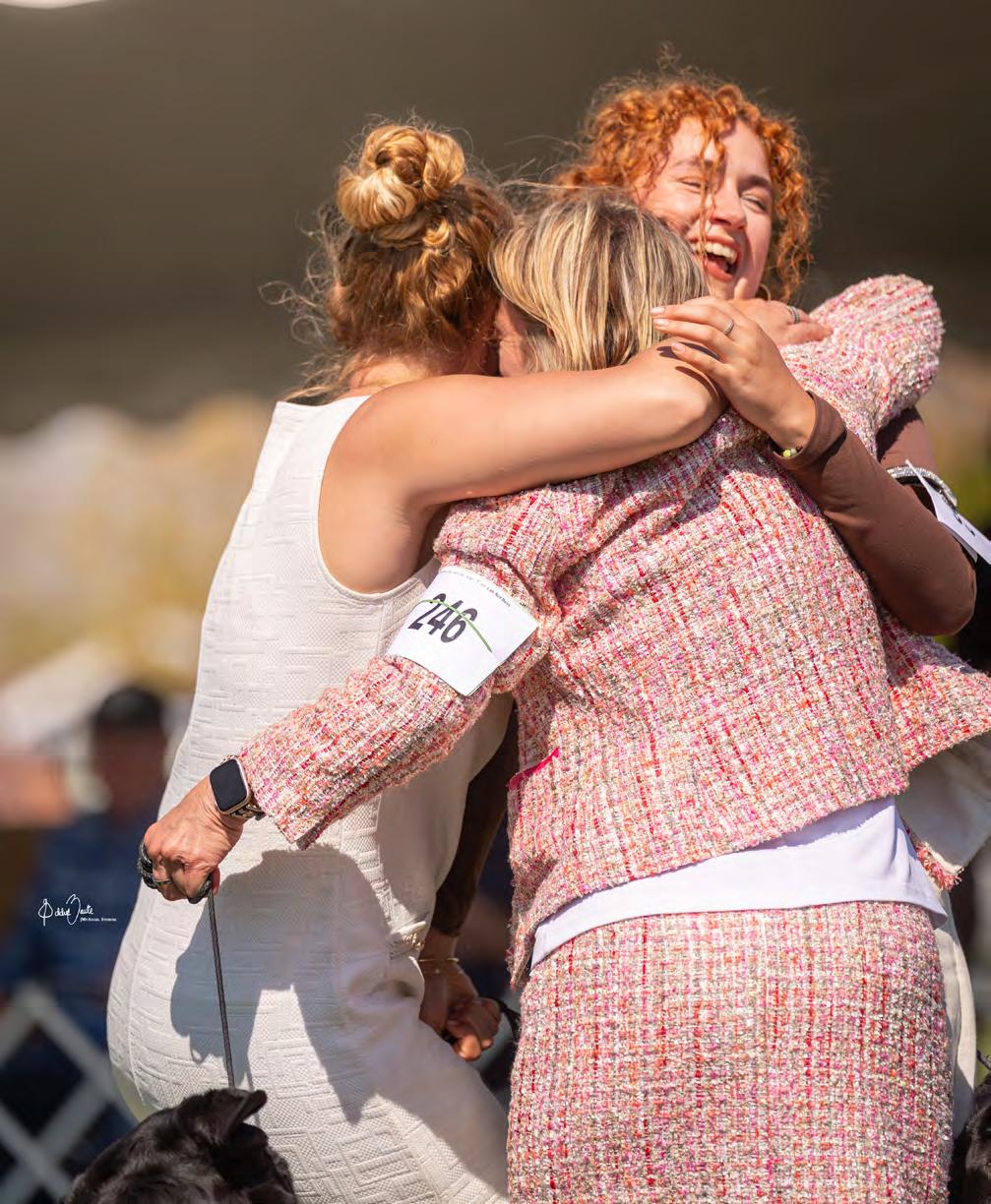
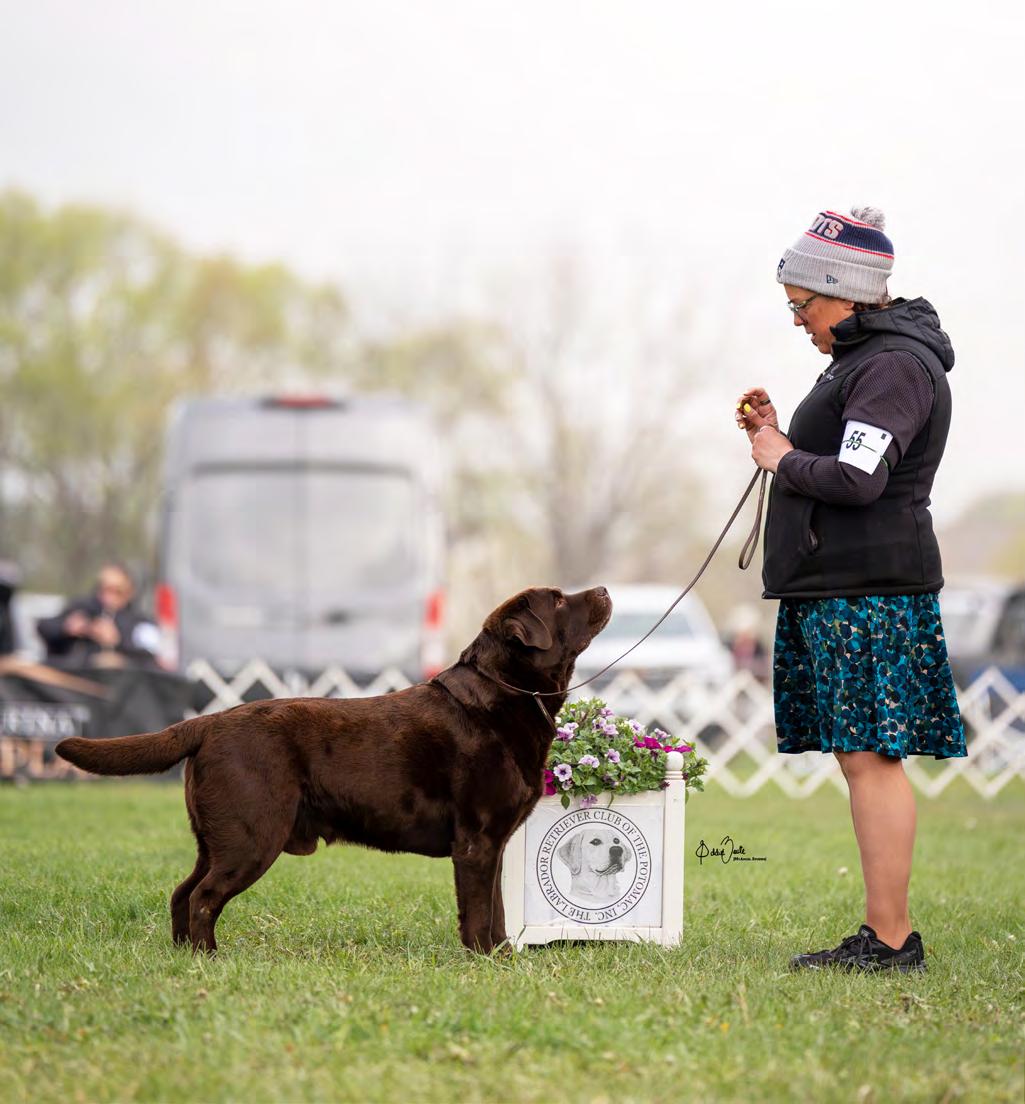
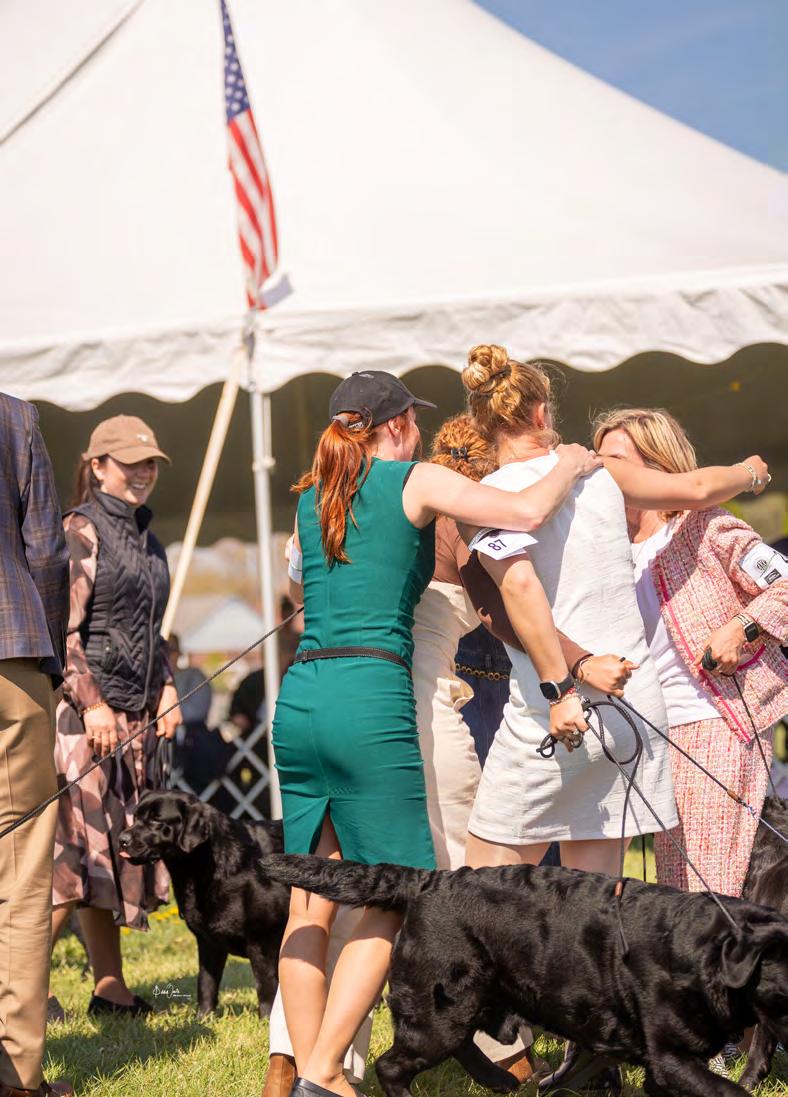
The 2026 event brings together an exceptional panel of respected breed experts and accomplished dog people from both North America and Europe.
Faith Hyndman of Buckstone Labradors will have the honor of judging Best of Breed, a role that many consider one of the highest distinctions within the Labrador community.
Traveling from Scotland, Linda McGillivray of Antonine Labradors will judge All Dog Classes and Winners Dog, bringing decades of breeding and judging experience to one of the most competitive assignments of the week.
A notable change to the judging panel was announced prior to the event. Due to unforeseen circumstances, Guy Spagnolo will no longer be available. His assignment will be filled by another highly respected Scottish breeder and judge, Mary McCulloch of Frewlings Labradors, who will officiate All Bitch Classes and Winners Bitch.
The sweepstakes competition will be shared by two accomplished Labrador breeders:
Angela Ewald (Wit’s End Labradors) will judge Dog Sweepstakes, Veteran Bitch Sweepstakes, Best in Sweepstakes, Veteran Bitch Sweepstakes, and Veteran Best of Opposite Sex.
Angela Rogalla (Brae Labradors) will judge Bitch Sweepstakes, Best Opposite to Best in Sweepstakes, Veteran Dog Sweepstakes, and Best in Veteran Sweepstakes.
Additional assignments include:
Richard Powell — Non-Regular Classes
Jessica Craun — Junior Showmanship
Russell Hornfisher and Ted G. McCall — Obedience and Rally
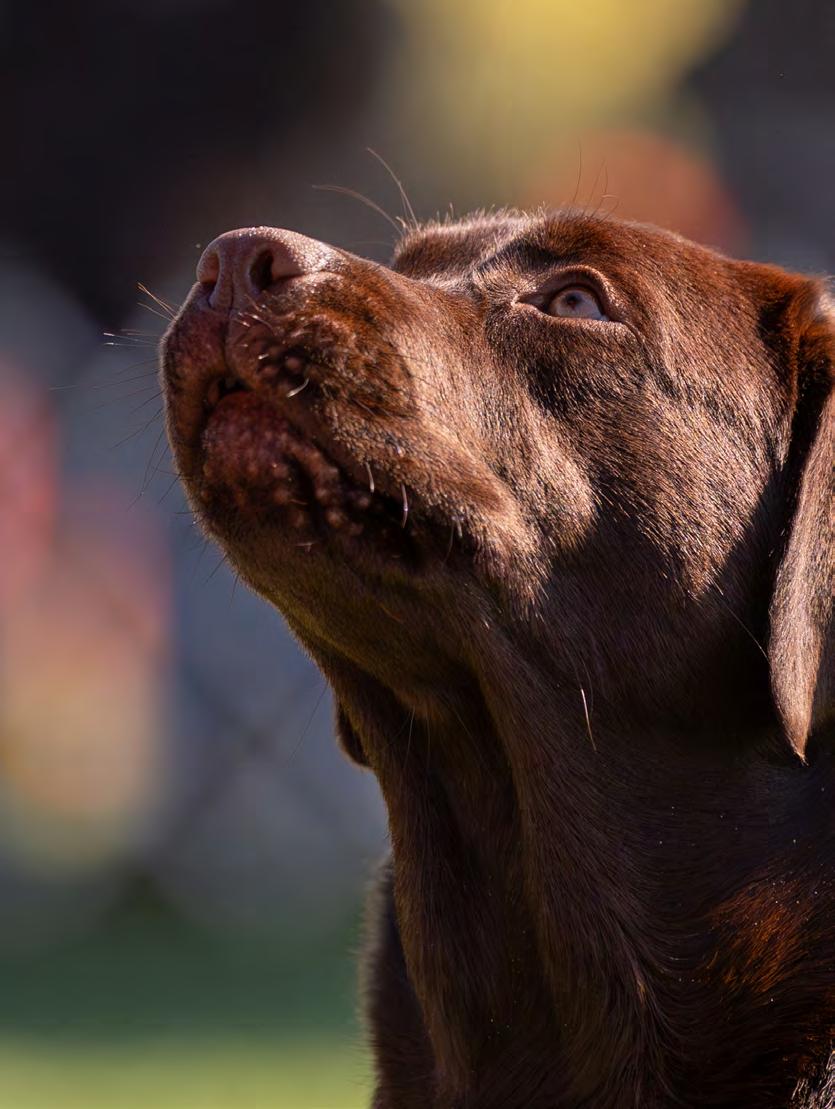
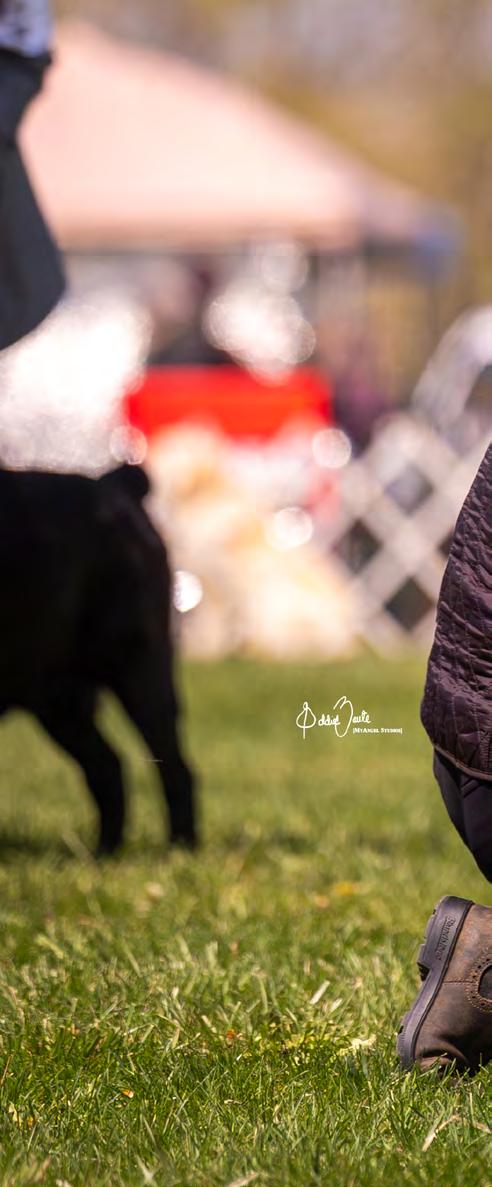
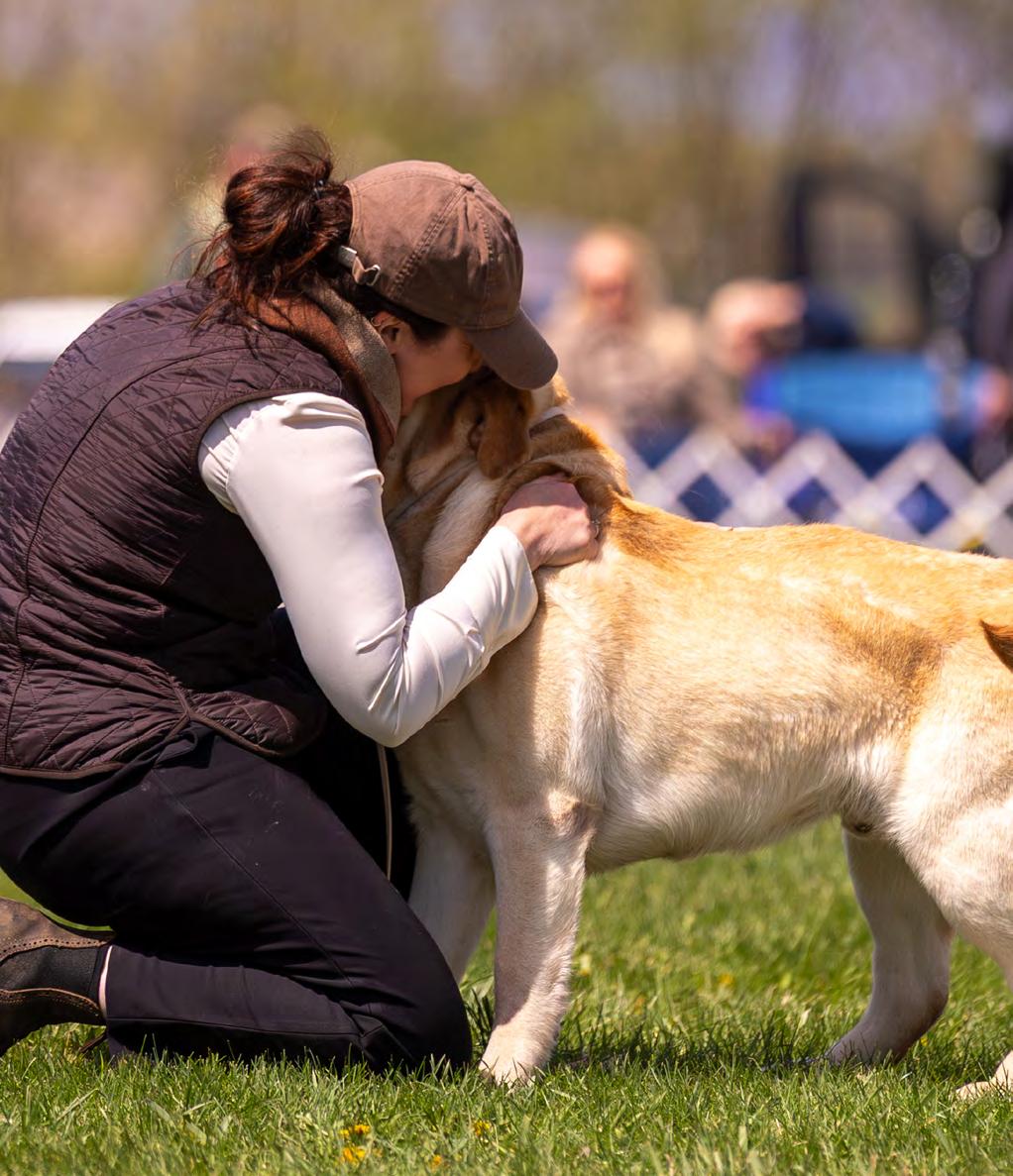
While ribbons and trophies are certainly important, what truly sets The Potomac apart is the atmosphere. It is a place where longtime friends reconnect, where future breeding programs are discussed ringside, where newcomers learn from the breed’s most respected mentors, and where generations of Labrador enthusiasts gather to celebrate their shared passion.
For breeders, it represents an opportunity to showcase years of careful planning and dedication. For exhibitors, it is a chance to compete on one of the sport’s most prestigious stages. For spectators, it is an unforgettable opportunity to witness some of the finest Labrador Retrievers in the world assembled in one location.
As April approaches, anticipation continues to build for another memorable edition of this iconic event.
Whether you come to compete, learn, reconnect with friends, or simply admire the incredible quality of the breed, one thing remains certain: The Potomac continues to stand as the ultimate celebration of the Labrador Retriever.
We look forward to seeing the Labrador world come together once again in Walkersville, Maryland, for what promises to be another remarkable week dedicated to one of the world’s most beloved breeds.
Winners Dog, Best of Winners and Best Bred By Exhibitor
Gallivant The Greatest Gift of All / Yellow Dog
Bred and owned by Owner: Mia Bjornskov Juhl & Fabian Negron
Best Puppy
Black Queen At Hyspire Bella Mare / Black Bitch
Owner: Vonnie & Jim Russell & Shannon Brown & Judy Chambers & Sonia Czajor
Breeder: Sonia Czar
Winners Bitch, Award Of Merit
Gallivant Nutty By Nature
Owner: Fabian Negron & Krista Beal & Mia Bjornskov
Bred by Fabian Negron & Mia Bjornskov Juhl & Maryann Czerwinski
Award of Merit and Best Veteran
Gch Everland’s Happy Dance
Owned and Bred by Stacey Parsons & Shawn Parsons
Award of Merit
GchB Seminary Ridge’s Last Call
Owned and bred by Adair & Steven Toddes
Award of Merit
GChP Hyspire Ghoststone A Tough Nut To Crack
Owned and bred by Judy Chambers & Vonnie Russell & Jim Russell & Shannon Brown
Award of Merit
GChB Riverdance The Show Must Go On
Owned and bred by Beth Volle
Award of Merit
GChS Paradocks Ak’s Daniel
Owned by Ari Katz & Karen Reutemann
Bred by Karen Helmers & Ari Katz & John R Helmers
Award of Merit
GChS RockyCreek Trail of Memories
Owned by Donna Germann & Kathyrn Mines
Bred by Kathyrn Mines & Deb Weinman
Award of Merit
GChS Overlook’s Oliver
Owned by Gina Rothe
Bred by Mark Rothe
Award of Merit
Ch Frakari’s Zippin’ By
Owned by Catherine Fisher
Bred by Catherine Fisher and Lisa Weiss
Award of Merit
GCh Piccadilly’s Gotta Have Shades
Owned and Bred by Nicole McCarthy & Bethanie McCarthy
Award of Merit
GChS Piccadilly’s A Shade Darker
Owned and Bred by Nicole McCarthy & Bethanie McCarthy
Award of Merit
GChP Hoffmann’s Chimichanga
Owned and Bred by Randahl Hoffmann & Jennifer Hoffmann & Ruth
A Hoffmann
Award of Merit
Ch Black Panther Bella Mare
Owned and Bred by Sonia Czar
Award of Merit
GChB Tatum Just Because
Owned and Bred by Wendy C Ernst & DJ Fowler
Award of Merit
Ch Skyfire Danrich Laugh It Up
Owned by Stephanie Harris
Bred by Stephanie Harris and Dana Richmond
Award of Merit
Ch Sassafras Tameric Dressing For Revenge
Owned by Tammy Farrington & Patricia Conte
Bred by Patricia Conte
Award of Merit
Ch Santy East Coats Whiz
Owned by Mercedes Muniz & Pedro E Olvera
Bred by Pedro E Olvera & Mercedes Muniz
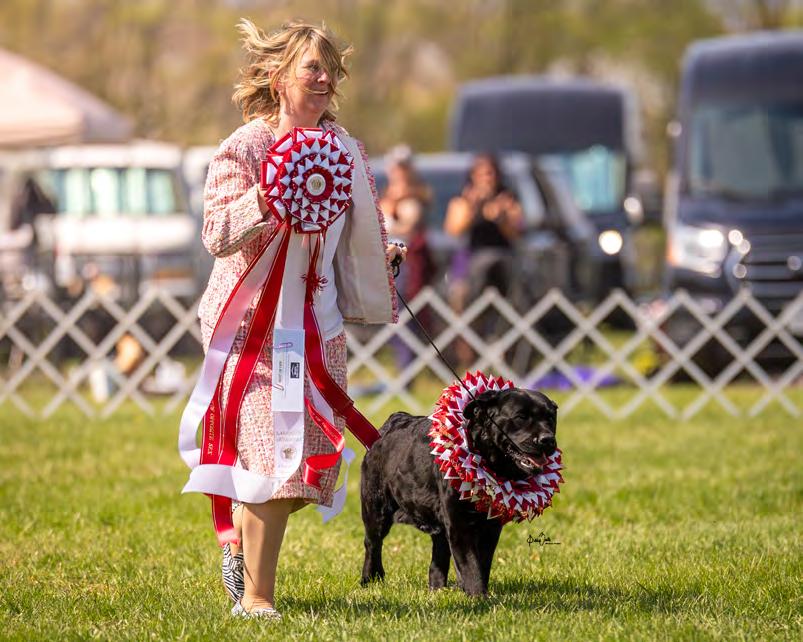
Award of Merit
Ch Pembroke Tiny Dancer At Lancelot
Owned by Patricia & Matthew Gibson & T. Shober & Robert Shober
Bred by Terrilyn Shober Robert E Shober
Award of Merit
Ch Atlantic’s To Do List
Owned and Bred by Deborah Weinman
Select Dog
GCh Hyspire Memory Lane
Owned by Manuel Queijeiro
Bred by Vonnie Russell & Jim Russell & Shannon Brown
Select Bitch
GChB Everland Dance Party at Gallivant
Owned by Fabian Negron & Mia Bjornskov Juhl
Bred by Stacey Parsons & Shawn Parsons
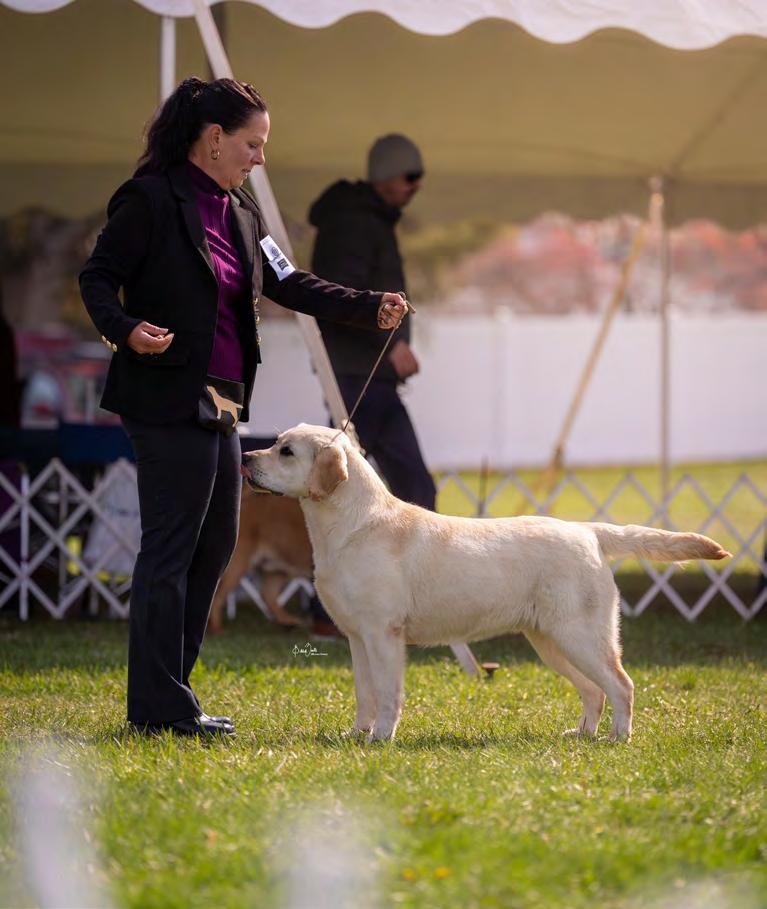
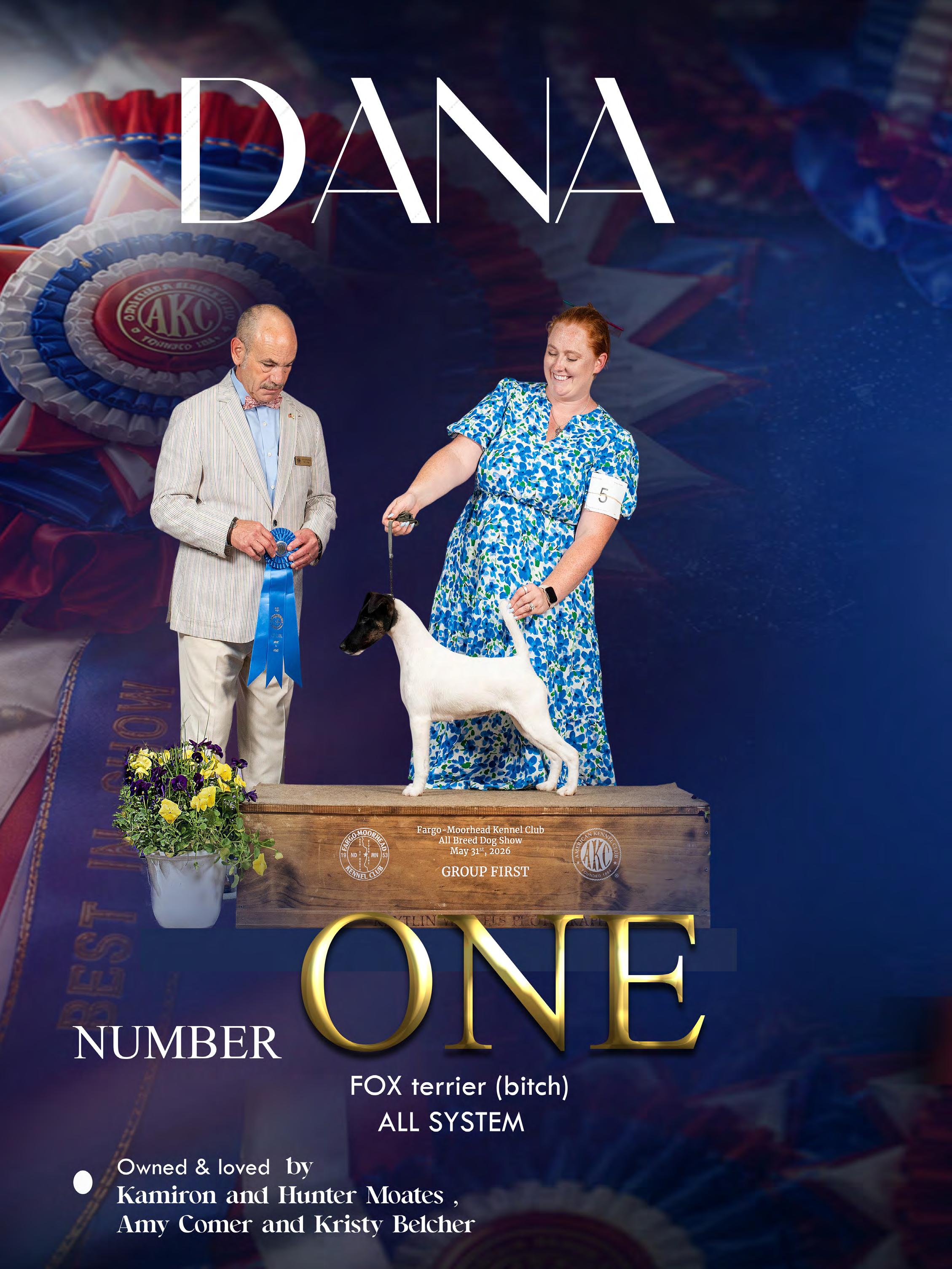
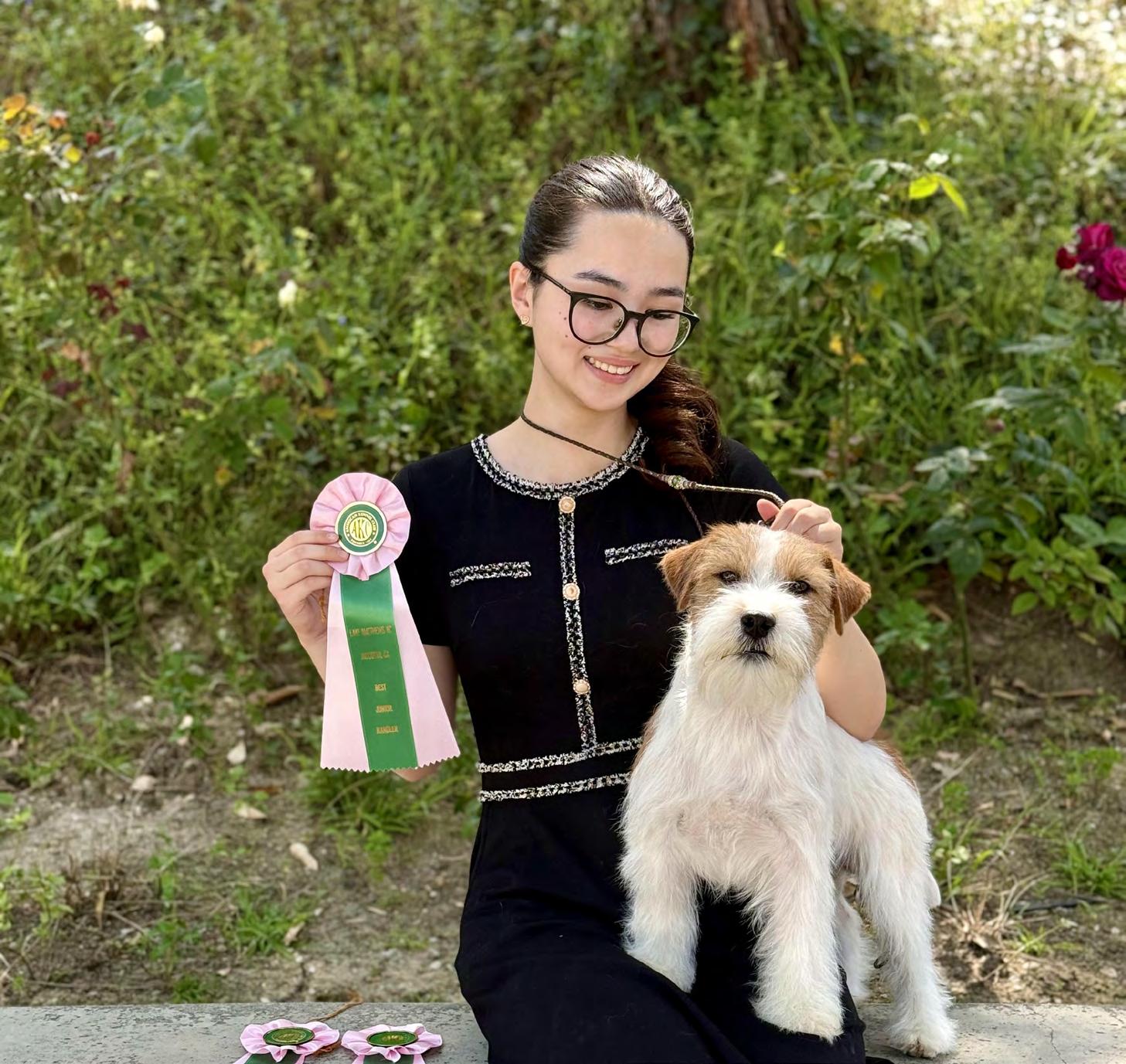
Please tell our readers how you got involved in the world of dogs and dog showing.
When I was about nine years old, my mom showed me photos of a few Samoyeds, and I decided that I was going to do whatever it took to convince my parents to let me have one. We had never owned a dog before, and we were actually cat people before we got into dog showing, but ever since we adopted our Samoyed, Teddy, we could never go back to not
owning dogs. His breeder, Shellie Pyle, agreed that we could have the pick of the litter if I decided to enter dog shows. I participated in a small UKC show, and I fell in love with the sport immediately.
Who were your mentors at the beginning of your dog journey, and do you currently have the same or any additional mentors?
At the beginning of my journey, Shellie Pyle referred me to my Junior Showmanship mentor, Jody Davidson. Jody has done so much for me in every sense, lending me her English Toy Spaniel, Cinnamon, as an easier dog to show as a Novice Junior than a Samoyed, and teaching me almost everything handling-wise that I know. She helped me learn how to groom spaniels for the show ring, as well as all of the breed-specific aspects relating to English Toys.
As I became more comfortable with showing, I was able to branch out to other breeds. Katelyn Ford trusted me with her Russell Terrier, Teemu, and I entered the fun world of terriers. Gustavo and Ashley Jimenez, as well as Bree Beery and Katelyn, have all helped me learn the art of grooming and showing a terrier, a vastly different type of dog than I was used to.
What breed or breeds have you been involved in handling?
I personally own a Samoyed, an English Toy Spaniel, and two Russell Terriers, but I have been entrusted with dozens of different breeds to show while helping other people or participating in junior specialties.
Do you currently breed, and is this something you see yourself doing in the future?
I have co-bred one English Toy litter that produced a
singleton, but if I remain this involved in the sport in the future, I would love to breed Russell Terriers the most.
What, in your words, is the purpose of dog shows?
I believe that dog shows should preserve the well-being of all breeds by promoting responsible and careful breeding, as well as health testing.
Do you find it difficult to balance your personal life, school, and dog show life? How do you make time to fit everything in?
It takes a lot of work and communication with my teachers to maintain my straight As, but I have managed to do it since I started showing. I attend an in-person school, but my administration is very accommodating of my absences as long as I keep up with my schoolwork. Because shows are typically on weekends, I still find enough time during the week to socialize with my friends and family.
What profession would you like to have as an adult?
I really want to work somewhere in the medical field, possibly in surgery. Science is my favorite subject in school, and I take college classes at Arizona State University to supplement my interests.
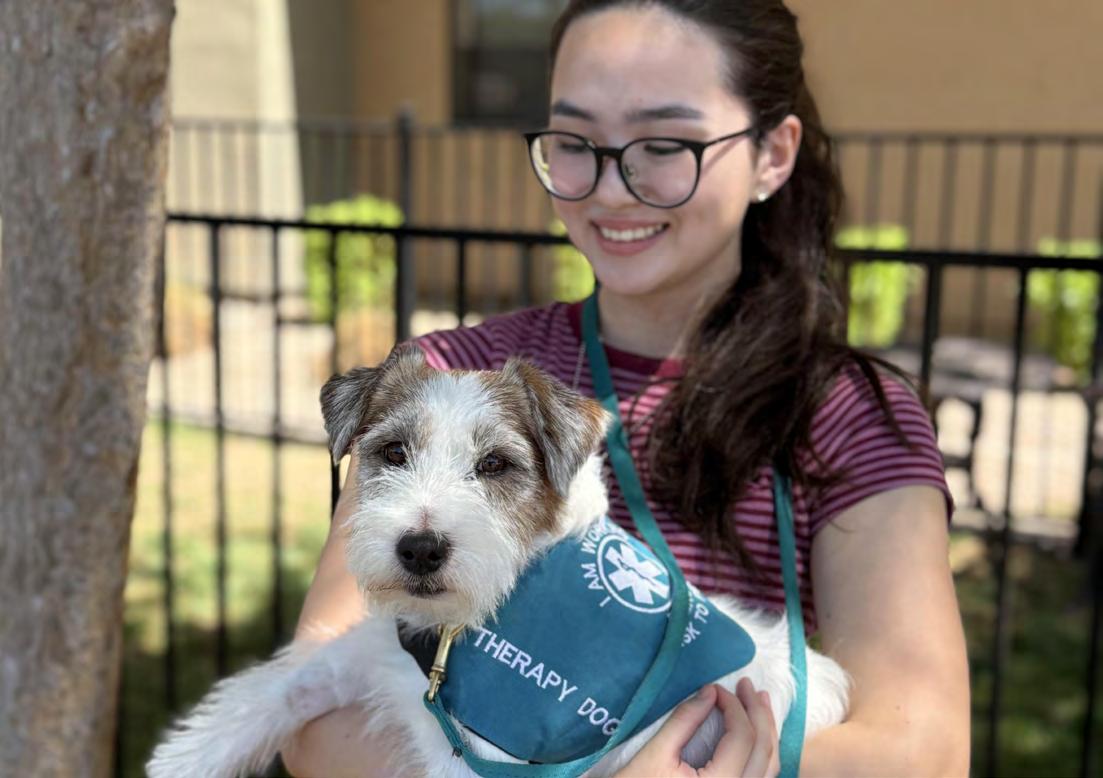
My Russell Terrier, Teemu, is a certified therapy dog, and we visit care centers and hospitals to help make people happy. I would love to continue training therapy dogs to do the same in the future, and hopefully I would be able to bring them to any medical facility where I work to help patients through an Animal-Assisted Intervention program.
Do you prefer handling table dogs or larger dogs?
I have always preferred handling table dogs because working with small dogs comes more naturally to me. Especially when I first started, I was not a very graceful runner, and with my blood pressure issues, walking has been the most accessible option for me. I also enjoy paying attention to detail, and when stacking a small dog, there is a much smaller margin for error considering how tiny their legs are.
Is there a certain coat you prefer to prepare for the ring?
I have always loved grooming my English Toy Spaniel’s coat, but terriers have really grown on me the more I have shown my Russells. In my opinion, terrier grooming is difficult because you are not able to procrastinate and do almost everything right before a show, but dealing with a spaniel coat is challenging because of the maintenance required during the show, such as making sure the dog does not put its freshly groomed ears in its water bowl.
What professional handlers or owner-handlers inspire you?
I really admire all the handlers in the community who go out of their way to support junior handlers and make us feel welcome in the ring. Jody Davidson helped mentor me and so many other kids who were brand new to the sport and was willing to lend her dogs to any junior who needed one.
When my dog, Cinnamon, went into season right before Nationals, Katelyn Ford immediately offered Teemu for me to show, and we have been a team ever since. Erin Karst is another professional handler who is very encouraging and great with juniors, and she understands all that goes into Junior Showmanship.
My grooming mentor, Gustavo Jimenez, has taught me almost everything I know about terrier stripping and maintenance, and I will always be impressed by the skill and precision he demonstrates while making even the fiercest terriers look neat. An owner-handler and breeder who has also done so much for me is Bree Beery. She trained my current junior dog to detect peanuts and tree nuts in food as an allergy-alert service dog, and I
would love to learn more about training service dogs myself. I also admire her breeding program because all of her Russells have amazing temperaments.
If you could be an assistant for any handler, past or present, who would it be and what would you hope to learn from them?
A handler whom I have always admired and would love to learn from is Riley Capton. She was also a Junior Handler and showed mainly Russell Terriers, so she would be able to give me valuable feedback on how to improve both my handling and grooming skills.
What dog, at any point in time, do you wish you could handle and why?
Since I first saw a Great Pyrenees at a dog show when I was an Open Junior, I have been intrigued by their beautiful coat and impressive size. Although my current lifestyle is not compatible with a livestock guardian dog, I would love the opportunity to show one so that I could interact with the breed more closely.
Do you show your own dogs in breed competition? If so, what breeds?
Although my main focus in conformation is Junior Showmanship, I currently enjoy entering my Russell Terriers in breed competition to give them more experience and to have fun. My older Russell, Teemu, is a veteran, and because he enjoys his time in the ring, we occasionally bring him out of retirement to compete in the Veteran Class.
I used to show my English Toy Spaniel in the breed ring when I was a younger junior, but once she earned her
Grand Champion title, I shifted my focus more toward showing Russells. I have also entered my Samoyed, Teddy, in breed competition a few times, but he prefers being a pet rather than a show dog.
What have been some of your greatest achievements in the breed ring?
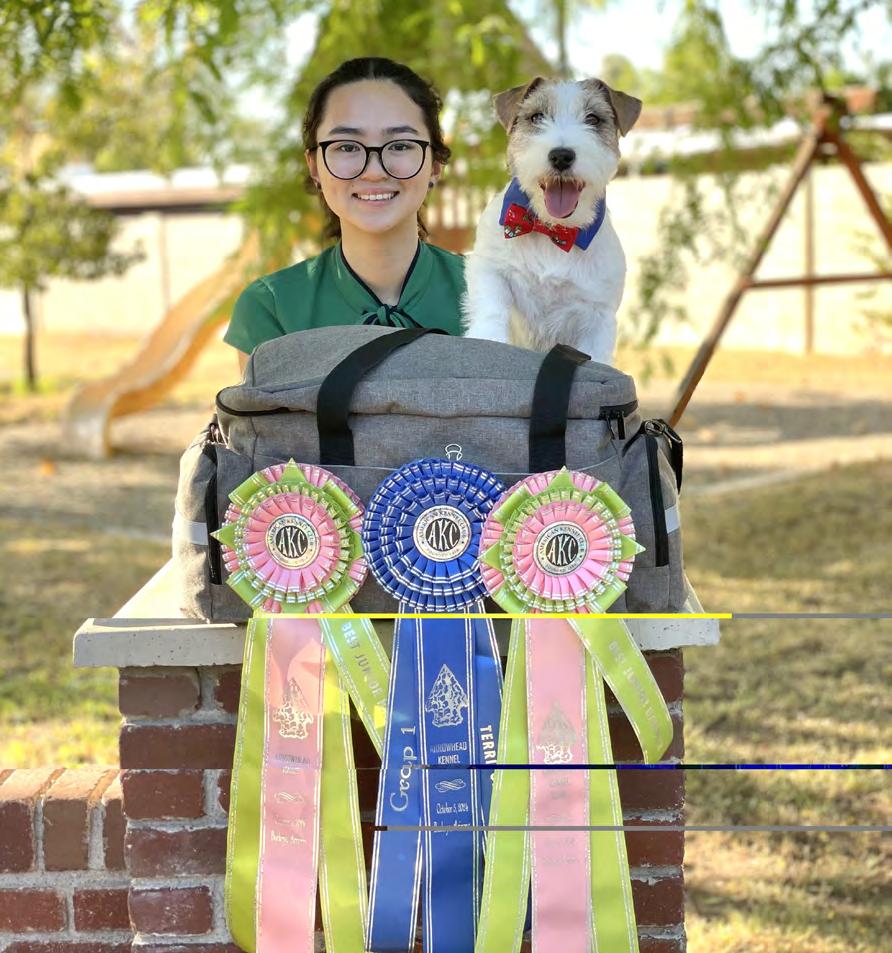
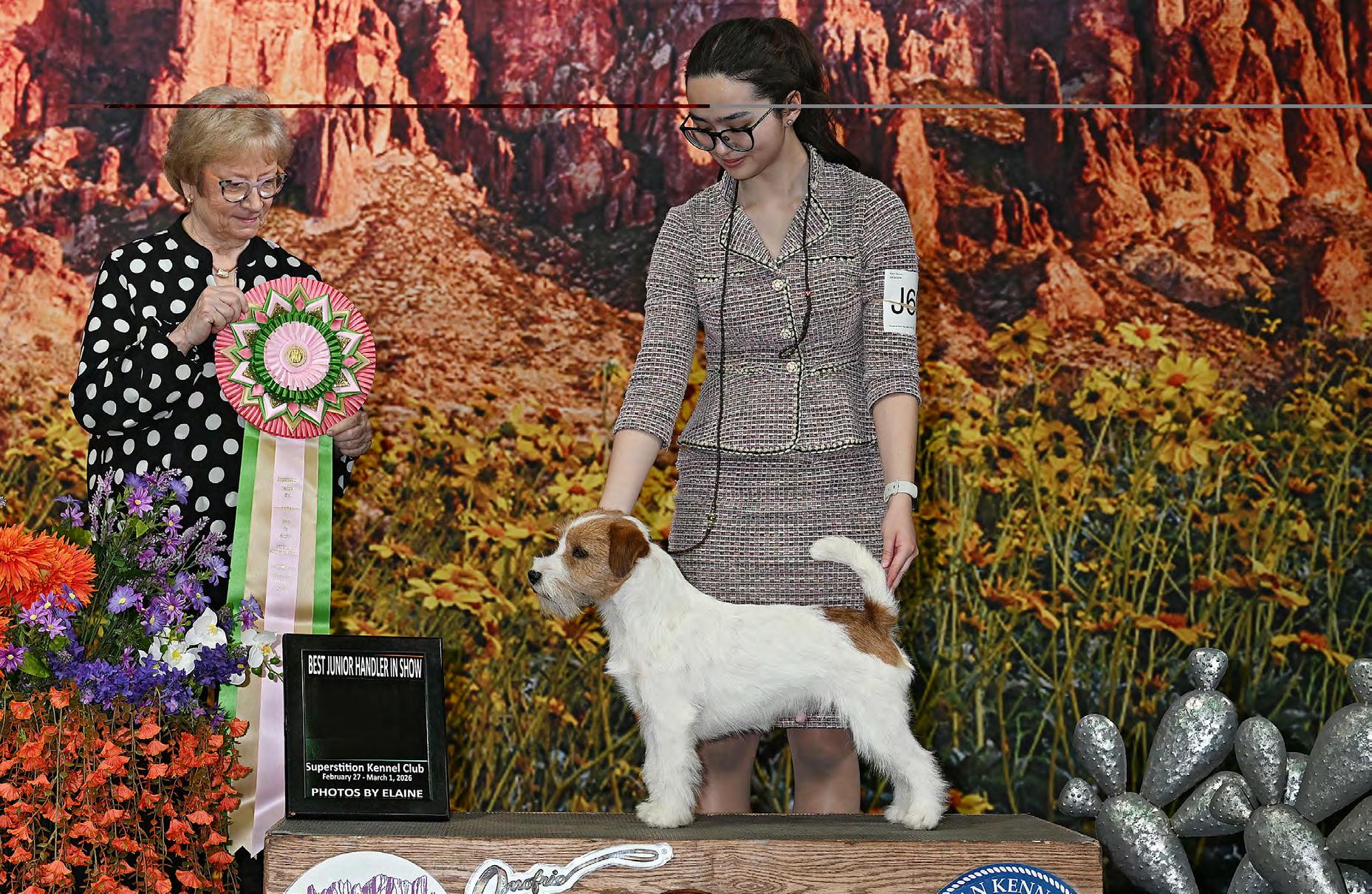
Throughout my career, I have earned breed titles on quite a few dogs, but the achievements that stand out most involve Teemu. In 2024, we won the Group at the Arrowhead Kennel Club show in Buckeye, Arizona, and I had the honor of competing in the Best in Show ring, which was an extraordinary experience.
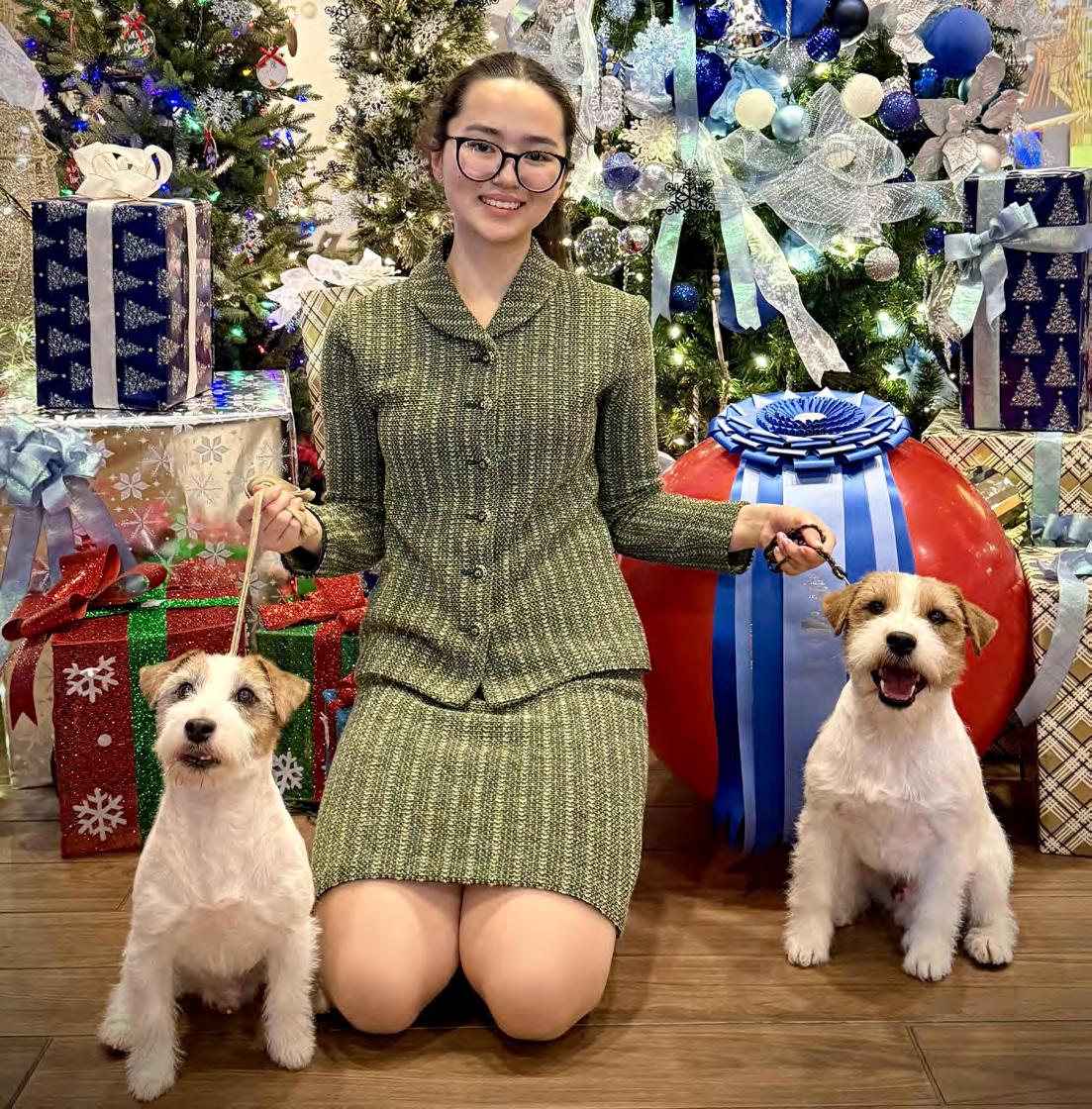
Another major accomplishment was Teemu’s Veteran Best in Show win at the Plum Creek Kennel Club of Colorado show. We both had so much fun in the ring that day, and Teemu was on his absolute best behavior.
If you could not show your own dogs, what handler would you ask to show them?
A handler I trust completely with my dogs is one of my junior best friends, Malia Roberts. Malia lives in my region, and we frequently help each other manage ring conflicts by handing dogs off to one another. I trust her handling skills fully, whether she is showing my energetic working dog or being patient with my sensitive toy dog.
What is your favorite show of the year to attend, and why?
My all-time favorite show has always been the AKC National Championship in Orlando and the week of shows leading up to it. I have attended every year since
I was eleven, and I love almost everything about it. There are plenty of places to exercise your dog, great vendors, and endless opportunities to explore between ring times.
Saturday, in particular, has an incredible atmosphere because of the level of competition. Seeing my junior friends from across the country all in one place for an entire week always creates unforgettable memories.
Have you been to any shows outside of the USA? If not, would you like to?
I have never attended a dog show outside of the United States, but I would love to attend Crufts in England, either as an exhibitor or a spectator. The way dog breeds are organized into groups is different there, and
I would enjoy seeing what other aspects of the sport are done uniquely.
Is there anything you wish judges understood more when it comes to judging Junior Showmanship?
One thing I have encountered throughout my Junior Showmanship career is that some kids are rewarded because they are flashy, while others are rewarded for being understated. I believe that, especially in juniors, neither style should be strongly rewarded or penalized because handling style depends greatly on the breed being shown.
A child showing a Bulldog should not be expected to mimic the presentation style of a Doberman handler because the way those two breeds are shown is completely different.
Junior handlers are the future of the sport. Do you feel that you and other juniors are treated with the respect you deserve and inspired to stay in the sport?
In general, I have received wonderful treatment from almost everyone I have interacted with. I always appreciate when more experienced handlers help juniors in all aspects of showing because, as a firstgeneration dog show exhibitor, I truly depended on the support of people within the dog show community in order to continue participating in the sport.
Do you have any pastimes outside of the world of dogs?
In my free time, I enjoy playing the cello and piano, as well as creating visual art through painting and felting. During the school year, I run an animal care and welfare club that volunteers at a farm to help care for animals and assist with farm work.
I also participate in my school’s National Latin League team, which recently won first place in the Southwest Region. For physical activity, I attend Pilates classes, and I also hold a black belt in Tae Kwon Do.
What are your personal future goals in the world of dogs?
I want to finish my Junior Showmanship career strong by putting a great deal of effort into my final years as a junior. I hope to remain involved in dog shows throughout college and beyond, and I plan to become even more active again after graduation.
Finally, I want to continue training therapy dogs and eventually attempt to train my own allergy-alert dogs in the future.
I edited the interview for grammar, punctuation,
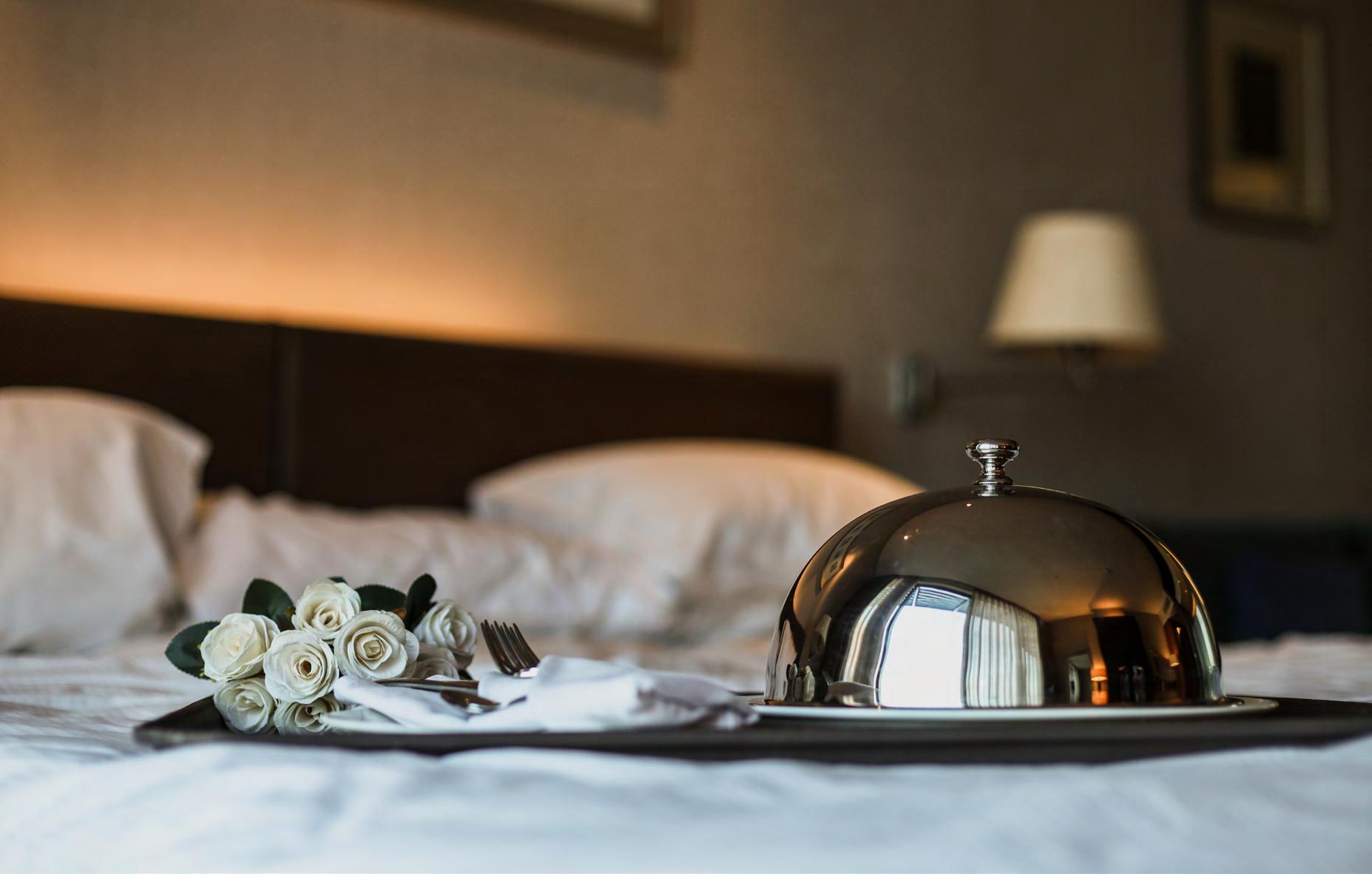
For many exhibitors, handlers, and breeders, hotel costs are one of the biggest expenses during a dog show season. While we often focus on entry fees and fuel, hotel stays can quietly become one of the largest annual expenses - especially for those traveling every weekend.
The good news is that many dog show people are leaving money on the table without realizing it.
By understanding hotel loyalty programs, credit card rewards, and a few simple booking strategies, it is possible to reduce travel costs significantly while enjoying additional benefits along the way.
One of the biggest mistakes travelers make is constantly switching hotel brands.
If you regularly stay at hotels for dog shows, consider choosing one primary hotel group such as Marriott, Hilton, or Hyatt and concentrating your stays there. Loyalty programs reward consistency, and over time those stays can earn free nights, room upgrades, bonus points, late check-out privileges, and other travel perks.
Many dog show exhibitors travel enough each year to achieve meaningful status without even realizing it.
One of the most popular tools among frequent travelers is the American Express Membership Rewards program.
Unlike many reward systems, Membership Rewards points can often be transferred to airline and hotel partners, giving travelers flexibility when booking future trips. American Express points can be transferred to numerous travel partners, including major hotel and airline loyalty programs.
For people traveling frequently to dog shows, flexibility can be extremely valuable.
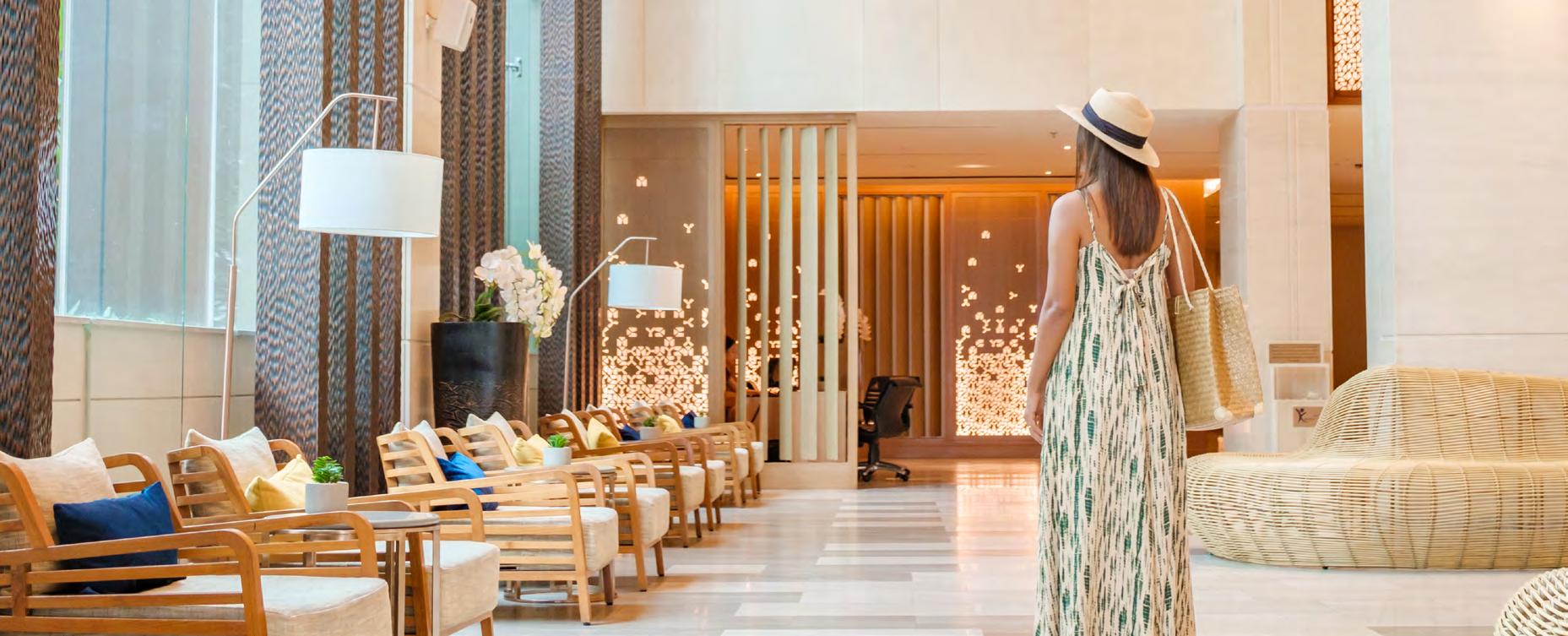
A free hotel night may seem insignificant at first, but over the course of a season, points can accumulate quickly.
Imagine spending $200 per night with 40 nights per year, that’s $8,000 annually in hotel expenses.
Those same stays can generate thousands of hotel points, which can later be redeemed for free nights during major specialties, national events, or family vacations.

Hotel Benefits Many Travelers Don’t Know About
Certain premium American Express cards offer hotel-related benefits that frequent travelers often find valuable.
For example, eligible cardholders may receive complimentary hotel status with programs such as Marriott Bonvoy and Hilton Honors, which can provide benefits like bonus points, late check-out, room upgrades when available, and other perks.
Some American Express travel bookings can also include benefits such as complimentary breakfast, property credits, room upgrades when available, and guaranteed late checkout at participating properties.
While these benefits may not make sense for every traveler, they can create substantial value for people spending dozens of nights in hotels each year.
One of the most important lessons in personal finance is that small improvements compound over time.
Saving: $20 per hotel night, earning a few thousand extra points, receiving a complimentary breakfast, earning a free night every few months... may not seem significant during a single weekend. But over an entire show season, those benefits can easily add up to hundreds or even thousands of dollars.
The goal is not to spend more money.
The goal is to make the money we are already spending work harder for us.
In future editions of Ringside Finance, we’ll dive deeper into airline miles, airport lounge access, credit card strategies, expense tracking, and real-world examples of how dog show professionals can turn travel expenses into meaningful rewards.
Because winning isn’t only about what happens inside the ring—sometimes it’s about making smarter decisions on the road to get there.
Many major hotel chains offer discounted member rates that are available simply by joining their free loyalty program. Before booking your next dog show weekend, spend two minutes signing up. The savings may seem small on one stay, but over dozens of weekends each year, they can add up quickly.
The Best in Show Magazine team has introduced a new way to keep everyone engaged while giving every exhibitor the same opportunity to share their latest achievements.
Every Monday, visit our Facebook page by scanning the QR code on this ad. You’ll find our Monday Results Post, where you can submit your latest show results.
To be featured in an upcoming issue of BIS Magazine, please include the following information in this exact order:
Date of the Show
Show Name
Place of the Show
Dog Name
Dog’s Result
Dog Owner
Judge
Submissions that follow this format will be published in the next available issue of BIS Magazine.

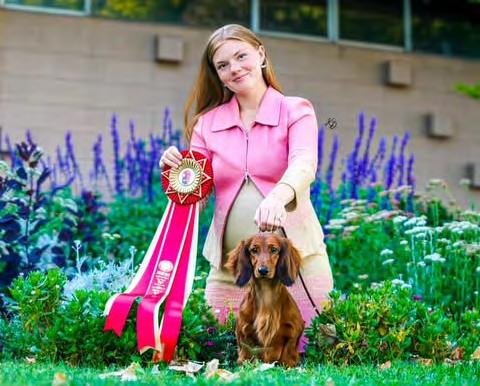
Coyote Hills KC 5/16/2026
GCHB Pramada Koradox Shake Your Groove Thing
SL
Group Judge: Gloria Kerr, BIS judge: William deVilleneuve
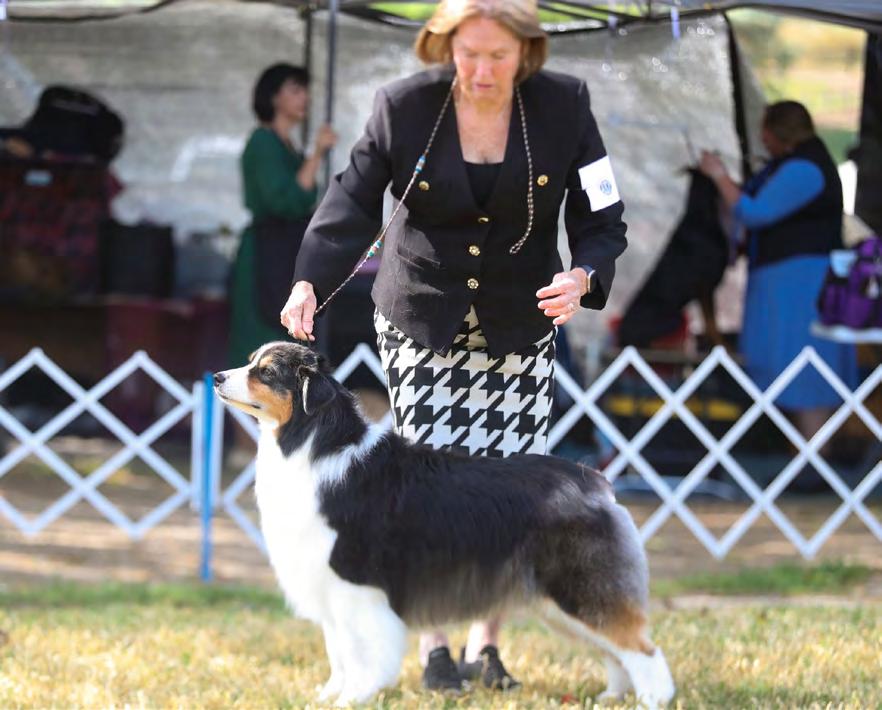
April Cabrillo Kennel Club 04/3-4/2026
Best Of Breed, Group 3 and Group 4
GCH Shadomoons Get Your Buzz
Judge: John Wade
Owned by Janis Calkis
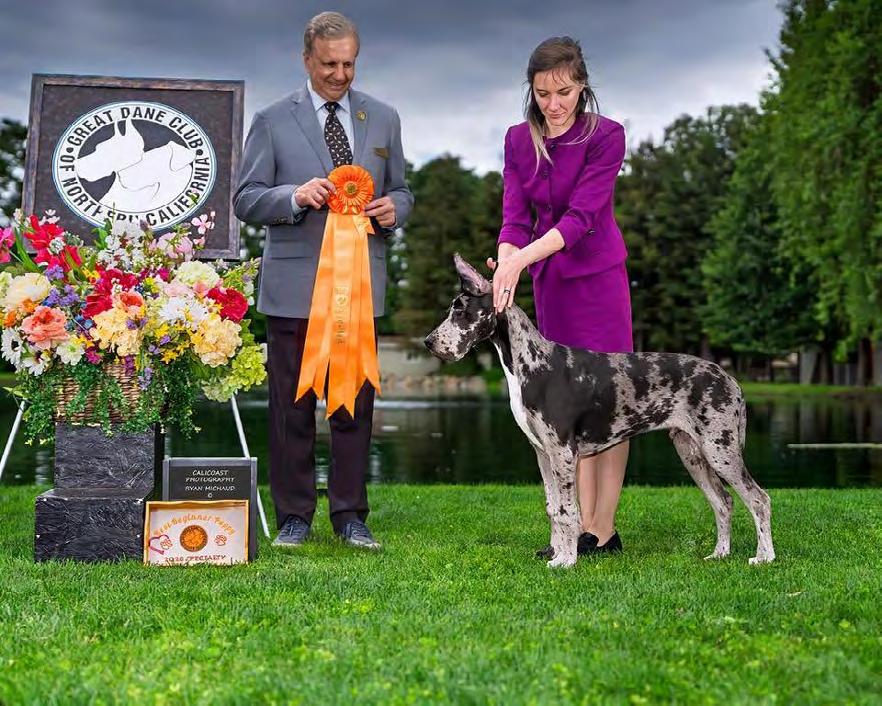
Great Dane Club of Northern California - 4/26/26
Best 4-6 Month Puppy in Specialty!!
Danu Dun Roman’s Oh The Magic You’ll Know CGC
VHMP VHMA TKN VSWB
Owned by Olga Maderych
Judge: Robert Edison
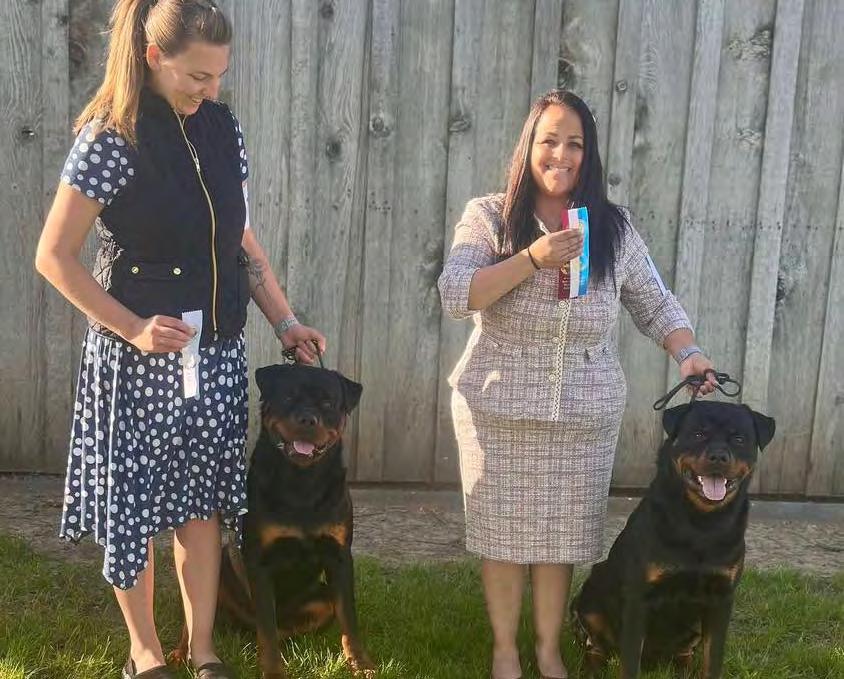
San Mateo Kennel Club, Inc. 03/20/26
Select
CH Oran’s Don Juan’s Sparkling Black Diamond V Groth
Best of Winners
CH Oran’s The Victory Of Truth Over Lies
Owned by Donna Mckernan Tallman
Judge Mrs. Donnelle Richards
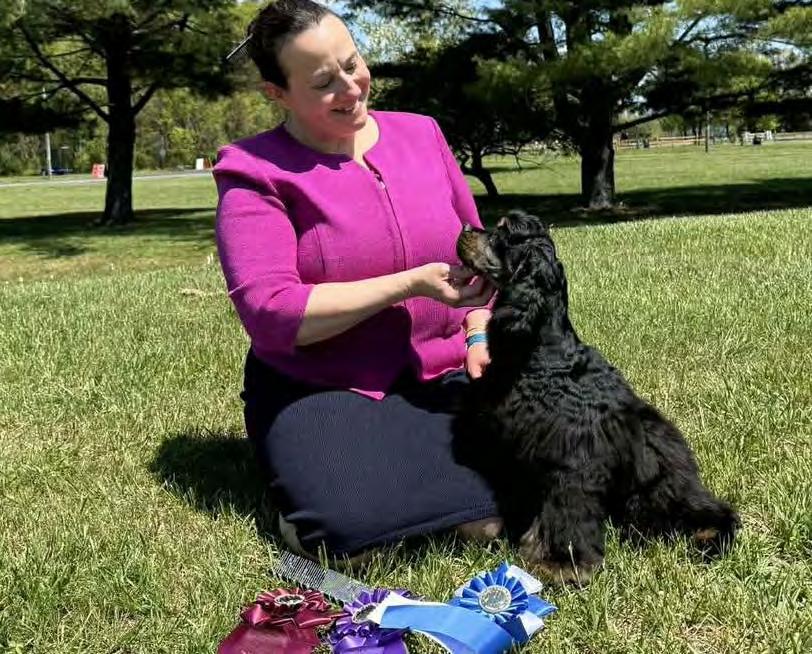
Cocker Spaniel Club of NJ 05/01/2026
Winners Dog and Best of Winners
Silverhall Impulse By Kismet
Owned by Jaime Howard
Judge Alessandra Folz
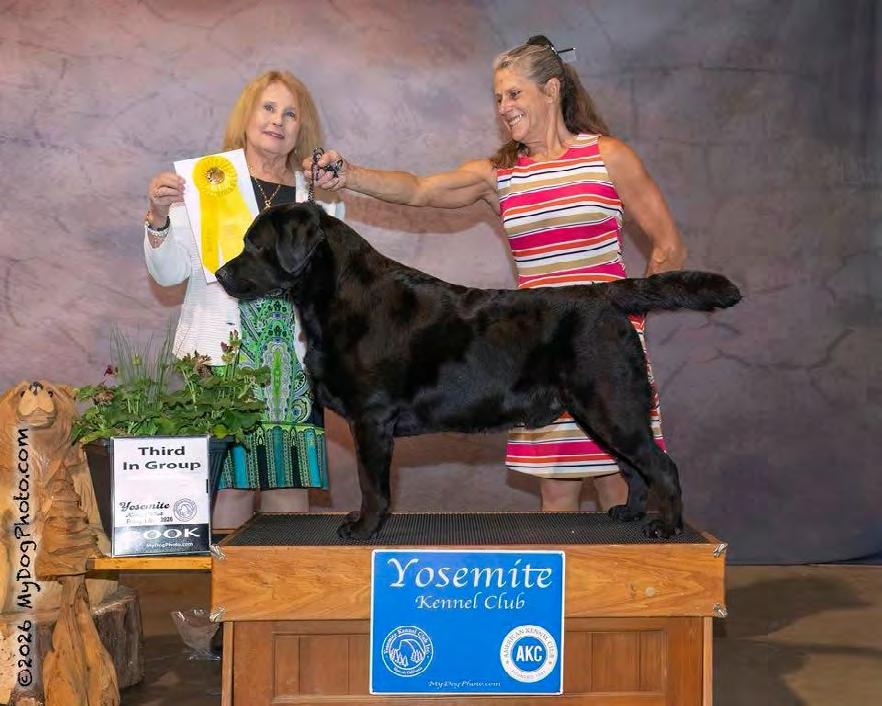
Yosemite Kennel Club
Best of Breed and Group 3
GCH Rosslyn’s Magnum Opus WC, CGC, TKN, FDC
Presented by Sonda Peterson
Owner Lisa Montoya
Judge Christine Calcinari
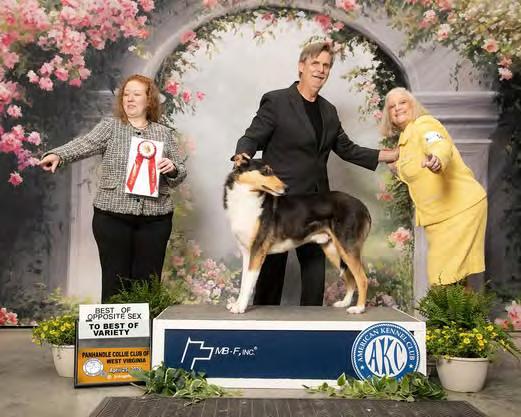
Panhandle Collie Club of West Verginia 04/25/2026
GCHB Headline & Shepherds’ Mission Commander N Chief
Owner: Tammie Priebe-Jacobs
Judge: Michelle Esch Brooks
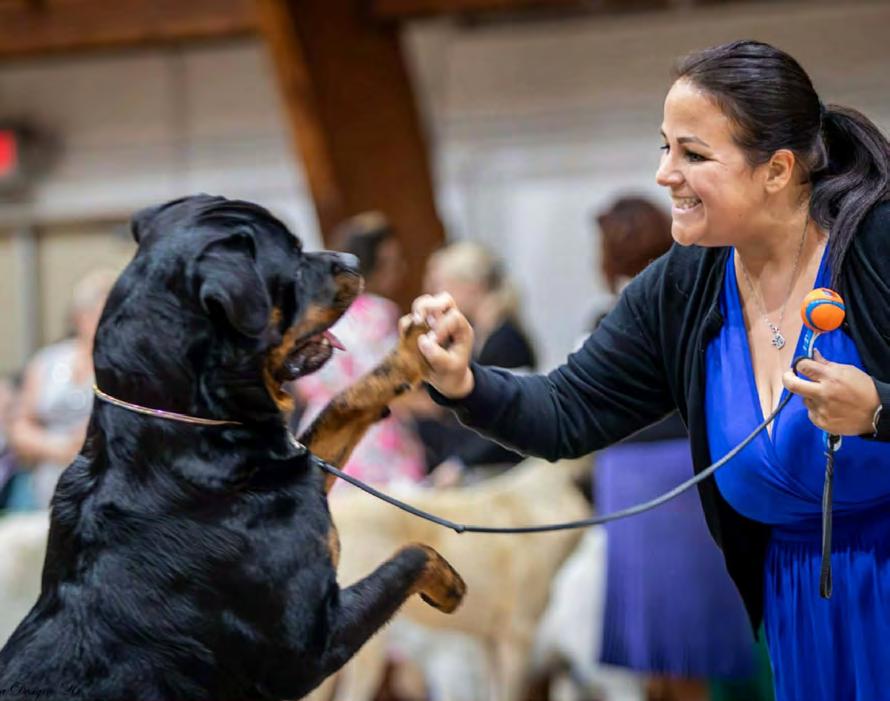
Sacramento kennel Club 4/11/2026
Best of Breed and Group 4
Ch Oran’s The Victory Of Truth Over Lies FCD CGC
ATT
Owned by Michelle Oran
Breed Judge Harry “Butch”S chulman
Group Judge Philip John
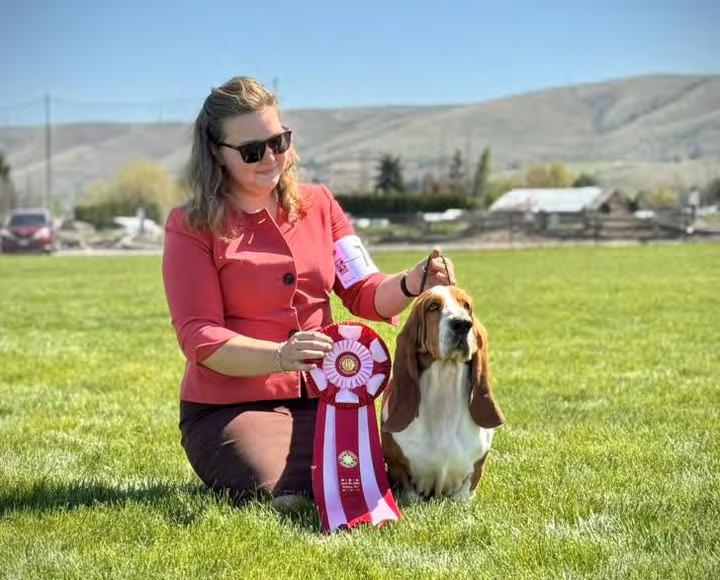
GCHS Hades de Espeazorras Group 2
Owned by Mallori Seifert
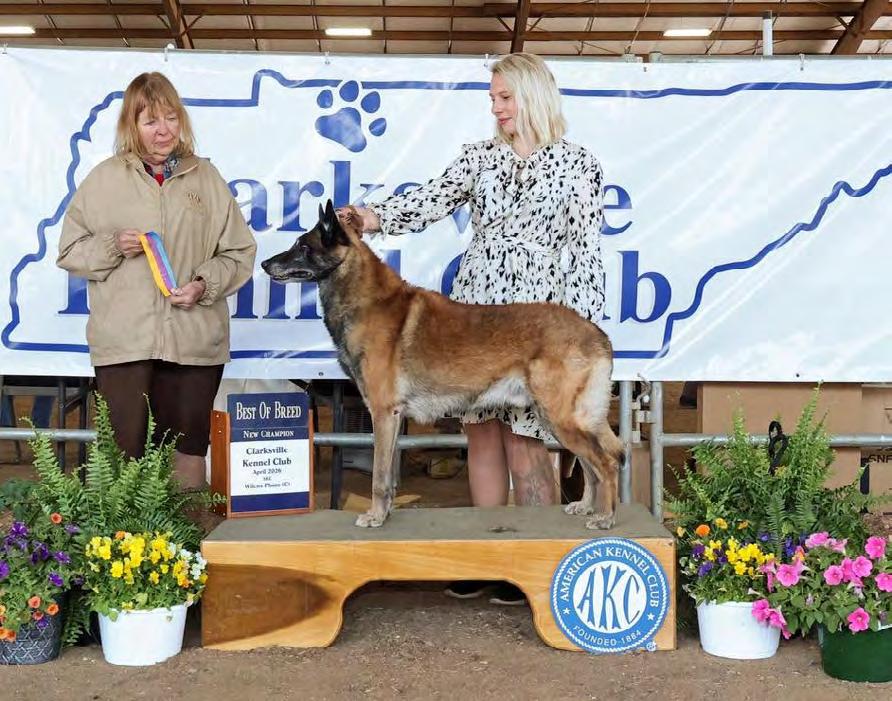
Ch Mohawks Chuck Norris IGP2, CGC
Owned by Jill Lyden
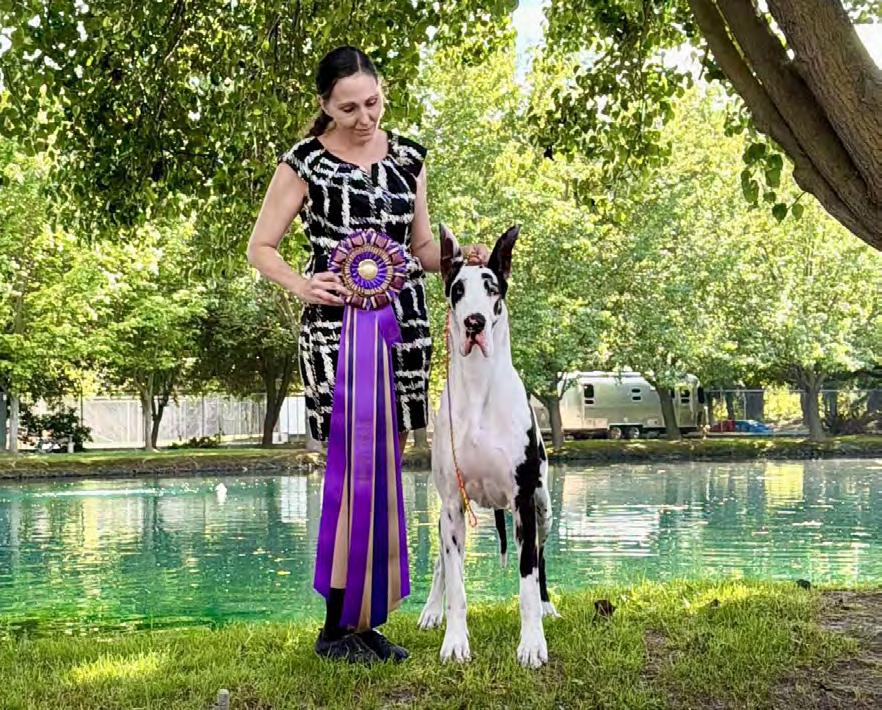
Monterey Bay Great Dane Club Specialty Show
04/23/2026
Best in Specialty Show
GCH Danu’s Mercyful Fate CGCA CGCU TKN GDCA VA
Owned by Melissa Pevy
Judge Mrs Gina M Jaeblon
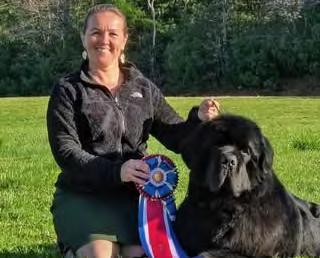
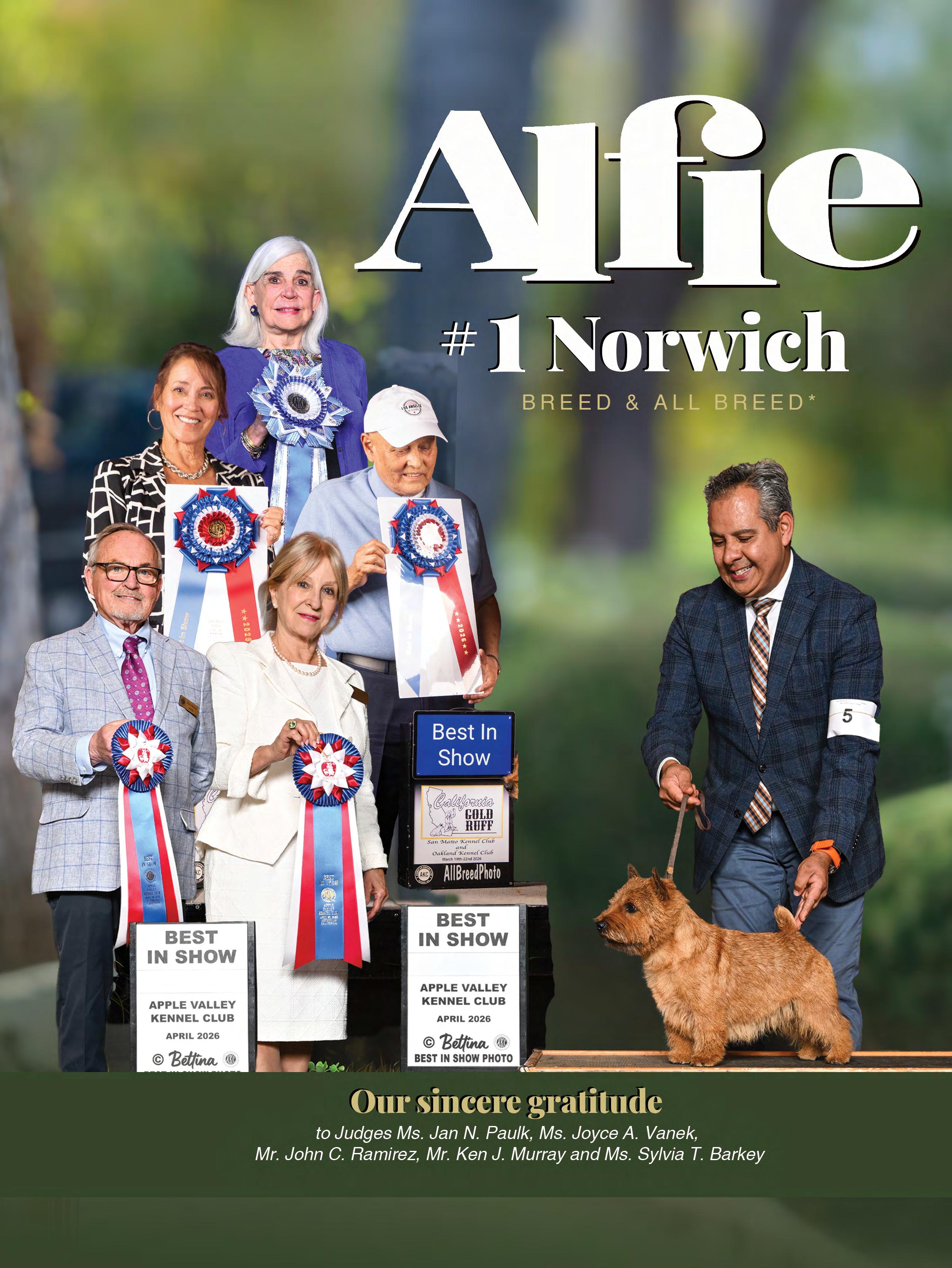
South County Kennel Club, Rhode Island Reserve BIS and BEST IN SHOW
GCHG EvenKeel N Bowater Anchors Aweigh A Storm Is Coming
Owned by Meredith Swierzbin Moore
judge: Nathaniel Horn for RBIS
Judge: Anik Primeau for Best In Show
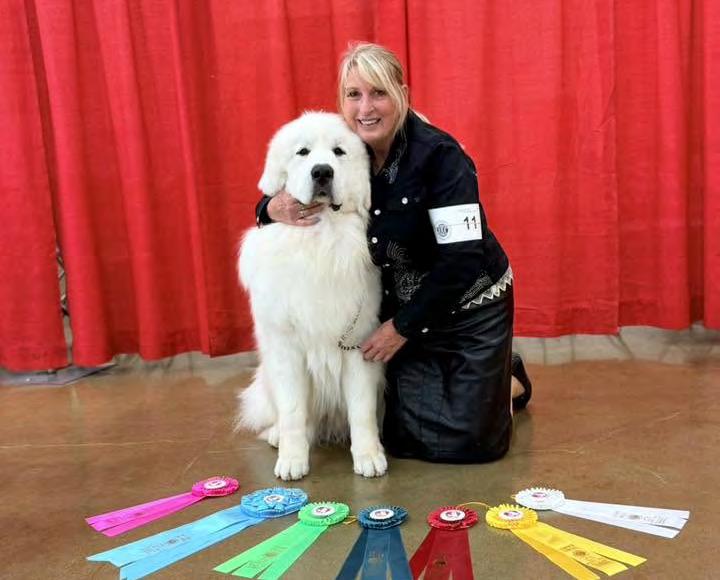
Apple Valley KC 04/24-26/2026
Groups 2, 3 and 4 and NOHS Groups 1, 2 and 3
NOHS Best in Show
GCH R Pyr Rocky Mountain Hi! CGC BCAT
Owned by Terrie Strom
Judge: Ken Murray, Sylvia Barkey, Nancy Simmons and Debra Thornton
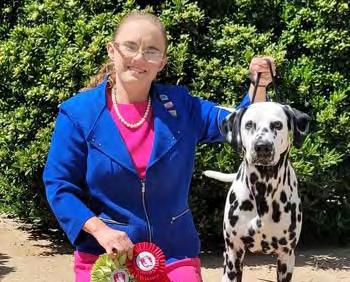
Apple Valley Kennel Club 04/24/2026
Group 2 and NOHS Reserve Best in Show
GCH Regal Dal’s Turn On The Lights RE BCAT CGCA FITG
Judge: Mrs. Nancy Simmons
OHRBIS Judge: Mr. Ken Murray
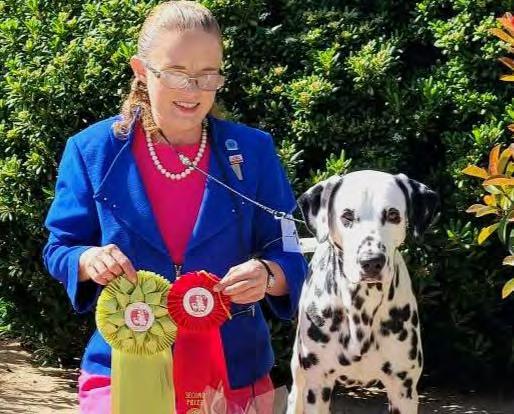
Apple Valley Kennel Club 04/26/2026
Group 2 NOHS Reserve Best in Show
GCHG Regal Dal’s Unraveling The Double Helix BN RE CGCA CGCU TKA ATT VHMA FITG
Owner Jackie Wooden
Judge: Ms. Sylvia T. Barkey
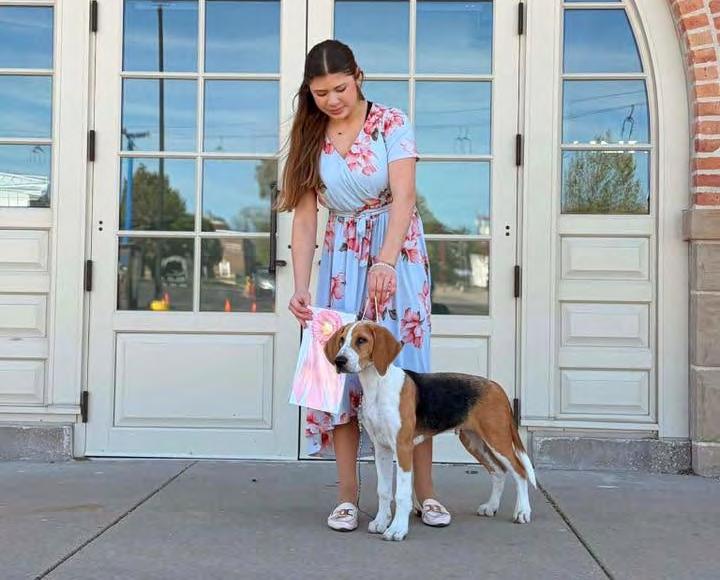
Champagne Illinois Kennel Club 4/25/2026
Best in Show Puppy
Darkfire High-Tech Rope The Moon
Owner: Charlotte Burkemper
Judges: William Roper, Beth Downey
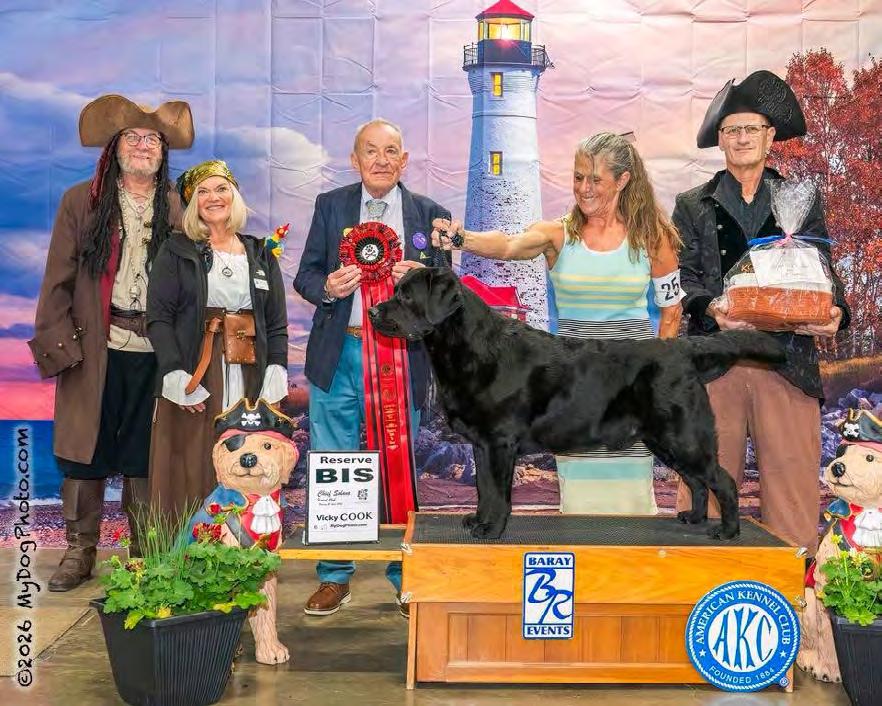
Chief Solano Kennel Club Salty Dogs Cluster
Group 1 and Reserve Best in Show
GCH Rosslyn’s Magnum Opus WC CGC TKN FDC
Owner: Lisa Montoya
Handler: Sonda Peterson
Judge: Desmond Murphy
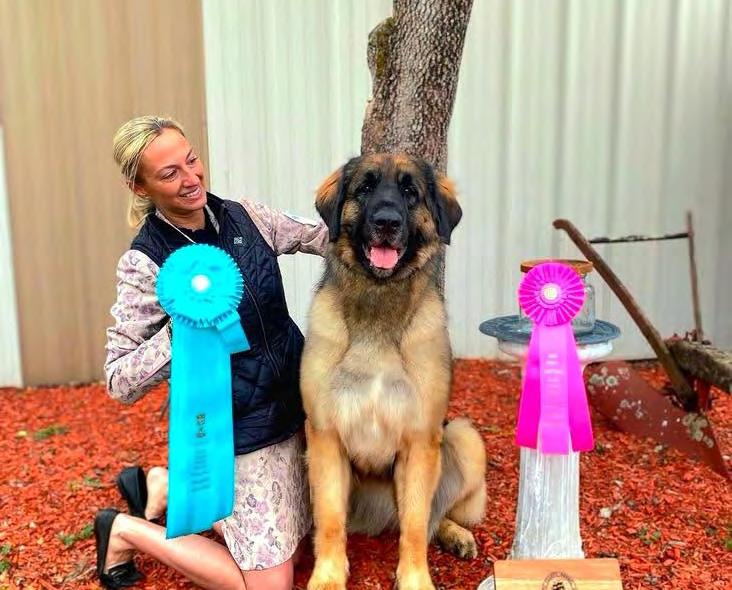
South County Kennel Club 04/25/2026
NOHS Best in Show
GCH Conquests Moonlight After Dark DCAT BCAT
Owner: Alameda Badillo
Judge: Shalisa Neely
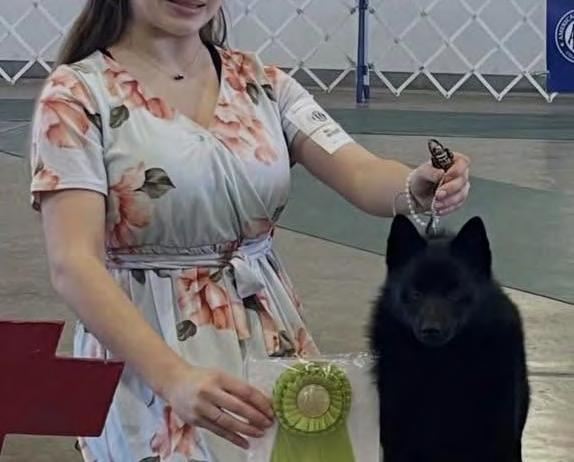
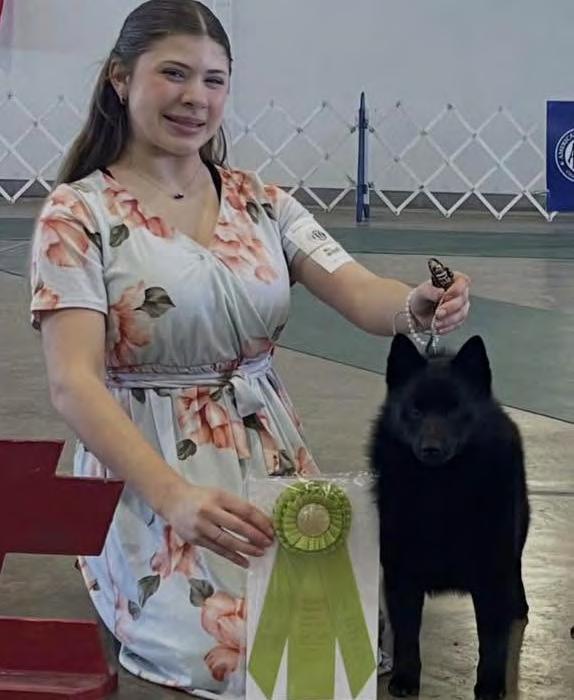
Champagne Illinois kennel Club 4/25/2026
OH Reserve Best in Show
GCHB CH Topperlyns Heartbreaker BCAT
Owner: Charlotte Burkemper
Judge: Neil T. McDevitt
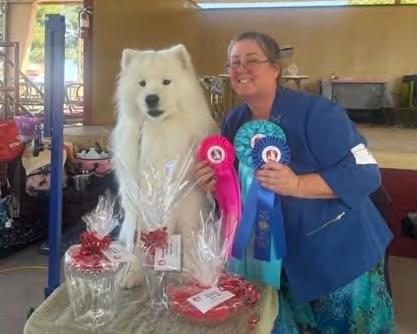
Apple Valley Kennel Club 04/24/2026
Working Group 1 & Owner Handled Best in Show
GCHB Bark Bark N Sarge’s Heartbreak Ridge
Owner/Handler Jen Ruff
Judge Sylvia T Barkey and Ken J Murray
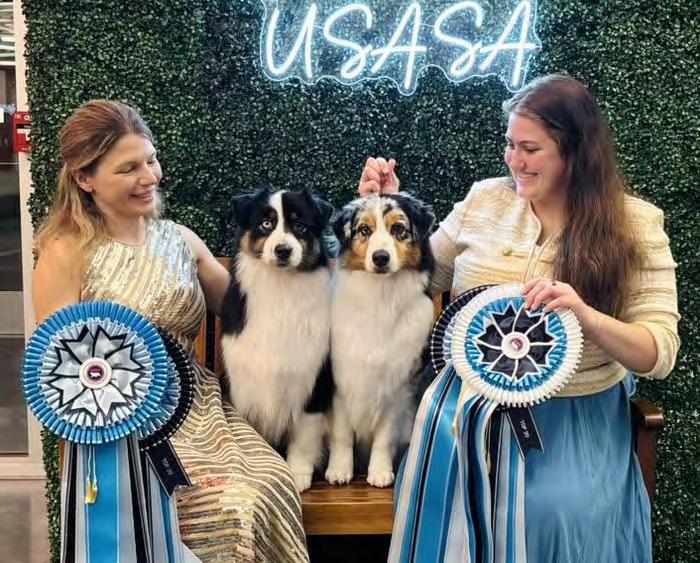
2026 USASA National Specialty 4/15/26
2025 People’s Choice Winner
GCHB Arauco Indomito Munna
2025 Judge’s Choice Winner
GCHS Hightide Trademark Ballad of the Goddess
CGC TKN VHM
Judges Laurie Jeff Greer, Leslie Frank & Cassie Frank Owned by Jillayne Parnell
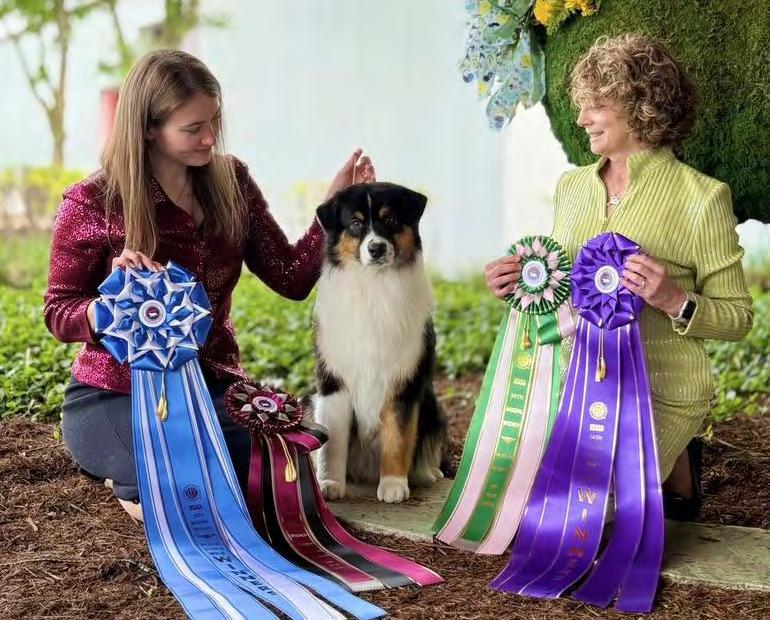
2026 USASA National Specialty 4/17/26
Winners Dog • Best of Winners • Best of Breed Owner Handled • Best Bred By Exhibitor
EarlyUp Goldcrest Beeline to Studio
Judges: Regina Bryant and Pat Trotter Owned by Amy Johanson
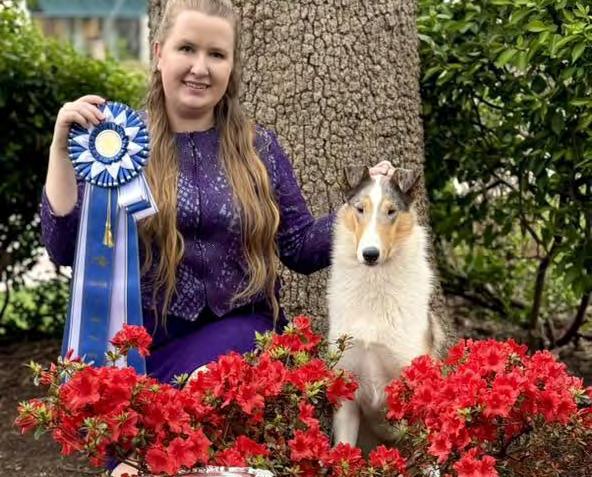
2026 USASA National Specialty 04/1-4/2026
Winners Bitch and Best of Winners at the Collie Club of America National Specialty
Heiress Aloha Sunrise
Judges: Amy Gau and Phyllis Autrey
Owned by Deborah Bell
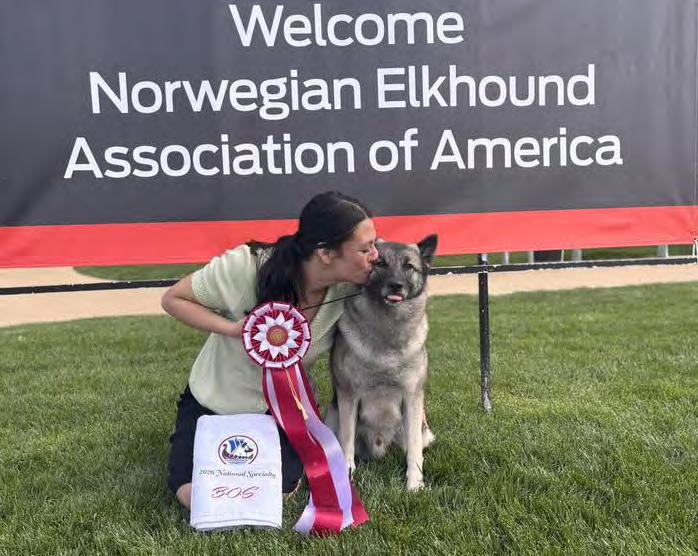
Norwegian Elkhound Association of America National Specialty 4/11/2026
Best of Opposite GCH ShootNStar Can You Hear The Sizzle CGC Judge: John Smedbakken
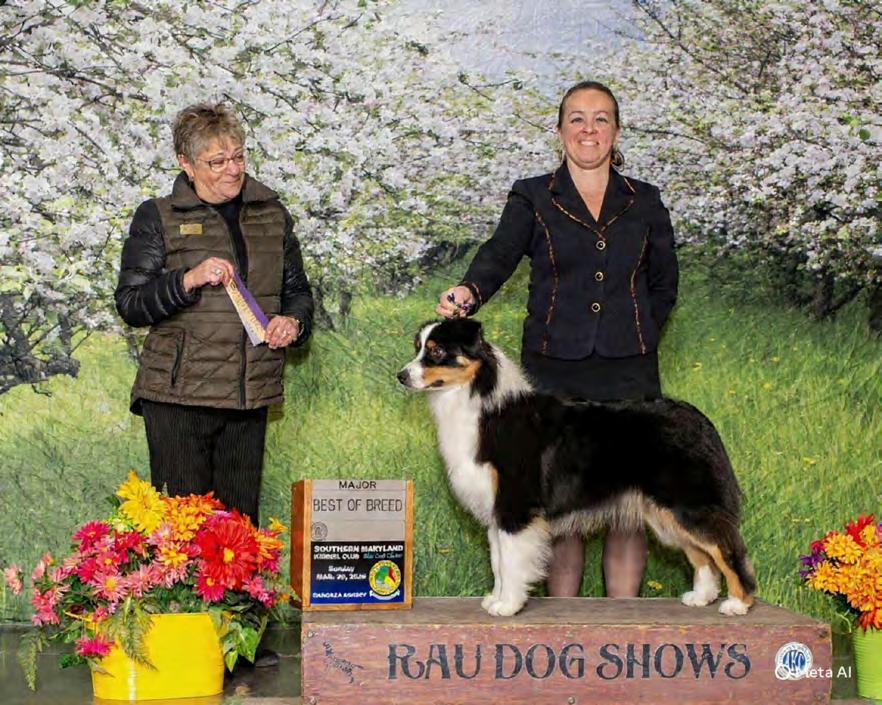
Southern MD Kennel Club 3/29/2026
Best of Breed
Annrocks Let Freedom Ring at Dove Creek
Judge Cathy Daughtery
Handler: Jess Plourde
Owned by Gail Weaver and Cara Muench
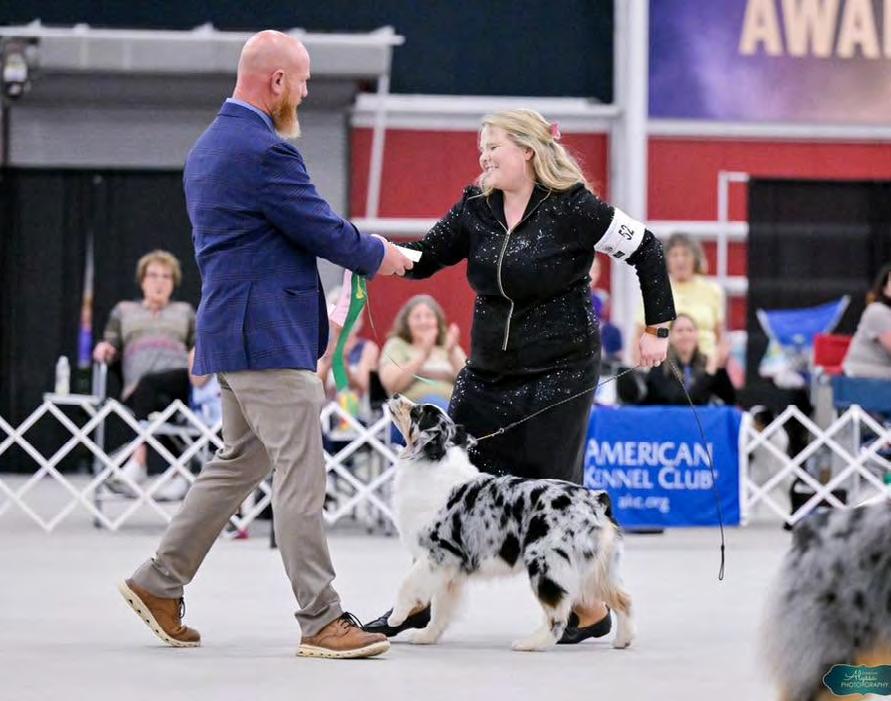
USASA National Specialty, Tuesday April 14 2026
Best In Veteran Sweepstakes
MBVIS MBISOH GCHB Coopersville’s Enjoy the View by Dancer
Judge: Mr Jamie Clute Owned by Adrianne Tullier
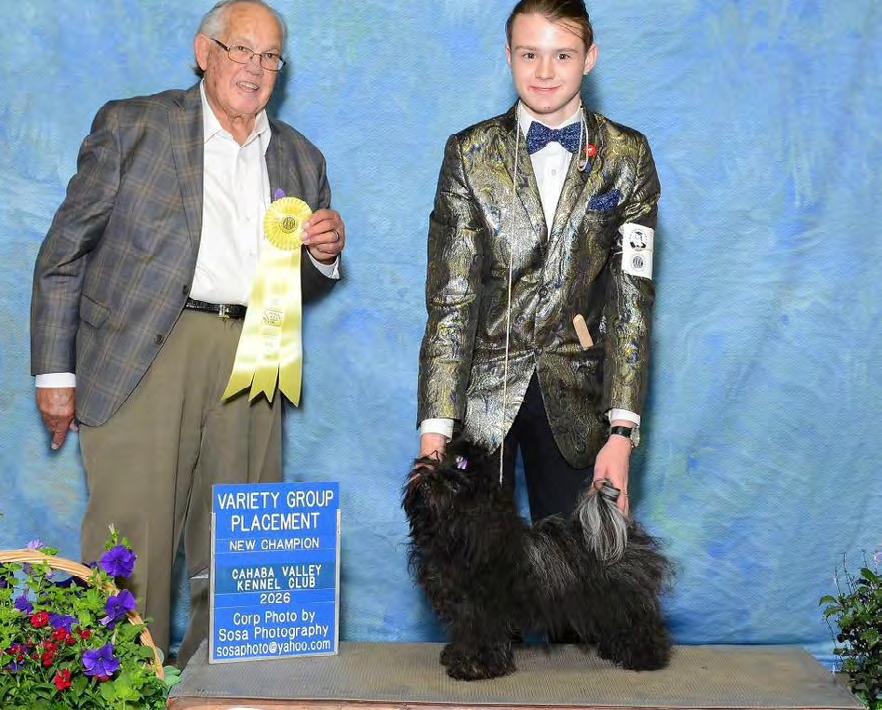
Cahaba Valley Kennel Club, 04/19/2026
New Champion, Best of Breed and a Toy Group 3
Gentle Power Czarina Celine
Judge: John Wade Owned by Jill Bridges
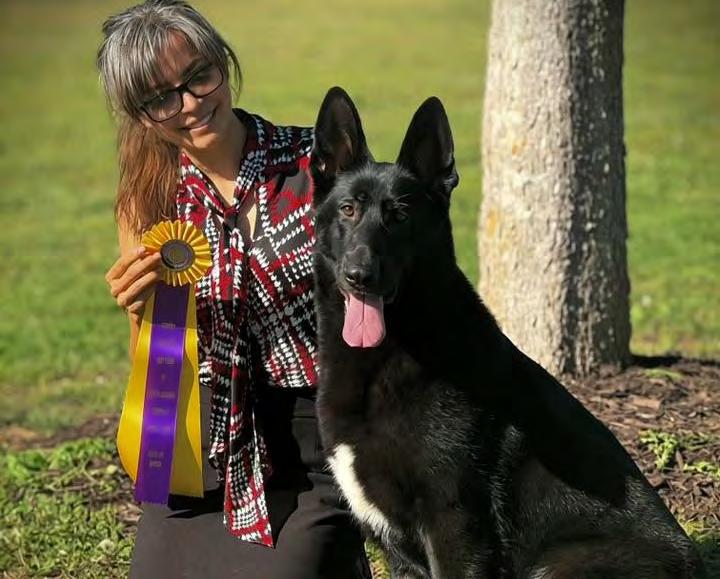
German Shepherd Dog Club of North Georgia 4/17/2026
Best in Specialty Show
GCHS. Macabre Kaleef’s Scandalous
Judge: Ken Tank
Owned by Karena Alexandra Moses
Clarksville Kennel Club
New Champion
CH Mohawks Chuck Norris IGP2, CGC
Judge Ms. Shelley S. Hennessy
Handled by Lillian Brock
Owned by Jill Lyden
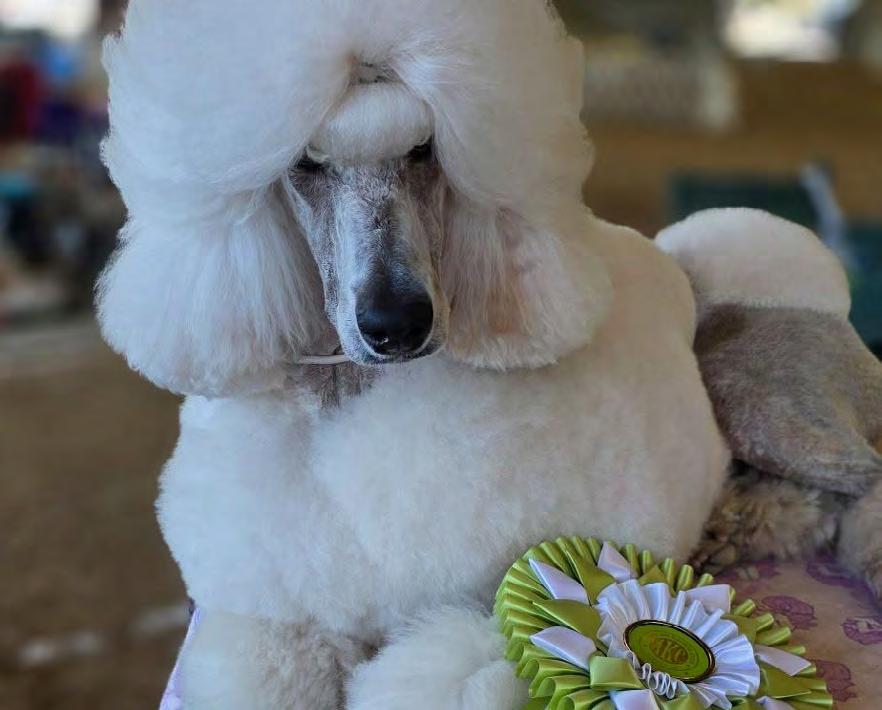
Lake Matthews Kennel Club 4/17/2026
Reserve Best in Show Owner-Handled
GCH Desert Reef’s Diamonds R Forever CGC DCAT
TKN
Judge Duff Harris
Owned by Ashley Lungwitz
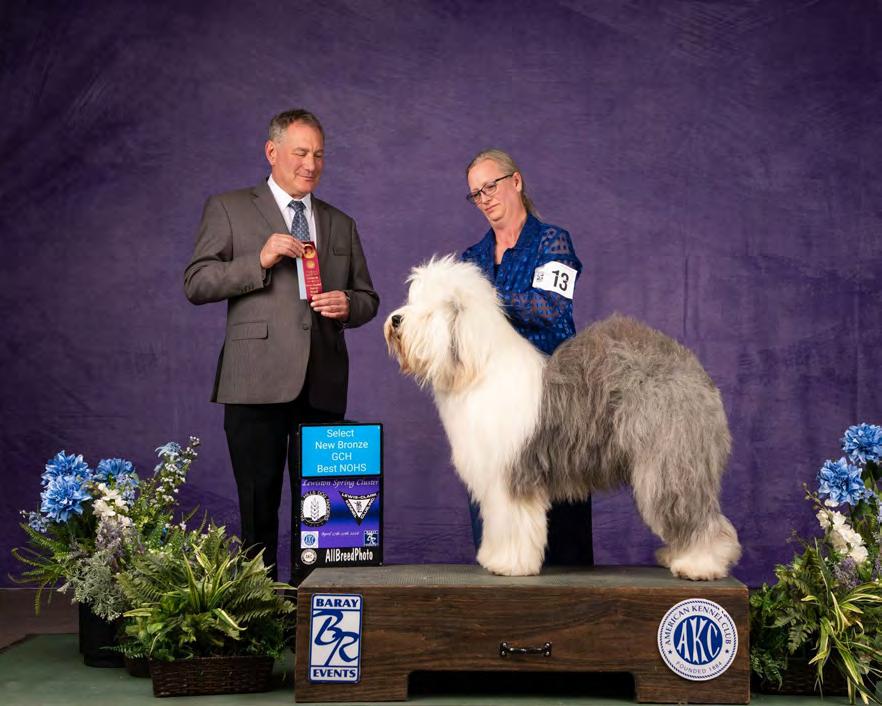
New Grand Champion Bronze
Gchb Ch Blue Panda Lorien You Should Be Dancing FDC
BCAT CGCA CGCU TKN ATT
Owned by Breanne Nelson
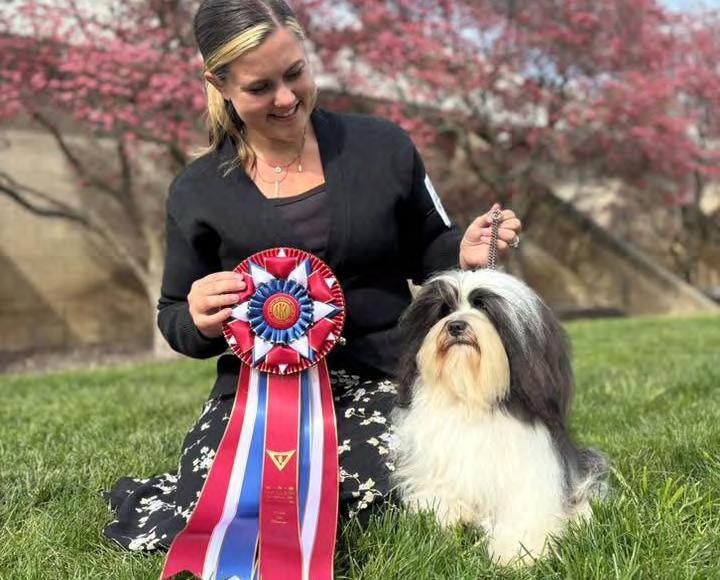
Lewis-Clark Kennel Club 4/19/2026
Best in Show
GCHS Andorras Smokin Hot @ KS
Judge: Mrs. Wendy Willhauck
Owned by Lexii Walker
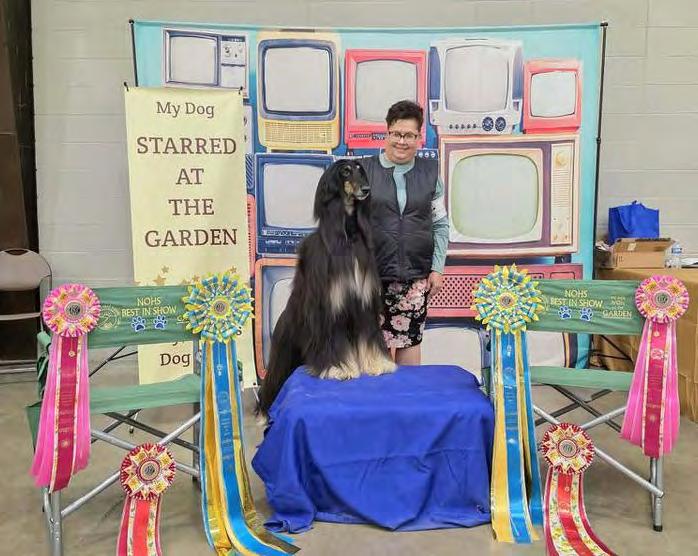
Garden City Kennel Club 04/17-18/2026
GCHG Don’t Hate The Player Hate The Game
Judge: Christine Erickson and Grace Fritz
Owner Kelli O’Connor-Kujawa
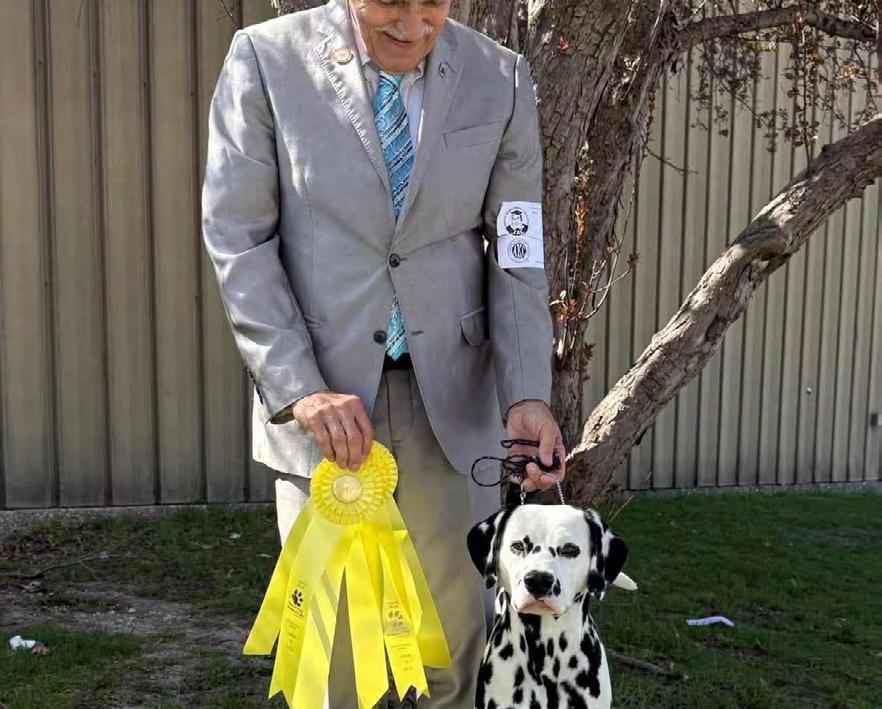
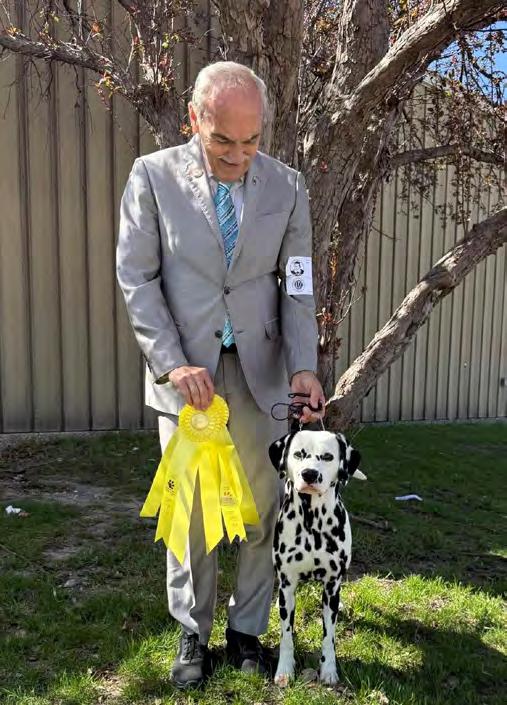
Mason City Kennel Club 04/18-19/2026
Best of Breed and Group 3
GCH Nspird N Rycroft’s Royal Bear N
Judges Dr Steve Keating and Mr. James Moses
Handler: Dave Slattum
Owned by Dianne Mullikin
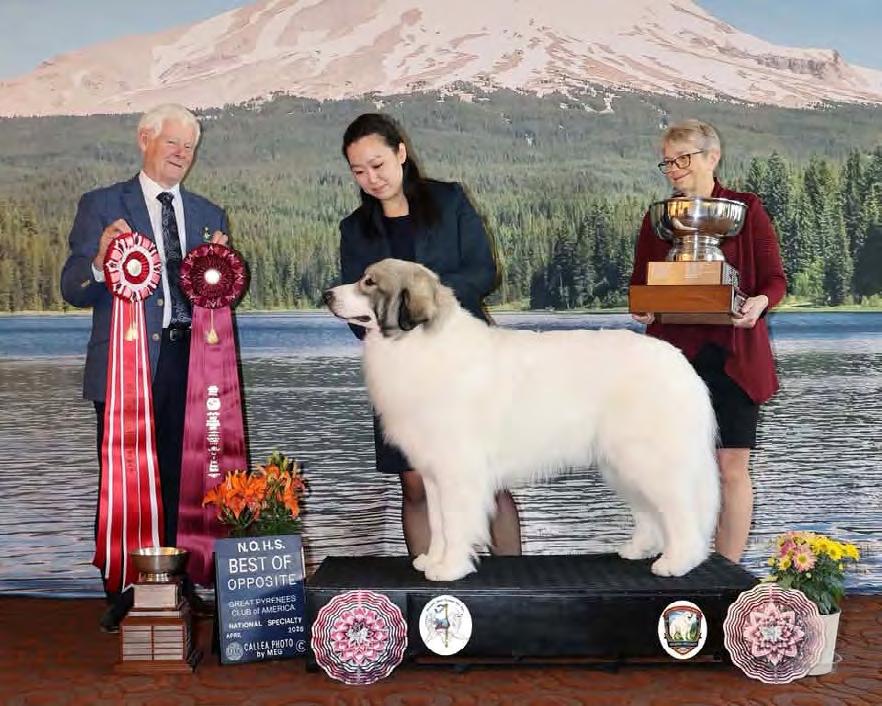
Great Pyrenees Club of America National Specialty
4/18/26
Best of Opposite Sex and Best of Breed Owner-Handled
BISS GCH Rivergroves Dare To Dream FDC CGCA
CGCU TKN VHMA VHMP FITB
Judge Mr. Keith Savage
Owned by Karen Park
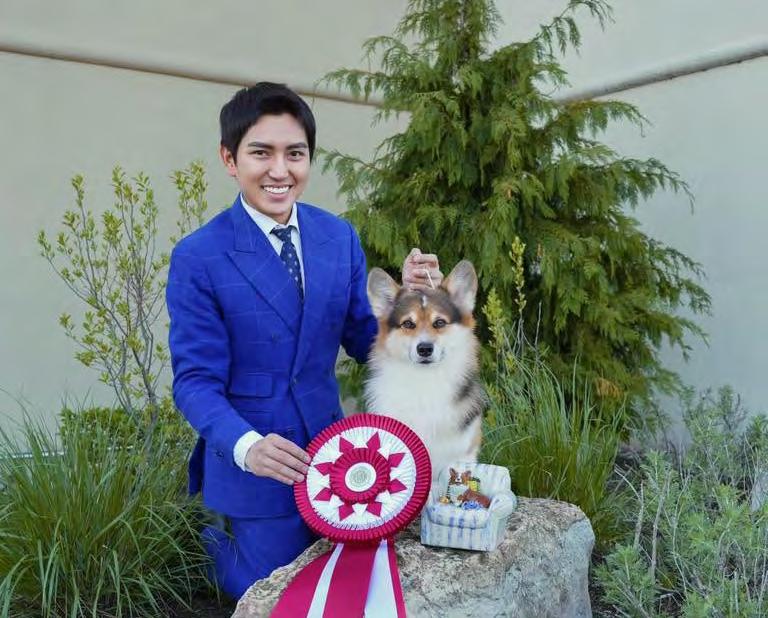
Pembroke Welsh Corgi Club of the Potomac 04/17/26
Best of Opposite Sex
Luke
Judge Mr Larry Adams
Owned by Wendy Villanueva
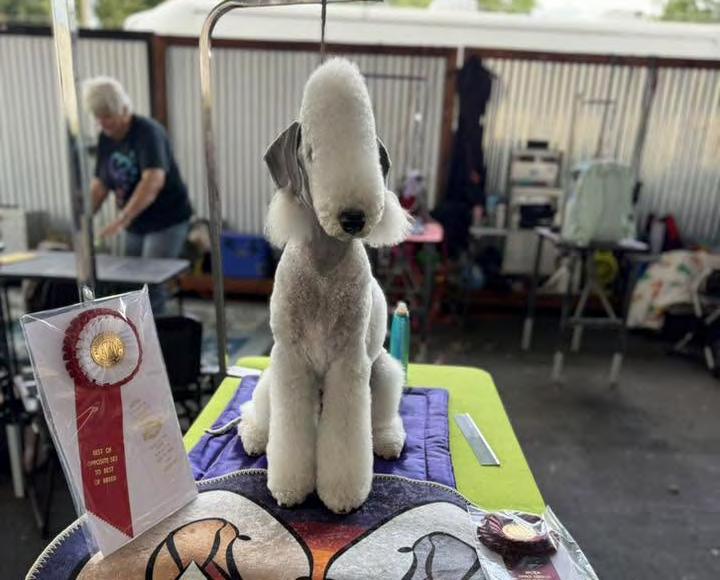
Bedlington Terrier Club of the West Specialty 4/10/2026
Best of Opposite Sex and BOB OH
GCHB Brokenstone Wildflower Honeybee
Judge: Maripi Wooldridge
Owned by Stephany Lee Gale
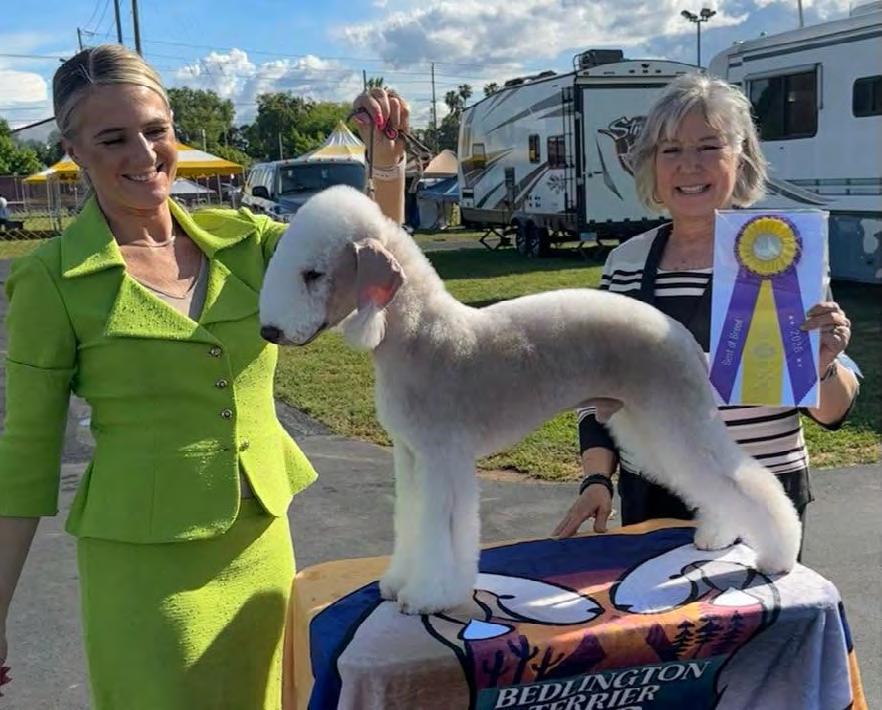
Bedlington Terrier Club of the West Specialty 4/10/2026
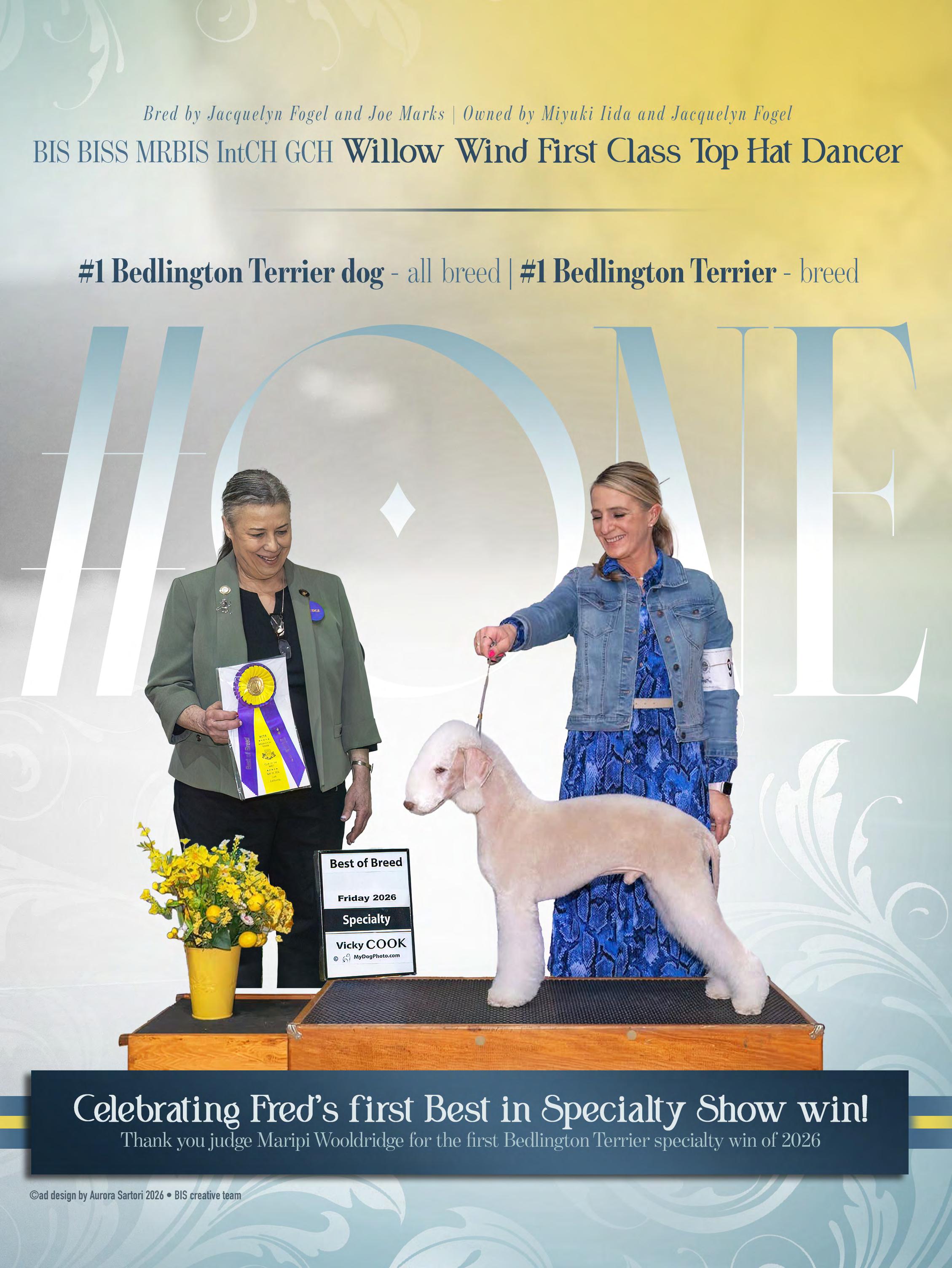
Best in Specialty Show
GCH Willow Wind First Class Top Hat Dancer
Judge Maripi Wooldridge
Owned by Andrea Rich and Jacquelyn Fogel
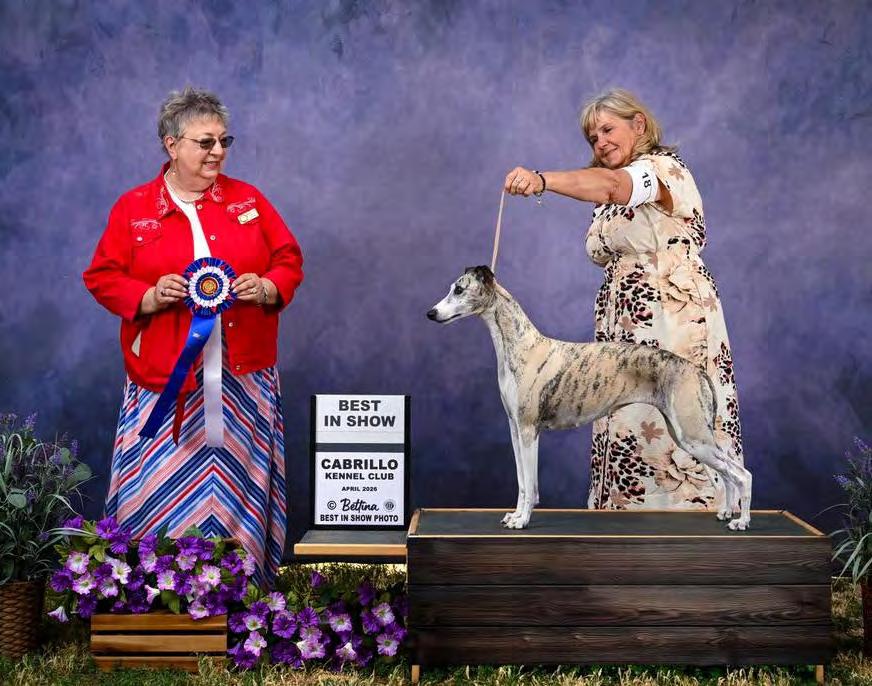
Best in Show from the Veteran class
GCHP2 Starline Windborn Classique.
Judge Marilyn Pipes
Handler: Lori Wilson Paust
RESULTS
RIO GRANDE CORONADO Kennel Club
by Dorde Danilovich
Albuquerque, NM
May 8-12, 2026
1st
2nd
3rd
4th
1st
GCH Hollywick Enchanted Pine Down the Rabbit Hole · Labrador
Owner: S Herman & B Kellner
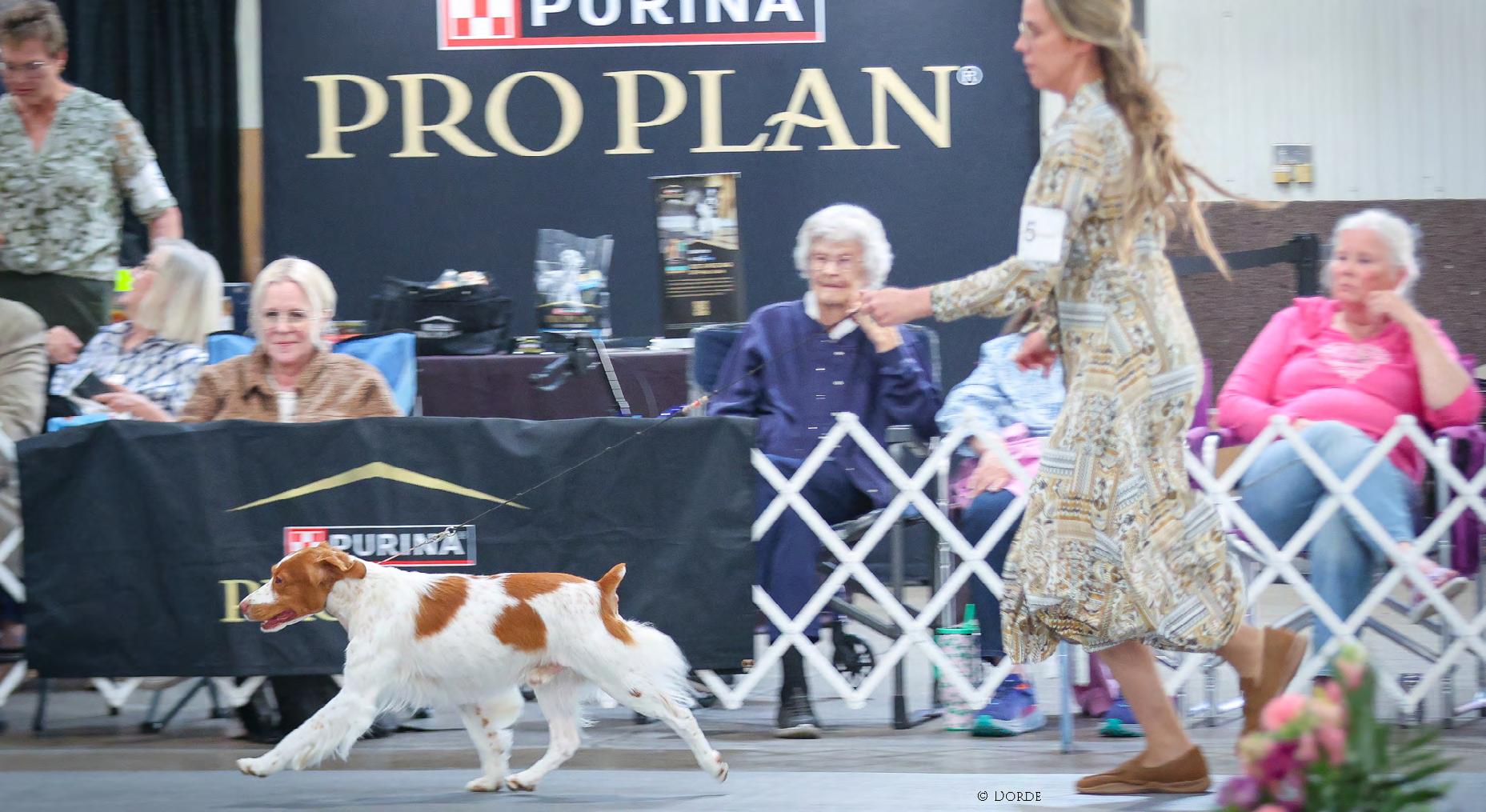
Texaz Dressed Like a Daydream · Spaniel (Clumber)
Owner: C Dorris
GCH Ashmore N Silhouette’s Holiday Star Affair · Weimaraner
Owner: T Sanders Milan, J Boland & L Stalker Williams
GCHB Beacon’s Black Sunshine · Retriever (Flat-Coated)
Owner: C Rowe Zelbst & C Zelbst
Breeder: C Rowe Zelbst & C Zelbst
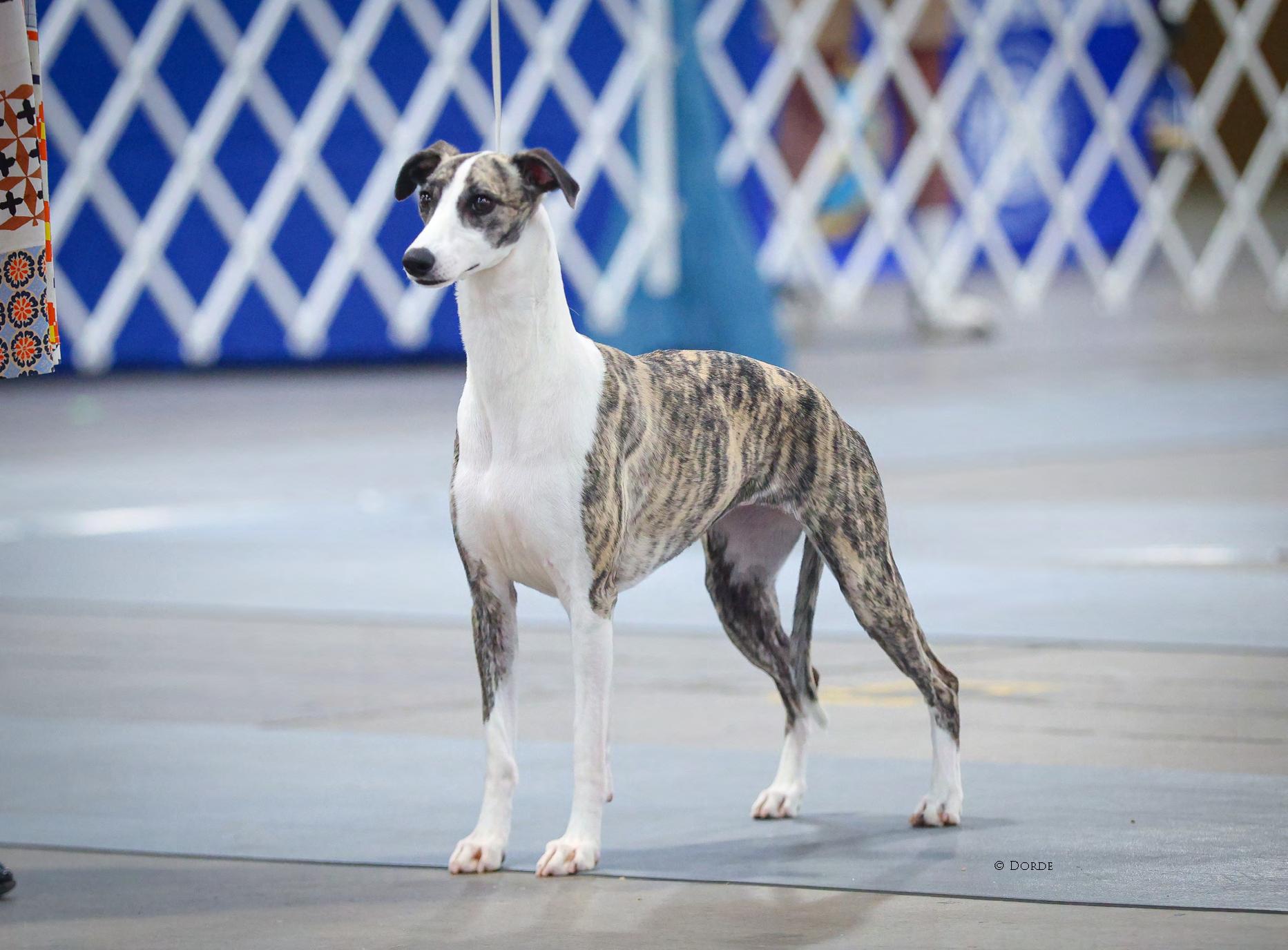
GCH Wenrick N Pinnacle Can’t Stop Won’t Stop · Whippet
Owner: J & C Smithey & J Paquette
Breeder: J Paquette & J & C Smithey
GCHS Blue Nile Majestic Platinum · Saluki
2nd
3rd
4th
Owner: S Winsted & M McMillan
GCH Trio’s Bridgerton At Rosewood SWN SCE SIA SEA · Petit Basset Griffon Vendeen
Owner: M Rose, K Livingston & T Cannon
Breeder: K & C Livingston & P Opperman
GCHS Shylo Greycott Sheer Knockout · Greyhound
Owner: B Clark, R Ungar, S Fisher & S Thomson
Breeder: B Clark, H Joyner, S Thomson, R Ungar & S Fisher
GCHP Morgenwald’s Reach For The Sky V Katon FDC CGCA · Standard Schnauzer
Owner: F Cashin, A Geremia, P Ames & M Campbell
Breeder: P Duffee, K Koehler & C Reidner
GCHS Tru North’s He Said He Was Gonna Call CGC · Alaskan Malamute
Owner: L Cathey
Breeder: L Cathey
Wildflower&Tnznite Nutcracker Premier CGCA CGCU · Bernese Mountain Dog
Owner: S Montville & L Homa
GCHP Daveren’s Radagast Of Greenwood TKN VSWB · German Pinscher
Owner: N Burnett & J Eastman
Breeder: J Eastman
2nd
3rd
4th
GCHS Aimhi Side Bet · Smooth Fox Terrier
Owner: B Miller, P Holson, H Zimmerman & A Rutherford
Breeder: A Rutherford
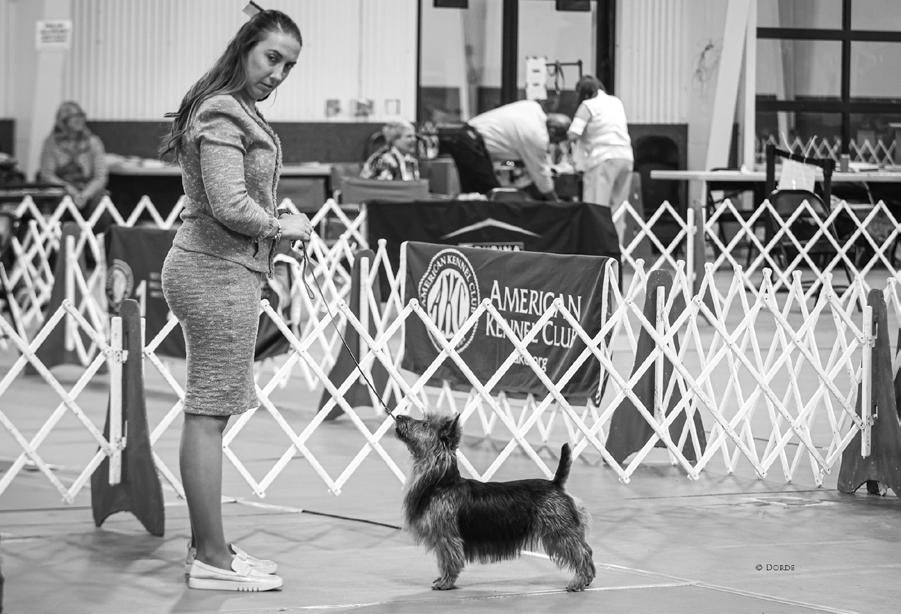
GCHB Razmataz Hot N Sassy Lemon Drop · Australian Terrier
Owner: B Post
Breeder: B Post
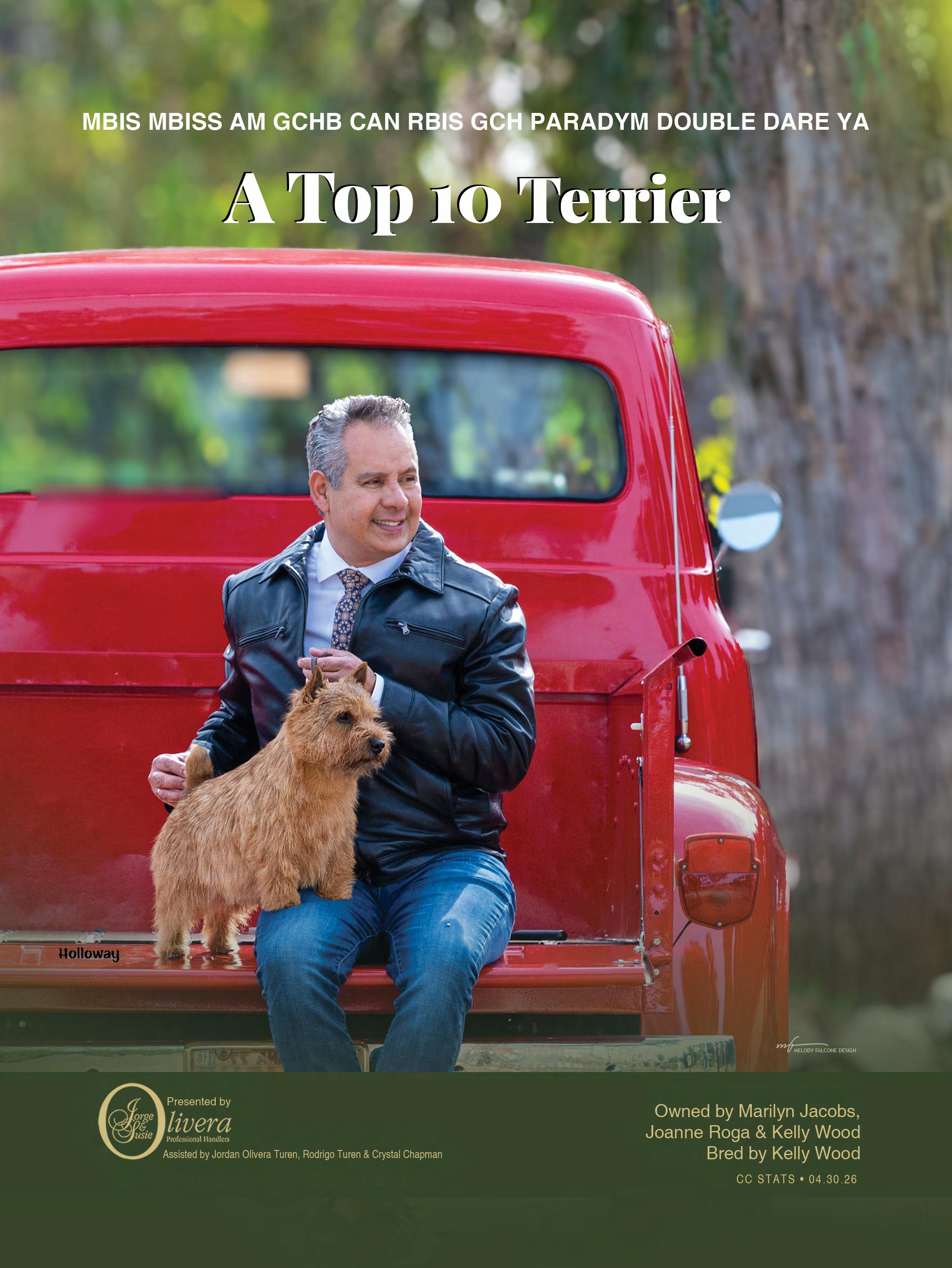
GCH Paradym Double Dare Ya · Norwich Terrier
Owner: M Jacobs, J Roga & K Wood
Breeder: K Wood
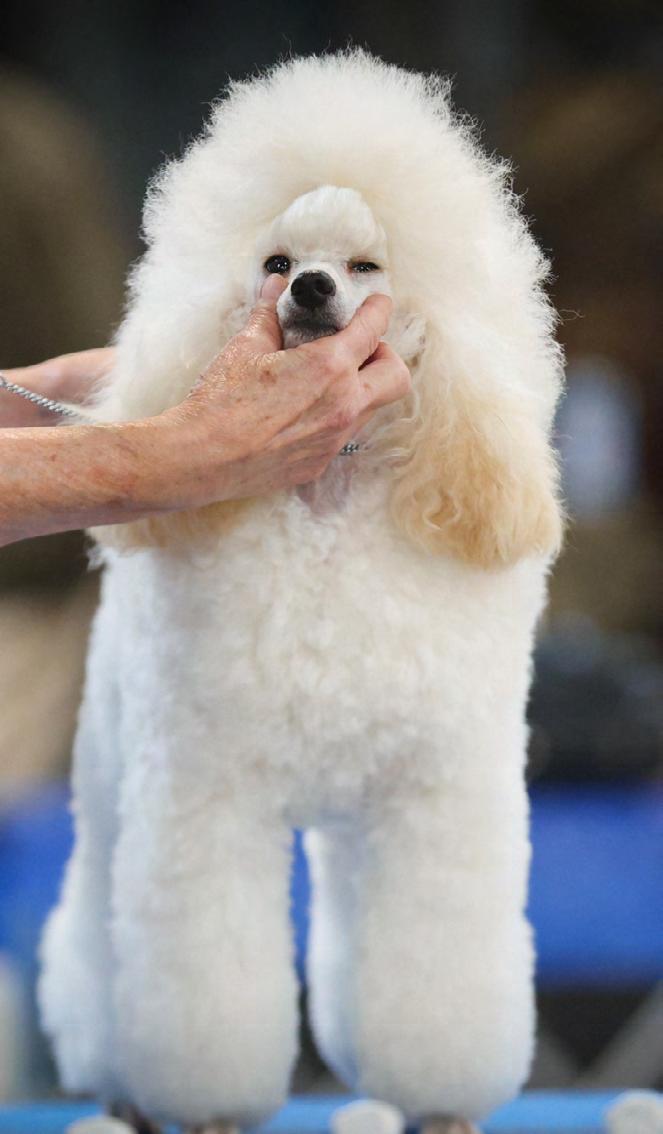
CH Carmel Counting Stars · Miniature Schnauzer
Owner: P Brown, M Lande & G Ewer
Breeder: C Ewer, M Jacobs, M Lande & S Carlton
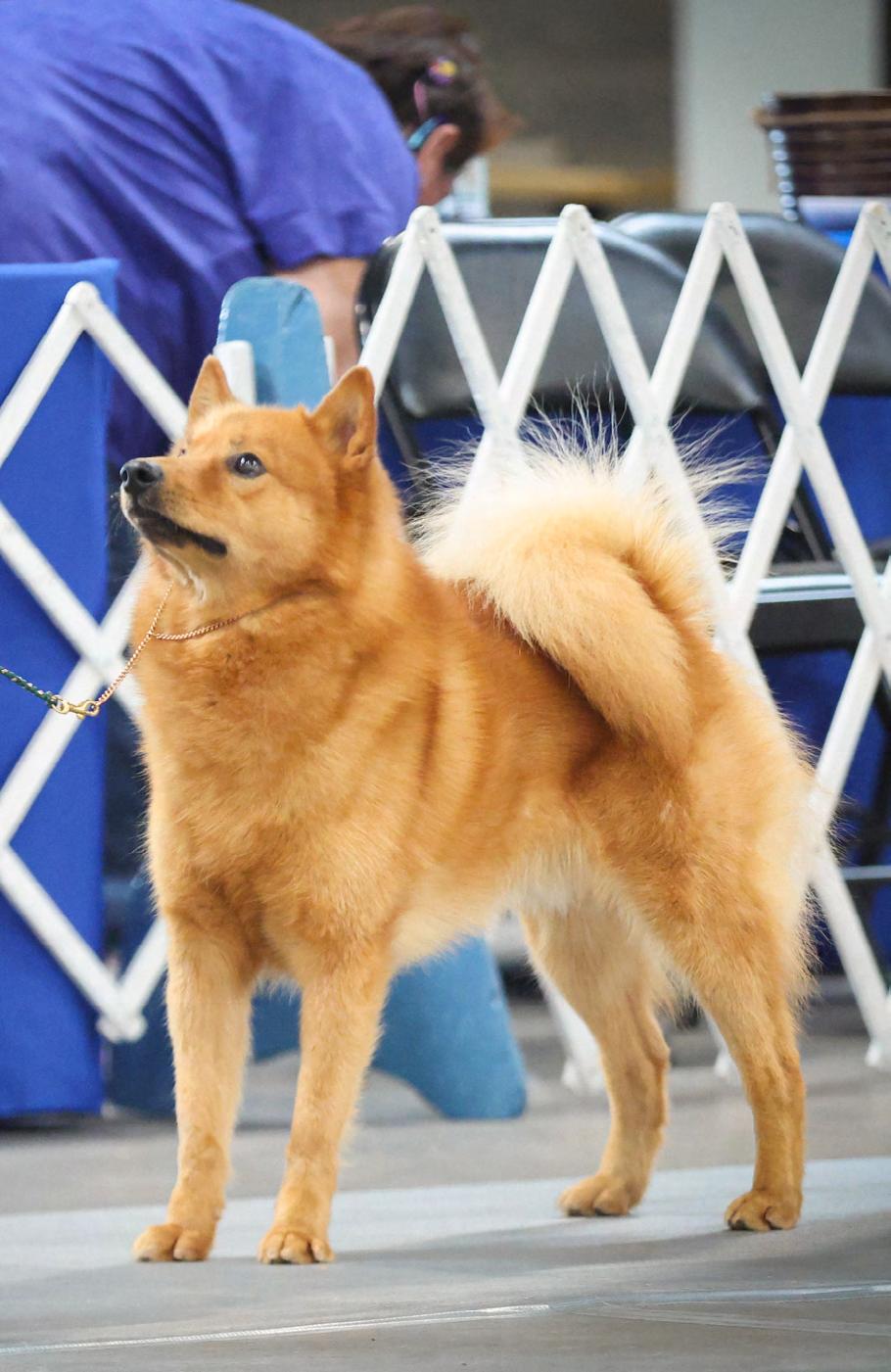
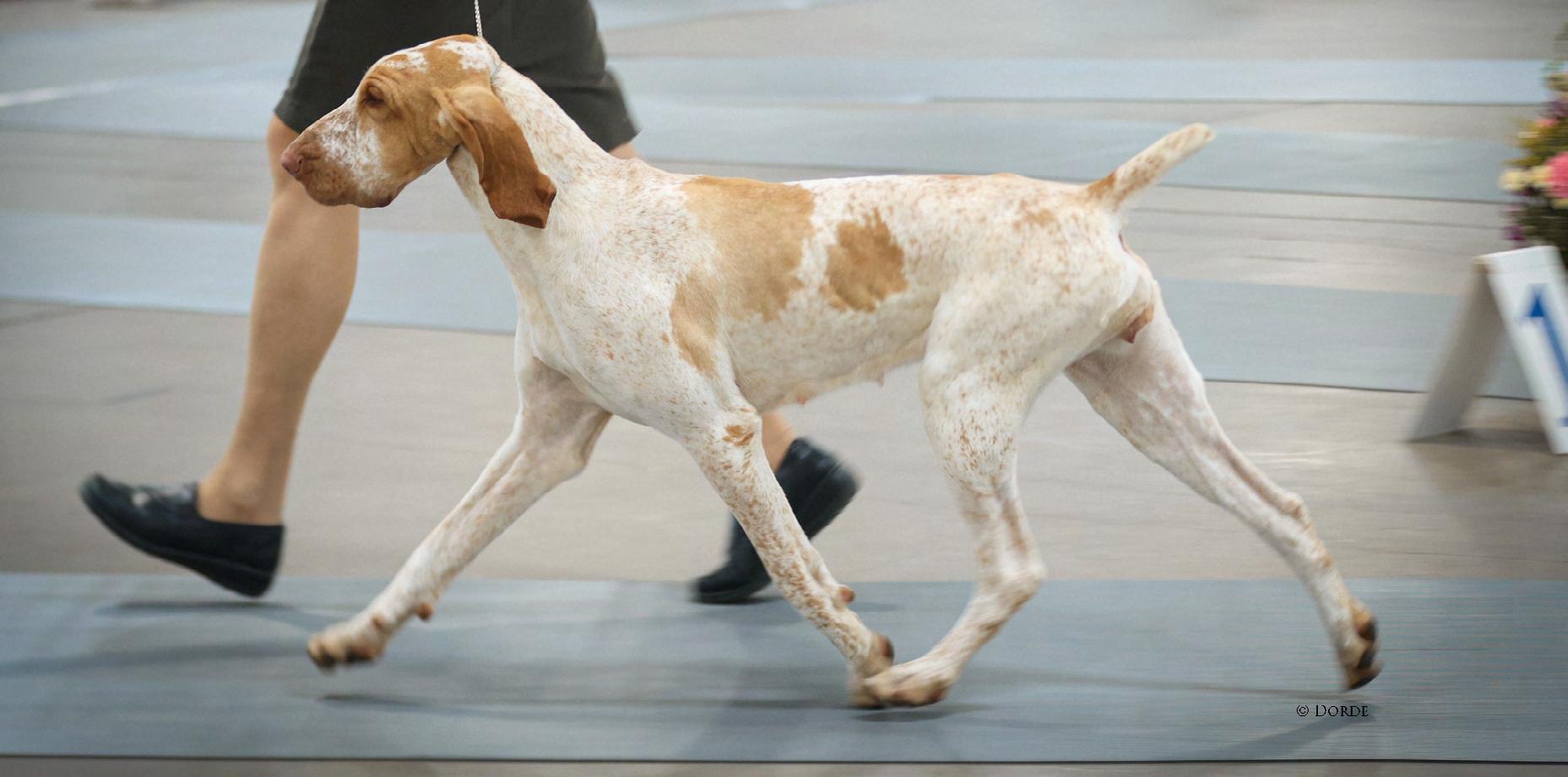
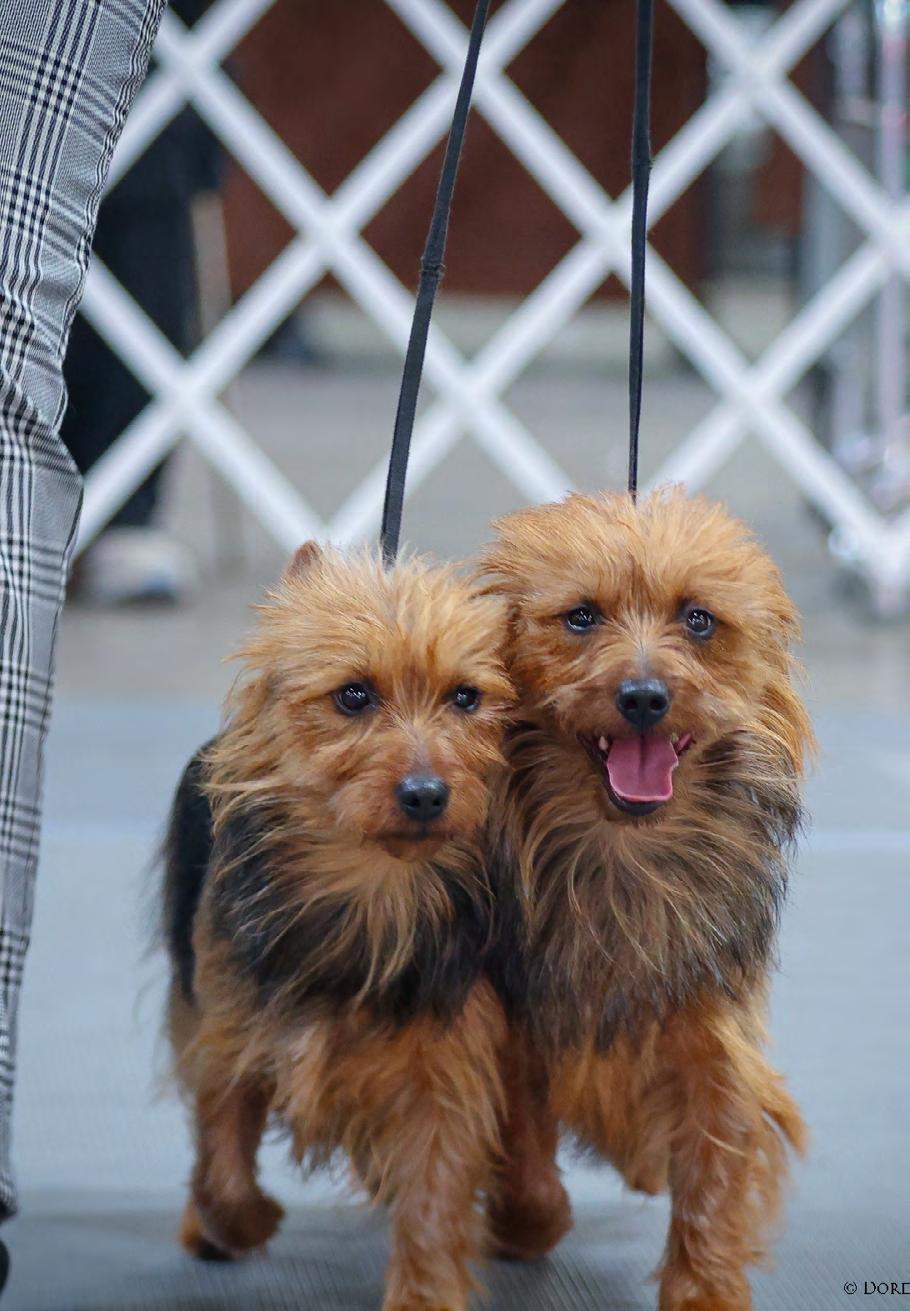
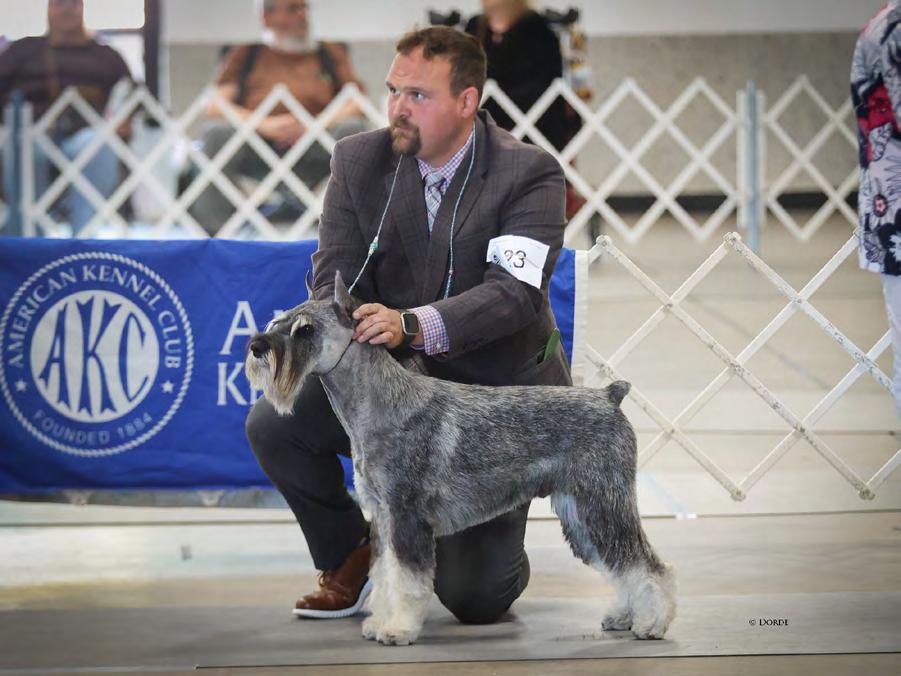
1st
2nd
3rd
4th
1st
2nd
3rd
4th
GCHP Winsome N Nirvana’s Lil Nitro Gummy Bear · Pug
Owner: V Cox-Flatley & E Veltman
Breeder: E Veltman & V Cox-Flatley
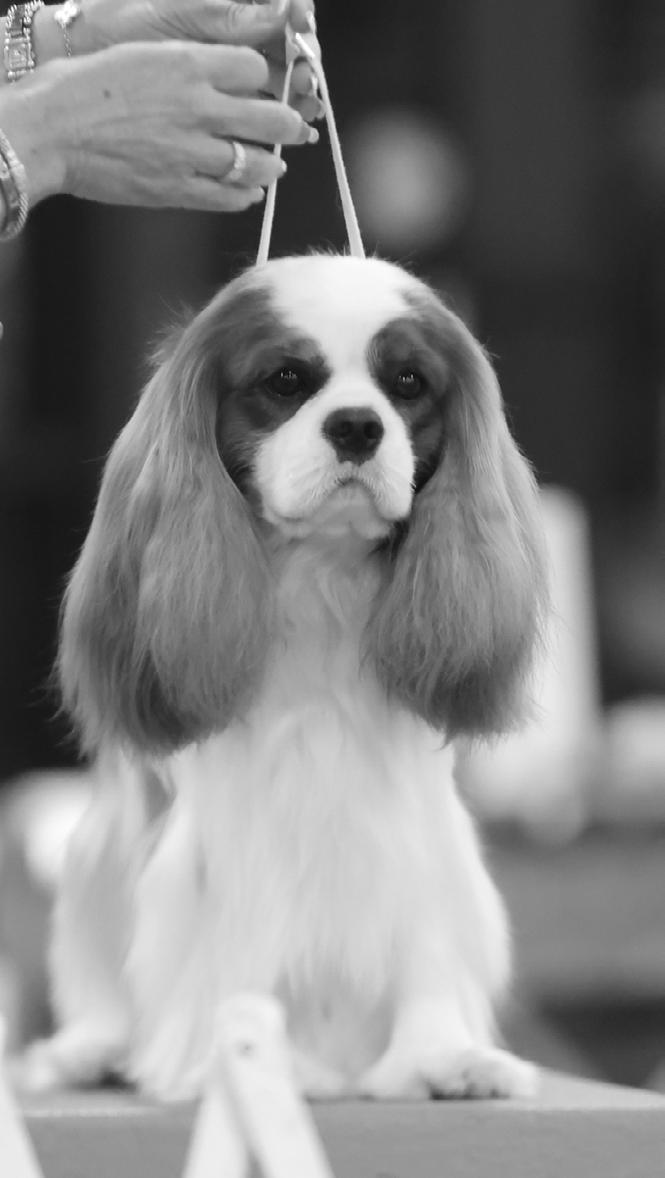
GCH Crownheir Diamonds Are Forever · Cavalier King Charles Spaniel
Owner: K Fadel
Breeder: K Fadel
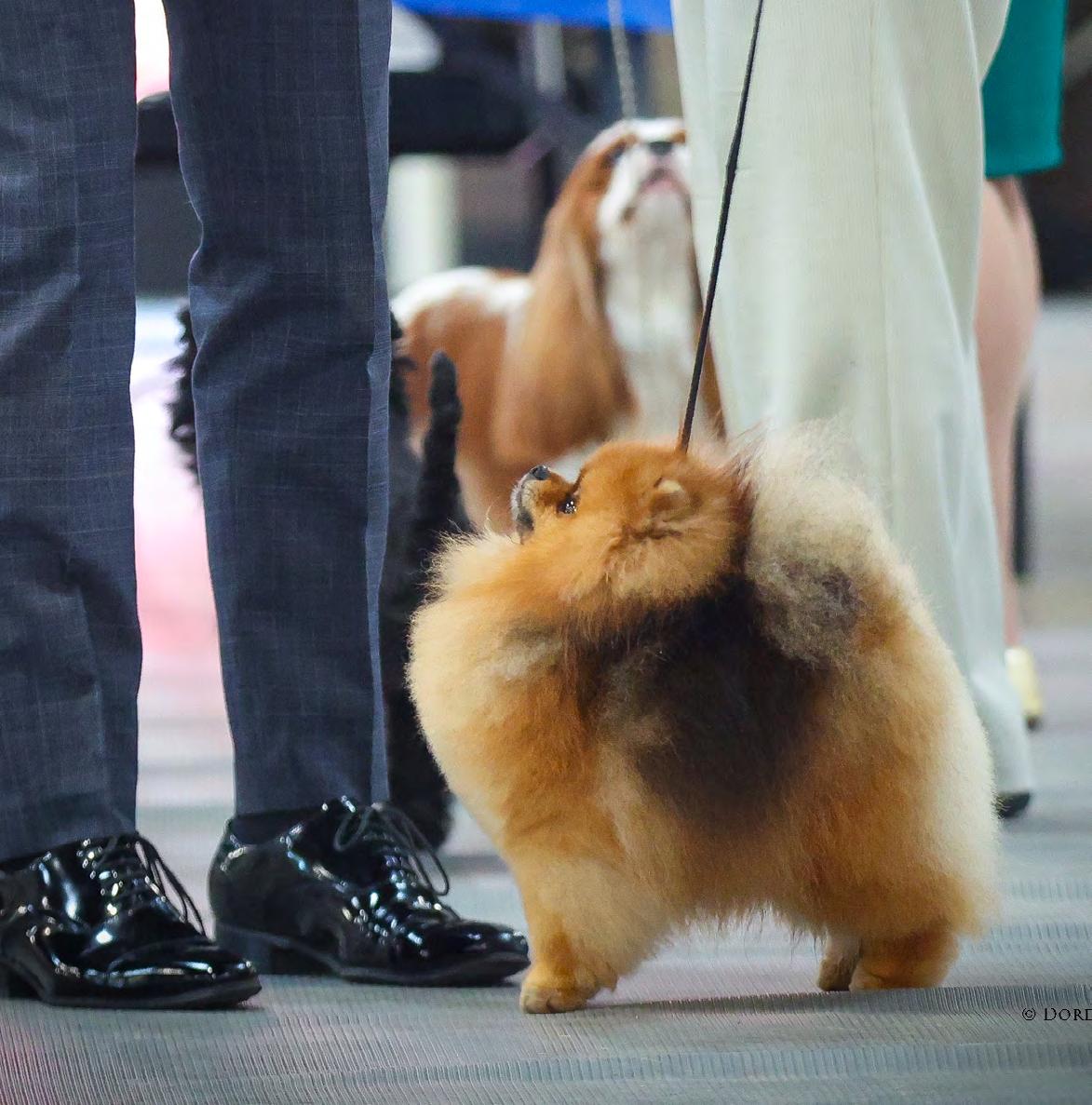
GCHG Artistry’s Aslan All That Is Good · Pomeranian
Owner: M Persic & M Jung
Breeder: M Persic & M Jung
CH Gizmo Ferlin’s Play the Game · Affenpinscher
K & K Timko
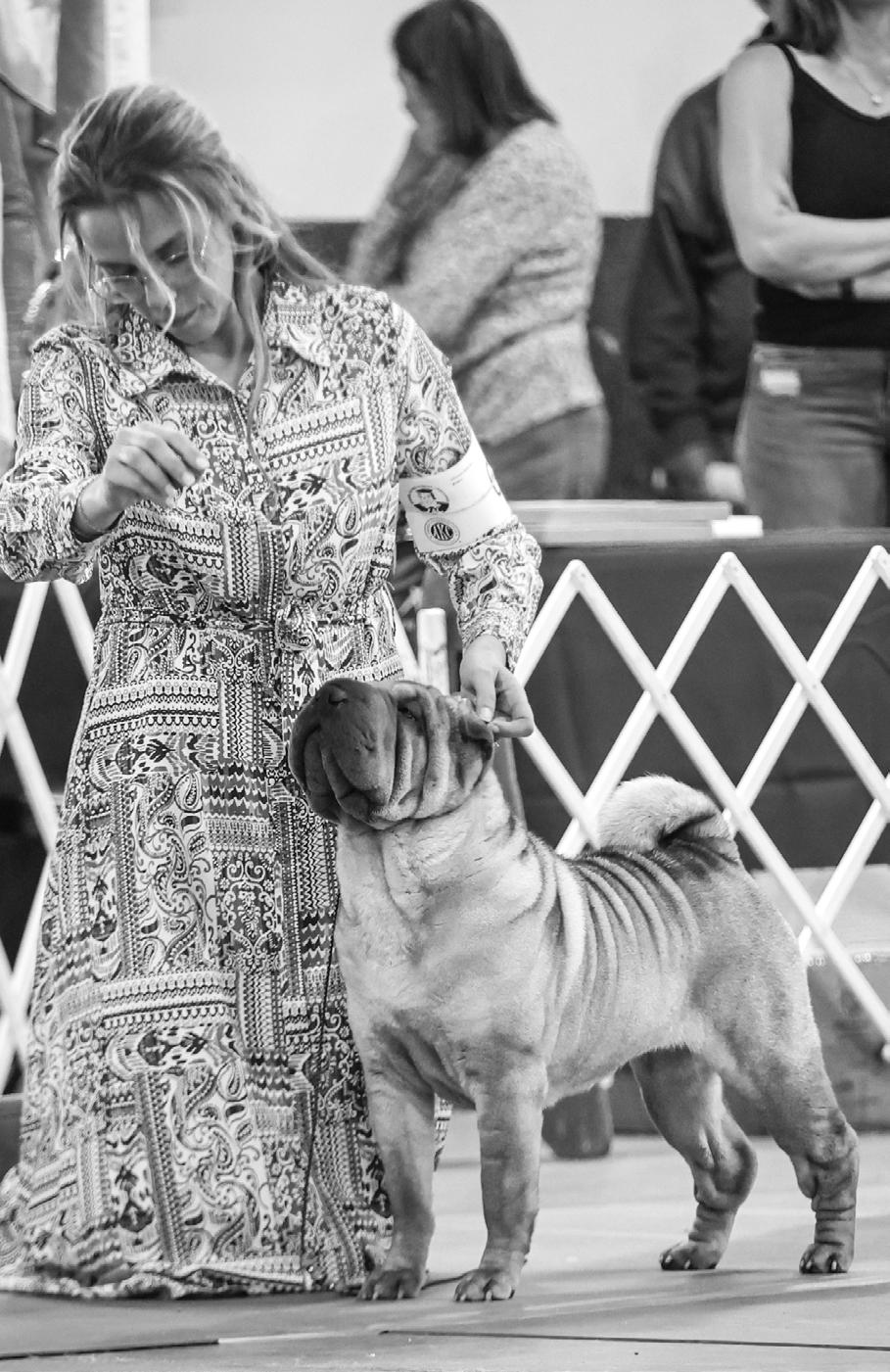
GCHS Good Fortune Jump for Joy · Chinese Shar-Pei
Owner: J & V Mauk
Breeder: G Fritz
CH Jen’Ndi It Starts With A Spark · Keeshond
Owner: J L McClure & J Perusquia
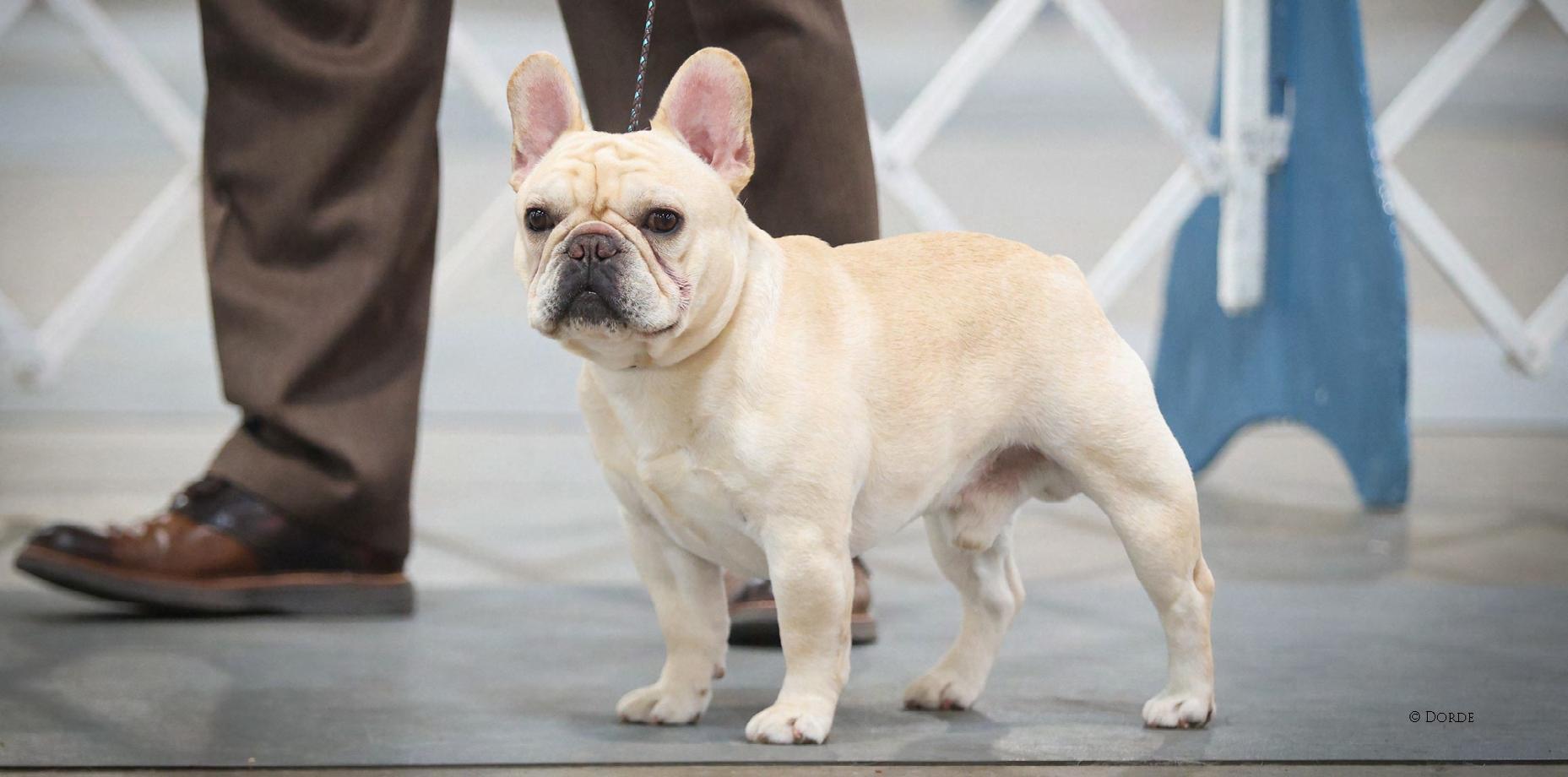
CH Dezperado Gumbo at Clearlake · French Bulldog
Owner: H Zimmerman, E Vandermolen & S Newcomb
CH Yi Jing Go San Ichiban · Shiba Inu
Handler: Laura Chamness
Owner: J Loosle
GCGCHB Trio Shirehill Into The Unknown · Shetland Sheepdog
Owner: S Beardslee, L Williams & C A Moon
Breeder: J French & S Beardslee
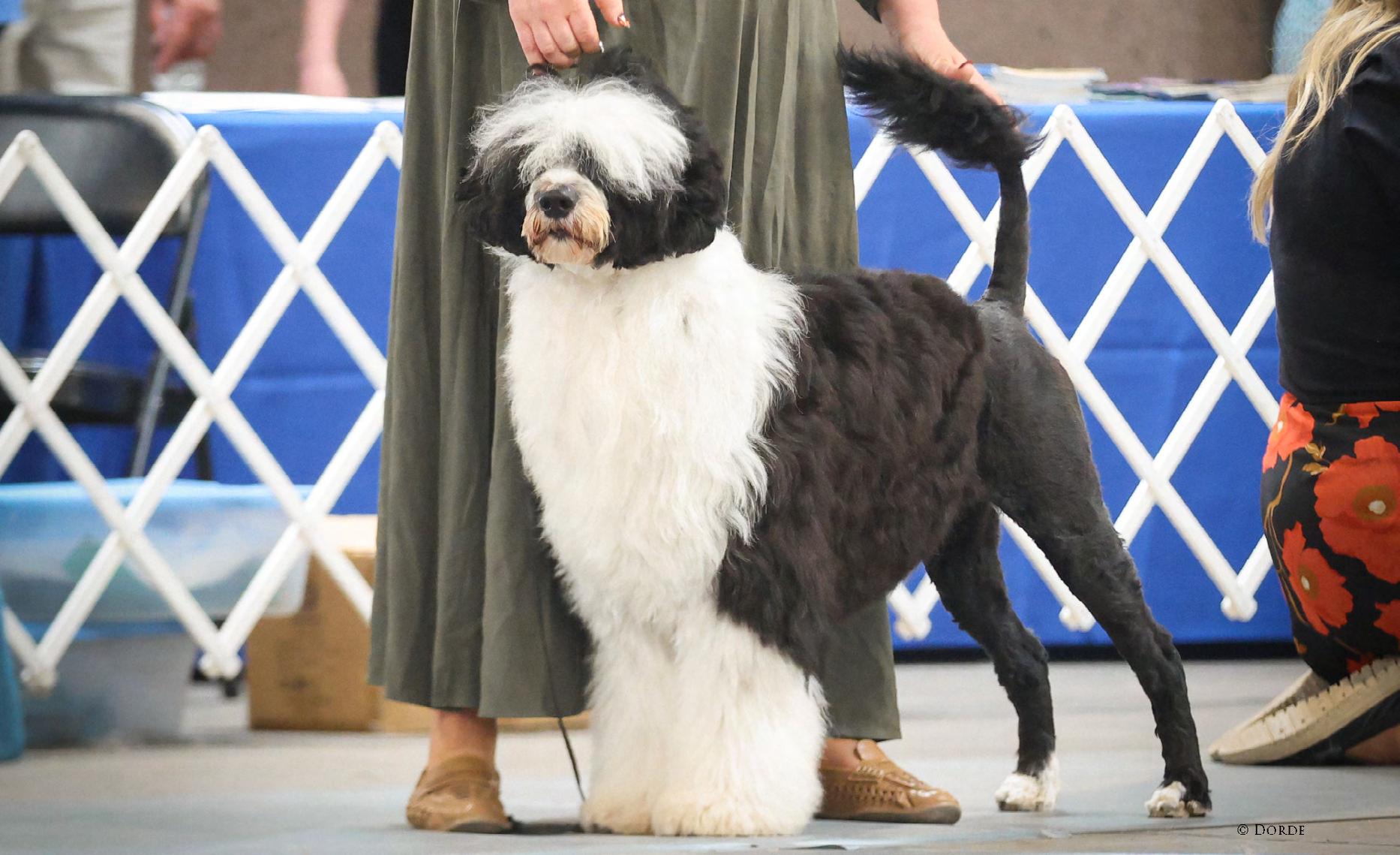
GCH Ponwood’s Xenon · Polish Lowland Sheepdog
Owner: W Stamp & B Bruns
Breeder: W Stamp & B Bruns
Wildflower&Tnznite Nutcracker Premier CGCA CGCU · Bernese Mountain Dog
Owner: S Montville & L Homa
GCHP Daveren’s Radagast Of Greenwood TKN VSWB · German Pinscher
Owner: N Burnett & J Eastman
Breeder: J Eastman
GCHS Aimhi Side Bet · Smooth Fox Terrier
Owner: B Miller, P Holson, H Zimmerman & A Rutherford
Breeder: A Rutherford
GCH Wenrick N Pinnacle Can’t Stop Won’t Stop · Whippet
Owner: J & C Smithey & J Paquette
Breeder: J Paquette & J & C Smithey