

Trading in 100+ Countries Worldwide in 2025!

In our industry, the highest standard we can achieve for our Quality Management System is the ISO 9001 certification - awarded by TUV Rheinland. It is the global benchmark that guarantees a total focus on customer service and continual improvement


Publisher
iMotion Media
Louizalaan 523, 1050 Brussels - BELGIUM
Phone
Fax
Web
+32 (0)489 32 85 21
: linkedin.com/company/bearingnews
: facebook.com/BearingNewscom
: twitter.com/Bearing_News
: youtube.com/channel/
+32 (0)3 303 52 82 info@bearing-news.com www.bearing-news.com : : : : UChCnbcmjFPbLEkLZGdjEXIw
The information contained in this magazine is for general purposes only. The information is provided by BearingNews. We make no representations or warranties of any kind, express or implied, about the completeness, accuracy, reliability, suitability or availability. Any reliance you place on such information is therefore strictly at your own risk. In no event will we be liable for any loss or damage including without limitation, indirect or consequential loss or damage, or any loss or damage whatsoever arising from loss of data or profits arising out of, or in connection with, the use of this magazine.
No part of this publication may be reproduced or transmitted in any form or by any means, electronic or printed, without permission in writing from the publisher/editor.
The BearingNEWS is a member of


With the official launch of the World Power Transmission Association (WorldPTA), our industry now has, for the first time, a global platform connecting the entire power transmission value chain, from raw materials and components to manufacturers, distributors, OEMs, MRO, service providers, and advanced motion technology specialists. With its global Annual Meeting in 2026 followed by nine regional meetings worldwide, WorldPTA is set to become a key platform for international networking and cooperation.
In this new edition of BearingNews, we explore how the industry continues to evolve not only through technology, but also through leadership, experience, and new ways of thinking. We speak with Agathe Vissac of NTN Europe, who explains how reliability engineering is becoming a decisive factor for machinery operating in harsh environments.
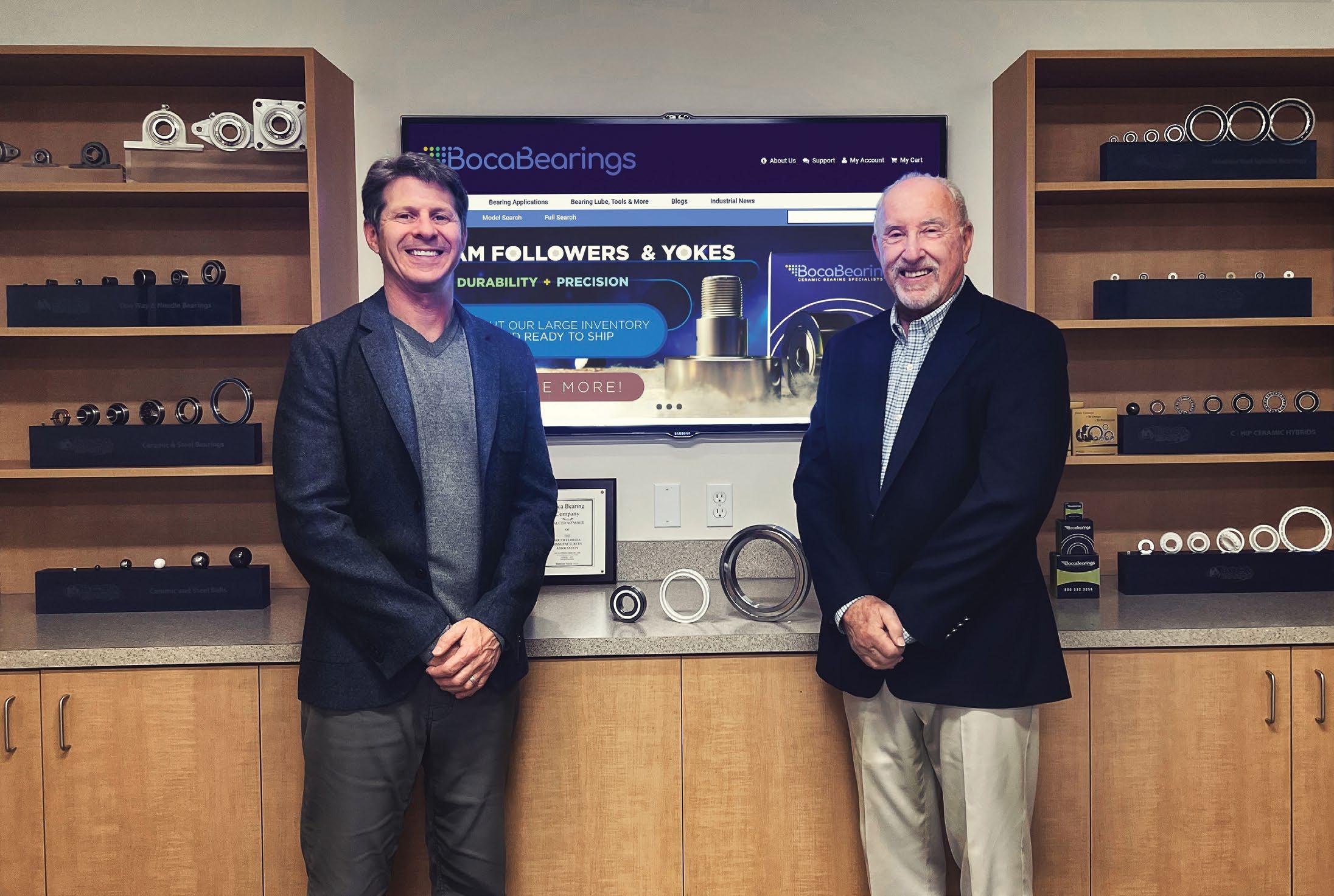
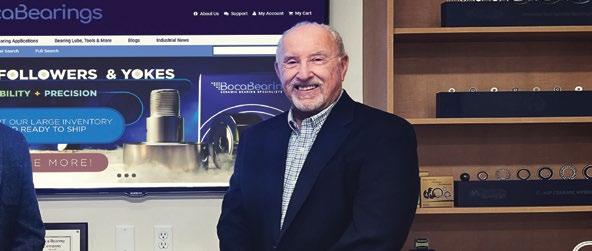
In a special follow-up interview, we reconnect with Allen Baum, founder of Boca Bearings and one of the founding members of WorldPTA. After nearly four decades in the bearing industry, he reflects on the changes he has witnessed, the lessons learned across different market cycles, and the importance of mentoring the next generation.
We also look at the future of open innovation in our conversation with Annika Ölme, CTO of SKF, who introduces The Patent Bay.
Across this issue, one message becomes clear: the industry is entering its next industrial era. Digitalization, artificial intelligence, advanced materials, sustainability demands, and new production concepts are reshaping how components are designed, manufactured, and used.
Companies that embrace automation, data-driven production, and intelligent quality control will define the future, while others risk falling behind in a market that is moving faster than ever before.
Enjoy this new edition!

Chief
The BearingNEWS magazine is published two times a year in March and September. The online editions are published in 8 languages and can be followed on www.bearing-news.com
Art Director
Diydem Deniz Koç
Photography & Illustrations
Ksenia Shamanaeva
Web & IT
Canbey Bilgili
Birsen Aydın
Onur Uz
Subscriptions
info@bearing-news.com
Editor-in-Chief
Kenan M. Özcan
Editorial Team
Thomas Johnson
Mia Mctigue Rodriguez
Dize Purde
Guest Editor
Mike Brandt
Marketing
Tapaswee Dixit
Victor Vialet
Vincent Yang
Project Coordinator Merve Zhunuskanova
Related Publications & Network Media & Organization Partners
Oil bath double row cylindrical roller bearings
HIGH PERFORMANCE ROLLER BEARINGS FROM ALL PREMIUM BRANDS





LUBRICATION:
AVOIDING COMMON LUBRICATION
MISTAKES FOR BEARING OPTIMISATION
COMPANY:
FROM HERITAGE TO INDEPENDENCE: NEUWEG’S FIRST
ANNIVERSARY OF A NEW ERA OF INDEPENDENCE



Boost uptime
Cut CO2 emissions
Strengthen asset reliability
Rated Excellent
“
Very fast service & shipping, much less expensive than ordering locally. Very happy with my orders from ACORN!”
- Myles B, Export Customer
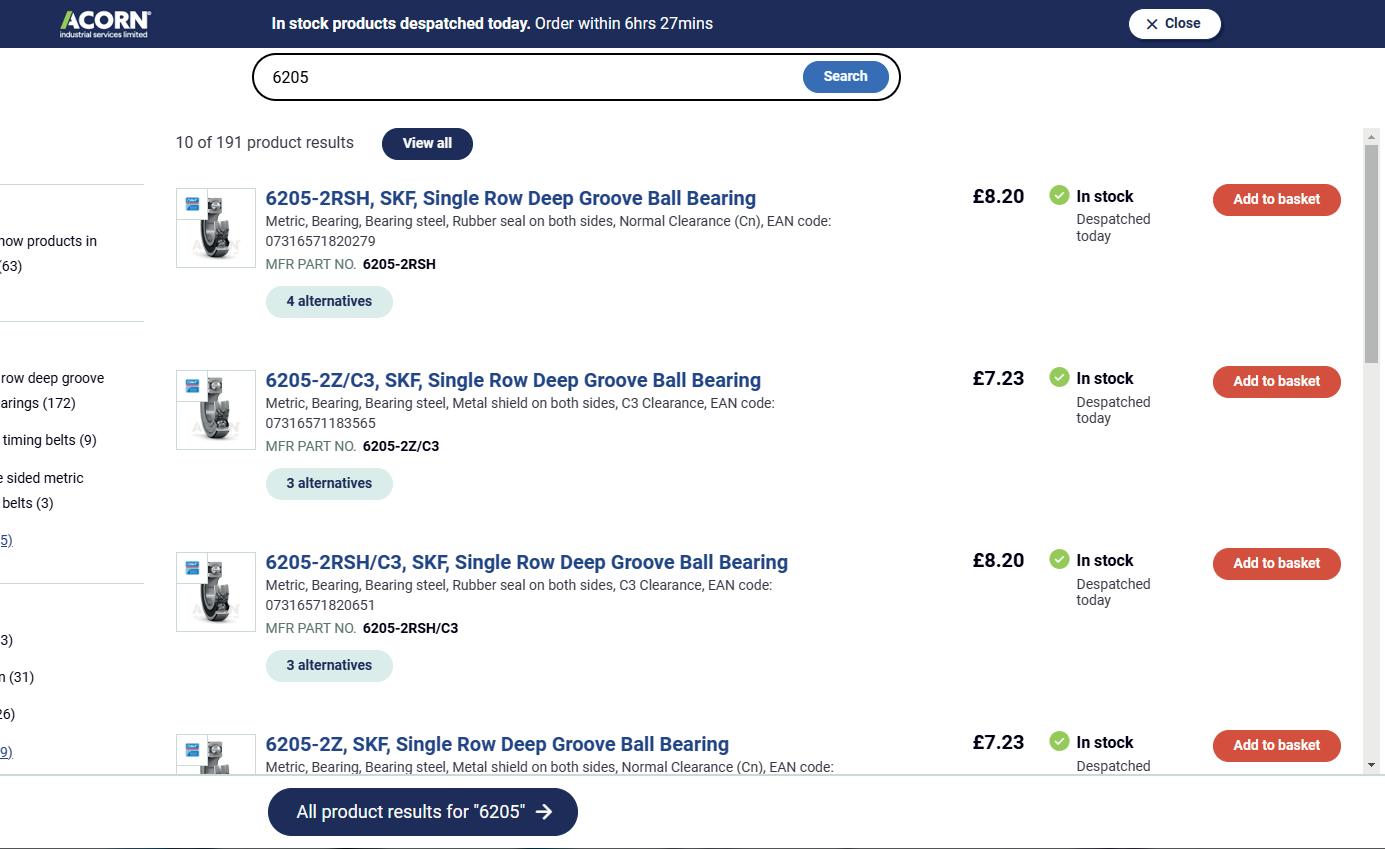
Improved quick search functionality
More support to help you reach Product Experts
Product alternatives feature to enhance user experience
Enhanced keyworddriven search with improved imagery and filters
Quicker ‘add to basket’ functionality for faster check-out
August 20, 2025 // Schaeffler has opened a new high-tech bearings manufacturing facility in India as part of the government’s “Make in India” initiative. The plant is designed to strengthen local production capabilities and support growing demand across sectors such as automotive, rail, and industrial machinery. Equipped with advanced digitalized manufacturing systems, the facility enhances Schaeffler’s ability to deliver localized solutions while improving supply chain resilience. The investment underscores the company’s commitment to India as a strategic growth market and its role in supporting domestic industrial development.

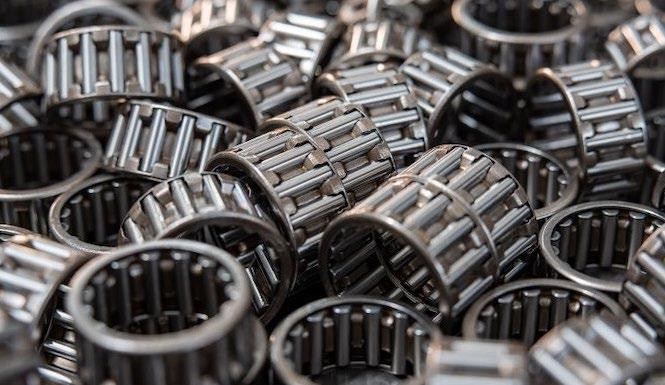
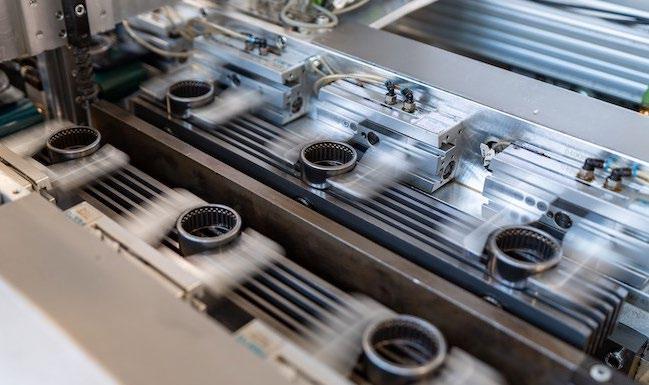
September 1, 2025 // AEQUITA has completed the acquisition of JTEKT’s European needle roller bearing business, marking a strategic expansion of its industrial portfolio. The transaction includes key production assets and engineering capabilities across several European locations. By integrating the acquired operations, Aéquita aims to enhance its competitiveness in precision bearing solutions and strengthen its presence in key regional markets. The move aligns with its broader strategy of building a strong platform in specialized industrial components.
September 2, 2025 // The Timken has announced the appointment of Lucian Boldea as President and Chief Executive Officer. Boldea succeeds Richard Kyle and brings significant experience in leading global industrial businesses. His leadership is expected to support Timken’s continued focus on innovation, operational excellence, and strategic growth. The transition reflects the company’s long-term commitment to strengthening its position in advanced engineered solutions.
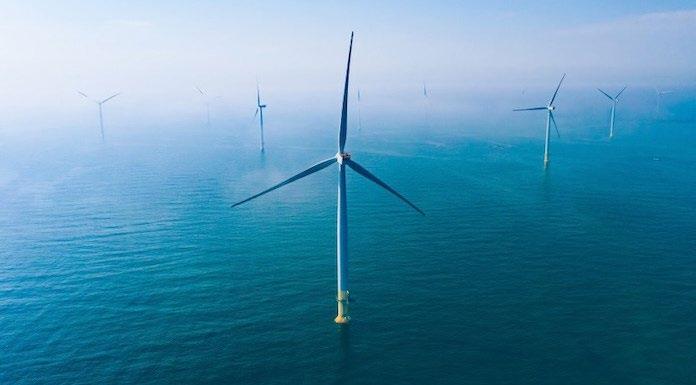
September 10, 2025 // NSK has introduced a new generation of highly reliable spherical roller bearings designed for wind turbine main shafts, aimed at improving long-term operational stability. The solution combines three advanced technologies, Super-TF long-life material, a high-hardness DLC roller coating, and a newly developed extracapacity ECA cage. Together, these innovations significantly enhance wear resistance, reducing raceway wear by more than 90% compared to standard products. As raceway wear remains the primary cause of bearing failure in wind turbines, this advancement delivers substantial gains in durability and reliability. The improved performance supports extended maintenance intervals and helps minimize costly downtime, particularly in remote or offshore installations. By enabling more stable turbine operation with fewer service interventions, the new bearings also contribute to lower maintenance costs and reduced CO₂ emissions.
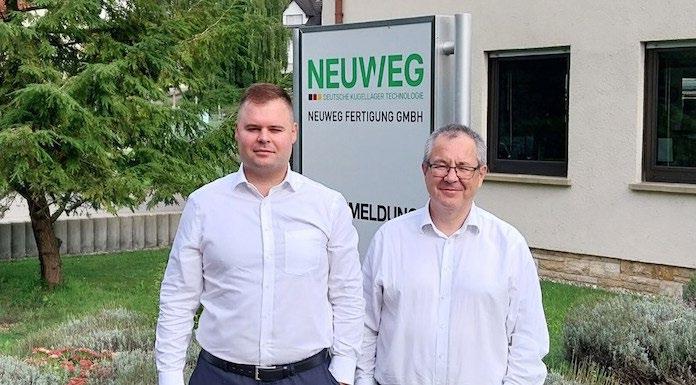
September 14, 2025 // NEUWEG marked its first year of independence following its separation from the NSK Group, relaunching as a fully independent bearing manufacturer. Over the past twelve months, the company has focused on strengthening operations, investing in new technologies, and building a renewed market identity while leveraging decades of engineering expertise. Independence has enabled greater agility and customer focus, positioning NEUWEG not only as a bearing supplier but as a solutions partner. With plans to expand into new sectors and geographic markets, the company aims to support customers in improving reliability, reducing downtime, and lowering total cost of ownership.
September 15, 2025 // he needle roller bearing business formerly operating under the Koyo/JTEKT brand has been reintroduced under a new name – Durkopp, marking the beginning of a new strategic chapter. Backed by Munich-based investment firm AEQUITA, the rebranding reflects a shift toward greater agility, focus, and innovation. With production sites in Germany, France, and the Czech Republic, and a global customer base across more than 45 countries, Durkopp aims to strengthen its presence in automotive and industrial markets while expanding into sectors such as defense and aerospace. The transformation is intended to position the company as a
flexible and technically strong partner for complex needle roller bearing solutions.
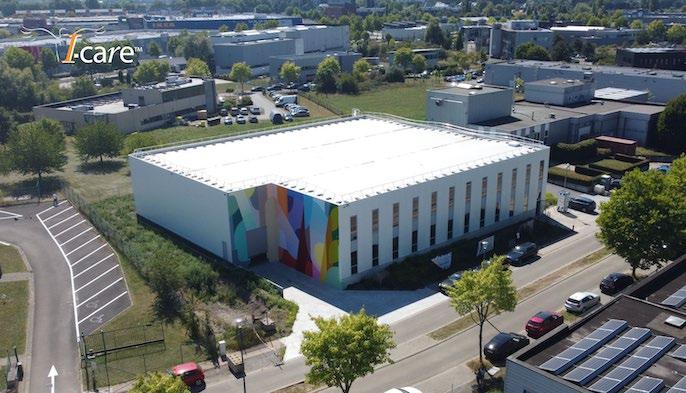
September 25, 2025 // I-care has inaugurated a new high-tech production facility in Mons, Belgium, aimed at strengthening its technological autonomy and supporting global growth. The site will enable the company to design and assemble its predictive maintenance sensors entirely in-house, with a target capacity of up to one million units annually by 2027. Bringing production and R&D together under one roof, the facility will also serve as an innovation hub for developing next-generation solutions. Designed with sustainable and energy-efficient processes, the investment reinforces I-care’s position in the rapidly growing predictive maintenance market while supporting long-term industrial resilience.
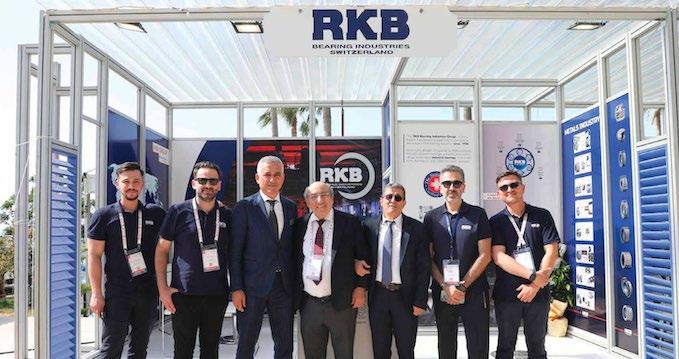
October 1, 2025 // RKB is celebrating 15 years of operations in Türkiye, marking a milestone since establishing its local presence in 2010 to serve the country’s growing heavy industries such as steel and cement. From the outset, the company focused not only on supplying bearings but on building long-term partnerships through technical expertise, local support, and reliable service. Establishing a physical presence enabled faster response times and stronger customer relationships in a competitive market. Over time, RKB expanded its reach beyond metals into sectors including aluminium, cement, and construction, reinforcing its role as a trusted technical partner. Today, its continued local engagement and service-driven approach position RKB as a stable contributor to Türkiye’s evolving industrial landscape.
October 3, 2025 // Nomo Group has acquired the Bosch Rexroth
Customizing Center in Helsingborg, strengthening its capabilities in linear technology and industrial automation. The acquisition supports the launch of a new business unit, Nomo Automation, bringing together expertise in assembly systems, actuators, and complete automation solutions. By integrating advanced customization capabilities, Nomo aims to offer customers greater flexibility, shorter lead times, and access to tailored industrial solutions from a single regional partner.

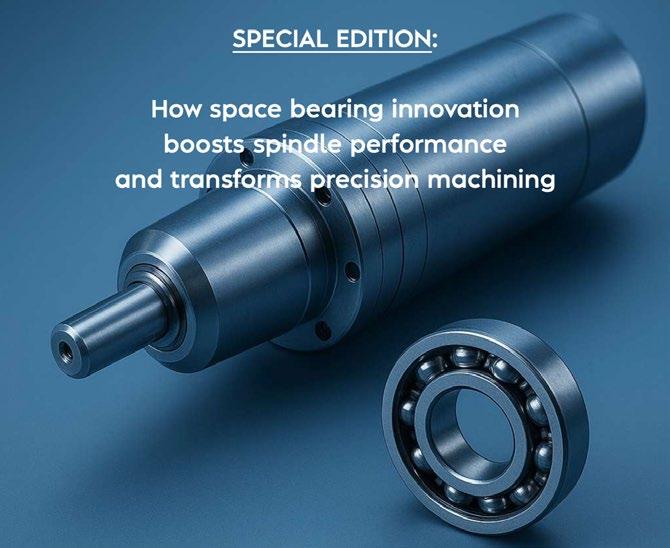
October 10, 2025 //APO-GEE has released a special report exploring how technologies originally developed for space applications are now advancing spindle bearing performance in precision machining. Drawing on over a decade of R&D, the report highlights innovations that address cage instability, reduce vibration and noise, and enhance spindle stability. It also presents self-adaptive bearing designs capable of overcoming traditional trade-offs between speed and versatility. These advancements are setting new benchmarks for highspeed, high-precision machine tool performance and are already being validated through pilot projects.
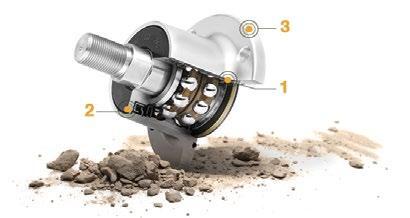
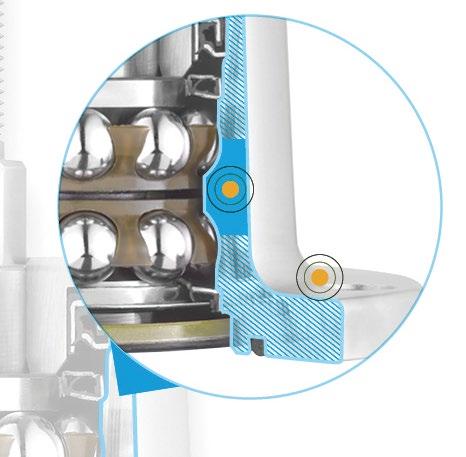
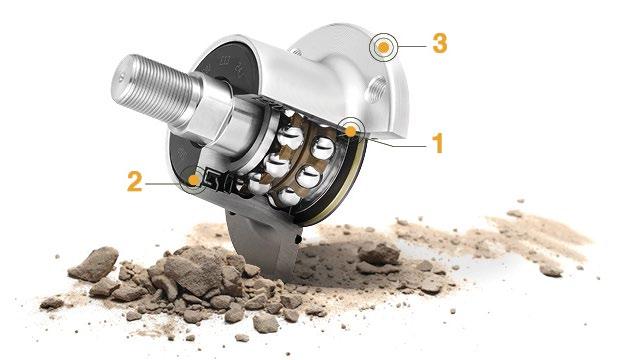
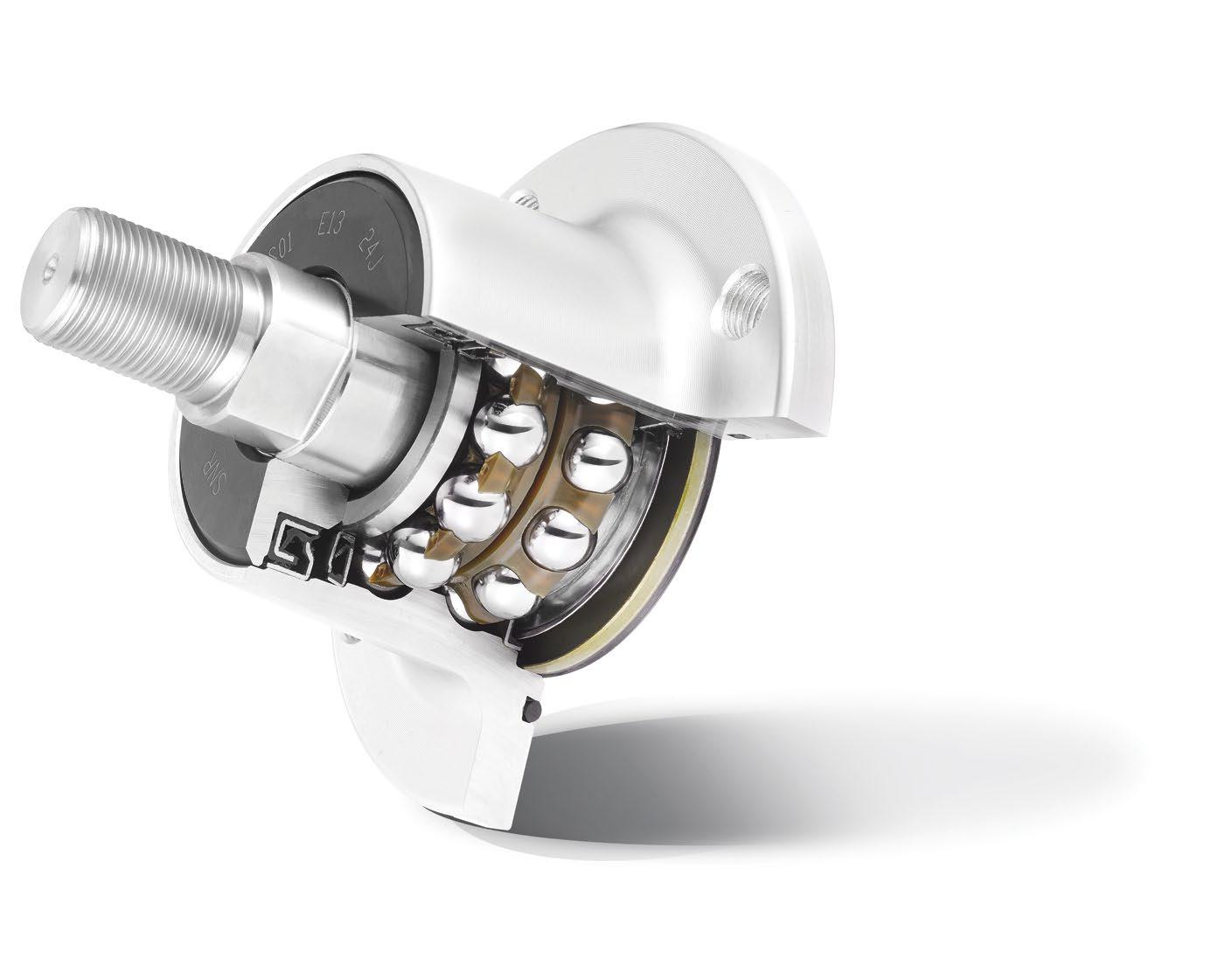
Zinc coating to protect the seal against corrosion and failures
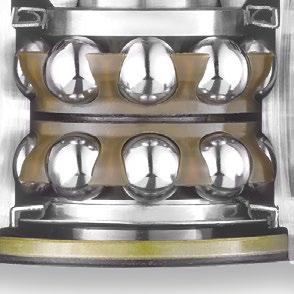
8 sealing lips to withstand the numerous sources of pollution
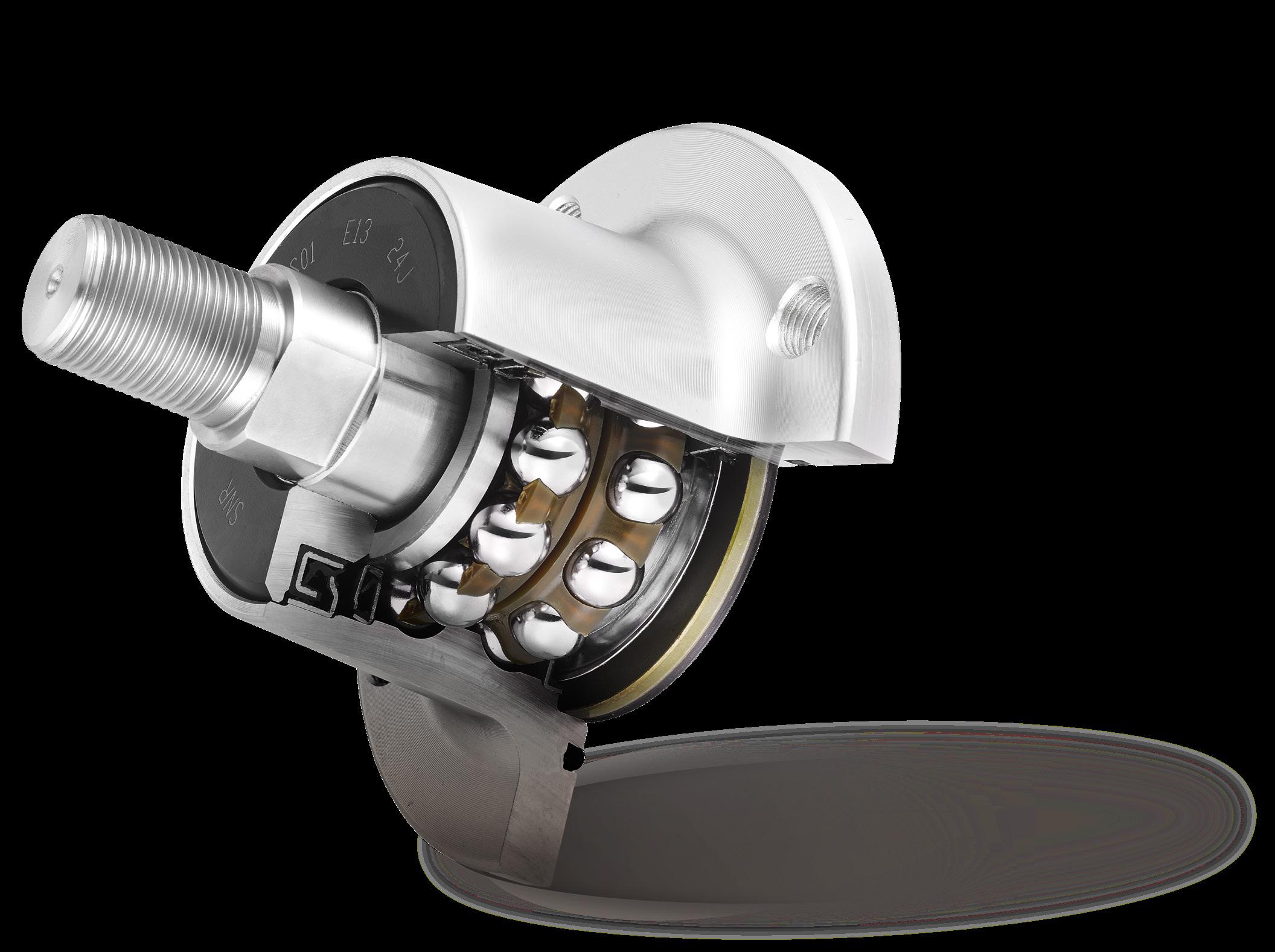

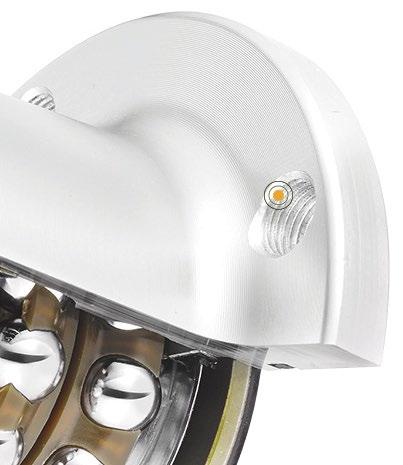
housing to block the impacts from stones

Make the world move forward
Designed for demanding agricultural environments, the SNR AGRIHUB incorporates sealing technology consisting of 8 sealing lips. Its forged steel housing guarantees longlasting protection against contamination and impacts. This hub is easy to mount and simplifies your integration processes on your independent disc harrows.
As a major player in the agricultural sector for over 40 years, our disc hubs are tested in our centres under real-life conditions. Our expertise enables us to guarantee compliance and the performance you require, at the right price.
Together, let’s contribute to the success of agricultural crops.
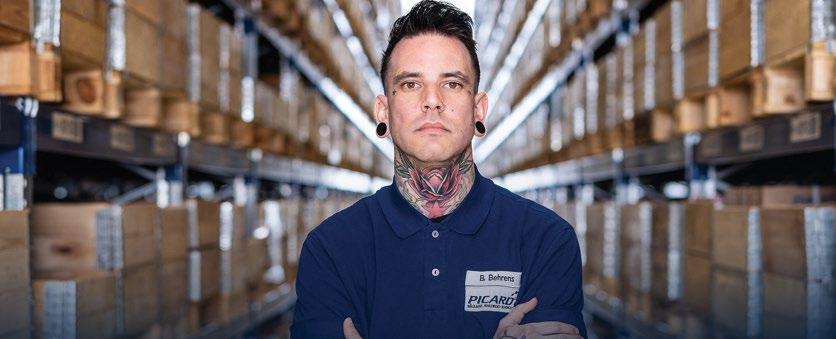
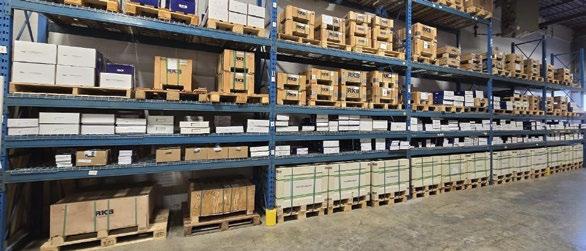
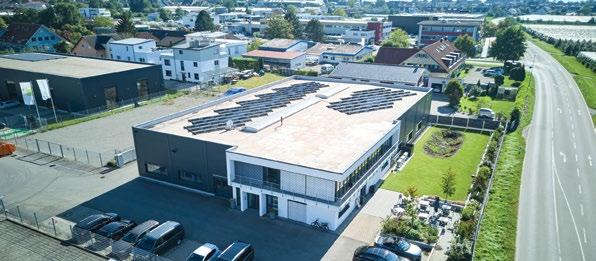
October 13, 2025 // PICARD has strengthened its future growth strategy through the commissioning of new infrastructure at its headquarters in Bochum. Central to the development is a fully automated shuttle warehouse, the company’s largest logistics investment to date, enabling faster and more precise order processing while significantly expanding storage capacity. In addition, new office spaces have been created to support a growing workforce and enhance collaboration. The expansion also incorporates employee-focused facilities and largescale photovoltaic systems to improve sustainability and energy efficiency. Together, these developments are designed to streamline operations, support innovation, and reinforce PICARD’s long-term competitiveness.

October 20, 2025 // Timken has applied to the Ontario Securities Commission to cease being a reporting issuer in Ontario, the only Canadian jurisdiction where it currently holds this status. If approved, the move will eliminate the need to file duplicate financial reports in Canada that

are already disclosed in the United States. The company will continue to meet all reporting requirements with U.S. regulators and the New York Stock Exchange, ensuring ongoing transparency for investors.
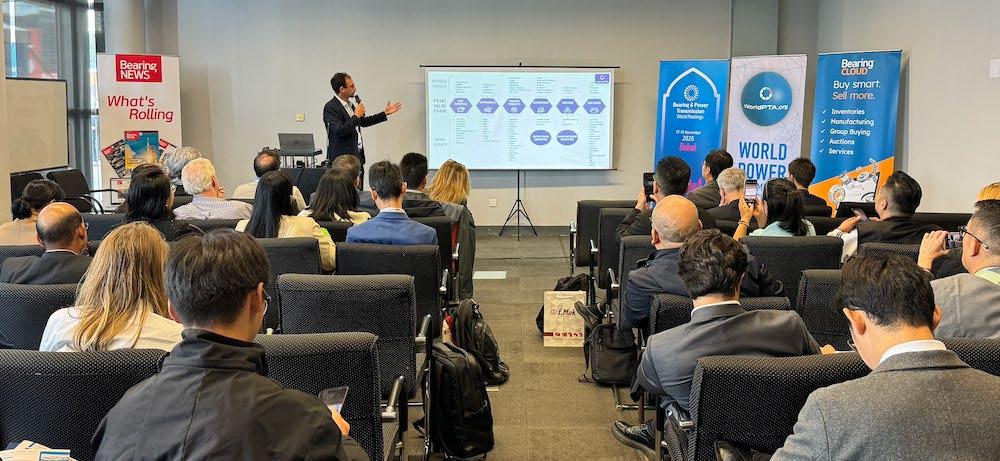
October 26, 2025 // The Bearing & Power Transmission Regional Forum, held during PTC ASIA 2025 in Shanghai, brought together 52 industry leaders from 11 countries for a full day of strategic dialogue and networking. The event served as a focused platform for manufacturers, sourcing managers, and associations to exchange insights on market trends, global sourcing challenges, and opportunities for collaboration. Key discussions addressed value chain resilience and strategies for expanding international partnerships in a rapidly evolving industrial landscape.
October 27, 2025 // Timken reported third-quarter 2025 sales of $1.16 billion, representing a 2.7% increase compared to the same period last year, supported by pricing actions, favorable currency effects, and contributions from recent acquisitions. Net income for the quarter totaled $69.3 million, with adjusted EBITDA reaching $201.7 million, reflecting improved operating performance despite softer demand in certain industrial segments. Growth in the Engineered Bearings segment was
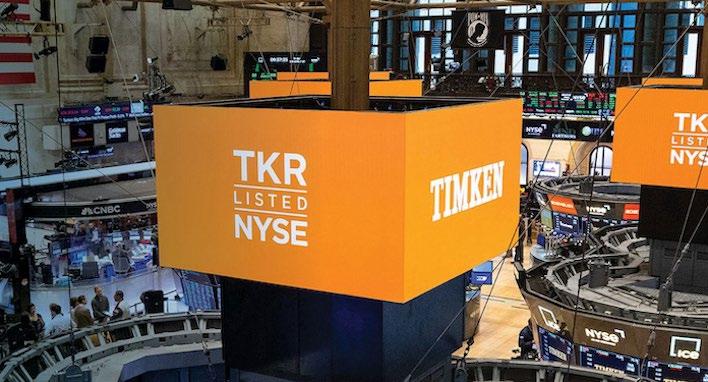
driven by renewable energy demand, while the Industrial Motion segment benefited from acquisition-related revenue and pricing improvements.
November 25, 2025 // SKF reported third-quarter 2025 net sales of SEK 22.5 billion, with organic growth of 2% driven mainly by the Industrial business, while Automotive remained affected by weak market demand. Despite continued challenging market conditions and significant currency headwinds, the company improved its adjusted operating margin to 12.3%, supported by pricing actions, portfolio management, and strong cost control. Industrial sales grew across all regions, particularly in Asia and the Americas, while Automotive declined slightly due to softer demand in North America.
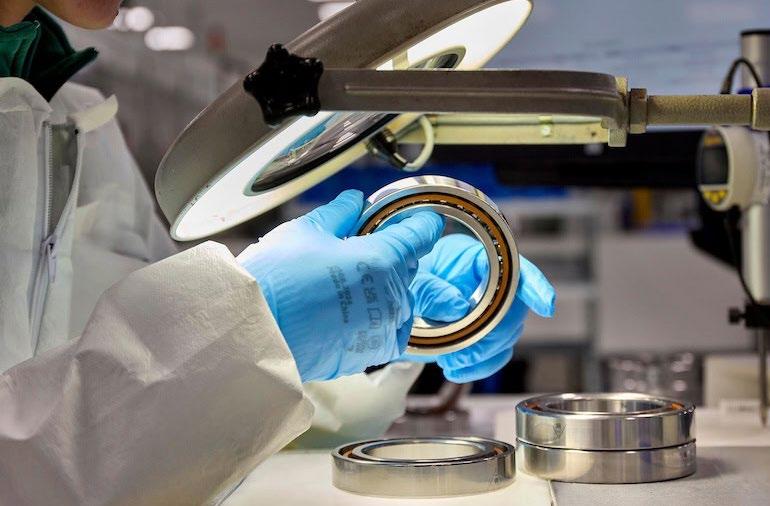
November 27, 2025 // China’s bearing exports increased by 7.2% year-on-year in the January–July 2025 period, reaching nearly 498,000 tons, according to customs data. Despite the rise in shipment volumes, export value grew by only 0.9%, reflecting continued pressure on global pricing. The average export price declined from $630 to $590 per ton, highlighting intensified competition in international markets. In July alone, export volumes rose 3.2% compared to the previous year, while export value fell by 2.8%, further underscoring the widening gap between volume growth and pricing levels. The data points to sustained global demand for Chinese bearings,
even as pricing pressures continue to impact overall export revenues.
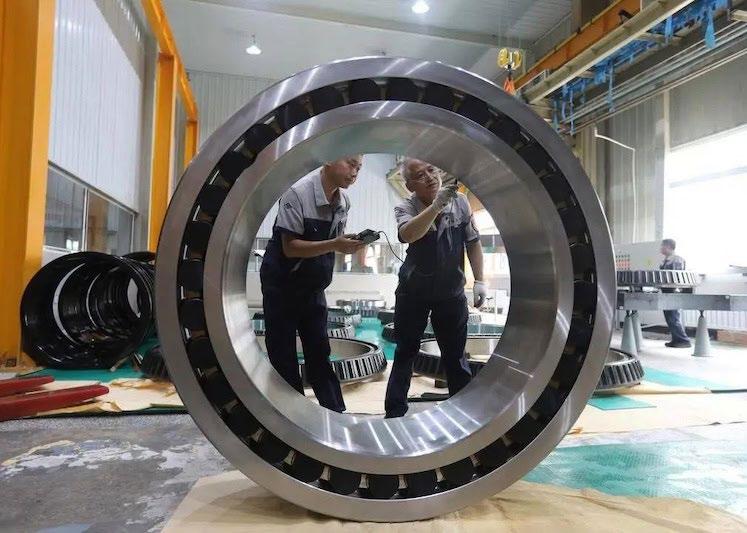
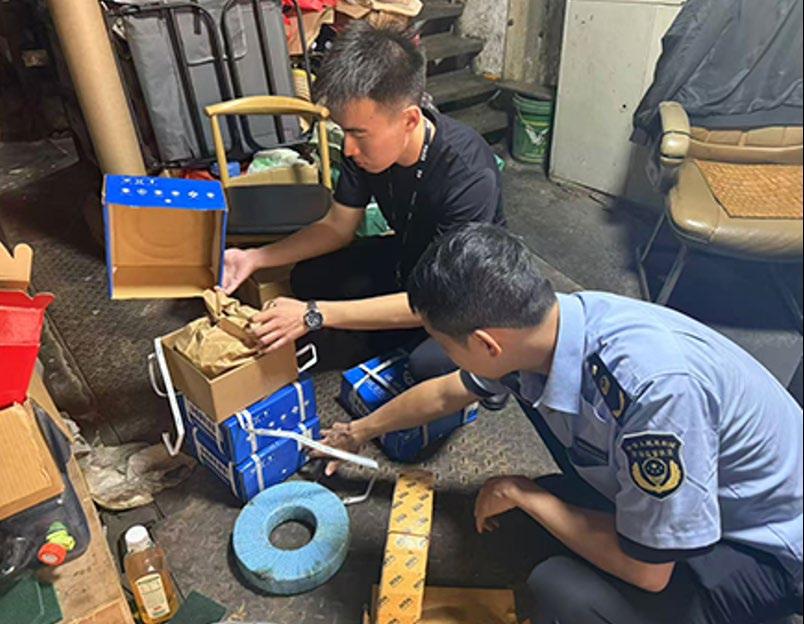
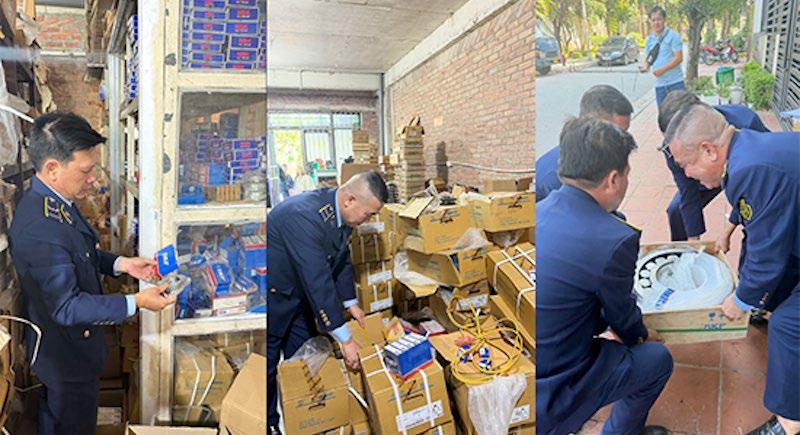
November 30, 2025 //Authorities in Tianjin have shut down four retail outlets in the Nankai District following the discovery of counterfeit industrial bearings bearing the “HRB” trademark. The enforcement action was launched after a complaint from Harbin Bearing Group and conducted in cooperation with local public security authorities. Inspections of warehouses and storefronts confirmed that the products in question were unauthorized and in violation of trademark rights.
December 1, 2025 //NTN Corporation has selected Tunisia as the location for its first manufacturing operation on the African continent, marking a significant step in its global expansion strategy. The new facility, to be built in the industrial zone of La Manouba, will focus on producing components for the automotive sector. The decision follows
a successful collaboration with local partner LTM, which NTN Europe joined as a strategic shareholder earlier in 2025.
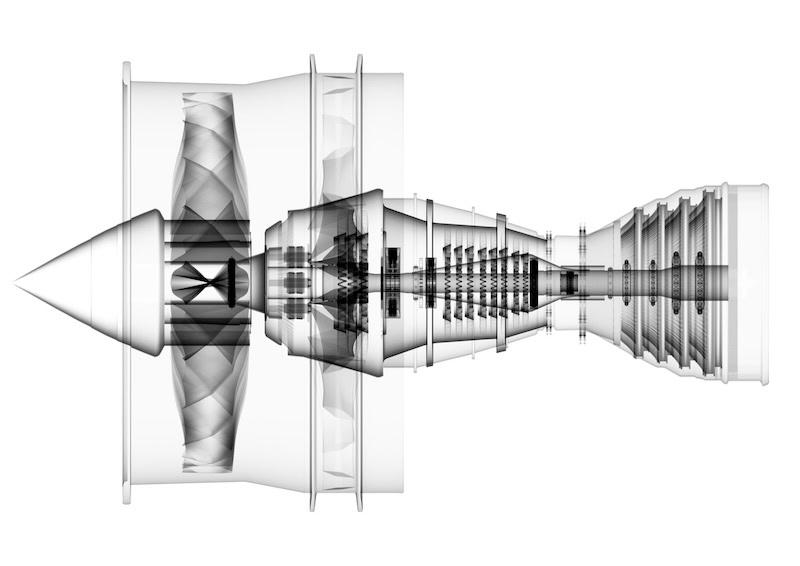
December 10, 2025 // SKF has introduced ARCTIC15, a novel bearing steel designed to support the next generation of aeroengine technologies. The new material offers enhanced temperature resistance and corrosion tolerance, enabling bearings to operate under higher loads, speeds, and power densities than current solutions. Developed to meet the aviation industry’s ambition of reducing fuel consumption by 20–25%, ARCTIC15 enables more compact and efficient bearing designs that support advanced engine architectures.
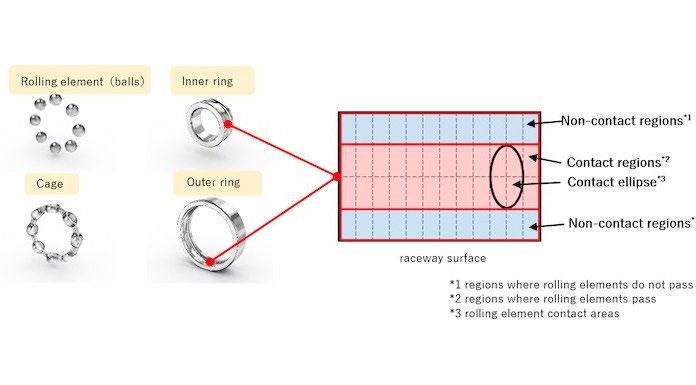
January 7, 2025 // NTN has developed a new high-accuracy torque calculation method for oil-lubricated ball bearings, improving prediction accuracy by up to 50% at high rotational speeds. The approach analyzes both contact and non-contact regions of the raceway surface, enabling a clearer understanding of torque-generating factors that were previously difficult to model. This advancement supports the development of low-torque bearings for
electric and hybrid vehicle applications, where higher speeds and energy efficiency are increasingly critical. By enhancing calculation accuracy during the design phase, the method allows faster validation of bearing performance and helps identify optimal internal design strategies. NTN plans to apply the technology across future bearing developments, including lubricants and cage designs, as part of its broader effort to improve efficiency in next-generation mobility solutions.
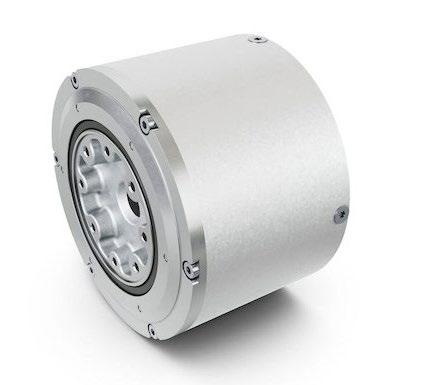
January 10, 2025 // Schaeffler has introduced a planetary gear actuator developed specifically for humanoid robots, supporting precise and energyefficient motion in robotic joints. The compact system integrates a two-stage planetary gearbox, electric motor, encoder, and controller into a single unit designed for continuous-duty operation. With enhanced back-drive capability and high torque transparency, the actuator enables smooth, accurate movements in key joints such as shoulders, hips, and knees. By manufacturing all components in-house, Schaeffler ensures reliability and scalability as it strengthens its position in the rapidly growing humanoid robotics market.
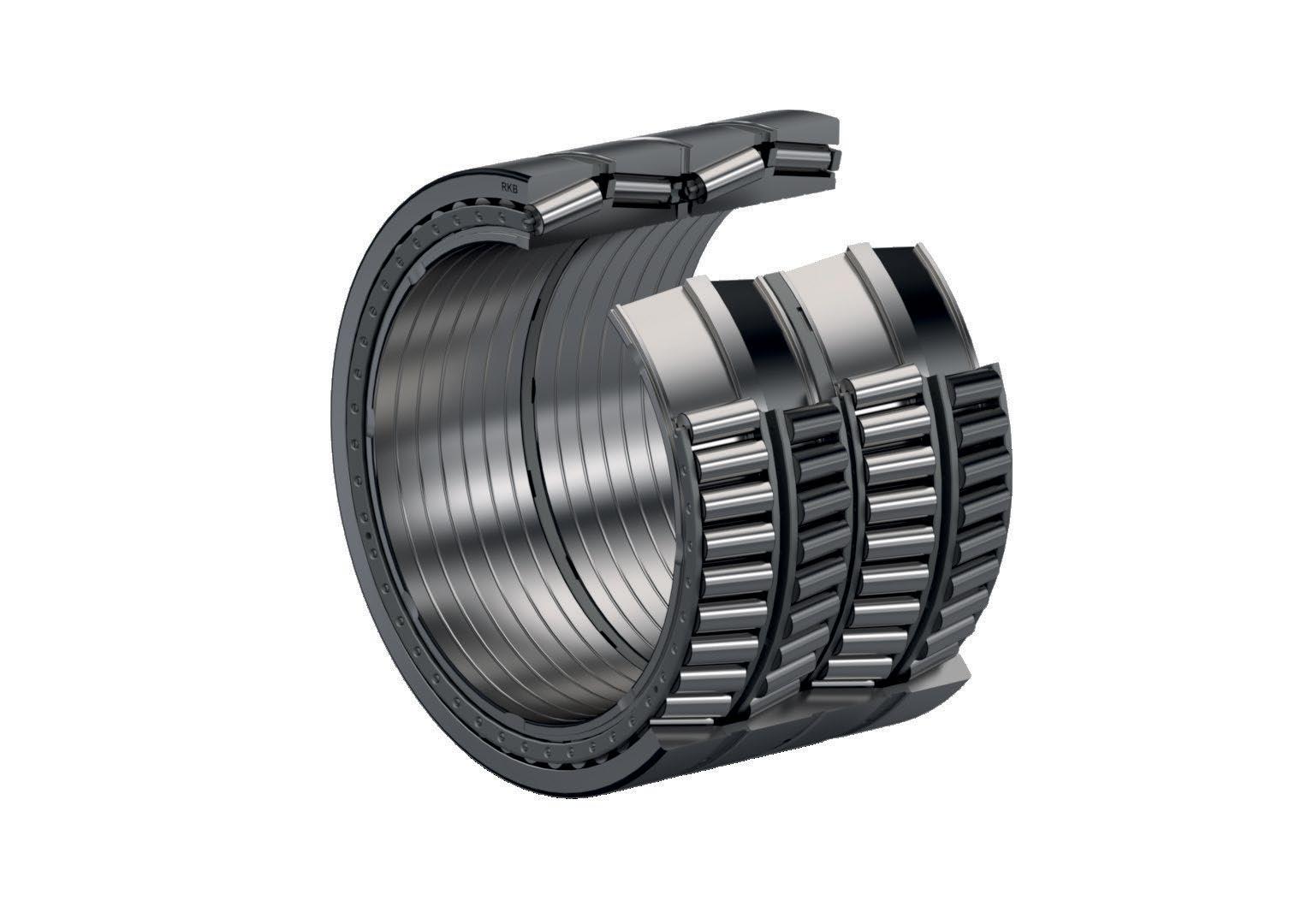
Built
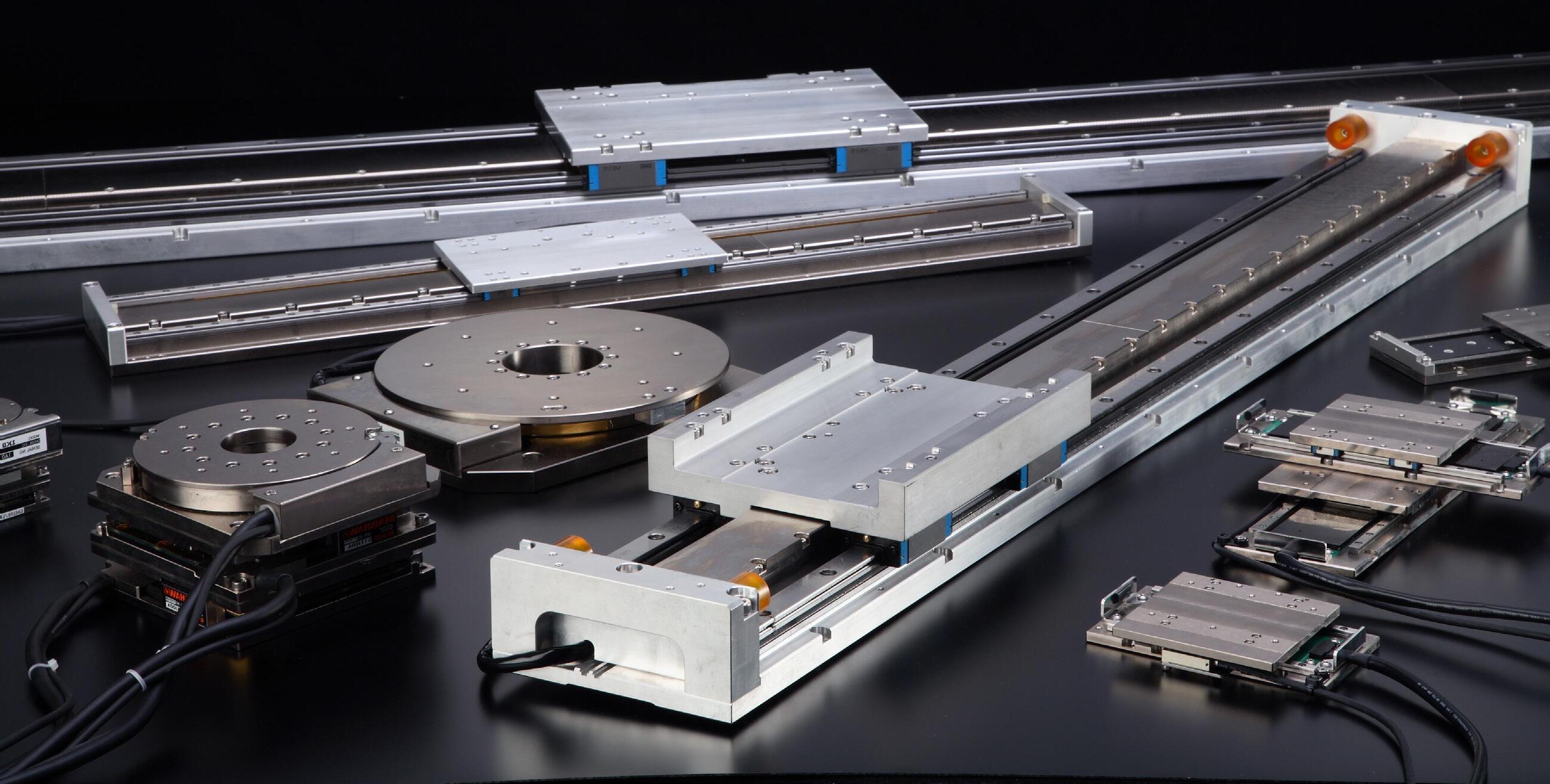
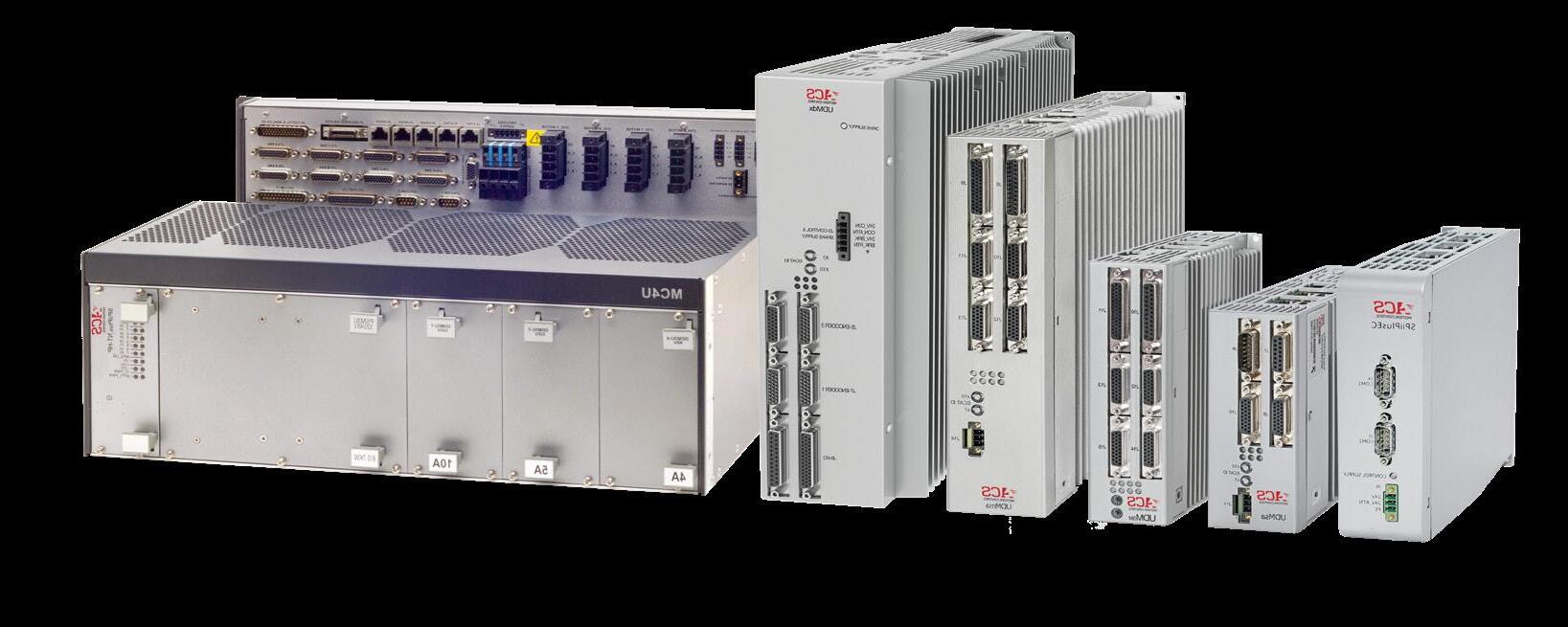

Nippon Thompson and VarioDrive have teamed up to enhance their offerings by combining Nippon Thompson’s advanced motion technology with VarioDrive’s innovative drive systems. This collaboration aims to deliver high-performance, reliable solutions that meet the growing demand for precision and efficiency in industries like automation, robotics, medical and semiconductor markets across Europe.
’s positioning tables offer a tailor made solution to any application imaginable, together with their trusted Linear Motion Rolling Guide technology, now can offer the support with VarioDrive’s who will guide you through the complex landscape of solutions and components with motion control systems.
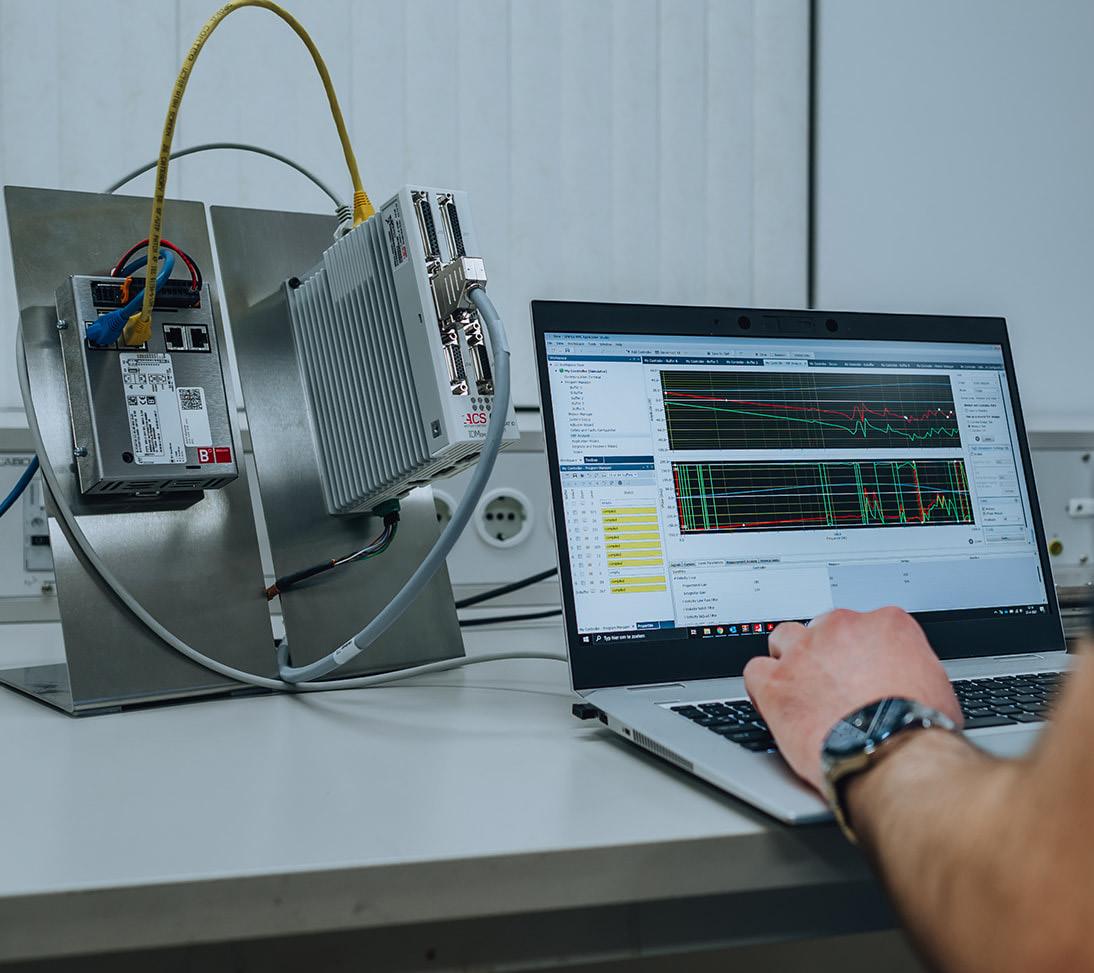
January 20, 2026 // Chinese authorities have intensified enforcement efforts against counterfeit bearings and automotive components through targeted inspections and customs actions. In Zhuzhou, regulators seized unauthorized bearings from local retailers after trademark complaints, while Huangdao Customs destroyed over 20,000 counterfeit automotive parts intercepted in the import-export supply chain.
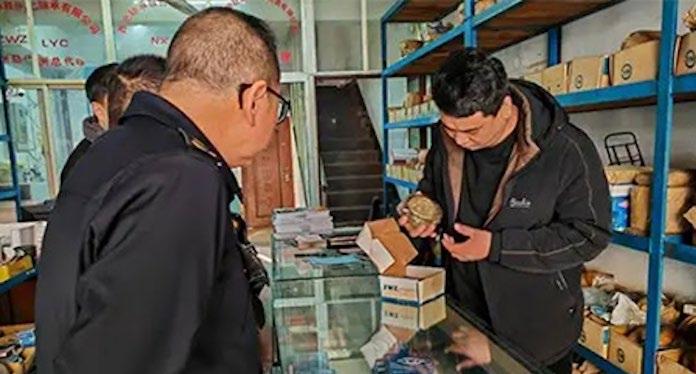
January 23,2026 // Vietnamese authorities have intensified enforcement efforts against counterfeit industrial components following the year-end holiday period. In Hanoi, officials recently uncovered a large-scale operation during a warehouse raid, seizing nearly 30,000 counterfeit bearings falsely branded as SKF products.
January 25, 2026 // Schaeffler is selling 100 percent of its shares in Xtronic GmbH, based in Böblingen, to Accursia Capital GmbH, headquartered in Munich. With this move, Schaeffler is responding to the decline in Xtronic’s development business, which has been affected by a market-related reduction in external customer
orders, and is continuing the strategic portfolio restructuring announced at its Capital Markets Day in September 2025 following the merger with Vitesco Technologies. The parties have agreed

not to disclose the purchase price.
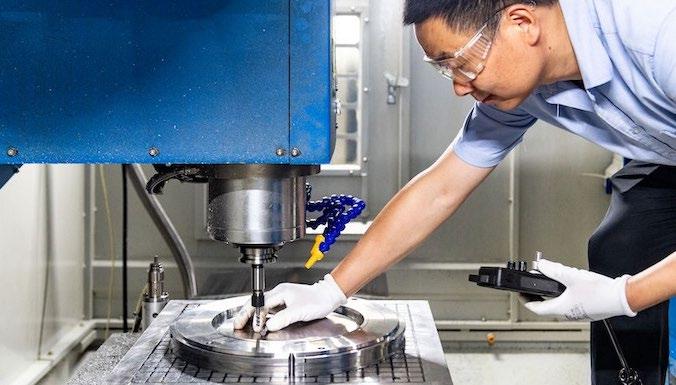
February 3, 2026 // SKF reported fourth-quarter 2025 net sales of SEK 22.0 billion, with flat organic growth as gains in the Industrial business were offset by weaker demand in Automotive markets. Despite continued soft market conditions and significant currency headwinds, the company improved its adjusted operating margin to 11.8%, supported by strong cost control and favorable price mix. Industrial sales showed growth across regions, particularly in China and India, while Automotive performance remained under pressure in Europe and the Americas. The improved margin was driven by cost-saving initiatives and manufacturing efficiency programs, even as separation costs related to the Automotive business impacted cash flow.
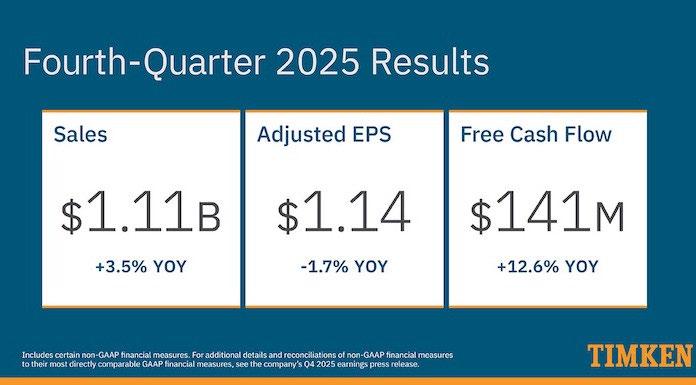
February 5, 2026 // Timken reported fourth-quarter 2025 sales of $1.11 billion, representing a 3.5% increase compared to the same period a year earlier. Net income for the quarter totaled $62.3 million, while adjusted EBITDA reached $177.8 million, supported by strong
performance in the Industrial Motion segment. Growth was driven primarily by higher pricing, favorable currency effects, and increased demand across most industrial sectors, partially offset by lower volumes in the Engineered Bearings segment.
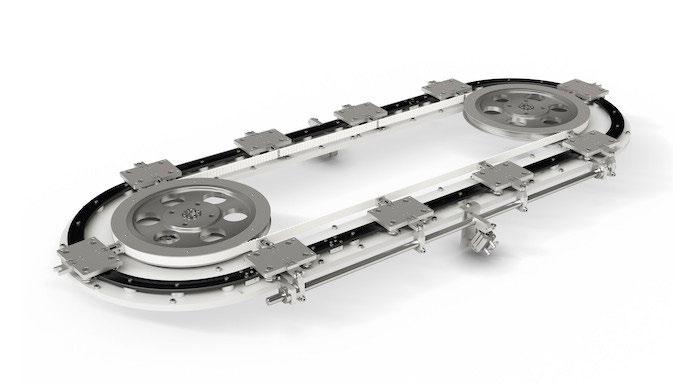
February 15, 2026 // Rollon has unveiled CLTA, a new modular beltdriven circular system designed to support flexible automation layouts and simplify installation. Built on the proven CLT platform, the system enables oval and rectangular motion paths using standardized components that eliminate the need for custom machining or complex assembly. The three-level structural design integrates pulleys and the drive belt into a stable base, allowing CLTA to be supplied either as individual components or as a fully assembled unit. This helps reduce engineering effort, lead times, and customization costs.
February 17, 2026 // SNR has introduced AgriHub, a new solution designed to enhance the performance and durability of agricultural machinery operating in demanding conditions. Engineered for independent disc harrows, the unit integrates optimized sealing and lifetime lubrication to minimize maintenance needs and extend equipment lifespan. The innovation supports farmers in
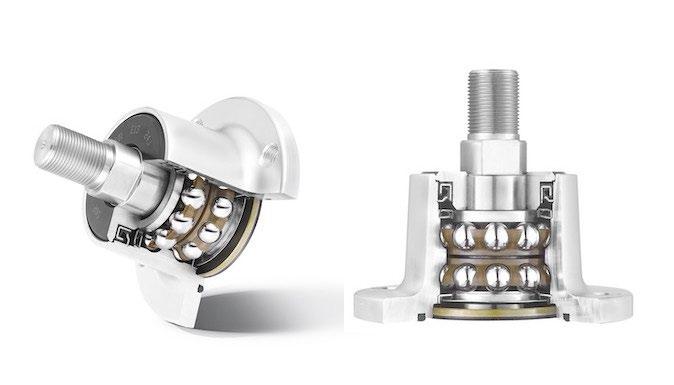
increasing productivity while lowering maintenance effort and environmental impact, reinforcing SNR’s commitment to developing reliable solutions for modern agricultural applications.
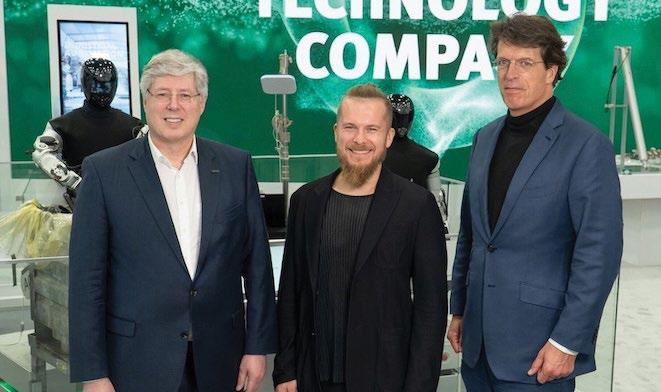
February 20, 2026 // Schaeffler has entered into a strategic technology partnership with British robotics company Humanoid to advance the development and deployment of humanoid robots in industrial environments. The collaboration
focuses on the joint development and supply of key components, including actuators used in both wheeled and bipedal humanoid systems. As part of the agreement, Schaeffler will become a preferred actuator supplier and plans to integrate several hundred humanoid robots into its global production network over the next five years to enhance automation and efficiency.
February 21, 2026 // SKF India has announced a $72 million investment
to establish a next-generation “Factory of the Future” in Pune, reinforcing its long-term commitment to digitalization, sustainability, and localized manufacturing. The new facility, expected to be operational by 2030, will integrate advanced automation, intelligent systems, and energy-efficient processes to enhance productivity and operational resilience. Designed as a lean and digitally enabled manufacturing campus, the plant will strengthen SKF’s production capabilities while supporting critical industries such as energy, railways, and heavy industry.
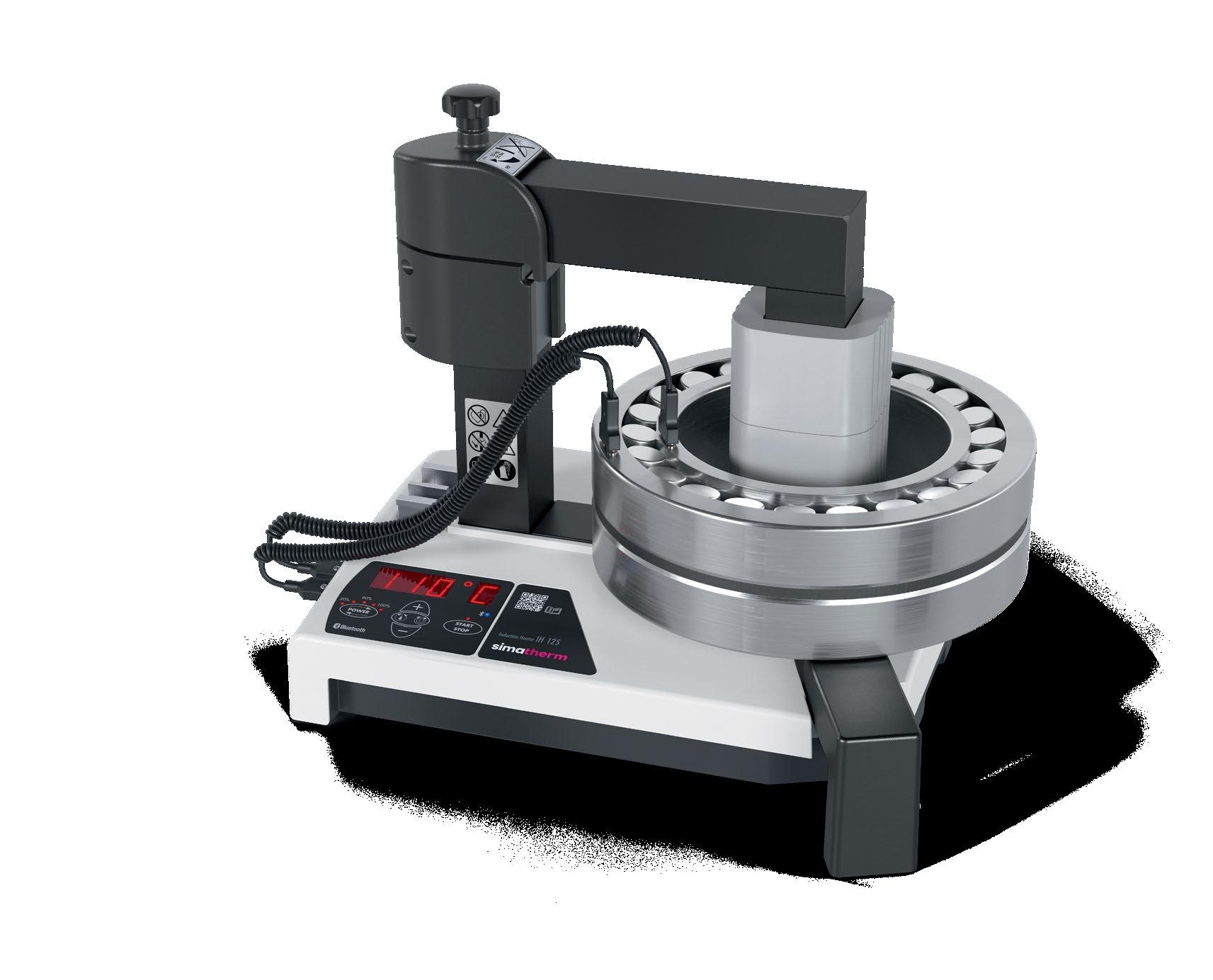
Explore the next level of induction heating: simatherm IH 125




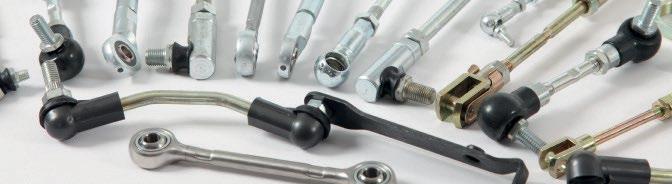
We would like you to take advantage of our design co-operation service from initial application appraisal, through costing and prototypes, to ISIR and PPAP approval and production supply of your rod based Linkage assemblies. They can be supplied loose for final adjustment at the point of fit, alternatively, where required, by using length setting gauges and tooling, linkages can be supplied to pre-determined fixed centres. The flexible manufacturing techniques used in the production of linkage components allow non-standard derivatives to be readily manufactured. We produce hundreds of customer specials with varying dimensions, thread forms and features. We welcome your enquiries - please contact us at sales@btl-uk.com
BTL-UK is proud to be a committed European manufacturer of Dunlop brand Bearings, Power Transmission and Linkage components. We believe in the future of European manufacturing and will continue to focus and further enhance the requirements and expectations of our customers globally. As a proud manufacturer we want to help Europe’s industry flourish and to meet the world’s evolving appetite for innovative designs and responsibly produced quality manufactured products.
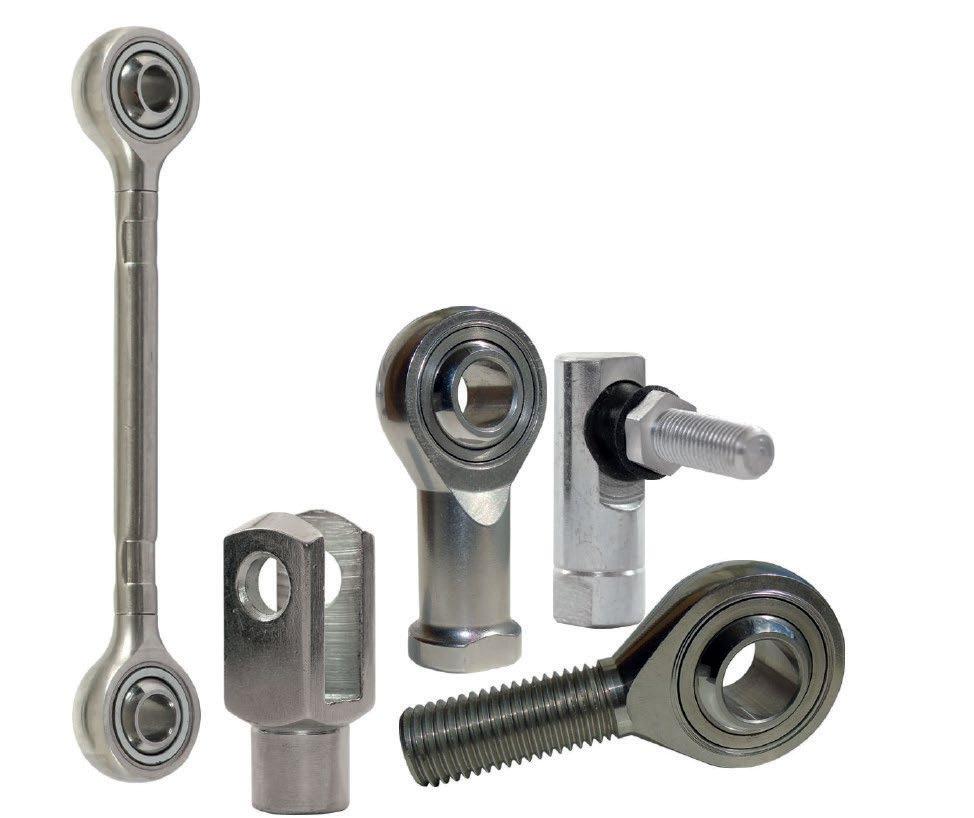



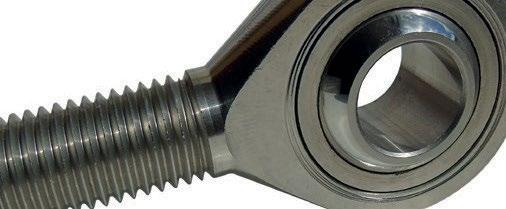
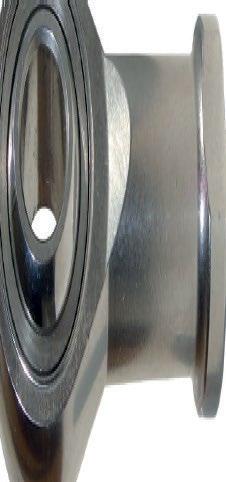
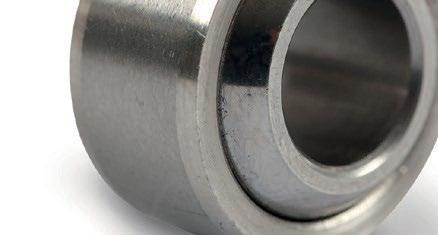
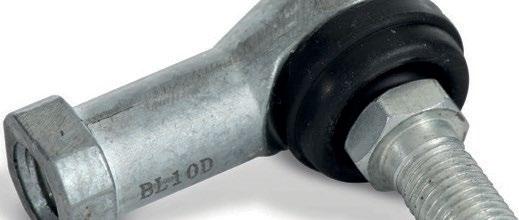
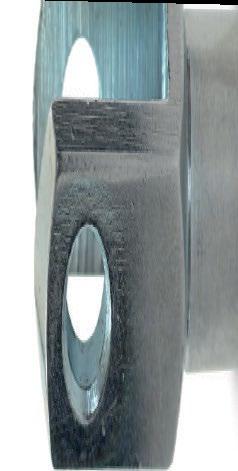
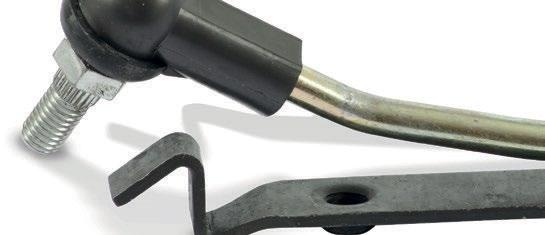
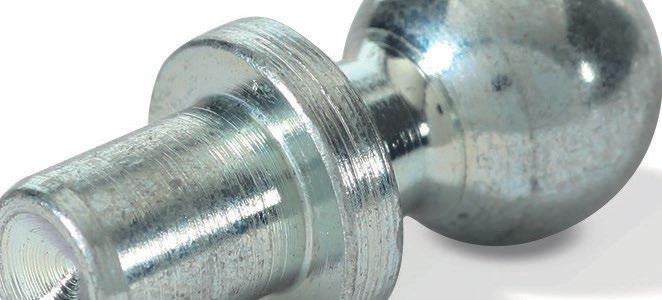
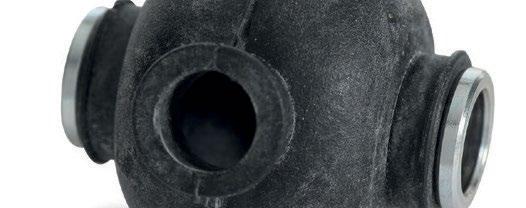
Dunlop linkage components such as Rod Ends, Spherical Bearings & Ball Joints are proudly manufactured in the UK and are used to transfer mechanical motion. Whether that motion is shifting the cutting height in a lawnmower or controlling the exhaust valve on an articulated lorry, we specialise in the supply of these products to bearing distributors and to some of the World’s most well-known original equipment manufacturers.
A wide range of materials are available, steel, stainless steel, plastic, bodies with options of bronze, nylon, PU and PTFE liners and with over 100 plating specifications we are sure to meet your customers heat or corrosion resistant requirements.
We believe our range of Dunlop rod ends, spherical bearings & ball joints are the largest range available throughout Europe.
Please visit www.btl-uk.com for further information.
BTL-UK LTD - Head office & European Distribution Centre MPT House, Brunswick Road, Cobbs Wood Industrial Estate, Ashford, Kent, TN23 1EL United Kingdom
BTL-UK LTD - Production Site Units 6&7 Hilton Road, Cobbs Wood Industrial Estate, Ashford, Kent, TN23 1EW United Kingdom
BTL-UK LTD - Production Site Unit 22, Albert Drive, Burgess Hill, West Sussex, RH15 9TN United Kingdom
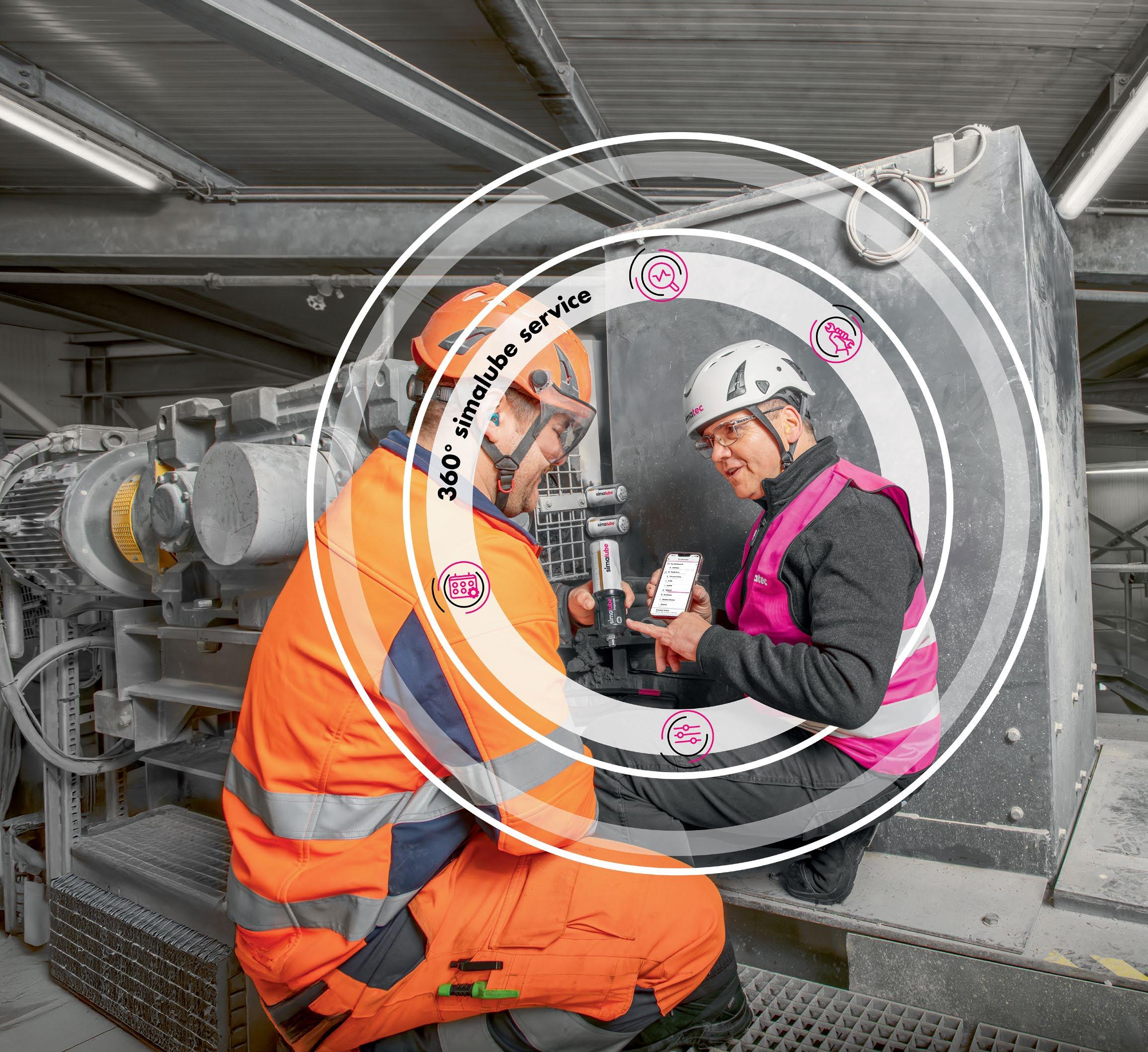
How a barely noticeable noise can change everything – and how the new simalube service makes daily work easier for maintenance and production managers
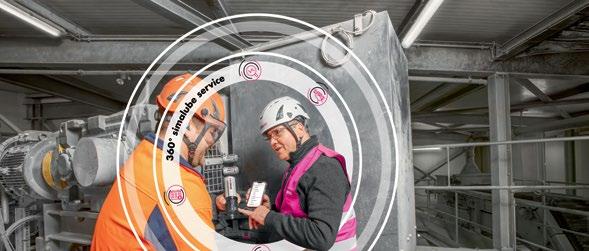
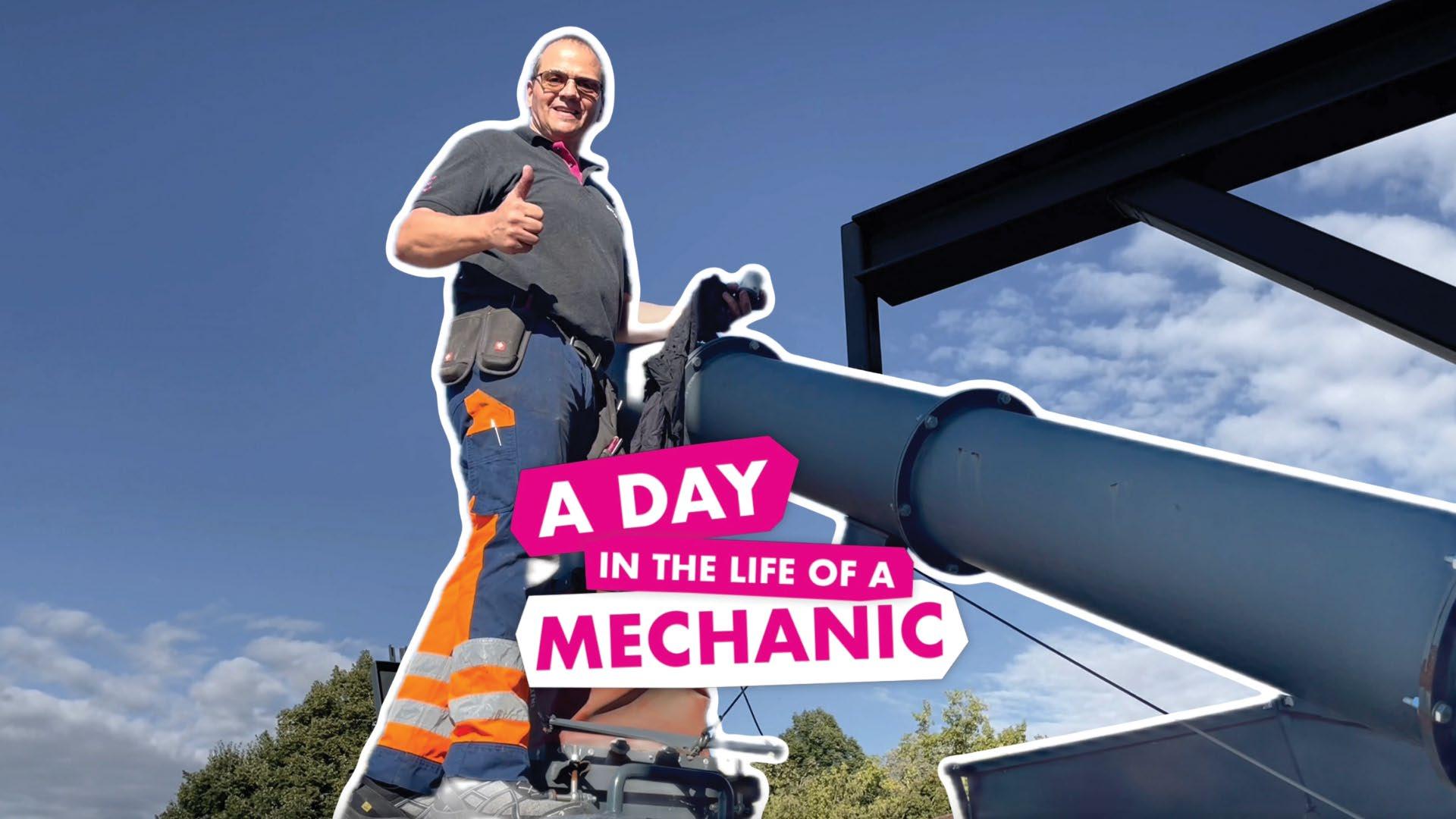
It is Monday morning, just before seven. The production hall slowly comes to life. Conveyor belts start moving, motors pick up their rhythm. For Marco, an experienced mechanic and maintenance technician, the day begins like many before it: a walk through the hall, coffee cup still half full, ears alert for any unusual noise. Because Marco knows: when a system stops, everything stops.
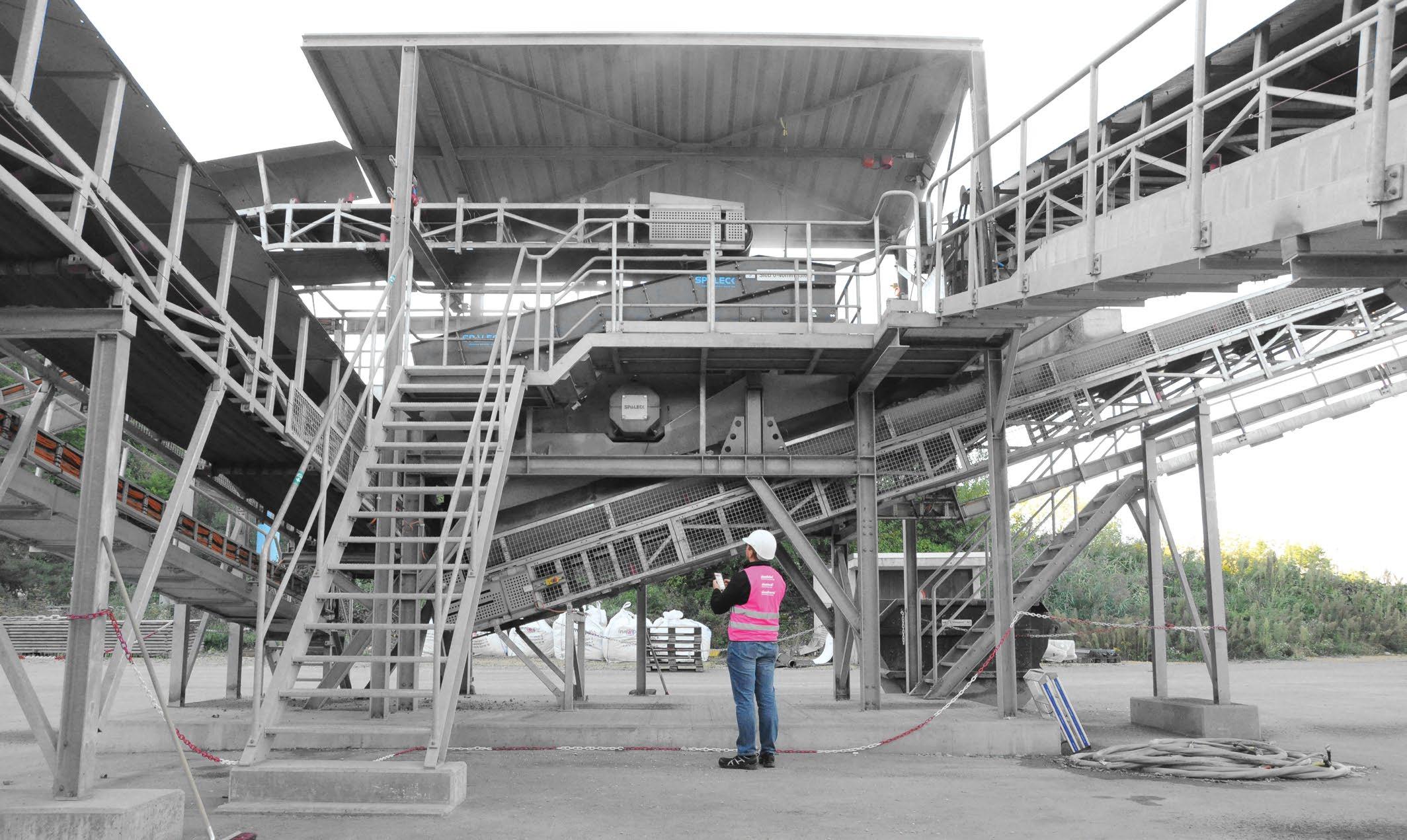
The moment every mechanic knows Suddenly, he hears it. A scraping sound. A squeak. A faint howling noise. Seconds later, it is clear to Marco: a bearing is running dry. He stops. The conveyor in front of him is one of the most critical in the entire material flow. A failure would not only stop the line, but disrupt shift planning, logistics, and affect several workplaces at once. The system has to be shut down. The suspected bearing is dry
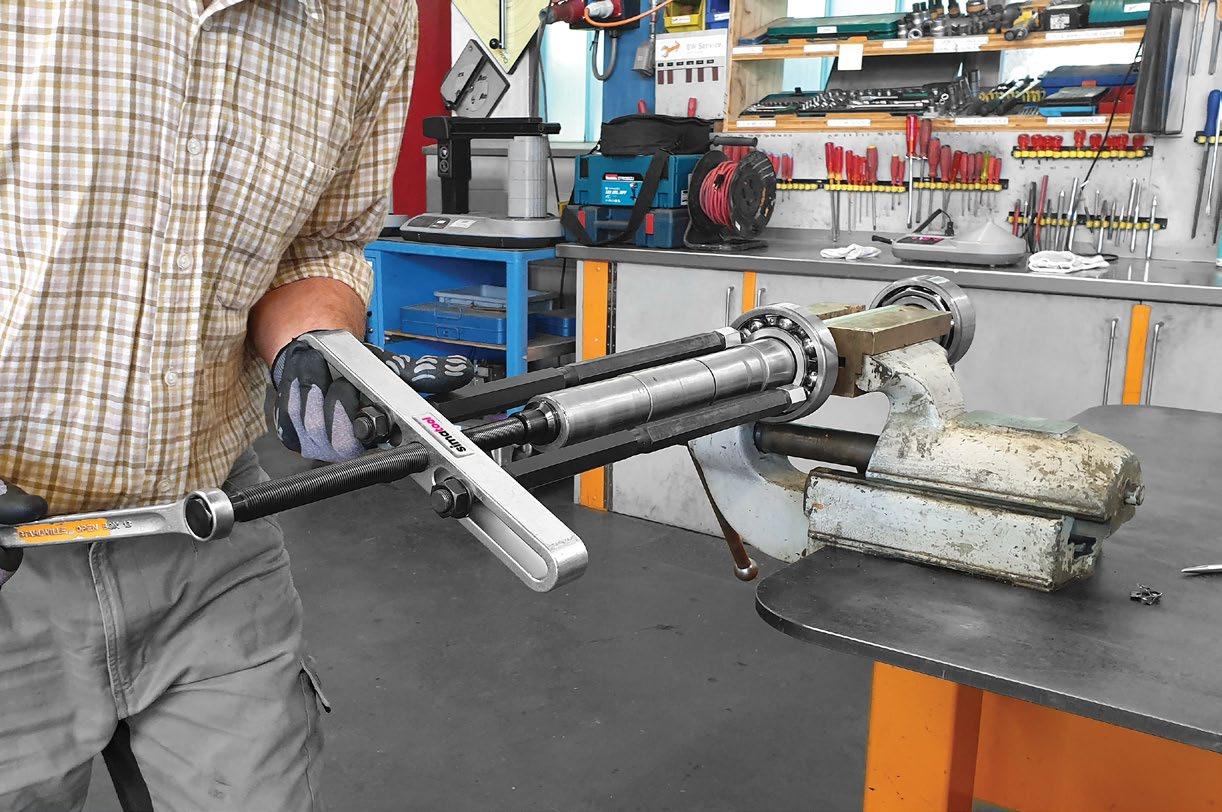
and at the end of its service life. There is no alternative. Marco knows that every minute now counts. He immediately removes the old rolling bearing. Fortunately, he has the right professional tool at hand: the simatool BP 61 from simatec. With a practiced movement and the precise pulling technique of the tool, he removes the bearing from the shaft quickly, cleanly, and safely.
“Marco, simatec has launched a new simalube service. They take care of lubrication for our machines – analysis, installation, maintenance. Maybe we should look into that.”
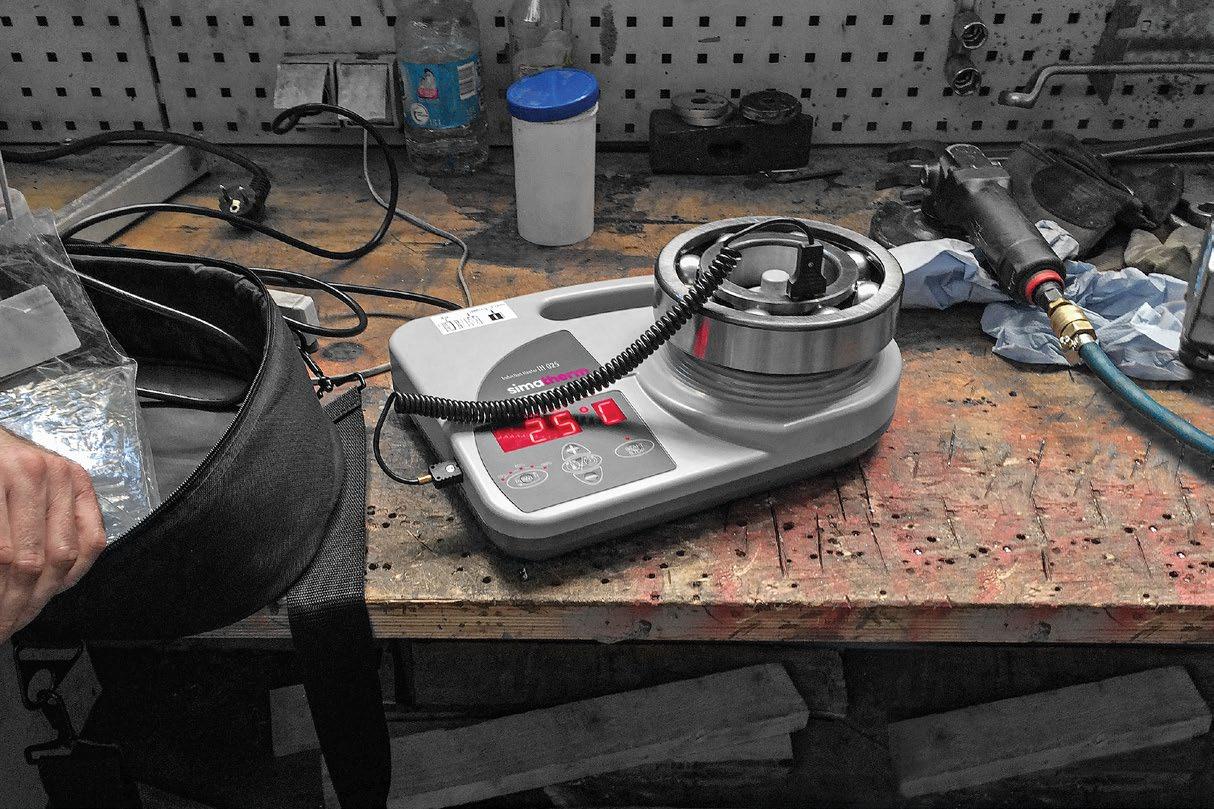
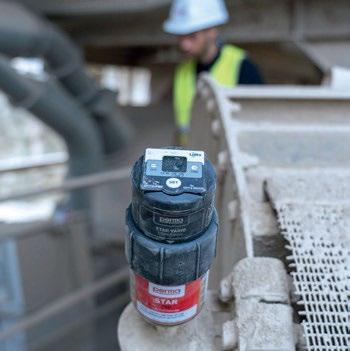
For mounting the new bearing, Marco uses the portable induction heater simatherm IH 025 VOLCANO. Within seconds, the bearing is perfectly heated and can be mounted effortlessly – without force, clean and safe. He takes a short breath. The system is down, but it will soon be running again. While tightening the last screws and lubricating the new bearing, Marco remembers something his boss mentioned just last week during lunch:
At the time, Marco hesitated. Today he knows: That is exactly what we need. Now! He calls his boss. The answer is immediate: “Get simatec. We can’t afford another downtime.”
The next day brings clarity – and Guido
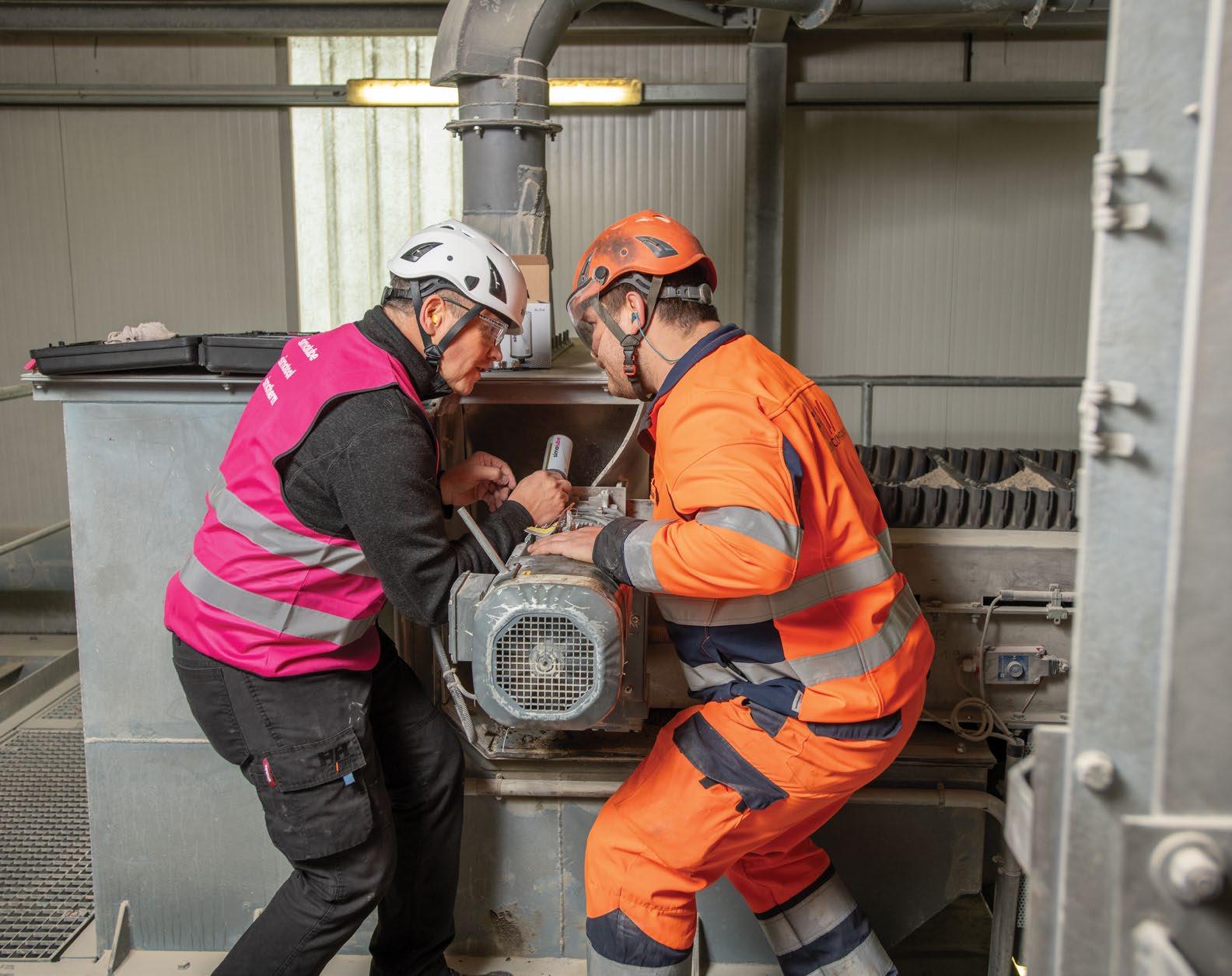
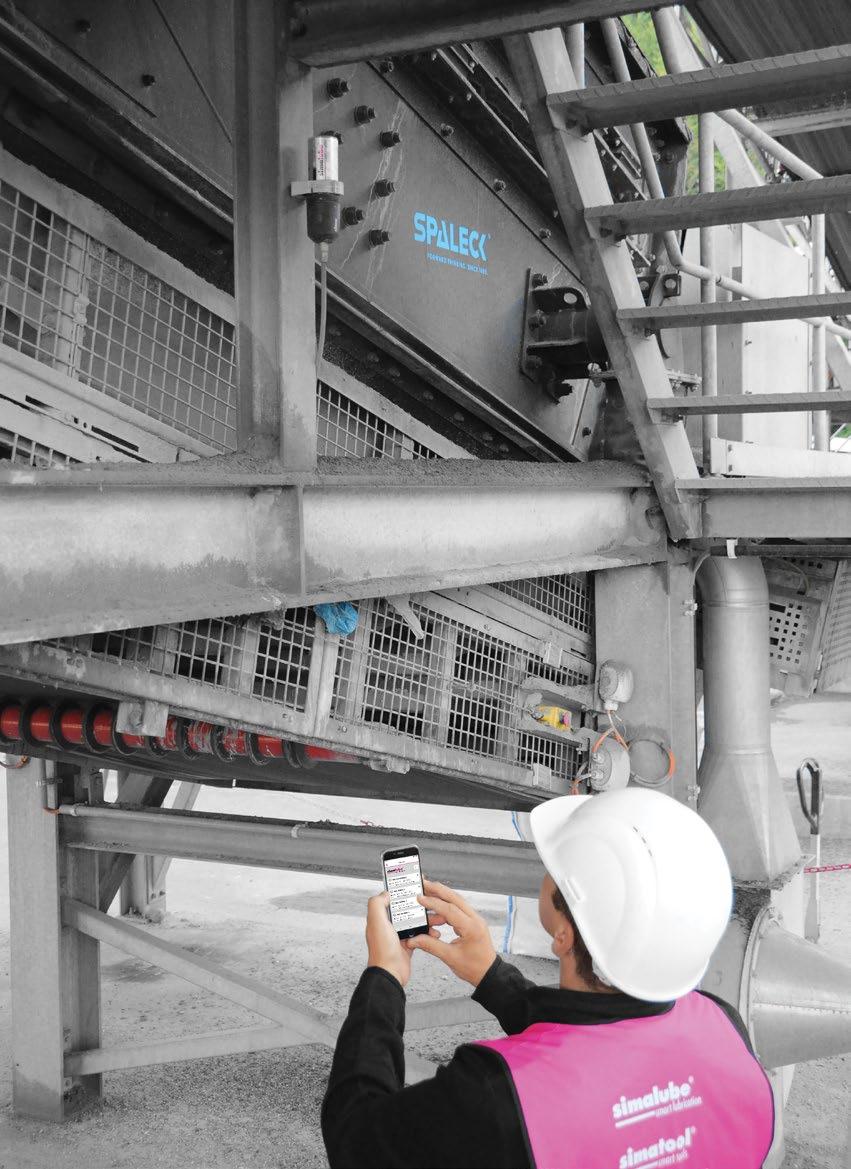
Early the next morning, Guido Bayard enters the production hall. Service professional. Lubrication expert. And someone who truly understands the reality of maintenance work. Wearing helmet and safety vest, he inspects the critical bearing. Marco explains the situation. Guido listens and nods. “simalube service is your key to maximum machine availability.” –Guido Bayard. Guido checks the lubrication points, assesses the environment, and listens carefully to Marco’s story.
• The conveyor downtime turned into a full-scale firefighting operation.
• An unplanned machine shutdown in the middle of ongoing production.
• A bearing that should have been lubricated long ago.
• A team that immediately interrupted its current tasks to resolve the downtime.
And all of this while, in the background, shift supervisors, logistics and plant management were already nervously staring at their screens. Marco sums it up: “Every time this happens, it costs us a lot of time, a lot of money – and honestly, a lot of nerves.” Guido listens
patiently, nods, takes another look at the critical bearing, and then says the sentence that changes everything for Marco: “This can be avoided. From now on, I’ll take care of your lubrication.”
Why the simalube service is needed right now
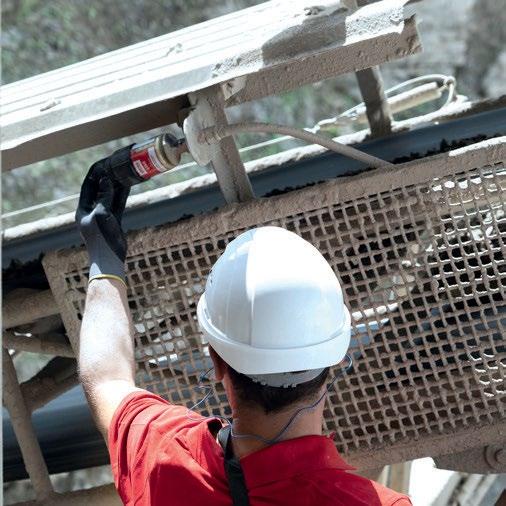
Many maintenance managers know Marco’s situation: time pressure, unplanned repairs, staff shortages – and lubrication points that should be serviced regularly. With the new service, simatec takes over lubrication completely:
• Analysis
• Installation
• initial inspection
• Semi-annual maintenance
A true worry-free package that addresses real-world challenges.
The benefits for mechanics, maintenance technicians, production managers and maintenance teams
Based on the official flyer and service documentation:
1. Zero lubrication effort – maximum relief
From now on, Marco and his team no longer have to worry about lubrication. simatec takes care of everything – professionally and reliably.
2. Protection against costly downtime
Guido explains to Marco how often incorrect dosing or missed lubrication intervals lead to bearing failures. With continuous monitoring and preventive maintenance, such surprises become a thing of the past.
3. Less consumption, greater sustainability
The right lubricant – in the right quantity – at the right place. This reduces wear, improves machine availability and lowers costs in the long term.
4. 100% transparency and safety
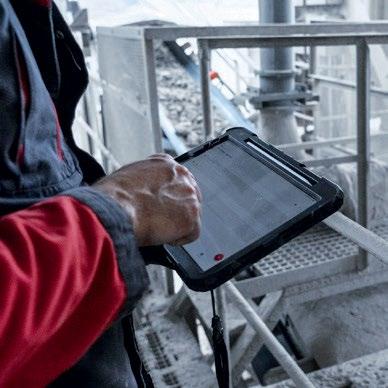
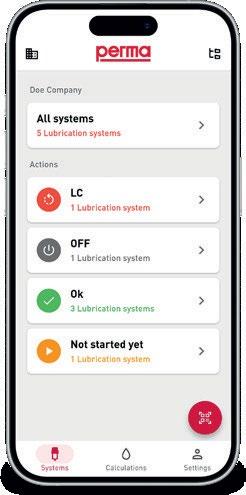
From analysis to maintenance: All lubrication points are documented, all dispensers are tracked, and every inspection is recorded.
How the simalube service works
1. On-site analysis & consultation
Guido records all lubrication points, analyzes the situation and prepares a customized service proposal.
2. Professional installation
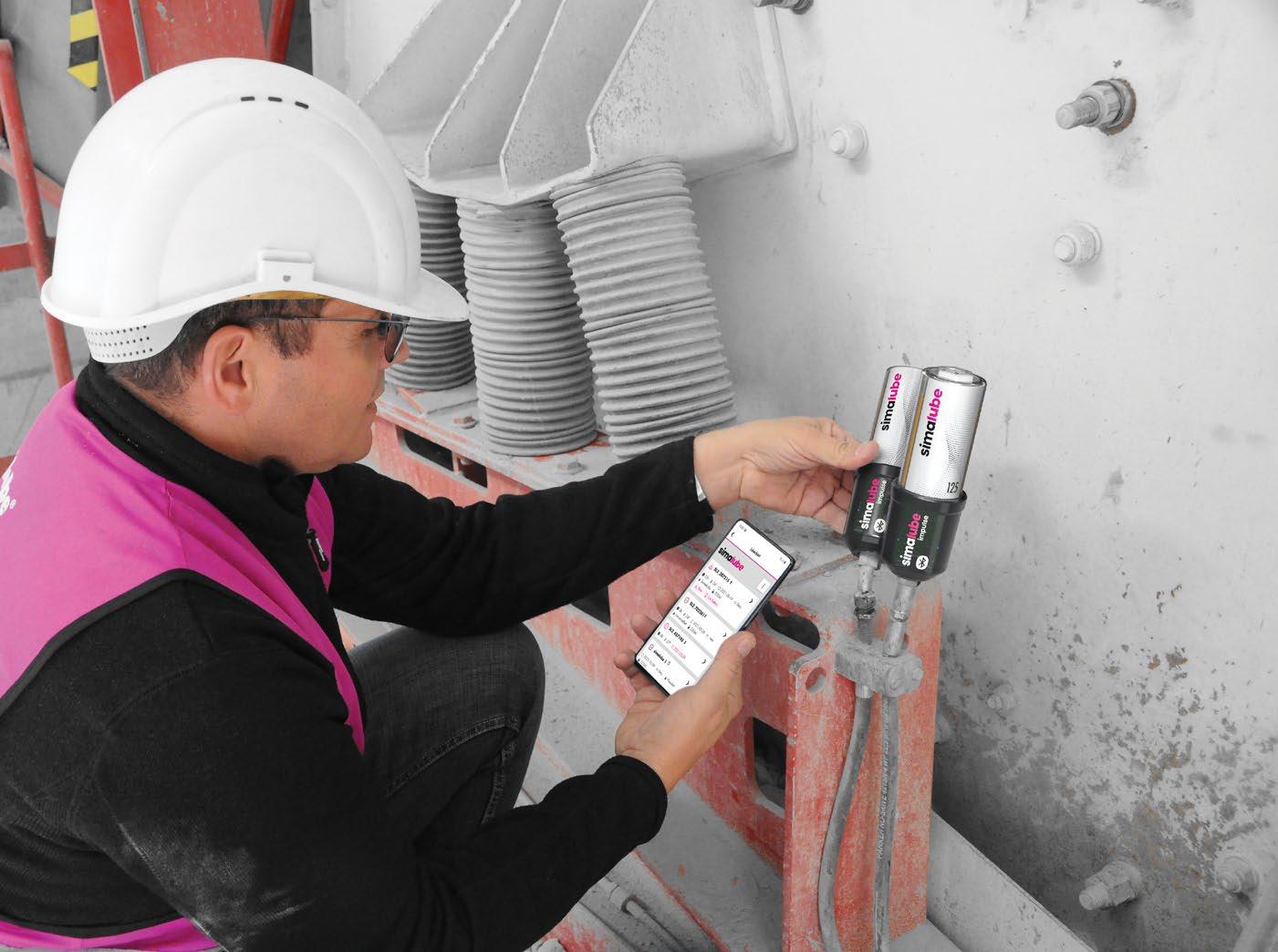
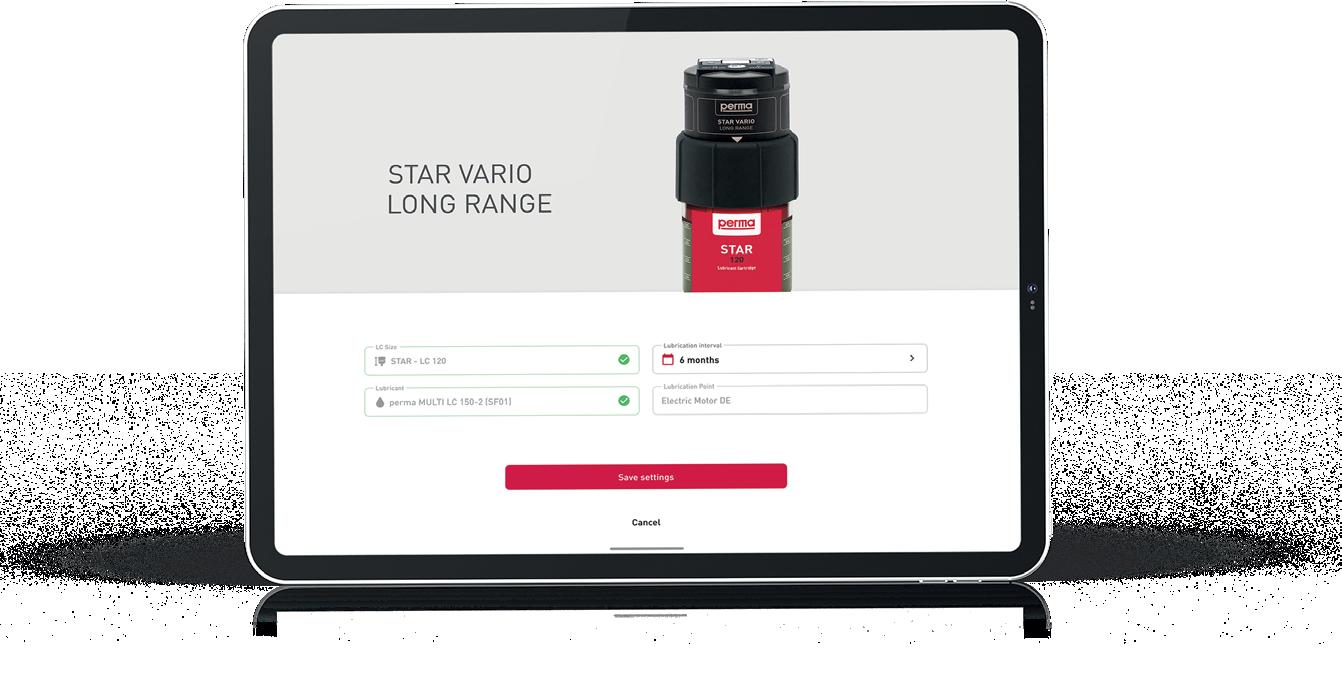
He installs the simalube lubricators precisely tailored to the specific machine and operating conditions.
3. Initial inspection after 4–6 weeks
Fine-tuning and functional checks to ensure everything runs exactly as intended.
4. Semi-annual maintenance
Regular inspections, replacement of empty lubricators and adjustments to changing operating conditions.
How Marco’s story continues
Together with Guido, Marco begins to reassess the lubrication points in his facility. Guido asks questions that Marco himself has had in the back of his mind for years:
• “Which lubrication points cause the most frequent problems?”
• “How often is lubrication carried out?”
• “Which lubricants are you using?”
They walk through the plant together – and it becomes clear to Marco: The downtime of the past few months could have been avoided. On the very same day, Guido prepares a tailor-made service package. Marco says: “If we had done this earlier, many unplanned shutdowns and bearing replacements would not have been necessary.” Guido smiles: “That’s exactly why we’re here now.”
Conclusion: An investment that pays off immediately
The simalube service is:
• A protective shield against downtime,
• Real relief for maintenance teams,
• A killer of unnecessary costs,
• And an optimization factor for productive operations.

For Marco, the decision was clear. For many other mechanics, maintenance technicians, maintenance managers and production managers, it will be soon.
We are pleased to provide you with some insights into the simalube service from our Maintenance Manager, Guido Bayard.
Simply scan the QR code and watch the video.
For more information about the simalube service, download our flyer:


simatec ag Stadthof 2
3380 Wangen an der Aare Schweiz Tel: +41 32 636 50 00 Web: simatec.com




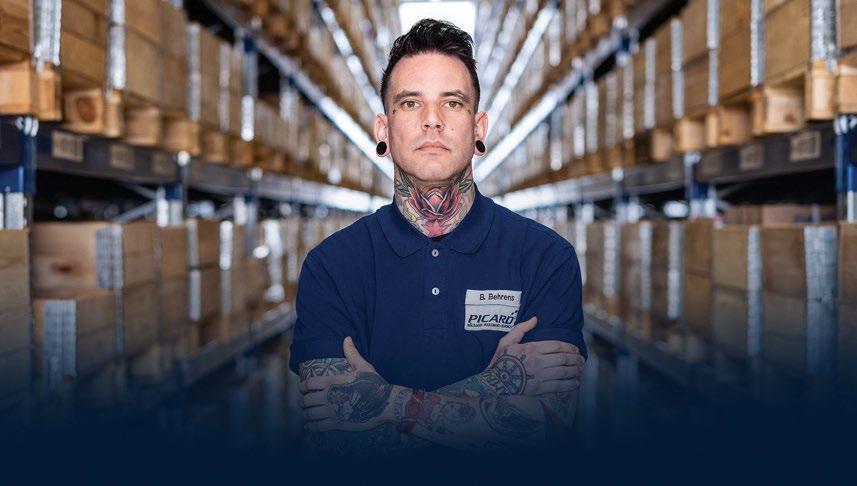
In many industrial supply scenarios, customers encounter a familiar challenge: the exact component they require is unavailable. This situation can be frustrating, yet PICARD has established a solution that maintains operational continuity even under such circumstances: the PICARD Emergency Bearing System, or PEBSY. Behind this acronym is a specialized team of six employees whose daily responsibility is to ensure urgent procurement is possible.
PICARD maintains an inventory of approximately 60,000 different items and continuously expands its product range. Customers can monitor stock levels conveniently through the company’s online shop. Nevertheless, there are instances when a specific item is out of stock – either due to rapid turnover or because it is a highly specialized component outside the standard range. PEBSY addresses precisely these situations.
For around 25 years, PICARD has been supporting customers with this dedicated
service. What was once a time-consuming process involving faxes and multiple phone calls is now managed more efficiently through digital workflows. Utilizing a Europe-wide distribution network, the PEBSY team has access to a nearly unlimited pool of items beyond the standard portfolio of bearings, linear technology, V-belts, and accessories. This includes brands such as IGUS, HIWIN, EZO, STIEBER, FLURO, IKO, MCGILL, PTI, REXNORD, and SEALMASTER, which can be sourced exclusively for customers. The service ensures that the right components are requested and delivered reliably.
The process is seamless: sales managers record customer requirements and forward them to the PEBSY team. The team promptly checks availability with over 150 suppliers across Europe. Thanks to long-standing, trusted relationships with suppliers, reliable procurement in PICARD quality is often achieved faster than expected.
The entire process is designed for maximum convenience. Orders are
consolidated into a single shipment with one delivery note and one invoice, reducing the administrative effort associated with orders placed with multiple suppliers. Minimum order values with individual suppliers do not apply, as placing separate orders for a single seal or a specific bearing is often uneconomical. PEBSY consolidates these processes to reduce effort, costs, and time. Upon arrival, goods are carefully inspected and shipped directly to customers or their clients, with the option of neutral direct shipping if required.
Beyond securing availability, the PEBSY team evaluates potential alternatives to ensure optimal solutions for each application. Whether it involves shorter delivery times, special technical requirements, or sourcing rare spare parts, PEBSY collaborates closely with the sales team to address every customer need efficiently. This approach not only supports inventory planning but also demonstrates that behind PICARD’s extensive product range stands a dedicated team proactively delivering solutions before challenges arise.


RKB Bearing Industries is strengthening its presence in Canada by expanding technical support, distribution coordination, and customer service nationwide. This development builds on RKB’s longestablished activity in the country through partnerships with distributors, technical service providers, and industrial customers.
Operating from its Montréal office and warehouse, RKB supports customers across Canada with a strong focus on the forestry sector, while increasing activity in steel, cement, and marine, its core global industries. The Canadian team has grown with additional sales personnel in Québec and increased coverage in Ontario. In Western Canada, RKB has supported the oil and gas sector for over a decade through an Alberta-based partner. Since 2025, our collaboration with a multi-provincial industrial distributor has extended our coverage to new customers. These initiatives also build on RKB’s longterm technical and customer partnership with Manulift.
RKB designs and manufactures rolling bearings for high radial and axial loads, shock loading, misalignment, and continuous-duty operation. The product portfolio includes spherical, cylindrical, and tapered roller bearings, as well as large, customized solutions. Products are engineered for harsh operating conditions typical of Canada, including low temperatures, contamination, and variable loading.
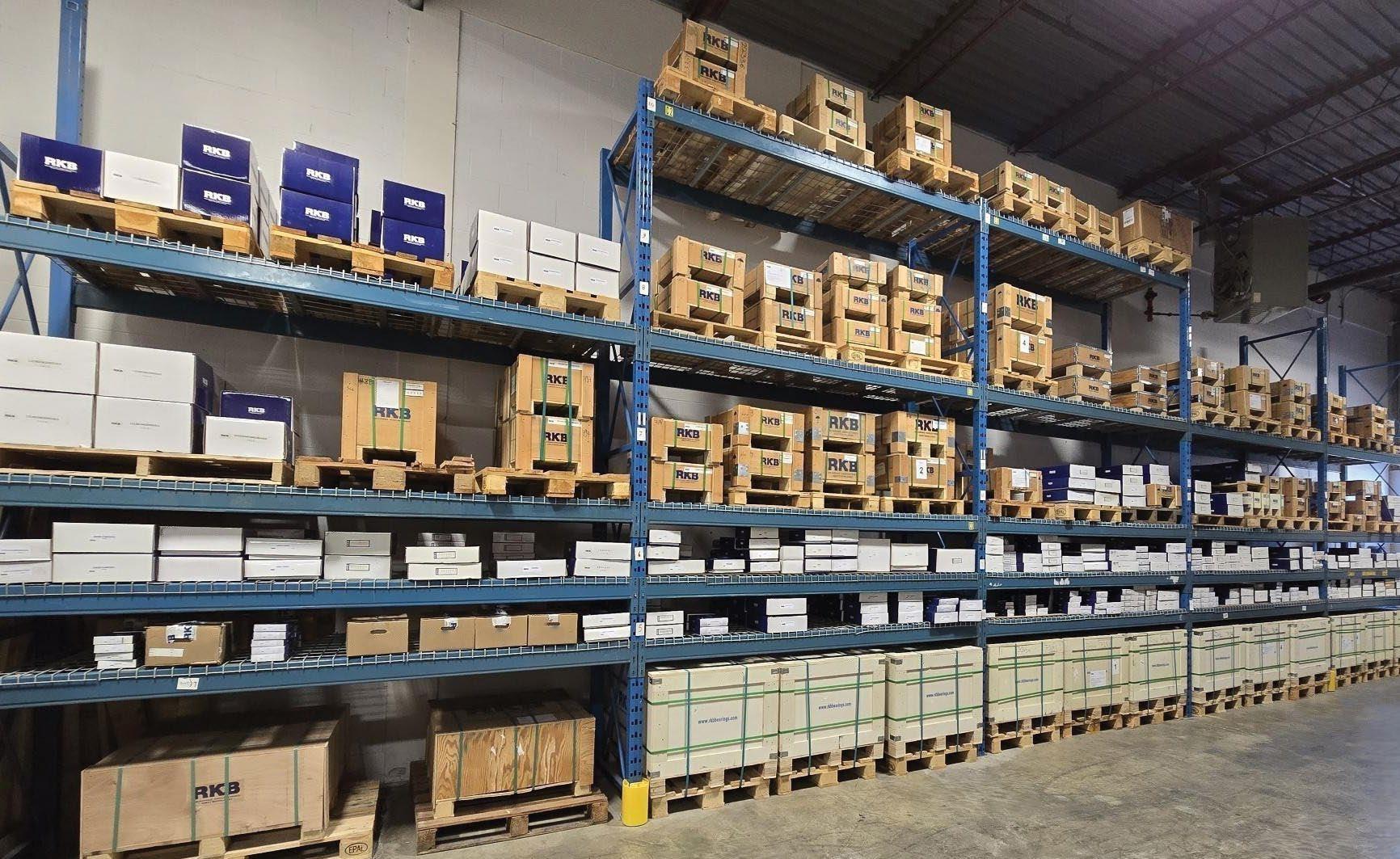
Manufacturing is vertically integrated, with critical processes such as steel selection, forging, heat treatment, machining, grinding, and inspection controlled in-house. Heat treatment parameters and nternal geometries are optimized to support consistent microstructure, load distribution, fatigue life, and traceability across product families supplied to the Canadian market.
This expanded presence is intended to reinforce, not replace, existing partners. RKB works in coordination with established distributors and technical providers to improve response time, application support, and project execution. Local engineering resources support bearing selection, load and life calculations, lubrication strategies,
RKB’s Canadian operations provide localized access to product expertise and application engineering for heavy -duty bearing applications. Support is provided to OEM and MRO customers across forestry, oil and gas, mining, energy, pulp and paper, steel, cement, and marine industries.
mounting practices, and root cause failure analysis.
Customization remains a core capability. Bearings can be supplied with modified internal clearances, special tolerances, coatings, cage designs, and surface treatments to address challenges such as vibration, edge loading, inadequate lubrication, or contamination, particularly relevant in remote operations and highcost downtime environments.
RKB’s focus remains on engineered bearing solutions that deliver long service life, reduced maintenance requirements, stable performance, and consistent global manufacturing standards.

The first and only global association connecting power transmission industries entire value chain to drive collaboration, innovation, and growth!
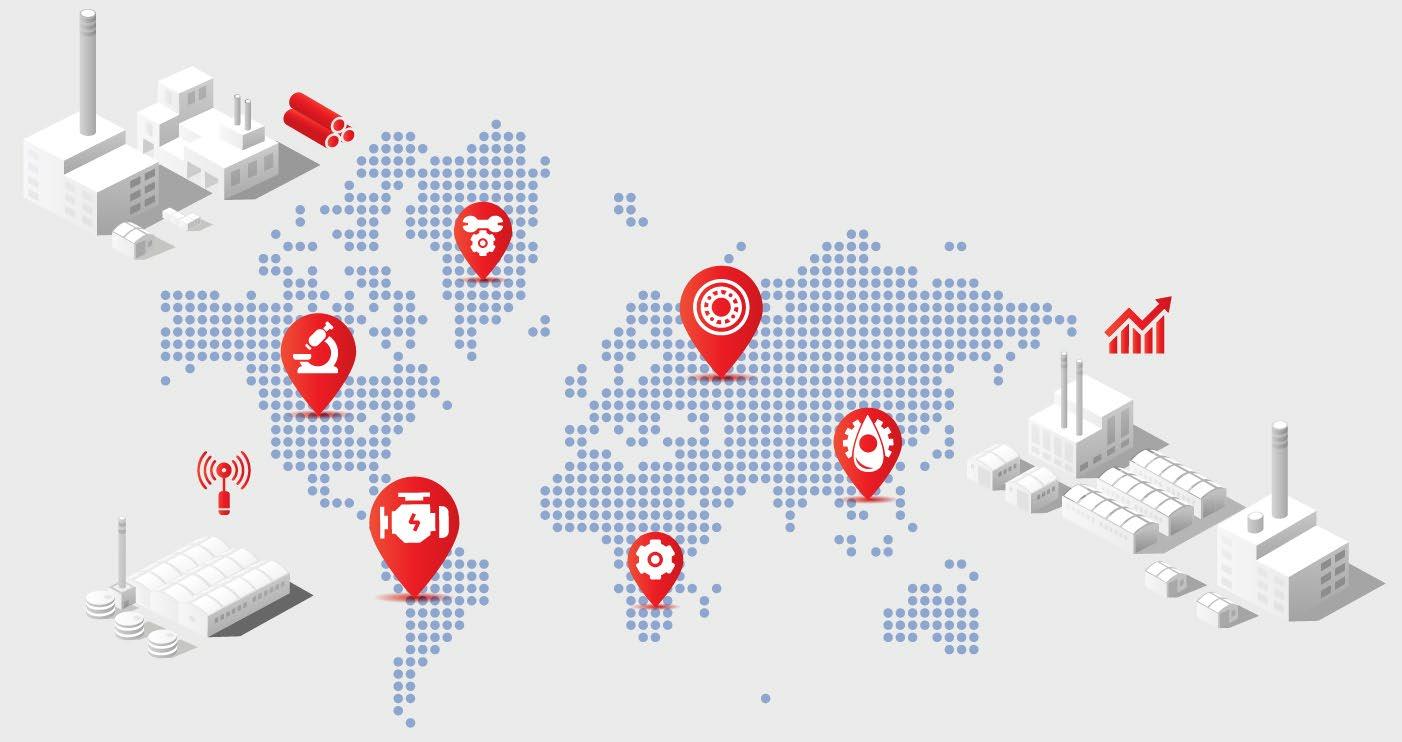
After two years of intensive dialogue, strategic collaboration, and shared commitment across borders, the World Power Transmission Association (WorldPTA) is now officially founded and fully active.
WorldPTA represents a historic step forward for the global mechanical power transmission sector. For the first time, companies, professionals, and stakeholders across the entire power transmission value chain have come together under a unified, independent, non-profit global association—built to strengthen cooperation, foster innovation, and support sustainable industry growth worldwide.
Mechanical power transmission is a vital foundation of modern industry. From bearings, gearboxes, couplings, chains, and drives to advanced automation and industrial motion systems, the power transmission value chain enables the functioning of almost every industrial sector: manufacturing, energy, mining, cement, steel, automotive, robotics, logistics, and beyond.
Despite its critical importance, the global power transmission community has long lacked a dedicated international platform capable of connecting all segments of the industry in a structured and representative way. Until now, collaboration has often remained regional, fragmented, or limited to individual sectors. WorldPTA was founded to fill this gap.
It was created to provide the industry with a common global home, one that supports knowledge exchange, commercial
By helping found the WorldPTA, we ensured that every part of the power transmission value chain — from bearings to gearing to motion control — has a seat at the same table. This global, allinclusive approach allows us to promote consistent standards, strengthen supply chain resilience, and encourage collaboration across markets that historically worked in silos. In the end, a unified global association gives our entire industry a stronger voice and helps all of us deliver better, more reliable solutions to the end users who depend on them.

cooperation, technical development, and longterm alignment across the full ecosystem.
The Founding Journey: From Shared Vision to
The journey toward WorldPTA began during the Bearing & Power Transmission World Meetings in Istanbul, where industry leaders from around the world gathered with a clear shared ambition: to strengthen global collaboration and establish an international framework for the future of mechanical power transmission.
WorldPTA is committed to building a strong global presence supported by regionally driven initiatives that deliver tangible value to its members. This roadmap starts with the WorldPTA Annual Meeting in 2026 as the global gathering of the association, followed in 2027 by nine regional meetings, led by dedicated workgroup leaders—offering members direct access to strategic partners, qualified leads, actionable insights, and concrete opportunities at both regional and global levels.

The 2024 Annual Meeting marked the first historic milestone with the inaugural General Assembly and the formation of the WorldPTA Steering Committee, representing nine countries across five continents. This early leadership group trasnformed into the Steering Committee and laid the foundation for what would soon become a truly global association.
Over the following year, Steering Committee members worked closely together to define the association’s purpose, governance structure, membership categories, and long-term ambitions. What began as an initiative driven by collective vision and shared responsibility rapidly transformed into an organized and mission-driven institution. The 2025 Annual Meeting represented a decisive next step forward. During this meeting, WorldPTA’s mission, operational framework, global representation, and strategic direction were further solidified, reflecting two years of dedicated effort, strategic alignment, and international leadership.
Today, WorldPTA stands as the first global non-profit association bringing together the mechanical power transmission value chain under one unified platform.
The foundation of WorldPTA is the result of a deep and shared understanding among its founders and board members: the future of the industry will depend not only on individual competitive excellence, but also on stronger cooperation, shared knowledge, and global alignment.
Supply chain management and collaboration nowadays is undoubtedly critical to companies’ success. WorldPTA is setup to assemble and support members from all segments of power transmission value chains, from components, raw materials, to distribution and services. It is a great platform to support innovation, cooperation and sustainability within the industry.

The founding leadership came together around key motivations:
• To create a structured global network for power transmission professionals
• To represent the industry with a unified international platform
• To support innovation and sustainable industrial development
• To strengthen collaboration across manufacturers, distributors, OEMs, traders, and service providers
• To provide continuity, governance, and long-term initiatives beyond individual events or markets
WorldPTA was established by peers who recognized that the mechanical power transmission sector deserves an international organization that reflects its global scale, technical importance, and economic impact.
WorldPTA was founded with a clear mission: To strengthen the worldwide mechanical power transmission community across the entire value chain, through collaboration, innovation, structured networking, industry initiatives, and sustainable growth.
Its purpose is to serve as the global platform that connects the entire value chain and delivers value to its members through:
• Industry-wide networking and strategic cooperation
• Global representation and community building
• Market reporting, research, and segment development
• Workgroups focused on industry priorities and transformation
• Support for innovation, digitalization, and sustainability
• Events, projects, and structured international engagement
• WorldPTA aims to become the reference organization for the global power transmission sector—supporting both technical excellence and business growth.
The time is the most precious asset we have in life and business. Working alone is no longer an option. Collaboration is the best way forward as the industry faces major transformation. All businesses confront challenges – digitization, AI, geopolitical issues, and economic uncertainty – in a world that’s now a small village. In collaboration, we shorten what would take five years into just one.

Alwan Founder & Board Member
WorldPTA’s DNA is built on three pillars: being truly global, remaining fully inclusive from individual engineers to multi-billion dollar industry leaders, and fostering constant interaction among members. Activated together, these levers unlock learning and knowledge sharing at a pace never seen before.

With its foundation now complete, WorldPTA is entering its next cycle with an ambitious roadmap.
In the coming period, the association will launch multiple global initiatives and collaborative projects while working toward the organization of seven regional WorldPTA meetings worldwide.
These regional events will serve as key platforms to:
• Strengthen local and cross-border cooperation
• Support industry growth in each major region
• Provide more frequent engagement opportunities for members
• Expand the association’s global footprint and impact
• Unite stakeholders through shared development goals
This next phase represents a major expansion of WorldPTA’s activities, ensuring the association remains active, inclusive, and globally connected throughout the year.
Allen Baum Founder & Board Member USA

Zens
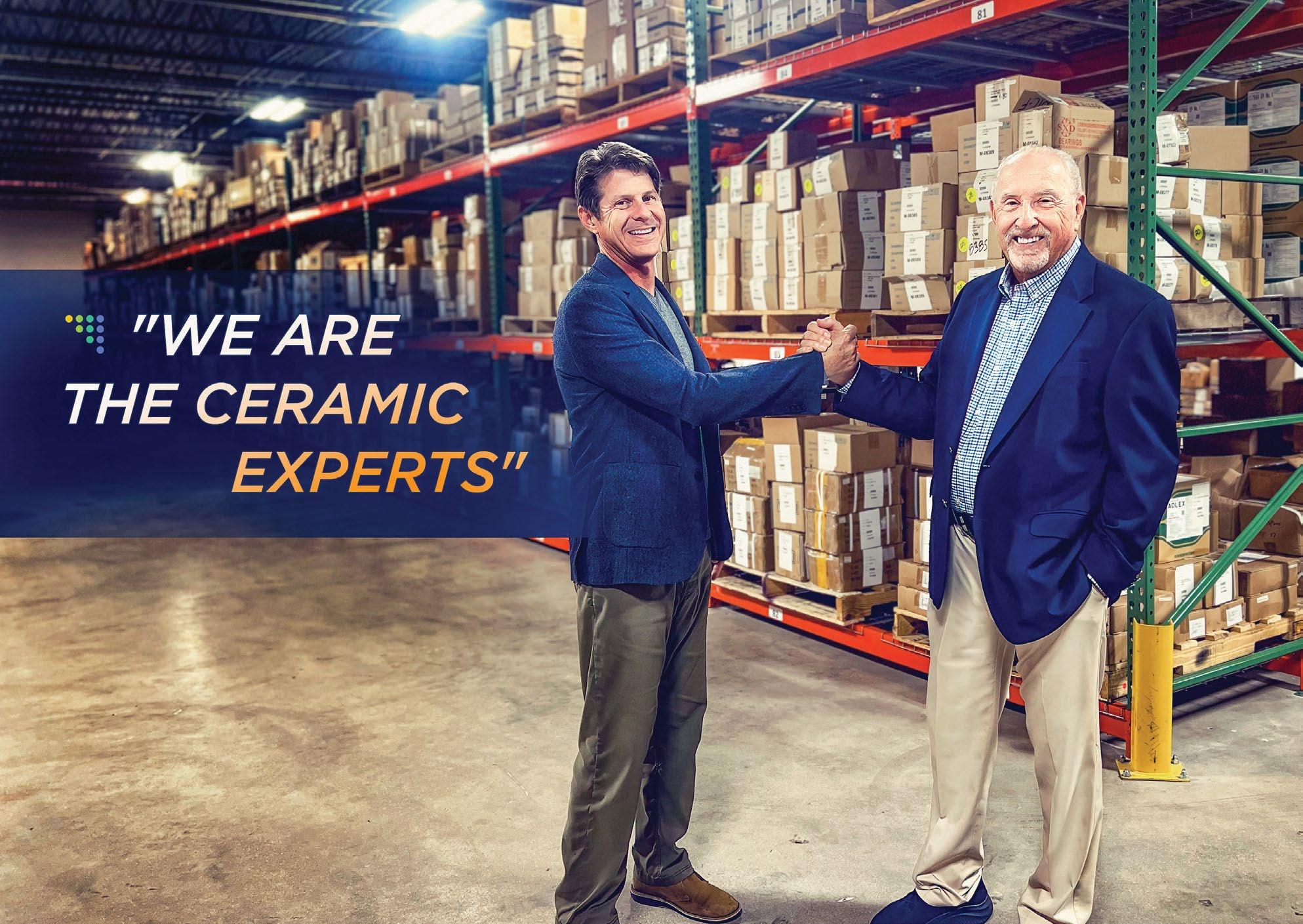

Kenan Özcan Founder & Board Member Belgium Vincent Yang Founder & Board Member USA

Salim Haffar President Türkiye

Albergaria
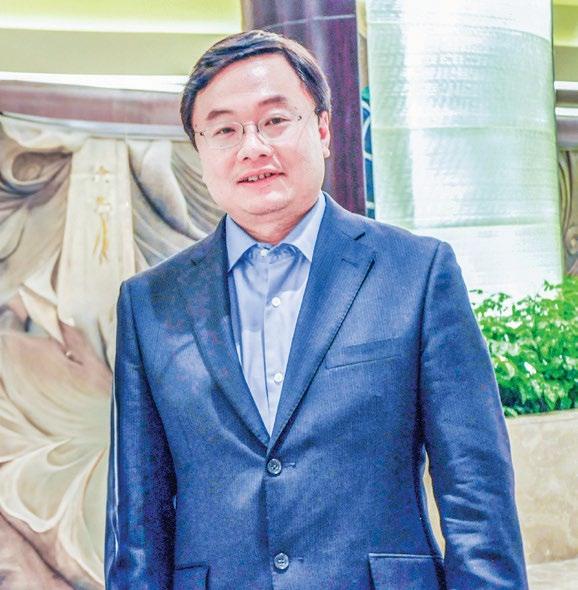

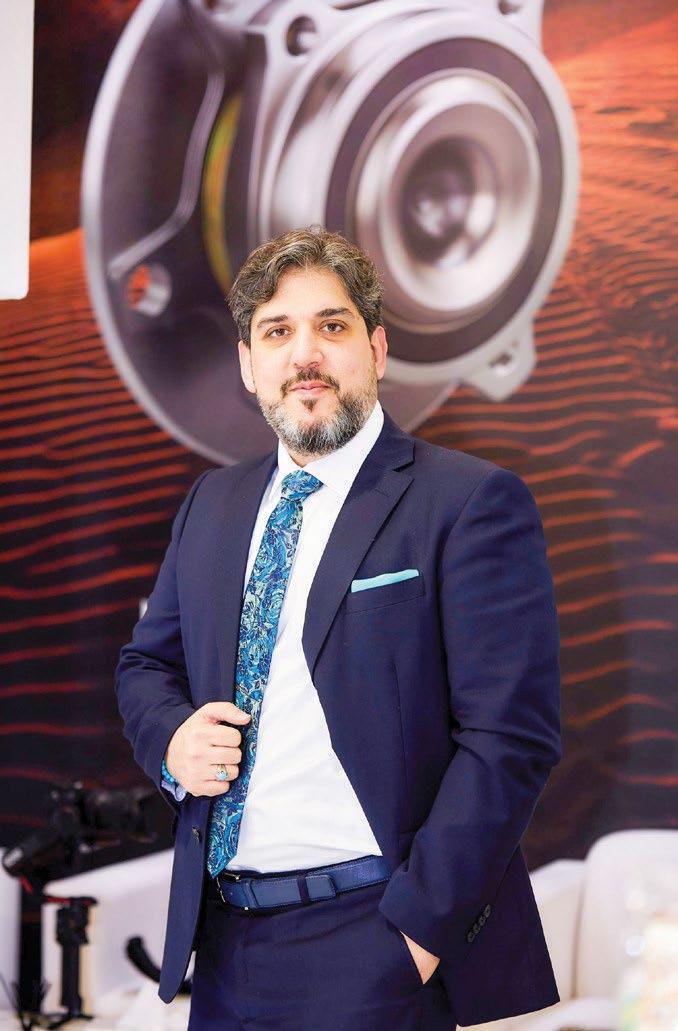
Hassanein Alwan Founder & Board Member U.A.E.


Kevin Chow Board Member Malaysia Jigar Dixit Board Member India
WorldPTA is guided by a globally representative Board, reflecting the diversity and strength of the international industry:
• Salim Haffar (Türkiye) – President
• Allen Baum (USA) – Founder & Board Member
• Kenan Özcan (Belgium) – Founder & Board Member
• Vincent Yang (USA) – Founder & Board Member
• Hassanein Alwan (U.A.E.) – Founder & Board Member
• Yago Zens (United Kingdom) – Board Member
• Ali Karademir (Belgium) – Board Member
• Fabio Albergaria (Brazil) – Board Member
• Ulrich Selig (Germany) – Board Member
• Kevin Chow (Malaysia) – Board Member
• Jigar Dixit (India) – Board Member
This leadership structure ensures WorldPTA is built on true global representation, combining experience and expertise across regions and across all major segments of the value chain.

An Open Invitation to the Global Community
WorldPTA is built by the industry, for the industry.
As the first global non-profit association dedicated to mechanical power transmission, it belongs to all organizations and professionals who contribute to this essential sector.
We invite manufacturers, distributors, OEMs, service providers, engineering experts, and industry leaders across the value chain to become part of this growing global community.
Join the WorldPTA www.worldpta.org




Engineering

Agriculture and industrial machinery are operating under unprecedented pressure. Narrow seasonal windows, harsher operating environments, rising productivity demands, and growing cost sensitivity mean that component reliability has become a decisive factor in machine performance and uptime. For farmers and OEMs alike, bearing failures caused by contamination, shock loads, and insufficient sealing no longer represent a minor technical issue—they directly translate into lost harvest time, higher operating costs, and long-term brand risk. Addressing these realities requires more than incremental product improvements; it demands application-driven engineering rooted in real field conditions and long-term experience.
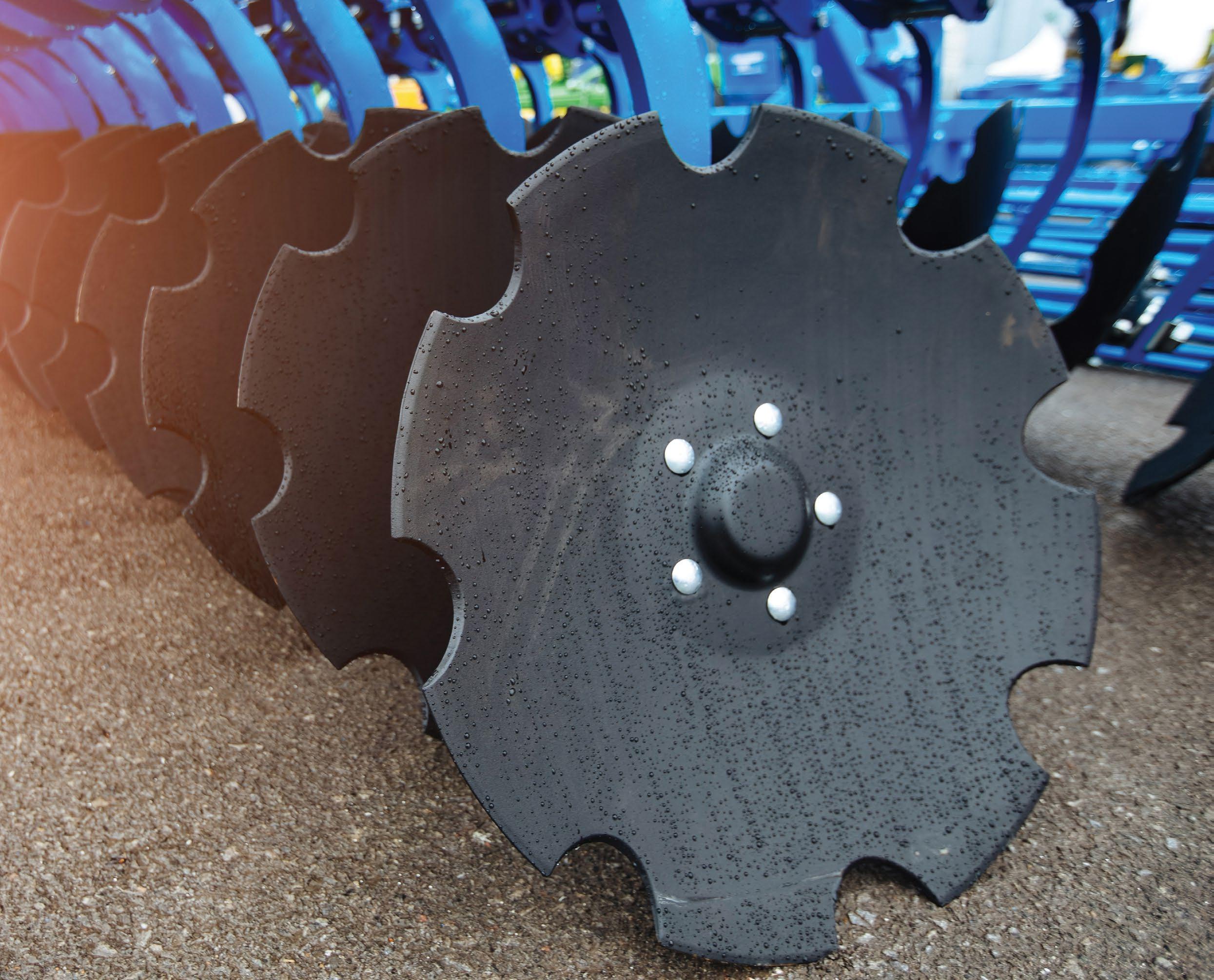
In this interview, we speak with Agathe Vissac, Business Segment Manager at NTN Europe, who shares how the company is responding to these challenges across the agriculture and textile sectors. Drawing on decades of field expertise, close collaboration with OEMs, and a clear focus on end-user pain points, Agathe explains how solutions such as AGRIHUB SNR have been developed to deliver maintenance-free operation, advanced sealing performance, and maximum uptime in the most demanding environments. Her insights highlight how NTN Europe is aligning strategy, engineering, and market needs to support more resilient, efficient, and sustainable machinery throughout its full lifecycle.
Could you briefly introduce yourself and outline your current role at NTN Europe, as well as the scope of the Industry OEM and Aftermarket activities you oversee within the agriculture and textile markets?
My name is Agathe Vissac, and I work as a Business Segment Manager at NTN Europe. I oversee the Industry OEM and Aftermarket activities within two key market segments: agriculture and textile machinery.
As Business Segment Manager (BSM), I define the marketing strategy for the markets and product lines under my responsibility in order to support commercial performance. I coordinate marketing, sales and product development activities to ensure consistency between the offering and customer expectations. In agriculture, my role covers the entire value chain—from OEM partnerships, where we co-develop solutions such as bearing units and sealing systems for soil cultivation equipment, to Aftermarket support, ensuring farmers receive durable, ready-to-install components like AGRIHUB SNR.
In the textile segment, I support machine manufacturers by aligning our bearing technologies with the high-speed, high-precision requirements of spinning, weaving, and finishing applications, with the help of our application engineers and sales teams.
What has been the key professional experience or turning point in your career that led you to specialise in agricultural and industrial bearing
solutions, and how does that background influence your approach today?
I first started in the Automotive Aftermarket in NTN Europe as Project Manager on a demanding project with workshops. It was more about services directly linked to the concrete needs of the workshops. It was my first experience with bearings. Then, I joined NTN’s Industry division and gaining direct exposure to harsh-environment applications. Working closely with OEMs is helping me understand how critical bearing performance becomes when downtime directly impacts productivity—whether in a field during harvest or on a high-speed textile machine.
Thanks to my previous jobs in mass retail marketing, I tried to keep placing the customer pain points in the center of my work. This experience shaped a very field-driven approach: spending time with users, understanding why failures occur, and translating those insights into robust, long-life solutions. It’s exactly this mindset that guided the refinement of products like our AGRIHUB SNR.
From a market perspective, what are the most critical challenges farmers and agricultural OEMs are facing today, and how did these realities influence the development of the AGRIHUB solution?
From a farmer point of view, the bearing challenge is to secure reliable, low-maintenance components that can survive mud, dust, shocks, chemicals, and long idle periods without failing in the middle of planting or harvest, because any breakdown at peak season is far more expensive than the bearing itself. They are counting on fast local availability and simple replacements when something does fail.
From an OEM point of view, the challenge is to balance aggressive cost pressure on the bill of materials with the need for bearings that can handle higher loads, higher speeds, and harsher contamination to protect machine performance and warranty. Bearings are now central to differentiating on durability and uptime, which pushes OEMs toward better sealing, integrated units, and co-engineering with suppliers, while also managing supply-chain resilience, localization, and

the risk that a low-cost bearing choice today turns into warranty claims and brand damage tomorrow.
Our target is to answer challenges faced by both farmers and agricultural OEMs. For example, through the development of the AGRIHUB SNR. Its integrated hub, high-performance sealing, and maintenance-free bearing design that ensures maximum uptime during the most critical soil preparation periods.
AGRIHUB is positioned as a highly robust, low-maintenance bearing solution. Which performance criteria were non-negotiable when defining this product for soil cultivation equipment?
4 criteria were essential:
1. Pollution is blocked from entering Thanks to a sealed barrier consisting of 8 lips on the exposed side, designed and tested to our high standards
2. A maintenance-free operation With lifetime lubrication
3. Shock-resistant Prevent premature failure with a thick, sturdy hub.
A resistance to impacts and bending loads.
A low torque, to reduce traction effort
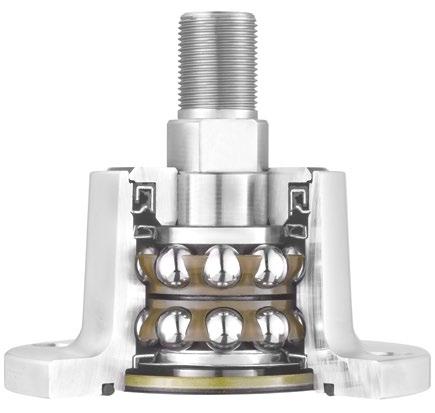
4. Ready to install and compatible With a wide range of equipment. An easy assembly for OEMs and farmers.
An easy-to-understand interchange.
NTN Europe highlights 40 years of agricultural expertise. How does this long-term field experience translate into concrete design choices, such as sealing systems and material selection?
NTN Europe has a long-time experience that allows us to work with proven sealing technologies. The 8-lip sealing systems is a multi-lip configuration proven to block fine dust, abrasive soil, and moisture.
It was tested on our test benches and on our products in the fields. AGRIHUB SNR underwent intensive testing: continuous spraying of a water and mud mixture onto the exposed surface for 1,800 hours. Result: no signs of failure. In comparison, a competing product – one of the premium market leaders – showed multiple technical failures.
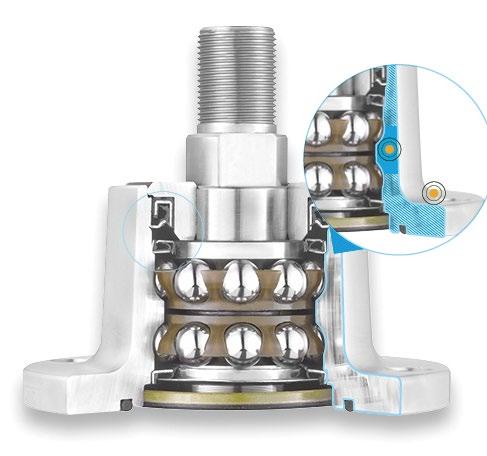
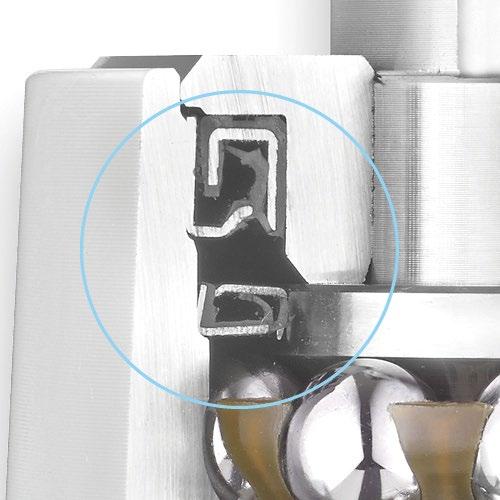
Second, the material selection: high-grade steel and reinforced housings.
The 8-lip sealing system is presented as a key differentiator. How important is sealing technology today in reducing downtime and lifecycle costs for agricultural machinery?
Sealing technology is now one of the biggest contributors to lifecycle efficiency.
On modern soil cultivation equipment, a huge majority of bearing failures originate from contamination ingress. The 8-lip seal minimizes infiltration, preserves the bearing integrity, and thus significantly extends bearing life.
For OEMs, this means more reliable equipment; for farmers, it means reduced downtime and fewer replacement cycles.
From an OEM and aftermarket strategy standpoint, how does AGRIHUB support both machine manufacturers and end users across the full equipment lifecycle?
AGRIHUB SNR supports the full lifecycle by offering:
For OEMs:
• a standardized, ready-to-install hub
• a simplified assembly
• an optimized sealing for extreme environments
• a long-term durability with minimal warranty risk
For end users:
• a reduced maintenance
• a longer bearing life
• a large compatibility with replacement parts
• a lower total cost of ownership
This dual positioning builds strong continuity between OEM expectations and farmer needs.
With more than 2,000 agricultural solutions and 4 million bearings sold annually, how does NTN Europe
manage the balance between standardization and applicationspecific customization?
NTN Europe handles this balance by using a “standardized building blocks + targeted engineering” approach for agriculture.
On the one hand, they rely on a large standard catalogue of bearings and units, accessible and selectable via digital tools like the online E-Shop or the online catalogue. This allows NTN to industrialize design, purchasing and production on a high volume of common parts, which is key when selling millions of bearings per year.
On the other hand, for application-specific needs, NTN uses project and quality frameworks that allow customization without losing control. Customer-specific requirements are handled through formalized processes with clear costed levels of support and validation steps. This structure lets NTN tailor products and validation depth to demanding applications, while keeping a repeatable, standardized internal process.
Agriculture is increasingly under pressure to deliver higher productivity with fewer maintenance windows. How does AGRIHUB help farmers improve operational resilience during critical seasonal periods?
AGRIHUB SNR provides maintenance-free operation, meaning farmers don’t lose time greasing or replacing bearings during peak periods. Its sealing and load capacity ensure reliable operation even in the worst conditions. Ultimately, it gives farmers confidence that their
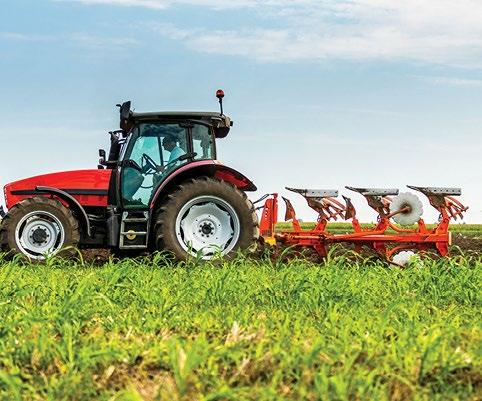
equipment will run when they need it most, with no unexpected stoppages.
Looking at the global agriculture and textile segments, where do you see the strongest growth opportunities for NTN Europe in the coming years?
For the coming years, the strongest growth in agriculture will come where productivity, precision farming, harsh conditions, and machine complexity converge. Large and high-capacity equipment (tractors, combines, seeders, sprayers) is working longer hours in shorter windows, in environments with heavy dust, mud, chemicals, and intensive washing. That creates strong demand for premium, long-life bearings, advanced sealing, and maintenance-friendly units that reduce downtime and warranty costs.
In textile, the segment is smaller but offers high-value technical niches. The best opportunities lie in high-speed, precision applications where low noise, low vibration, and excellent running accuracy are critical, and where NTN can sell performance rather than price. Growth will mostly come from selected OEM partnerships.
Finally, as Business Segment Manager, what role do close partnerships with OEMs, distributors, and farmers play in shaping NTN Europe’s future innovations for harsh-environment applications?
Close partnerships with OEMs, distributors, and farmers are essentially
NTN Europe’s innovation engine for harshenvironment applications, much more than just sales relationships.
With OEMs, collaboration shifts from “component supplier” to co-designer of system performance. By being involved early in machine concepts and platform evolutions, NTN can influence choices on space, sealing architecture, lubrication strategy, and integration of sensors or maintenance-free solutions.
With distributors, the relationship becomes a data and service partnership. They aggregate feedback from thousands of machines and a wide variety of brands. When this field information (failures, returns, repeated RFQs, cross-references, seasonal demand patterns) is structured and analyzed, it becomes a powerful input for deciding where to invest next: more robust seals, longer-life greases, plug-and-play units. NTN Europe can move from product-centric to solutioncentric innovation. By understanding how machines are really used (highpressure cleaning, improvised lubrication, overloads, storage in the open, long idle periods, tight harvest windows…), NTN can prioritize innovations that reduce unplanned downtime and maintenance complexity rather than just maximizing catalogue performance figures.
These collaborations allow us to refine our designs, anticipate emerging needs, and co-create solutions like AGRIHUB SNR that truly match real-world constraints.







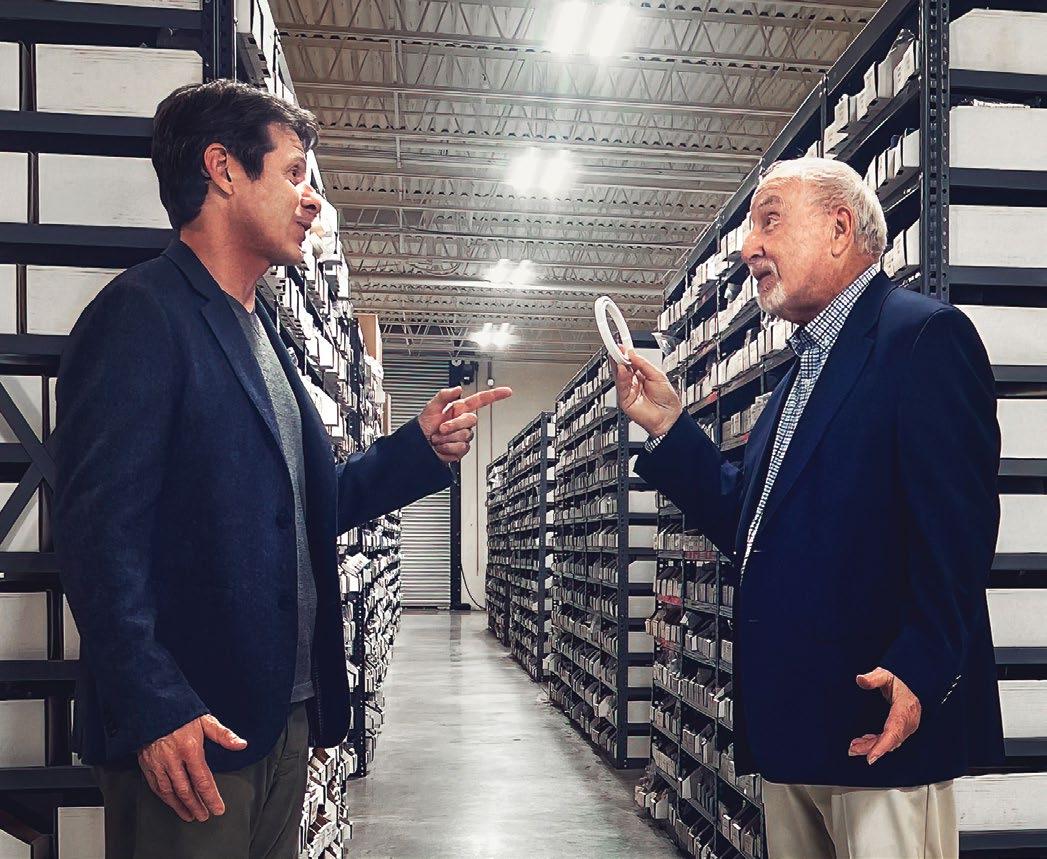
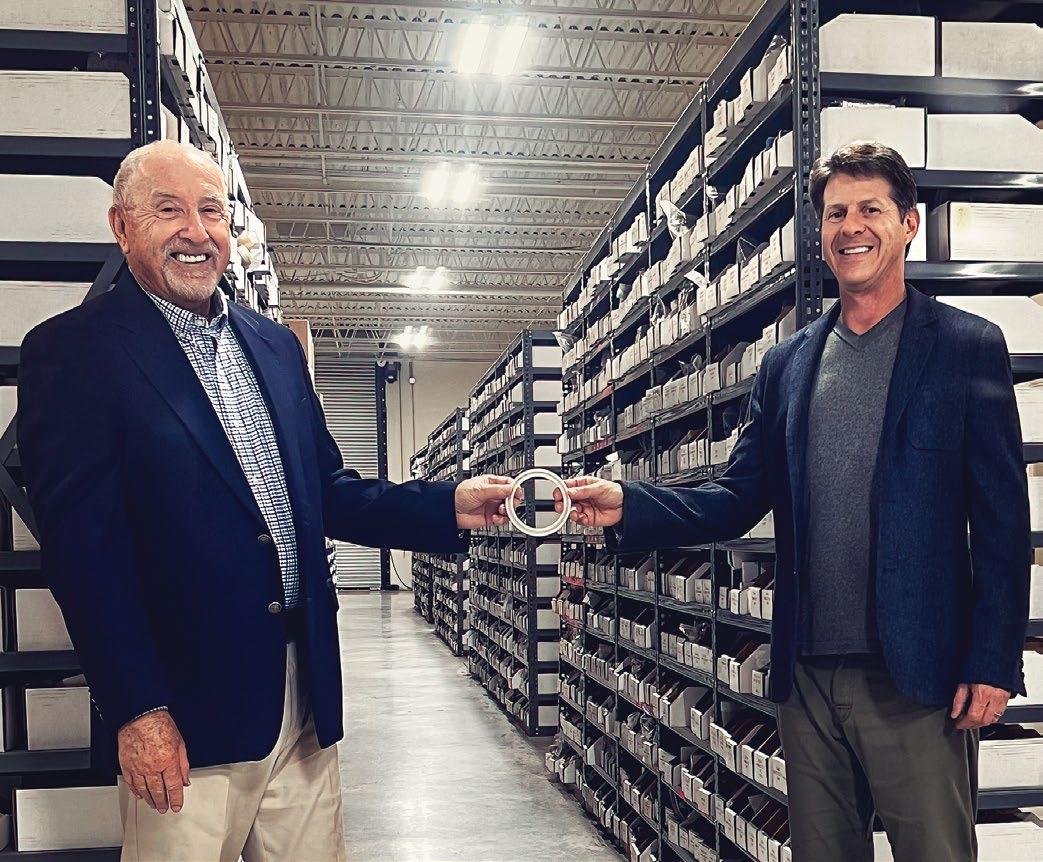
More than two years after our in-depth 2023 interview, BearingNews reconnects with Allen Baum for a reflective follow-up conversation. After nearly four decades of building Boca Bearings into a globally respected name, this interview looks back at the defining moments of Allen’s career, the lessons learned across changing market cycles, and the values that shaped his leadership style. It also explores why he chose to become a founder of the World Power Transmission Association (WorldPTA), and how he now views mentorship, legacy, and responsibility toward the next generation of bearing and power transmission professionals.

Looking back over nearly 40 years in the bearing industry, which moments or decisions do you consider truly careerdefining? What are you most proud of — not just as a businessman, but as a person within the industry?
When I look back, the most defining moment was the decision to leave a stable career in Boston — where I had already spent two decades learning about the bearing business — and move to Florida in 1987 to build something from scratch. It was a leap of faith, driven by nothing but belief in hard work and the conviction that customers still valued honesty, technical expertise, and personal service. That decision ultimately became Boca Bearing Company.
Another careerdefining moment was our choice to specialize early in small, highprecision bearings for niche and
emerging markets. Many thought it was too narrow, but that focus allowed us to innovate, solve problems others overlooked, and build a reputation that carried us into new industries worldwide.
What I’m proudest of, though, isn’t a product line or a milestone — it’s people. Watching employees grow, build their own careers, and take pride in what they do has been the most meaningful part of this journey. My goal was always to run a company where people felt valued and where customers felt taken care of. If I achieved that, then I consider it a career well spent.
The bearing industry has gone through major shifts — globalization, digitalization, and supply-chain disruptions. Which change challenged you the most as an entrepreneur?
Globalization was the most challenging
transition, not because the global marketplace was new, but because the pace at which it changed was unlike anything the industry had seen before. Customers suddenly had more choices, product cycles accelerated, and competition intensified from every corner of the world.
Managing quality, pricing pressures, and supply chain reliability on a global scale required us to rethink nearly every system we had. We had to become more adaptable, more datadriven, and more proactive in how we communicated with customers. Yet these challenges made us stronger. They pushed us to modernize, diversify our supply chain, and invest in technologies that helped us maintain consistency even during worldwide disruptions. Today, I see those difficult years as a turning point that prepared Boca Bearings for longterm resilience.
Boca Bearings is known for values like customer focus, team culture, and continuous improvement. How did these values take shape, and how did you protect them as the company grew?
These values were never written on a poster — they came from how we operated day to day. Customer focus came naturally because, in the early days, I was the entire sales team, service team, and technical support desk. I spoke directly with every customer, and that personal connection shaped our identity.
Team culture grew the same way. I wanted Boca Bearing to be a place where people were treated fairly, where their ideas mattered, and where they felt secure building a longterm future. As we grew, I protected those values by staying handson and visible. I made sure everyone understood that growth doesn’t matter if you lose the character that built the company in the first place.
Continuous improvement became a necessity as technology changed faster and customer expectations rose. Our philosophy has always been: If you stand still in this industry, you’re already behind. That mindset kept us competitive and close to our customers’ evolving needs.
Why was it important for you to help find the World Power Transmission Association (WorldPTA)? What gap did you feel the global industry needed to fill?
Our industry has always operated globally, yet for decades, most associations remained regional or focused on a single product category. That model no longer reflected the reality of how modern power transmission systems are designed, sold, or supported. By helping create the WorldPTA, we aimed to give the entire value chain — bearings, gearing, motors, motion control, and more — a unified, global platform. When all these technologies share a common table, we can promote consistent standards, improve supplychain resilience, and encourage the type of collaboration that benefits manufacturers, distributors, and end users alike.
In a world where engineering is increasingly integrated and global, an inclusive worldwide association wasn’t just beneficial — it was overdue.
Many young professionals enter the bearing and power transmission sector without realizing its depth and global impact. What advice would you give them at the start of their careers?
First, understand that this industry is far bigger and more influential than it may appear. Bearings and power transmission components are hidden in every part of modern life — from medical devices to aerospace, from renewable energy to robotics. If you’re curious and willing to learn, you can build a career that touches every technological frontier.
My advice:
• Be patient: True expertise in this industry takes time.
• Be curious: Ask questions about materials, tolerances, failure modes, applications — everything.
• Build relationships: This is still a people-first business. Trust and reputation matter more than titles.
• Embrace change: Technology will keep evolving. Stay ahead of it.
If you commit to continuous learning and integrity, this industry will reward you in ways you can’t imagine.
As you think about legacy, what do you hope the next generation of industry leaders will carry forward from your journey and contributions?
I hope they carry forward the idea that success in this industry — or any industry — isn’t defined solely by scale, revenue, or market share. It’s defined by how you treat people, the value you create, the problems you solve, and the integrity you bring to the table. If future leaders remember that customer trust is earned, not assumed; that employees thrive when they feel respected; and that the industry is strongest when we collaborate instead of isolate — then I’ll feel I left something meaningful behind.
Legacy, to me, isn’t about looking back. It’s about setting direction for those who will shape the next 40 years.
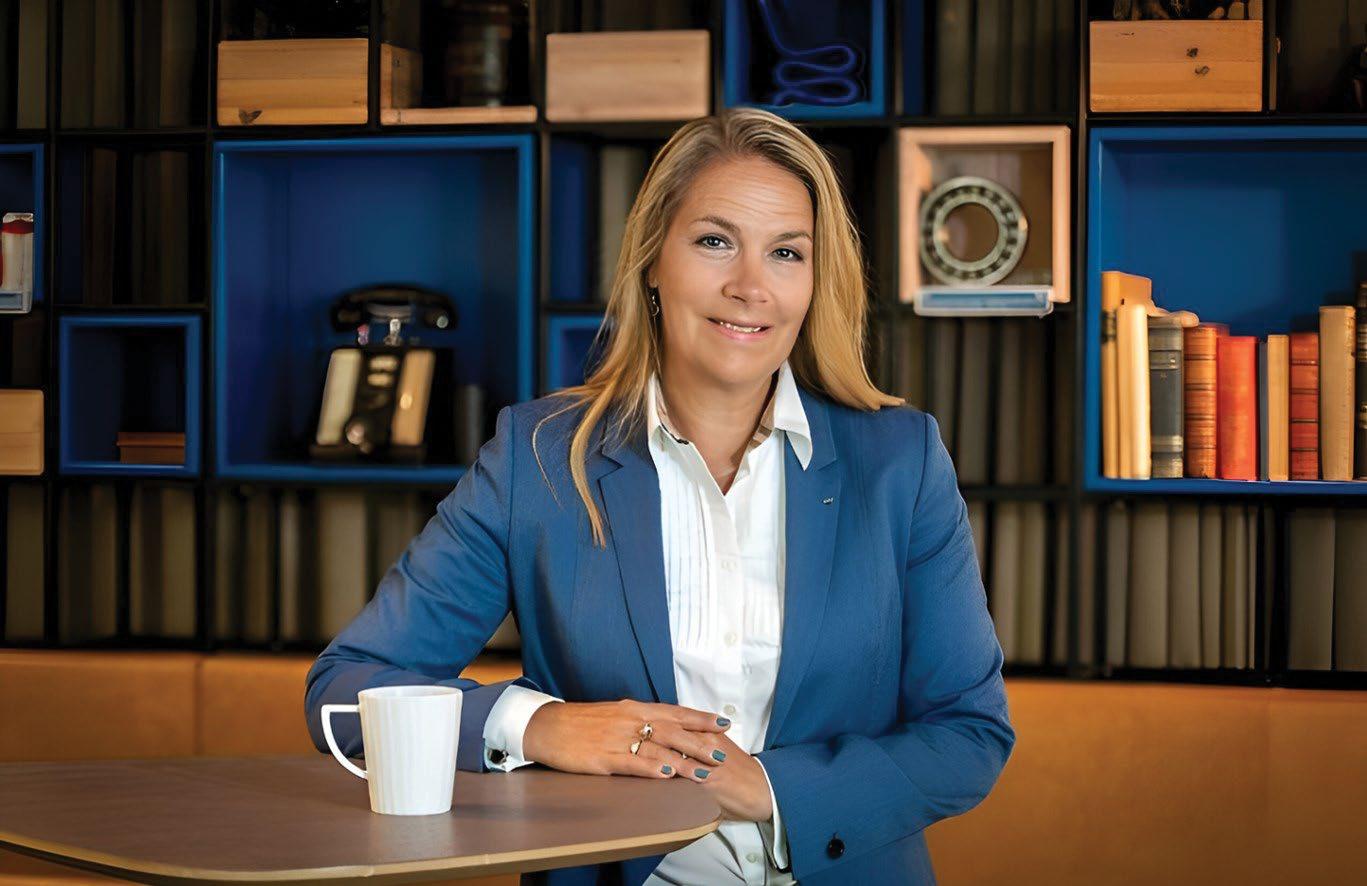
As global industries accelerate their transition toward more sustainable operations, SKF has taken a bold step by launching The Patent Bay, a groundbreaking openinnovation platform that makes selected SKF patents freely accessible to companies and innovators worldwide. The initiative aims to break down traditional barriers to collaboration, catalyzing technologies that can significantly reduce environmental impact. At a time when patent filings are at their highest levels in history, The Patent Bay stands out as a strategic effort to transform invention from a competitive asset into a shared catalyst for change.
To explore the vision, strategy, and technological foundations behind this initiative, we sat down with Annika Ölme, CTO of SKF. She revealed why SKF believes that openness drives progress, how The Patent Bay aligns with the company’s long-term sustainability goals, and what technological breakthroughs, starting with a new high-performance bearing alloy, could reshape industries from aviation to energy. Her insights offer a rare behind-the-scenes look at how one of the world’s leading engineering companies is reimagining innovation for the next generation.
The Patent Bay marks a major strategic shift toward open innovation.
How does this initiative fit within SKF’s long-term vision for leading sustainable transformation across the industrial world?
At SKF, our purpose is to reimagine rotation for a better tomorrow, and this is the foundation of our technology strategy which is fully aligned with SKF’s intelligent & clean strategy.
We are committed to delivering customercentric innovation that drives growth and long-term value. By translating complex technology into clear business outcomes, we meet the evolving needs of our customers and strengthen our competitive edge.
The Patent Bay initiative to make select innovations accessible to others, reflects our belief that openness and collaboration accelerate meaningful progress. We know that real progress happens when knowledge is shared across industries, and by opening up technologies that can advance sustainability, we aim to help move the entire industrial ecosystem forward.
Patent filings are at an all-time high globally, yet access to innovation remains a challenge. What responsibility do large industrial players like SKF have in democratizing technology, and how does The Patent Bay reflect that responsibility?
SKF technologies are present in every corner of the world, powering applications that keep industries moving. With such a broad footprint, we recognize a responsibility to make advanced technologies more accessible so they can contribute to a more sustainable industrial landscape. The Patent Bay is one way we lead by example, sharing key innovations that can amplify progress when put in the hands of more innovators. By making patents available that support more efficient, lower environmental impact operations, we aim to encourage broader collaboration and help accelerate sustainability efforts across sectors.
You compare The Patent Bay to historic moments of shared innovation such as the seatbelt and the World Wide Web. What kind of “ripple effects” do you
hope this platform will generate in the power transmission, mobility, and energy sectors?
History shows that when important technologies are shared openly, they often create ripple effects far beyond their original purpose. The Patent Bay is built on that same principle. By opening access to innovations that can improve efficiency, durability, and sustainability, we hope to inspire new applications -- and even new breakthroughs --across industries like power transmission, mobility and energy sectors. When companies have the opportunity to build on each other’s advances, progress accelerates, and that collective momentum is ultimately what drives meaningful change.
Opening selected patents means balancing openness with competitiveness.
How does SKF evaluate which technologies to release while still maintaining a strong and secure innovation pipeline?
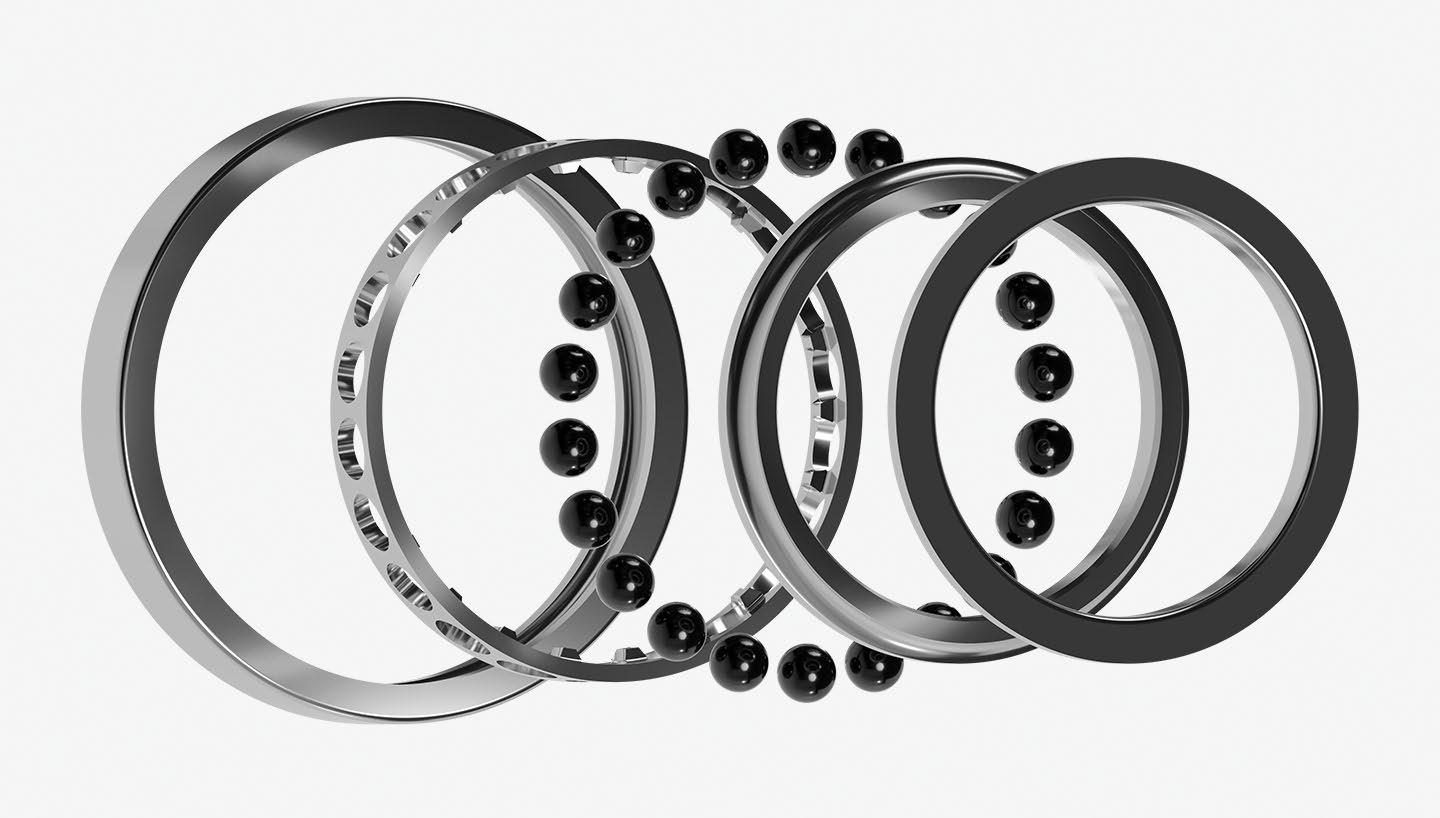
The Patent Bay isn’t about opening our entire portfolio. It’s about sharing patents that have clear potential to advance sustainability more broadly -- so others can build on them and accelerate progress. ARCTIC15 is a strong example: its material performance enables more compact, higher-load-capacity bearing solutions for next-generation engines designed to improve fuel efficiency and reduce emissions. By releasing patents like this -- while continuing to protect technologies
that remain central to our future development work -- we strike the right balance between openness and ongoing innovation.
You mention the material enables more compact designs that can withstand higher loads.
Can you explain how this could influence both aerospace and broader industrial applications in the coming years?
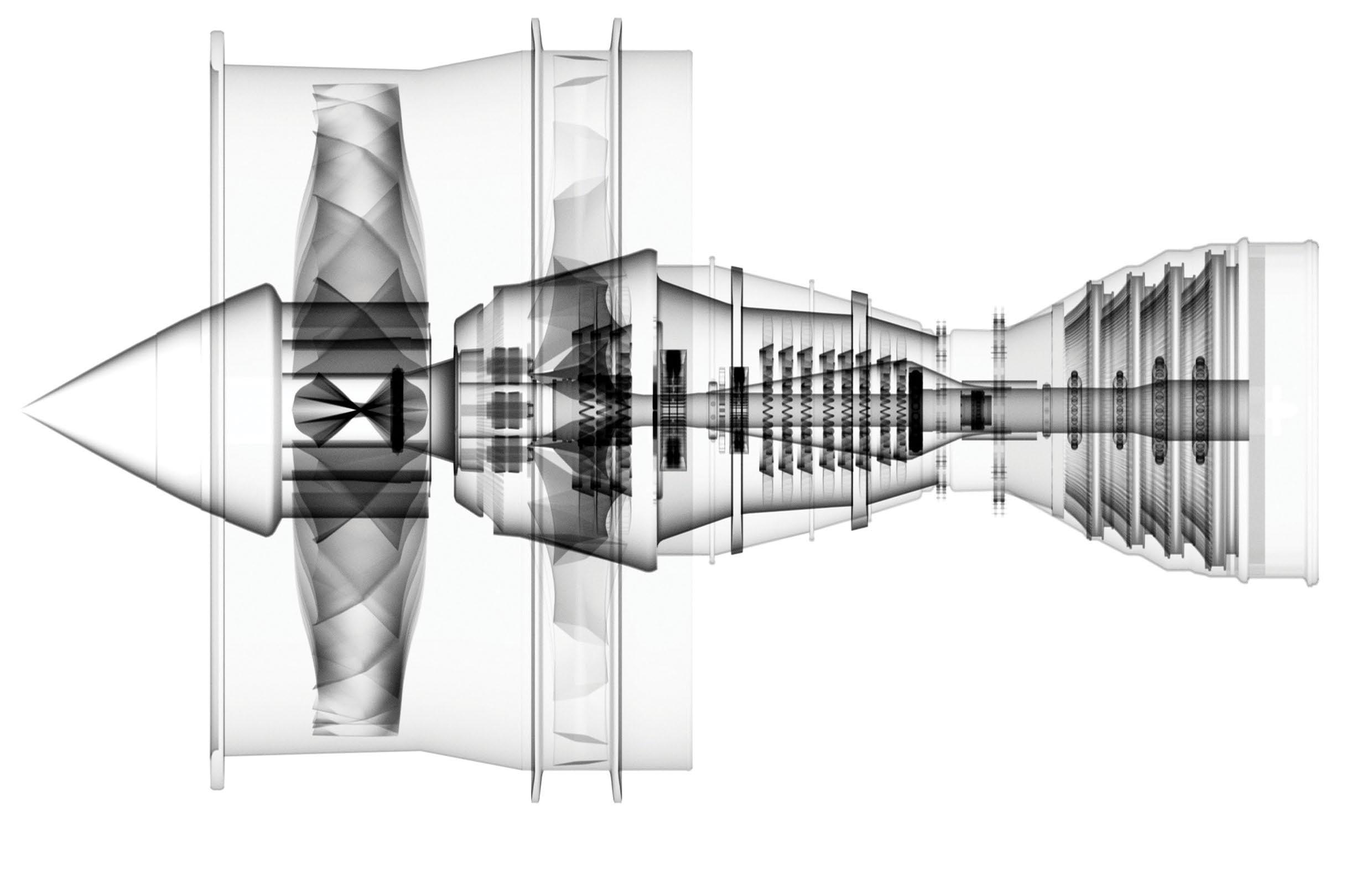
ARCTIC15 is engineered to handle higher loads, higher speeds and elevated temperatures, which makes it ideal for the next generation of aerospace engines. Its strength and heat resistance enable more compact bearing designs that support engine architectures aimed at improving fuel efficiency and reducing emissions. We expect these same material advantages to influence broader industrial applications as well -- anywhere higher power density and greater durability are needed. By opening access to this patent through The Patent Bay, we hope others will identify additional uses for ARCTIC15 that advance both performance and sustainability across multiple sectors.
Open innovation often requires new workflows in R&D.
What changes, “cultural or operational”, does SKF need to embrace to ensure that The Patent Bay becomes an integral part of your innovation ecosystem?
The Patent Bay grew out of our existing innovation culture, so it doesn’t require a
fundamental shift in how our R&D teams work. At SKF, we foster a culture built on trust, curiosity, and collaboration, where people are encouraged to explore new ideas, take calculated risks and learn from experimentation. Our crossfunctional teams and sustainabilityfocused programs already create strong connections across technology areas, which helps to accelerate the pace of change and ensure that technology strategies are effectively implemented across all levels of the organization and our partner ecosystem.
As The Patent Bay evolves, we will continue strengthening these cultural foundations and integrating openaccess thinking into our processes, so sharing selected patents becomes a natural part of how we advance sustainable technology.
How will open access to selected patents influence SKF’s R&D strategy, especially in areas like materials science, surface engineering, and bearing architectures?
Open access through The Patent Bay doesn’t change our R&D strategy -- it reinforces it. At SKF, we are committed to developing intelligent and clean solutions that contribute to a more sustainable world. Our teams will continue advancing materials science, surface engineering, and bearing architecture with the same focus on performance, efficiency, and sustainability, and championing the development of technologies that address global challenges such as climate change and resource scarcity. This allows us to ensure
that our innovations create value for both our business and society.
What changes is the potential for broader collaboration and feedback loops. When others build on the technologies we share, it can reveal new insights, applications, or challenges that help inform future development. ARCTIC15 is a good example: by opening the patent, we create opportunities for other innovators to explore the material in contexts we may not have considered. That kind of external perspective can strengthen our own work and help ensure that SKF continues to develop solutions that address the industry’s most pressing demands.
Collaboration is key to accelerating sustainable technologies. Do you foresee formal partnerships emerging from The Patent Bay, and how will SKF support external innovators who want to build on your technologies?
Collaboration has always been central to how meaningful engineering progress happens, and The Patent Bay is designed to encourage exactly that. By making selected patents openly accessible, we create opportunities for other innovators to explore these technologies and apply them in new ways. Some of those interactions may naturally grow into partnerships over time, but our primary goal is to lower barriers and make it easier for others to build on what we have developed. As companies work with these patents -- whether
in materials science, bearing design, or other fields -- we remain committed to engaging openly, sharing technical insight where it supports responsible application and learning from how others advance the ideas further. In that way, The Patent Bay becomes both a catalyst for collaboration and a source of new perspectives that can strengthen innovation across multiple industries.”
Looking ahead, what types of patents or technology areas might be released next through The Patent Bay? Are there particular fields (e.g., materials, digital engineering, sustainability-driven solutions, etc.) where you see the strongest collaborative potential?
We expect The Patent Bay to evolve with a broad range of contributions over time. ARCTIC15 shows how materials-science innovations can create value when shared openly, and Mölnlycke’s participation highlights the potential for collaboration well beyond our own industry. Looking ahead, we see strong opportunities in technologies that help industries reduce emissions, improve efficiency, and make better use of digital tools to support data-driven innovations. The Patent Bay was created to make these kinds of sustainability-advancing technologies easier for others to explore and build on, and we hope more organizations will join us in expanding the range of ideas available through the platform.
How does a company protect/safeguard its intellectual property and profitability if discoveries or inventions are shared with the world?
This is not about giving away every patent we have, of course, but we are talking about unlocking selected high-impact innovations for broader use. We believe returns come from new partnerships, faster market entry, and follow-on business. Exclusivity has its place, but climate benefit must guide openness. Patents certainly have an important role to play, in fact we built our company on one of them! At the same time, companies need to collaborate to accelerate innovation. It’s a balance between maintaining a competitive edge while contributing to the broader industrial ecosystem and society at large.
What are you hoping to see in response to the announcement of The Patent Bay, from other companies or individuals? What kind of discoveries would you love to see shared on The Patent Bay?
We know that sharing can accelerate change, and history shows that real breakthroughs happen when we share. Therefore, we are hoping that other companies reach out and are willing to share their innovations on The Patent Bay. But, above all, this is a message that collaboration is the engine needed to move the world forward. If we can inspire more collaboration, big or small, we will be happy.
How long did it take SKF to develop this game-changing new alloy? When did you
realise it was possible to 'give it away'? How do you feel about the idea of it being shared with the world?
The team has been working on this for nearly a decade, ever since SKF’s customers began designing next-generation engines focused on reducing fuel consumption — driven by the EU- funded Clean Sky initiative. To meet the demands of these advanced engine designs, SKF has developed smaller, more compact bearing solutions. Through strategic participation in EU projects such as HEAVEN, part of the Clean Aviation programme, SKF has secured funding to invent, develop, and validate ARCTIC15, a breakthrough in bearing technology that supports the future of sustainable aviation. And the team saw how one patent, once shared, could unlock new possibilities for others, leading to unexpected collaborations or improvements in sustainability, safety, or efficiency. Holding onto patents didn’t necessarily drive progress. In fact, it might have slowed down. That insight led to a bold decision: to share. Sharing just one patent has the power to change an entire industry. But when we offer a way for others to do the same, we’re not just changing industries, we’re helping move the world forward. When we make our ideas accessible, we’re not just opening doors, we’re building Page 2 of 3 bridges. Bridges that connect people, industries, and possibilities. And together, we can turn individual breakthroughs into a global impact.
How does SKF foster this kind of outof-the-box thinking and pioneering innovation across its technology R&D,

especially with regard to improvements in sustainability?
Psychological safety is paramount, and we foster a culture that creates trust, allowing people to dare to innovate and dare to fail. Leaders lead by example, cultivating a culture of curiosity, collaboration, and continuous learning across its technology and R&D teams. We have crossfunctional teams and sustainability-focused programs aligned with global megatrends to drive the climate transition.
SKF plays a unique role in the global industrial ecosystem, represented in approximately 130 countries and has around 17,000 distributor locations worldwide. As both a supplier and customer, SKF turns deep customer insight into practical solutions that reduce friction and drive progress. Through smart technologies and services, SKF helps customers cut emissions, extend equipment life, and move toward more sustainable operations.
What is your call to action to other industrial leaders and major corporations? What specific type of IP would you most like to see shared on the platform?
We must look beyond our walls. Through this initiative, we are challenging other industrial leaders who have patents that have the potential to advance sustainability technology to join us. Collaboration is key to solving global systemic challenges like steel decarbonization, and open IP can create the necessary ripple effects across industries.
Innovation is essential for a sustainable future, and history shows that real breakthroughs happen when we share. The Patent Bay is our way of unlocking that potential—creating ripple effects across industries and society.
Rickard Gustafson, CEO of SKF

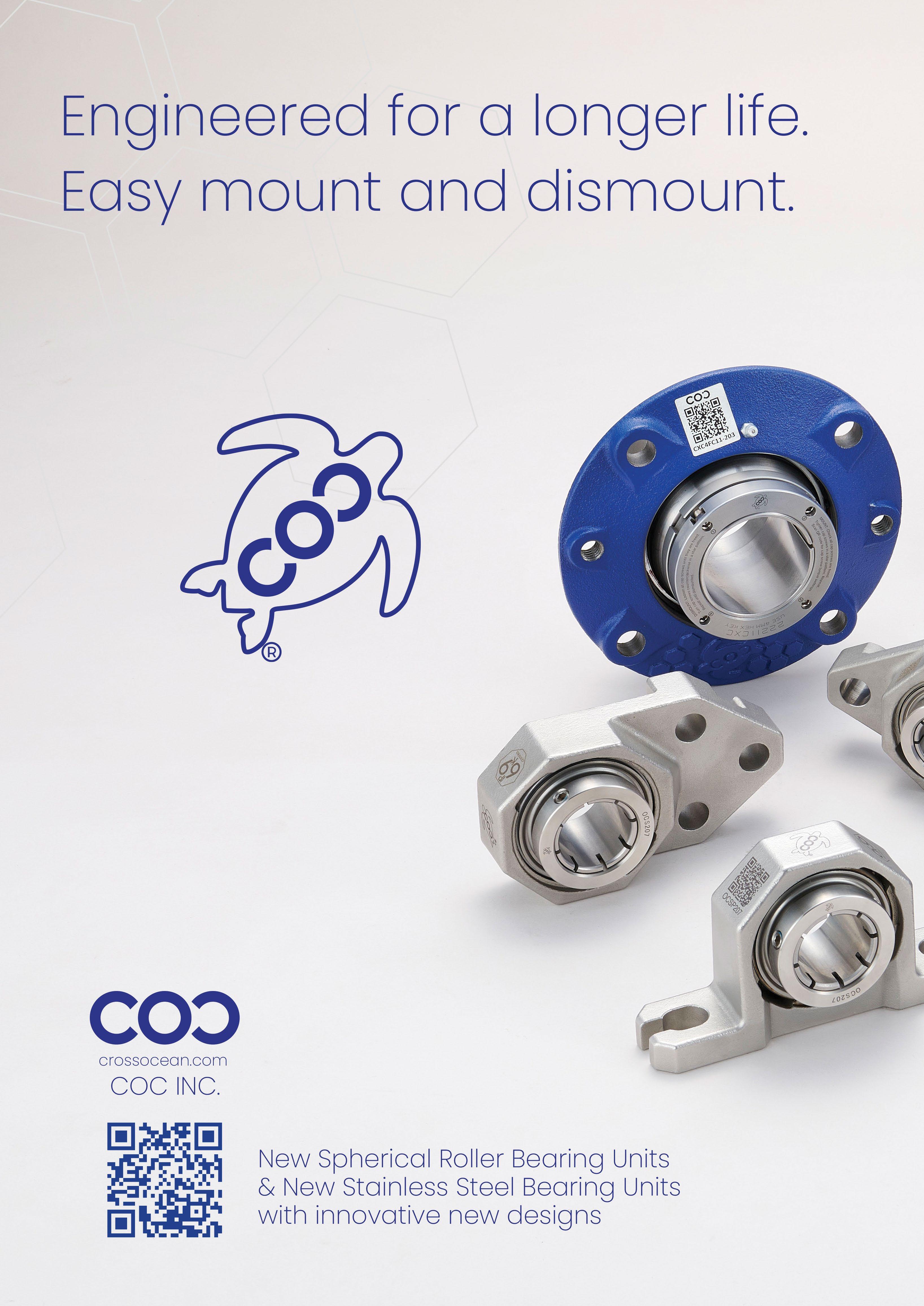
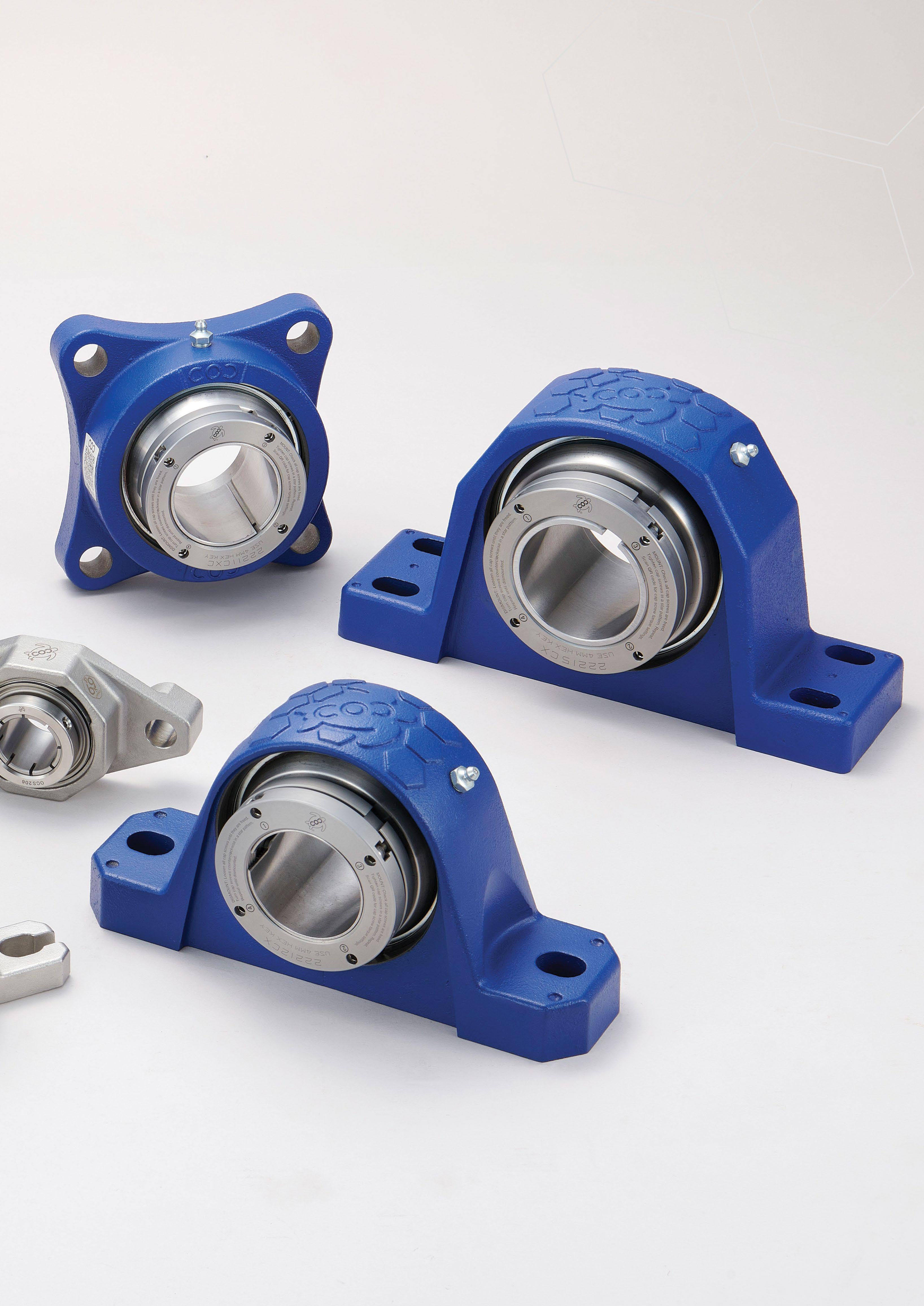
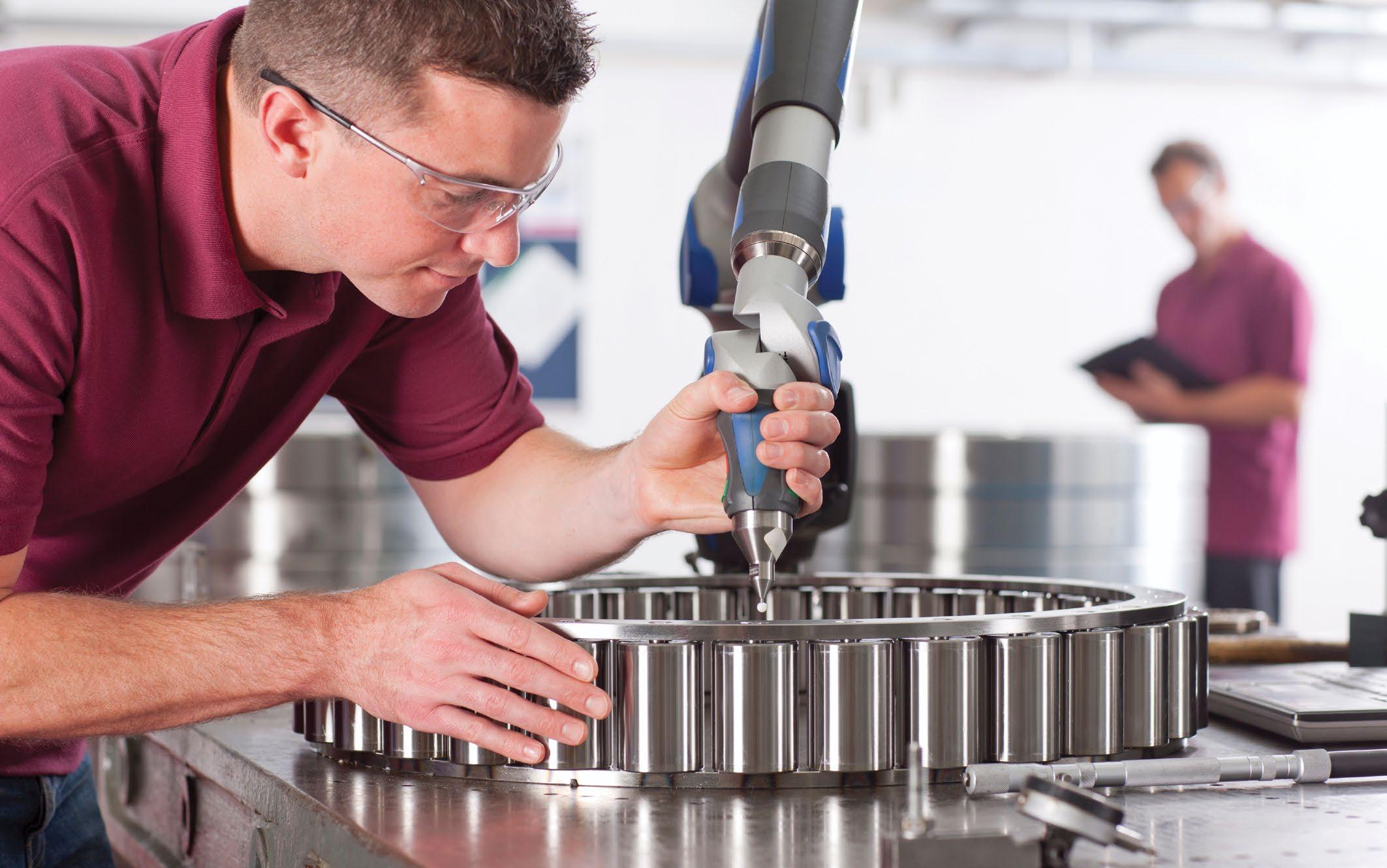
The global bearing industry finds itself at a fascinating intersection of technological transformation and industrial resilience. Often operating behind the scenes, embedded within machines, vehicles, and complex systems - bearings remain one of the most fundamental components enabling motion across nearly every industrial sector. Yet despite their seemingly modest role, bearings sit at the very heart of some of the most transformative developments shaping modern manufacturing and infrastructure.
From electric mobility and renewable energy to robotics, intralogistics, and advanced rail systems, bearings are evolving alongside the machines they serve. The sector is entering the year not merely with stable demand, but with clear signs of strategic repositioning among manufacturers and distributors. Over the past months, developments across leading companies reveal a market that is steadily transitioning toward higher precision, stronger integration with automation technologies, and more resilient supply chains.
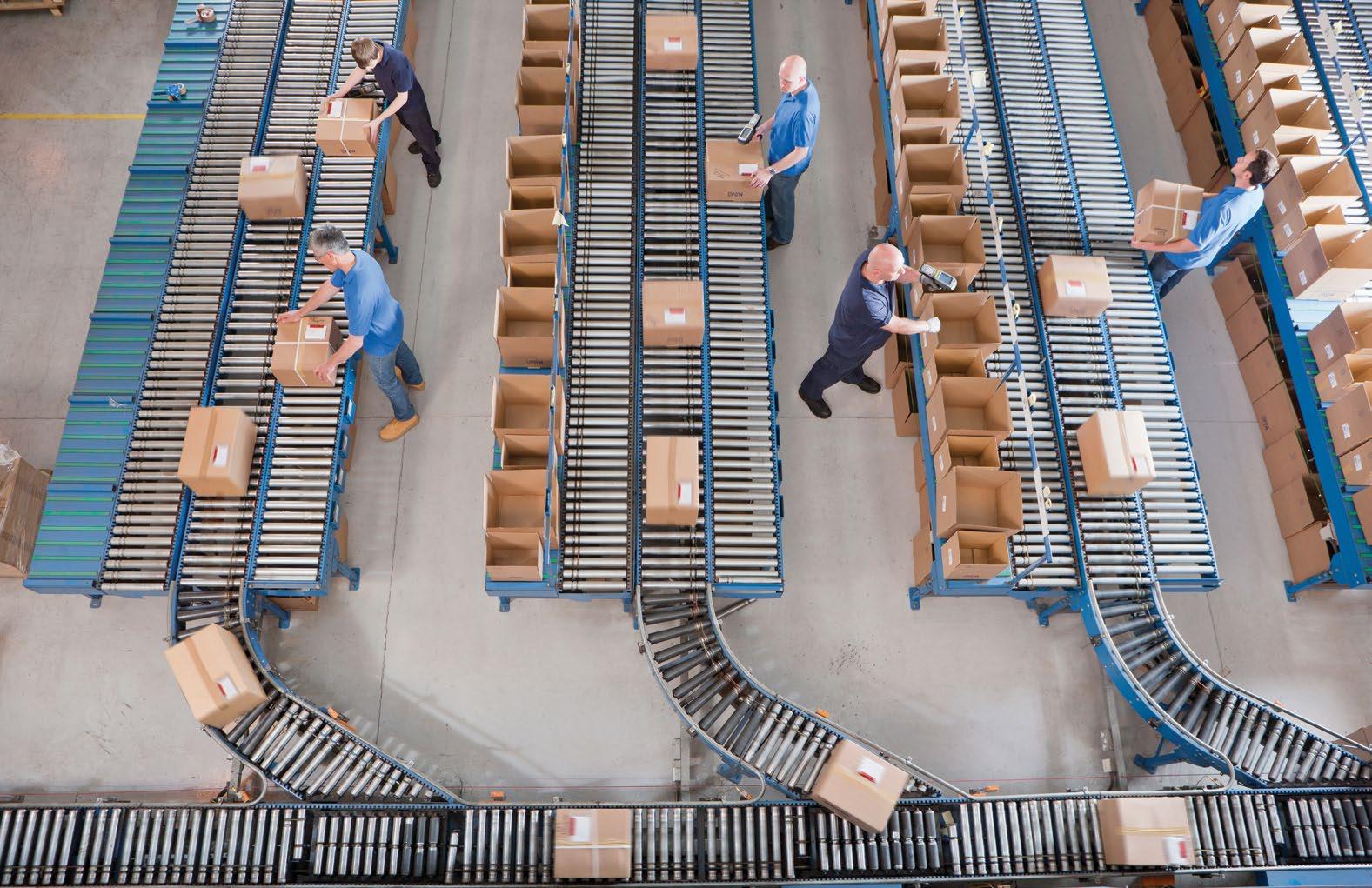
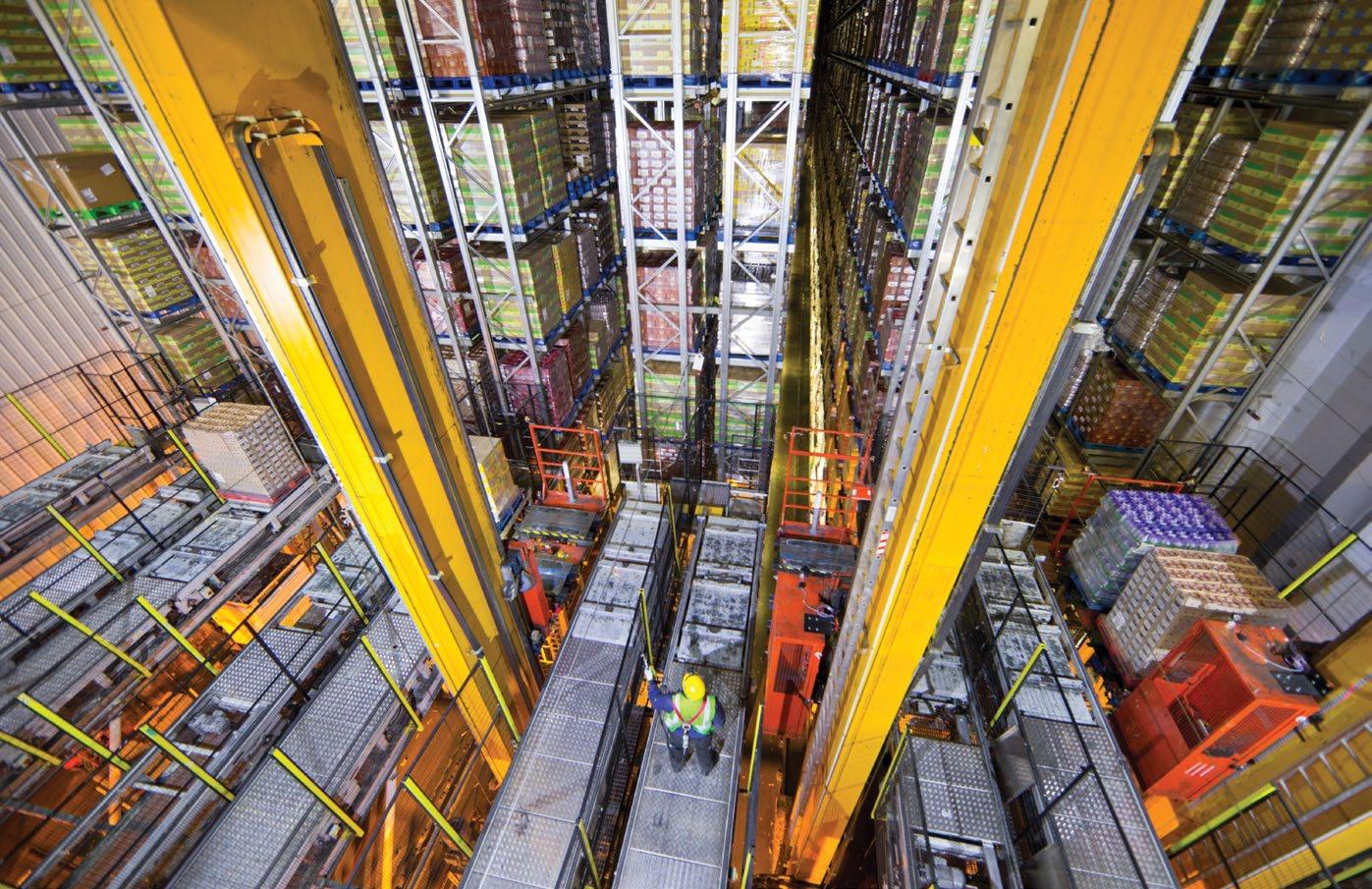
While the broader industrial economy continues to move at a measured pace, the bearing industry itself is demonstrating renewed momentum, driven by applicationspecific innovation and long-term infrastructure investment. For those observing the sector closely, one message becomes increasingly clear: the industry is not simply responding to change, it is actively preparing for the next generation of industrial motion.
Across the global manufacturing landscape, several of the industry’s largest players have begun the year with strategic updates that reflect a shared direction. Major manufacturers
such as SKF, Schaeffler, NSK, NTN and Timken are all reinforcing investments in advanced bearing technologies designed for electrification, automation, and highperformance industrial systems.
These developments highlight a clear shift away from purely volume-driven production toward technology-intensive applications. High-precision bearings used in electric vehicle motors, robotics, wind turbines, rail infrastructure, and automated manufacturing lines are emerging as the fastest-growing segments of the global market.
Manufacturers are responding accordingly. Investment programs aimed at expanding precision manufacturing capacity, particularly in North America, Europe, and Asia are accelerating. At the same
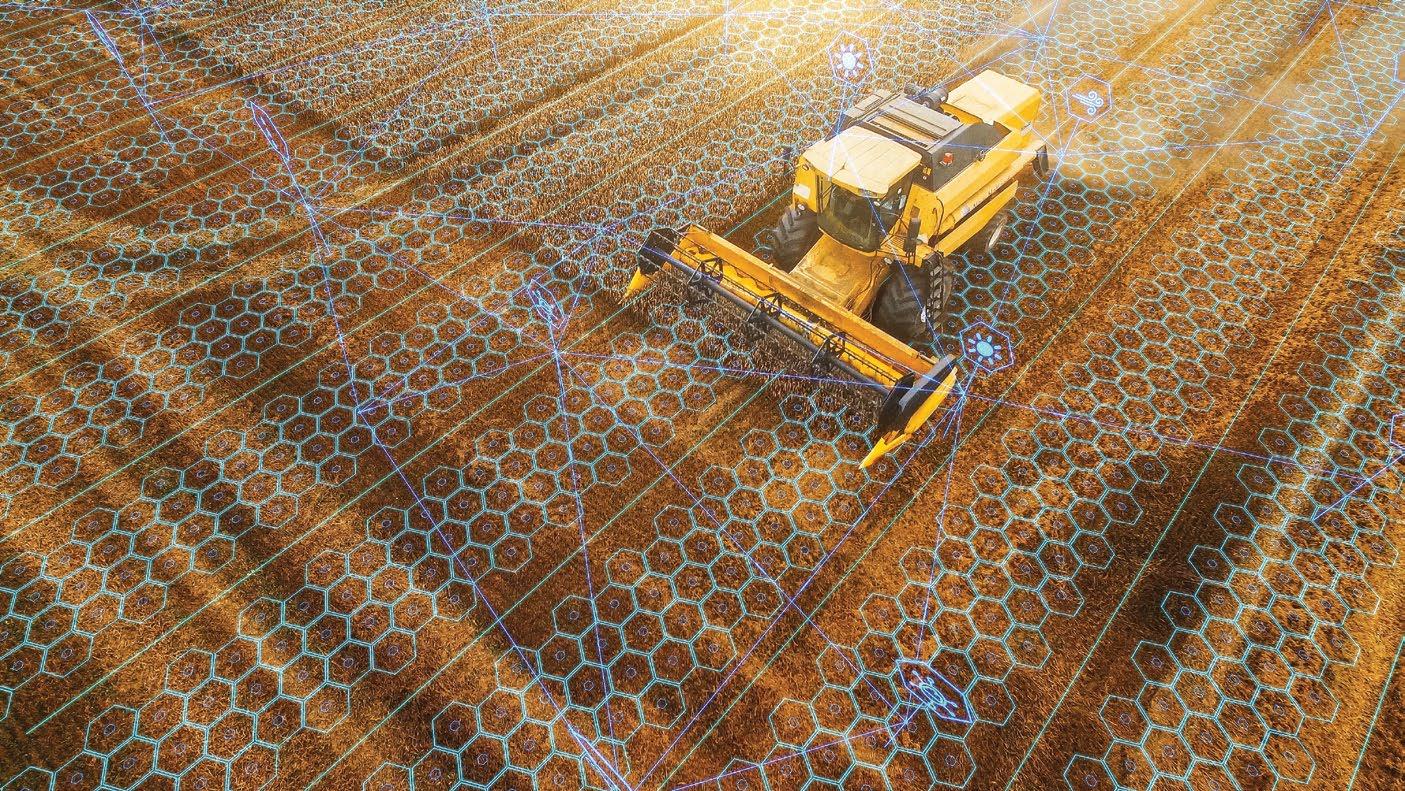
time, many producers are strengthening their integration with original equipment manufacturers (OEMs), working more closely with system designers to deliver engineered solutions rather than standalone components.
Another visible trend is the growing emphasis on lifecycle services and digital monitoring technologies. Reliabilityfocused business models, where condition monitoring, predictive maintenance, and service packages accompany the physical product are increasingly becoming part of the competitive landscape. This shift reflects a broader industry transformation in which bearings are evolving from mechanical components into data-enabled assets within the digital factory.
While manufacturers are redefining product portfolios and technology strategies, the distribution side of the market is undergoing its own structural transformation. The global network of bearing distributors, long known for its agility and technical expertise is now adapting to a supply chain environment that prioritizes resilience, speed, and digital intelligence.
Across North America, Europe, and Asia, leading distributors are investing heavily in automated logistics facilities, advanced inventory management systems, and expanded engineering support capabilities. These upgrades are designed to respond to an industrial landscape where customers expect not only rapid product availability but also deeper technical consultation and more predictable supply continuity.
One of the most notable developments within this evolving distribution landscape is the emphasis on domestic stocking strategies. Companies with deep inventory levels and diversified sourcing networks are increasingly seen as strategic partners for customers navigating geopolitical uncertainty, fluctuating costs, and shifting trade policies.
In this context, organizations able to offer broad product availability combined with efficient logistics are positioning themselves as critical stabilizers within the supply chain. The distributor’s role
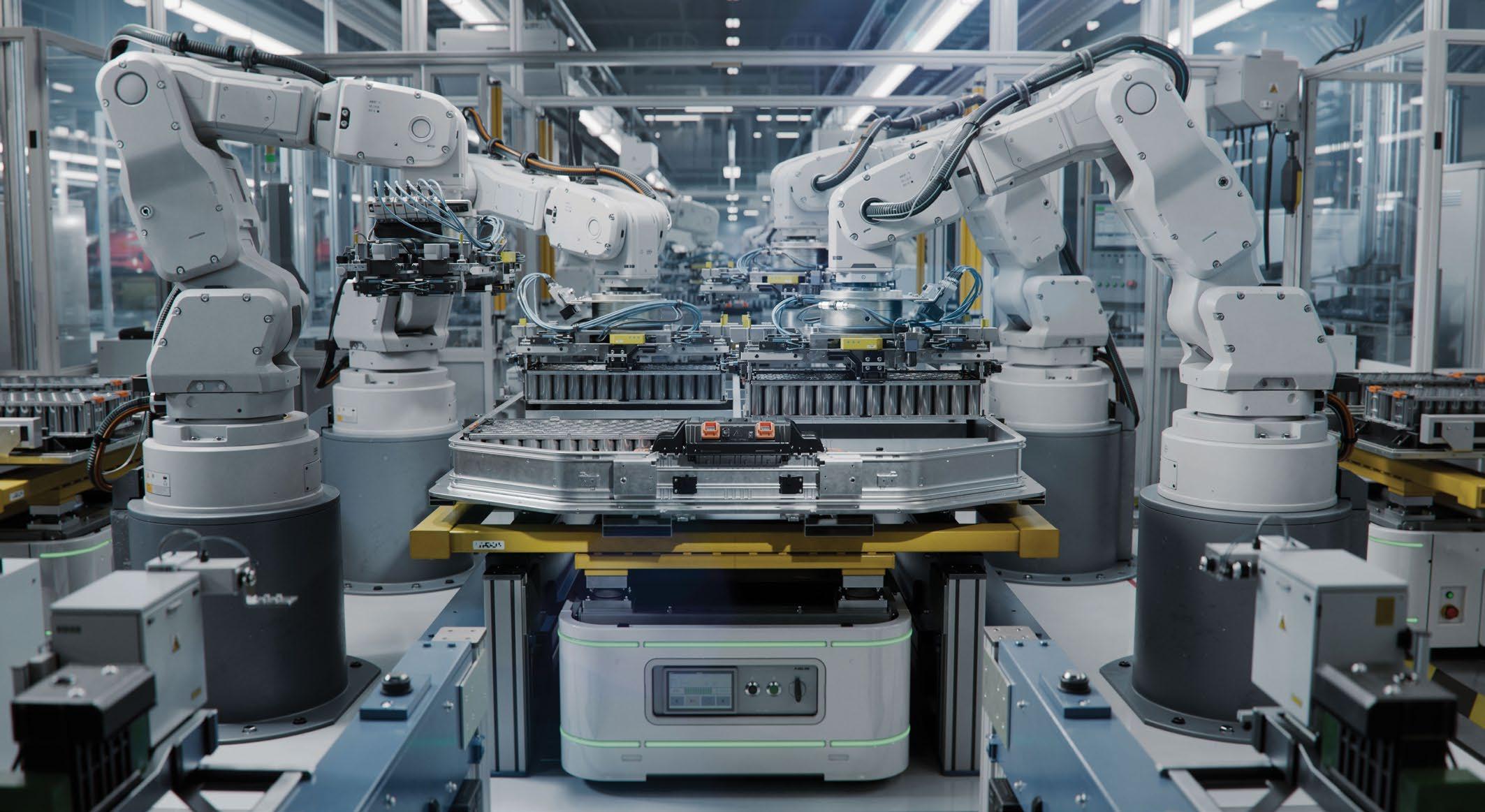
is no longer limited to moving product, it increasingly involves ensuring operational continuity for manufacturers, maintenance teams, and OEMs worldwide.
Looking at the broader health of the bearing industry, the outlook can best be described as stable with targeted areas of high-value growth. Industrial production levels across North America, China and Europe remain steady, while regions such as India and Southeast Asia continue to show stronger expansion, particularly in capital equipment investment and manufacturing infrastructure.
More importantly, demand patterns within the bearing market are shifting toward applications that require higher engineering precision and greater reliability. Automation technologies, robotics platforms, electric / automated guided vehicles (AGVs), defense and advanced warehouse systems are driving currently the growth in precision bearing demand.
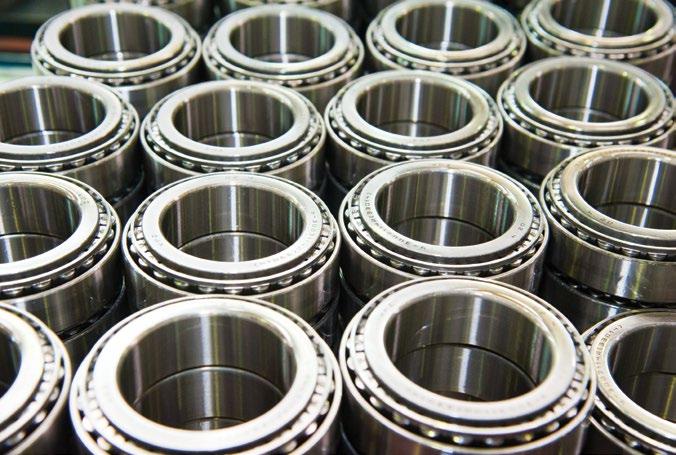
The global electrification trend continues to shape the industry’s future trajectory. Electric vehicles, wind turbines, and modernized rail systems all depend on specialized bearing solutions capable of operating under extreme loads, speeds, and environmental conditions. Manufacturers that have invested in these application segments are seeing some of the strongest order backlogs as the year begins. At the same time, supply chains - while significantly more stable than during the disruptions of the early 2020s; remain a strategic priority for many companies. Shorter lead times and improved logistics performance have restored confidence across much of the market. Yet the lessons learned
during the past decade have reinforced the importance of resilience, diversified sourcing, and strong distribution partnerships.
Perhaps the most important structural change within the bearing industry is the growing distinction between commodity products and engineered solutions. Customers across industrial sectors are increasingly prioritizing performance, durability, and system reliability over purely price-based purchasing decisions. This evolution is particularly visible in sectors where downtime carries significant operational costs such as mining, wind
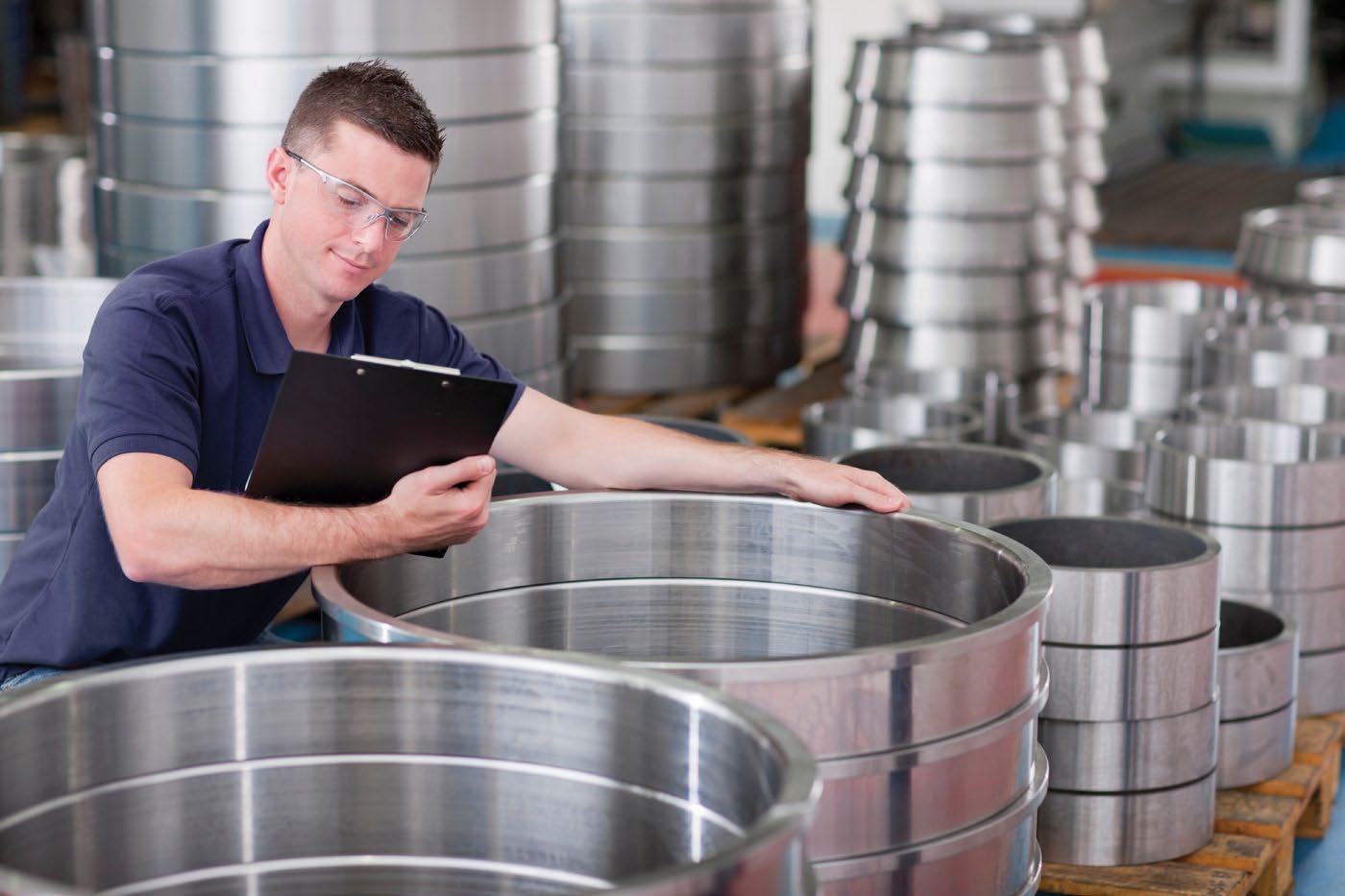
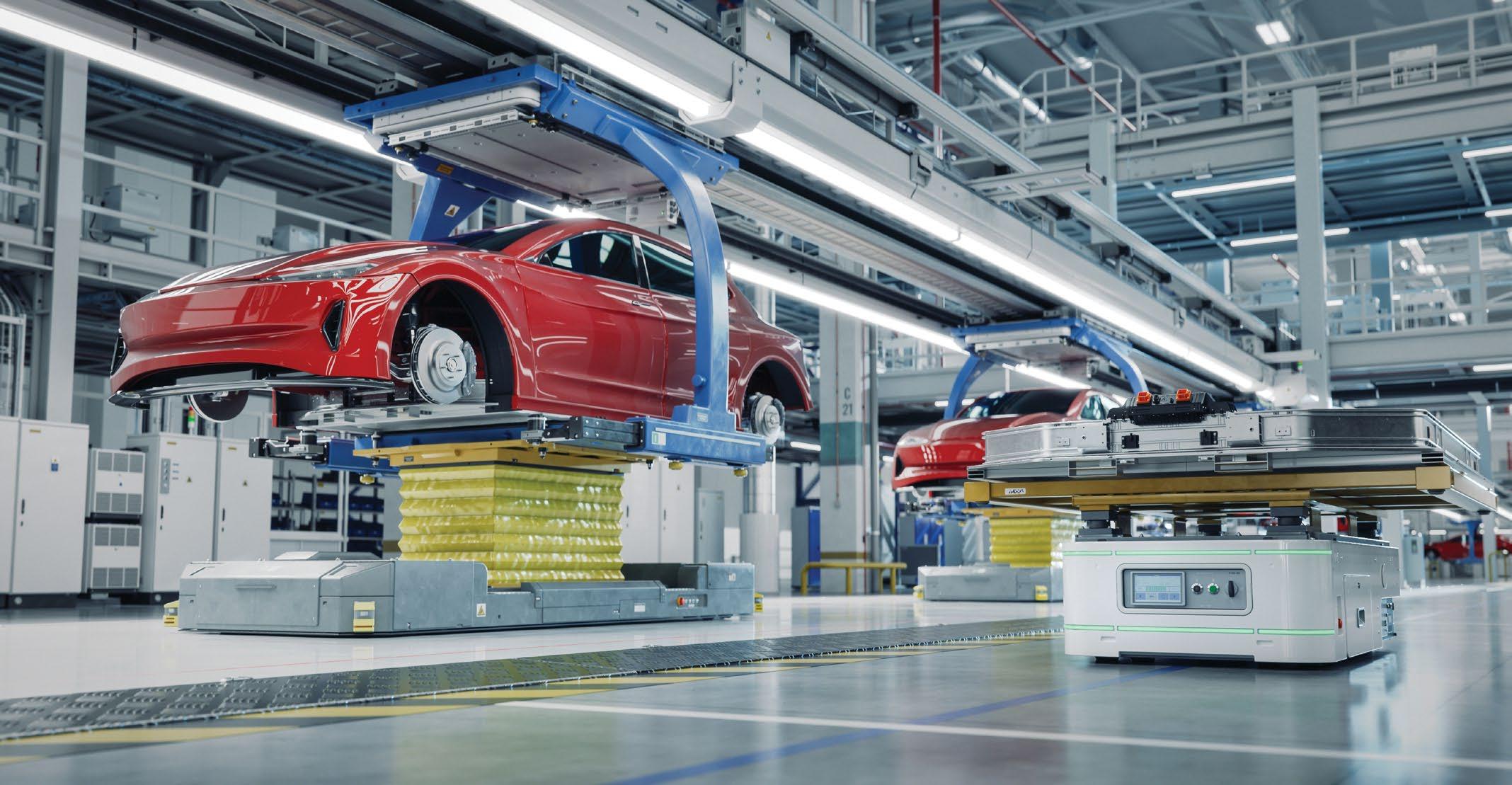
energy, defense, heavy manufacturing, and automated logistics systems. Bearings used in these environments must meet demanding performance requirements while integrating seamlessly with sensors, monitoring systems, and predictive maintenance frameworks.
As a result, companies capable of delivering advanced engineering support, whether through customized designs, application expertise, or digital monitoring technologies, are seeing stronger margins and more stable demand cycles. The industry is gradually transitioning toward a model in which technical value, rather than simple component supply, becomes the primary competitive differentiator.
The momentum suggests that the global bearing industry is well positioned for a period of measured but meaningful progress. Confidence across the sector appears stronger than in recent cycles, supported by healthier order backlogs, expanding automation investments, and a renewed focus on infrastructure modernization.
For manufacturers, the path forward lies in continuing to invest in advanced technologies and deeper integration with high-growth application sectors. For distributors, success will depend on the ability to combine logistics efficiency
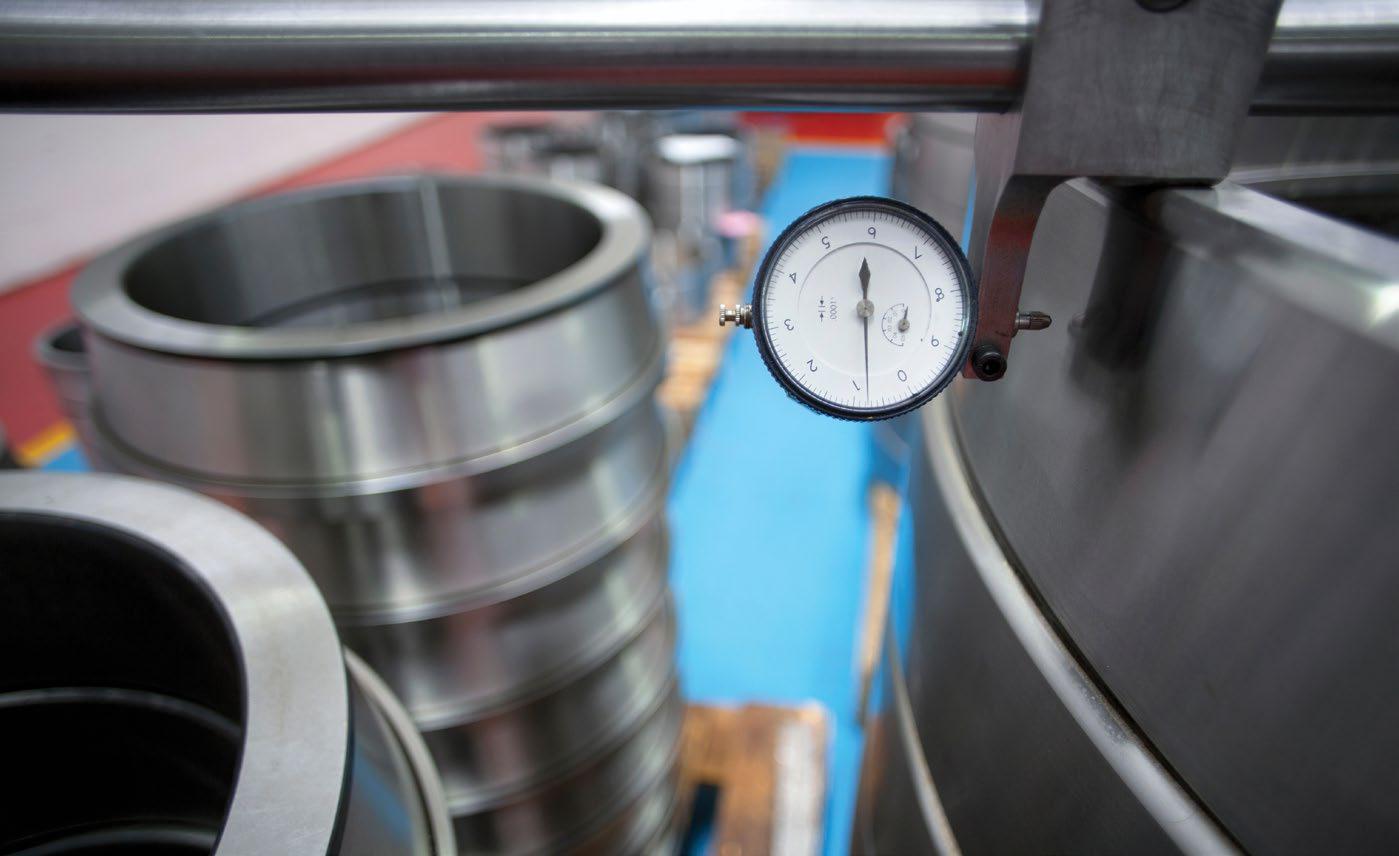
with technical expertise and dependable product availability.
Perhaps most importantly, the companies that thrive in the coming years will be those that recognize the broader transformation underway across industrial motion systems. Bearings are no longer simply components hidden within machines; they are critical enablers of the digital, electrified, and automated factories of the future.
As the industry moves deeper into this new phase, one thing remains certain: the organizations that pair engineering innovation with strategic supply chain strength will shape the next chapter of global industrial motion.
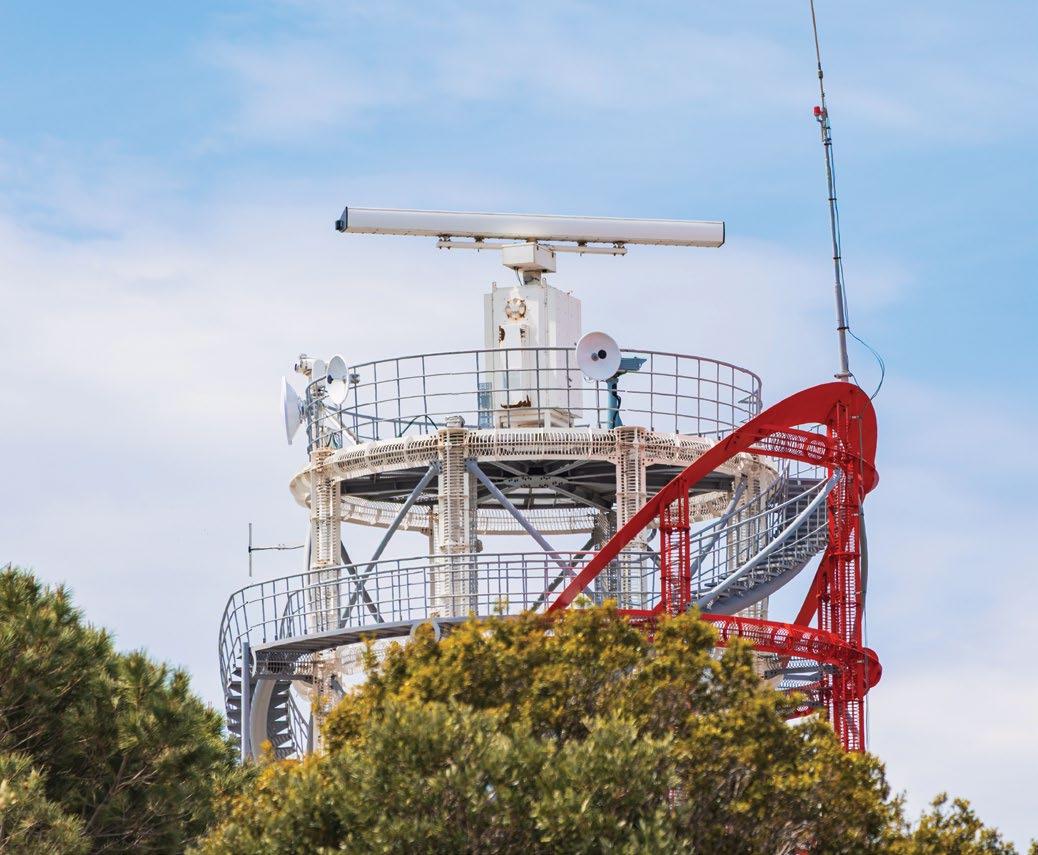


The Ultraprobe 15,000 uses ultrasound to analyze everything from bearings and electrical systems to steam traps and leaks. With an intuitive, built-in touch screen, this single hand-held tool can easily test and report on every aspect of a plant’s equipment.
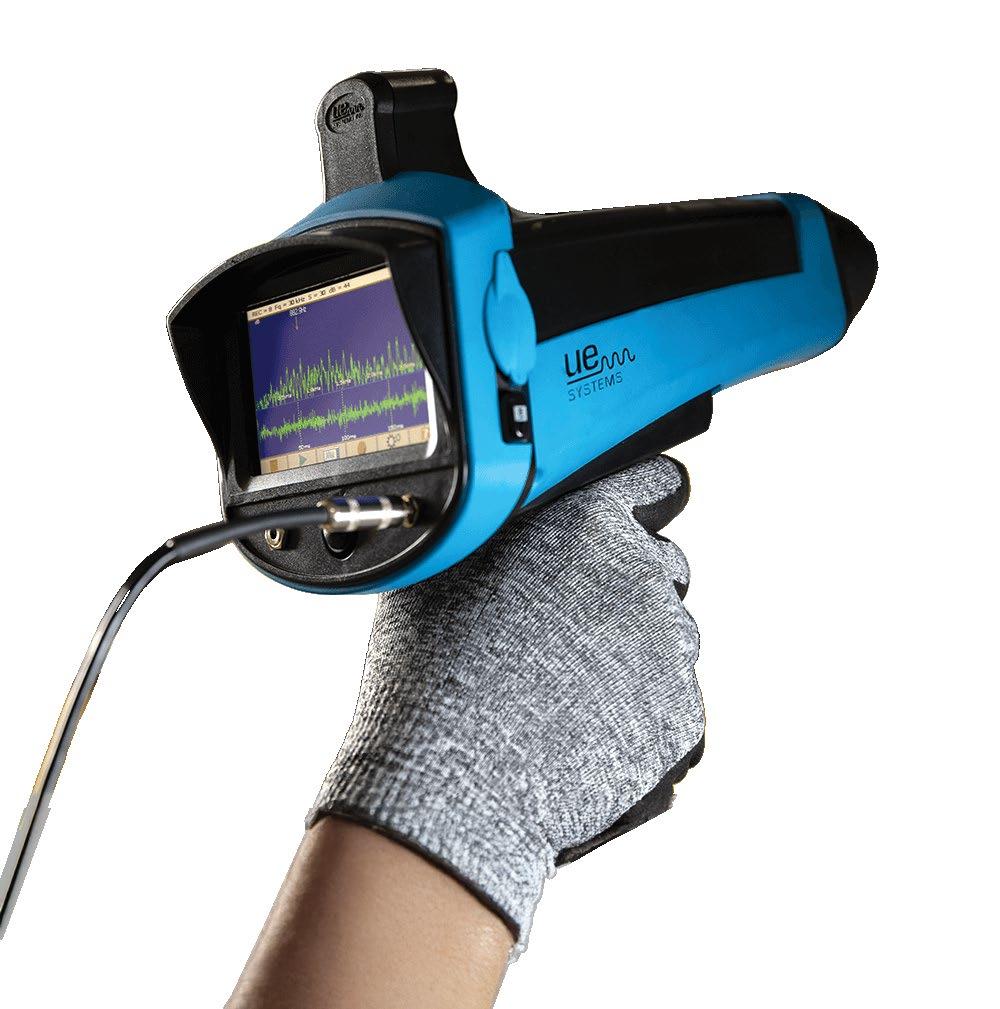
Collect and Analyze Data Faster:
Data syncs via WiFi communication directly to DMS Software
Get instant temperature readings
• Pinpoint locations with laser pointer Use Intuitive Touch Screen Technology:
Analyze conditions with the on-board spectrum analyzer
See historical data and identify trends DISCOVER MORE AT
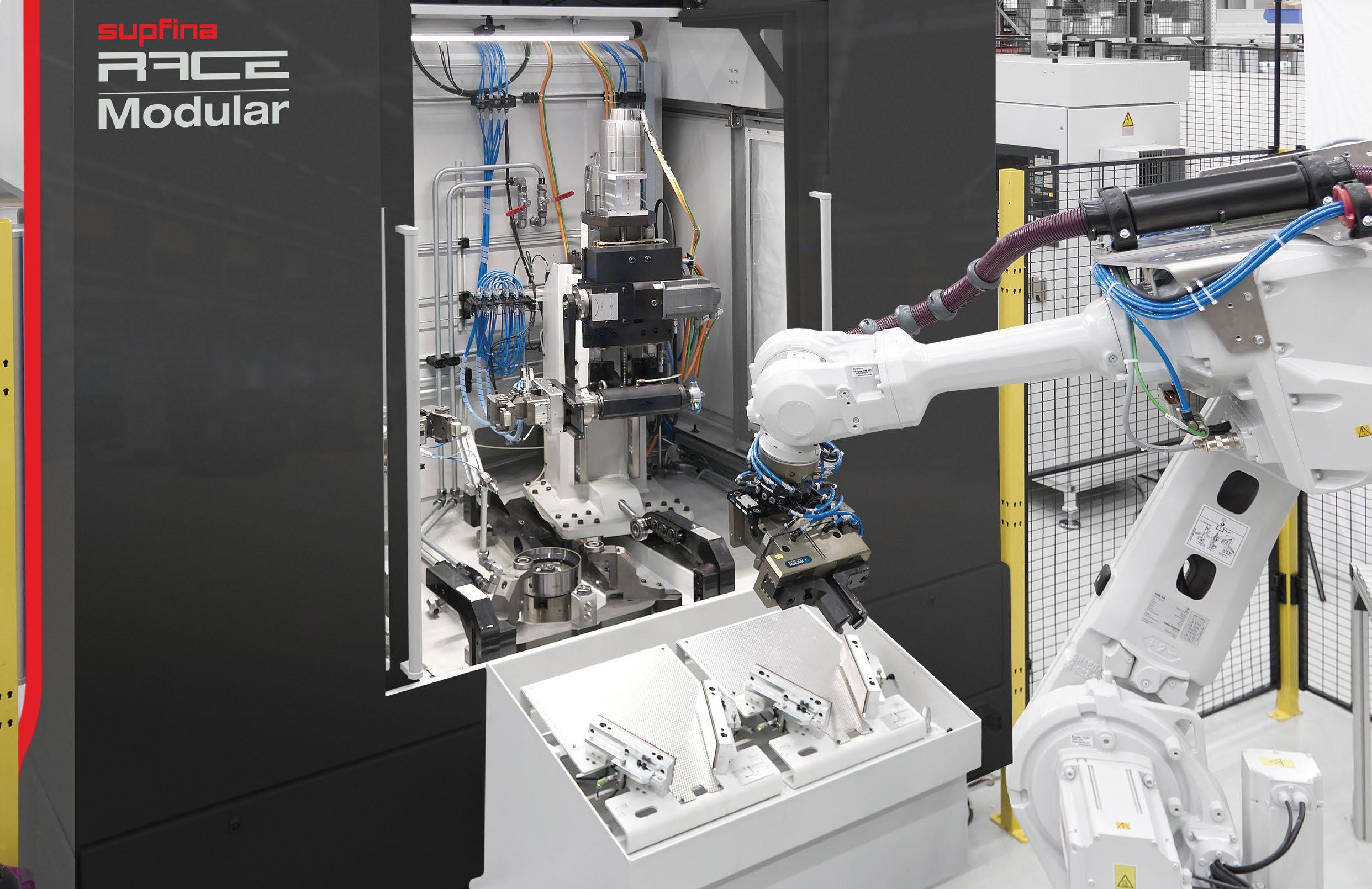
The rolling bearing industry lags far behind other sectors when it comes to autonomous production.
Fewer and fewer people have to produce more and more. This is already a long-standing trend from the past that will continue in the future. It will even become an essential necessity. Current production concepts in the rolling bearing industry require highly qualified personnel, even or especially when they are highly automated. People are needed for operating, setting up and optimizing.
But what happens when people are simply no longer available?
An observation that can be made all over the world, for various reasons - staff shortages. Whether it's a lack of training, competition between companies or simply a whole generation that doesn't want to work in a traditional manufacturing environment, the result is the same.
As this topic is not only of concern to the rolling bearing industry, but also to all other industries and sectors, there has been a rapid surge in development in recent years.
Autonomous production has long been standard in many industrial sectors. In the rolling bearing industry, however, it is still little or non-existent. This is where the production environment for rolling bearing components needs to catch up in order to remain competitive in the long term.
The reasons for this have so far been the special requirements of the industry. High flexibility, part diversity with small batch sizes and quantities have so far led to conventional
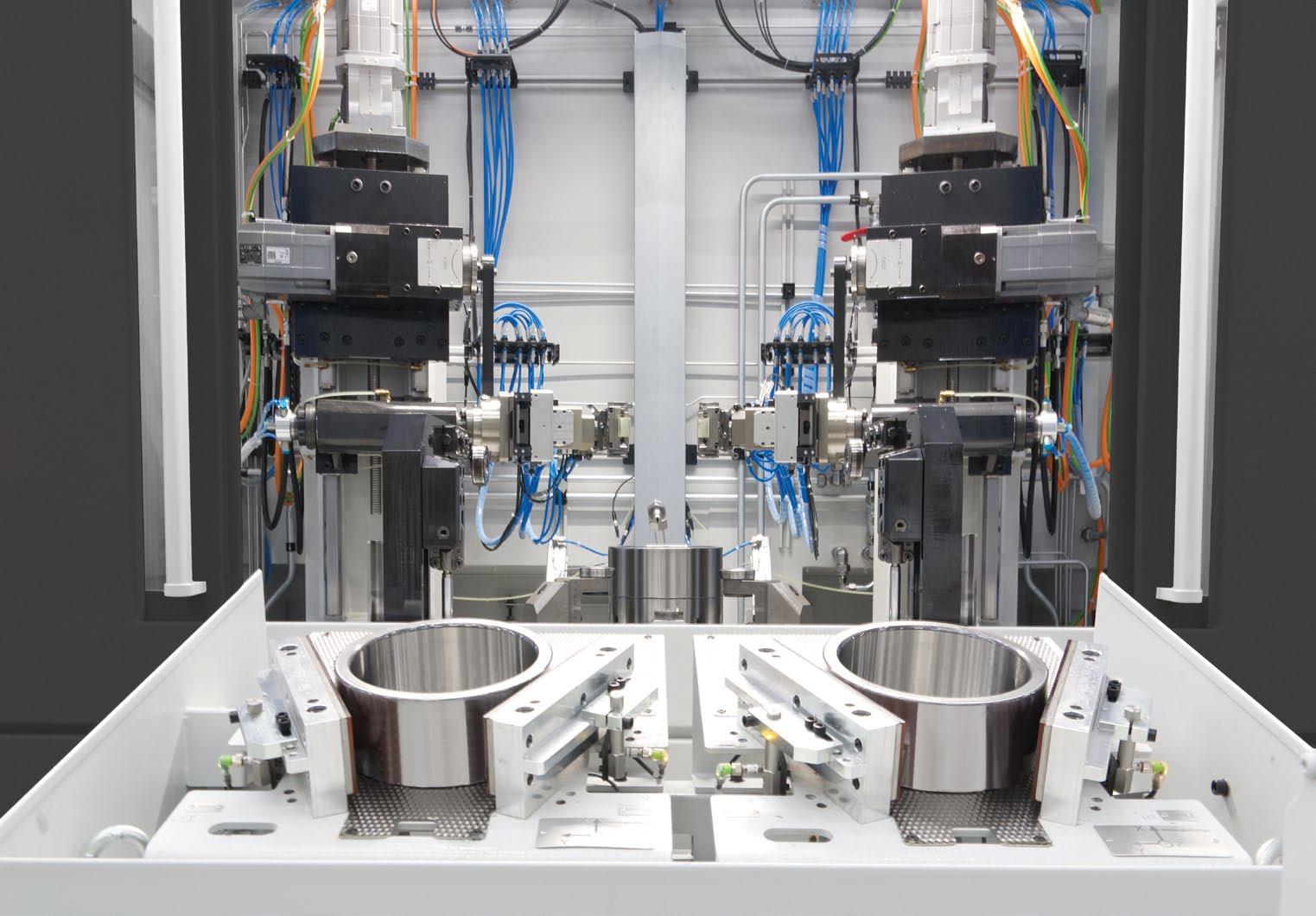
production structures. Especially in the industrial bearings segment. Although there has been heavy investment in automation, automation does not always mean autonomous. In individual cases, autonomous systems have also been implemented, but this has usually led to very complex technical solutions.
If you look a little further than just the industrial environment or industrial production, this megatrend becomes even clearer. The logistics
sector is leading the way with autonomous distribution centers. Or we look at agriculture, where autonomous harvesting machines have been developed and used for a long time. Achieving the same or even more with fewer people is the common denominator here.
Consistent development addresses megatrend
Supfina Grieshaber has been a supplier and
development partner to the international rolling bearing industry for decades and has already helped shape many trends from the past. It was therefore obvious that Supfina would also take on this trend topic. In order to map the production chain of a rolling bearing ring, the superfinishing process must also be mapped in an autonomous manner. And it is precisely in this process step of superfinishing that particular hurdles arise during implementation. Supfina's starting point was also existing solutions, such as the
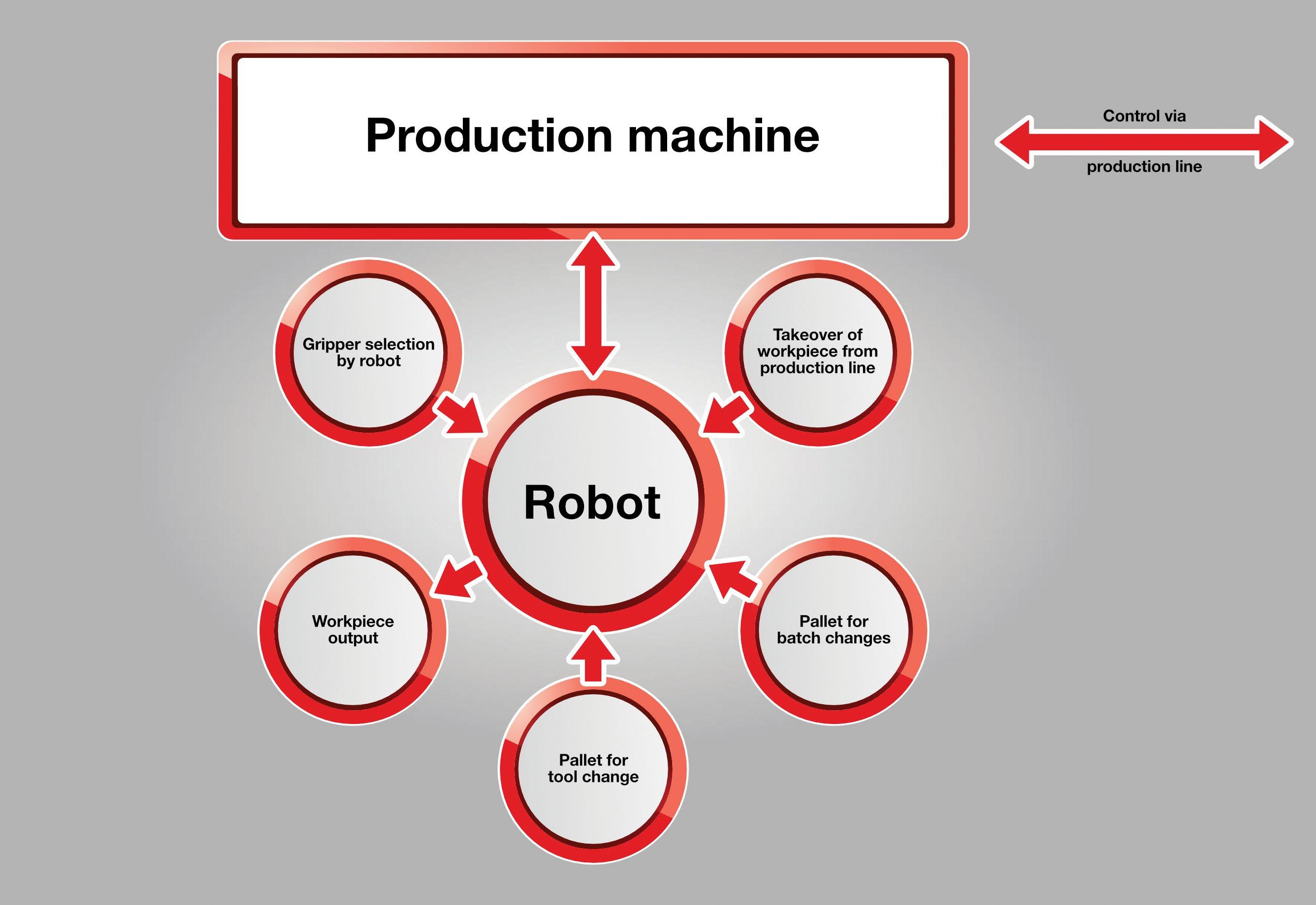
proven RacePro and RaceFlex series. Although these can be used very flexibly and also have a high degree of automation, these machines are designed so that people play a central role. Set-up processes, production sequences such as tool changes and interaction with the control system are optimized for the operator.
Machines that fit into today's production structure, but do not meet the requirements of an autonomous approach.
The portfolio has therefore been expanded with the Supfina Race Modular series. In very close cooperation with our customers, this system solution has been systematically developed for autonomous and unmanned operation. All essential production processes are automated. The batch change or mechanical set-up process, the tool or finishing stone change in production and classic component handling are mapped 24/7 without an operator. The name of the series already reflects its modular design, which enables a wide range of functions to be mapped. This in turn addresses the diverse process requirements in relation to the different types of rolling bearings. The configuration can be adapted to bearing
designs such as cylindrical roller bearings, tapered roller bearings, spherical roller bearings or ball bearings, for example, and can be expanded at any time in a future-proof manner.
In order to implement the aforementioned functionality technically, the machine is equipped with features that make the entire process practically possible. Machine elements such as the workpiece drive, stone holder, centering system and workpiece handling are designed with automatically actuated interfaces. These and the associated elements can be removed from and returned to the machine using a 6-axis robot. The robot therefore plays a central role in the implementation. However, a robot alone is not enough. A practicable solution can only be created by merging the robot and processing machine into a single unit.
Last but not least, the entire data communication also plays a decisive role. If there is no operator who can enter the workpiece and process data at the controller, this data must be transferred via interfaces to the IT infrastructure.
Relevance goes far beyond Superfinishing
For the user of such a system, however, a superfinishing machine cannot be viewed in isolation. The interaction between the machine that performs the final processing step and the entire production line or cell is crucial. Furthermore, operational and logistical processes must also be included in the planning of such a production structure. How workpieces and tools are made available to the system are just a few examples of key issues that go beyond the machine itself.
Looking at all these topics from today's perspective, highly flexible and autonomous rolling bearing production seems to be a very long leap into the future. For some, this leap will seem too far. But some companies have already taken this giant leap into the future and the first machines from the Supfina Race Modular series have been delivered.
In conclusion, it remains to be said that shaping this change in the rolling bearing industry will require the commitment of an entire sector, including the associated machine tool industry.
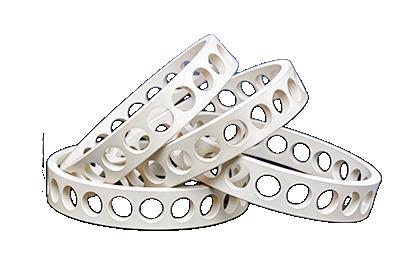
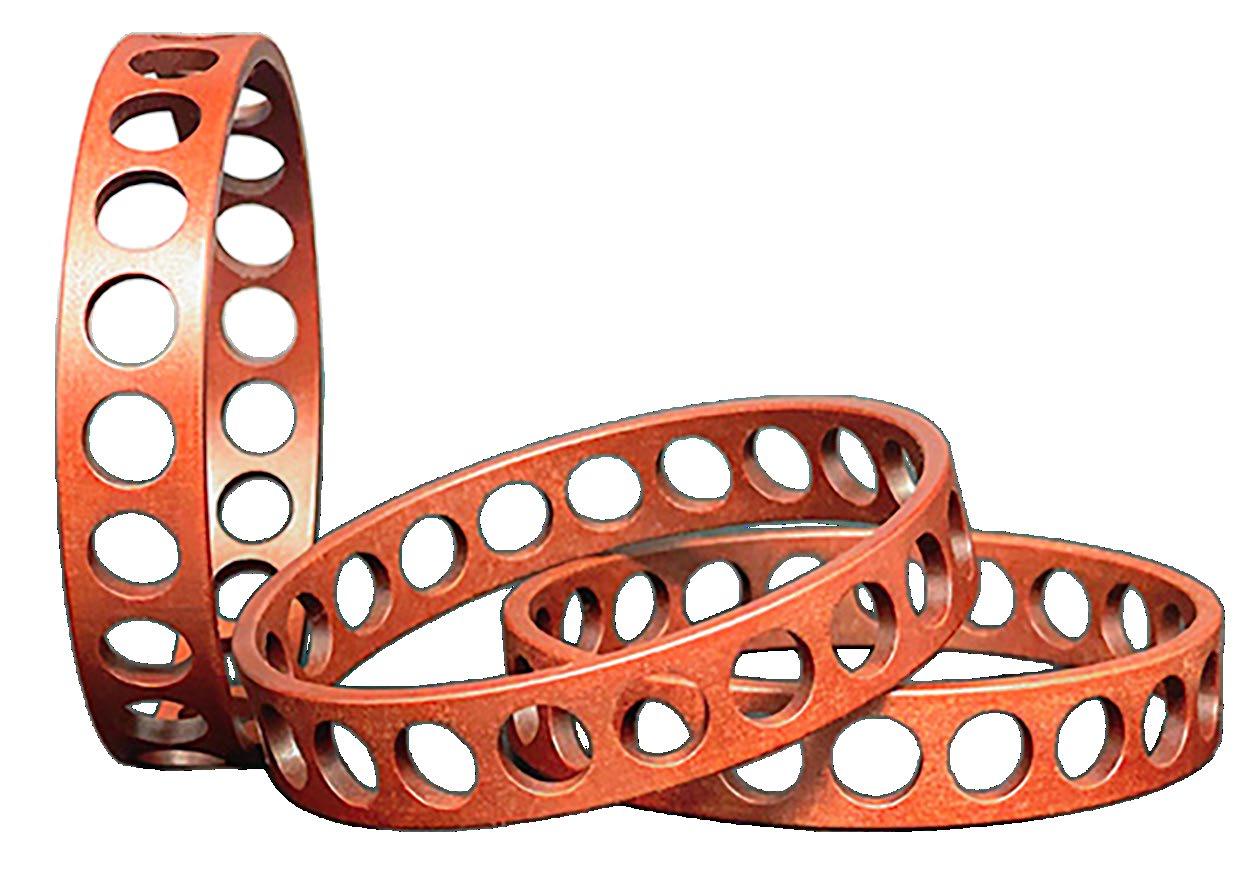
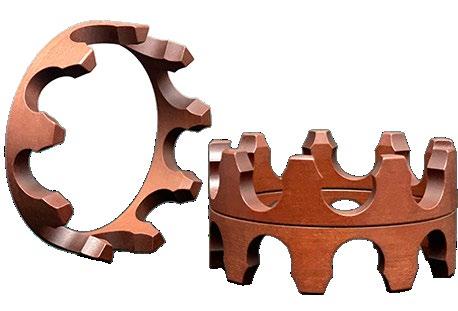
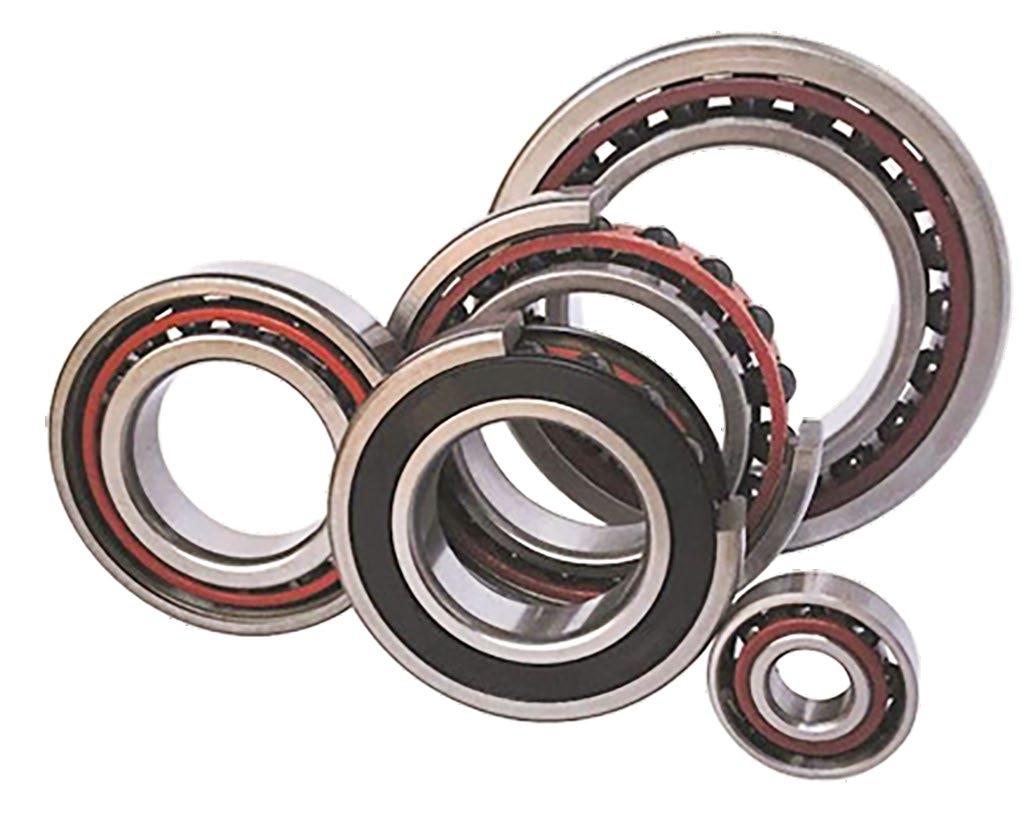
In the pursuit of higher speeds, greater efficiency, and longer service life, bearing innovation is often associated with raceways, rolling elements, or lubrication technologies. Yet one critical component quietly determines whether a bearing merely operates, or truly excels: THE CAGE.
Across high-precision and harsh industrial environments, the demands placed on bearings have never been greater. Machine tool spindles routinely exceed 10,000 rpm with aggressive acceleration profiles. High-performance electric motors must be protected against damaging electrical currents. Aerospace actuators are expected to perform flawlessly under inconsistent lubrication conditions, while pumps, centrifuges, and textile machinery must maintain smooth, high-speed operation even during brief lubrication interruptions.
Meeting these challenges requires a rethinking of traditional cage materials, and this is precisely where FACB Company has positioned itself.
Rethinking the Cage for High-Speed and Harsh Conditions
Drawing on years of application experience and focused R&D, FACB has developed patented technologies that transform fabric-reinforced phenolic resin into highperformance bearing cages. The result is a material solution that is lighter, electrically non-conductive, inherently low in friction, and capable of supporting higher operating speeds—all while remaining cost-competitive.
Compared with traditional steel or brass cages, phenolic resin cages offer a decisive advantage in high-speed applications: significantly reduced mass. Lower weight translates directly into lower centrifugal forces and reduced
inertia, allowing bearings to run faster, cooler, and more efficiently. Just as importantly, the material’s self-lubricating characteristics provide a built-in safety margin. In the event of a momentary lubricant film breakdown, the cage material can transfer a thin dry lubricating layer to the rolling elements, preventing metal-to-metal contact and avoiding catastrophic seizure.
FACB further tailors performance by combining phenolic resin with carefully engineered fabric reinforcement blends. These combinations are optimized for specific applications, balancing impact resistance, durability, and wear behavior to meet precise operational requirements.
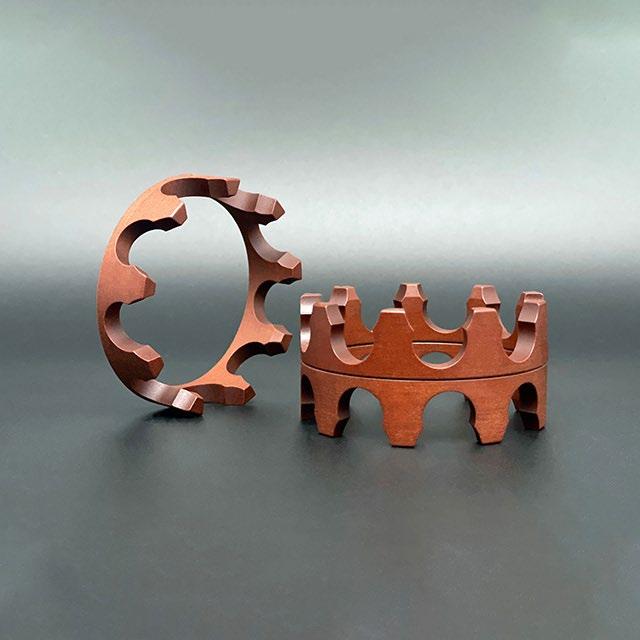
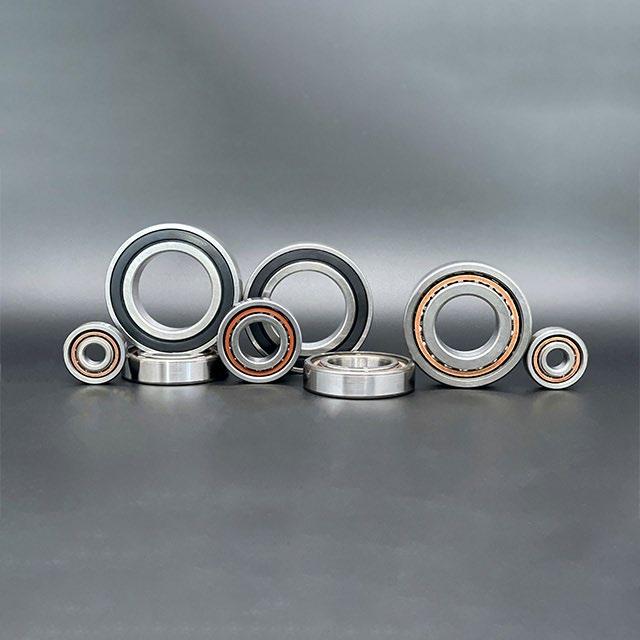
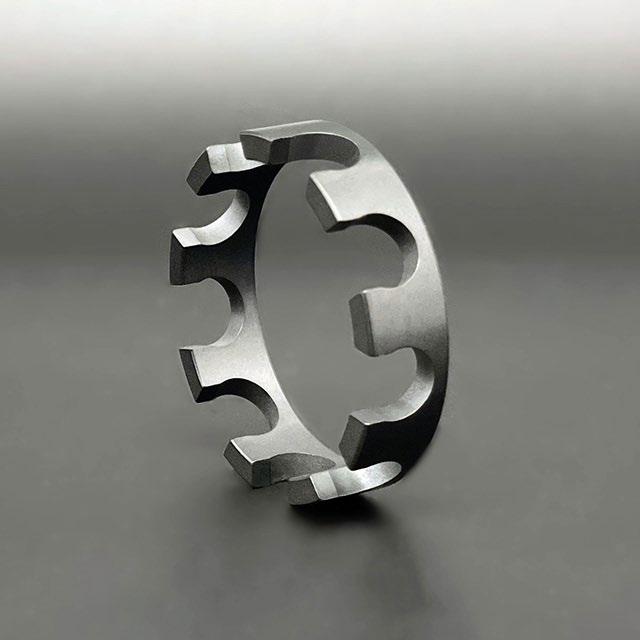
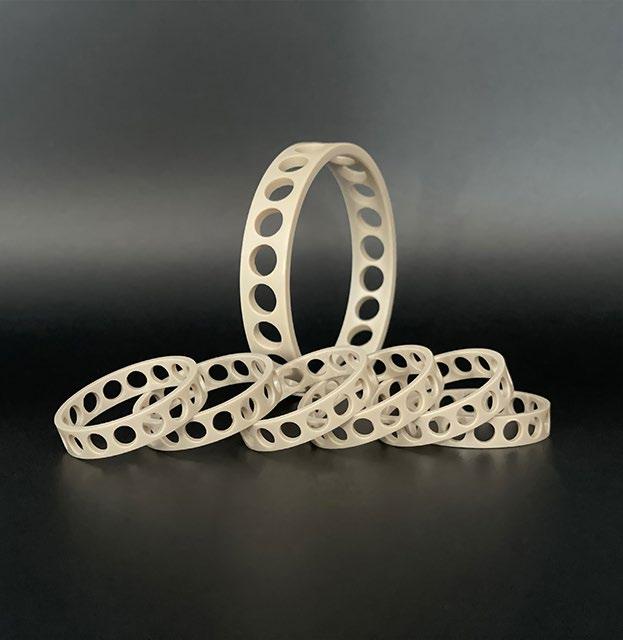
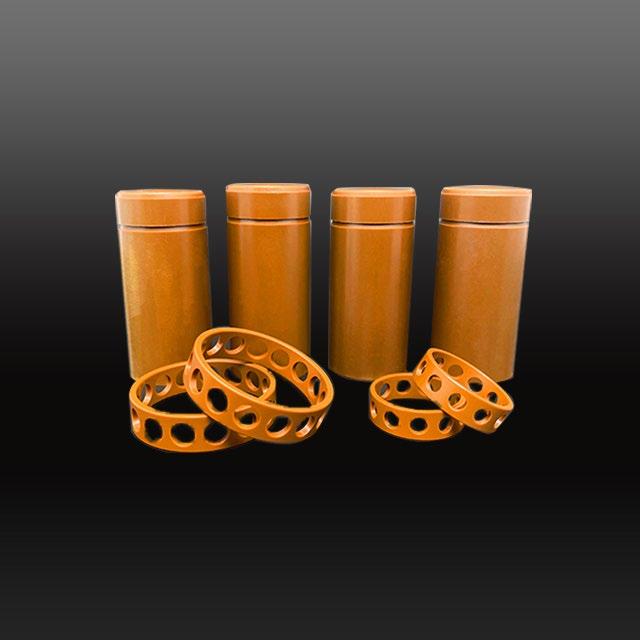
The real value of material innovation is revealed not in theory, but in operation. One chemical processing plant learned this the hard way when three identical cooling water pumps, critical to reactor temperature control, began failing every three to four months. Despite filtration, microscopic sand particles in the cooling water repeatedly lodged in the brass cage pockets of the bearings, causing ball jamming. Elevated summer water temperatures further degraded lubrication, leading to galling as brass welded to steel balls. Noise, vibration, and seizure became inevitable.
FACB approached the problem at its root. By replacing the brass cages with specially
developed fabric-reinforced phenolic resin cages, the failure mechanism was effectively eliminated. The conformable phenolic surface allowed fine sand particles to embed harmlessly, preventing jamming. Under marginal lubrication conditions, the material’s inherent lubricity provided a dry-running safeguard. The outcome was decisive: bearing service life extended from a few months to more than two years of uninterrupted operation.
FACB’s philosophy is grounded in practical problem solving. The company supports customers with customized material formulations and cage designs, whether for high-volume series production or highly specialized low-volume applications. At
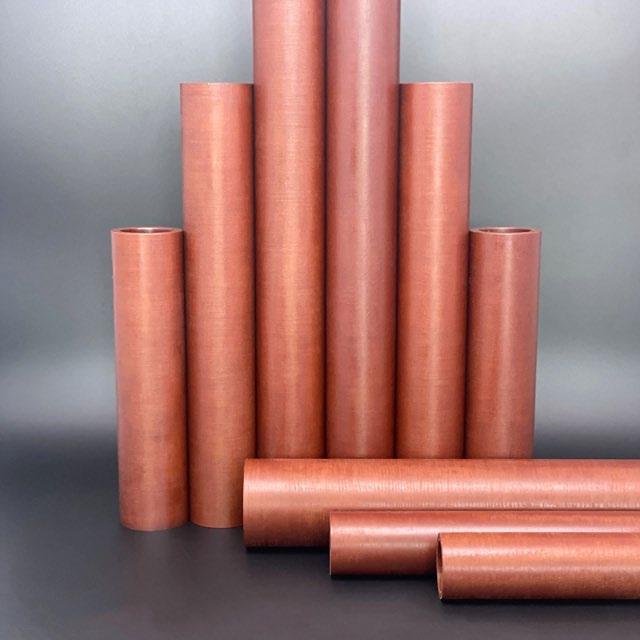
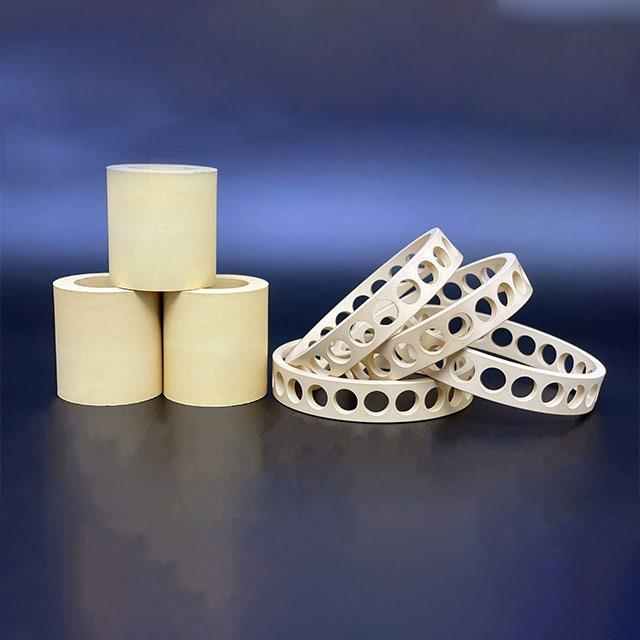
the same time, cost efficiency is engineered directly into both material production and cage-forming processes, ensuring that performance gains do not come at the expense of competitiveness.
As FACB succinctly puts it: “This is how we grow our business—helping customers solve real problems, one at a time.” In an era where reliability, efficiency, and precision define competitive advantage, innovations in cage materials may not always be visible, but they are increasingly indispensable.

Contact FACB@facbbearing.com or visit www.facbbearing.com for more information.
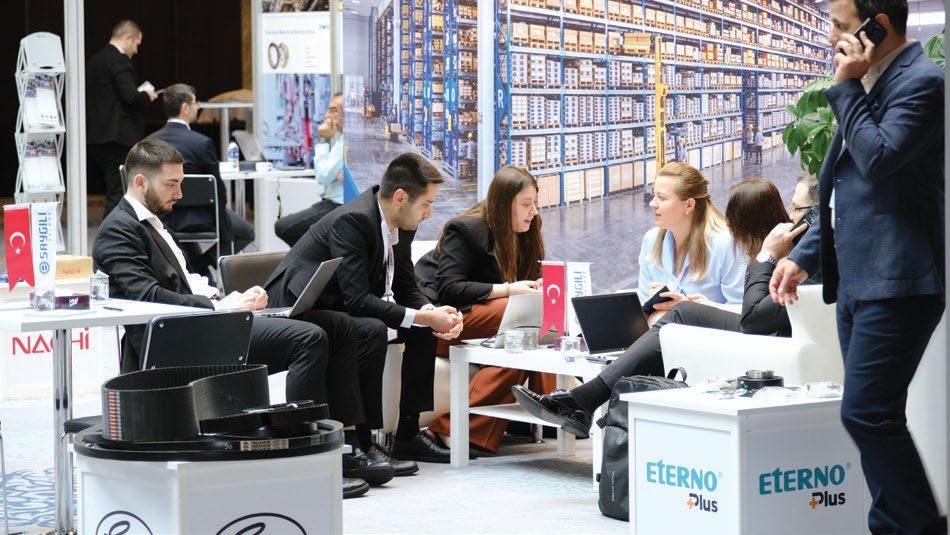
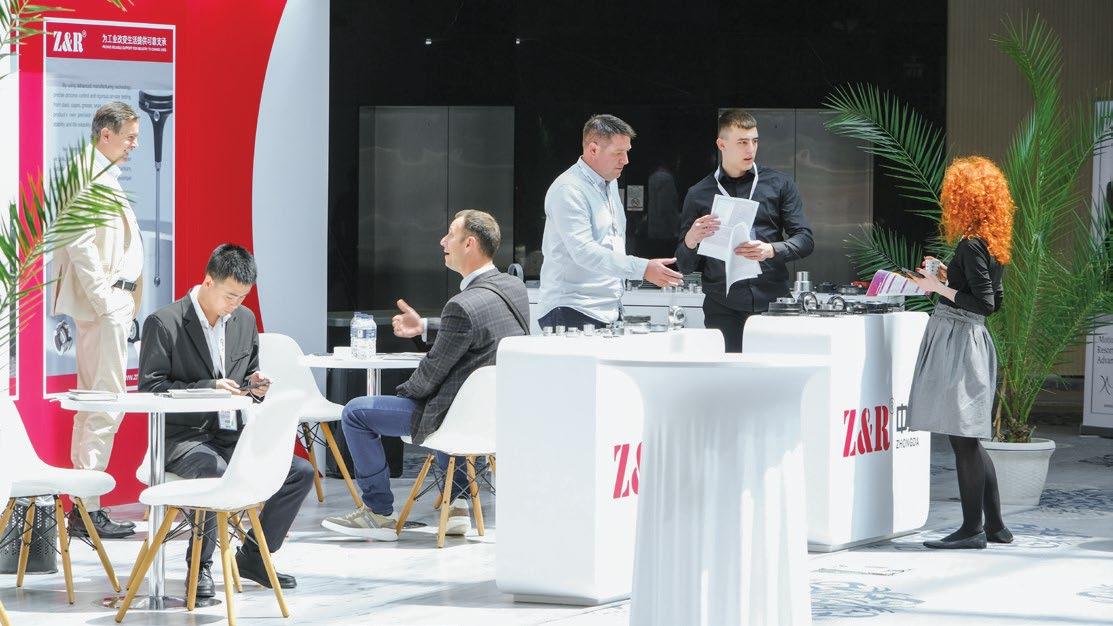
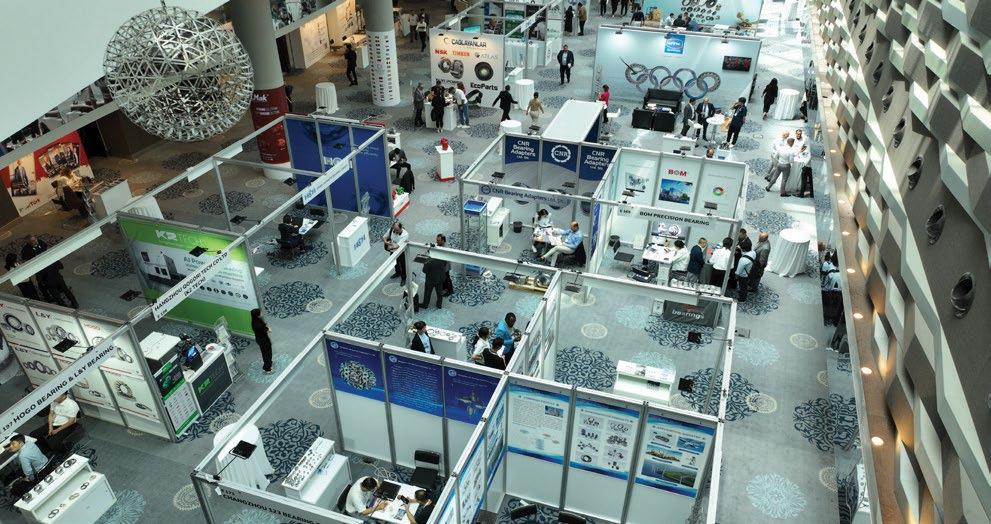
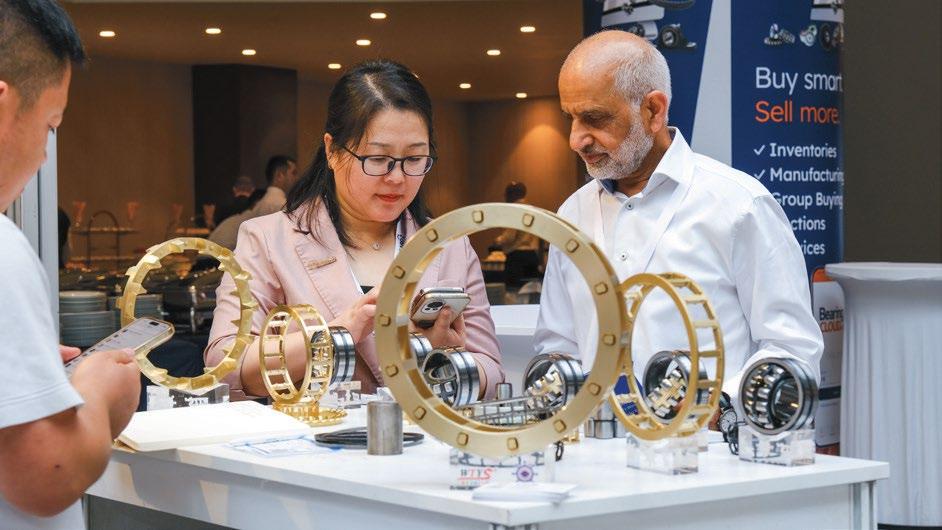
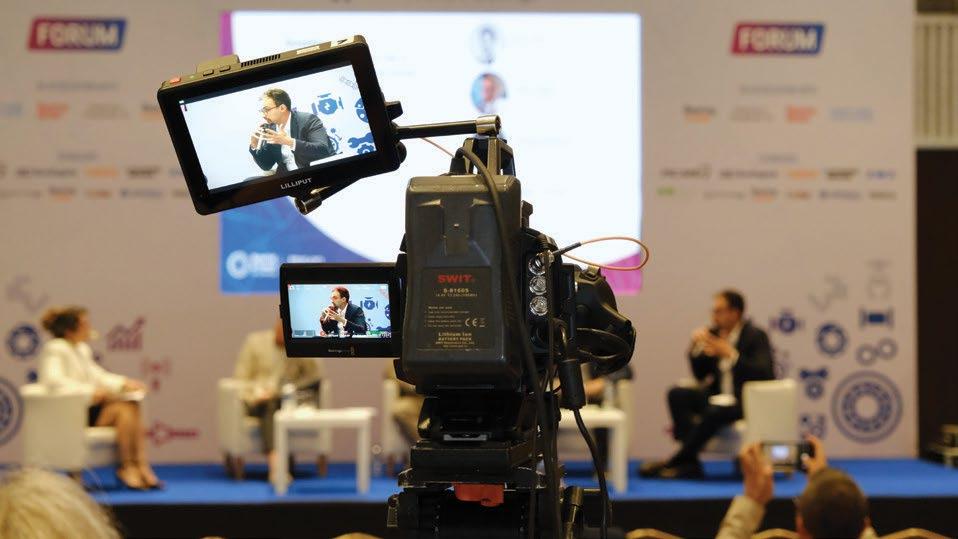
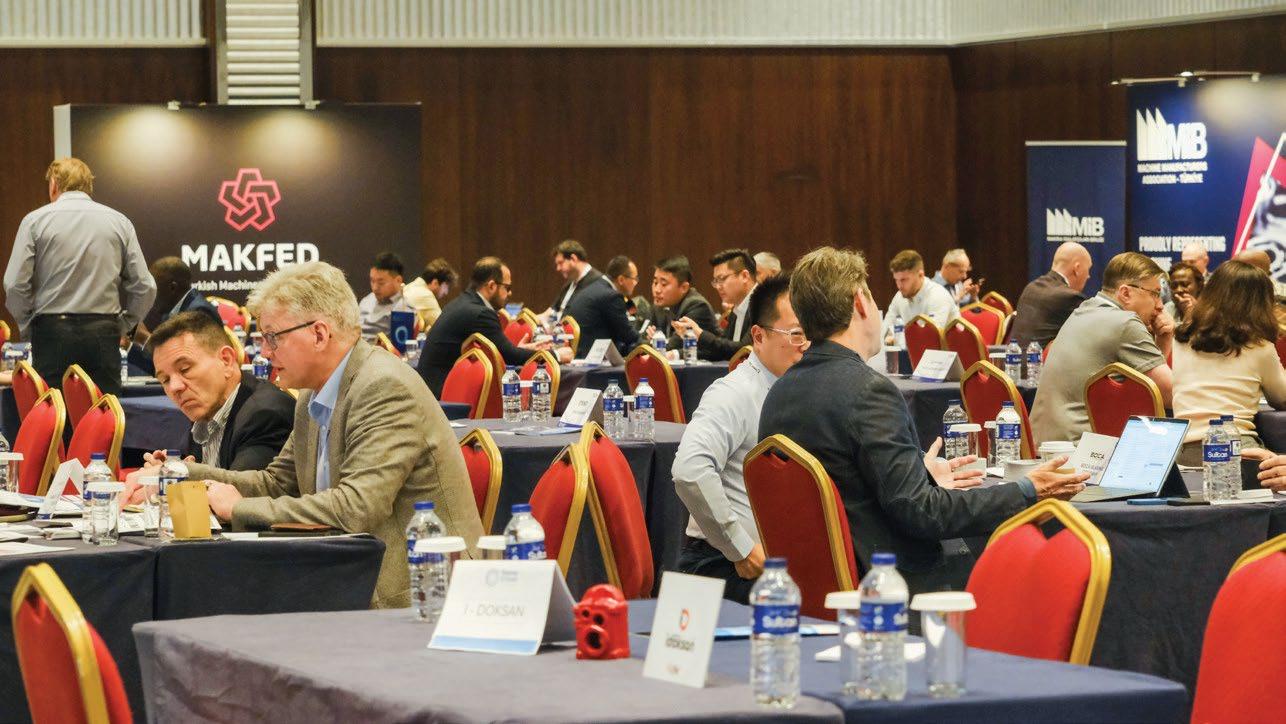
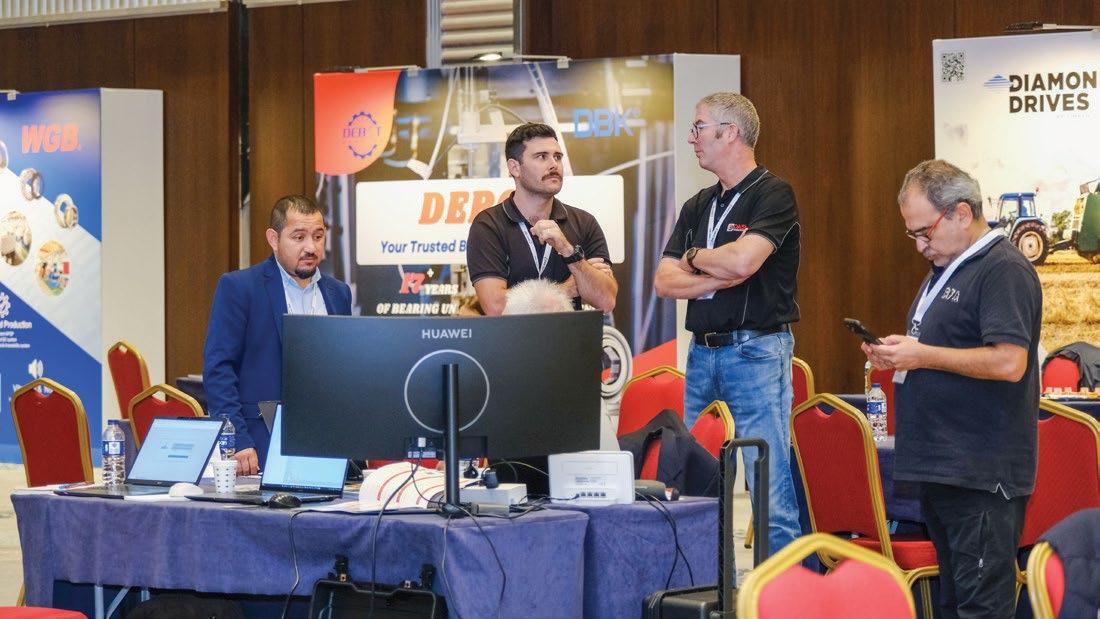

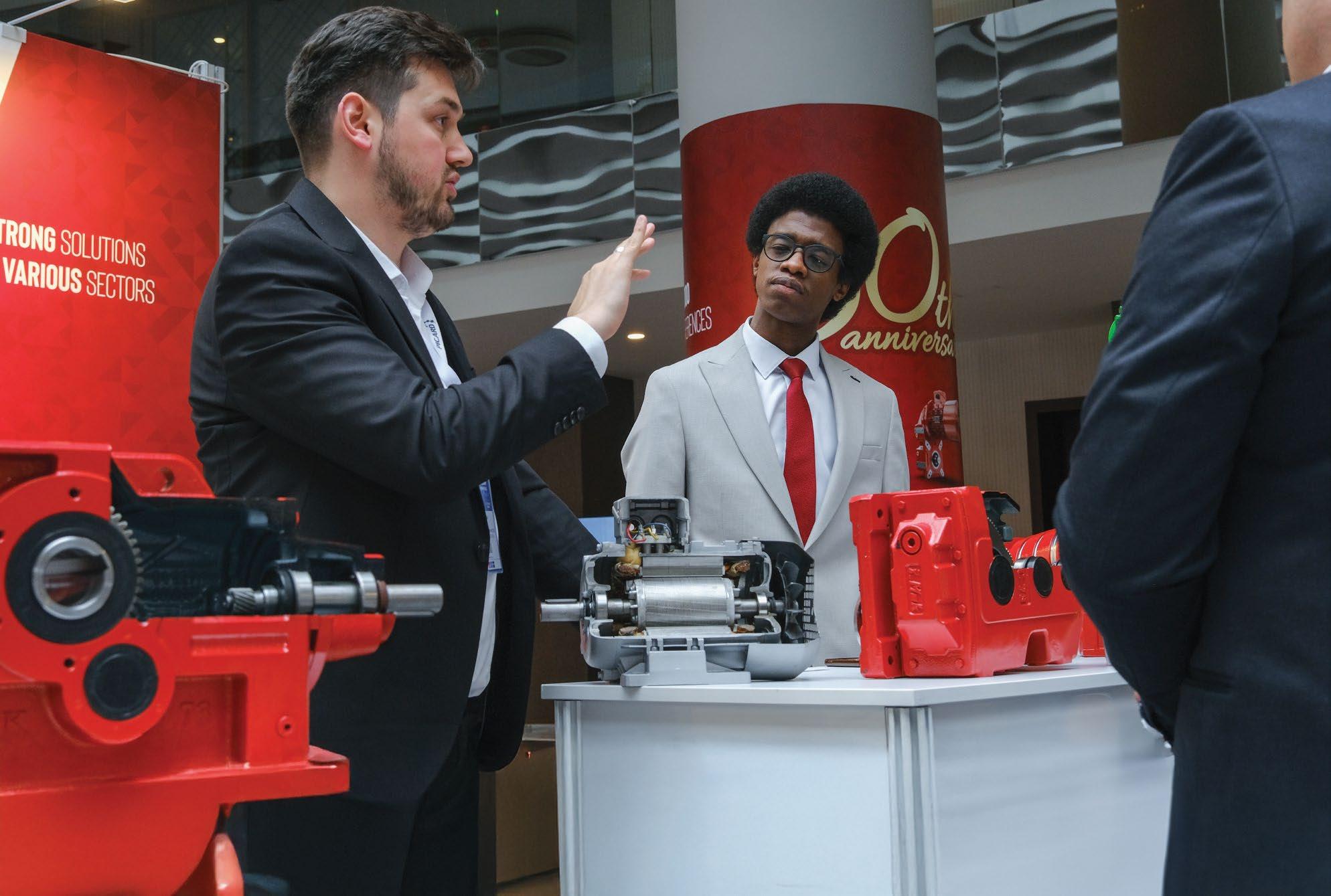



As we navigate through 2026, the global industrial landscape is undergoing a tectonic shift. The energy transition has officially migrated from the periphery of corporate strategy to the very center of the boardroom. For decades, sustainability was often relegated to a glossy footnote in a CSR report. A "nice-to-have" metric for public relations. Today, that luxury has vanished. Between the stringent, nonnegotiable requirements of the European Corporate Sustainability Reporting Directive (CSRD) and the relentless volatility of global electricity prices, efficiency is more than ever a prerequisite for survival.
Yet, even as organizations commit to multimillion-euro overhauls of their production lines, massive amounts of energy continue to vanish into thin air. This waste is
ignored not out of negligence, but because it is invisible and inaudible to the naked human sense. Among these silent profitkillers are compressed air and gas leaks, and mechanical inefficiencies that erode margins day by day. At SDT Ultrasound, we believe the fight for our planet doesn't necessarily start with massive capital expenditures or the total replacement of machine fleets. Instead, it begins with a keen ear, a specialized, high-frequency focus tuned to the physical reality of the factory floor.
Why should we rethink our fundamental approach to compressed air and mechanical friction? To understand the "Why," we must look at the staggering data that
defines modern production. In a typical manufacturing plant, compressed air is often referred to as the "fourth utility," accounting for anywhere from 15% to 40% of the total electricity bill. It is one of the most expensive energy carriers in existence, yet it is managed with the least amount of oversight. Recent audits reveal a harsh, universal reality: on average, 30% to 50% of all produced air is lost to leaks before it ever reaches its intended point of use.
Scientifically speaking, every leak is a direct, wasteful conversion of electrical energy into turbulent noise. For instance, a single, seemingly insignificant 3 mm orifice on a 7-bar network can bleed over €2,500 per year in wasted electricity and emit several tons of unnecessary CO2 into the atmosphere. When you multiply that by the hundreds of connection points found in a
large-scale facility, the cumulative impact is devastating to both the balance sheet and the carbon footprint.
However, the waste isn't confined to the piping or the pneumatic systems. It also hides deep within the rotating heart of the machinery. Friction is the eternal enemy of efficiency. Poor lubrication of bearings increases resistance, which forces electric motors to draw significantly more power just to maintain their required pace. When we consider that roughly 80% of all premature bearing failures are linked to improper or inadequate lubrication, the picture becomes clear: we are trapped in a massive, self-inflicted cycle of energy overconsumption and wasted spare parts.
To bridge the gap between awareness and action, we must look to physics. Friction and turbulence generate high-frequency acoustic waves between 20 kHz and 100 kHz, well beyond the range of human hearing.
Ultrasound technology acts as a translator for these signals. It captures these waves, isolates them from the low-frequency roar of the plant, and converts them into audible, measurable data. But detection is only the first step. To make a real impact on the planet, you must quantify the loss. The SDT process is built on a high-value loop:
1. Signal isolation: Pinpointing leaks or mechanical faults even in the loudest environments.
2. Metric conversion: Using advanced algorithms to estimate the financial cost and carbon footprint of every leak or friction point.
3. Data-driven leadership: Centralizing this intelligence to provide leadership teams with an immediate, verifiable ecological ROI.
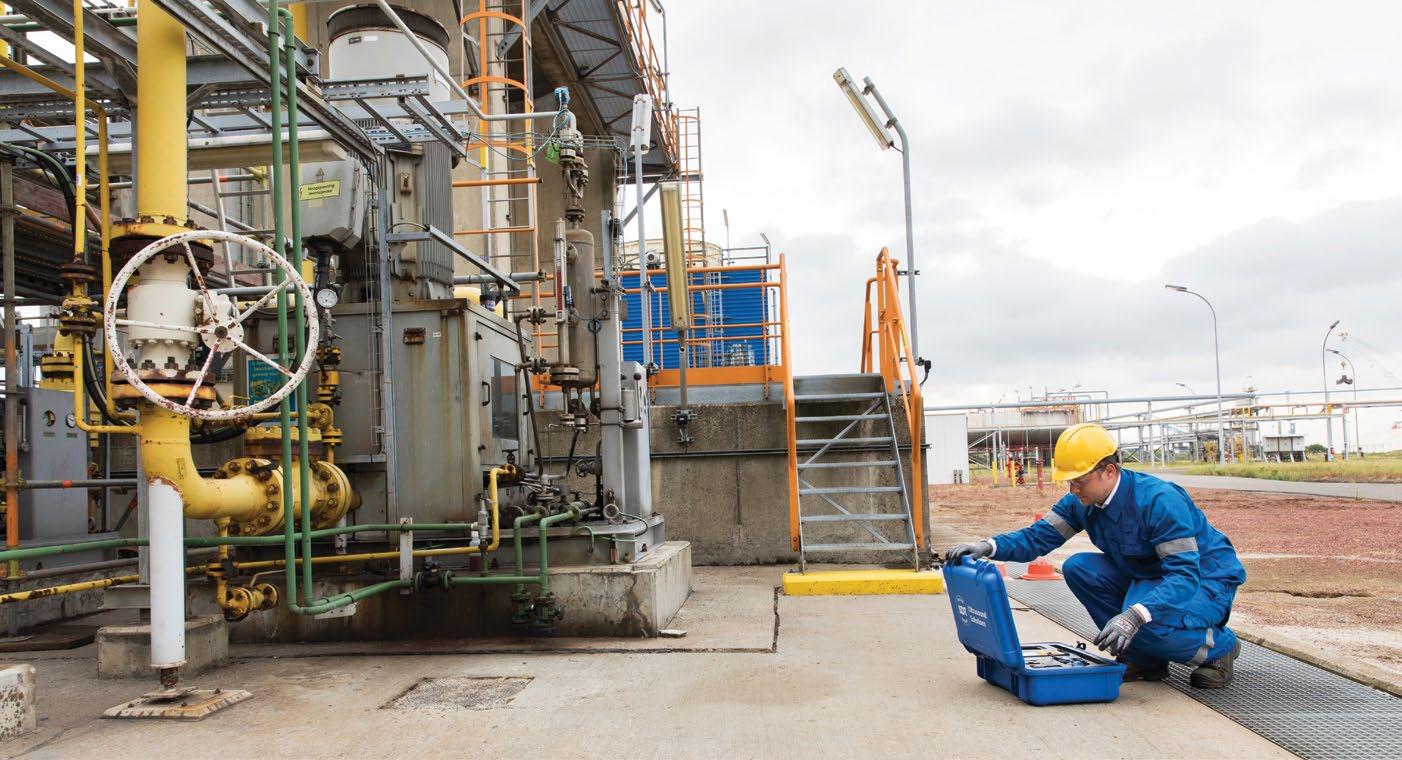
This methodology allows maintenance teams to move past "firefighting" and into the proactive management of energy as a critical resource.
To make this vision of a sustainable future a reality, monitoring cannot remain the exclusive job of a few specialists or external consultants. It must become everyone’s business. If the responsibility for reliability is siloed, the response will always be too slow. Democratizing these tools (placing the power of ultrasound into the hands of every operator) is the key to achieving sustainability at scale.
This is where targeted solutions like the LEAKChecker come in, empowering floor operators to conduct regular inspections without specialized training. Energy mastery also applies to movement: the LUBExpert solution turns bearing lubrication into a precision science. By delivering the exact amount of lubricant at the right moment, we drastically reduce mechanical resistance and the resulting electrical draw of the motors. Finally, for rapid, large-scale visualization, the CRYSOUND acoustic camera allows teams to literally "see" ultrasound
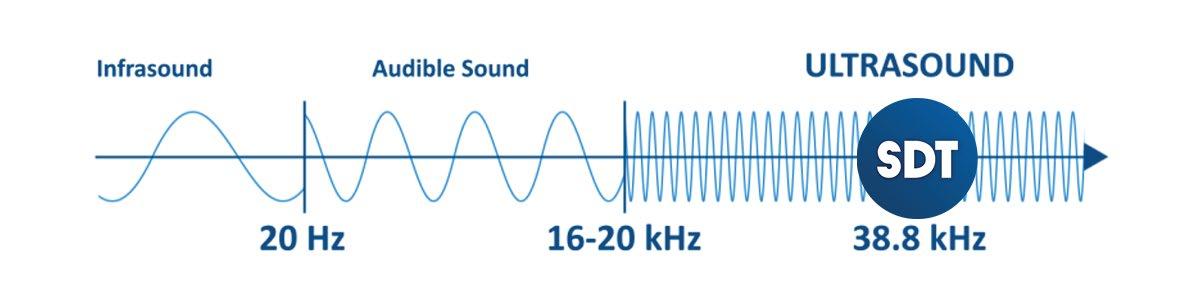
on a screen. It makes energy waste undeniable and immediate, scanning an entire workshop in minutes to identify the most critical losses.
Conclusion: Silence as a Strategic Asset
Decarbonizing global industry does not always mean tearing down the old to make way for the new. It doesn't have to mean replacing every machine or waiting for a breakthrough in carbon capture. Rather, it is about the smarter, more respectful management of the assets we already own. It is about realizing that the most sustainable kilowatt-hour is the one we never have to generate. By making ultrasound a pillar of their energy strategy, industrial leaders can not only save money, but most of all provide a new sense of purpose to their operations. They demonstrate a commitment to the environment that is backed by physics, not just by marketing. They ensure the long-term viability of our environment while simultaneously strengthening their own competitive position in a high-cost energy market.
Protecting the planet means deciding that no turbulence, no leak, and no unnecessary friction should go unnoticed. The future of production will be silent, efficient, and sustainable. It will be an industry that listens before it acts. The question for leadership is no longer what an ultrasound system costs; the real question is how much the losses you haven't detected yet are costing your business, your reputation, and our planet every single day.
For more information, visit: www. sdtultrasound.com
Dodge products are built to last longer, even in the most demanding applications
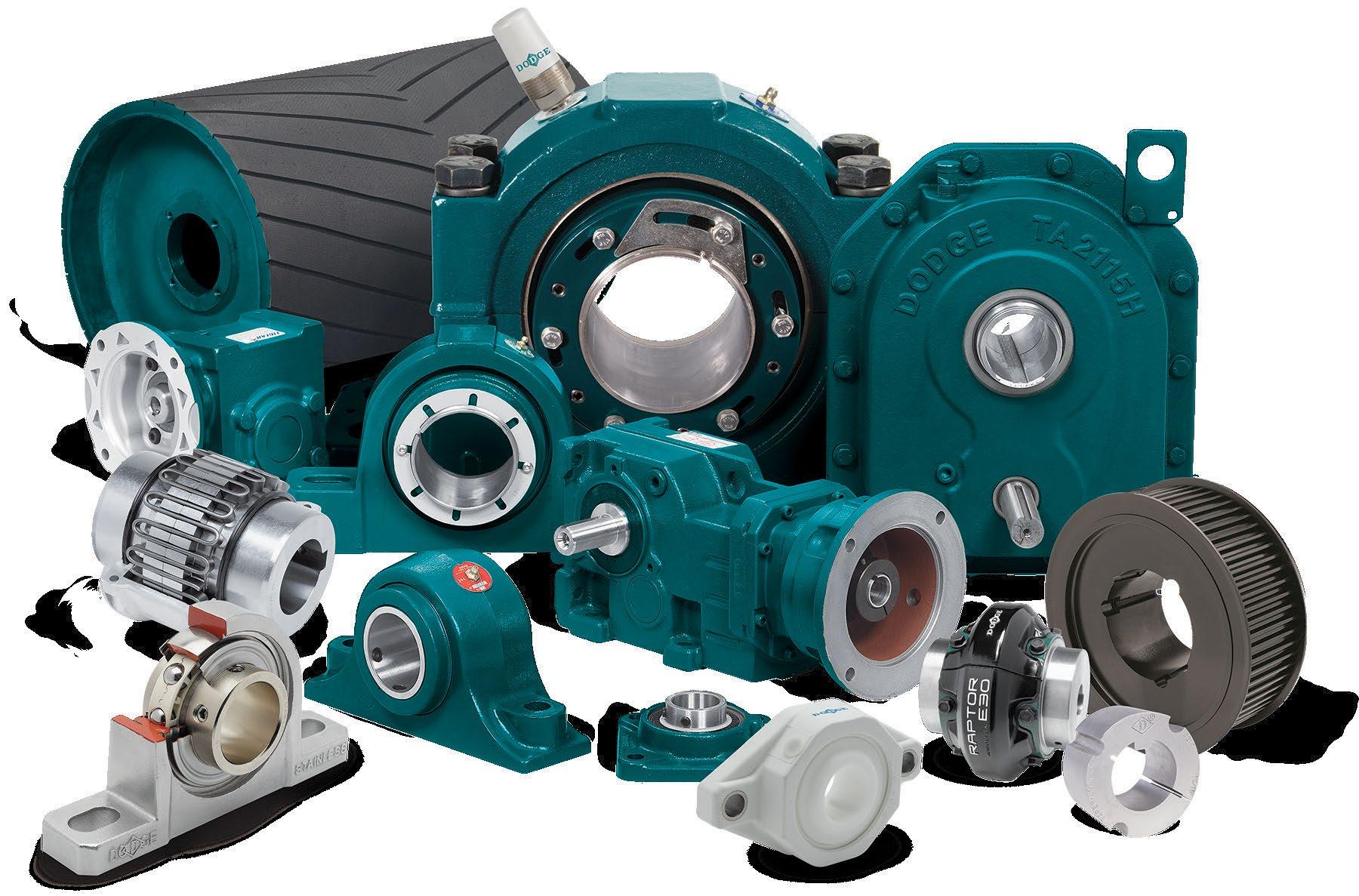
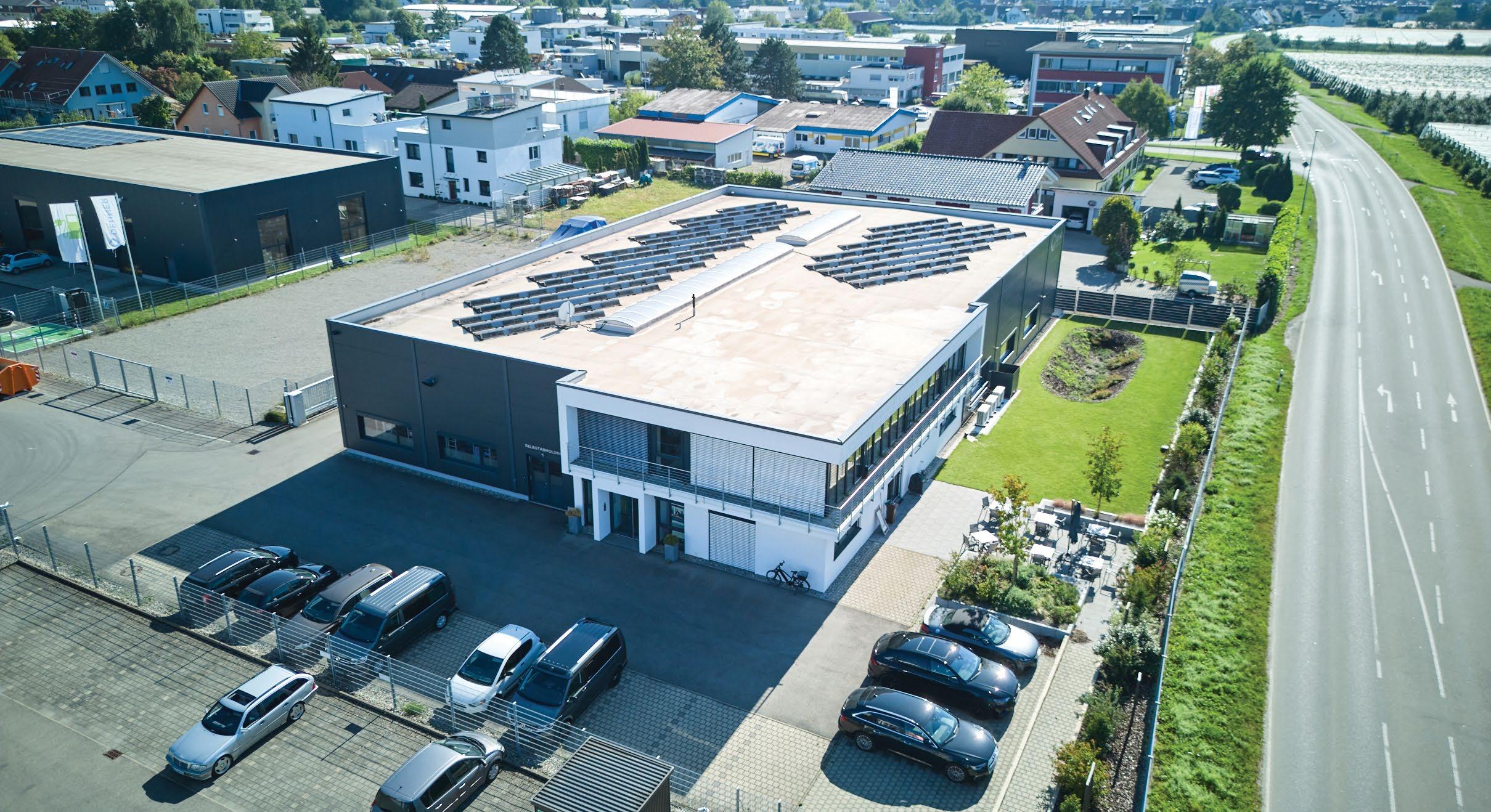
‘Technology that connects. Service that moves.’ W+A celebrates a quarter of a century as a successful family business, putting the focus on people and digital development.
For 25 years, W+A has stood for quality, reliability, and customised solutions in technical wholesale. Founded in 2001, as a father-son project, the company has developed into a successful medium sized family business with over 40 employees and more than 30,000 items in stock. Today, W+A is a sought-after partner for wholesale, industry, trade, and mechanical engineering, with regional roots and international recognition.
“From the outset, our aim has been not only to supply products, but to create genuine
solutions.” says Sven Bäuerle, CEO of W+A.
“Technical expertise, personalised advice and a willingness to always go the extra mile have made us successful for over 25 years.”
The W+A portfolio includes classic components for roller bearing technology, linear technology, drive technology and sealing technology. One of its particular strengths lies in custom-made products and customer-specific services. Flexibility, speed, and in-depth technical expertise enable tailormade solutions that are precisely tailored to customer requirements. “Our customers appreciate that we listen, think proactively and take responsibility”, Sven Bäuerle continues.
From the outset, our aim has been not only to supply products, but to create genuine solutions.
Sven Bäuerle, CEO of W+A
A key success factor in recent years has been the company´s consistent digital development. W+A´s first online shop went live back in 2013, setting an early example of digital customer proximity. In 2023, this was followed by a comprehensive redesign of the shop with a modern design, improved user guidance and expanded functions. “For us, digitalisation is not a completed project, but an ongoing process”, emphasises Anika Bäuerle, CEO. “We are constantly developing our digital systems to make processes more efficient and to make it as easy as possible for our customers to access our services.”
As a family business, W+A consistently focuses on long-term relationships. Customers,


For us,
digitalisation
is not a completed project, but an ongoing process.
Anika Bäuerle,
CEO of W+A
suppliers, partners, and employees are seen as part of the team. This attitude shapes the corporate culture and is a key factor in the company´s success. “Our employees are our company´s greatest asset. Their commitment and expertise form the basis of our sustainable growth”, says the management team.
Sustainability and social responsibility round off W+A´s self-image. The company
switched to a paperless office back in 2007. The company headquarters were built in 2011 and 2012 with a focus on energy efficiency and climate neutrality. By signing the Klimawin BW climate agreement, the company has made a clear commitment to ecological, economic, and social responsibility. “For us, sustainable business is not a trend, but a matter of course”, explains the management team. Under the motto ‘In the region. For the region.’
W+A has been an official sponsor of the Langenargen Festival since 2019 and supports local cultural and social projects.
“25 years of W+A is a milestone for us, and at the same time a clear mission for the future. With digital innovation, personal proximity, and a strong team, we want to continue on our path consistently.” summarise Sven and Anika Bäuerle.

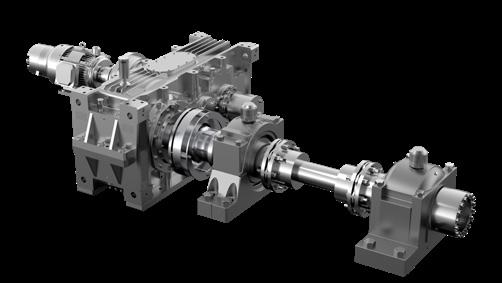
The new Regal Rexnord introduces engineered-to-order industrial powertrains, delivering power for the most demanding of applications
It took the combined strengths of our new company to develop complete industrial powertrain solutions, custom designed and built for applications across the full spectrum of horsepower and torque. From start to finish, Regal Rexnord™ electromechanical industrial powertrains are designed, configured, integrated and optimized for your unique applications, opening the door to new ideas and unlimited possibilities. Read about Regal Rexnord and our prominent brands. Go to regalrexnord.com.
Creating a better tomorrow™...
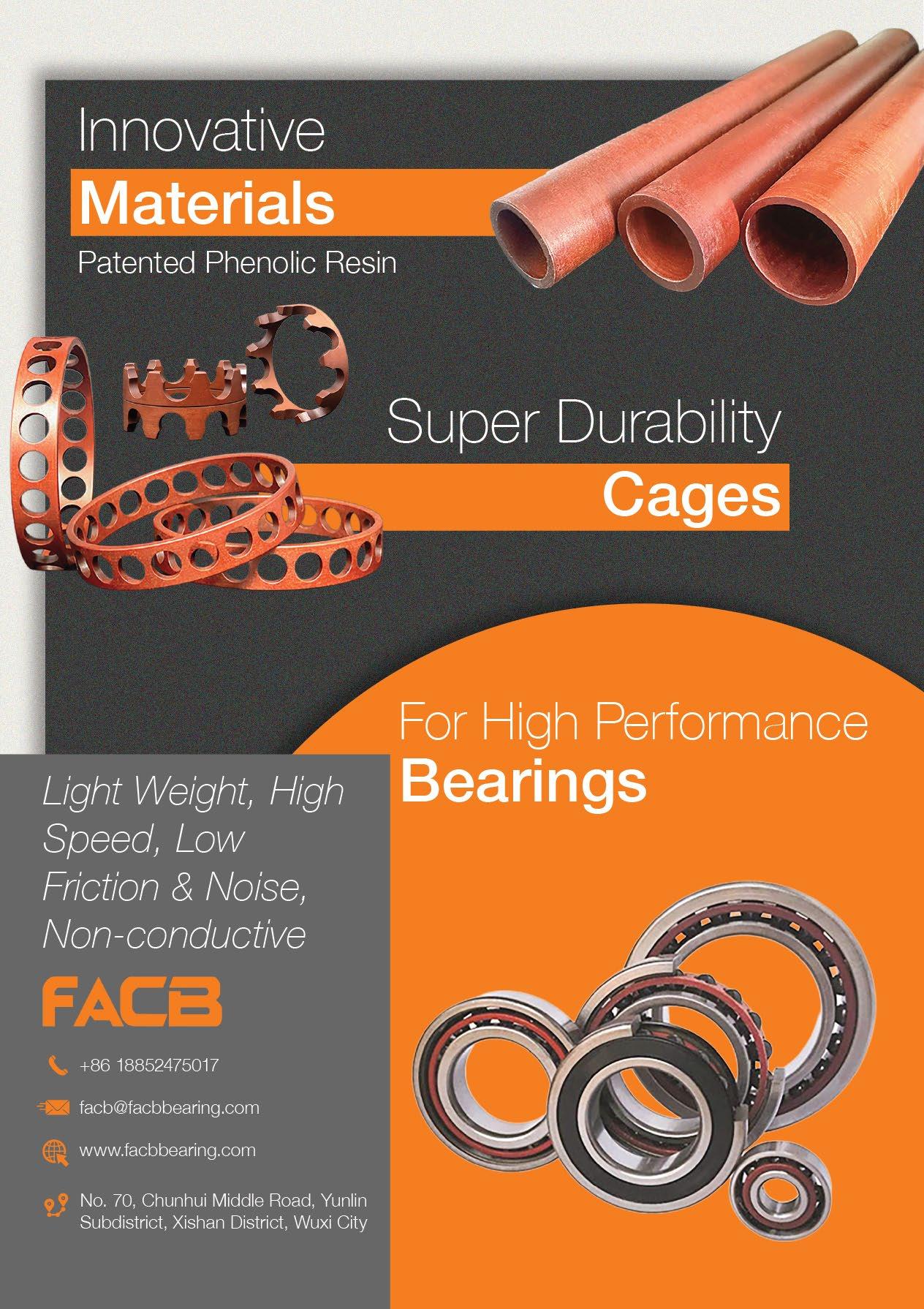
The Italian company Excogita is specialized in test benches for several critical applications, from railways to automotive, from power transmission to bearings industry. In this article, one of Excogita’s innovative solutions for aeronautics application is explained.
The main scope of this test is to design and develop an innovative test bench capable of subjecting linear electromechanical actuators, used in the aeronautical field, to both static and dynamic functional tests with a variable resistive load along the entire stroke of the actuator, simulating critical operating conditions in accordance with the high standards required for these applications (limit load, ultimate load, backlash, endurance, temperature, etc.).
The innovative aspect of this test bench lies in the use of a linear electric motor as a dynamic resistive load generator instead of the hydraulic or pneumatic systems commonly adopted. In this way, it is possible to achieve higher performance at high frequencies, greater efficiency and reduced energy consumption, increased system versatility and responsiveness, improved performance and reliability of the control system, simplified definition of the working cycle, and lower manufacturing costs.
The project was carried out through a collaboration between Excogita and CIMES (Interuniversity Consortium for Machines, Plants and Systems for Energy, Industry and Environment), combining the technical capabilities in the design and construction of special machines for industrial research activities belonging to Excogita, with the theoretical knowledge and innovation research expertise of CIMES, developed through collaboration with the University of Engineering of Perugia, in Italy.
The main objective is the design and realization
of an innovative and multifunctional test bench for testing small- to medium-sized linear electromechanical actuators.
The main peculiarity of this test bench is the use of a linear electric motor, which represents the fact that its use must allow the execution of various types of both static and dynamic tests (critical load, limit load, cycle frequencies, backlash, endurance, temperature, etc.), in order to obtain a global functional verification and an in-depth characterization of the performance of aeronautical actuators. The purpose is to provide manufacturers with a general-purpose tool that, in the case of new actuators, is able to verify the general functionalities of prototypes before starting a production line, and in the case of already consolidated products, is able to certify in detail the operating characteristics of the machine under examination.
The test bench introduces innovation in this field by proposing the use of a linear electric motor as a resistive load generator instead of the hydraulic or pneumatic systems commonly adopted for this type of application. This need arises from the fact that pneumatic or hydraulic systems have relatively low economic cost characteristics but require high management and maintenance capability of the supply circuit and, above all, the definition and development of the control system (control exclusively limited in force and not in displacement).
Furthermore, the problem related to defining the control system of the work cycle becomes even more evident in the case of specific
applications for aeronautical actuators with critical functional tests characterized by the tight margins typically required by these standards.
The solution using a linear electric motor provides several advantages including higher performance at high frequencies (especially with specifically required duty cycles), higher efficiency and reduced energy consumption, ease of system control (both reactive, with easy transition from static to passive mode), improved performance and reliability of the control system, and lower manufacturing costs.
The main objectives are therefore the development and realization of a test bench capable of subjecting linear electromechanical actuators to various types of static and dynamic tests starting from a load curve variable along the entire actuator stroke, even at very high cycle frequencies.
With this test bench it will therefore be possible to perform multiple experimental cycles with different performances and functionalities (for example operational simulation, resistance tests, dynamic stiffness tests and temperature tests).
In the case of dynamic tests, the resistive load will be imposed through the use of a linear electric motor that must be able to guarantee high performance both in terms of delivered force and response speed.
Furthermore, within the same test bench, static tests with high loads must be carried
out at specific points along the actuator stroke, throughout the entire range of allowed displacements, in order to test limit load, ultimate load and system stiffness.
The different types of actuators will be constrained to the test bench by means of specific fixtures and equipment designed to reproduce the calculated stiffness of the support components under real operating conditions. In detail, it must be possible to perform the following tests also under controlled environmental conditions (temperature and humidity):
• critical load
• ultimate load
• run-in
• accuracy
• irreversibility
• backlash
• functional tests
• dynamic performance
• endurance
• electrical data acquisition
• software functionality verification
For the correct and practical execution of the tests, the test bench must be characterized by a dedicated measurement chain of the fundamental quantities, consisting of force, position and temperature sensors.
The test bench must also be equipped with an HMI (Human Machine Interface) user interface which, depending on the type of test to be carried out, must allow the definition of the main parameters and the acquisition and processing of the fundamental physical quantities.
Overall, the development of this test bench requires addressing problems that extend the design field from mechanical and electrical aspects to the development of dedicated software systems for interface, control and safety management.
The main goal of the research is to find optimal design solutions for the following objectives:
• identification and design of the architecture and mechanical and electronic components;
• design of a specific control software for the application, in dialogue with the linear motor controller;
• verification of the functionality and performance of the test bench.
The machine verification phase must first confirm the correct operation of the linear electric motor in terms of performance (force and speed of displacement of the resistive load), characterizing the dynamic behaviour. In this phase, particular attention has been paid to the design and development of the control system and to the calibration of the acquisition system, verifying its reliability and repeatability in measuring the fundamental quantities involved.
In order to limit costs and increase machine versatility, the choice was made to realize a single, multifunctional test bench capable of performing all required tests in a modular manner. The test bench has been prepared to perform functional and endurance tests in different configurations (temperature and humidity).
To allow this, depending on the type of test to be carried out, it has been necessary to set up the bench in different configurations using dedicated components. Figure 1 shows an image of the test bench as a whole. The components are schematically illustrated below and divided into functional groups as follows:
• welded load-bearing structure;
• safety barrier section;
• rack cabinet, monitor + keyboard + mouse, NI control board and LabVIEW software for graphics and data visualization, reports, and operator HMI for PLC communication.
• Actuators and support system (fixtures) to reproduce the effective stiffness in compliance with the operating conditions of the duty cycle.
• Measurement chain.
• Thermal box (if required).
The load-bearing structure, positioned on four height-adjustable support feet, must allow the housing of all mechanical, electronic and measurement components necessary for the realization of the test bench. The load-bearing structure must also be equipped with a cooling system for the linear electric motor, if necessary.
The structure is completed by protective barriers required to ensure safe execution of the tests. These consist of a cover made of squaresection tubular elements and transparent panels with high impact resistance (Lexan), and include an opening for test monitoring and specimen positioning.
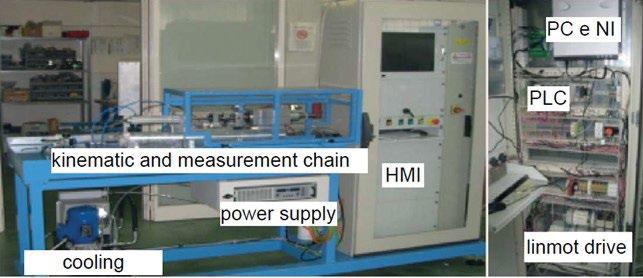
As shown in Figure 1, the electrical part consists of a rack-type control cabinet housing the machine–user interface components (monitor, mouse and keyboard), electronic drive and control components, the PLC for test management, and the NI (National Instruments) platform that enables data acquisition and test management.
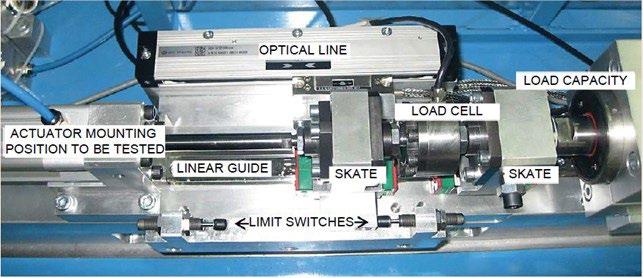
Figure 2 shows the components that make up the kinematic chain of the working cycle and the measurement chain for monitoring the quantities of interest.
Through dedicated fixtures, the actuator under test and the resistive load generator are positioned in opposition with aligned rods lying on a horizontal axis.
Both rods are connected, via spherical joints, to a load cell operating in tension and compression, capable of reading the force exchanged between the two actuators at any instant during the test. This mechanism is positioned on a system of ball sliders and rails that guide its motion. In this way, it is guaranteed that the motion is purely axial and that only the axial component of the exchanged force reaches the load cell. Thus, when the actuator under test is actuated, by setting a displacement-defined work cycle via software, it is possible to generate an axial resistive load opposing the motion along the entire useful stroke, whose value is monitored and fed back via the load cell.
The basic idea is to create a system that, for dynamic tests, operates in passive mode (the load must always oppose the motion), while for static (or quasi-static) tests it is capable of applying active forces up to ultimate load values at various points along the system stroke.
The measurement chain is completed by a scale used to plot the fundamental quantities as a function of the absolute position of the rods along the test stroke and to verify the operation of the measurement system integrated into the actuators under test.
Furthermore, in order to study and characterize the behaviour of the actuator under varying environmental conditions and to evaluate its ability to dissipate thermal energy—an aspect of crucial importance for meeting the requirements of aeronautical actuators [9,10]—a dedicated thermal box was developed, applicable for both static and dynamic tests.
The thermal box also houses the drive electronics of the actuator under test. In particular, environmental control tests include a series of processes such as rapid thermal cycles and vibrations applied to all components of the drive system in order to evaluate possible latent manufacturing defects or other anomalies. The box consists of a double-wall sheet-metal chamber with mineral insulation inside and an access system with double sealing of moving parts. It is also equipped with a window (double Lexan pane) to allow visual monitoring of the test by the operator.
This is the main component characterizing the operating principle and the innovation of the test bench. It is a linear electric motor with an integrated encoder for displacement feedback control.
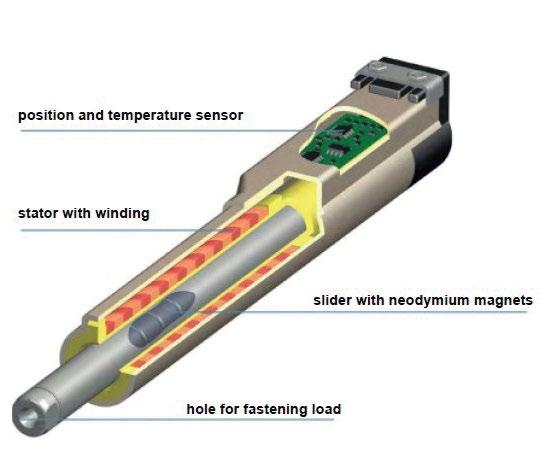
windings, the slider bearing, the position sensor and the temperature sensor for thermal monitoring of the motor.
The operating principle is electromagnetic: the electromagnetic force generated in the stator windings produces linear motion of the magnetic core. The presence of an integrated encoder in direct communication with a dedicated control system makes it possible to define all three motion characteristics— position, velocity and acceleration —ensuring high repeatability of operations.
Downstream of the primary position and motion control, it is also possible to implement force control by sending an external feedback signal to the drive.
As can be observed from the descriptive parameters of the linear motor reported in Table 1, these devices are characterized by very high dynamic performance in terms of motion conditions and limited static performance in terms of maximum expressible force. The linear motor selected for the realization of the resistive load is the Linmot PS10-70x160U model, which features the technical characteristics [12] chosen according to the main parameters of the tests to be carried out, which will be described below.
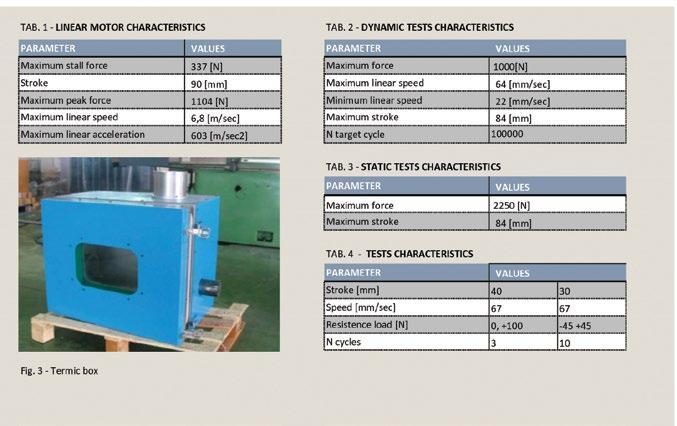
The characterization and possible certification of an aeronautical actuator require a series of both static and dynamic tests in accordance with the high standards required for these applications.
This paragraph reports the limit values of the main parameters for both dynamic and static tests to be performed on small- and mediumsized aeronautical actuators. These values also represent the design limits on which the test bench design was based.
reliability, defined as the probability that the product performs the desired function during the imposed operating period so as to meet or exceed the specifications provided by the manufacturer.
The dynamic tests achievable on this test bench are characterized by cyclic displacements along the system degree of freedom and by resistive loads of constant or time-varying value. These tests must be characterized by the limit parameters reported in Table 2. Static tests may be characterized by either high or low loads. Depending on the case, it will be necessary to set up the test bench in two different configurations. For low-load static tests such as backlash or irreversibility tests, characterized by relatively modest loads, the linear electric motor is capable of actively expressing the required force and can therefore be used without restrictions.
In contrast, for limit load and ultimate load tests characterized by relatively high force values, the linear motor must be replaced by a pneumatic piston capable of expressing the required maximum load. In this case, static load tests may be characterized by the limit values reported in Table 3.
Both dynamic and static tests must be executable in a temperature-controlled environment ranging from −60°C to +80°C with a relative humidity level of approximately 50%. For this reason, a specific fixture was developed to be mounted on the test bench, enabling both static and dynamic tests to be carried out.
In this application - especially in dynamic tests - the main problem in designing and implementing the control system for generating the resistive load is a direct consequence of the specific type of actuators to be tested.
As shown in Figure 4, the motor consists of only two parts: the slider and the stator. The slider is manufactured with neodymium magnets inserted into a high-precision stainless-steel tube. The stator houses the
Dynamic load tests are mainly aimed at verifying fatigue resistance (endurance) and performance in terms of cycle frequencies and control system responsiveness, in order to determine actuator
These actuators are characterized by specific protection systems, mainly related to safety and operational reliability, which make their management and use difficult in a system such as the one described above, where they are directly coupled to an actuator acting as a passive resistive load generator. A first issue is that, in most cases, these are irreversible actuators with internal mechanical locking systems that prevent axial displacement of the rod unless commanded directly; the rod remains locked even when subjected to external forces. This makes it impossible to control displacement
or positioning of the coupled system by actuating the linear motor, which is always subordinate to the positioning imposed by the actuator. Therefore, specific procedures must be planned for test setup, emergency stop control, zeroing procedures and system repositioning.
A second issue lies in the fact that aeronautical actuators are managed by dedicated “closed” electronics, where the definition and management of control parameters are not always accessible and the system can often only be actuated by defining a displacement function.
Furthermore, the only available parameter capable of describing the behaviour of the aeronautical actuator is the absorbed current.
As a consequence of these aspects, during tests the linear motor cannot be commanded in displacement but only in force. This leads to the need to define a highly performant linear motor control algorithm that, especially during motion reversal phases, avoids generating overloads on the aeronautical actuator that could cause shutdown or damage. This issue reaches its worst condition when it is necessary to define the resistive load as a variable function of the system stroke.
These problems were overcome by implementing a control logic that provides force feedback as the primary control and position control as a motion limiter in emergency conditions.
A conceptual diagram of the implemented control logic is shown in Figure 5.
To verify the capability of the test bench to perform dynamic tests and to develop an adequate control system for the linear motor, a dedicated test campaign was carried out. In this case, the test bench configuration involves the use of the linear motor (resistive load) in opposition to a commercial brushless motor that executes the work cycle defined through a displacement function.
This system is shown in Figure 6.
Thanks to this configuration, with the brushless motor controlled in position feedback and thus having access to the displacement value read from the internal encoder, it was possible to generate known motion conditions entirely similar to those of typical aeronautical actuators along the entire stroke of the work cycle, enabling optimization of the linear motor control system.
This phase is particularly delicate, as if the linear motor were to express the load in the same direction as the motion of the actuator under test, there would be a risk of losing position control; if this were to occur near the stroke limits, the system could impact mechanical end stops, causing emergency shutdowns or possible damage to the internal components of the actuator under test.
For these functional tests, the work cycle was imposed on the brushless motor via a programmable inverter controlled by the PLC, capable of regulating the supply current according to a feedback algorithm that receives as input the rod position signal read by the encoder integrated in the motor itself.
The linear motor, on the other hand, is managed by its own drive which, thanks to specific instructions sent by the PLC via CAN bus and the signal from the load cell amplifier, is able to control its operation through a force feedback algorithm.
Figure 7a shows the logical diagram of operation of the electronic part for this test bench configuration.
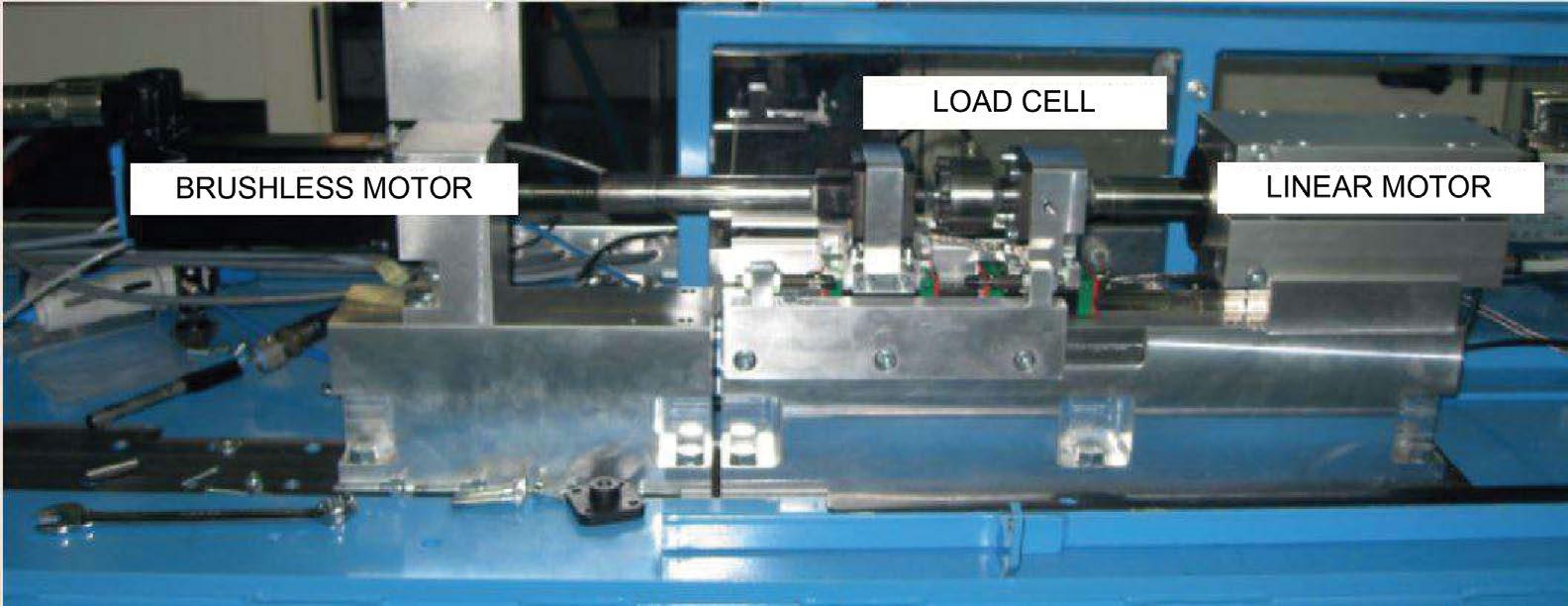
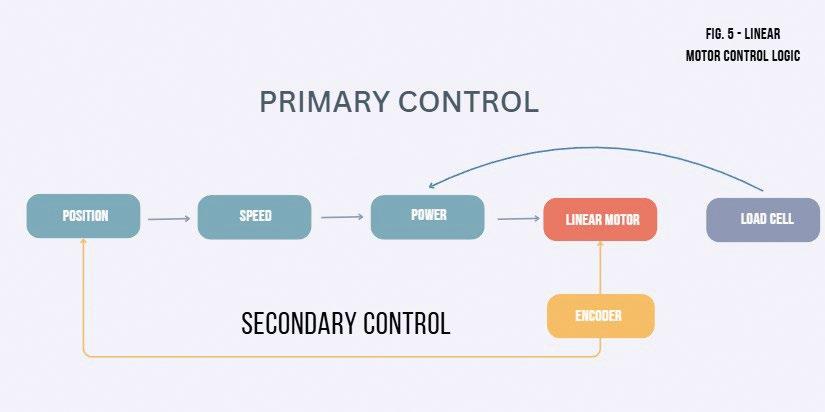
These tests allowed characterization and verification of the operation of the linear motor along the entire stroke of the work cycle. In this way it was possible to verify the linear motor control system even in the displacement range where motion reversal occurs.
As evidence of this, the results obtained from two tests are reported below, which differ in the value of the imposed resistive load and in the stroke value defining the system displacement range. Motion was determined by the brushless motor controlled in displacement based on the
integrated encoder measurement, in order to obtain a trapezoidal velocity profile, as shown in Figure 7b. The main parameters of these tests are reported in Table 4, where the sign of the force value refers to the load cell measurement (+ compression, − tension).
Analysing the results of test 1, shown in Figure 8, which reports the force value read by the load cell as a function of the displacement indicated by the optical scale, it can be observed that the linear motor is able to execute the work cycle by expressing an almost constant force opposing the motion of the brushless motor along the entire work cycle.
The difference between the desired value and the measured value, represented by oscillations, is attributable to the control system and reaches maximum values of approximately ±10% at the motion reversal points.
This result can nevertheless be considered acceptable given the difficulty of implementing force control of the linear motor that must take into account both motion variations due to brushless motor position control and intrinsic measurement errors and response times of the force and displacement sensors used.
It can also be observed that the maximum oscillation occurs at motion reversal points, where changes in dynamic conditions and inertial effects of the system are greater, making stable and precise control more difficult. Figure 9 shows the results related to the operating conditions corresponding to test 2. These tests were carried out by moving the system for 10 consecutive cycles along the set path. As can be observed, good repeatability of the tests is achieved, which is certainly encouraging and once again confirms the soundness of the design choices made in the realization of the test bench, the performance of the measurement chain, and the PID control system developed to command the linear motor.
The work presented led to the design and development of an innovative and multifunctional test bench for the testing of electromechanical linear actuators in the aerospace field, capable of meeting particularly stringent testing requirements from both a functional and performance standpoint. The adoption of a linear electric motor as the dynamic load generator represents the
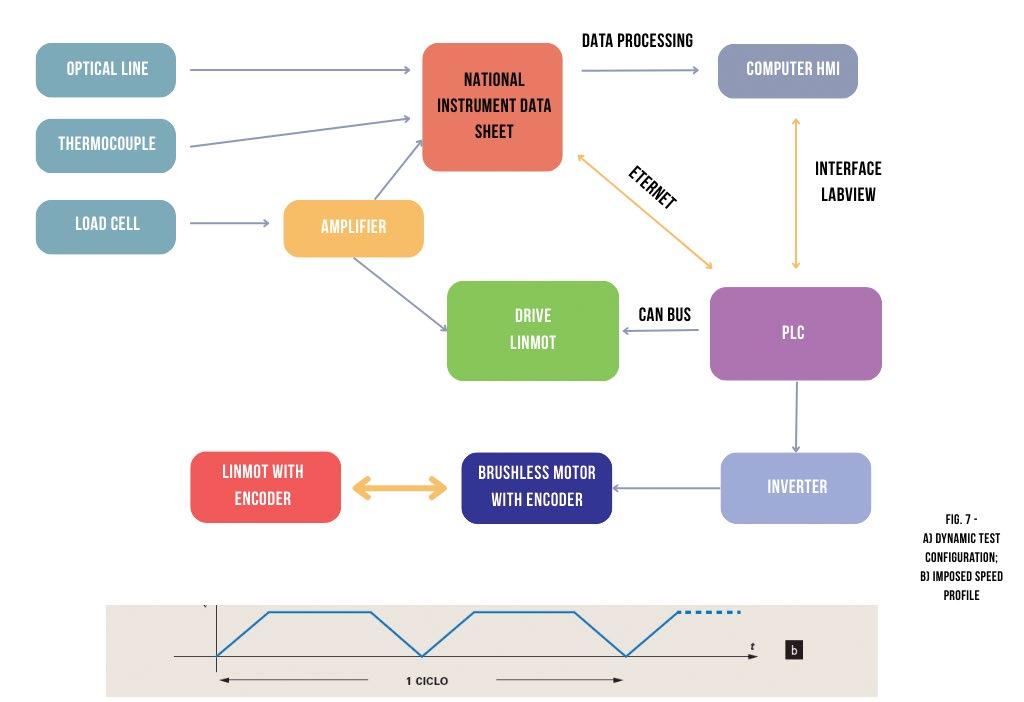
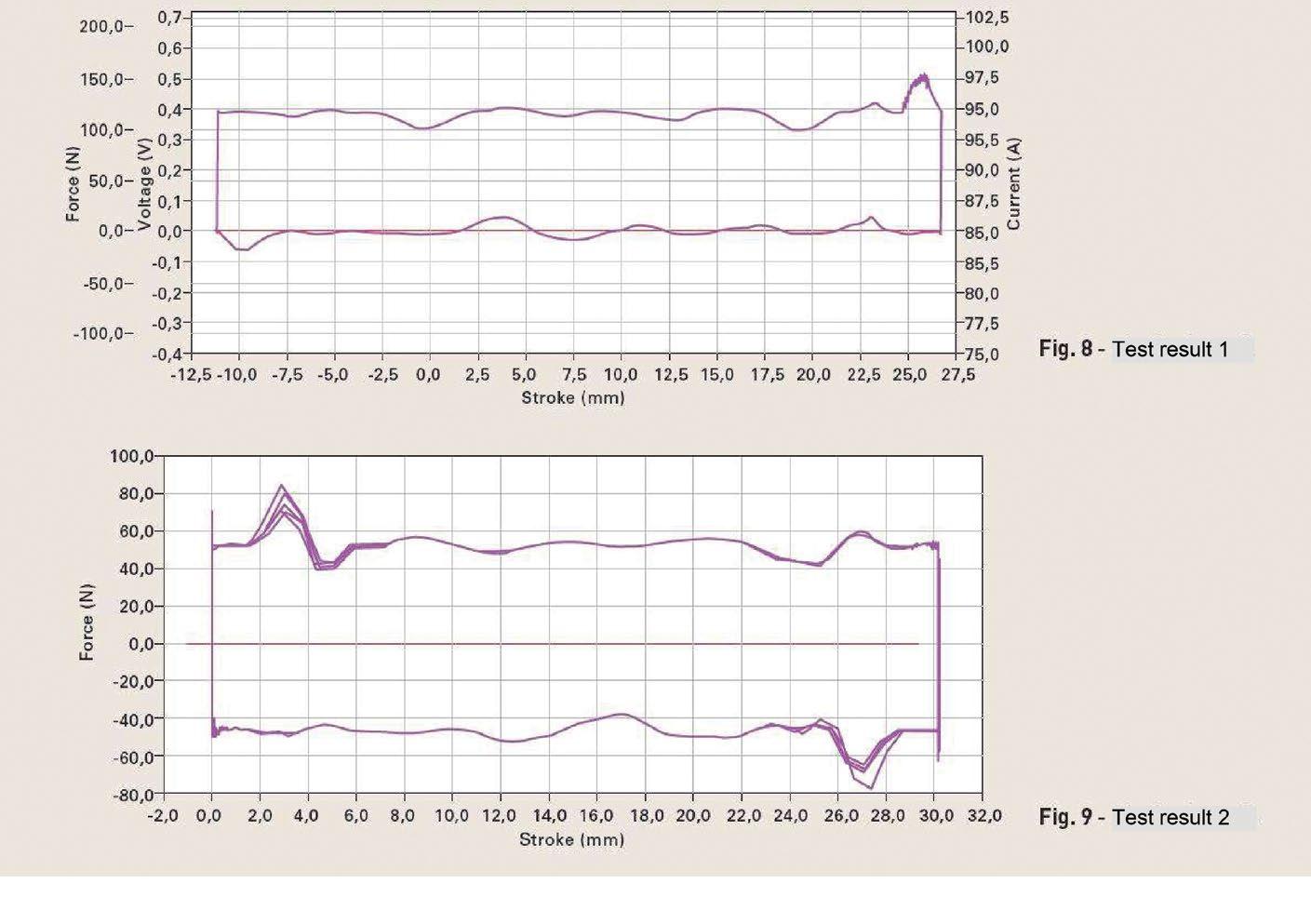
distinctive feature of the system, enabling the limitations of conventional pneumatic and hydraulic solutions to be overcome in terms of dynamics, flexibility, and control.
The developed test bench allows static and dynamic tests to be performed along the entire actuator stroke, even at high cycle frequencies, ensuring high accuracy in the measurement of the main physical quantities and reliable repeatability of the results. The modular structure and the adopted control architecture make the system highly versatile, allowing it to be adapted to different types of actuators and a wide range of operating conditions, including testing in controlled environments.
Overall, the proposed solution represents an effective tool both for the development and validation of new actuators and for the characterization and certification of
already established products, offering significant benefits in terms of performance, reliability, and reduction of testing costs. The developed test bench therefore constitutes a technologically advanced and easily scalable platform, capable of addressing current and future testing needs in the aerospace sector.
For more information about this project and –more in general – about the Excogita test rigs for different applications,

Get in touch with ICT srl (www.consulting-trading.com –info@consulting-trading.com) who is responsible of business development of Excogita’s machinery.

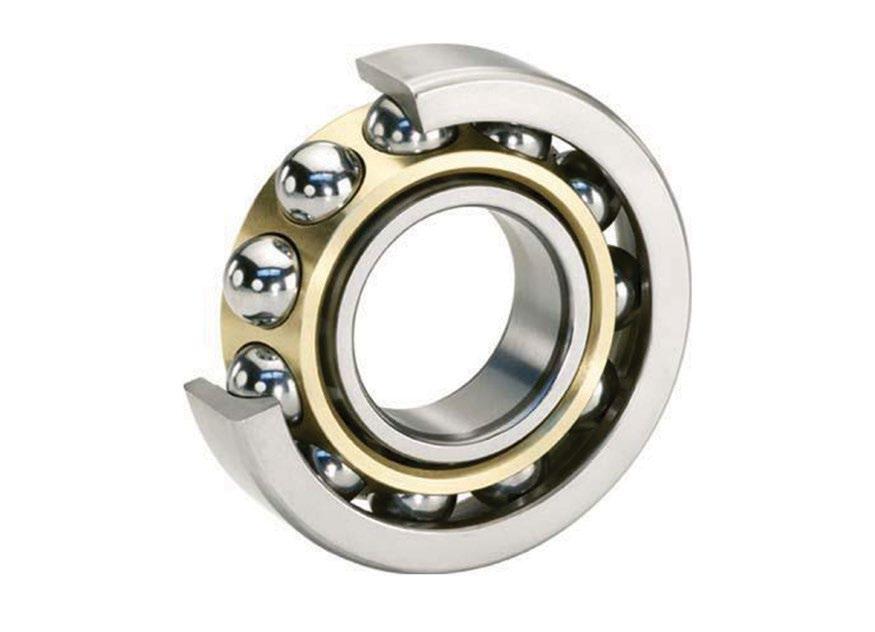
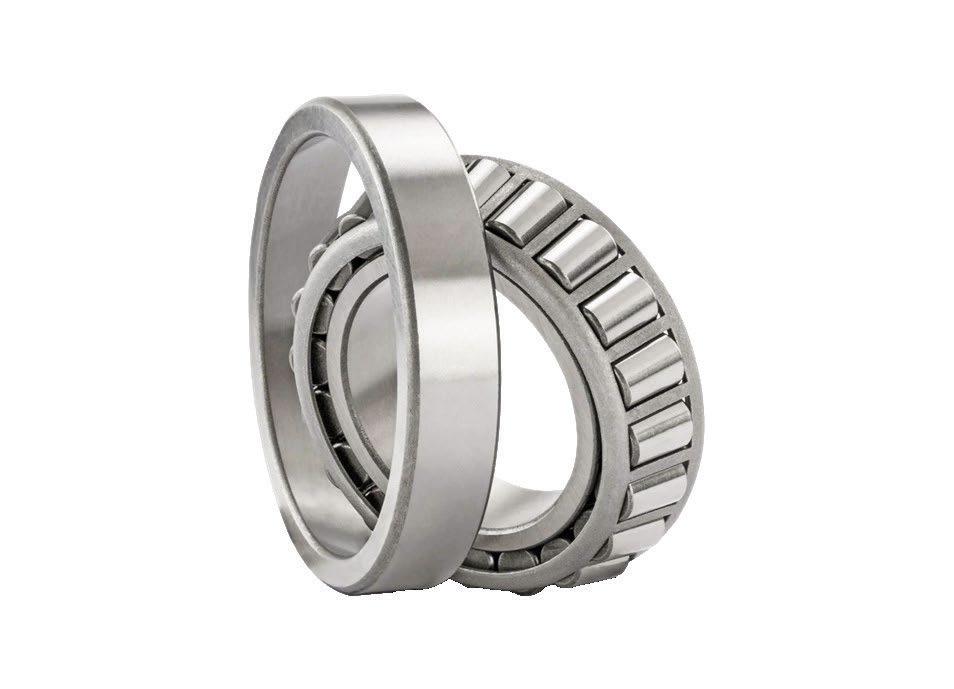
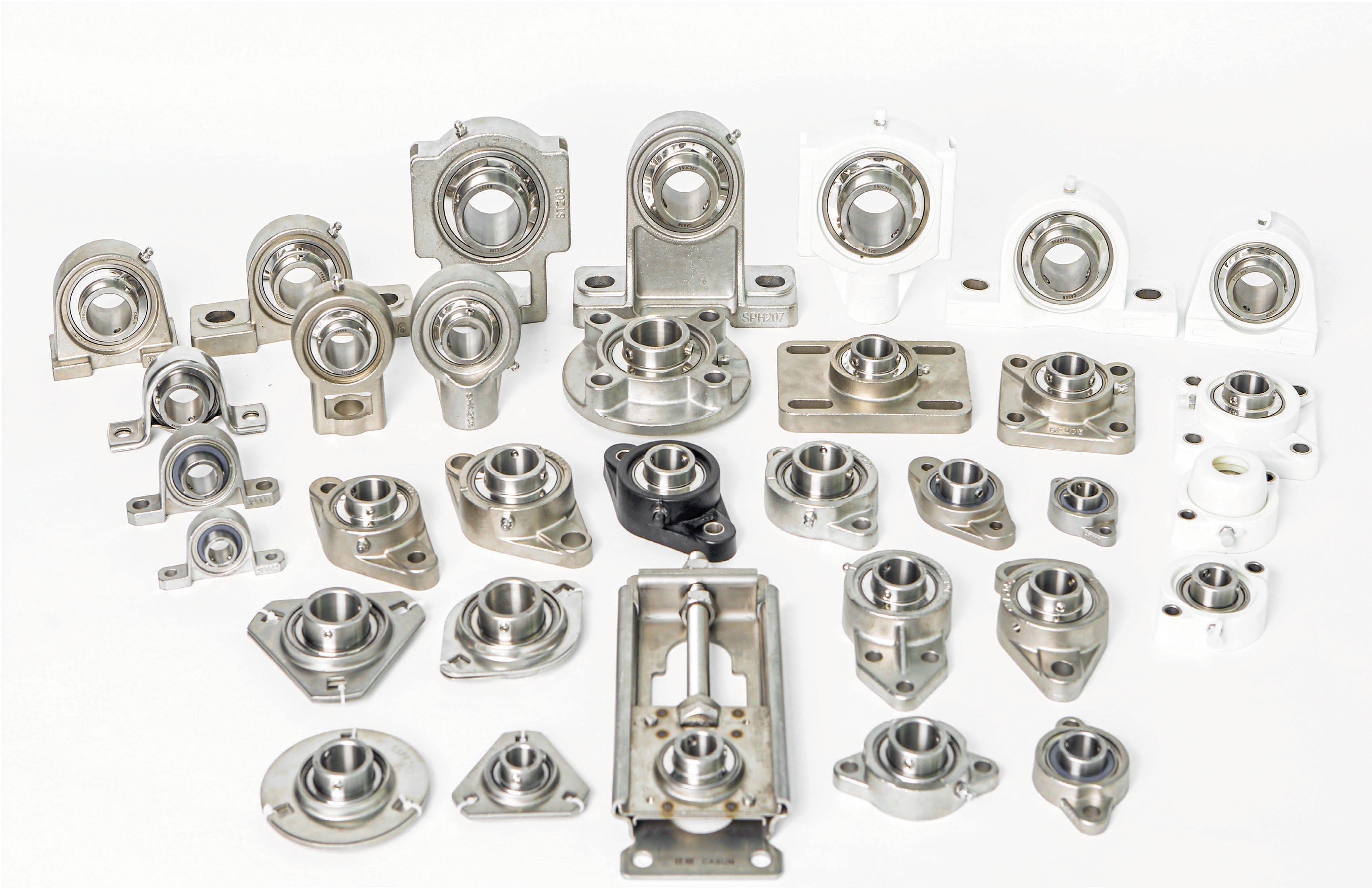
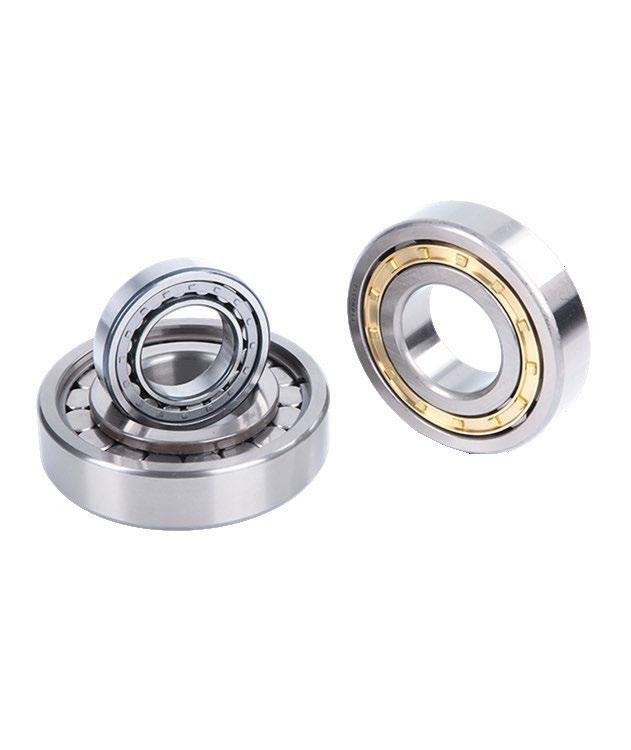
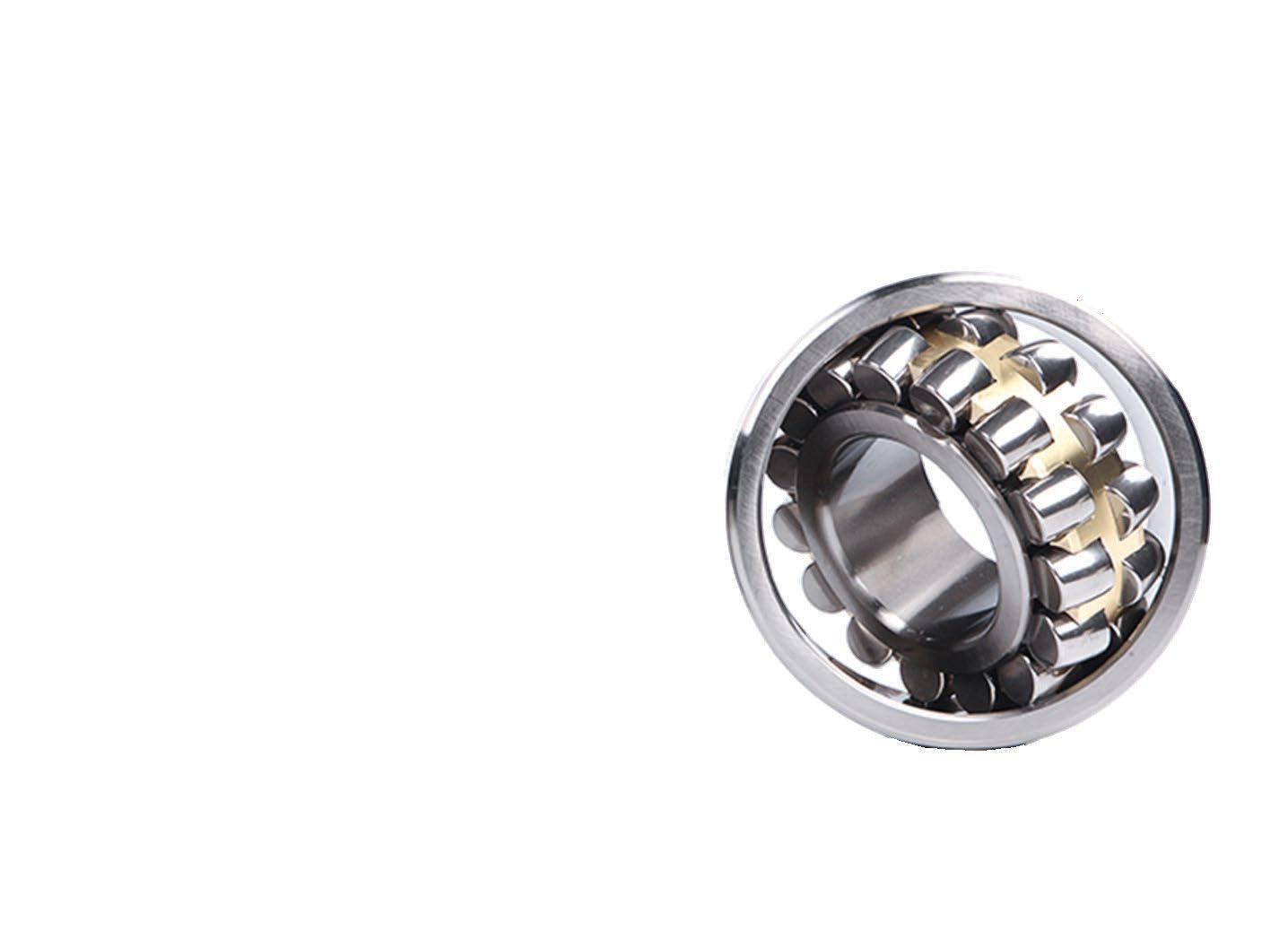
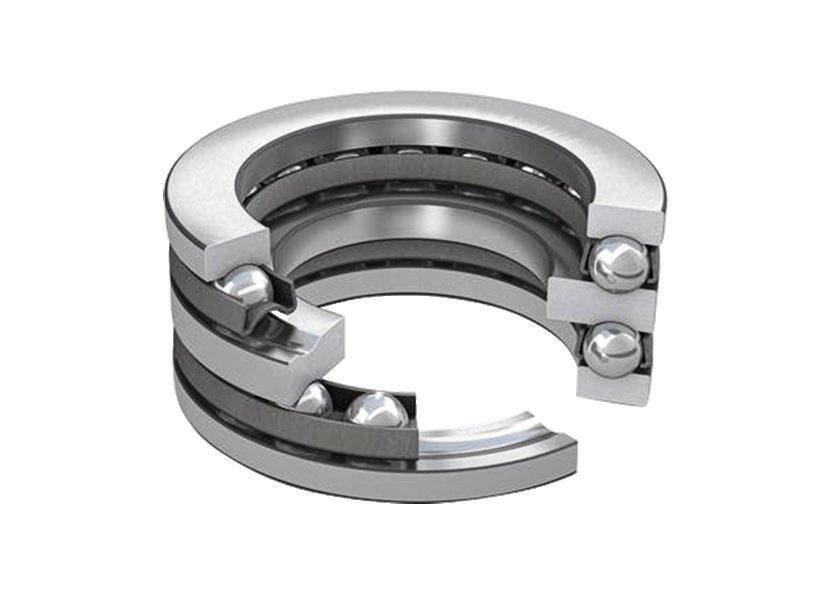
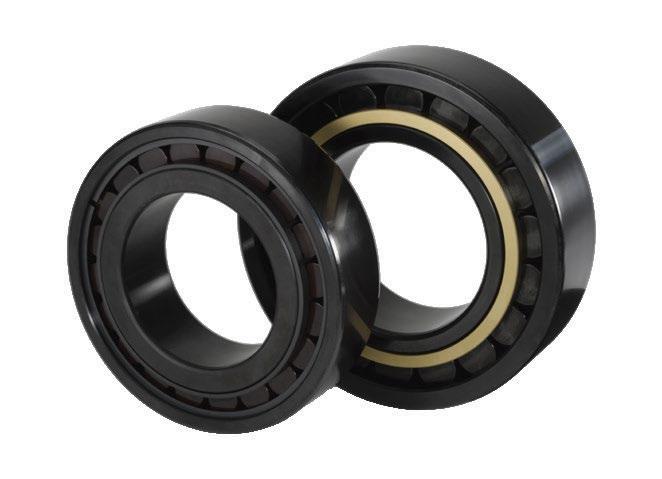
It was a frigid morning in Olean, New York, when a customer called Napoleon Engineering Services with a question.
“Can you test a new batch of bearings for us?” the individual asked.
NES had previously worked with this company, which manufactures, among other things, seed planters. Consequently, it was keenly aware of this application’s bearing failure mode: environmental contamination. And because it understood this – and, by extension, the customer’s objective – NES could tailor a testing program to fit those needs.
“(We needed) to evaluate the seal efficiency under a moment load because that’s exactly what’s happening in that (planter’s) disc,” said Chris Napoleon, NES’ president and chief engineer. “It’s in the dirt and the life of that disc is directly related to the efficiency of that seal.”
“So,” Napoleon added, “we ran a mud slurry test.”
NES routinely receives similar inquiries from an array of industrial and offhighway vehicle companies – “can you test these bearing for us?”
And that stands to reason; NES, after all, began as a bearing testing company and,
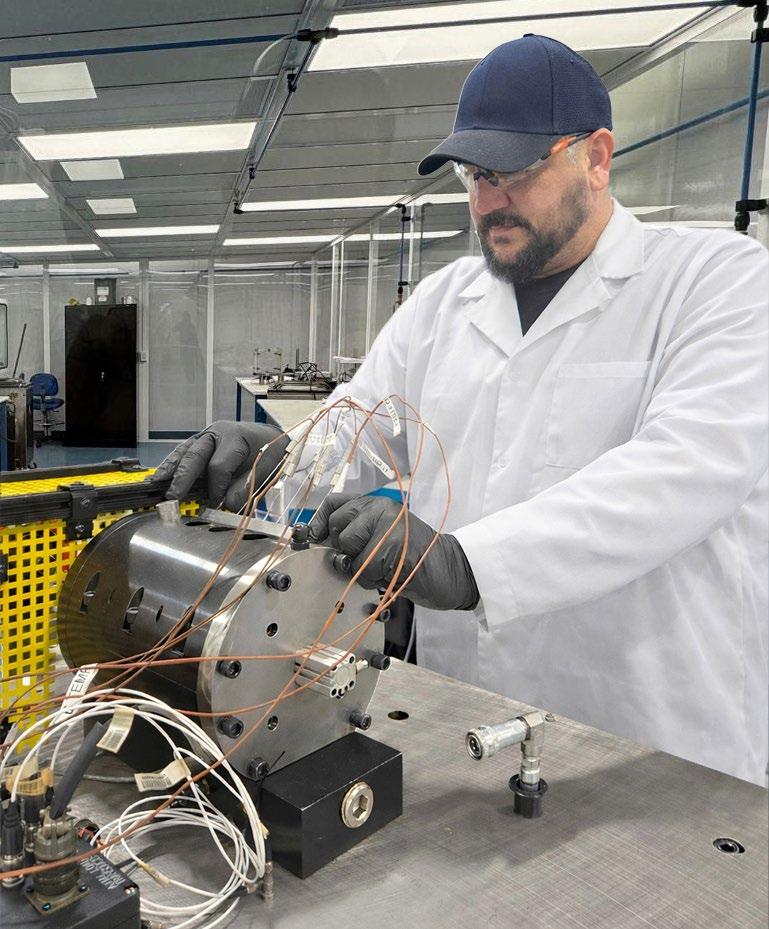

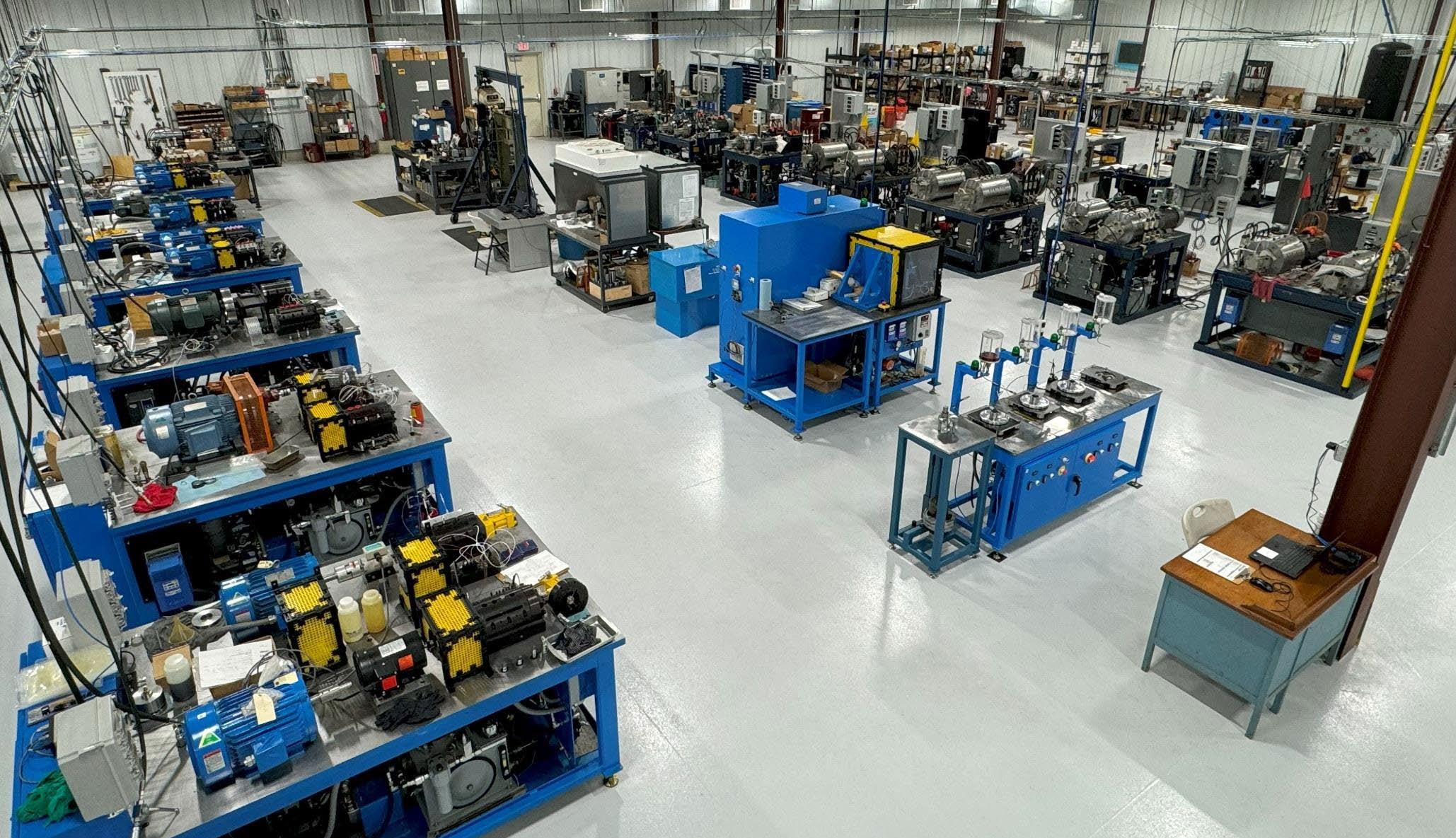
How identifying a bearing’s failure mode can lead to the right NES test plan for you.
By J.P. BUTLER Marketing Coordinator
nearly 30 years later, has come to boast the largest independent bearing testing and inspection facility in North America. To create that personalized –and proper – testing program, however, NES needs to know:
What are the customer’s testing intentions? What is it truly attempting to accomplish? Or more to the point, “What is the failure mode inside that application, which will then drive us to pinpoint what we’re going to do?” Napoleon asked.
BEARINGS, OF course, fail for several reasons.
The least likely failure mode, in NES’ experience, is spalling, a progressive fatigue failure where small, flaky pits break away from a bearing’s raceway or rolling elements. “But almost every application fails for some other reason before it can reach this point,” said Tom Jaskolka, NES’ senior testing engineer.
The most likely of those other causes is improper or insufficient lubrication. According to studies, lubrication issues account for approximately 50-80% of all premature bearing failures. Said Jaskolka, “Ideally, when you’re running a bearing, the lubricant inside should provide separation between all the metal components, so you shouldn’t get metal-tometal contact. Breakdown of that lubricant is usually one of the bigger failure modes.” Lubrication (grease being the most common) might degrade due to high temperatures or contamination. When this happens, and rolling elements begin contacting the raceway unprotected, the resulting friction will deteriorate the bearing’s surface. “So, this is categorized as a ‘wear failure,’” Jaskolka said.
It’s within these realms that NES can implement its testing expertise.
The Western New York-based company offers several tried-and-true Standard Bearing Testing (SBT) programs, including
endurance/life, rolling contact fatigue, wear, environmental and impact or static load. Its goal is to match the appropriate testing program with a customer’s needs.
To understand those needs, however, it must know: What’s the failure mode?
“What kind of test are we going to run to help reduce risk in the application?” Napoleon asked. “We need to identify what the failure mode is so that we can understand the testing intentions and design a test plan that meets those intentions.”
ONCE NES understands those intentions, the pathways to testing become clear. And inside its 15,000-square-foot testing facility there are several.
Say, for example, one wants to determine how different greases may impact bearing life while running at a high temperature. Napoleon Engineering will create the applicable testing plan using its Standard Bearing Testing.
“We have rigs that we’ve developed – we test deep-groove ball bearings at high temperature, and it’s really a grease test,” Napoleon said. “We’re using bearings to figure out how well a grease will perform at high temperatures. How long will it let that bearing run before the grease lubricating properties deteriorate and influence bearing life?”
Customers, especially those in need of a wear-related test, will often turn to NES because they’re unable to wait for an application failure. In those scenarios, it might take 10 years to see a bearing failure. NES can create that failure within only hundreds of hours, thereby giving
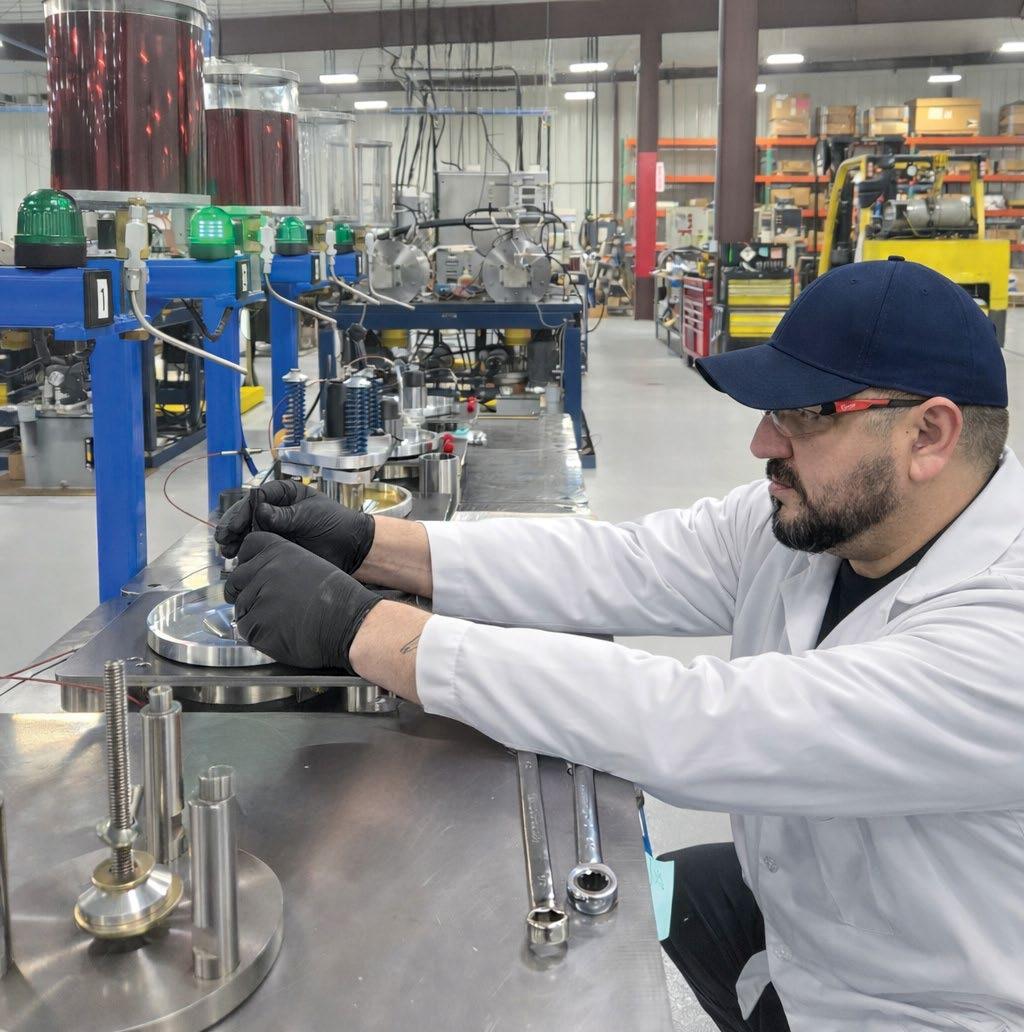
customers the data it needs, in a timelier fashion, to assess bearing performance. “We’ll do some kind of acceleration to get that failure to happen faster,” Jaskolka noted, “and that acceleration could be speed, load, temperature or environmental (for which NES has created mud slurry and dust box tests).
“Once we drive which type of failure we want to focus on, then we try to fit that into one of our Standard Bearing Tests.”
Typically, customers will ask NES to create an assembly like their own for testing purposes.
NES, however, in the interest of cost and lead times, prefers to remove that bearing from the application entirely and fit it into one of its existing rigs. This not
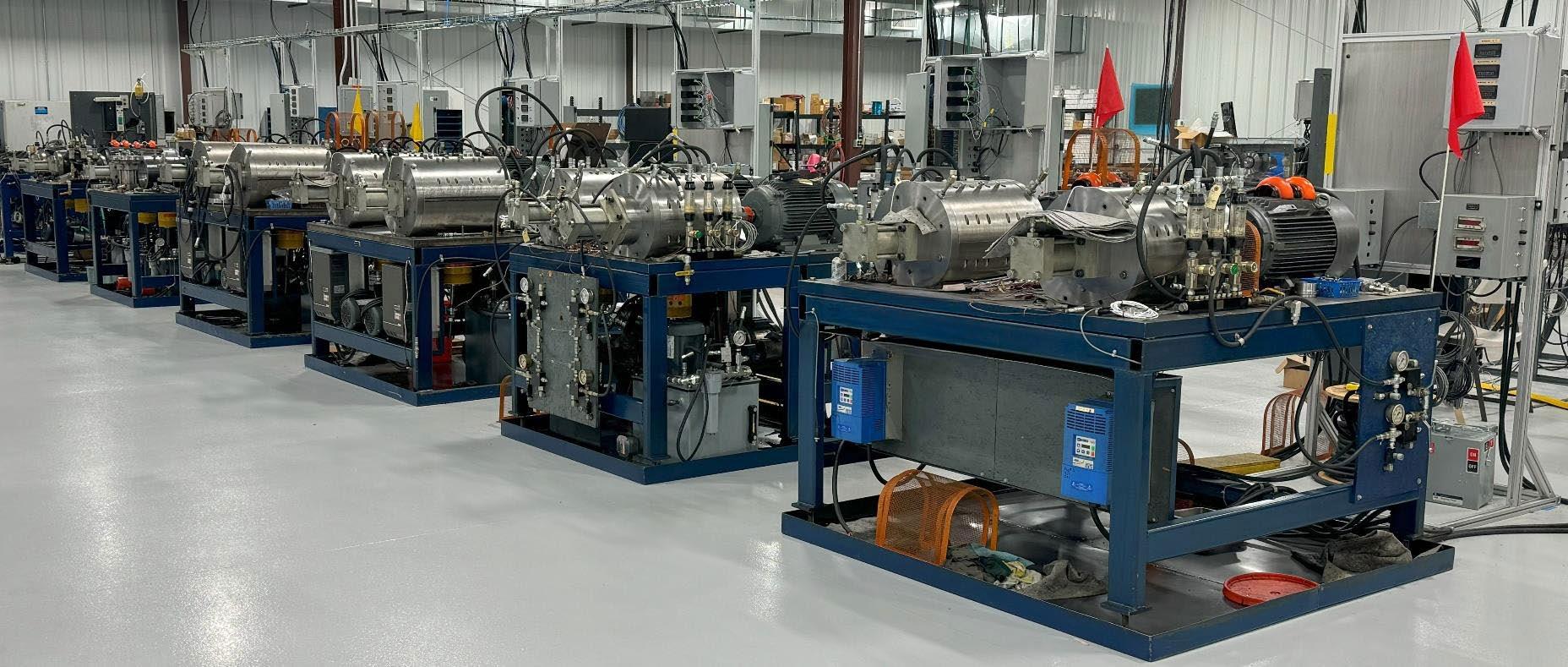
only simplifies the process but allows the company greater control of testing parameters. “There might not be an easy way to apply load to it,” Jaskolka pointed out, “so we’ll take the bearing out and we’ll put it into one of our endurance test rigs.”
NES features over 100 bearing testing platforms, including dozens of overhung load and four-bearing housings to evaluate wear, endurance and bearing efficiency in test rigs of varying sizes. It can test bearings as small as one inch and as large as 10-12 inches in outside diameter and can accommodate speeds up to 20,000 rpm. Upon conclusion of testing, NES will also provide statistical analysis in its test reports.
“Most customers fit into something that we already have,” Jaskolka said. “We have all these components on the shelf, and we can kind of mix and match what makes sense. The rigs are flexible as far as trying to figure out what works for the customer.”
And this is all done with a specific purpose in mind:
“To drill down to the Standard Bearing Test that meets your intentions,” Napoleon reiterated, “and is related to the potential failure mode within the application so that you have the appropriate technical information to make informed decisions.”
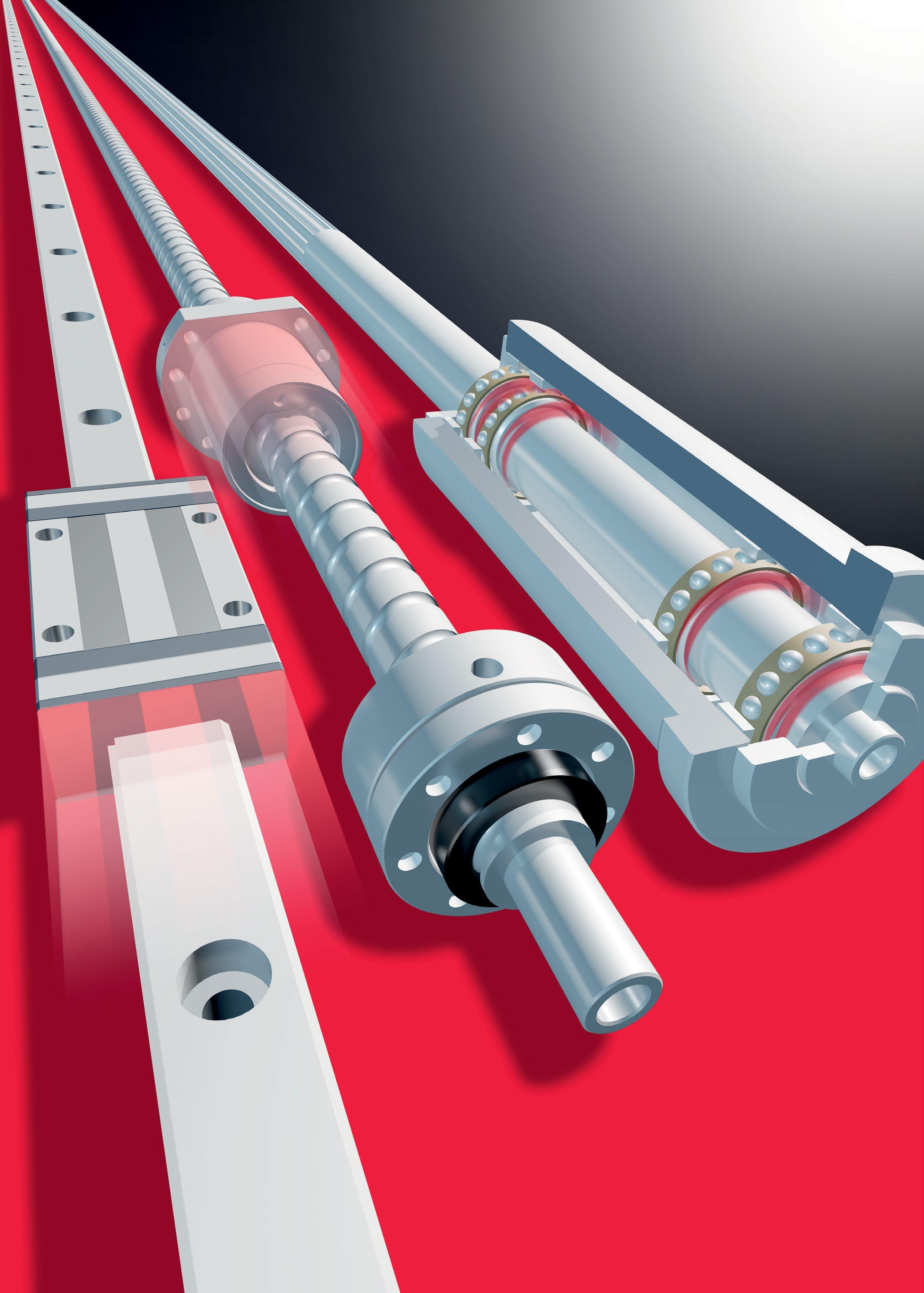
From Machine Tool, Injection Molding, Medical & Measuring to General Machinery applications, NSK offers the best technical solutions and a full range of engineering services. Every NSK Linear Guide, Ball Screw, Support Bearing and Super Precision Bearing is tailored to your specific needs. NSK, the only comprehensive engineering service supplier on the market, will take your business a step ahead. Find out more at www.nskeurope-motionsolutions.com.
As the global bearing industry enters a period of renewed technological ambition, APO-GEE stands at the center of one of its most compelling shifts.
After more than a decade of research dedicated to solving cage instability, a problem acknowledged for more than fifty years, the company is now experiencing the first waves of industrial adoption. But 2026 will not simply continue this trajectory: it will open a broader chapter, marked by the emergence of a second breakthrough technology and significant strategic evolutions.
The year 2025 marked a decisive turning point for APO-GEE. After years of intensive research and extensive testing, the company implemented the Butterfly cage on new applications and mechanisms, a cage capable of eliminating instability in ball bearings (patent pending). Beyond preventing instability in mechanisms, the Butterfly cage also delivers significantly reduced noise and vibrations, outperforming traditional cage designs across a wide range of operating conditions. This brings decisive value in demanding applications such as the space industry and precision machining for instance.
This result, long considered impossible, has been confirmed by effective implementations.

Solving a problem the industry has lived with for half a century demanded not just technical rigor, but a deep long term effort. Today, that solution is not theoretical, it is deployed, it is scalable, and it is transforming what engineers can expect from a bearing.
Sébastien Assouad, CEO of APO-GEE
The unexpected challenge: being believed
Despite strong evidence, one of the company’s greatest hurdles was not engineering, it was credibility. Accepting that a small, focused team could solve a universal, decades-old problem required
openness from early industry adopters. These pioneers, drawn from the aerospace, machine-tool, and industry sectors, asked questions, challenged the hypothesis, and ultimately validated the innovation. Their willingness to test was the decisive step that paved the way for broader acceptance.
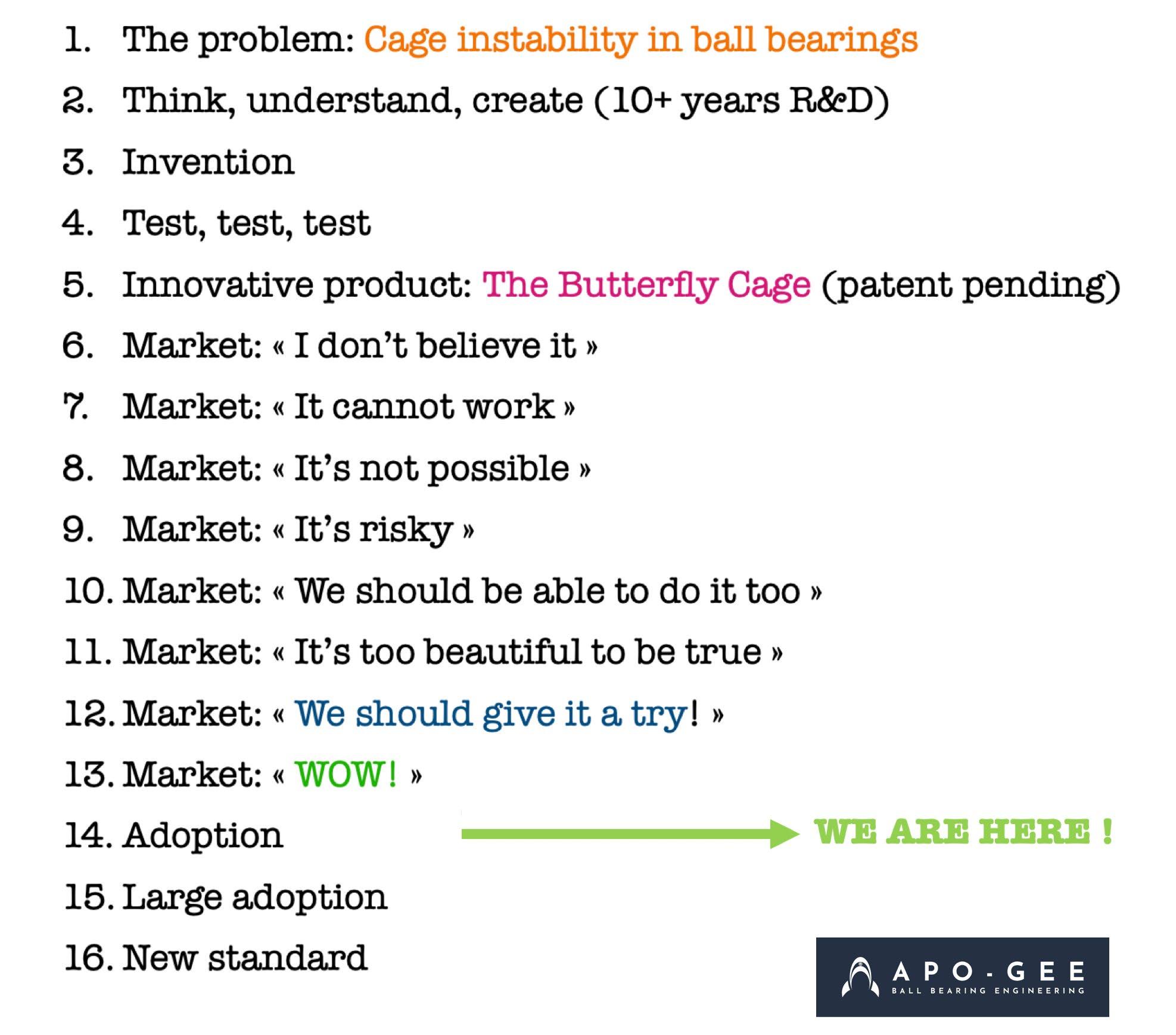
— The Butterfly cage adoption pathway
With credibility established, APO-GEE advances its next breakthrough: the Cobweb bearing
The validation of the Butterfly cage unlocks a new phase for APO-GEE. With credibility now firmly established, the company can accelerate the development of its second major innovation: the Cobweb bearing, an entirely new architecture based on an auto-adaptive profile geometry. This design enables speeds and levels of precision previously considered unattainable and removes longstanding engineering compromises that designers have been forced to accept for decades.
The Cobweb bearing introduces a dynamic optimization mechanism within the bearing itself, opening pathways for applications requiring ultra-high accuracy, extreme rotational speeds, and precise temperature
control. Space and spindle systems stand out once again, but additional markets such as dental handpieces, automotive systems, and the defense industry are also relevant.
“The Cobweb bearing is a step change in adaptability and precision. It allows to reach speeds never imagined before and avoid the common unsatisfactory compromise between loads and speed. Not to mention that the reduction in power dissipated by friction can be expressed in two digits!» Christophe Servais, CTO of APO-GEE
2026: a year of major evolutions
If 2025 was a year of proof and concrete implementations, 2026 will be the year of transformation.
Thanks to the strength of its innovations
and its unique diagnostic tools, APOGEE now counts among its clients some of the most prestigious firms in their field. The company can therefore confidently enter a period in which its technologies will reshape expectations around bearings. Growing trust from the market is accelerating a shift that once seemed out of reach. As more engineers evaluate and adopt the Butterfly cage, APO-GEE is preparing to support large-scale deployment.
The coming months will bring major announcements and strategic initiatives.
More info: www.apo-gee.tech



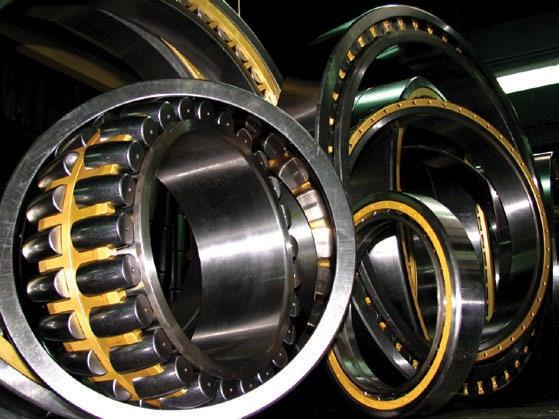
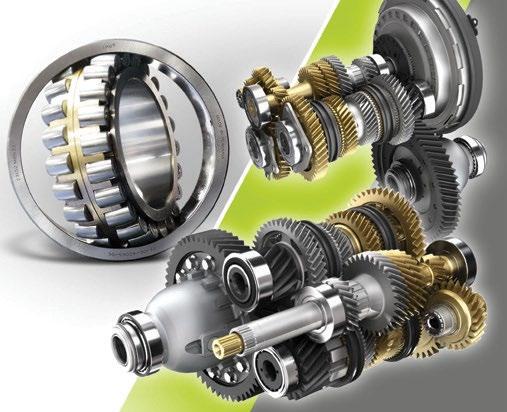
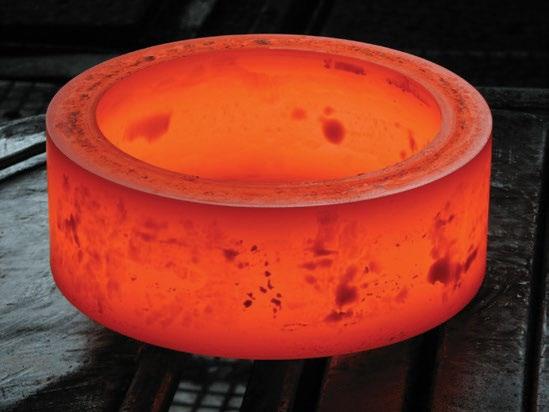
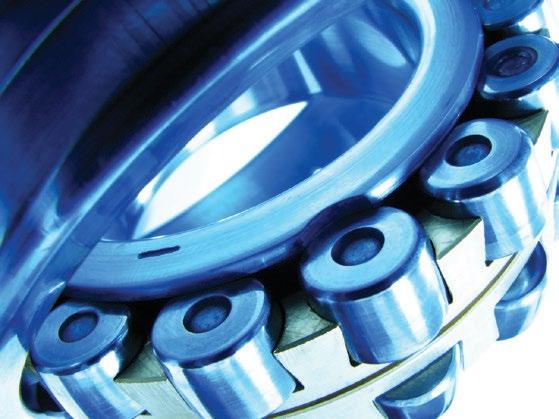
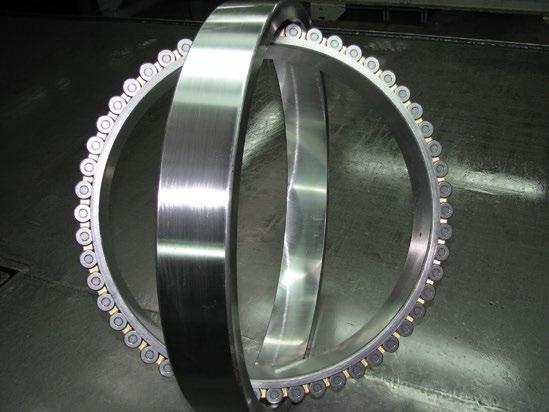
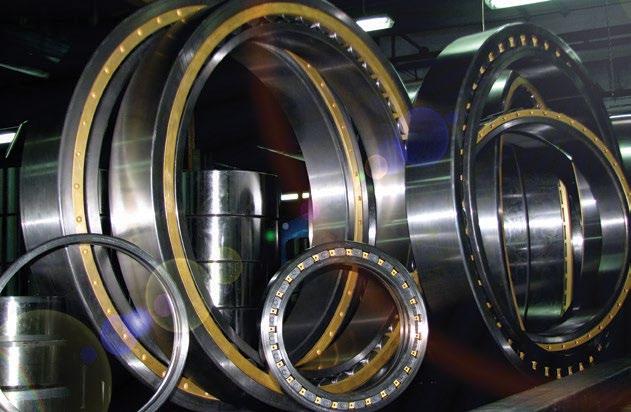
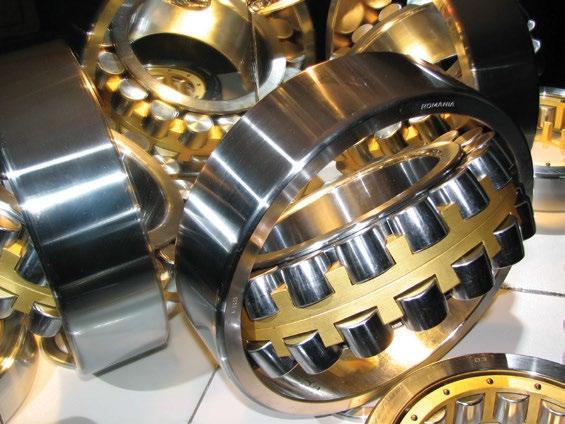



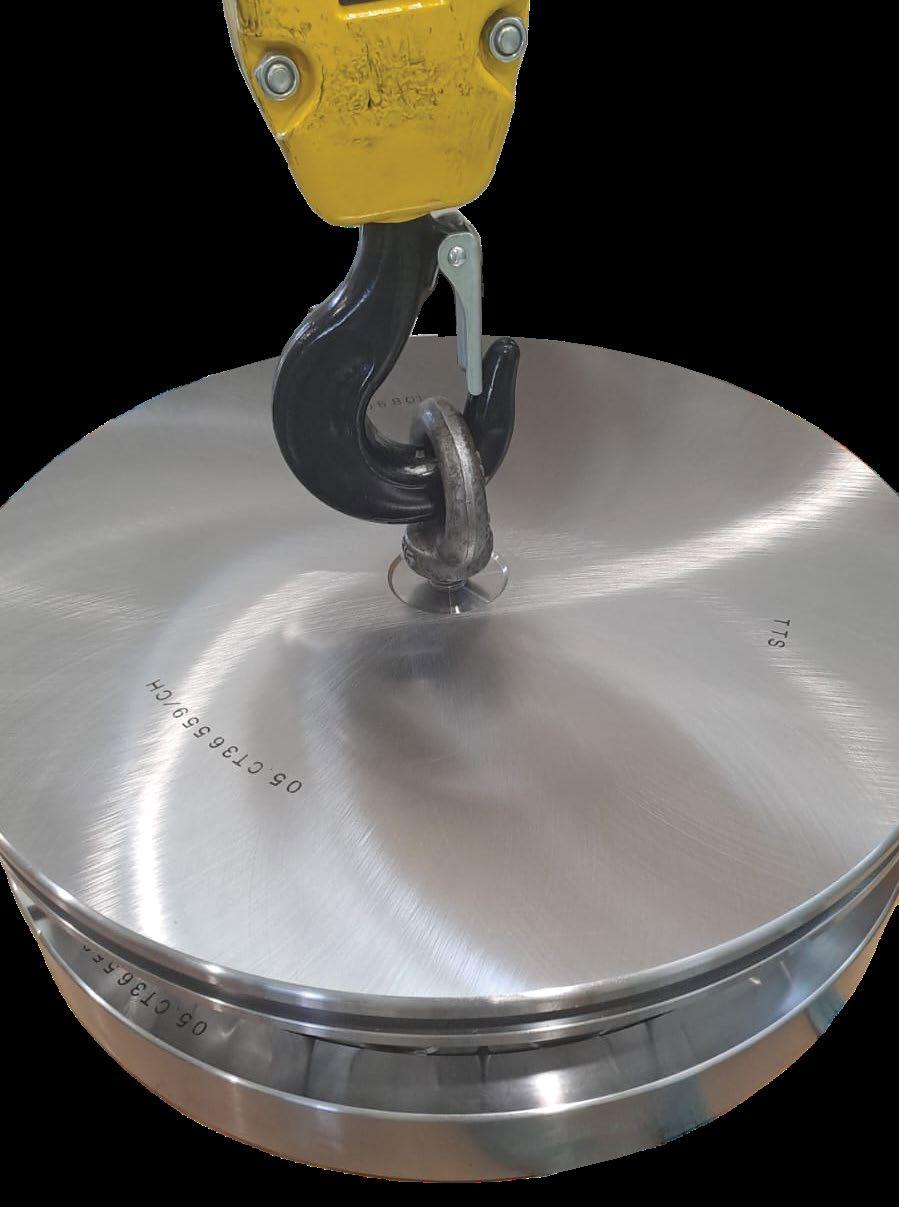
When discussing bearings in rolling mills, the conversation typically revolves around the well-established four-row cylindrical and four-row tapered roller bearings that dominate the industry landscape. Close behind them are the two-row tapered roller bearings, ball bearings, and spherical roller bearings. This hierarchy of recognition is understandable as these bearings operate under some of the most demanding conditions imaginable, where equipment downtime translates directly to lost production and revenue. Consequently, engineers invest considerable effort in minimizing maintenance intervals and maximizing operational efficiency. At Techno Total Solutions Italy (T.T.S), has been manufacturing these mainstream bearing types with technical expertise and precision since our company's inception in 2007, building a reputation for reliability that has become synonymous with our brand.
However, the bearing industry's focus on conventional types has inadvertently cast a shadow over an equally critical component that deserves recognition: the screw down bearing. Despite performing equally rigorous functions within rolling mill operations, these bearings have remained largely in the background, overlooked by industry discussions and overlooked in technical literature. Yet the demands placed upon screw down bearings are no less extreme than
their more celebrated counterparts. In fact, one could argue they bear a unique burden that makes them indispensable to modern rolling mill operations.
The Role and Demands of Screw Down Bearings
Screw down bearings are tasked with an enormous responsibility: absorbing massive axial loads that often exceed thousands of
tons. Consider for a moment the physics involved—when a rolling mill bites into a slab of steel, the shock loads generated can be catastrophic for unprepared bearing systems. These bearings must absorb these sudden, intense forces without failure. Simultaneously, they contend with edge loading caused by misalignment, a common occurrence in the high-speed, high-pressure environment of modern mills.
The thermal environment compounds these challenges. Mill operations generate extreme heat, and simultaneously, water is often introduced as a cooling agent, creating conditions that can lead to lubrication breakdown. When protective oil films fail under such temperature and moisture extremes, the bearings are exposed to metalon-metal contact, risking premature wear and catastrophic failure. Adding to this complexity is the pervasive presence of mill scale, the oxidized iron surface that flakes off during processing. These hard, abrasive particles contaminate the bearing cavity, acting like grinding compounds that accelerate wear and reduce bearing life.
Beyond these mechanical and environmental challenges, screw down bearings must maintain something that often goes unappreciated: precision. They are responsible for maintaining precise roll gap control, which directly influences product thickness consistency. A variation of even fractions of a millimeter can render an entire production batch unacceptable, making bearing stability not just a matter of equipment longevity, but product quality itself.
Recognizing that different rolling mill configurations and product lines demand different solutions, screw down bearings have evolved into several specialized configurations. Tapered thrust bearings represent one critical variant, engineered to handle the axial loads inherent in rolling operation. inherent in rolling operations. These bearings excel in applications requiring high stiffness, making them ideal for precise positioning when tight tolerances are non-negotiable.
When extreme axial capacity is the governing requirement, multi-row cylindrical roller arrangements come into play. These configurations stack multiple rows of cylindrical rollers to achieve load capacities that would otherwise be impossible, distributing enormous forces across a broader bearing surface to prevent localized stress concentrations.
As rolling mill operations continue to intensify and product specifications become increasingly stringent, the role of screw
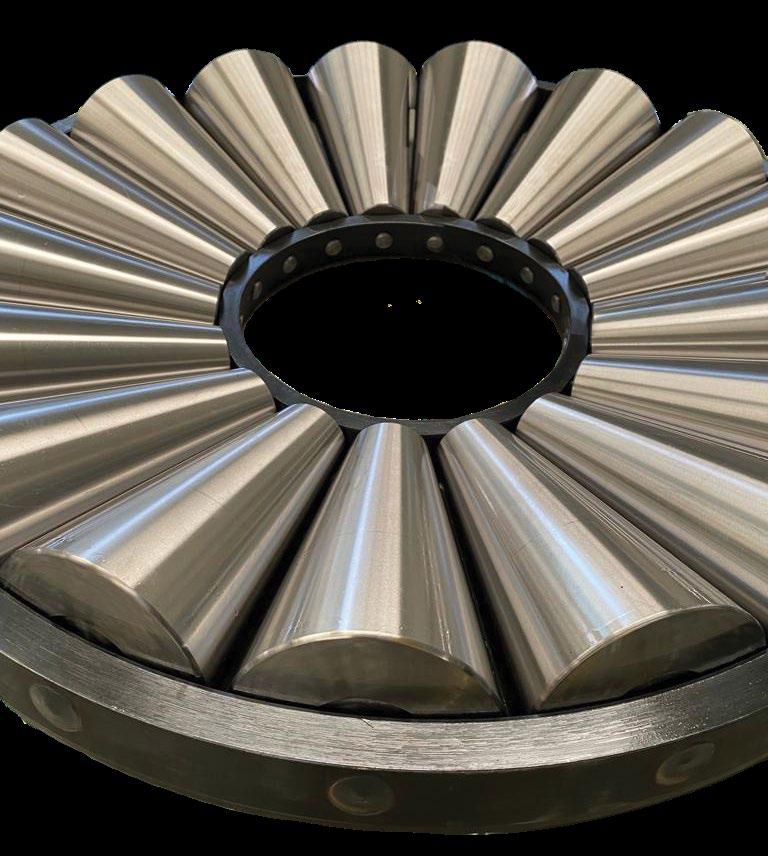
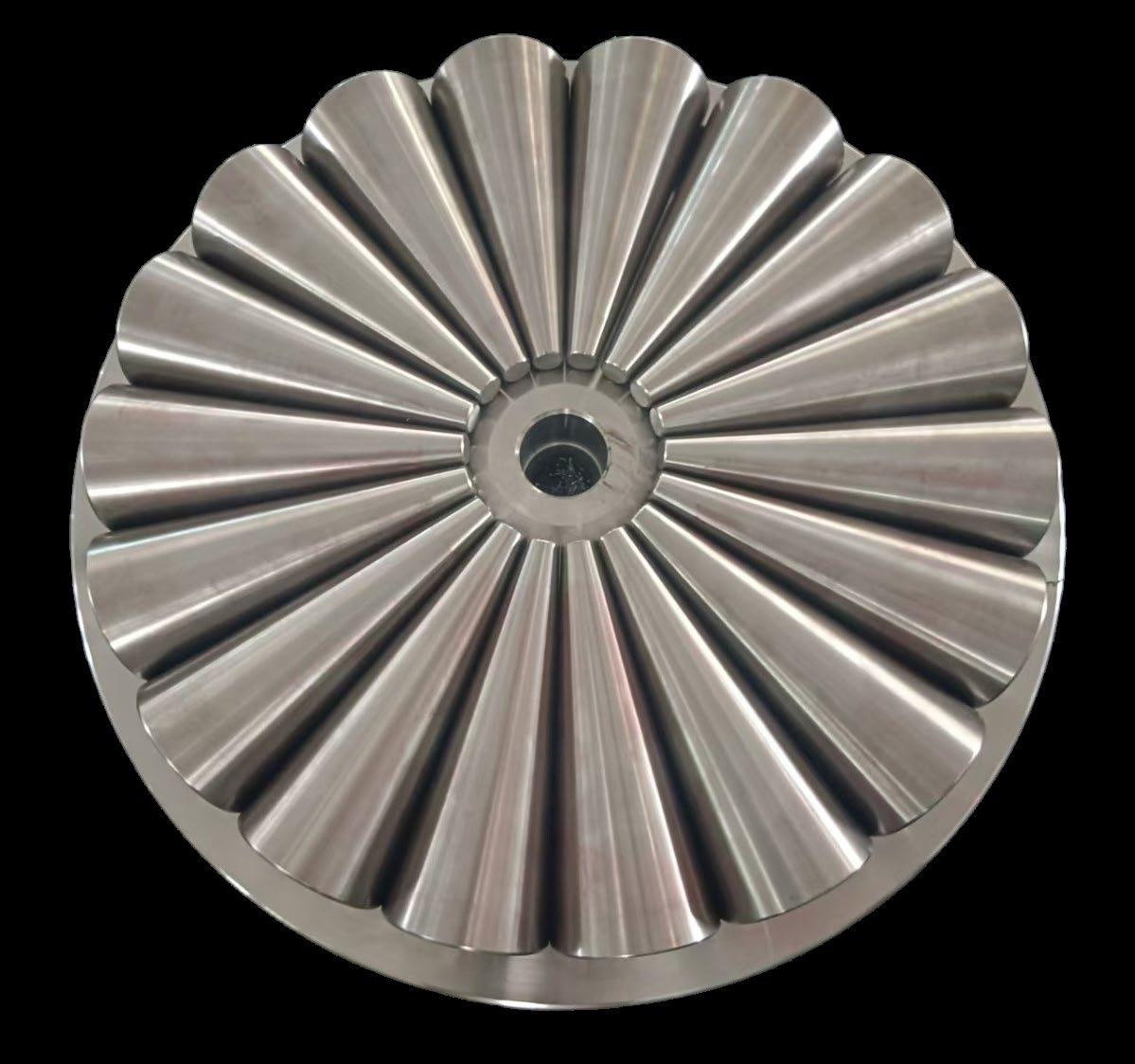
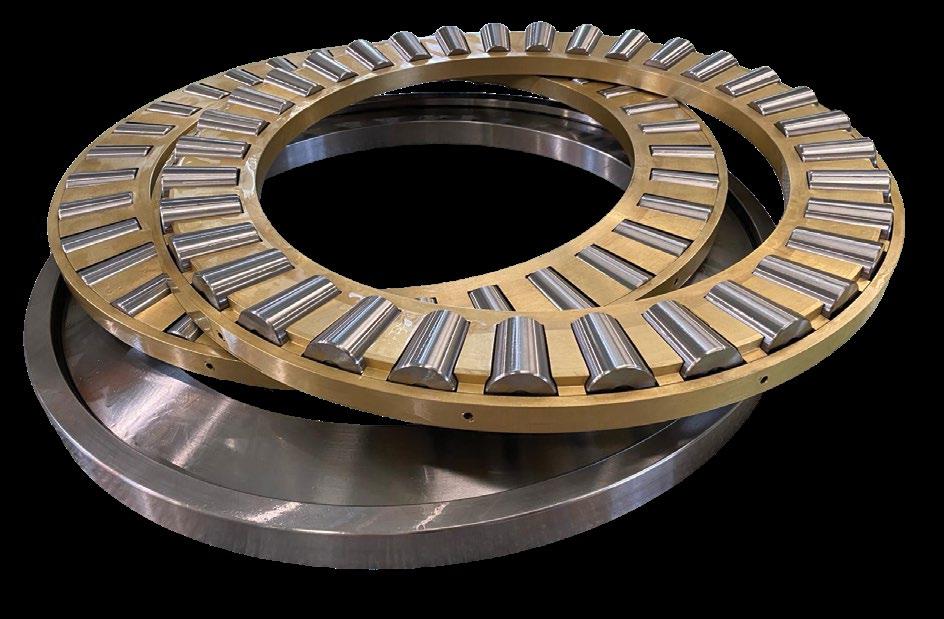
down bearings becomes ever more critical. At T.T.S, we have dedicated ourselves to mastering these specialized bearings, combining technical acumen with decades of manufacturing experience to deliver solutions that keep mills running reliably. Our commitment extends beyond simply producing bearings. we are committed to elevating the recognition of these components and helping the industry understand that true operational excellence requires attention
to every bearing in the system, not just the celebrated ones.
Contact info : info@tts-europe.com
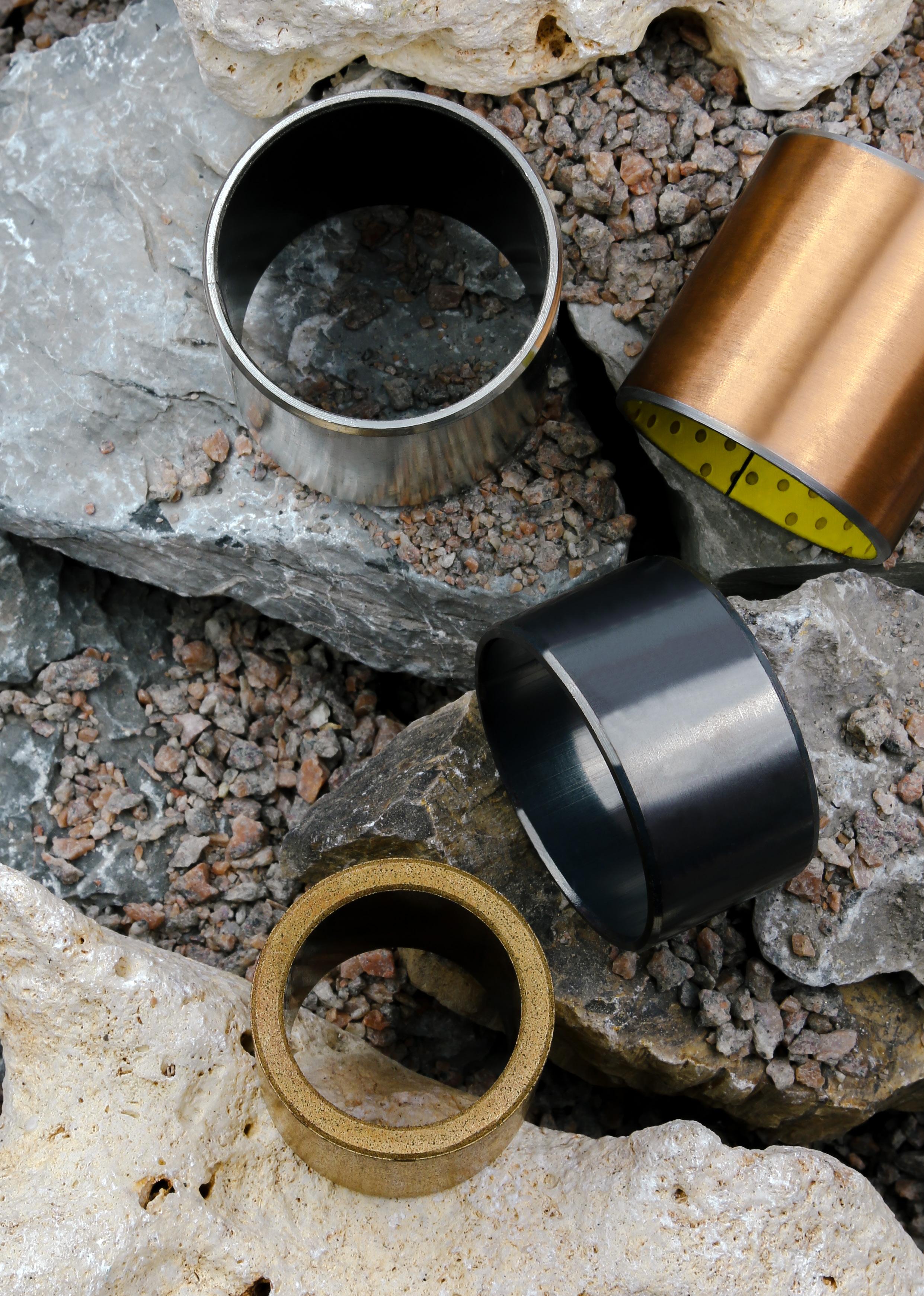
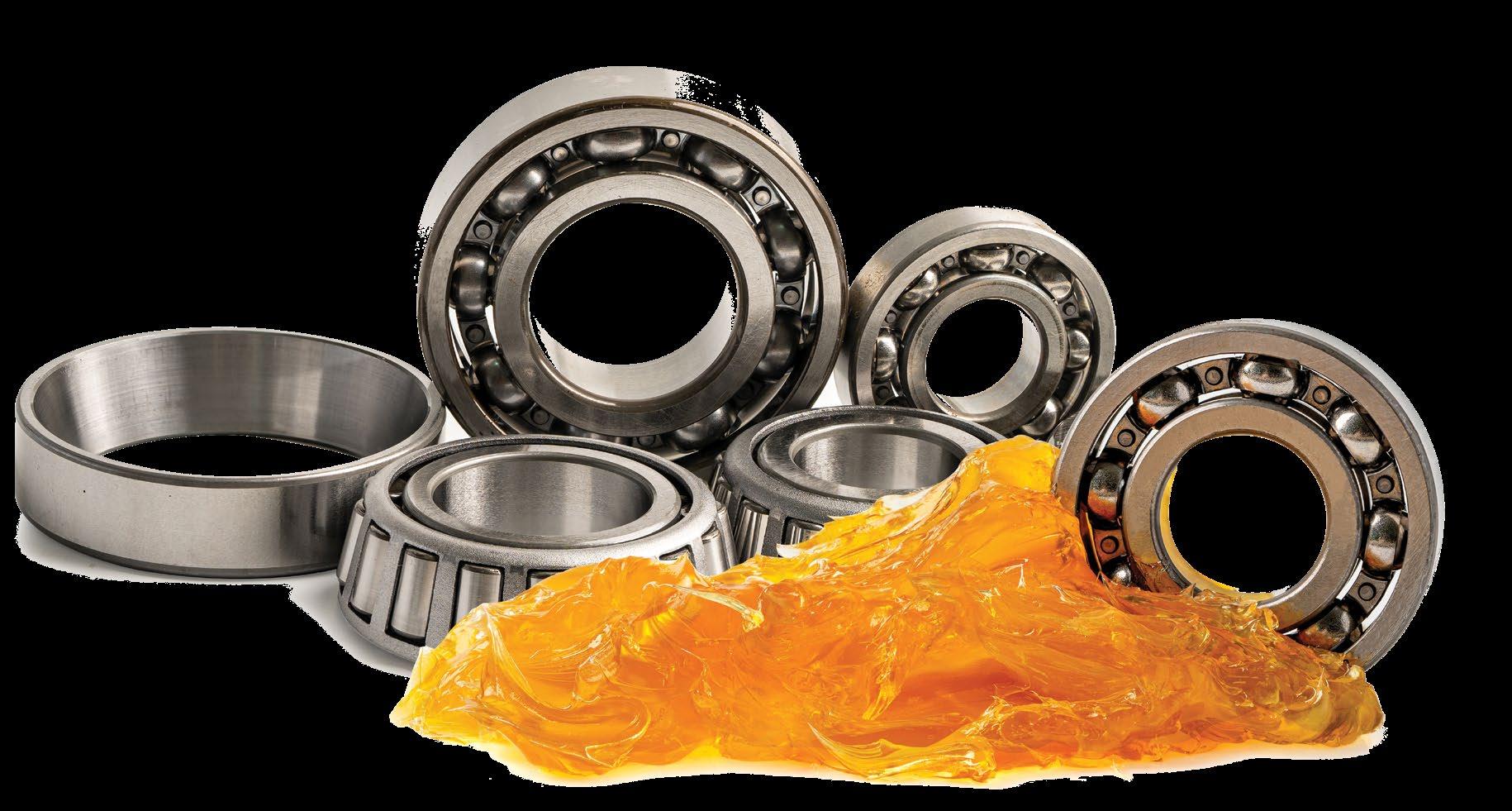
Getting the balance right between bearings and correct lubrication can be a challenge but is essential to maximising bearing health and longevity. Here Jay Goodgame, MRO Sales Specialist and Lubrication Product Manager at Acorn Industrial Services and Andy Fletcher, Bearing and Maintenance Product
Manager discuss common lubrication and bearing mistakes they have seen over the years that have impacted bearing health, and illustrate the point using an offshore engineering example.
For many years Andy worked in R&D and in application engineer roles at a
leading bearing manufacturer and Jay is a commercial and technical specialist in lubricants, sealants, adhesives, and MRO products. In their roles at Acorn, they have seen a lot of the dayto-day challenges and mistakes from engineers and maintenance teams that encourage premature bearing failure.
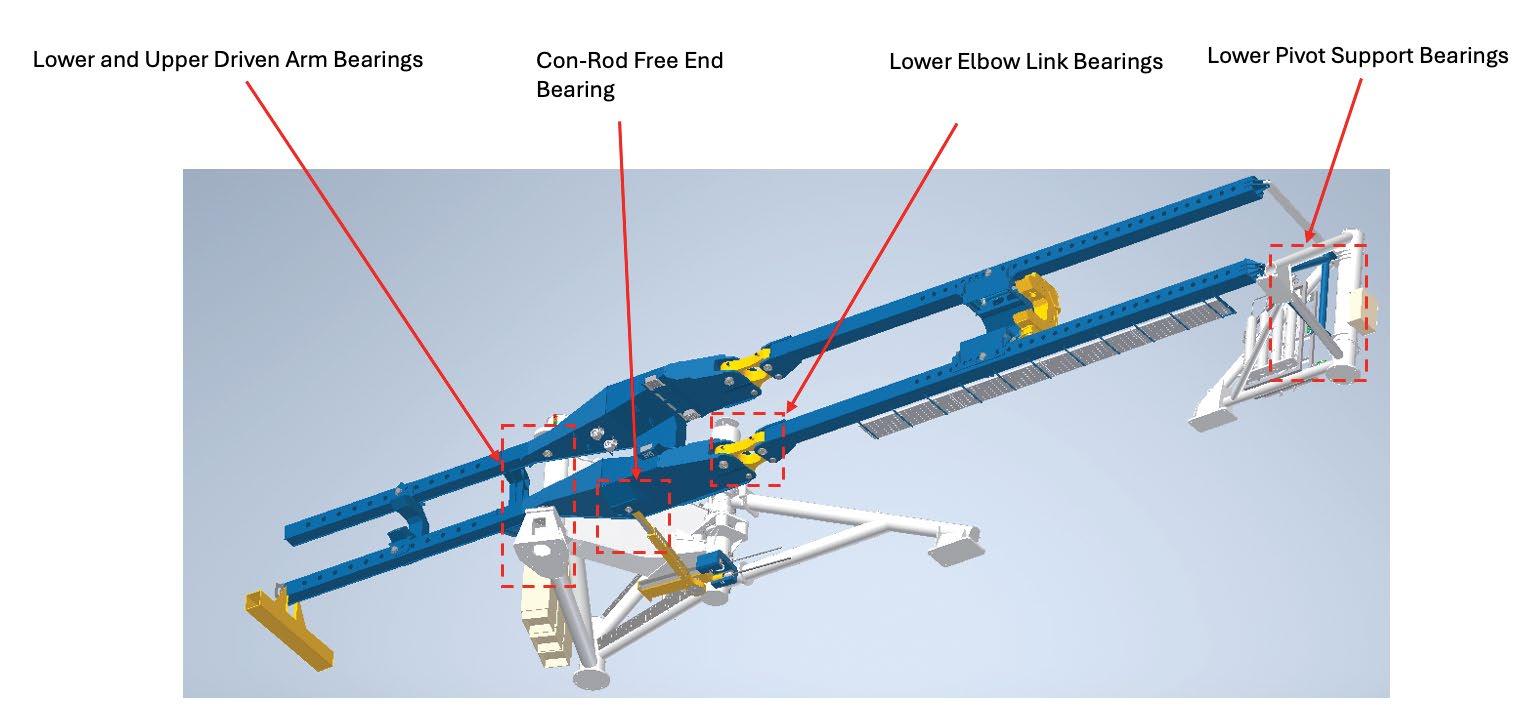

Lubrication mistakes
When it comes to lubrication, the most common reasons for bearing failure can be summed up in three words: ‘over’, ‘under’ or ‘wrong’. Here are Jay Goodgames thoughts on the subject:
• Over-lubrication must be the number one reason for premature bearing failure that I see in my daily work. Too much grease or oil increases the friction and heat for the bearing, leading to seal damage and eventual bearing failure. It is usually easy to spot over-lubrication when it gets to this stage, as there will be grease leakage, an increased temperature during operation or additional noise.
• Conversely, under-lubrication is almost as bad for bearing longevity, as insufficient amounts of grease or oil leads to metal-to-metal contact that inevitably leads to wear and overheating. The tell-tale signs of under-lubrication are a high operating temperature, unusual vibration and premature wear.
• Third on the list is using the wrong lubrication for the application or mixing incompatible thickeners or base oils. With different grease or oil viscosities and base types there is no guarantee that they will be able to handle the speeds, loads or temperatures thrown at them during normal operating conditions.
The signs of the wrong lubricant use will usually be accompanied by excessive wear, noise, machine or grease breakdown and/or clogged lubrication paths.
Avoiding lubrication mistakes
So, how is it possible to avoid these common mistakes and get bearing lubrication right? Firstly, it is important to pay attention to OEM’s specifications for grease type, quantity and lubrication intervals, that are usually based on bearing size, speed, operating temperature, load and environmental conditions. If the manual advice isn’t
specific enough, then calculations for grease volume from leading bearing companies are readily available.
Correct lubrication reapplication is equally as important. Manufacturer charts - based on operational conditions, online calculators and lubrication schedule spreadsheets - are good. Also, using ultrasound or vibration analysis, infrared thermography, or checking grease colour changes are useful indicators of lubrication needs. Another thing to take into consideration is lubrication application method.
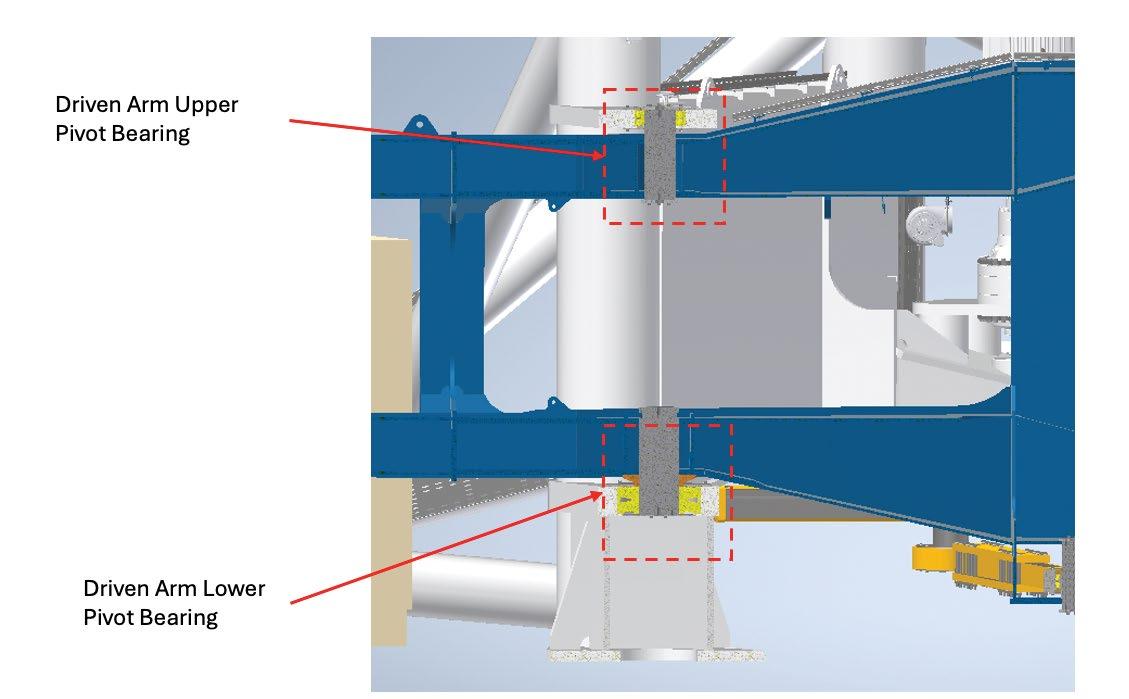
When wrong bearing choice and wrong lubrication collide
Andy Fletcher discusses what happens when the wrong bearing choice and lubrication collide:
Acorn was called in to help an offshore product engineering company solve a problem they were having with blackening grease on some large oscillating bearings being used in a rig destined for offshore usage. Two lubrication issues were highlighted. Due to the position of the bearings, the lubrication was being added from above, when they weren’t in full oscillation, which led to dissipation issues. Also, the grease was getting hot and cooking.
With regards to the bearings, the lower and upper pivot driven arms and elbow links featured spherical roller bearings that were showing signs of wear during the testing phase, prior to full-scale production of the rig. Unidirectional axial load was seen in most of the bearings and the rig’s use meant
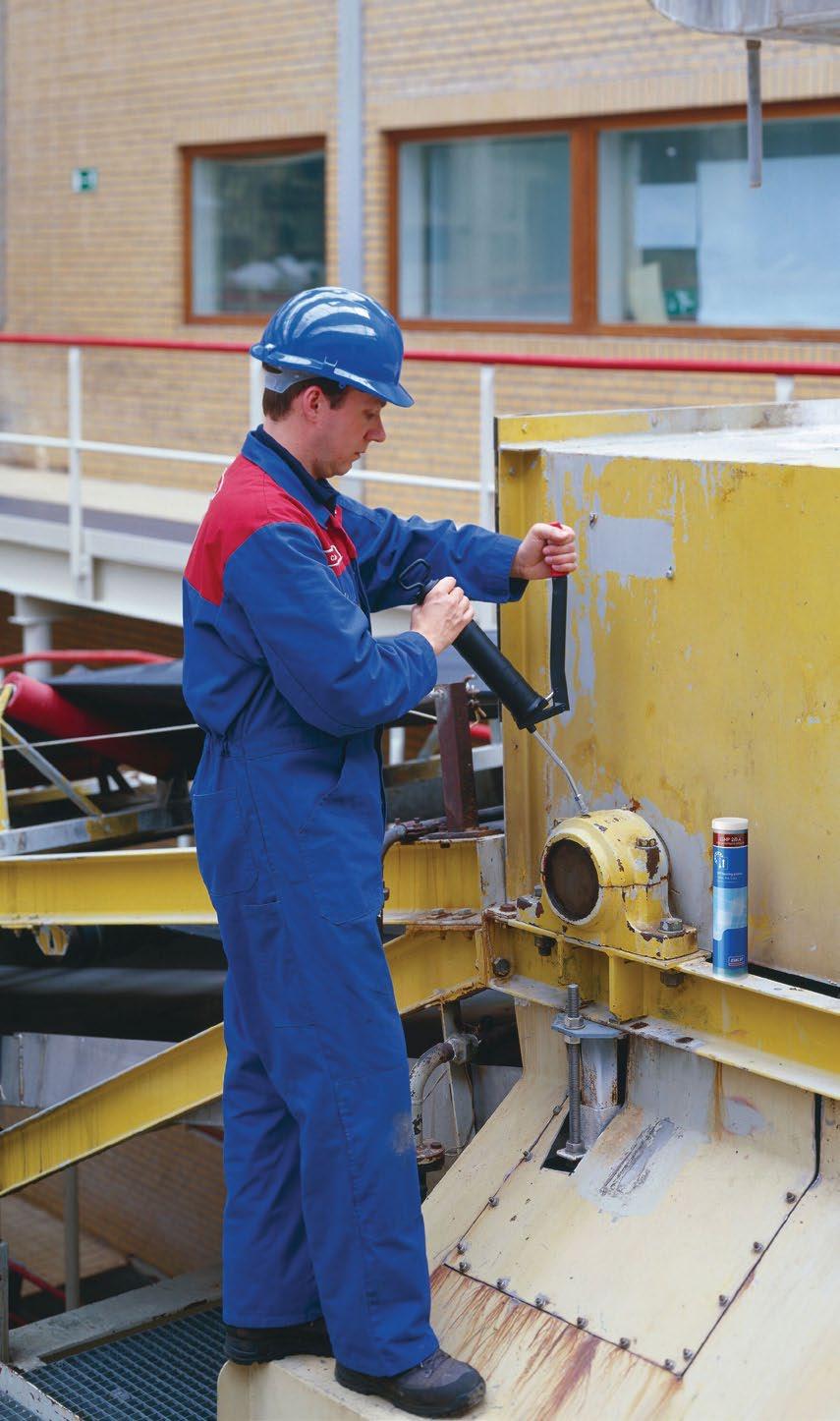
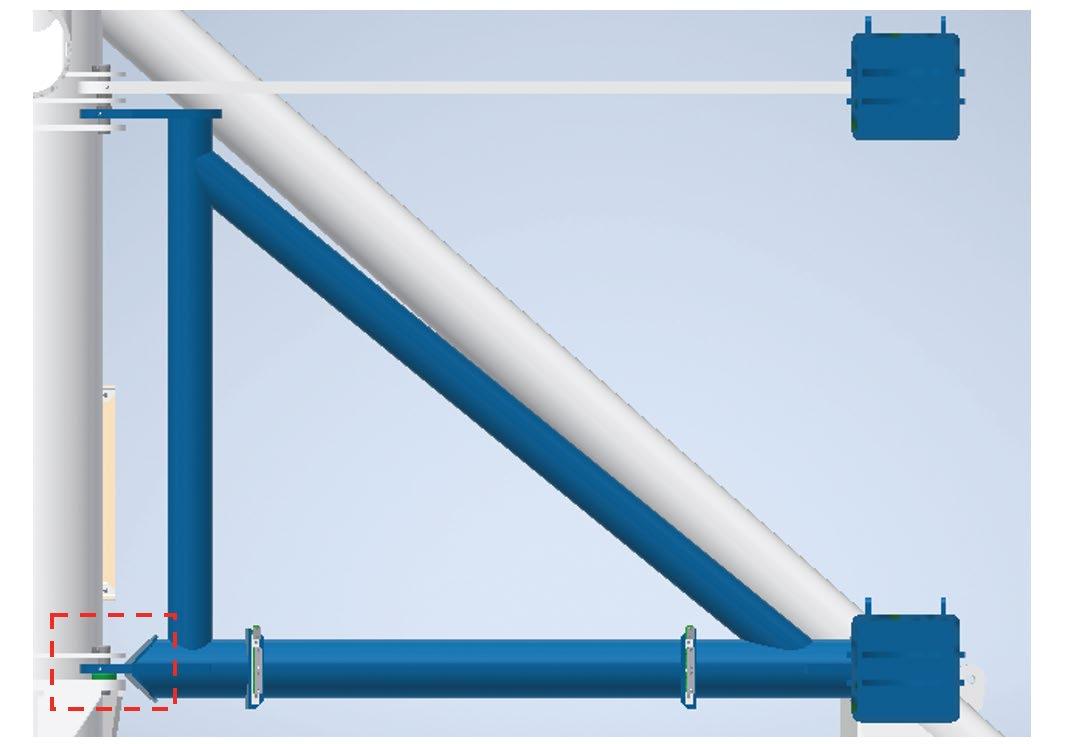
that these arms and elbow links would spend most of their lifetime at smaller oscillation amplitudes. On the removal and disassembly of the bearings to assess the problem further it became clear that false brinelling wear was being caused as a result of both radial and axial load and the bearings having only small angles of oscillation.
The design team had originally wanted to use spherical roller bearings on the rig to take advantage of their reduced resistance and subsequent ease of movement, compared to spherical plain bearings. Although improved efficiency was the end goal, the choice of bearing meant that the risk of premature failure was significantly increased in both the test and real-life scenarios.
Working with the design engineers, Acorn did a range of lifetime calculations on different bearing types - considering load and rotational constraints - to see if the same spherical roller bearing efficiency levels could be achieved by using smaller bearings, to minimise the effect of false brinelling as much as possible. It became clear that the spherical plain bearings originally recommended by Acorn were the only way to ensure bearing longevity and performance, as the test rigs were translated into their real-life equivalents offshore.
As a result, spherical plain bearings were installed to accommodate the smaller
oscillation amplitudes, eradicate false brinelling and overcome the lubrication application problem. In addition, a grease was specified that had a higher operating temperature. Thanks to the use of the right lubrication and bearings, the result is a solution that has minimised the risk of unplanned bearing failure.
The wrong choice of lubrication and bearings in applications is more common than would be first thought. One of the underlying issues is that the full technical capabilities of the chosen grease are not assessed or understood. This is where a distributor such as Acorn, with expert advisors who have specialised in their sector for decades, comes into its own. By piecing together manufacturer information and marrying it up with the requirements of the specific application, Acorn can advise on the best-fit solutions and troubleshoot where necessary.
Unnecessary wear, downtime and cost can be avoided if the right lubricant and bearing are chosen for the application, and relubrication is gotten right. So, if grease, oil and bearings keep things moving, shouldn’t you be paying more attention to what you are using and when?
For more information contact Acorn Industrial Services via email: enquiries@acorn-ind.co.uk or visit www.acorn-ind.co.uk
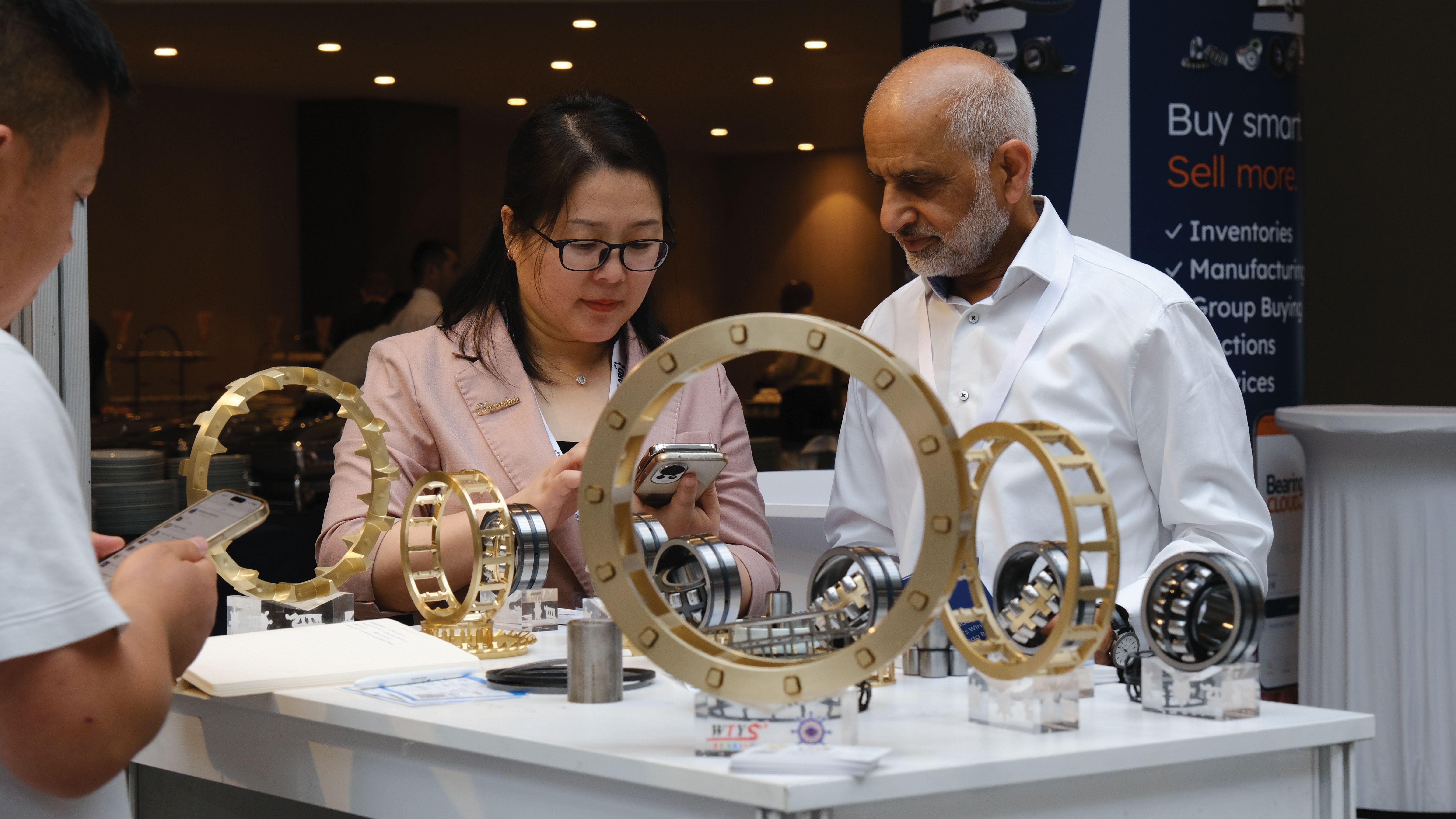
One year after separating from the NSK Group, Neuweg has relaunched as a fully independent bearing manufacturer. We sat down with Managing Directors Dominik Szell and Willi Castro-Santalla to discuss the company’s vision, values, and ambitions for the future.
“It wasn’t a new start,” begins Dominik, head of all commercial aspects of the business, reflecting on the company’s transition from its former parent. “It was a natural evolution. We inherited decades of expertise, strong customer relationships and proven technology — but independence gives us the agility to innovate faster, respond more flexibly, and put our customers’ needs right at the heart of our business.”
The past twelve months have been spent strengthening operations, investing in new technology, and shaping a fresh identity. Now, the company is ready to reintroduce itself to the market with renewed focus and ambition.
When asked about the company’s new direction, Willi, in charge of the business’ operations, is clear: “Our vision is to be more than a supplier of bearings. We want to be a true solutions partner. That means not just delivering products, but helping our customers increase reliability, reduce downtime and lower total cost of ownership.”
With plans to develop its historical presence into new sectors and geographic markets, the company is positioning itself as a forward-looking partner for industries ranging from agricultural machinery and
commercial vehicle engine accessories to industrial automation and robotics.
Innovation at the Core
Neuweg is placing innovation at the heart of its strategy. Recent investments in advanced manufacturing technologies and R&D are already bearing fruit.
“Technology will always evolve,” Dominik reflects, “but what really sets us apart is the way we collaborate with customers to tailor solutions. Whether it’s higher loads, extreme environments,
or unique machinery, we’re developing bearings designed specifically for their future needs.” “We see ourselves as engineering partners, not just component suppliers,” explains Willi. “That means co-developing bearing designs with our customers to solve complex challenges and help them stay competitive in their industries.”
As a critical component in machinery worldwide, bearings leave no margin for error. Neuweg is keenly aware of this responsibility.
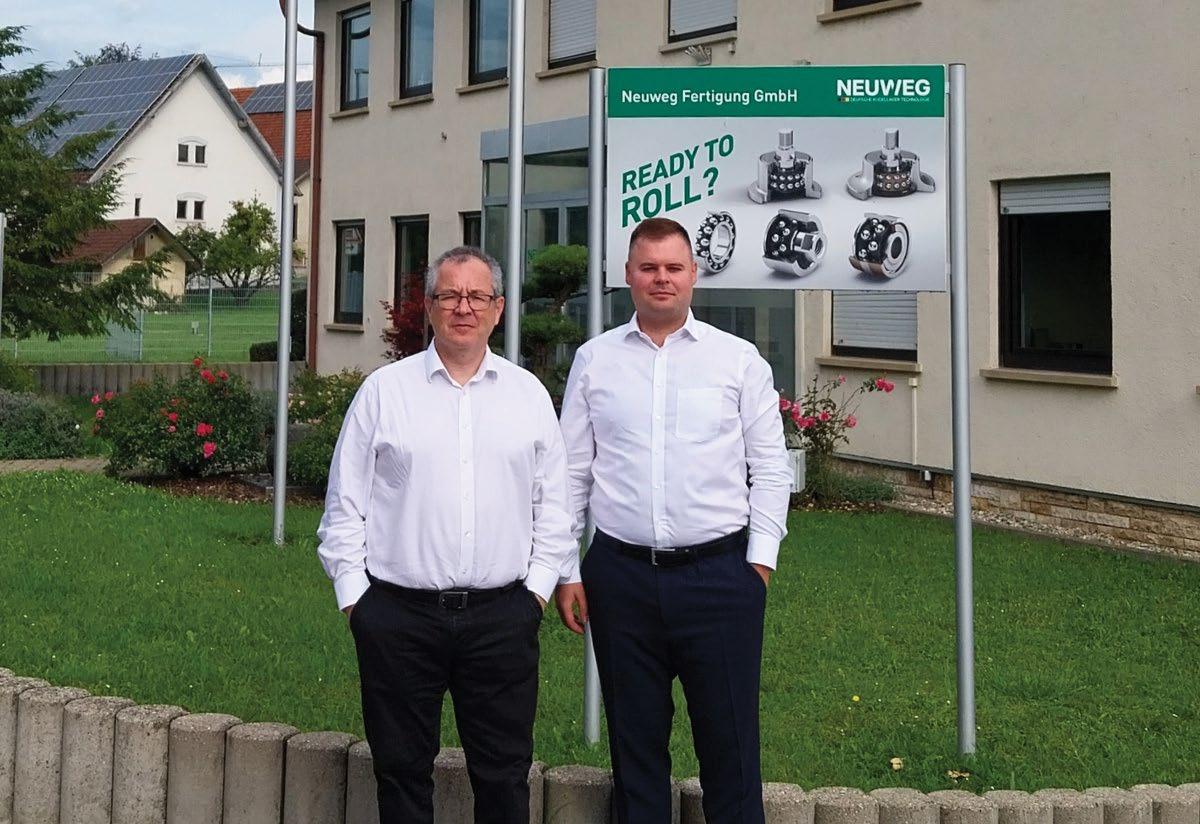
“Reliability is non-negotiable,” says Willi. “We back our products with world-class testing and internationally recognized certifications. Our customers trust us because we deliver consistency and quality every time.”
Neuweg stands out in the bearings industry as a pioneer of the Agri Hub Unit, and it’s premium AHU range comes with a staggering 5-year No Quibble Guarantee against failures in the field. Dominik explains “we have never experienced a failure of our Agri Hubs, and our customers know that our products protect their brand value”.
Sustainability is another area where the company is making strides. From energyefficient production processes to recyclable materials, Neuweg is embedding responsibility into its operations.
“As manufacturers, we have a duty to reduce environmental impact,” notes Willi. “Our customers expect it, and it’s the right thing to do. We’re building bearings that support a sustainable industrial future.”
Despite the focus on technology, Dominik is quick to stress the human element. “Our
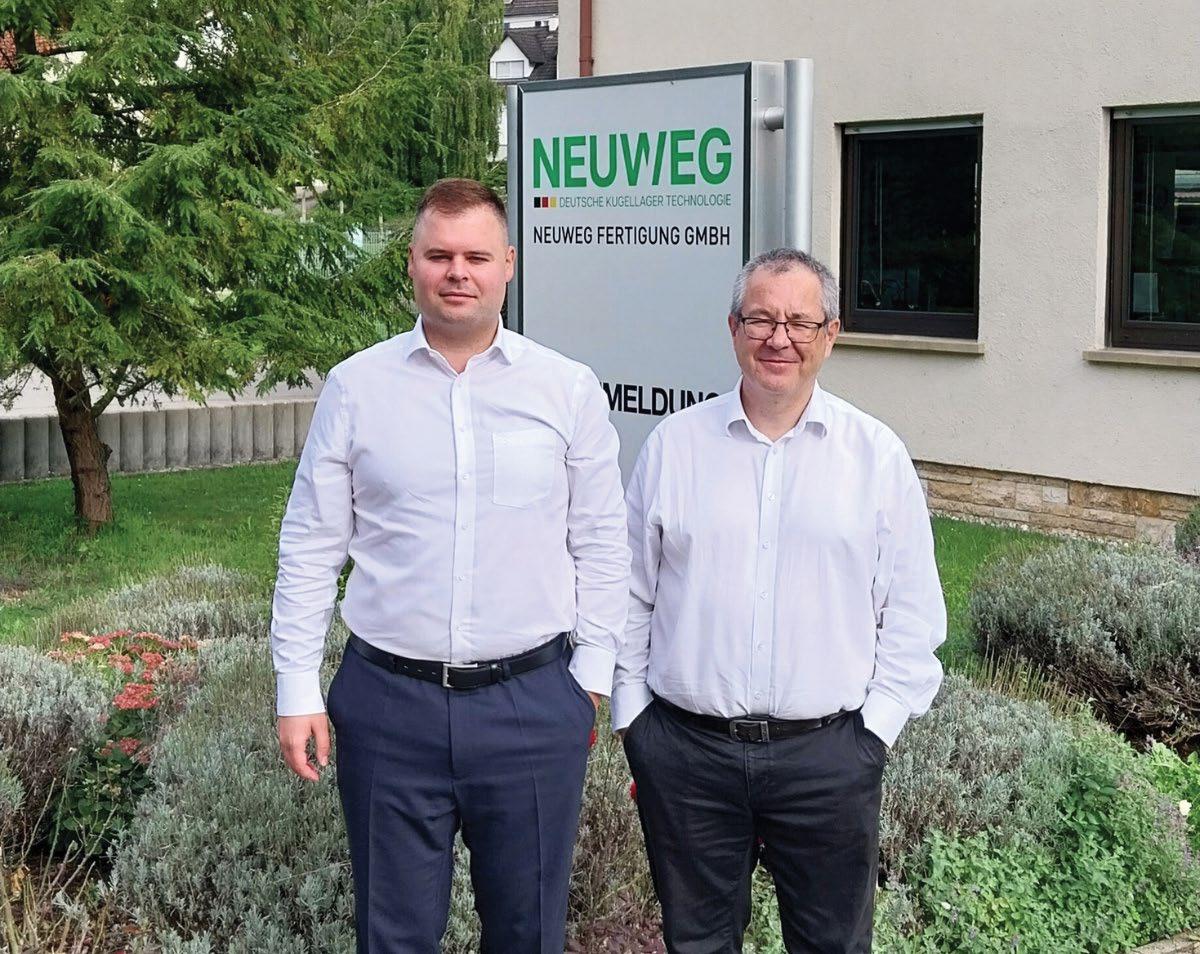
people are our strength. We’ve invested heavily in training and apprenticeships to develop the next generation of engineers. A culture of innovation, precision, and customer-first thinking runs throughout the company.”
Willi continues “we are so proud that our people have risen to the challenges and possibilities of independence. All great companies are built on the collective passion, skills and dedication of their people … and Neuweg is no exception.”
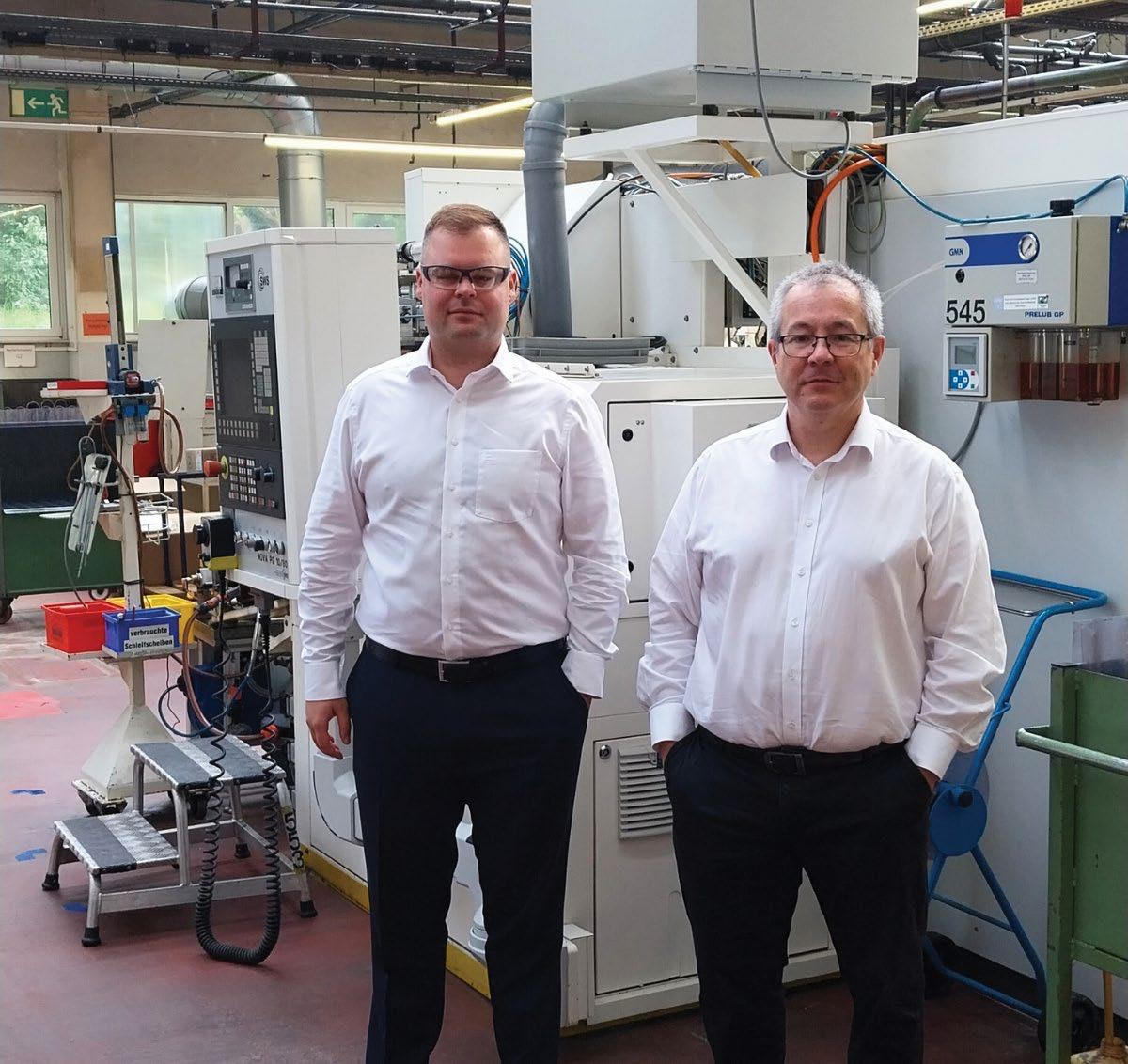
Looking ahead, Neuweg is confident in its new path. Expansion, innovation, and partnerships are on the horizon. But for Dominik, it comes back to one central theme: trust.
“We’re proud of where we’ve come from, but our focus is firmly on the future. Customers can rely on us to be agile, reliable and forward-thinking. We’re building a company that doesn’t just supply bearings — we help industries move forward.”
Neuweg was acquired from the NSK Group in August 2024. Founded in 1954, 35 years of which were as a part of the NSK Group, the company has forged close relationships with key global manufacturers of industrial machinery and automotive engine components.
The acquisition made Neuweg a part of British investor, Steve Lord’s industrial strategy, and he was joined by Neuweg management team, Dominik Szell and WilliCastro Santalla in the management buy-in / buy-out of the company.
Neuweg is a leading independent bearing manufacturer, serving industries worldwide with precision-engineered solutions. Building on decades of expertise, the company combines quality, innovation and customer focus to deliver reliable products that power critical applications across all facets of industrial automation.

Industrial sales have always been difficult however teams and leaders alike share how more difficult sales has become this year. Leaders are looking for ways to adapt to the sales environment and decisionmaker’s of today. If I am asked about the best sales approach for B2B industrial sales my response often surprises leaders. All the various sales methods have some value, and if used in the right sales environments and with application to your industry, they will add value.
The good news is we do not have to rely on our past experiences, gut, intuition or biases, there is research on B2B selling. Gartner’s research and related articles identify three core approaches that B2B salespeople use to engage customers with information:
Giving: The “more is better” model—sharing lots of collateral, data, specs, features, and benefits upon customer request (informationheavy). I do not recommend this show up and throw up approach today.
Telling: An expertled approach where the rep relies on personal authority or experience to guide decisions (trusted voice).
Consultative Sense Making: A consultative sales model where the salespeople assess, sense if you will, with discovery questions where the decision maker is in their buying journey. This approach helps the buyer make sense of existing, often conflicting, information, prioritizing sources, clarifying trade-offs, and guiding customers to the best
solution. This method requires a great deal more sales skills, empathy, collaboration, facilitation, emotional intelligence, and market, industry, and competitive intelligence than other approaches.
Quick question: What approach do your salespeople use today?
What could be stalling your B2B sales according to Gartner’s survey? While 89% of B2B buyers find most of the information
they encounter to be high quality, too much of it, especially contradictory, makes decisionmaking harder and leads to downgraded or stalled sales.
What Is the Consultative Sense-Making Approach?
At its core, Consultative Sense Making is about being a trusted guide (trusted advisor) through the information overload. We guide our customers through all the information, assessments, questions, and design applications, and we help them arrive at their desired outcome.
Instead of inundating, pitching, or directing, the salesperson actively helps the buyer make the best decision based on their experience, data gathered and training that drives the customer's desired outcomes. This is particularly effective in our industry, as many salespeople have an engineering or technical service background.
This approach positions your salesperson and your company as industry experts and will increase the lifetime value of current and new customers.
What are examples of questions your salespeople must ask in addition to common technical discovery questions today?
• Help me understand your decisionmaking process today?
• What happened that made your team want to improve this now?
• Where are you in the finding a solution? ( Investigation education, narrow down solutions, choose ideal solution, conducting an air audit…)
• What options are you considering?
• Is there information you find confusing or contradictory that I can help you with?
• What is your desired outcome, and how will you measure it?
From my experience as the sales training manager at one of the leading bearing manufacturers, the best questions start with what, how, where, when not why. “Why” makes the decision-maker guarded and less open to share information you need.
A common fear among salespeople is being
seen as a pushy sales rep. The quickest way to make your customer feel like you are a pushy sales rep is by not understanding where they are in the decision-making process, what they have already considered, and what they need.
In practice, sellers using Consultative Sense Making act as an information guide, detecting the right customer needs, delivering insights, simplifying complex data, and working alongside buyers to co-create clarity. This approach fosters confidence, minimizes skepticism, and is strongly linked to higher-quality deals.
In our current environment of more information decision-makers could ever use one or two clicks away, and more competition than ever, salespeople who are skilled at consultative sense-making are the top producers in their industry.
Help your salespeople develop Consultative Sense Making questions for your products and services and you will increase your close rate while shortening the sales cycle.
If you would like to help your sales team become industry trusted advisors and help their customers make sense of all the information they have, let’s schedule a call.
Author:
Mark Roberts is a senior-level sales and marketing leader with over 38 years of experience driving profitable sales growth in market-leading organizations.
He has done so at Timken Bearings, Alpha Enterprises, Vantage Mobility, Gardner
Denver, and Frito-Lay. Mark is an author, public speaker, Scaling-Up coach, sales skills trainer, and sales acceleration coach. He has helped scale several manufacturing companies.
In 2018, he received the Business Excellence Award from NSME, and in 2019, he received the Highspot Sales Enablement Award. Sales Hacker Inc. also recognized him in the Sales Enablement Category. He was recently recognized in Soar to Success Magazine for his data-driven approach to growing sales and profits and for his human-to-human sales training and coaching in Top Sales Magazine.
Mark is the founder of OTB Solutions, LLC, and the popular business development blog www.nosmokeandmirrors.com, which is ranked #1 in fixing sales problems. As founder and president of OTB Sales, he helps clients diagnose and improve revenue, profits, and shareholder value. His new book, Driving Explosive Growth, is a nononsense approach to growing your business profitably. It was released in 2023, along with his book Voice of Customer which shares how to gain actionable strategic insights from your customers to drive revenue and profit growth.

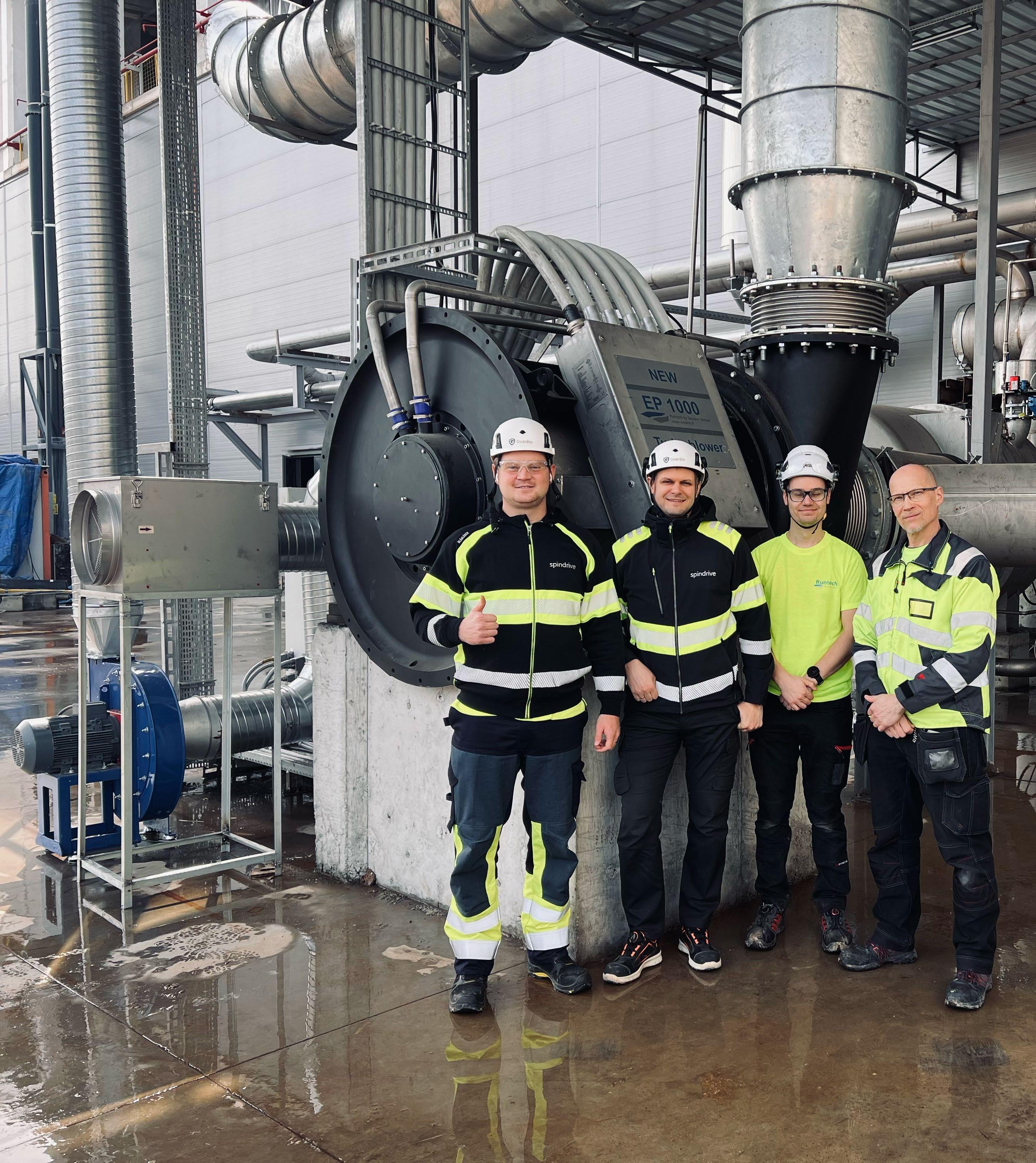
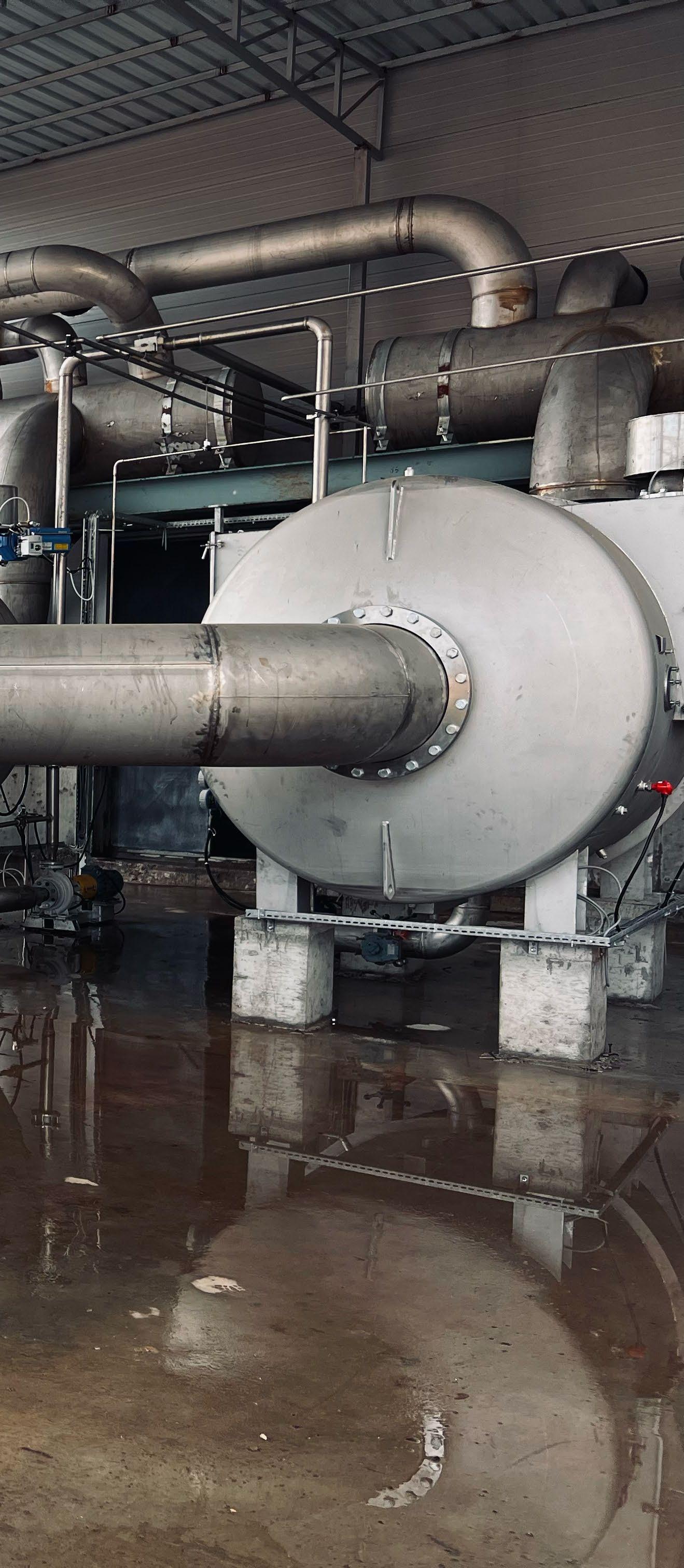
SpinDrive raises growth funding to scale magnetic levitation bearing technology for more efficient, cleaner industrial machinery
Half of global electricity use and 11% of global carbon emissions stem from electric motor-driven machinery used in industrial manufacturing. SpinDrive’s frictionless, oil-free active magnetic bearing (AMB) products enable energy efficiency improvements of up to 50% over traditional technologies. SpinDrive’s Magma X800 product has a fast-growing installed base in applications such as turbo blowers, turbo compressors, and turbo expanders, among others. This growth round funds market expansion and the introduction of Magma X100, bringing AMB technology to a new market of lower-power applications.
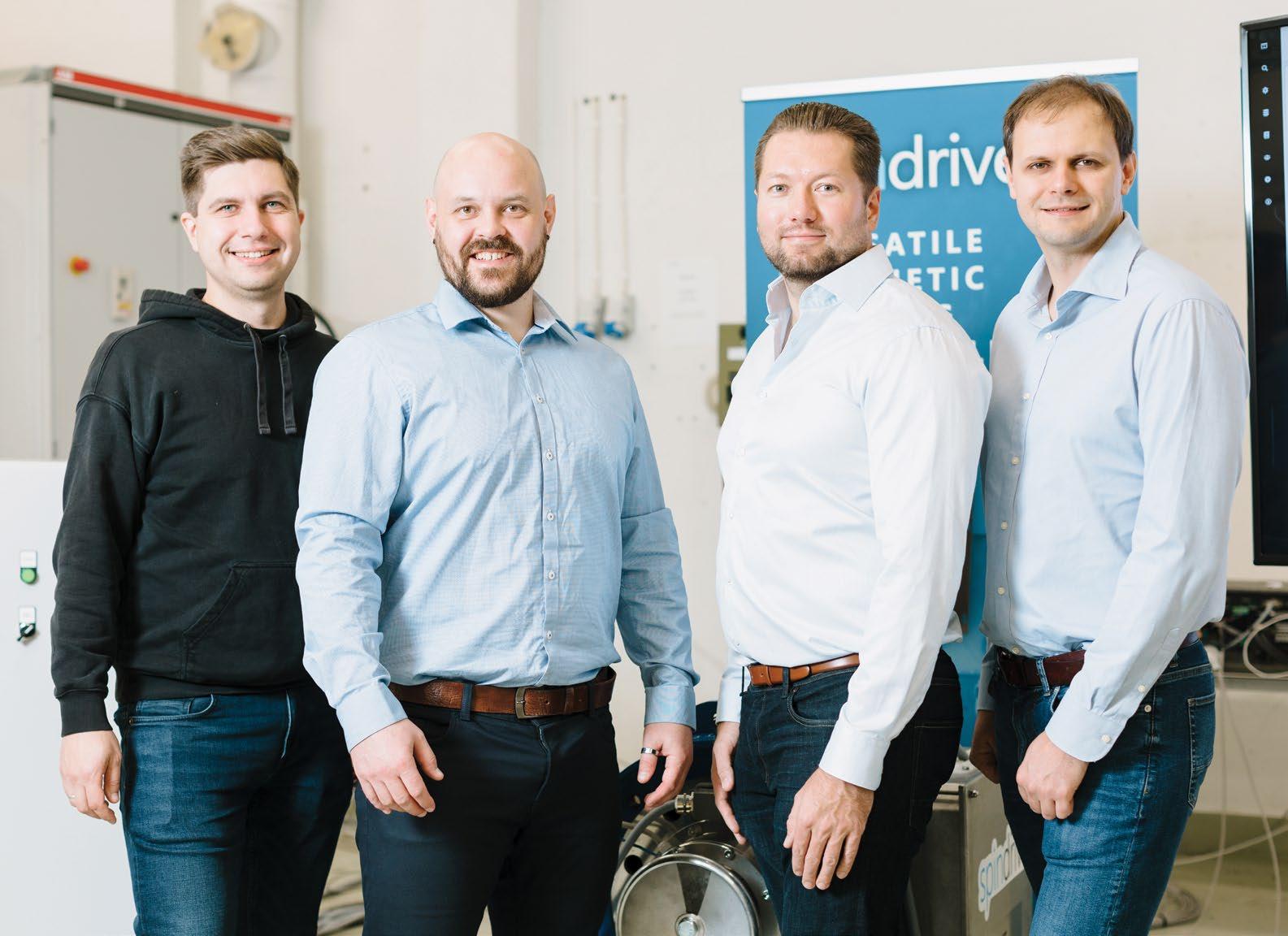
SpinDrive, a Finnish company providing market-leading active magnetic bearing (AMB) systems, has raised new growth funding. The company’s frictionless machinery products enable industrial endusers and original equipment manufacturers (OEMs) to achieve higher energy efficiency and productivity, while reducing operational emissions, maintenance costs, and pollution from oil-based lubricants.
The funding will be used to increase support for SpinDrive’s growing U.S. customer base, expand its U.S. market presence, and launch the company’s new Magma X100 magnetic bearing controller product line. Long-time investors, U.S.-based Rhapsody Venture Partners and Innovestor of Finland, led the round. The funding follows a period of rapid scale-up for SpinDrive, which has deployed Magma X800 systems with customers in Germany, France, the U.S., Finland, and other countries.
“In the past two years, we’ve significantly increased our customer base to include several multi-billion-dollar companies with stringent requirements. This growth capital allows us to accelerate further our build-up of sales and customer services. Alongside, we’re excited to introduce Magma X100 to the market. Magma X100 brings the benefits of AMBs to applications for which there has been no technical solution to date. Our new product is small in form factor and a fraction of the cost of existing AMB systems. We believe the benefits of AMBs will revolutionize a broad new set of appliances and machinery,” said Janne Heikkinen, CEO of SpinDrive.
Traditional industrial bearings rely on oil lubrication and mechanical contact between moving parts, leading to energy loss, wear, and frequent maintenance cycles. Bearings are among the most common components in rotating machinery. Their friction-related inefficiencies collectively consume vast amounts of energy, directly impacting the efficiency of electric motors in applications such as compressors, pumps, turbines, and blowers. According to the International Energy Agency, industrial electric motors account for nearly half of global electricity use, meaning that even small efficiency gains can yield major reductions in energy consumption and emissions.
SpinDrive's magnetic levitation bearings eliminate friction by suspending rotating components without physical contact. This frictionless operation delivers maintenancefree performance for over 20 years, removes the need for oil-based lubricants, and enables significant energy efficiency gains. In contrast to traditional ball bearings that require replacement every 12-18 months in high-speed applications, SpinDrive's systems
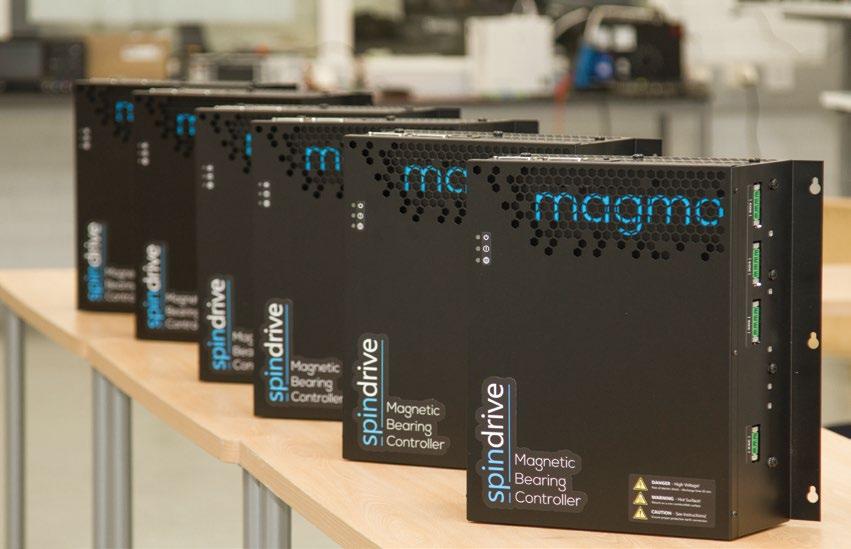
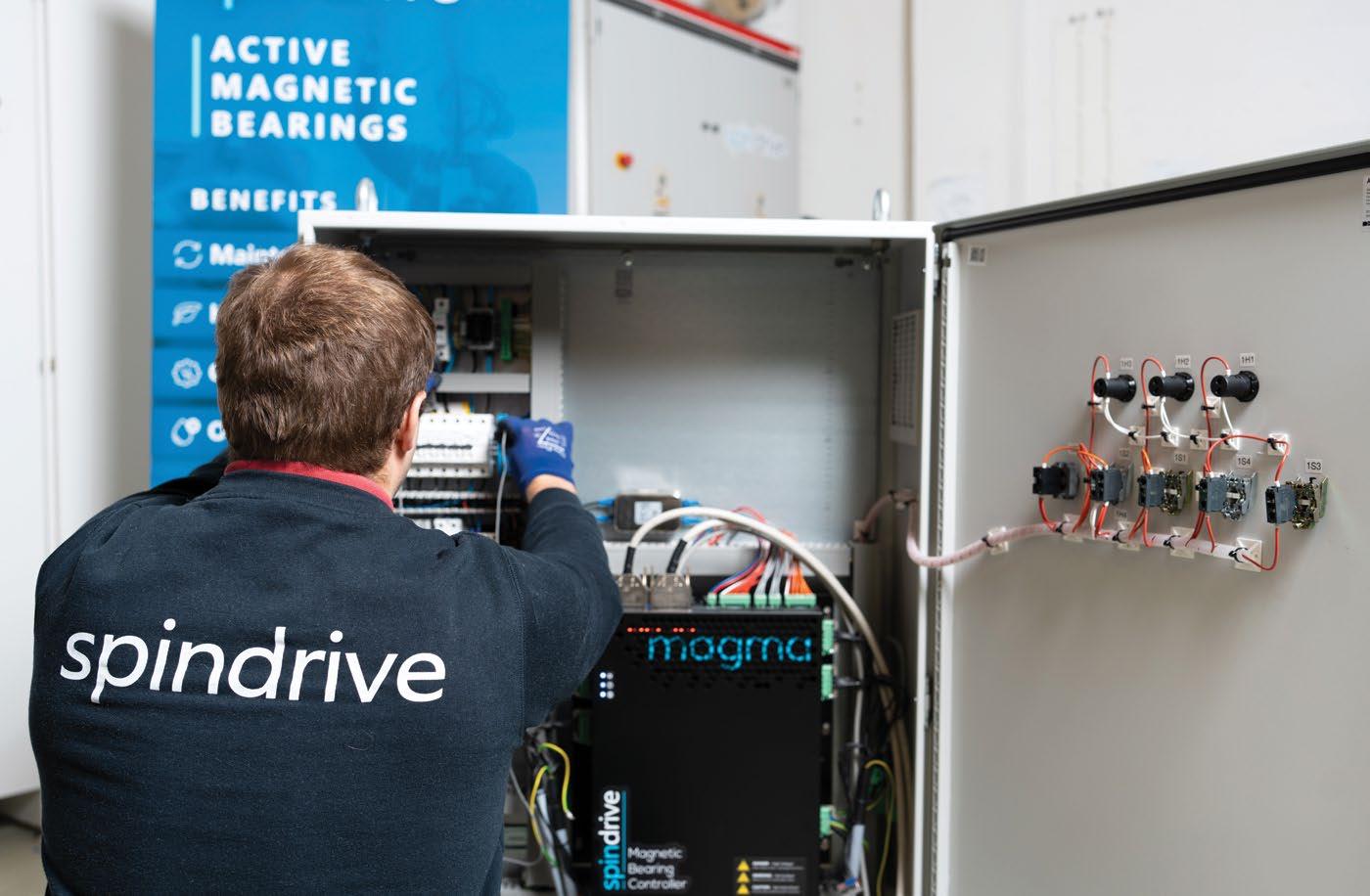
include integrated condition monitoring without external sensors, reducing overall equipment maintenance costs by over 80%.
A notable case demonstrating SpinDrive’s impact is a large-scale paper mill in Turkey operated with the equipment provided by Runtech Systems, where a RunEco EP Turbo
Blower with SpinDrive’s controller has delivered over 50% energy savings on a 1 MW unit, equivalent to nearly one kiloton of CO₂ mitigation per machine per year.
“Integrating SpinDrive’s active magnetic bearing controller has resulted in a major leap forward in sustainable production in
Magma X100 brings the benefits of AMBs to applications for which there has been no technical solution to date… We believe the benefits of AMBs will revolutionize a broad new set of appliances and machinery.
Janne Heikkinen, CEO of
SpinDrive
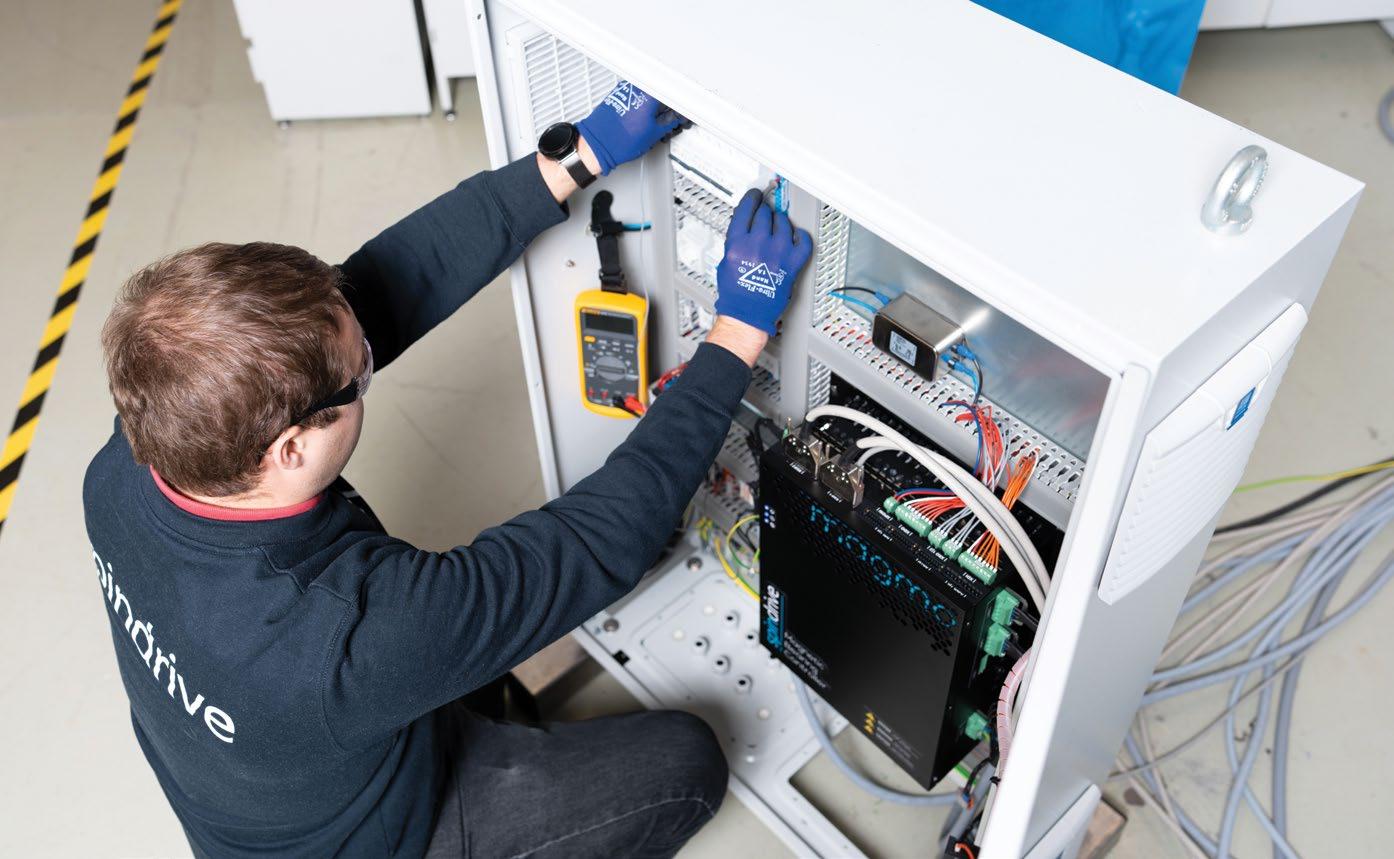
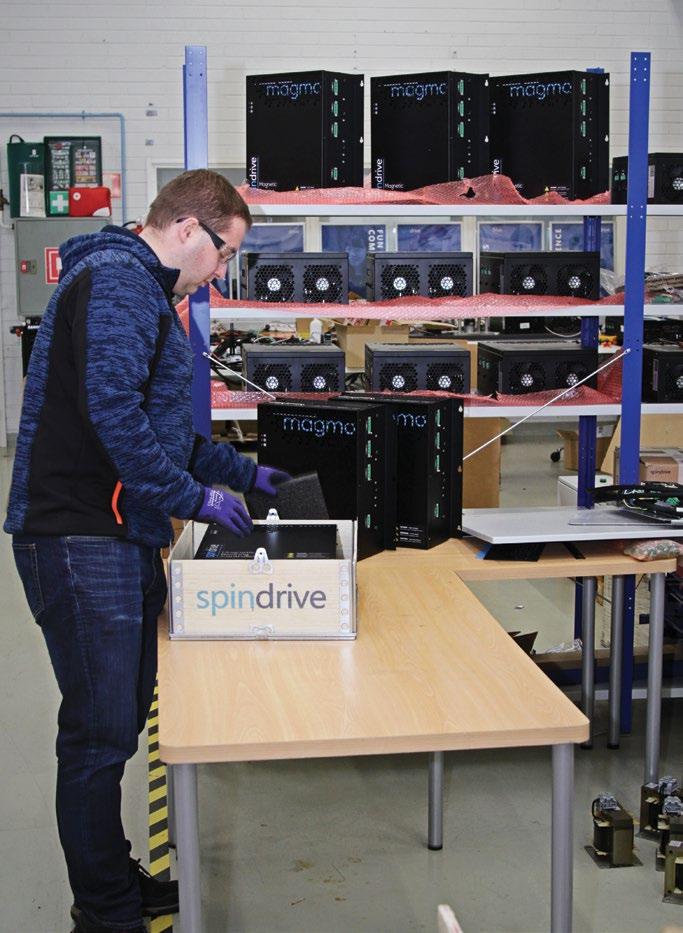
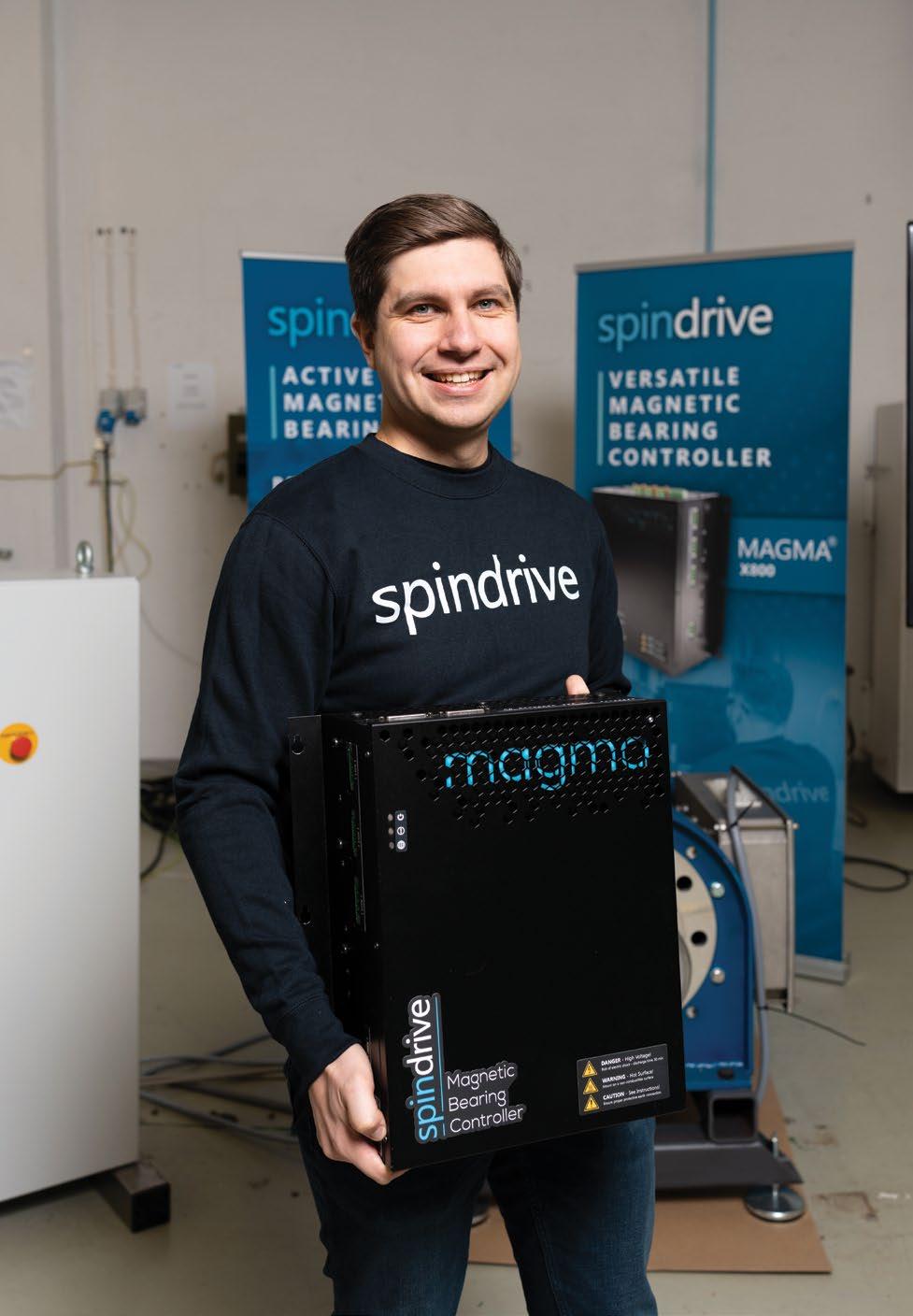
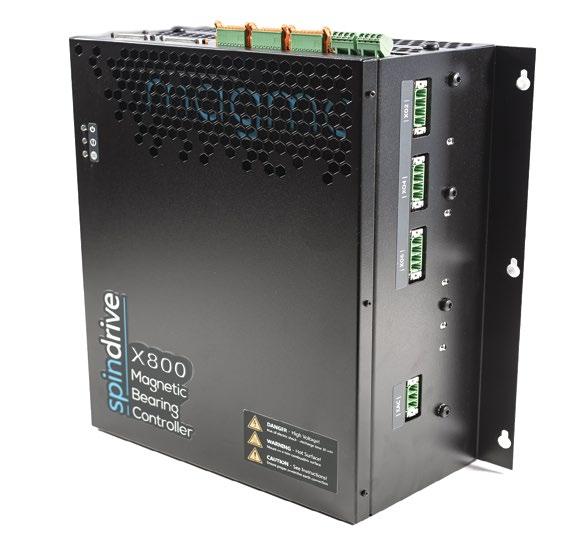
the paper mills of our customers,” said Ville Lahdensuo, Business Director at Runtech Systems. “We’ve seen exceptional energy efficiency and reliability from the solution in continuous operation. What’s more, we’ve been able to make significant savings by reducing costs from maintenance.”
SpinDrive has seen growing traction in the United States, both through direct customers and European OEM partners
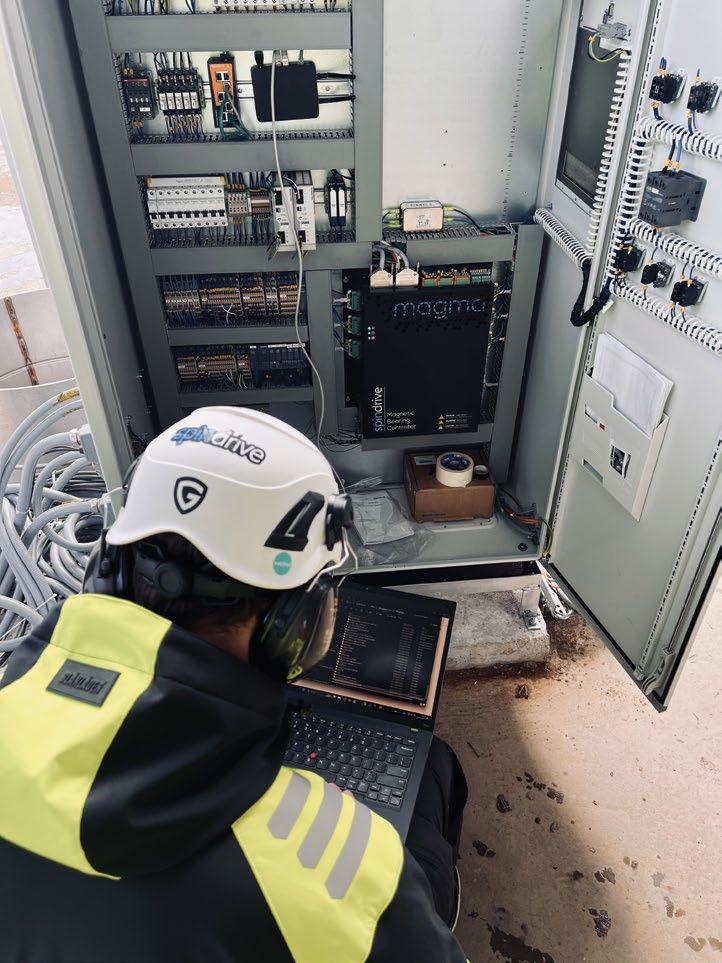
In the past two years, we’ve significantly increased our customer base to include several multi-billion-dollar companies…
Janne Heikkinen, CEO of SpinDrive
with U.S. operations. The company’s solutions are increasingly being adopted in sectors such as industrial cooling, heat pumps, wastewater management, and semiconductor manufacturing, where energy efficiency and reliability are critical. To build on this momentum, SpinDrive plans to establish a U.S. office in 2026 to provide local support and strengthen partnerships with North American manufacturers.
Integrating SpinDrive’s active magnetic bearing controller has resulted in a major leap forward in sustainable production…
Ville Lahdensuo, Business Director at Runtech Systems
The upcoming Magma X100 product launch extends the company’s technology to ultra-high-speed machinery below 100 kW output, enabling unprecedented access to the advantages of AMB technology to brand new markets and applications. Developed with support from the European Commission, the product is the company’s smallest, most affordable, and efficient system, and has already received commercial orders ahead of launch.
The global bearing industry represents a €120 billion market, with SpinDrive targeting high-speed rotating equipment where its frictionless technology delivers the greatest performance and efficiency advantages. The company aims for its technology to help mitigate 500 megatonnes of CO2 annually by 2050.



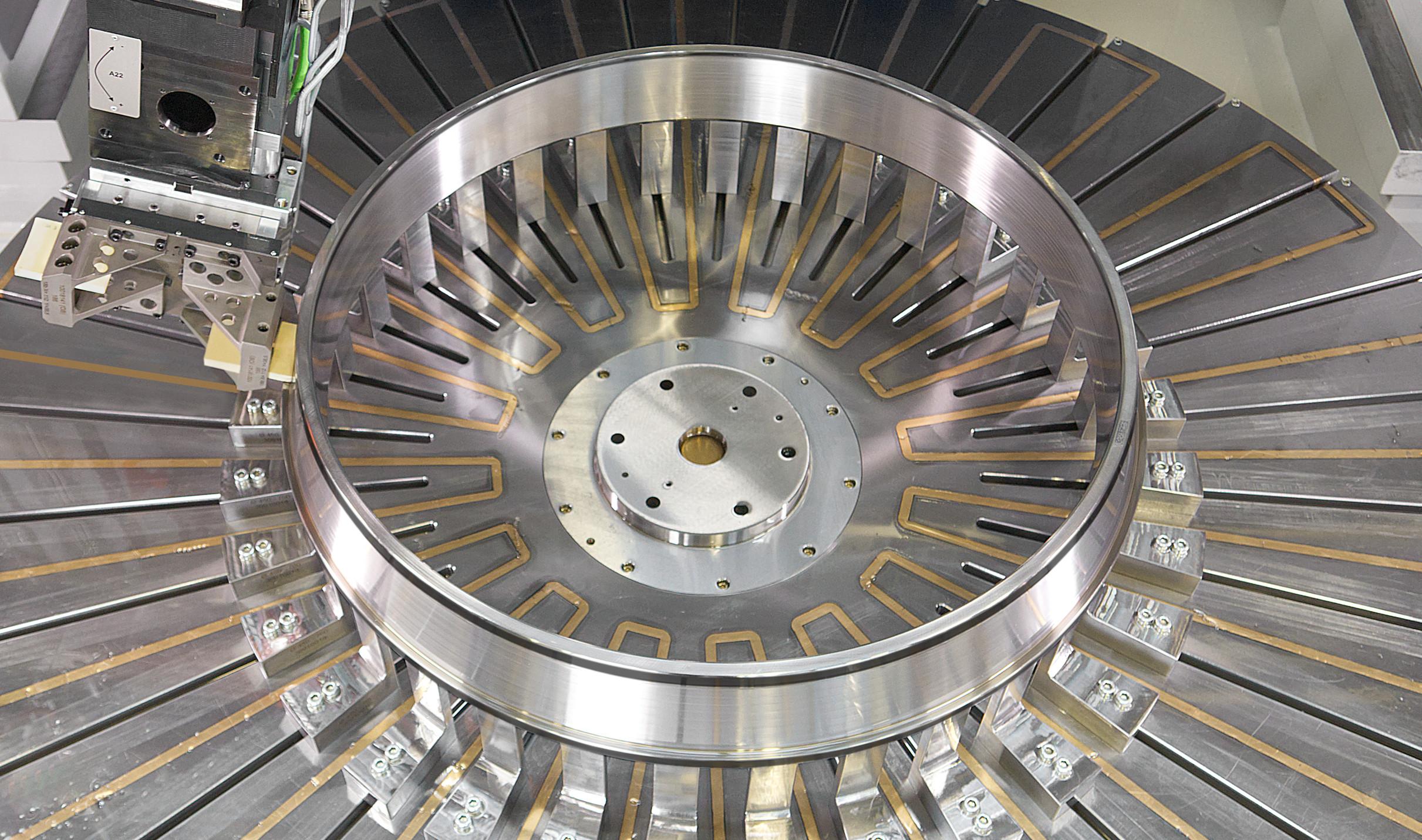
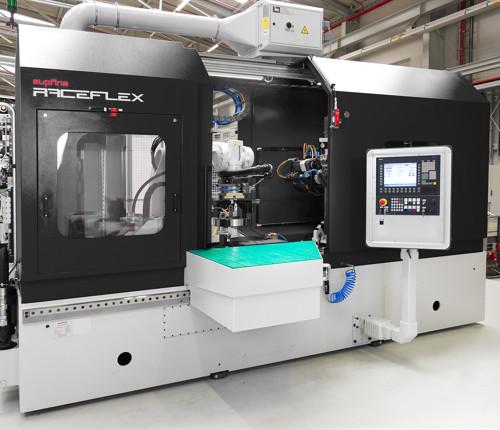

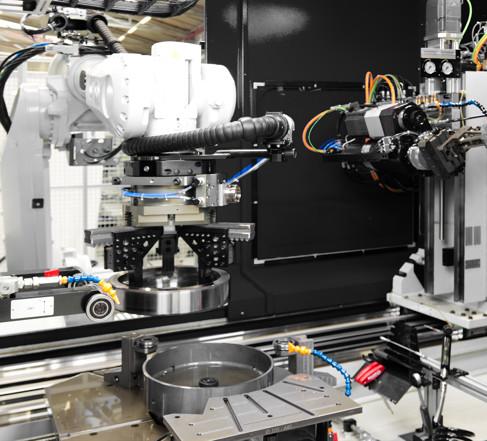

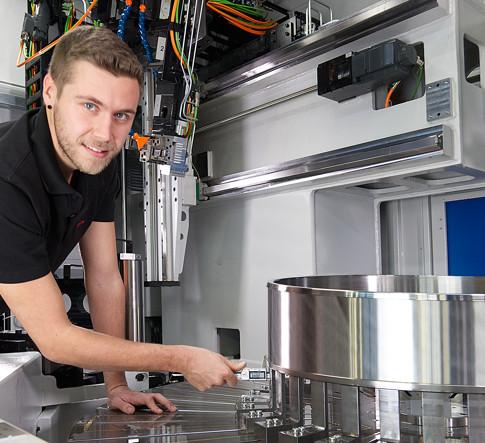

Racefinishingfortheperfectsurface
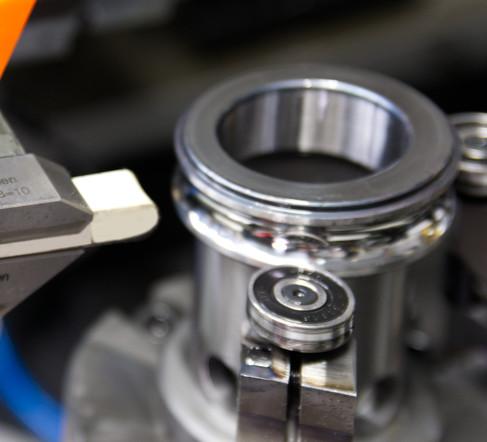

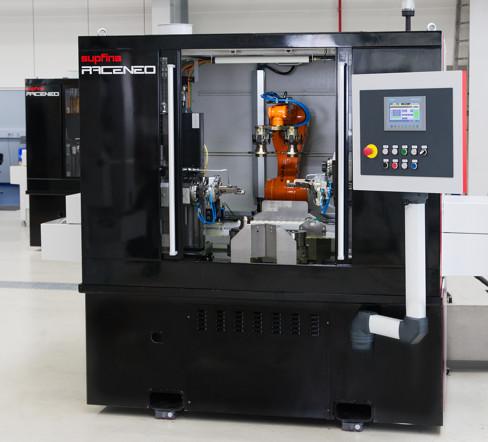

Superfinishingofantifrictionbearings–Innerandouterrings
Theworldofrollingbearingsisalmostendless.Fromthe giganticbearingsofoffshorewindturbinestothemicro bearingsofthesmallestvariabledisplacementmotorsin ourcars,awidevarietyofshapesandsizesareused.
Whethersmallbatchproductionorseriesproductionin flexibleproductionlines,wecansupplyyouwiththe mostsuitablemachineforprocessingyoursurface requirements,includingcompleteautomation.
Supfinaalwaysprovidestheappropriatesolution fortheperfectsurface.
Deepgrooveballbearings
Angularballbearings
Cylindricalrollerbearings
Taperedrollerbearings
Self-aligningrollerbearings
Areyoulookingfortherightsolution? Talktous!

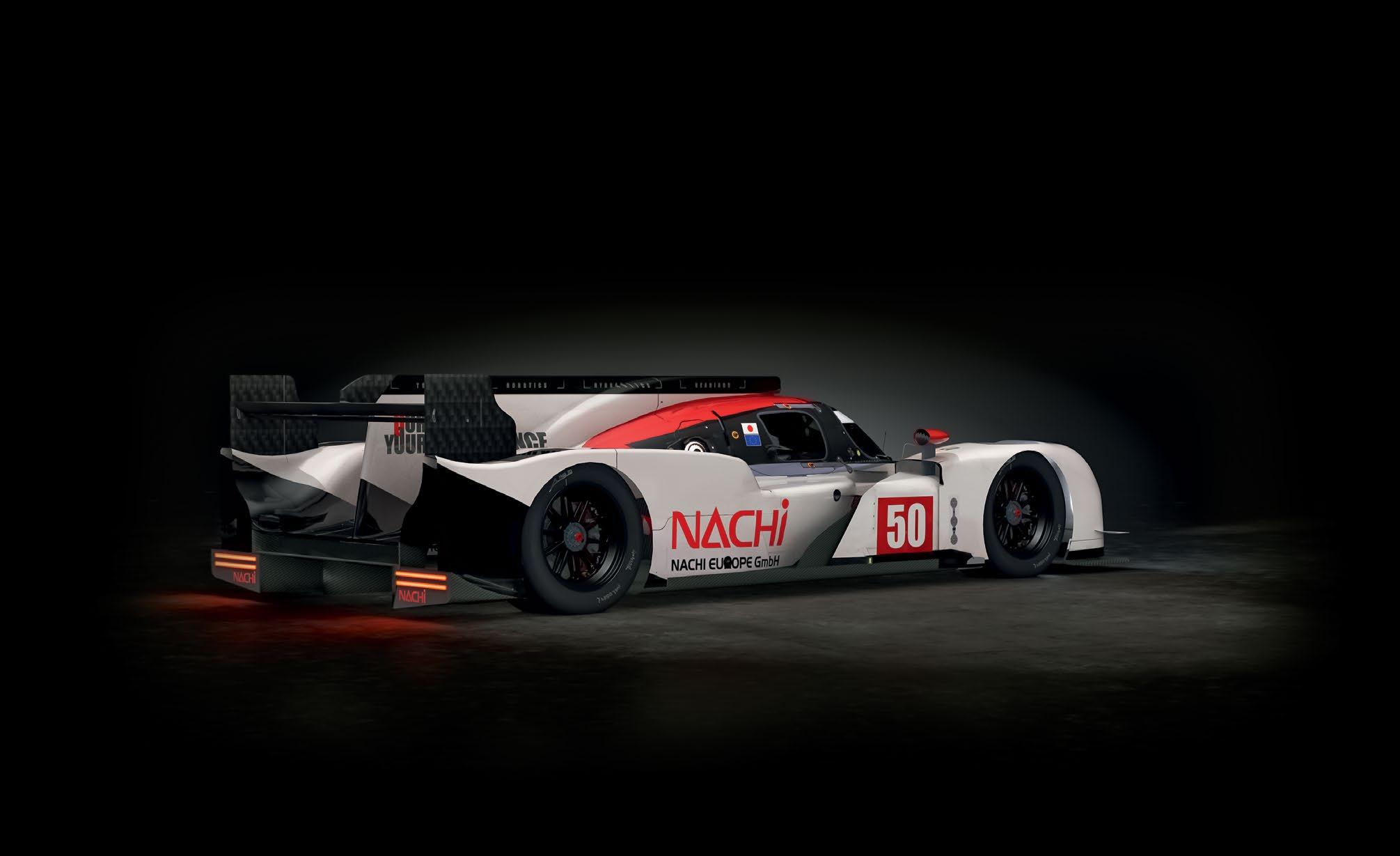
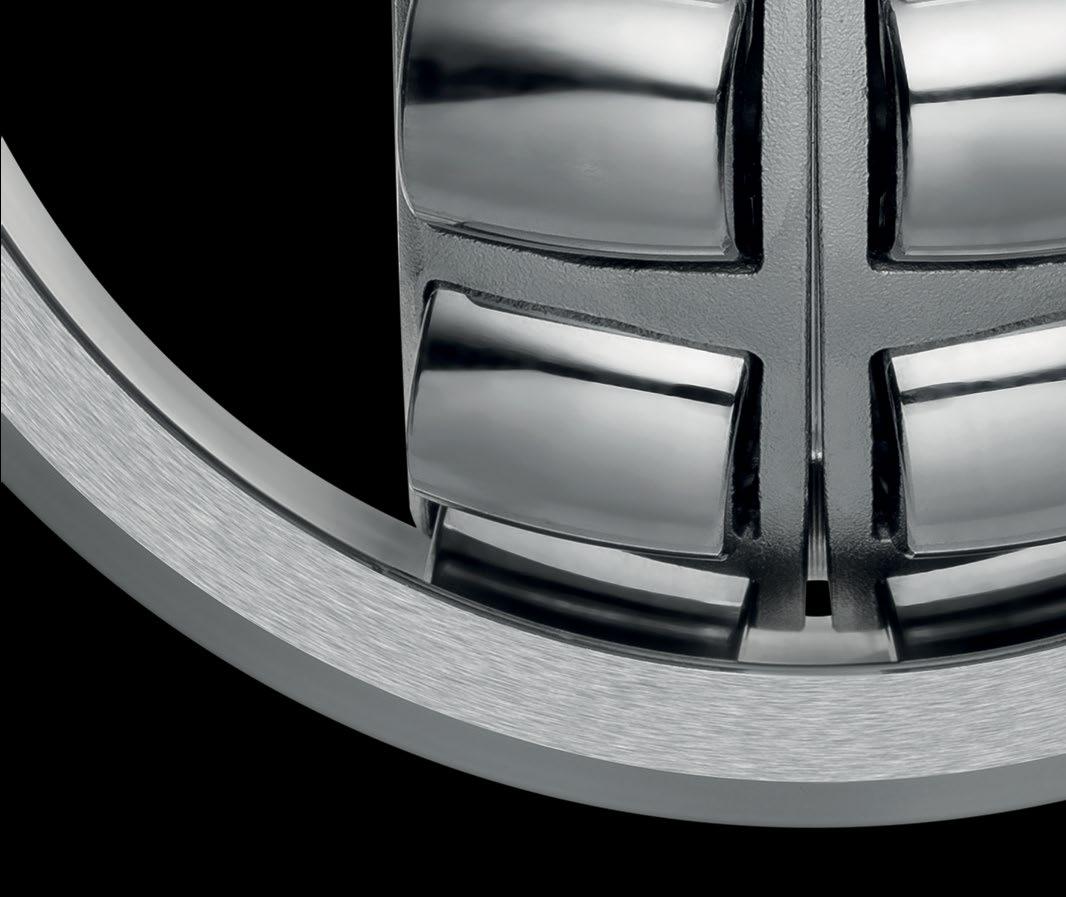

Highest quality – Made in Japan Outstanding performance and reliability extend NACHI bearing life. The comprehensive product range satisfies a wide scope of applications.