












The new animal pound and rehoming centre in Murwillumbah
The newly-opened Veterans and Families Hub in the Tweed

Expanding Medicare MRI access here on the North Coast
Funding for live-streamed flood cameras





Welcome to edition 100 of the The Bangalow Herald. It seems only fitting that the copy you are currently reading is the biggest edition we have ever produced, with a whopping 56 pages. This bumper crop of summer reading is a testament to the invaluable and consistent support from our advertisers and local business owners, the patience, generosity and skill of our contributors, the boundless energy of our distribution team, and the warm embrace of you, our readers.
In this digital age, the likelihood of a locally made, volunteerbased print publication growing in size is almost unheard of. I think this speaks volumes about the uniqueness of our Hinterland communities, our common concerns, our shared interests, and the way our talented team documents this life with such authenticity on the page.
Reflecting on 100 editions, my mind fills with images (I clearly don’t have aphantasia – see pages 22–23) of the always joyful streetscapes of the Billy Cart Derby, the impressive agricultural action and bounty of the Bangalow Show, and our larger-thanlife local personalities who have adorned the cover (Did you know the unassuming Dave Eastwell has appeared on the cover three times?).
The sense of belonging is strong in our village. Whether it’s a street-based WhatsApp group, a parents’ group, a committee, a sports club, or a community organisation, the drive to connect, tell stories, lend a hand and take a stand will, hopefully, see us through another 100 editions.
Thanks for reading.
Sally Schofield
We acknowledge the original storytellers of the land on which we live and work, the Arakwal people of the Bundjalung Nation.
Editor: Sally Schofield editor@bangalowherald.com.au
Advertising: Pippa Vickery advertising@bangalowherald.com.au
What’s On: Sally Schofield whatson@bangalowherald.com.au
Design: Gaby Borgardts - GEEBEE design
Cover image: Going out with a bang Photo Bobbie Field facebook.com/thebangalowherald bangalowherald.com.au
PO Box 45, Bangalow, NSW 2479
Contributors: Carolyn Adams, Bangalow CWA, Bangalow Historical Society, Georgia Fox, Carole Gamble, Dr Airdre Grant, Lyn Hand, Murray Hand, Maralyn Hanigan, Digby Hildreth, Gabby Le Brun, Byron Leeworthy, Mandy Nolan, Mercedes Mambout, Danielle Mathie, Claire McLisky, Kylie Mowbray-Allen, Christobel Munson, Sally Schofield, Adam Susz, Angus Thurgate, Anna Vinfield.
Printed by Lismore City Printery
DISCLAIMER: This news magazine is published by The Bangalow Herald Inc. (registration no. INC 1601577). Membership applications are open to all adult residents of the 2479 postal district and surrounds. The opinions expressed by individual contributors are not necessarily shared by the editor, nor members of the association’s editorial or management committees.

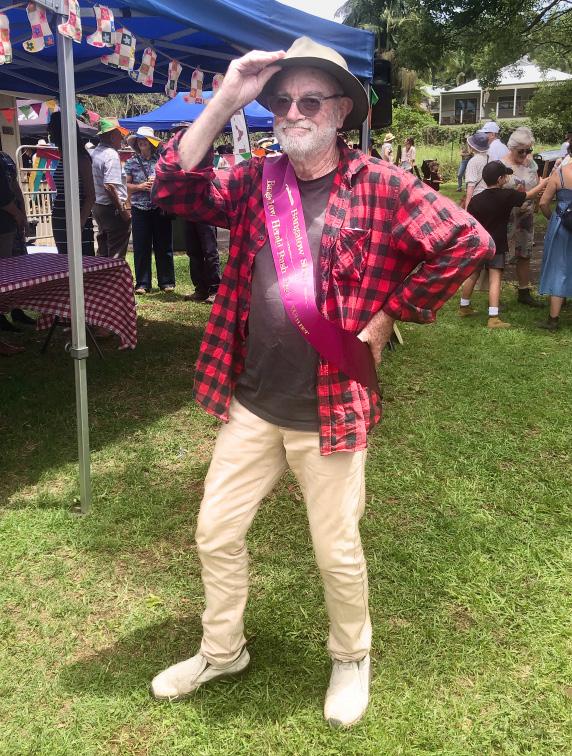
The Bangalow Herald has been a long-time sponsor of the Bangalow Show’s annual Bush Poetry Competition. Often the bridesmaid but never the bride, this year’s hands-down winner, was the Herald’s own Murray Hand for his satirical, political, comical piece ‘Barnaby’s Boots.’
You know, I don’t think I’d like to choose
To swan around in some politician’s shoes
Listening to my constituents moan
About immigration, the climate and how they can’t pay off their loan.
Having to hear all that hot air
About animal rights and how life’s unfair
So despite being paid quite a few bob
I reckon it would be a bugger of a job
But there is one bloke with whom it’d be fun to swap suits
Just imagine spending some time in Barnaby’s boots.
I’d get a big hat that I can wear
And nobody would give a bugger if I swear
All around Australia I’d roam
Leaving the new missus and kid at home.
For my life would be like a bowl of cherries
Just grab a free drink and get off with the fairies.
I won’t go to big cities that are all concrete and tar
But hang out in the bush where the real folks are
I’d hang out with people who are just my sort
You know, the kind that can be easily bought
There’s miners, farmers and frackers
The sort of men I’d want as backers
I suppose I should do something to justify my pay.
So I might go to Canberra just for a day
I could go and suck up to the Press
They just love it when I give an address
I’ll tell them about why people see me as their hero
And how I talked the party into scrapping net zero
But I’m getting a bit tired of being in the Nats
Since they won’t have me as their leader, the rats
You know, they reckon that Pauline Hanson
Isn’t just good at ballroom dancin’
Maybe it’s time to do another gyration
And flick my party and join One Nation.
Now a politician is supposed to listen to what the people say
So you can improve their lives and increase their pay
Give them cheap housing and something called sustainability
So that they can live in peace and tranquillity
We’re supposed to make the world a better place
But I’ll be happy just getting off my face
So I won’t care or give a hoot
Because I know my constituents won’t give me the boot.
I won’t worry about climate change
Or that most folks think I’m a bit strange
In fact I couldn’t give two hoots
Coz I’ll be hanging out in Barnaby’s boots.
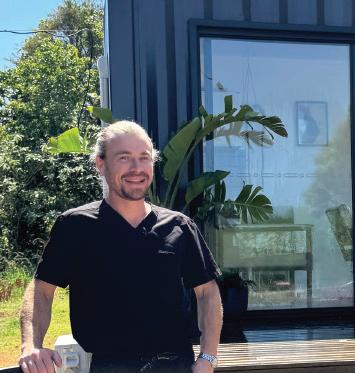
Meet Ben, an enthusiastic world class professional Having been in the industry for 20 years now, there’s not a lot he hasn’t done to help people shine.

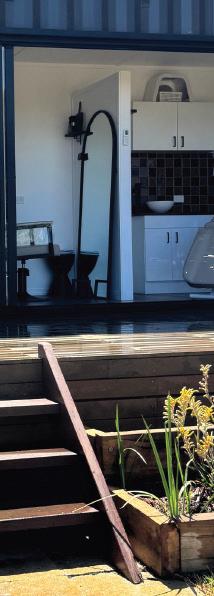
Escape to a serene farm setting to indulge in a truly personalised beauty experience at Vanity Hair
Skin Body Enjoy one-on-one attention in our private studio where expert care meets luxury
Specialising in:
Bespoke hair colour
Precision cuts and styles
Advanced anti-ageing
Skin treatments
High quality hair and skin products used and available for purchase in studio
Located on a private farmlet in Newrybar
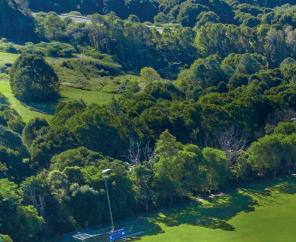
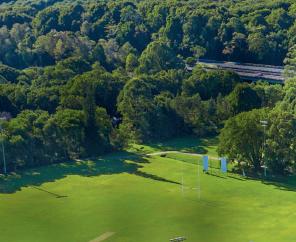
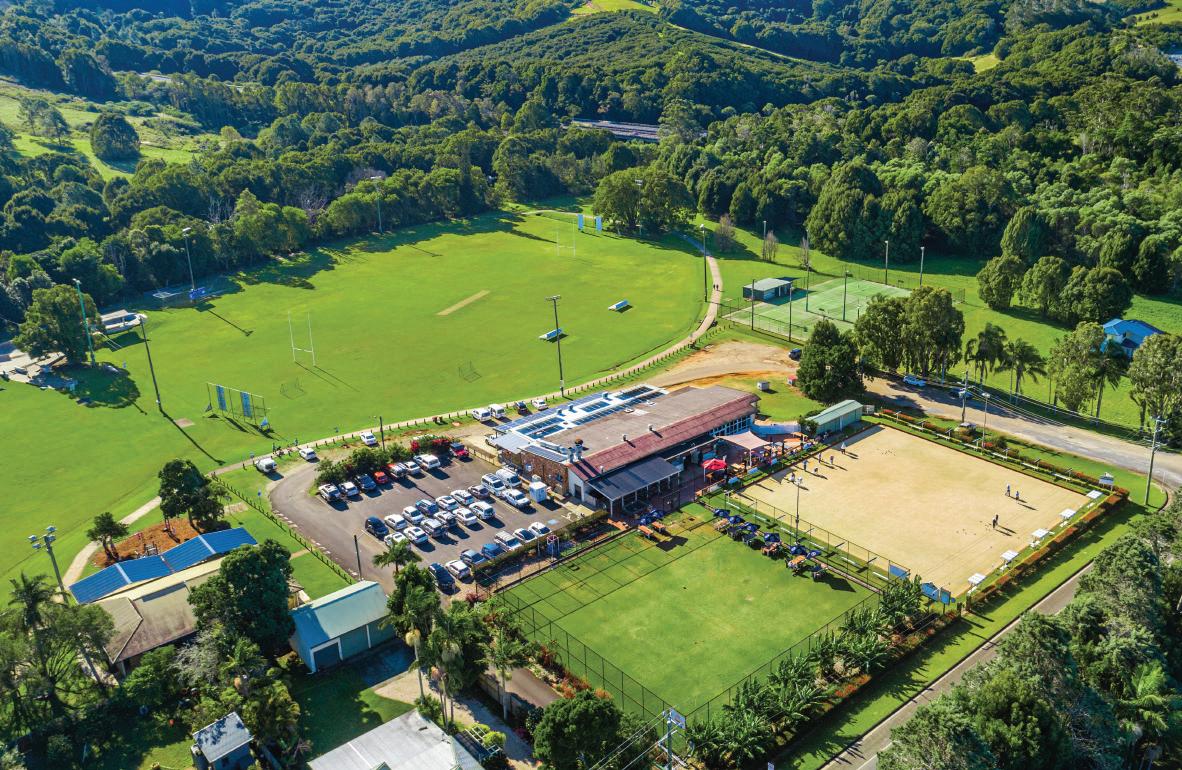
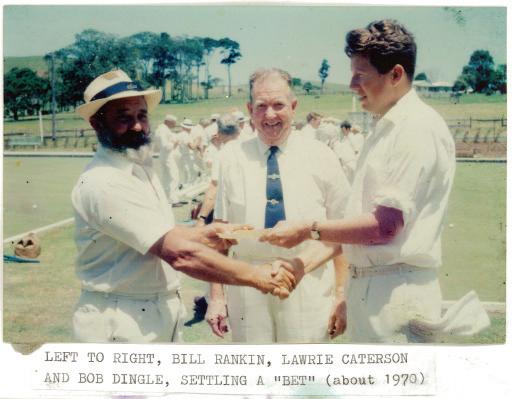
For 115 years, the Bangalow Bowling and Sports Club was a constant in our community. You’d know a face, find a seat, and settle into conversation. It didn’t matter who you were. Everyone belonged.
So, when the club shut its doors abruptly earlier this year, no community notice, no public consultation – just a sign and a visit from the locksmith – it hit harder than expected. Because what we lost wasn’t just a building with beer and bowls. We lost a ‘third place’.
Urban sociologist Ray Oldenburg coined that term in 1989 to describe spaces that exist outside home (the first place) and work (the second place), where community happens organically. “Third places,” he wrote, “are neutral ground... informal, accessible, accommodating... a home away from home.” Sound familiar?
The Bowlo – as it’s still affectionately known – ticked every box of what makes a ‘third place’ function. It was plain in appearance but welcoming, down-to-earth in its tone, and full of regulars. You could play barefoot bowls with toddlers and teens, or sip a schooner alongside a pensioner watching the footy. No social hierarchy. Just being.
And that presence mattered more than we knew.
The club was absorbed into a Sydneybased consortium in 2023 – one of several regional acquisitions framed as upgrades but largely ending in disrepair and closure. The
promised investment never came. Sports clubs, initially wooed by sponsorship money, were left out of pocket. Staff left. And on 24 October, the lights went out without warning. Local sporting groups have been left without training facilities and a ‘clubhouse’.
Carolyn, a Bangalow Netball Club committee member, says “The abrupt closure of the Bangalow Bowling Club has had a significant impact on the Bangalow Netball Club. The Bowlo was the training courts for five netball teams and we used them every Wednesday afternoon. Families may now have to travel to other towns just so their children can train. This puts the club at real risk of losing players and memberships. We hope there is a local solution to ensure our players can continue to participate in the sport they love and remain connected to their community.” The social impact has been immediate and devastating.
For many older residents, the club was their primary – sometimes only – point of social contact. “Third places,” says academic Louis Heath, “are particularly important for those sectors of society that have limited opportunities for social interaction such as the older and new members of the community.” They provide reasons to leave the house, interact, and regain a sense of self beyond the walls of home.
For others, particularly men, the club offered what mental health professionals call a ‘soft entry point’ – an accessible place to talk without the pressure of formality or stigma.
You could just ‘drop in’ no appointment necessary. The famed ‘Table of Knowledge’ is evidence of this. That option is now gone.
For those with limited mobility, chronic health issues or disability, the actual building was one of the only accessible venues in the whole town (see page 43 for more on this), providing respite from the weather for older residents, or those who, like Richie Allen (now quadriplegic after a sporting accident on the very fields the club overlooks), requires a thermostatically-controlled environment such as that the club once offered, to ensure his comfort and quality of life.
The closure of the club spells the end of a vital cross-generational connector. Bangalow’s Bowlo was one of the rare places where you’d see a 75-year-old retiree swapping gardening tips with a 20-something tradie, or where kids could run free in ‘the cage’ while frazzled parents debriefed on the week that was.
“We have lost our meeting and connection place. How wonderful that any time we popped into the Bowlo we would run into friends, kids would play and we would connect. We are really feeling its absence,” says Anna, mother of two aged 5 and 9.
For newcomers to town, it offered an informal gateway into the community –somewhere to strike up a conversation, find out who’s who, enjoy a meal with friends, or be entertained by people-watching, trivia nights, open-mic events, and incredible live music.
“When Norths suddenly shut the doors of the Bangalow Bowlo, it ripped a hole in the cultural life of the shire,” says Barry ‘Dr Baz’ Ferrier. ‘For musicians, the Bowlo was one of the few remaining grassroots venues where original music, low-key youth gigs and experimental projects could actually happen. There’s a proud history of local bands, touring acts and emerging songwriters all using the auditorium as a launch pad. There’s ‘closed’ sign means lost income, and one less stage in a region that already struggles to keep live music spaces alive.”
“For the open mic community, the impact is even more personal. With a 26-year history these nights weren’t just about getting up and having a sing – they were a weekly ritual where retirees shared the bill with teenagers, where shy writers tried new songs for the first time, and where friendships and collaborations were born over cheap meals and a relaxed crowd.”
Now, the building is locked, and the interiors are neglected. Neighbours have noted rising mould and the unmistakable scent of decay that clings when a space meant for people
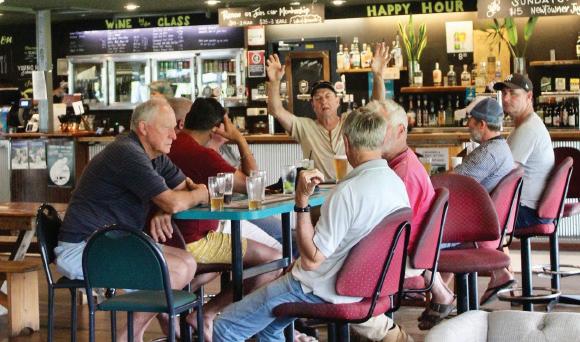
is left empty. It’s a second insult – the slow undoing of a place where so many memories live. Life events commemorated, losses mourned, graduations celebrated, grand finals won (or lost), a wedding or two, book clubs, Two-Up, a decent parmi/parma and a pint, discos, fundraisers, trivia nights and some of the best live entertainment in the country. Or just shooting the breeze on the back deck overlooking the sports fields, and marvelling at how bloody lucky you are to be living in this paradise?
We often measure community loss in economic terms – jobs lost, property value affected – but what of cultural cost? Emotional continuity? Social wellbeing? Louis reminds us that “bowling clubs significantly contribute to the social capital of our communities… fostering the social wellbeing of many, particularly older, community members.”
We need to make a stand for the value of these places for what they are really: vital infrastructure. Not just venues or businesses, but spaces that carry the emotional weight of community. They aren’t interchangeable.

The damage isn’t irreparable – yet. But it does require acknowledgement, transparency and local say in what happens next. Will the community be invited back in? Or will the site continue to rot while the consortium deliberates from afar?
Whatever the outcome, I know this: when a town loses its third place, it doesn’t just lose its clubhouse. It loses part of its collective heartbeat. And I know I’m not the only one who’s not going to stand by and let that happen.
In the weeks since closure, extreme heat and heavy rain has created the perfect environment for mould to proliferate. With no maintenance, cleaning or caretaking in place, the once-lively building is both physically and symbolically rotting. Locals have reported signs of vandalism to the carefully (mostly voluntarily) maintained bowling green. For a club that served its community for 115 years, this feels like a dishonourable demise. It deserves better. We deserve better.
Sally Schofield





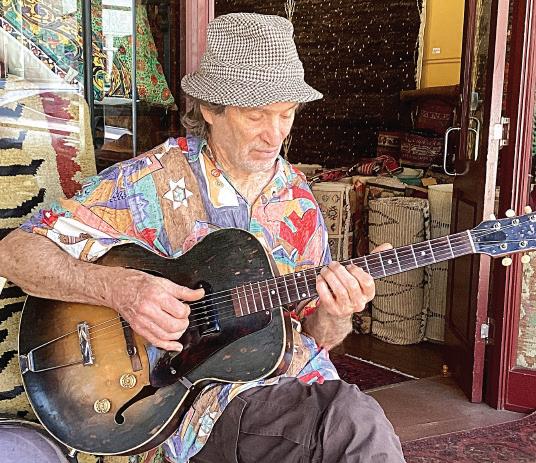












Saturday mornings in Bangalow’s main street always have a joyful vibe thanks largely to the great music being played in the park near the post office. Virtuoso, Azo Bell and his mate Beat Gisler are busking for the entertainment of locals. Jazz, blues, classical and sophisticated pop flows up and down the footpath causing young kids to bop and adults to stop and absorb.
Guitarist Azo has been doing his thing in the main street for five years. Now with electric bassist Beat, from Switzerland, they produce music that can leave you spellbound.
Many will know Azo from his days playing with the Old Spice Boys who played regularly in this neck of the woods and also toured the world. Azo’s background was largely playing the ukulele which, according to Sydney Morning Herald music critic, John Shand, he turned into high art ”while some others shoot for ever more virtuosity, he is committed to the power truth and beauty of music, not idle displays.”
However, Azo says he has become a bit disillusioned with the uke since it has become so popular – the craze has killed it for him. He says, “When played properly it is a beautiful instrument, not a novelty.”


Azo began playing music as a kid in the 1960s, playing many styles. After formal training at the NSW Conservatorium of Music he formed fusion group Spacecraft which toured Australia, the USA and central America. Through the 1980s he focused on improvisation and did a solo show on musical ‘saw and junk’ instruments at the Brisbane Expo in 1988.
These days he mainly plays guitar using an old Gibson semiacoustic that he bought on ebay. When not busking with Beat they are part of a trio called the Neighbours From Hell.
So Saturday mornings when strolling in town, stop and listen and be sure to have some cash on you toss into Azo’s guitar case. Music this good should come at a premium price.
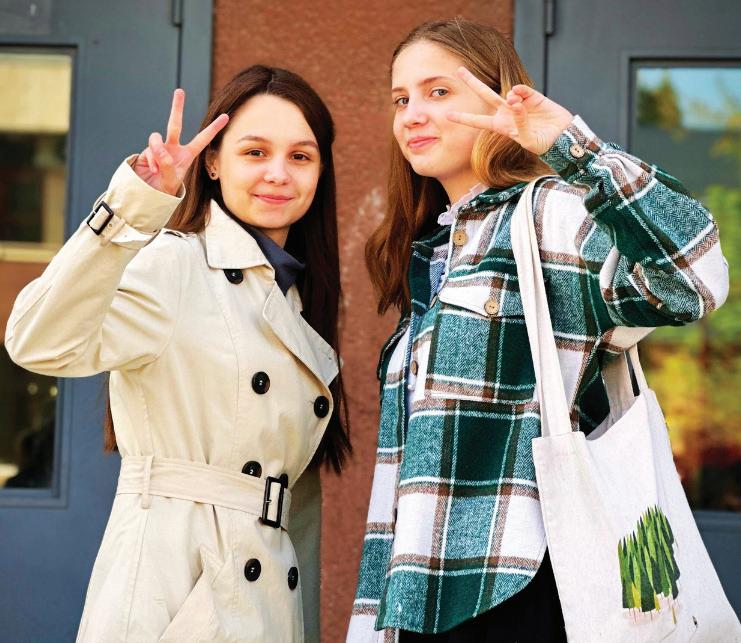
Moving away from home to start university or TAFE is a major milestone – especially for young people from regional, rural or remote areas. As the 2026 academic year approaches, Services Australia is encouraging school leavers to check what financial help they may be eligible for.
Students who are planning to move for study may be eligible for the Tertiary Access Payment (TAP) – a one-off payment of up to $5,000 to assist with the costs of relocating, such as rent, textbooks, furnishings or public transport. Even if you’re not eligible for Youth Allowance due to parental income, you may still receive TAP – and it doesn’t have to be paid back.
If you are eligible for Youth Allowance or ABSTUDY, you may also qualify for the Relocation Scholarship – an annual payment of up to $5,500 in your first year of study if you move more than 90 minutes away from your family home.
Other support options include the Student Start-up Loan, a voluntary $1,321 loan available up to twice per year, and the Fares Allowance, which can cover the cost of travel between your home and place of study.
Students receiving a payment may also be eligible for Rent Assistance, with singles able to receive up to $212 a fortnight, depending on how much rent is paid.
One big tip: claiming as early as possible means getting paid as early as possible. If you’re planning on going straight from school to further study in 2026, you can claim Youth Allowance as soon as you finish your Year 12 exams. By doing this, you could be paid over the summer break, before your course or training begins.
So, if you or someone you know is moving from 2479 to a big city to continue their studies, find out more at servicesaustralia.gov.au/leavingschool



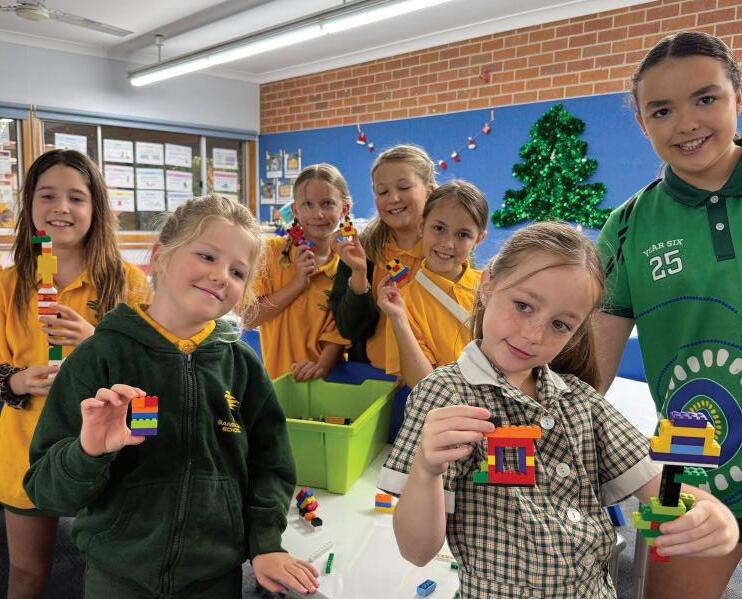
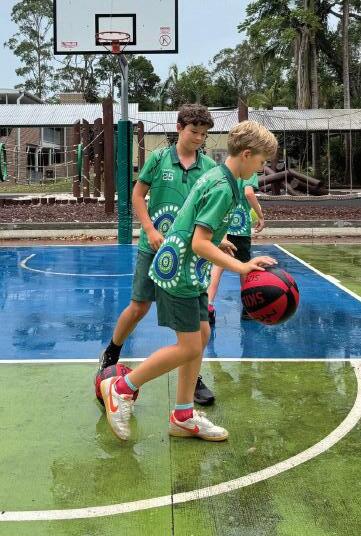
A big thank you to the Bangalow Public School families for their stellar fundraising efforts, which have enabled the P&C to purchase important resources and infrastructure for our school – we’ve been lucky to spend nearly $60,000 over the past two years!
We made sure we were spreading the spend across all areas of the school to complement current resources – big-ticket items like a new nature playground ($75,000 from P&C and co-funded with the school in 2023) and new chilled and filtered water fountains to be installed before the end of the year, to books, art supplies, STEM toys, digital technology, balls and HPE equipment and music equipment like drums and chime bars.
We’ve been proud to support families who travel to intrastate competitions with children representing our school, as well as subsidising camp and excursions for families.
Importantly, we have given $1,000 to the student representative council to come up with ideas and decide how the funds should be used – student-led democracy in action! They purchased blazers and jerseys for representing the school at debating and sporting competitions.
Our mission is to friend-raise and fundraise and, across our many events and initiatives, we believe we have delivered on that.
We’ve done some amazing fundraising as a community in the last few years through ‘Pit
Stop’ our school fair, raffles, Bunny Racket concert, election BBQs and bake sales.
This year we were thrilled to be awarded a $30,000 grant from the NSW Government’s Community Building Partnership Grant for building two shade sails over our nature playground and the sandpit. The remainder of the funds required to build the shade sails will be jointly funded by the P&C and the school.
This year the P&C has funded a recordbreaking $32,986 in school infrastructure and resources including:
• $14,586 on a new bank of water bubblers providing filtered and cold water to drink and fill water bottles
• $6,000 allocation with $500 per class for teachers to spend on classroom resources such as wall maps, art and craft supplies, LEGO kits, games
• $50 per student ($3,600) for Year 5/6 camp and end-of-year excursions
• $25 per student ($2,100) for Year 3/4 camp and end-of-year excursions
• $2,000 on new readers for K–2 students
• $2,000 for the library
• $1,000 for the school art show resources
• $500 for PDHPE equipment
• $1,200 in $100 vouchers to students representing BPS at statewide events and competitions
In 2024 we also funded $25,000 in school resources:
• $11,000 towards new laptops for the library
• $5,000 on readers, library books and syllabus support texts
• $3,240 on djembe drums and chime bars for the music program
• $2,500 on K–2 STEM toys
• $1,700 for a sandpit cover
• $1,000 for PSSA sports team jerseys
• $500 for PDHPE equipment
Note: Our current executive will be retiring this year and we look forward to welcoming new members in 2026 –please reach out to bangalowpublicpandc@gmail.com if you would like to join.





















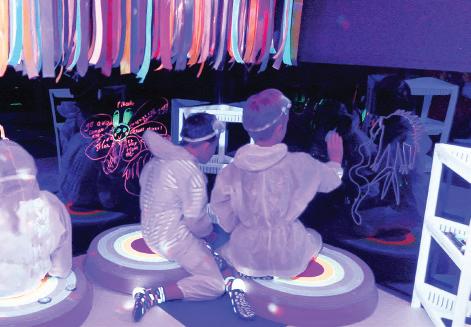
The most exciting children’s amusement center to land in Australia is NOW OPEN in Bangalow.
Step into a neon-lit, two-story wonderland of art, games, colour and magic.

‘ All-Access’ Sessions [Ages 2-15], ‘Playdate’ Sessions [Ages 2-5], Birthdays, Private Hires & More!






























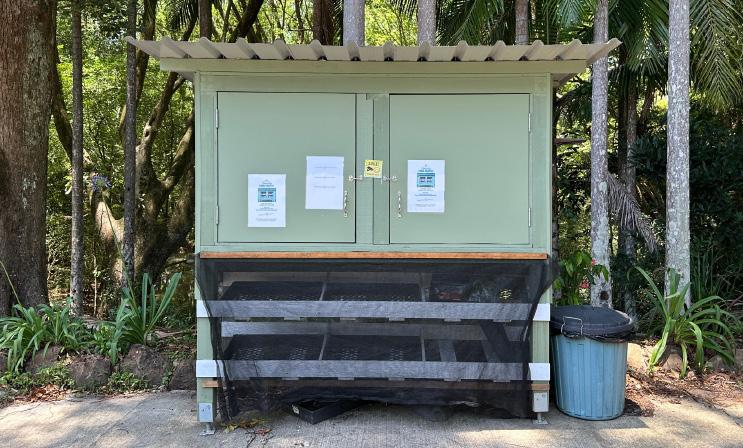

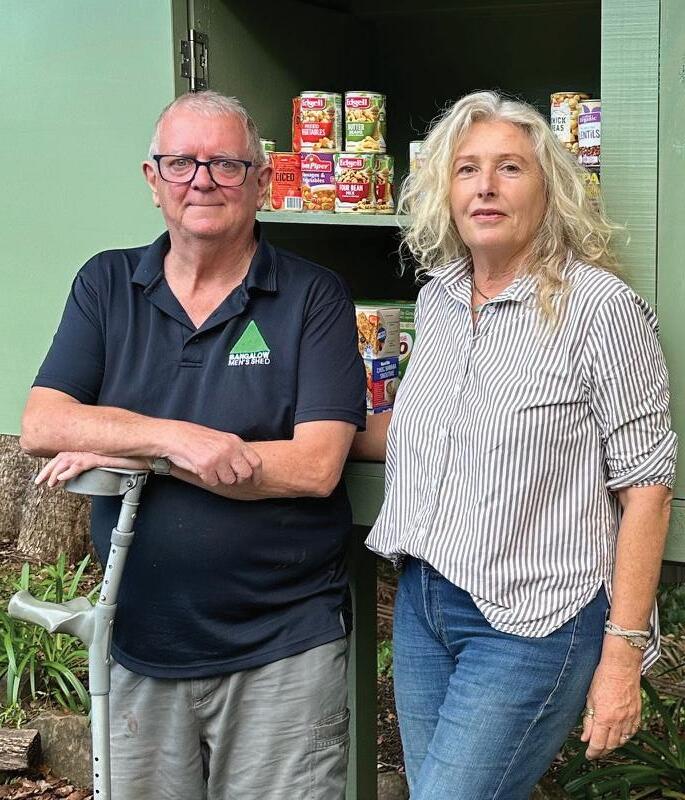
Byron Leeworthy meets two of the driving forces behind the Bangalow Community Pantry.
“On the 22nd of December last year we went up to Foodworks and loaded up the trolley; we had no idea what to do. If you’d have told me where we would be today I don’t know if I would have believed you,” says Bangalow Men’s Shed President David Noakes.
The Bangalow Community Pantry is celebrating its first year of operation, and a lot has happened between now and that inaugural trip to Foodworks. I had the chance to speak to David and Shed member Louise Anderson, who have been running the pantry, to learn more about the work they’ve been doing out in front of the Men’s Shed.
“The idea started about five years ago with Rev. Rosie Wynter,” David says. “We were
noticing more people sleeping rough, women in the car with their kids, and we wanted to do something about it.”
It took a while to get things off the ground and to convince the town that this was something people really did need. “One of the key things I learnt very quickly,” says Louise “is that even though we are perceived as a very affluent locality, I knew from previous work that if you open up a kitchen cupboard, they could often be bare.” David expressed it quite plainly, saying “it’s the really simple stuff that we just take for granted. It’s a norm for us but it’s not for a lot of our people”.
Homelessness has been a big topic in the Byron Shire. Adding to that the day-to-day struggles of food insecurity can be too much to bear for many, especially those with dependents to care for. There is a strong link between food security and mental health, as studies by the National Library of Medicine show. On Monday mornings between 7-9am, people can come and pick up Help In Your Area (HIYA) vouchers which can be redeemed at Foodworks. This is a joint effort between the Lions Club, the CWA, and the Pantry. “When we meet on Mondays, we always have a counsellor on hand, to offer other avenues of support when needed,” Louise says. “This has become a de facto community hub, which Bangalow has really been missing.”
Between the Pantry and the vouchers, people have discreet options to reach out for the help they may be needing when the hard rains fall.
Getting the Pantry built wasn’t hard at all though, as businesses were happy to chip in. “We never paid for a penny of the materials, which meant we could put that money straight into the food,” says David. “That’s a credit to our community.”
The local community’s generosity has been silently working behind the scenes. “We did a lot of work bringing resources together and finding sponsors and supporters, and we now have ongoing relationships with local businesses and individuals who help us stock this Pantry and keep it full,” says Louise.
In the future, David and Louise hope to integrate the Orange Sky program into Bangalow, a mobile laundromat and shower service, for which they are currently on the wait list. “We’re not out to change the world, we’re just trying to do the best we can for those who need it,” says David.
And as to whether Bangalow needed this or not? “We’re out there restocking every day. There’s a communications board inside to hear what people specifically need, but most of the time we just get messages of thanks, which is wonderful,” says Louise.
Another interesting fact is that you might be helping fund this program without even realising it. David estimates 85% of the funds raised at the Men’s Shed’s Bangalow market
stall go directly back into this area of the club. For those who are interested, other forms of help are always welcomed. “We’d love for people to get involved however they can,” Louise and David agree. “If anyone wants to donate time it won’t go to waste; there’s always jobs to do and a need for more product too!”
Another thing that’s always needed is safety. When people are at their most vulnerable, it was important to consider how to make the experience of using the pantry a safe, dignified one. “The lights and security cameras make this a place people can come whenever they need,” David says. “Some people don’t want to be seen, so it was crucial to allow access at night. Making sure people are able to do that has positively impacted our effectiveness.”
“Bangalow is a hidden oasis,” Louise adds. “It’s a safe place for people to come.”
“Another important thing we supply is dog and cat food. It provides such impactful emotional and physical security.” For some, having a pet can be a barrier to entry for emergency accommodation, as they can’t support the animals. Impassioned, David says “they’ll say ‘I couldn’t live without them’, and that’s not just a throwaway line”.
Louise, equally as passionate, says “there are a lot of services down in Byron, but when you’re in a much more delicate situation, it became obvious to us that we were witnessing a different struggle. We’re not just here for people to run down and grab a jar of olives when they run out at home.”
This kind of compassion is the backbone of a strong community. It gives a sense of meaning and belonging to a town. David, who has been working with the Men’s Shed since 2018 says “it keeps me getting out of bed in the morning.”
“If we don’t talk about it, it remains hidden,” says Louise. “To be able to get what you need without filling a form just keeps that dignity.”
“They’re more than numbers,” agrees David. “We’re all about the human head and the heart.”

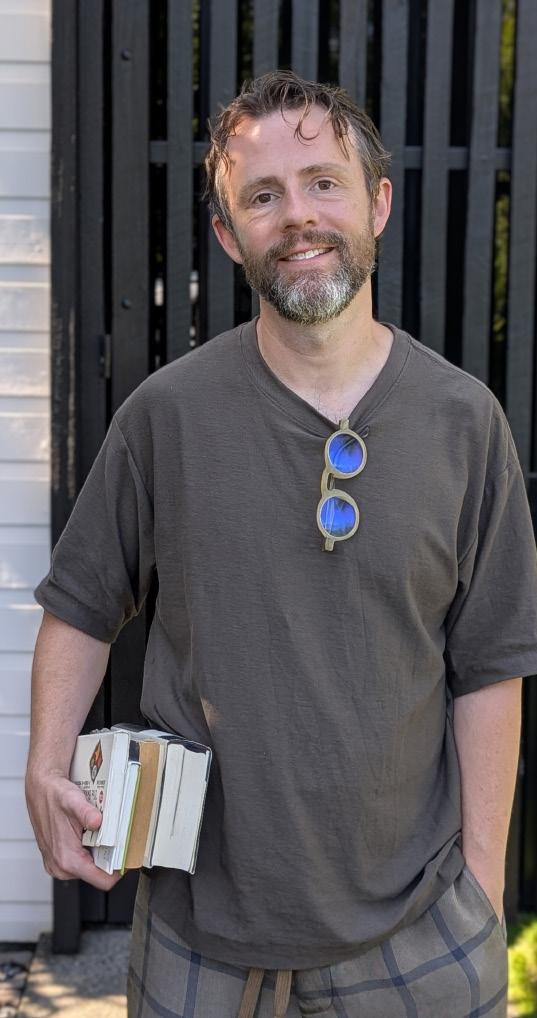
Bangalow has a new bookstore in the works, and it comes with an exciting side project all local readers are invited to be a part of, writes Georgia Fox
Inspired by his favourite tiny bookstores in Tokyo and Melbourne, local bookworm Joel Falconer, together with his partner Charles Wong, has his sights set on bringing a similar retail experience to Bangalow in 2026. Called Honbooko — a fusion of the Japanese word for “book,” hon, and a nod to the Australian bottle-o or servo — the store is set to open next spring at a yet-to-be-determined main street location.
With more than 700,000 unique print titles sold in Australia in 2024 alone, how does a new bookstore even begin to decide what to stock? Joel’s passion for the modern classics, combined with his and Charlie’s careers in fashion and their backgrounds in architecture and science, provide a solid framework to build on. But for a small, independent regional bookstore to survive in an increasingly digital world, understanding its audience is essential — and, it turns out, far more compelling than simple market research.
Enter The Bookshelf Conversations: a concept that began as a casual survey of friends and family about their reading habits and has since become a standalone YouTube series running parallel to — and meaningfully informing — the bookshop’s creation. Using the same core questions each time, Joel is taken on a guided tour through fellow book lovers’ libraries, exploring their favourite titles, authors and genres, and zooming in and out of the personal stories contained within the collections.
If Joel himself were the subject of an episode, special mention would have to be made of the formative group of modern classics he never owned but spent a year devouring while teaching conversational English in Japan after finishing his degree in Melbourne. Initially surprised to be posted to the big, bland, snowbound industrial city of Aomori at the northernmost tip of the main island, he quickly fell in love with it.





















“There was a big community library there, and they had one shelf of the condensed greats of English-language literature,” Joel explains. “The librarian’s curation was a big influence on me — they just had the best eye.”
Disconnected from the familiar in a stark, otherworldly landscape, Joel carved a wellworn path between his apartment, school, the library and his favourite café, lost in the pages of Hemingway, Whitman, and American and Russian poetry. “It was like getting to cosplay a Murakami character,” he laughs. “Those books were so meaningful to me. Returning them each fortnight was really hard.”
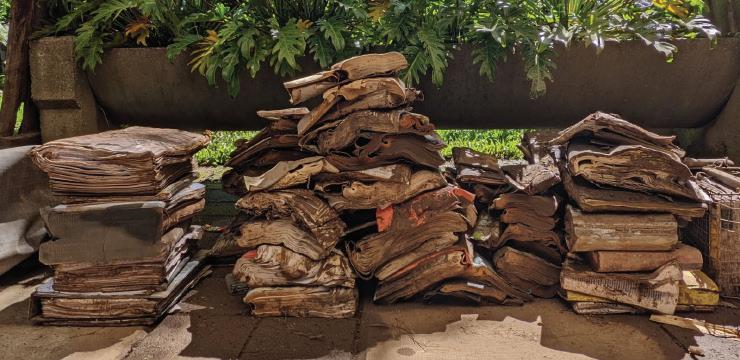
Many other formative books are also missing from Joel’s collection, but for far less romantic reasons. Just one month after moving to the Northern Rivers in 2022, Joel and Charlie were woken in the middle of the night to find fast-flowing floodwaters rising rapidly through their home on the outskirts of Mullumbimby. They managed to lift what they could out of harm’s way before they, along with their Miniature Schnauzer, Hachi, were forced to brave the cataclysmic storm and wade through the overtopped Brunswick River to a neighbour’s elevated farmhouse.
Displaced in a region they hadn’t yet had the chance to settle into and with most of their possessions lost, Joel and Charlie’s friends and family assumed they would return to the urban safety of Melbourne. Instead, the recovery period saw them meet people, build relationships and form connections that rooted them deeply in the community — and ultimately led to Bangalow becoming home.
During their months being hosted around the Shire, Joel, Charlie and Hachi were welcomed not only into the homes of strangers but into their networks of kind and generous locals, often with an interesting story of their own. It was within this group — many of whom are now close friends — that The Bookshelf Conversations began and from which it now continues to radiate, with Joel ending each interview by asking for an introduction to someone who might like to be part of the growing circle.
There are no requirements around the size or literary merit of the collection — they must simply love reading. “A tiny, carefully held group of titles can be just as revealing as a wall of books,” explains Joel, who has visited collections ranging from a double garage full to a bedside table’s worth.
His interviews cover everything from anecdotal details about how people treat their books to a person’s broader reading journey — which, for someone with dyslexia like Joel, is of particular interest. He credits an incredible high school English teacher who changed everything for him. “If I didn’t have her, honestly, I don’t know if I ever would’ve gotten into reading,” he says. “She kind of cracked it open for me.”
He loves learning about people’s reading routines since his dyslexia means he has to be deliberate and intentional with his own — it doesn’t just ‘happen’. For Joel, reading takes consistent practice, which he likens to building and maintaining stamina, and he makes a point of finding pockets during the day to turn off his phone and pick up a book.
Joel’s mindful and reverent approach to reading, stories and books sits at the core of The Bookshelf Conversations — and, by extension, shapes what we Bangalowians can look forward to from Honbooko when it opens next year. The Conversations have also introduced him and Charlie to equally passionate local readers in their adopted hometown, laying the foundations of a community they look forward to nurturing as the store itself — and the project — grow.
You can watch episodes of The Bookshelf Conversations (releasing fortnightly) on YouTube @thebookshelfconversations
If you’d like to be part of the conversation, or would like to nominate a passionate reader, reach out to Joel at hello@honbooko.com.au, or get in contact via @honbooko on Instagram, where you can also keep up to date with the store’s opening.



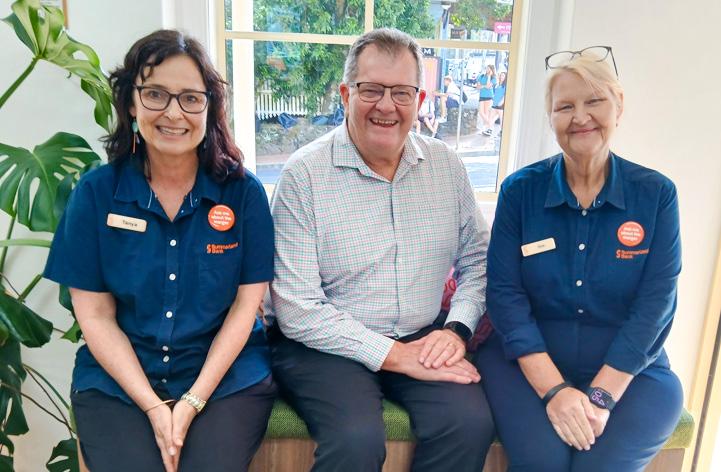
In anticipation of a proposed upcoming merger between another local institution – this time Summerland Bank and Regional Australia Bank (RAB) –Christobel Munson had a chat with Summerland CEO John Williams, to get the lowdown.
There’s an abundance of merger information available at the Bangalow branch of the Summerland Bank. It says things like: “The merger aims to strengthen both institutions, expand market shares and offer members improved services, more branches, and better technology while maintaining community focus and not closing any branches”, for instance.
Not everyone thinks in this sort of language, so I resorted to a basic question-and-answer session, coming from a layperson’s point of view. Having banked at Summerland Bank for some years, the top question on my list was the obvious:
What will the merger mean for the Bangalow branch? The last thing I want to hear is that there’s a risk of it closing. And I love knowing a particular person at the Bangalow branch who I can call with a question.
Summerland, which started in 1964, has 10 branches, nine scattered around the Northern Rivers NSW and one just over the border in Elanora, SE Queensland. “There will be no branch closures over both branch networks,” John Williams confirms. “That is an absolutely firm commitment. Our objective is to actually expand the number of branches. There will be no redundancies of staff from either organisation – we don’t want to lose anyone – and there will be no relocation of staff.”
While the headquarters of Summerland Bank are located in Lismore, Regional Australia Bank’s HQ is in Armidale. RAB has 39 branches scattered west from Tenterfield through to Wagga Wagga. As Mr Williams describes it, the location of their various branches “fits together like a glove”, with no duplication. So the merger will result in
a combined network of 49 branches across regional NSW and beyond.
I don’t know about you, but over the past few decades, I have found that service at one of the Big Four Banks I had been using for decades, has gone from the days when I could easily have a face-to-face meeting with the local bank manager, to today, when you need to wait in line to speak with someone you’ve never seen before, if your question or need can’t be fixed by a teller. I feel anonymous.
Summerland, on the other hand, makes a big deal of both staff and their customer service. “We value and treasure every one of our staff,” Mr Williams adds. “We want our staff to feel comfortable about the merger, so we completed an organisational staff structure in September. RAB has the same corporate structure, being a customer-owned bank, and has a similar cultures and strategies.”
As I write this, a friend tells me this story. She was buying a beautiful waratah flower from the Bangalow florist. There were only two stems left. Another woman came in the shop
at the same time, also keen on buying one of them. The other woman said: “I want to buy one to take down to Summerland Bank to show my gratitude to their staff. I’m overwhelmed by their service; such a rare commodity these days.”
Mr Williams also pointed out that while Summerland, uniquely, is an accredited B-Corp, RAB would also like to attain that. In 2023, Summerland became a certified B-Corporation. (This is an independent third-party verification that takes into account a company’s entire business model, governance structure, and its social and environmental impact. “The ‘B’ stands for ‘benefit for all’ (its website explains) “and it is the mark of a business that has been independently certified to go beyond business as usual to proactively meet high standards of social and environmental performance, accountability, and transparency.”
Since 2017, 36% of all major bank branches in regional Australia have been shut down, primarily due to digital banking becoming dominant. This trend is causing concern, particularly for older Australians who rely on face-to-face banking. “This is having a significant economic impact,” Mr Williams continued. While the big four banks have agreed to a temporary halt on closing regional branches until at least mid-2027, they’re still closing branches overall.
Next question: How does Summerland decide whether a branch is viable? Is it the number of customers, or the size of deposits?
“We look at the contribution it makes to the local community, and its assets and liabilities. Some branches are not profitable. We’d make more money if some of them were closed. But we know how important that branch is to its local community. The banks which are profit-led, don’t have a community focus. We’re prepared not to make as much profit and keep it open, because it’s better for the community.”
Both Summerland and RAB are owned by members, rather than being institutions needing to make profits to report to shareholders. This means members of both banks need to vote on the decision to merge. The merger itself is set for 1 July 2026; that is, if it’s approved by its members.
I wanted to understand how Summerland could offer much better rates for its Fixed Term Deposits than that same Big Four bank. Mr Williams’ reply? “We look after our customers. Each week, our Treasury department does a market scan of all Term Deposit and lending rates. We aim to be competitive. We look at what makes sense for us. Our profit goes to the community, our customers, not to shareholders.”
Reading over those merger info-sheets, I see that there will be no immediate changes affecting how customers bank. Until 1 July 2026, the merged organisations will keep operating in their respective names until they make a final decision about the future name. Right now, they don’t know exactly how the two banks will integrate their banking systems, but “once this is known we’ll keep you informed and support you every step of the way”.
Oh yes, why are they merging? “Regional Australia Bank and Summerland Bank are both strong, successful organisations. The proposed merger is a proactive step to combine our strengths, enhance our ability to innovate, and ensure long-term value for our members in a rapidly changing financial landscape”.

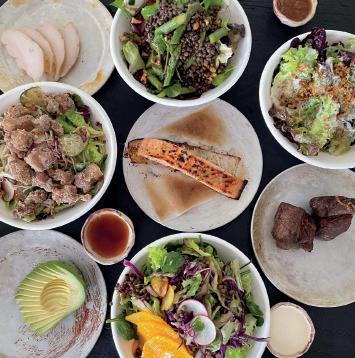
Monday to Sunday 7:30am to 2:30pm Woodscafe.com.au
WO W ODS offers exceptional coffee and friendly service with alfresco dining at The Lumbar Yard Meals are created with health and well-being in mind, not to mention a taste bomb of seasonal, delicate, clean and fun flavours
Chef Sam and the team use as much locally grown produce available to support their growers and local businesses.
Open daily for breakfast and lunch
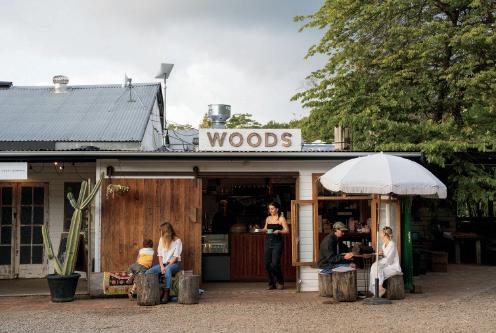
Along with Tuckshop, WOODS also offers offsite catering, working with clients to curate your special events with a sensational food experience. hello@woodscafe.com.au

We’re prepared not to make as much profit and keep it open, because it’s better for the community.




This month, Dr Airdre Grant swaps small talk for birdsong as she ponders a noisy crow, the ominous presence of the raven, ancient omens, eco-hope, and why even compost can be a quiet act of rebellion.
Early in the morning a crow took up residence in the tree by my window. He began to crow, loud and long. I glared at him, but he fixed me with a dark eye and kept up his scratchy, discordant call.
Crows and ravens belong to the corvid family. A group is called an unkindness of ravens. They have a reputation for darkness and are associated with ill omens, death. They are known to attend funerals and caw loudly. But, as always, all is not what it seems, and good things come in dark packages.
Ravens are also great environmental warriors, eating bugs and other pests. They are one of the smartest birds, with the gift of prophecy. In Australia, there are five native corvids – three are ravens, and two are crows – and they are hard to tell apart. This may be disputed by any keen birder who will patiently point out things like size, some feather colour, and subtle vocal cues. But I’m not very good at distinguishing corvid vocal cues, so I went with raven. The bird continued to caw loudly outside my window. I wondered if it was a sign of impending calamity. I needed to know more about ravens.
I discovered that the Tower of London has a famous colony of ravens. They are very important to the United Kingdom. Legend has it that if they ever leave the Tower,
the kingdom will fall. There must always be six. Currently, there are seven (one in reserve). The ravens are looked after by a Ravenmaster. He feeds them mice, chicks, raw meat and, for a treat, biscuits drenched in blood. Imagine being asked at a party: “And so, what do you do?” “I’m a simple Ravenmaster,” comes the reply. “I feed ravens biscuits drenched in blood.” (That should work out well.)
Follow the news and it feels as if kingdoms are falling everywhere. The environment is taking a pounding. There are, however, glimmers of light.
• The Sydney Institute of Marine Science won the 2025 Eureka Prize (aka the Oscars of Australian science) for environmental research with Living Seawalls. These transform flat coastline structures into diverse marine habitats.
• The High Seas Treaty won the 2025 Earthshot Prize, which aims to preserve marine diversity and includes protecting 30% of the world’s oceans.
• The National Assembly in France approved a climate change bill. It included these measures: a ban on the construction of new airports and the expansion of existing ones; a rule that any flights duplicating a train service of under two-and-a-half hours must be culled; and a ban on open-air heaters. (Those outdoor heaters really are absurd. Put a jumper on.)
• Venice has banned huge cruise ships from the lagoon.
• Renewables are beginning to generate more electricity than coal. (Take that, Net Zero opponents.)
• The world’s largest dam on the Klamath River in the US (actually four dams) was dismantled after decades of lobbying by tribes. This freed up 430 miles of waterway.
• Australian Vintage Wines won the 2025 Sustainability Initiative with lightweight bottles (among other things).
• Cities in Australia are working on electric buses, green spaces, rainwater harvesting, and bans on single-use plastics (although I still see them in shops) – efforts are being made.
• Orange is the winning Tidy Town with a focus on environmental sustainability.
• My compost is going well.
Looking into claims about sustainability is hard, as there is a lot of ‘greenspeak’, which is tricky to decipher. One company said they “commit to sustainability in a playful way” – no idea what that means. But there is progress in our changeable world. The environment must have breathed a sigh of relief as the rampaging humans were stopped in their tracks by the pandemic. Plus, residents of the Northern Rivers community have a long history of environmental activism and commitment. They know how important it is to work towards a sustainable future – playfully, if possible (looking at you, Nimbin Naked Bike Rides, where they wear river ochres in body painting as part of environmental consciousness).
The crow was still calling, calling. We exchanged dark looks. Was the bird speaking of doom, of falling kingdoms – or presaging change?
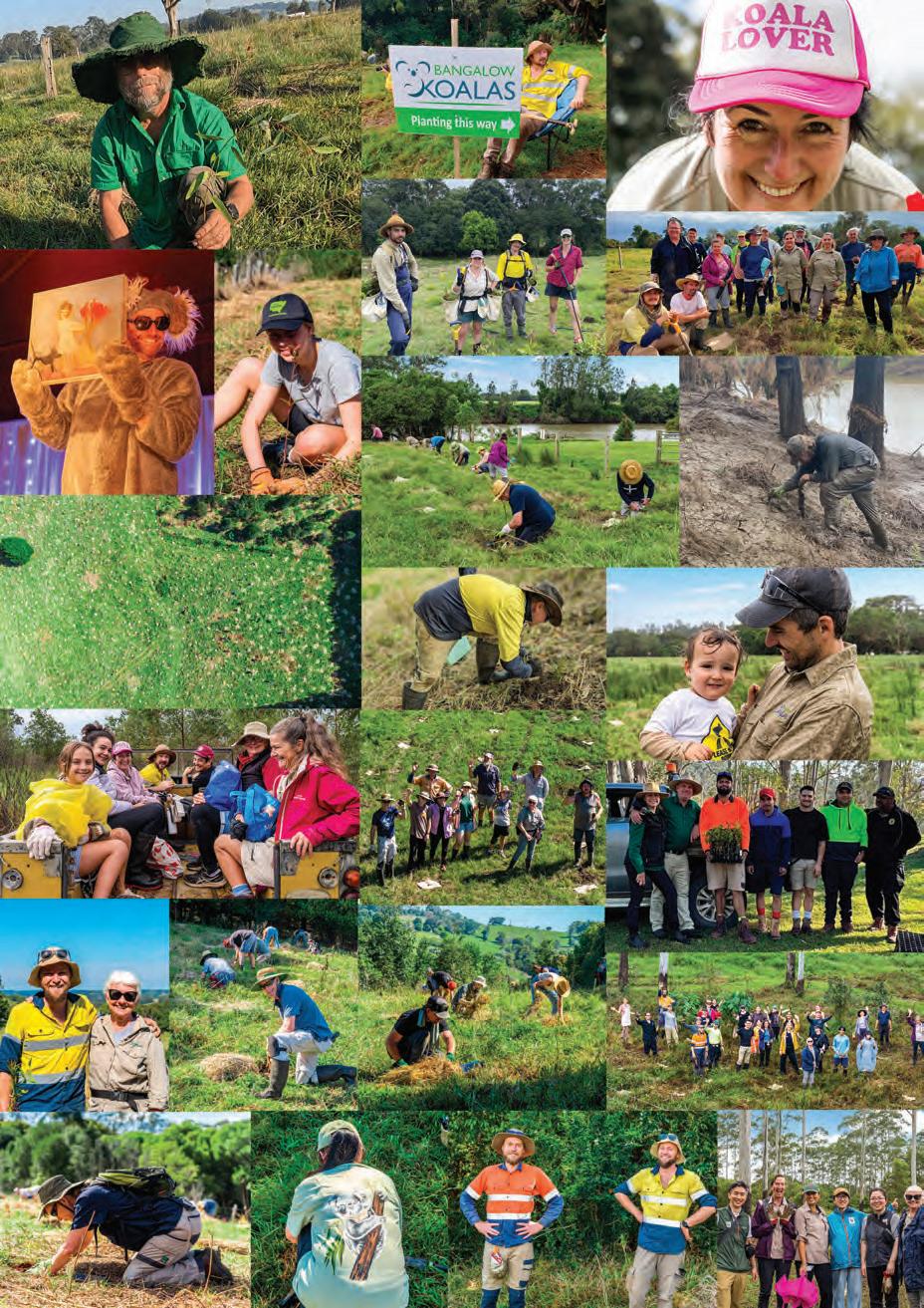
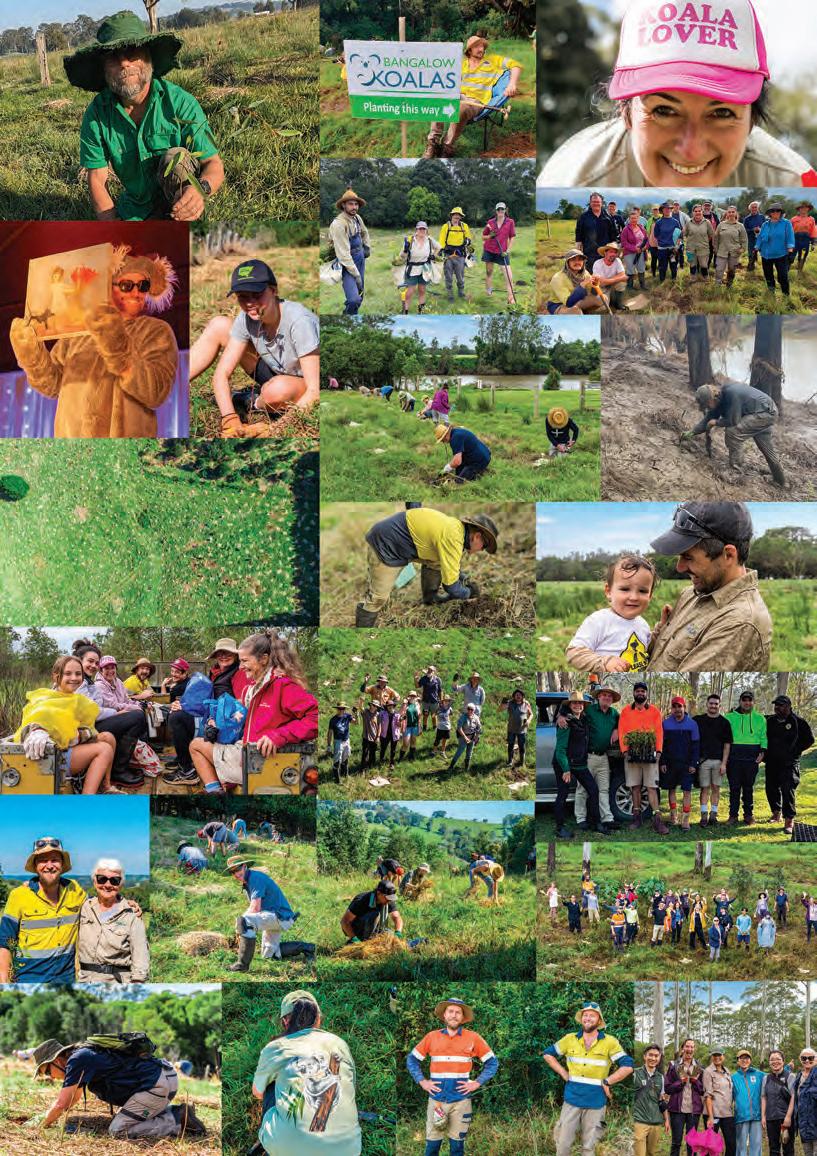








Thank you so much for the support: WWF Australia Koalas Forever, Australian Government, NSW Government, One Tree Planted, Summerland Bank, Koala, King Living, Wedgetail, Wires, Caring for Catchment, Cherish the Environment, Australian Geographic Society, IFAW, Seaton Foundation, Environmental Trust, Patagonia, National Landcare, Stone & Wood and NRCF.



500,000 TREES PLANTED SINCE 2019
454 hectares 171 plantings 123 properties
7 shires
3000 volunteers


w: bangalowkoalas.com.au

e: president@bangalowkoalas.com.au facebook.com/BangalowKoalas/ instagram.com/bangalowkoalas.inc/



He ran the Athens Marathon so you wouldn’t have to – and hallucinated Cliff Young 35km in –here Bangalow’s Angus Thurgate shares his experience of running up that hill.
Recently I learned that my partner has aphantasia. The 14-hour economy class flight produced the unexpected information that she could not voluntarily visualise mental images. She couldn’t see something in her mind’s eye – and that this condition was called aphantasia.
I, on the other hand (or seat 17B in this specific circumstance), have quite the opposite condition. I can visualise things to such a vivid and spectacular degree in my mind’s eye that when I lay eyes on the actual thing, the reality can be somewhat disappointing.
When my Year 11 Ancient History teacher, Mr Rawlings, told the class all those years ago of his recent trip to Greece, he recounted sitting on some ancient marble in the ruins
of the agora at the foot of the Acropolis – the agora being the meeting place of the ancient Athenian assembly. He then added casually, “It could have been almost the exact spot where the messenger Pheidippides delivered his famous line, ‘Nenikekamen!’ or ‘Rejoice! We conquer!’ before collapsing and dying.”
I was enraptured. My teenage brain exploded. I could see it so clearly in my mind’s eye that I almost dropped dead myself.
He was referring, of course, to the legend of Pheidippides, who ran the 26 miles (42 km) in 490 BCE from the battlefield of Marathon to Athens to deliver the improbable news that the vastly outnumbered Athenian army had comprehensively defeated the invading Persians.
The image never left me.
Fast-forward now 2,515 years to the relatively small space around seats 17A and 17B in an aircraft hurtling towards Greece, where your correspondent (me) is not only discovering what aphantasia is, but fairly soon will be wishing that he had it as well. Because we were flying to Athens so that I could run
where Pheidippides ran.
I was competing in the Athens Marathon.
The start was incredibly exciting. I had picked up my bib (number 3852) two days previously from a stadium used for the 2004 Athens Olympics. It also contained a Marathon Expo – a huge, neon-lit, multi-storey frenzy of stalls from sporting companies with names referencing Greek gods. Consequently, and for a mere couple of hundred dollars, I had purchased (and was wearing) special marathon socks, compression sleeves for calves, knees and thighs, and a stupid marathon hat. I also had an impressive array of energy gels, electrolyte replacement gels, and a variety of salves, ointments and unguents to promote rapid muscle recovery post-event.
It was exhilarating to be one of about 25,000 participants from around the world lifting our hands in unison towards the overhead drone cameras and yelling (as instructed, in Greek and English) for world peace. There was a muffled explosion (that was the starting gun — I was a fair way back), and we shuffled
forward. Five minutes later, I crossed the actual starting line and we were off.
Of the race itself I shall say little.
For a running race, it was an emotional roller coaster. I can attest that the so-called ‘runner’s high’ is real. The endorphin release from intense exercise is euphoric.
It does not, however, last for 42 km. The first 10 km were great. I loped along happily, sucking down energy gels and brightblue electrolyte replacement drinks.
It was my lower extremities that started shutting down first. Appropriately, perhaps, the Achilles area – then my calves got in on the act, and the whole nightmare moved north.
Large flags were posted every five kilometres indicating the distance completed. I noticed that the appearance of these flags slowed whilst the muscle pain increased.
Thirty Ks in and my resolve to keep running – no walking under any circumstances –had found a loophole. I overcame an urgent desire to throw myself in the bushes and weep only by having murderous thoughts about Mr Rawlings. I forced myself to hobble on.
I realise now it was a hallucination, but I swear I saw God at 35 kms. And he looked like Cliff Young.
Whoever or whatever it was, it worked. The crowds lining the final 7 km got louder. I knew they weren’t there for me, but I didn’t care. My wife was – and that was all that mattered.
Pheidippides is my hero.
Turns out he probably didn’t run the marathon after all. He did something far
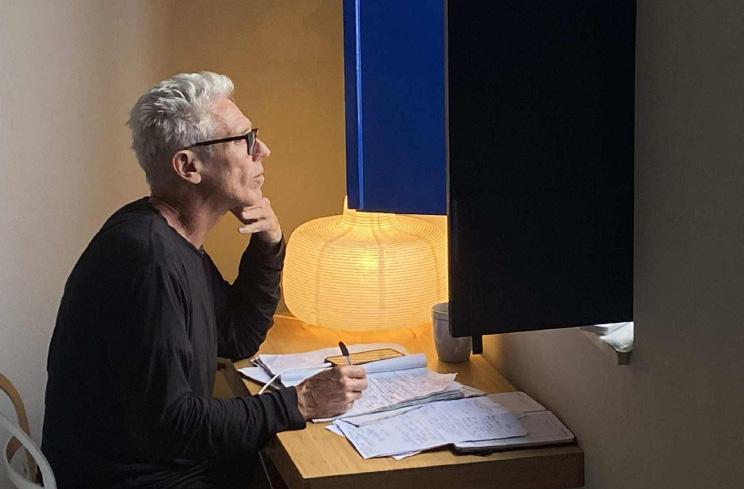
more impressive – he ran from Athens to Sparta before the battle to request Sparta’s help (they declined – religious festival, don’t you know), then back to Athens to deliver the bad news (about 490 km).
On that return trip, so the legend goes, Pheidippides encountered the god Pan on Mount Parthenium, who told him to ask the Athenians why they paid him no attention –he’d helped them before and possibly could be of assistance in the upcoming conflict. The Athenians believed Pheidippides and did indeed build a shrine to Pan under the Acropolis – after all, they did spectacularly repel the invaders.
I’ve always associated Pan with wind instruments and debauchery, but never in my wildest mental imaginings did he look anything like Cliff Young.
… I’m thinking now that Cliff, who ran 875 km from Sydney to Melbourne, was a modernday Pheidippides, and since I have acquired selective aphantasia, I shall salute them both – from the sidelines.
Note
For those too young to remember, Cliff Young was a 61-year-old vegetarian potato farmer who surprised the world (especially the ultramarathon community) by winning the inaugural Sydney to Melbourne race, essentially by not sleeping. The quintessential human tortoise in a field of hares.
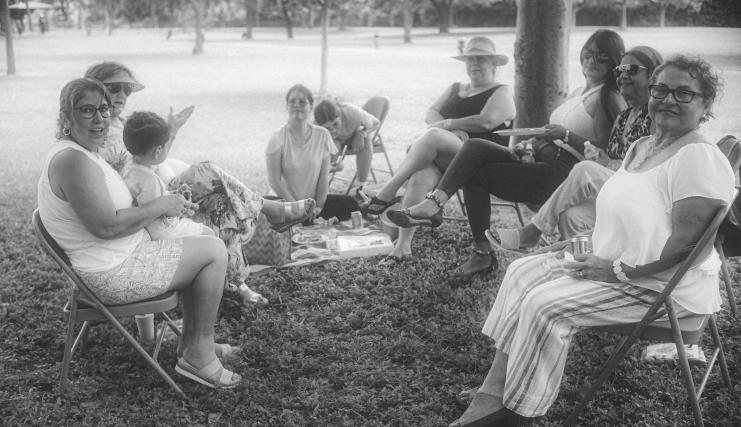
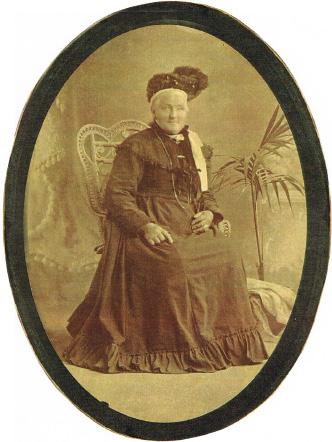
More than 60,000 years ago, people migrating out of Africa travelled across various landmasses – some no longer existing – and ended up on the land that’s now called Australia. These, our First Nations people, are the oldest living culture on Earth. Over the past 236 (or so) years, new waves of immigrants have continually arrived in Australia from all parts of the world.
The team at Bangalow Historical Society (BHS) is constantly exploring ways to create fresh interest in the past. In January 2026, it will stage an exhibition highlighting the origin countries of 2479 residents. “Every one of us has forebears who originally came from another country,” said BHS President, Trisha Bleakley. “Some were born overseas; some have parents, grandparents or great grandparents who came to Australia to escape dire circumstances such as war or famine, to find a new place to set up home.”
‘Shaking the Family Tree’, the first Bangalow Museum exhibition for 2026 aims to reveal and celebrate Bangalow’s broad multicultural heritage. The team has collected a rich selection of origin stories from Bangalow residents, some with unexpected twists and secrets. Following are highlights and previews of some of the family trees that will be explored and displayed at the exhibition, opening on Sunday 25 January 2026 with a Q&A session with some of the contributors on the day.
Manu Pagliarini
Known throughout the village for his paper-thin prosciutto, Emanuele ‘Manu’ Pagliarini was born in Sant’Oliva, a small Italian country town between Rome and
Naples, with a population under 1000. Here, everyone knew everyone else; residents had only four surnames. All his relatives lived within 300 metres of each other. His parents, grandparents and great-grandparents were all born in Sant’Oliva.
During World War Two, Manu’s relatives fought in the Battle of Cassino, part of a series of four military assaults by the Allies against the Axis forces in Italy. His family moved to Australia when he was three years old. His birth town now has a sister-city agreement with Casino in Northern NSW. His main street shop, Manu’s Bangalow Alimentari, “pays tribute to the time-honoured Italian village shops, where neighbours gather, flavours flourish and tradition lives on”. In Manu’s words, “memories now inspire every corner of our shop”.
Dr Michael Lebert
Newrybar’s Dr Michael Lebert is the son of an Estonian farmer with German heritage, while his mother has Prussian and Swedish ancestry. When the Russian army invaded Estonia during World War Two, his parents fled to Poland where Michael was born, then moved on to Italy. There, he tasted oranges for the first time, their diet as refugees being bland and meagre.
In Italy, the family finally boarded an American battleship turned passenger-carrier and set sail for Australia.
On arrival, his family was interned in a refugee camp in Parkes NSW, where his dad became an administrator. The camp was divided into two, to prevent fighting between the Yugoslavs and the Estonians. At school,
Michael was bullied: an adversity that drove him to learn to read and speak English fluently. He eventually won a scholarship to Sydney University to study dentistry. Now in his 80s and a widower, Michael still works as a dentist in Mullumbimby.
Grant Rasheed
Born in Australia, Grant’s ethnic origins are 75% Irish and 25% Assyrian. At the age of six, his grandfather migrated to Australia from Lebanon with two of his uncles, leaving his parents behind. Arriving in Port Pirie, South Australia (SA), the family settled in the Flinders Ranges where they owned several sheep stations before the Great Depression “undid much of their hard-earned success”.
Originally, the Rasheed family were Druze: a small, ancient religious and ethnic community. However once in Australia, they became Catholic. Grant, one of nine children, is uncle to 57 nieces and nephews.
Grant has no memory of ethnic discrimination growing up on a sheep station at Orroroo, SA, or later, while at boarding school in Adelaide. Since leaving school, he has lived and worked in diverse cultures globally. Since 2017, he has run the Ninbella Gallery in Bangalow’s main street. He “aligns more with my Arab ethnicity than the Irish”.
Jenny Holden
Both sides of Jenny’s family – paternal and maternal – settled in the Colony of South Australia, founded in 1834 as a planned, freesettler British colony, without a convict past. On her father’s side, her ancestors, farmers or miners, were mostly English, emigrating to SA between the 1840s and 1860s. Another
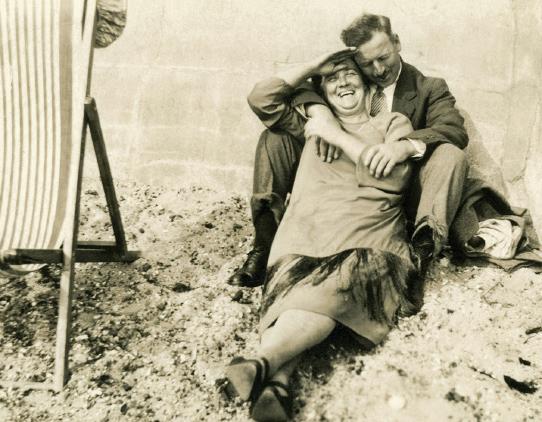
branch came from the Republic of Ireland, while others, Johan Muller and Barbara Gerstner, who came from the German state of Baden-Wurttemberg, emigrated with their three children from Hamburg in 1883.
Her maternal ancestors – farmers or labourers – arriving on a ship from Hamburg in the mid 19th century, were also predominantly English, from Sussex, the Isle of Wight, and Northern Ireland. Others came from Europe, such as Bavarian born 24-year-old Sebastian Schmidt. On the ship Sebastian arrived on were also Lutherans, fleeing religious persecution. Sebastian met his future wife, Margaret O’Dea, in SA. She was from County Clare, Republic of Ireland. They married in Adelaide in 1842 and raised 12 children.
John Zentveld
Patriarch John Zentveld, originally Johannes Maria Zentveld, was born in Alkmaar, a traditional cheese market town in the Netherlands. The Zentveld family fled the Netherlands as “there was no future there; more than a million citizens had already died”. His sister and her husband were the first of the family to come to Australia, initially sent to an immigrant camp, before saving to buy a farm in Seymour, Victoria. There, they were later joined by Johannes (John), an electrician, his parents and two brothers. One of John’s brothers was married, but due to the White Australia policy in effect at the time, his wife, of Indonesian heritage, was initially unable to enter the country.
Like many other immigrants, John had to re-qualify to work as an electrician in Australia. After opening an electrical appliance store in East Melbourne, he expanded into car radios, eventually selling the business and moving to Skennars Head in 1972. With his Australianborn wife June, of English and Irish heritage, the couple bought their Broken Head Road farm in 1980. In time, the couple transformed it into Zentveld’s Coffee Farm and Roastery.
“In putting together the exhibition, it became clear that many of us want to learn more about our own family history. Sometimes people want to find biological answers about their family line. Others simply want to connect with their past, to feel a stronger sense of belonging and a connection to the generations that came before,” Trisha explains. “It can be fascinating to find out more about the lives of earlier family members.”
As a fundraiser during the six-week exhibition, BHS is running a raffle with a DNA test as the prize. The museum’s hunt for family artefacts, photos and stories continues. If you’d like to contribute to the exhibition with your family story, contact the museum on 02 6687 2183, or email bangalowhistorical2479@gmail.com
Wednesday 24 December 4pm – 8pm
Enter via Main Gates with gold coin donation. Parking also available $5.
There’s something for everyone!
A visit from Santa Sally the Princess Face Painting Shorty Brown the Clown The Space Cowboy
Giant Stiltwalker and Hula Hoops Will – New York Breakdancer and Comedian
Amazing Food Plus Vegan Options
BBQ Steak, Hamburgers and Sausage Sizzle Lions Bar
Catalina Tie Dye Roving Circus
The Christmas Belles Choir Fireworks PLUS HEAPS MORE!!
BangalowLions



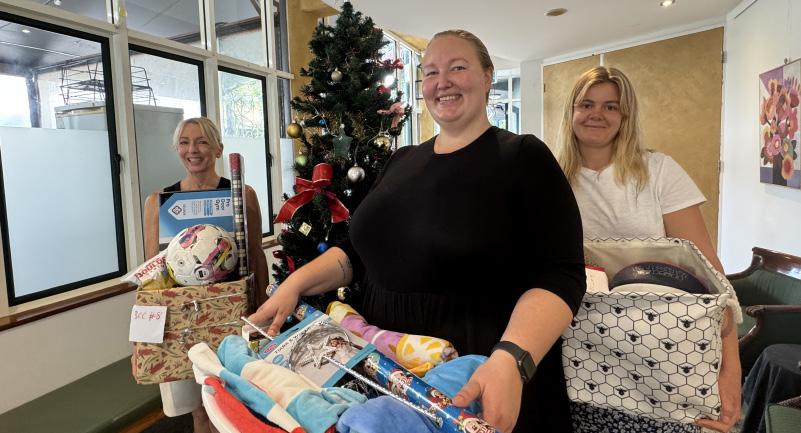
The Byron Community Centre is calling on the local community to help spread festive cheer to families doing it tough this holiday season. Individuals, families, groups of friends, workplaces, and community groups are invited to ‘adopt’ a local family experiencing financial hardship, by preparing a festive Christmas hamper filled with gifts, vouchers and food valued at approximately $100. Families are identified in partnership with Fletcher Street Cottage, a community support hub operated by the Byron Community Centre, and Liberation Larder, a local food relief service. Hampers will be matched and distributed to families who would otherwise go without, offering both practical support and a powerful reminder that they are not alone.
1. Adopt a Family Contact the Byron Community Centre on (02) 6685 6807 or reception@byroncentre. com.au, or visit the reception team to be matched with a local family in need.
2. Create a Hamper Fill a festive hamper with family-friendly gifts, non-perishable food and gift vouchers to the value of approximately $100.
3. Drop-off Deliver your hamper to the Byron Community Centre on Friday 12 December, ready to be shared with your adopted family before Christmas.
The SHIFT Project is a local charity creating real change for women experiencing or at risk of homelessness. By providing housing, education, and employment pathways, SHIFT helps women rebuild confidence, stability, and purpose - strengthening the social fabric of the Northern Rivers. Through social enterprises like Linen SHIFT and the Ngali Design Initiative, women gain hands-on skills and income while contributing to a more connected, compassionate community.
This Christmas, The SHIFT Project invites you to celebrate the season in style – with comedy – a special one-off show by Mandy Nolan created just for this event. Guests will enjoy complimentary canapés, a cash bar with festive cocktails, and the chance to shop handcrafted homewares from the Ngali Design Initiative – a social enterprise empowering SHIFT participants through creative skills and income. Beautiful, handprinted linen cushions and other pieces will be available at discounted prices for one night only.
All proceeds support SHIFT’s programs, which provide housing, education and employment pathways for local women – helping them build confidence, stability and independence. Tickets are just $40 and include canapés. Every purchase and every laugh shared on the night helps strengthen our community and support those in need.
Tuesday 9 December, 7pm Brunswick Picture House shiftproject.org.au/whats-on/event
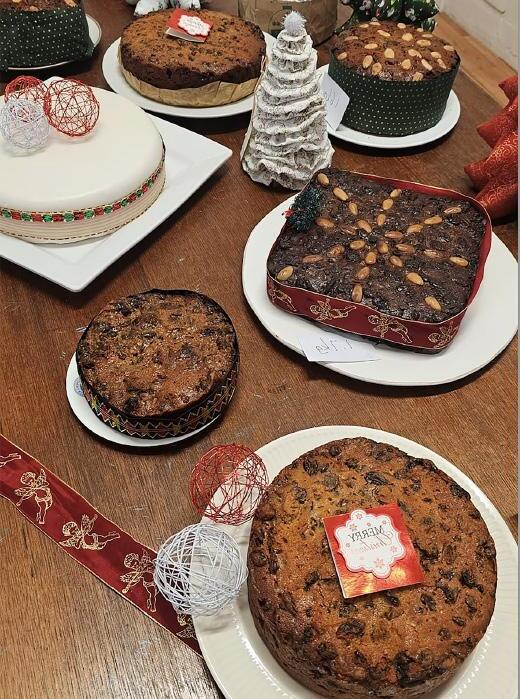
Christmas just isn’t Christmas without a Christmas cake. Remember the one your grandma made? So full of fruit and brandy one slice could have you blowing over the .05 blood alcohol limit. Two slices and you might lose your license!
Christmas cakes started as a medieval plum pudding, and by the 16th century they had evolved into the beginning of the cake we know today. In many families, making the Christmas Cake was something your grandma did - or Aunty Joan, or the lady down the road. It was the cake that was bought out for visitors for the weeks leading up to Christmas day, perfectly moist and preserved, and ready for action. Full of raisins and nutmeg, brown sugar and love, the Christmas cake has been a tradition in most Aussie households. Pair it with a cup of tea and maybe a dollop of cream or a smear of butter and you’re in heaven. So if you are after a home-made Christmas cake but don’t have the time, the inclination or the ability to make it happen - good news! The Bangalow CWA are busy making the world’s best Christmas cakes for a variety of budgets.
Cakes are sold by weight, so some will start at around $15, and the heavier ones will be up to $50. All cakes are baked from a variety of recipes old and new by members of the Bangalow CWA branch.
Some are family recipes going back generations. Di and Michelle use a classic and trusted Women’s Weekly Recipe from 1987, (that was the issue with Ray Martin and Maggie T on the cover!) Rebecca uses her dear old granny’s recipe.
There are even gluten free cakes on sale. Because these are handmade, no two cakes are the same, and there’s a cake that’s probably just right for you waiting to be adopted and eaten by your family and friends this holiday season!
The customers at the monthly Cake and Produce sale on 28 November got first dibs on the cakes but there will also be cakes (and jams, and other hand-made goodies perfect for gifting) available at the CWA Rooms, 31 Byron St, Bangalow up until Saturday 20 December, when they close for Christmas.
Proceeds from sales of Christmas Cakes go to donations to the many of the homelessness support services in the region, so every cake from the Bangalow CWA is not just full of goodness, there’s community love in action. Cake it forward!


Gabby Le Brun reflects on the foliage we bring into our homes at this time of year.
I swear that our Christmas tree gets smaller as our daughters get older. When our first-born daughter, now 19, turned two, we bought our first family Christmas tree from Kmart. It seemed ginormous, with its tip barely brushing the ceiling (our girls required a stepladder to affix the star) and a girth so wide it was impossible to reach around to plug in the Christmas lights. A fake Norway spruce with deep, green pine-needles, it was so plush that one year we found a live possum hiding among its boughs.
Before we had kids, we threw some tinsel over a tree in the garden or a pot plant. I came from a Christmas tree family, but my husband did not. My family always had a Christmas tree and ours also shrunk as we grew. I remember lying on our brown leather couch in the dark watching the coloured lights blink on and off, my tummy filled with the butterflies of magic and anticipation.
Apparently, Martin Luther, the 16th-century Protestant reformer, was the first to add lighted candles to a tree. Luther was “awed by the stars twinkling amid evergreens” on his walk home one winter evening, and wanted to recapture that for his family in his living room.
Before the mid-19th century, Christmas celebrations were public carnivals rather than indoor private family celebrations. The ‘wassailing’ practice whereby revellers would knock on the doors of the wealthy and demand to be feasted or given booze has parallels with Halloween’s trick or treat. When wassailing evolved into drunkenness, vandalism and “lewd acts”, the “gross debauchery of the season” was mitigated by the introduction of the concept of a child-friendly indoor Christmas tree around which families would gather.
Some of my most treasured Christmas memories involve the Bangalow Christmas Eve carnival, which reflects the public carnival origins of Christmas. With my sisters in Vancouver and extended family in Melbourne, I don’t have local family, so while others celebrate with housefuls of relatives, Christmas can feel very lonely. But connecting with our community in the main street, dancing to the Samba Blisstas, and watching the Space Cowboy and Pitts Family Circus with my daughters has soothed the ache and created more unconventional traditions. One year, my friend’s religious American relatives, visiting with their two young daughters, were shocked that we Australians celebrated Christmas with sword swallowing and juggling chainsaws. Debauchery indeed.
Until recently, setting up our tree was a family affair on 1 December. It was too complicated for our girls to do it alone when they were little – all those “insert branch A into slot F” – and so forth, but as a teen, my youngest has taken the mantle.
In a recent online community poll that I conducted, it seems that 1 December is a popular date for Christmas tree erection, and it’s commonly a family occasion.
Justine says, “1 December or close to, we used to do it with the kids (her kids are now late teens) and it was a tradition to chop one down in a friend’s paddock. We’ve now reused the same big fake one for years.”
“With the kids on 1 December,” says Sally, “but I’m already itching to set it up in November.”
“We aim to do it on the first of December but have only done that once,” said Rebecca. But the “real answer is, sometime in December, when we get our shit together.”
Some respondents preferred to set up the tree closer to Christmas, some just “couldn’t be bothered” with a tree, and there were those who boycotted the whole tradition due to it being “consumerist BS”.
For the sentimentalists among us, the decorations themselves are the keepers of the family stories. Once the box of motley decorations is lugged out from the garage, we toss out any smashed baubles that didn’t survive. Then we revisit each one. Some, like the handmade pre-school ones, don’t make the cut. Some others, favourites until recently, are considered “too daggy to have on display”.
Rebecca says: “We all love pulling out the decorations each Christmas and greeting them like old friends and finding our favourites. We were so sad to have lost so many in the flood. The flood took lots that we’d made over the years and the ones I made as a kid. But everyone was so lovely after the flood (by donating) and we realised we love our tree even more now. We sit there, just looking at it and talking about the different decorations and where we got them and which ones we love the most.”
And as for what the Christmas tree means to them, Aarna says: “It means the best day of the year. With a single mum, this day meant so much to me: she was amazing to pull it all together, with thoughtful gifts, always single-handedly, with zero support on any level. It means prawns and tropical fruit and cocktails and dancing. It reminds me of my mum and my grandma and all the wonderful efforts they made for us, with the best food and fun. Seeing our cousins! Christmas cake and Christmas pudding, rum balls. I’m sentimentalist. I could go on. Christmas was like magic.”
For Rebecca and her family, the tree means “It’s Christmas! We love our tree, it’s a whole family event putting it up and decorating it. It’s full of memories and we all take a photo sitting under it after it’s done.”
Put simply, Caroline says, in her home, the tree is “the focal point of Christmas”.
Conflict, local and international, has been front of mind for many this year. Quite independently, a few community members and organisations had quietly been dreaming up their own ways to wrap up the year peacefully.
Shop window displays, handmade Christmas decorations, musical events, meditation and yoga and more were all projects in the works, and once this theme emerged, it made sense to unite the collective effort and focus on a theme of Peace throughout the month of December in the village of Bangalow. Here are some highlights to look out for.
When Wednesday 3 December, 7.15am
Where Uniting Church, Station Street, Bangalow
Tickets Free – donations to Act for Peace invited
Join Ondine Savage of Awakened Soul Yoga for a gentle, grounding session dedicated to peace and compassion. This early morning class is offered freely to the community, with optional donations supporting Act for Peace’s humanitarian work. Please bring a yoga mat.
When Sunday 7 December from 5pm
Where Heritage House, 4 Ashton Street, Bangalow
This community-organised event is a family-friendly twilight concert held in the grounds of Heritage House. Bring a picnic, drinks (no glass please), rugs or camp chairs, and come and enjoy and eclectic local line up of peaceful, tuneful sounds including emerging young musicians from local high schools, through to seasoned performers and long-time musos including the Christmas Belles and the Headliners Chorus. Acapella, folk, acoustic and generally chilled vibes will make this music event the perfect tonic to a hectic year. All welcome. Entry via donation and RSVP via Eventbrite is essential.
When Saturday 13 December, 5-7pm
Where Bangalow Uniting Church Carpark, Station Street, Bangalow
Tickets Free
Info byronshireunitingchurches.uca.org.au
A self-guided meditative walk through a large temporary 11 circuit canvas labyrinth installed on the grass next to the Bangalow Uniting Church, offering a chance to slow down, reflect and find inner stillness during the busy festive season. Unlike a maze, a labyrinth has a single path in and out, encouraging calm and contemplation. Drop in any time during the two-hour window. All welcome.



FEATURING LOCAL EMERGING MUSICIANS & SEASONED PERFORMERS

BYO picnic, rug, and drinks. No glass or dogs please.










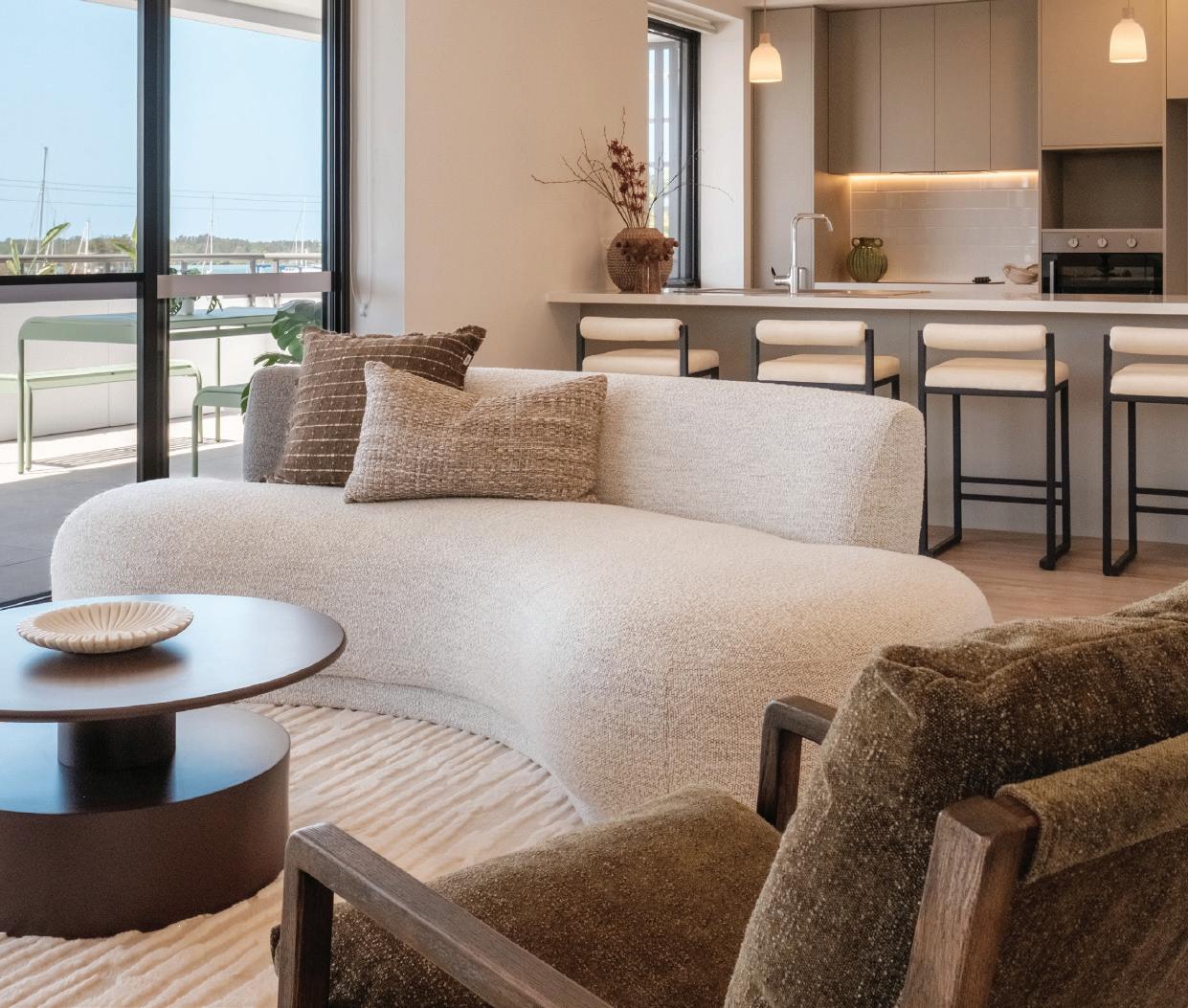
Come along to our Open Day! Wednesday 26 November 12pm – 2pm At The Deckhouse, 4 Freeburn Street, Yamba Call Aurora to book your place!
From waterfront apartment living to leisurely strolls by the beach, there’s less to manage and more to enjoy at Uniting Yamba. Offering modern, easy-care 1, 2, and 3-bedroom apartments, Uniting Yamba is designed for people over 70 who value freedom, comfort, and peace of mind.



Get ready to step back in time with 70s tribute band, ‘Alive In The 70s’, is bringing their dazzling live show A Trip Through the 70s to Byron Bay Theatre for one night only. Known for their infectious energy, killer vocals and sequin-studded flair, this six-piece band delivers an unforgettable experience packed with the music, fashion and spirit of the decade that defined a generation. Expect a dance-inducing setlist of classics from ABBA, Fleetwood Mac, Sherbet, The Bee Gees and more – all performed with style, swagger and authenticity. Fronted by dynamic vocal duo Mama Cath and Papa Pan, the band has earned a national following for their nostalgic, high-energy performances. Vintage costumes, multimedia visuals and stage charisma bring the groove, glitter and glamour of the 70s roaring back to life. Whether you lived it or just wish you had, this is your chance to let loose, dress up and boogie under the mirrorball.
Byron Theatre
Saturday 17 January, doors 7pm, show 8pm byron.sales.ticketsearch.com/sales/salesevent/156408
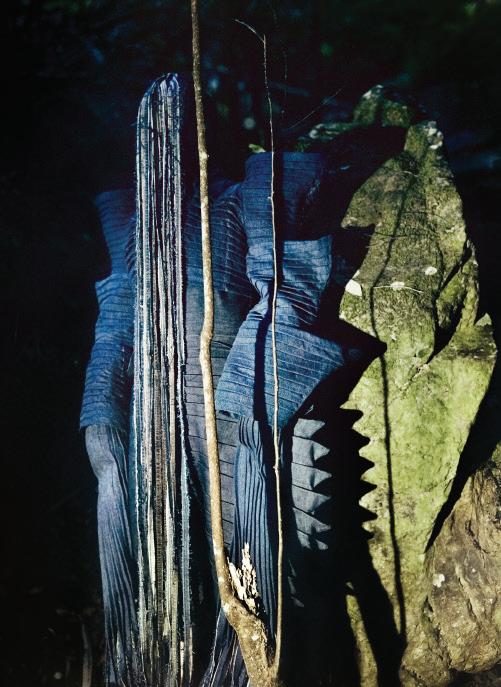
Lone Goat Gallery presents ‘Moon Pool’, a contemplative new installation by local multidisciplinary artist Natalie Wilkin. This immersive exhibition invites visitors into a quiet, mysterious world shaped by the artist’s deep curiosity about life, loss and renewal.
Combining photography, sculpture and film, ‘Moon Pool’ moves gently between states of change and stillness. It creates a space for reflection and reconnection, where the visual and the sensory are interwoven. The result is a powerful yet delicate environment that allows audiences to slow down, notice and feel.
Natalie’s practice draws on the relationship between the body, nature and unseen forces. Working closely with natural materials and sites, her process is intuitive and hands-on, treating the creative act as a kind of dialogue between artist and environment.
Whether you’re a regular gallery-goer or simply looking to pause and reconnect with something quiet and thoughtful, this exhibition is a compelling reason to visit Lone Goat Gallery this summer.
Lone Goat Gallery, Byron Bay 1-20 December 2025 and 7-10 January 2026 Wednesday – Sunday 10am-3pm lonegoatgallery.com/exhibitions/moon-pool















When devastating floods swept through Lismore, NORPA lost its homebase theatre of 30 years. “The floods were horrific,” says Julian Louis, Coorabell resident and NORPA Artistic Director. “We had to let go of eight staff, good people and an incredible team. Our community was suffering. And we were right in it.”
With their permanent venue gone, the company was forced to rethink everything – how to make work, where to stage productions, and how to stay connected to the region (the theatre company, after all, is called the Northern Rivers Performing Arts, not just a Lismore-based operation.)
In the midst of this upheaval, came a gesture of solidarity from acclaimed contemporary Australian playwright, screenwriter and now novelist, Susie Miller. “She reached out to me after the floods and said, ‘Is there any way I can help you?’ and I said, ‘I’d love to do one of your plays.’” Prima Facie, described by many as ‘the world’s most talked about play’ became the obvious choice.
The resulting production, set to tour in 2026, will see the awardwinning solo play performed in intimate halls and theatres across the Northern Rivers – including Byron Bay, Tweed Heads, Wollongbar, Kyogle, Grafton, and Lismore – as part of NORPA’s new initiative the ‘Village Circuit’. It’s a deliberate return to grassroots regional touring, with the company committed to reaching audiences where they live.
And what a play to take on the road. Prima Facie is a searing indictment of gendered violence and systemic injustice, told through the lens of a criminal defence barrister whose faith in the legal system is shattered by personal experience. It has been translated into over 20 languages, “It’s harrowing, but it’s also gutsy,” says Julian. “And it’s a story of strength and solidarity – particularly with women.” It’s also a work steeped in lived experience, Susie herself a former lawyer who interviewed hundreds of women survivors of sexual assault.
“This play isn’t just entertainment,” Julian adds. “It’s a reckoning. It speaks to the times we’re living in – and the change we still need. After everything Lismore and our community have been through, what better way to begin a new chapter than with a work that demands to be heard?”
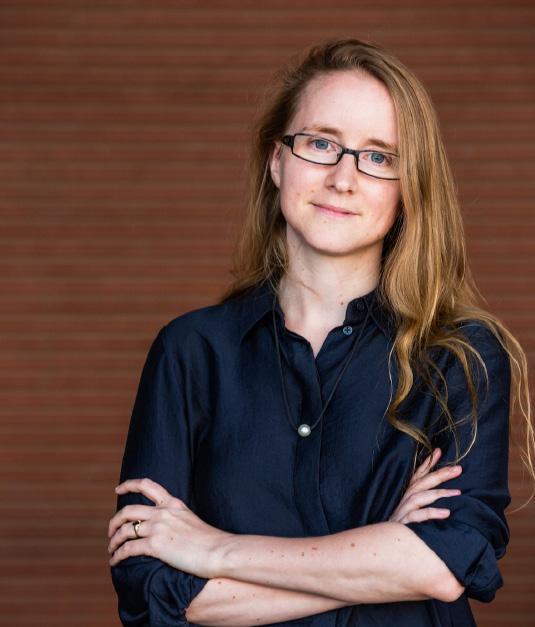
Winner of the 2023 Olivier Award for Best New Play, the NORPA production will be directed by Byron-based Heather Fairbairn. It stars Matilda Ridgeway in a powerhouse solo performance, and created with a high calibre local and nationally-sourced production team.
Touring the Northern Rivers in February 2026 Tickets on sale now norpa.org.au/events/prima-facie
The Federal Village Masterplan has taken out a national award for Excellence in Community Engagement, recognising the strength of local leadership and collaboration in shaping the village’s future.
Byron Shire Council and the Federal community were jointly honoured at the IAP2 Australasia Core Values Awards, announced at the recent Engagement Institute conference in Melbourne.
“This is a great example of how deliberative planning can harness local voices and build strong outcomes,” said Council’s Director Sustainable Environment and Economy, Shannon Burt.
Learn more at byron.nsw.gov.au/Federal-Village-Masterplan and read the full story in this edition on pages 36-37.)
The Bangalow Herald
After a number of community submissions rejected the Pub DA proposing the conversion of the current ‘music’ room of the Bangalow Hotel into a ‘pokies parlour’, owners of the venue went back to the drawing board. The original DA plan had the entire area allocated to gaming machines but the revised plan, reconfigured due to pressure from community and Council, provides a modest multi-use public space with pokies in a rear segmented space, slighter larger than the current pokies area. Councillors unanimously approved the pokies/public space redesign and added a condition (moved by Asren Pugh, seconded by Elia Hauge) that the public space is permanent and cannot be used for gaming machines by a future owner. Elia expressed utter frustration about the lack of Council powers related to gaming machines.
Ian Holmes
Byron Shire Council has released a draft Playspace Action Plan and is asking for community feedback by 5 December 2025.
The plan looks at all 37 playgrounds across the Shire, assessing their location, condition and accessibility, and proposes ways to make them more fun, inclusive and better suited to the needs of families and children of all ages and abilities.
Some smaller or underused play areas may be retired over time, with maintenance funding redirected into creating larger, betterequipped spaces the whole community can enjoy.
“This is a 15-year plan shaped by community input,” says Council’s Open Spaces Coordinator Jim Roberts. “Now we want to know if it reflects what locals really want.”
Complete the survey
yoursay.byron.nsw.gov.au/playspace-action-plan
In July this year, Byron Shire Council installed electronic signs and temporary lighting along the Hinterland Way at Bangalow to help reduce the number of koalas being hit by cars — and now they want your feedback.
The signs and solar-powered lights are located near known koala crossing points where visibility is low. Since installation, no koalas have been struck, but Council wants to understand whether drivers are noticing the lights and slowing down.
“This is about improving future awareness programs and saving koalas,” says Council’s Koala Project Officer Jane Baldwin. “We really hope people can take five minutes to complete the survey.”
The survey closes 13 December 2025 and is open to all drivers who use Hinterland Way.
yoursay.byron.nsw.gov.au/koala-lighting-signage



Mudie Cow. Funny name, fabulous fragrance. Mudie Cow is the brainchild of local marketing professional Gillian Wall. “For many years I helped some pretty exciting brands launch into the lifestyle space,” she says. “I got a taste for storytelling and innovation, so decided to have a crack at it myself.” The result is Mudie Cow a fragrance range of ‘functional mists’ that can chase the blues away, channel good vibes only, or calm the chaos. Whatever the mood calls for. “Sometimes it’s nice to sit in our emotions, sure, but sometimes we need to snap out of it,” she says. Exploring the connection between memory and scent, Gillian found that certain smells can trigger an emotional response. “The science behind scent is what really drew me in. I wanted to explore the depths of its connection with our brain’s limbic system,” she says. This is the part of the brain that is responsible for memories, motivation and regulates our emotion.
Check out the website for the full range (the mini Discovery Set makes a perfect stocking stuffer!)
mudiecow.com.au/shop
Futurae Diamonds – providers of lab-grown diamonds – are set to open their doors this month at 18-20 Byron Street, Bangalow, “the old bank building”.
Led by creative director April Whittam, the new business will capitalise on a relatively empty space in the jewellery market. It will be an appointment-only store.
For April, opening the main street studio in Bangalow is more than a business decision – it’s a homecoming of sorts. As a local based in Binna Burra, she understands the region’s “thoughtful, conscious rhythm”. April believes that lab-grown diamonds are the modern heirloom – ethical, sustainable and well crafted. They are, she says, a costeffective statement choice with classic diamond appeal.
Lab-grown diamonds aren’t mined from the ground, they are created using two primary methods: high-pressure/high-temperature or chemical vapour deposition. Both processes start with a small diamond seed, which is then either subject to extreme pressure and heat or to a carbon-rich
gas which builds new layers of diamond around the seed until it grows into a larger crystal. One incredible fact about labgrown diamonds is that they are virtually impossible to identify with the naked eye.
Nicolas Lenders of Skyline Projects has been named one of the top three medium-sized builders in Australia by the Master Builders Association.
The national award acknowledges excellence across the building industry, with entries submitted from around the country. The nomination marks a significant achievement for the Northern Rivers-based business.
Established five years ago, 2479-based Skyline Projects built a strong reputation by collaborating with local trades and artisans and highlighting the region’s generational craftsmanship.
NOWOPEN FRIDAYS
FOOD & OBJECTS FOR SLOWER MORNINGS
Browse our curated collection of goodies for Le Pantry, Le Table & Le Kitchen
OPEN FRIDAY, 10AM - 2PM
16 Tasman Way Byron Bay, NSW 2481
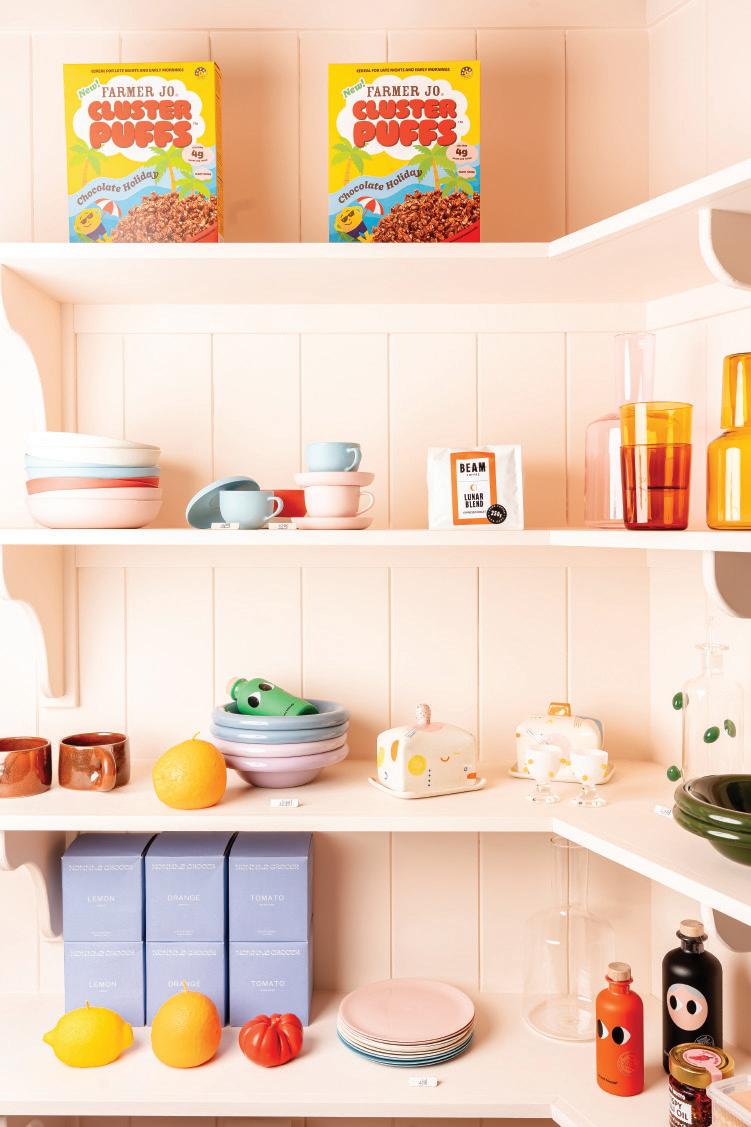
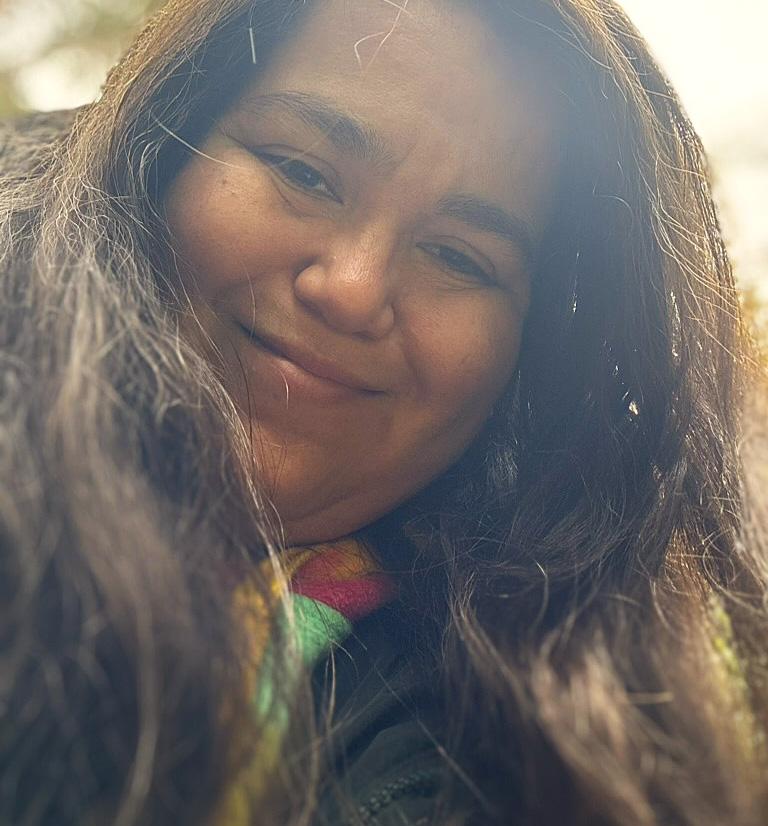
Dee Gutierrez and her partner, past life therapist Paul Williamson, have just returned from a nine-week working tour of the United Kingdom. There, they offered workshops, healing circles and one-on-one sessions, and recorded interviews for their SoulPathways podcast series. Their year generally includes working at festivals around the country, and in 2026 starts at Bangalow’s annual Starlight Festival.
What do you call the work you do?
I work as an Evolutionary Astrologer, which means I use the chart to explore the soul’s journey over many lifetimes, not just the personality traits of this one. It’s less “what’s my sun sign?” and more “why am I like this, and what am I growing toward?”
What’s the word you use to describe the sessions you offer?
My work blends Evolutionary Astrology with intuitive guidance, giving people clarity on their inner patterns, soul purpose and the deeper story of their lives. At its core, each session feels like a form of spiritual counselling, because I work with both the chart and my guides to offer grounded, practical and soulcentred support. So, the word I use to describe my sessions is insightful.
Why have you named your website ‘Soul Compass’? What does that mean to you?
I chose Soul Compass because I see astrology as a kind of inner navigation tool. It helps you understand who you are, why certain patterns shape your life, and who it is that your soul is trying to become.
Life can pull us in many directions, and the birth chart offers a symbolic map that helps people orient towards what feels true and meaningful. It is not about predicting every event, it is about finding your bearings and walking your path with more self-knowledge and trust.
What are people looking for when they come to you for a session?
Most people come when they are at some kind of crossroads. They are usually looking for:
• Clarity about where they are in life and why certain patterns keep repeating
• Validation that what they feel inside is real, especially when it conflicts with their upbringing or social expectations
• Direction around work, relationships, creativity or major life changes
• A sense that their struggles are part of a larger karmic story rather than random misfortune
Quite a few people also come after a loss, a spiritual awakening or a major transition, when the old life no longer fits. They want to understand what their soul is asking of them now and how to move forward with more meaning and confidence.
Can you describe what happens in a session, in simple terms?
First, I use your date, time and place of birth to bring up your astrology chart, which is a picture of where the planets were at the moment you were born. Your soul works with the energy between the planets, and this influences the creation of your psyche, your inner nature. In plain language, I translate that into:
• how you tend to think and feel
• the kinds of situations and relationships you are drawn to
• the deeper themes and lessons that keep showing up for you
• the nuances of the particular life chapter you are in now
We talk about what is happening in your life, and I relate it back to the chart so it feels practical and relevant. People often say it feels like a blend of counselling, spiritual guidance and having someone finally identify what they have always sensed about themselves, in a kind and grounded way.
I work with different types of charts, and each one offers a different perspective on the soul and the journey it is on.
Were there any particular highlights of your UK trip?
A few stand out.
The evolution of our workshop, ‘The Precipice’. It began in Wolverhampton and ended in West Yorkshire, and it was powerful to watch how naturally it grew through the openness and vulnerability of the people who attended. We held it in all kinds of spaces, from a thirteenthcentury abbey in Worcestershire to a simple room above a carvery restaurant in the West Midlands. Each setting worked beautifully because people arrived ready to do their inner healing.
The Healing Circle in Airdrie, Scotland. This was held in a large room inside an old bank building, with tall windows and dark wood features. The space was filled with warmth because of the big personalities and empathetic nature of the Scots who came. People travelled from all over Glasgow and even Edinburgh. We held our circle, the Reiki practitioners did their work, then everyone settled into a deep group meditation followed by a sound bath. It was peaceful, touching and, in true Scottish style, often very funny.
The one-to-one connections. I felt deeply moved by the people who trusted me with their readings. The conversations we shared, the friendships we formed and the support I received for my work were some of the greatest gifts of the entire trip.
soulcompass.com.au
Christobel Munson
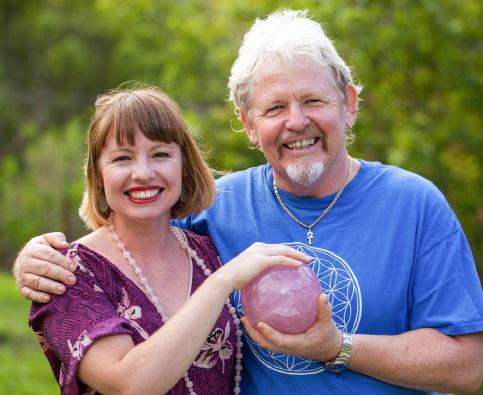
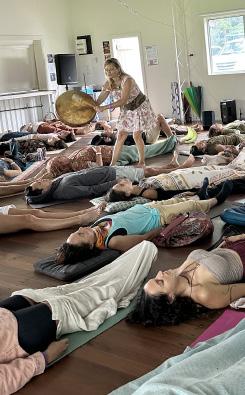
Our A&I Hall is an amazingly flexible building. Almost every month it offers us a new glimpse of ways life can be lived, through concerts, performances, plays, debates, films, political events, exhibitions. From January 1-4, it –and five nearby buildings – will be transformed into a different realm: the mystical and ever-popular Starlight Festival. But what’s it all about? The Bangalow Herald asks the organisers.
The first Starlight ‘Expo’ took place at the Byron Bay Surf Club in 1996. The following year, the Bangalow Chamber of Commerce invited it to relocate to Bangalow, where it’s taken place ever since. This January it will celebrate its 30th event, now transformed into a comprehensive festival, light-years from its comparatively humble origins.
Started by Raym Richards and now organised by his daughter Rosie Richards, her husband Oliver Hamalainen, and their son Hendrix: “It’s now a vibrant, multi-day wellness festival, offering visitors deeper opportunities to experience healing, connection and community,” Rosie explains. “When Oliver and I took over ownership of the event, we guided it into the modern Starlight Festival

Please join us for a 6 week exploration of the Buddha’s instructions for mindfulness meditation. Learn to be present with the body, feelings and mind, cultivating calm and happiness. Thursday evenings for 90 mins 22nd Jan to 26 Feb 2026 Cost:
people know and love today.” Founder Raym Richards is still very much involved, hosting talks and a stand at the event, described in the program as “a shaman, author, columnist, poet and spiritual teacher”.
The event is entirely self-funded by Oliver and Rosie: “A true labour of love that we continue to pour our hearts, energy and resources into each year, to keep this beautiful community event thriving,” explains Rosie.
This year will be “one of our most expansive festivals yet”, she says. “It will feature over 100 presenters sharing their wisdom across workshops, talks, classes and performances.” As well, there will be 45 exhibitors and healers in the main hall: “offering a vibrant marketplace of therapies, products, and experiences for visitors to explore throughout the event.”
For the duration of the festival, the Scout Hall is known as the Wisdom Room; the school hall becomes the Breath Space; the RSL hall is the location for yoga; the Moller pavilion is known for Soul Sounds, the backstage area of the A&I Hall transforms into the Insight Room, while other workshops are held in a nearby school classroom.
Many of the practitioners and exhibitors are local, from both Byron and Ballina shires. “Supporting and showcasing the incredible talent and gifted healers of the region is a fundamental part of the Starlight Festival, and we take great pride in giving these local practitioners a platform to share their work with the wider community.”
The 2026 Starlight Festival runs for four days: 1 to 4 January, from 9.30am to 6pm. Tickets are $35 per day, but for locals, there’s a 2-for-1 deal on January 1 and January 2, with a 4-day pass also available for $95. To see the full program, see a photo and read a bio about every presenter, and to purchase tickets, go to starlightfestival.com.au
Interested in learning to meditate? Or if you are an experienced meditator looking for a sitting group, join us on Thursday evenings at the Men’s Shed. Groups run for 6 or 8 weeks. The evening includes:
• Guided meditation practice
• Teachings drawn from the early Buddhist texts
• Group discussion & reflection
• Support for bringing mindfulness into daily life
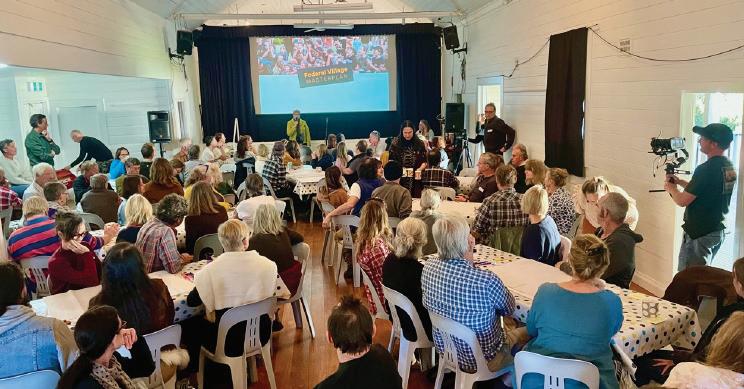
Talking with Alan Goldstein about Federal’s award-winning Masterplan
There is something rare about Federal. It becomes evident when you walk into the hall on a weeknight and find thirty residents discussing bridge safety, tree canopy, or how neighbours might support one another during the next natural disaster. It can be felt in the way people wave at each other from their cars. And it is unmistakable in the way a village of fewer than a thousand people has just received a national award for community engagement.
When the Federal Village Masterplan was recognised with the IAP2 Core Values Award, I called Alan Goldstein, Chair of the Federal
Masterplan Steering Group, to ask how he felt about the achievement.
He paused, then said quietly, “Honestly? I am proud of what the community did. And I am relieved.”
For those who may not know, the Steering Group was a volunteer body formed specifically to guide, shape and coordinate the communityled master planning process. Council asked Federal to lead the planning, but the Steering Group was the mechanism that made this leadership possible. Its members contributed their time, skills and emotional labour to gather community input, translate it into clear actions, and work alongside Council staff to ensure the
process remained transparent and grounded in community values.
Alan, who has lived in the district for many years, did not seek out the position, was not paid for it, and did not inherit any template for how to run such a process. He stepped forward because someone needed to. As Coordinator of the Federal Masterplan Steering Group, he became the central organiser, communicator, coordinator, and anchor of the two-year effort. What began as a simple letter to Council turned into what was, in effect, a full-time unpaid role.
“We did not begin with a plan for a masterplan,” Alan said, acknowledging that it was a process built by the community. “We simply wrote to Council asking how we could address development pressures and safety concerns on the main street. Council surprised us by inviting us to lead the process. That changed everything.”
Early on, independent facilitator Professor Kath Fisher from Southern Cross University joined the project. Her expertise in deliberative community engagement helped the Steering Group establish a structure that was rigorous, inclusive and methodical. “Kath gave us the confidence that we could do this properly. She helped build the bones of a process that was fair and transparent from the very beginning,” Alan said.
Federal ultimately became the test case for a new model of participatory planning within Byron Shire. The design of the process deliberately avoided the traditional top-down approach, where Council drafts plans first and consults later. Here, the community built the foundation from zero.
Over months and eventually years, hall meetings, door-knocking rounds, working groups, surveys and online tools generated an extensive body of material. Every contribution was recorded, photographed, analysed and
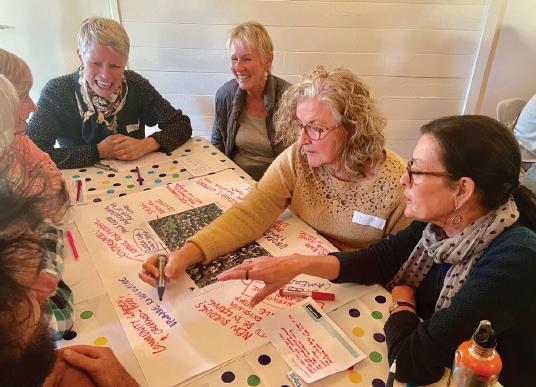
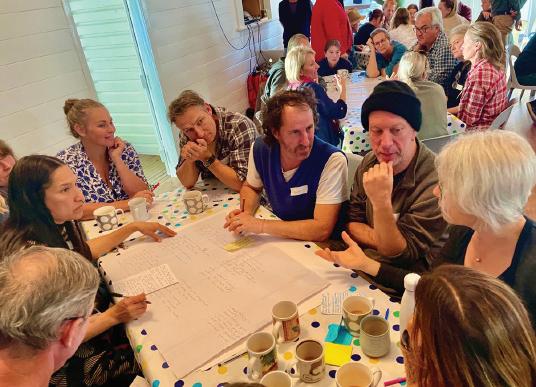
cross-checked. Through repeated rounds of community testing, ideas were refined to distinguish broad consensus from individual preference. The project was documented, transparent and grounded.
The work was far from theoretical. It required emotional resilience as much as administrative skill, and a significant human effort behind it.
“Staff at Council are trained to separate themselves emotionally from consultative feedback,” Alan said. “Volunteers are not. When criticism came in, it came directly to us – in person, in the shop, at DOMA cafe. That was one of the hardest parts. “Despite this, and despite COVID and the 2022 floods, both the Steering Group and the broader community kept showing up. “People bought in,” Alan said. “There was a shared understanding that this mattered.”
Some outcomes of the Masterplan have already taken shape. The resilience meetings at the hall, which bring together experts, locals and first responders, arose directly from Action 11. The push for improved local radio communication capacity and the effort to secure reliable internet for the hall also stem from the plan. Other actions will require longer timeframes, particularly those connected to larger planning systems. Even so, the direction is clear, and the foundations are shared.


Receiving this award is significant not just for Federal, but for surrounding villages and even regional communities further afield. Federal was the first village in Byron Shire to undertake its own master planning process from the ground up. It has now become a model for what can occur when local government entrusts a community with leadership – and when that community commits to transparency, diligence and collaboration.
The award is not merely a trophy. It is national recognition that an ordinary village, supported by ordinary volunteers, achieved something extraordinary.
Before our conversation ended, Alan said, “I hope people remember this was not my project. It was ours. I was just coordinating the energy that was already here.”
From my perspective observing the process, the energy was always present within the community. It was through the combined efforts of Alan, the Steering Group and the many residents who contributed along the way that this energy took shape and carried the Masterplan to completion.


















In this summer edition of our gardening column, Carole Gamble reflects on the understated beauty of the Japanese windflower – a soft, swaying bloom with deep roots in myth and memory.
The Anemone (also known as the Japanese Windflower) is a lovely perennial, so adaptable and graceful, is seldom seen in our subtropical gardens – even though it’s a great beauty. It reminds me of my former temperate garden in Melbourne.
Part of the huge Ranunculaceae family, the genus Anemone comes in pink, red and purple varieties – but the best, I think, is the pearly white.
The one I grow, given to me by a good gardening friend and now generously spreading by corms and asexual division, is either Anemone hupehensis japonica or Anemone de Caen. Either way, it flowers profusely from early spring until mid-summer, happily popping up between roses, coleus, pentas and salvias, adding a clear white to the many bright colours. They flower in full sun or semi-shaded areas, but need good drainage or the corms will rot. Some people also grow them in pots, bringing
them into view when flowering, like other bulbs.
It’s a good cut flower in mixed bouquets and lasts well in a vase.
The Anemone multiplies by producing small corm buds that can be cut from the main bulb and spreads easily, forming clumps. The flowers are carried on long stems – up to about half a metre in height – and the foliage around the base is attractive and fern-like.
When flowering is finished, I cut the greenery back to the base, cover with well-rotted mulch, mark with stakes, and wait for next year without disturbing the corms.
An application of compost or organic fertiliser is best applied now, underneath the new layer of mulch, to feed the corms for next year’s flowering spectacular.
If you divide the small ‘pups’, they should be planted two to three inches deep with their pointy ends just at the soil surface.
Anemones can be found in most countries in the northern hemisphere, including Asia, and the Japanese ones were once highly sought after. Once you see them swirling around in a good stiff breeze, you’ll understand the common name.
Regarding the colours: I found that they are steeped in ancient superstition, especially in provincial France, where many still grow wild.
• Pink and red are associated with lost loves and sometimes the end of life
• Purple offers some protection from evil
• White, thankfully, is peace and harmony Anemone, like most exotics, is poisonous, but in ancient times could be distilled into an effective decongestant.
They are available from several good cottage garden online retailers – mostly when dormant – and the corms travel well by post!
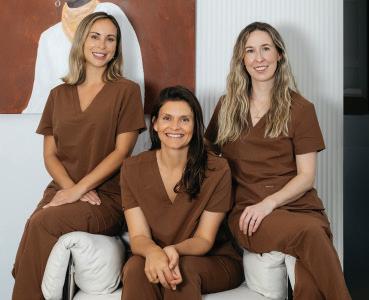

Get your summer glow on and rejuvenate your skin with our team.
We offer Broad Band Light & Moxi laser, cosmetic injectables including volume, bio-remodelling / bio-stimulating, anti-wrinkle, PRP treatments, Hydrafacial, chemical peels & Healite LED packages. We are offering complimentary skin consultations for the month of December!
Book in today with one of our lovely female practitioners; Dr Jemma Buultjens, Dr Kate Allan and Emma Walker RN.
0422 639 013 | Email: info@vaemedicalaesthetics.com Website: www.vaemedicalaesthetics.com | Instagram @vaemedicalaesthetics
The Harvest Precinct, 16 Old Pacific Highway, Newrybar (next to Misko Jewellery, below The Merchants)

World Soil Day (WSD) is held annually on 5 December to focus public attention on the importance of healthy soil and to advocate for the sustainable management of soil resources.
Soil is the thin, life-sustaining layer covering much of the Earth’s surface. It forms over thousands of years through the breakdown of rocks and organic matter, creating a complex mixture of minerals, water, air, and living organisms. Beneath our feet, soil supports the entire web of terrestrial life.
Soil is essential for growing food – providing nutrients, structure, and moisture for crops and pastures. However, unsustainable food production and consumption practices have led to environmental degradation, including soil degradation, and exacerbated climate change. In return, food systems suffer from climate change, biodiversity loss and pollution.
But soil does much more than feed us. It filters water, stores carbon, supports biodiversity, and helps regulate the Earth’s climate. A single
handful of soil contains more living organisms than there are people on the planet, making it one of nature’s most vital ecosystems.
In the Northern Rivers, where we rely on fertile land for food production, gardens and biodiversity, protecting soil is key to building climate and community resilience. Practices such as composting, mulching, cover cropping and limiting chemical use all help preserve soil health.
Loss of soil biodiversity, soil erosion, pollution and salinisation are all critical issues that need to be addressed to ensure food security, livelihoods, and health for all.
When we care for soil, we care for our future. It’s not just what we walk on – it’s what we grow from, build with, and depend on every day.
2025 World Soil Day competition – entries close 4 December
UniSQ-led Southern Queensland and Northern New South Wales (SQNNSW) Innovation Hub
are giving land managers the opportunity to showcase land-management or on-farm works and gain valuable soil health insights to help overcome any soil-related issues. The competition invites entrants to highlight the importance of soil health in managing drought and climatic extremes, by either describing a soil related problem that is limiting potential or showcasing one or more practices being implemented to improve soil health. The competition is open to primary producers, landcare groups, First Nations groups, high school agricultural classes and others managing agricultural or grazing land in the southern half of Queensland or the northern half of NSW. You could win one of three $5,000 prize package to help solve your soil-based problem
unisq.edu.au/research/sqnnsw-hub/wsd
The Bangalow Herald
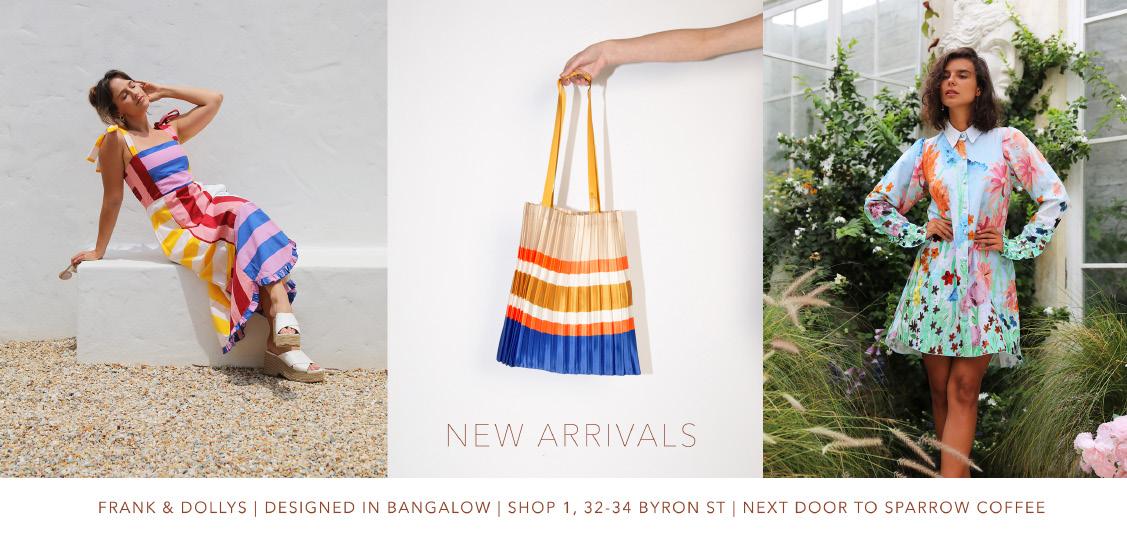
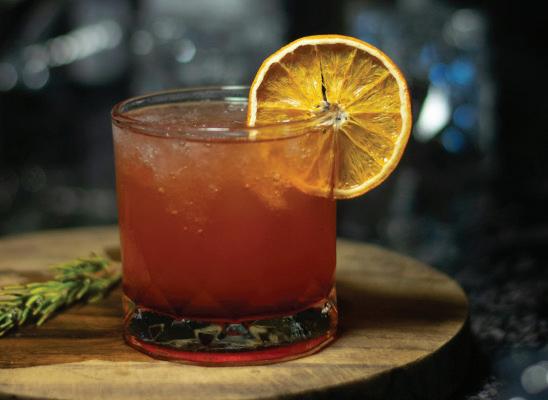
Hinterland Martini
• 30 ml tequila
• 15 ml blue curacao
• 15 ml fresh lime juice
• 10 ml sugar syrup
• 30 ml pineapple juice
1. Chill a martini glass or similar.
2. Add all ingredients to a cocktail shaker then add ice until two-thirds full. Shake vigorously for 10 seconds and strain into your pre-chilled glass. Garnish with an orange twist.
Nothing says festive like a fancy drink. Here are some of our hot tips for cool cocktails to sip in style these holidays.
• 30ml vodka
• 15ml passionfruit liqueur
• 15ml pineapple juice
• 15ml watermelon juice
• Soda water
• Passionfruit pulp
1. In a tall glass, add ice, then top with vodka, passionfruit liqueur (eg Passoa) and pineapple juice
2. Add fresh (or store bought) watermelon juice and then top soda water. Garnish with fresh passionfruit pulp.

INGREDIENTS
• 45 ml local gin
• 60 ml coconut water
• 20 ml honey syrup
• 15 ml fresh lime juice
1. Make honey syrup by mixing one teaspoon of local honey and one teaspoon of hot water in a cocktail shaker until combined.
2. Add remaining ingredients and fill shaker with ice until three-quarters full. Shake vigorously.
3. Strain into a chilled coupe glass and garnish with a sprig of mint.




This dessert will wow your guests this festive season. It’s an ice cream cake made with a chocolate outer shell, layers of panettone on the outside, and a light and creamy semifreddo centre. So easy to make and prepare!
• 1 store-bought panettone (750g)
Semifreddo
• 1 cup heavy or double cream
• 1 cup condensed milk
• ¼ cup sugar
• 1 tsp vanilla extract
• 30ml Cointreau (or liqueur of choice)
Topping
• 1 cup dark chocolate
• Decorations of choice (e.g. silver stars)

1. Remove all the wrapping from the panettone. Cut into thick slices.
2. Line a freezer-safe bowl with plastic wrap, leaving enough overhang to wrap the cake completely. Place one slice of panettone on the bottom of the bowl and press lightly.
3. Continue placing the panettone slices around the sides of the bowl, overlapping slightly so there are no gaps. Press down gently and set aside.
4. Add all the semifreddo ingredients to a stand mixer and beat to soft peaks. Do not overbeat.
5. Pour the mixture into the panettone-lined bowl. Tuck in any overhanging panettone.
6. Add another slice of panettone to cover the top of the mixture. Add more if needed to cover completely.
7. Fold over the plastic wrap to seal the cake and place in the freezer until firm.
8. When ready to serve, melt the chocolate in a heatproof bowl over simmering water or in the microwave.
9. Unwrap the bombe and place on a wire rack over a tray. Pour the melted chocolate over to cover.
10. Decorate as desired (silver stars, sugared berries, edible glitter – it’s your festive moment!).
11. Allow to set, then serve.
• Soften the bombe for 5–10 minutes before serving.
• Use any type of chocolate you prefer (milk, dark, white).
• Substitute Cointreau with your favourite liqueur – or omit it altogether.
• Make sure your bowl is freezer-safe.
• Choose decorations that match your festive style.
Recipe and illustration by Lyn Hand



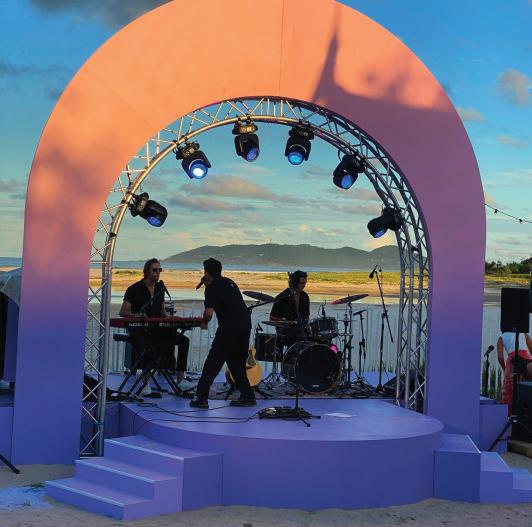

In November 2025, Coorabell locals Paul and Doireann took part in the Shake It Up Australia Foundation’s trek to the summit of Mt Kosciuszko to raise awareness and funds for research into Young Onset Parkinson’s Disease (YOPD).
At the time of writing, the crowdfunding campaign had raised over $20,000. “Just to be clear, you are not funding our trekking adventure. 100% of any donation will go towards Parkinson’s research,” says Paul. Paul, 53, was diagnosed with Parkinson’s at the age of 51, a massive blow after already battling cancer. Initially, the symptoms – slowness, fatigue, tremors – were thought to be lingering effects from treatment, but as they continued to worsen, he and his family began to search for answers. Eventually, after pushing for neurological investigation, Paul received confirmation of a Parkinson’s diagnosis.
YOPD is a form of Parkinson’s that appears in younger adults, generally under the age of 50. It accounts for around 10 to 15 per cent of all Parkinson’s cases in Australia. While symptoms are often similar to those of later-onset Parkinson’s, those diagnosed younger face different challenges – including a longer disease progression,

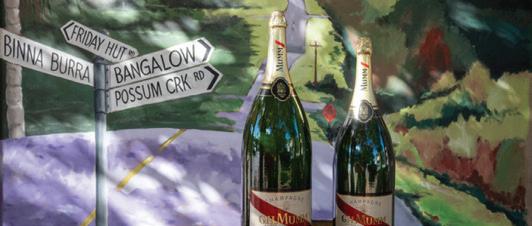
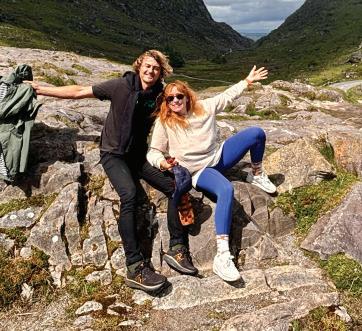
workplace and financial pressures, and responsibilities to young families. Awareness and support services specific to YOPD remain limited.
Paul and Doireann joined the Shake It Up Foundation trek as a way to bring visibility to the condition, support vital research, and contribute to a better future for others affected. They were part of a team of around 50 people, including people living with Parkinson’s, carers, family members and researchers.
“Parkinson’s Disease is a progressive movement disorder of the nervous system. Taking on a trek seems very fitting,” Paul says. “Who knows? Maybe we’ll tackle the Himalayas next!”
Shake It Up Foundation is a not-for-profit organisation partnering with the Michael J. Fox Foundation to fund Australian-led Parkinson’s research focused on better treatments, prevention and ultimately, a cure.
“Raising awareness and funds for important research in Australia is a natural next step for us and we are both very motivated to support this incredible cause,” he says.
Although the trek, (comprising 16 guests and three guides), has been completed, Paul and Doireann’s fundraising page remains open, and all donations over $2 are tax deductible. The couple are continuing to share their story to raise awareness about YOPD and support improved outcomes for Australians facing the disease. stepupwithshakeitup.raiselysite.com/doireann-paul
The Bangalow Herald


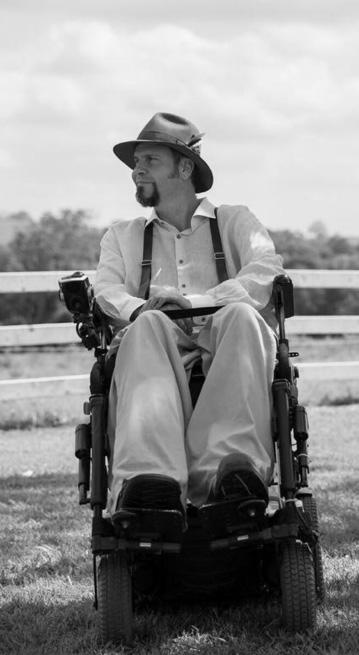
When we talk about accessibility, most people picture ramps and grab rails. But for many locals, accessibility is the difference between being part of the community, or slowly slipping out of it.
For my husband Richard, a powered wheelchair user and long-time Bangalow local, the physical design of our town shapes who he can see, where he can go, and whether he can participate in everyday life.
“Because of the nature of the town I live in, most people’s houses I can’t get into,” he shared recently. “It’s the hallways, the stairs, the floor coverings or the layout. I’m often unable to visit and socialise with people, so for the most part since I returned from hospital 16 years ago, I’ve been catching up with friends at parks, pubs, bowling clubs or restaurants.”
With the closure of The Bangalow Bowlo that social circle shrunk literally overnight.
“There are numerous people I’m not seeing with the regularity I used to,” he said. “At the Bowlo I could access air-conditioning, heating and water during opening hours. Because of my level of injury, I can’t regulate my body temperature, so during the coldest months and the warmest months I rely on climate control. The Bowlo is a huge loss for me, and I really look forward to the club reopening.”
And Richard’s not the only one finds bumpy old Bangalow hard to physically navigate. Many locals - older residents, parents with prams, people with mobility challenges or chronic illness - face similar barriers every day. Physical accessibility is so much more than ramps; It’s door widths, level surfaces, circulation space, toilets you can actually turn around in, and being able to stay more than ten minutes without the temperature sending your body into distress.
In Bangalow, a major challenge is the lack of footpaths, and the ones we have are often too steep or dangerous to navigate safely which is why you’ll often see Richie travelling on the road in certain sections of town.
And in a town like ours, accessibility is also about belonging. Community happens in the places we can physically enter.
Most business owners genuinely want to be welcoming but many buildings simply weren’t built with accessibility in mind, and retrofitting isn’t always possible or simple. Still, small changes can make a massive difference:
• Portable ramps
• Clear pathways
• Lever handles instead of knobs
• Consistent lighting
• Outdoor seating options
• An accessible table kept aside
• Staff who know how to offer help without fuss
Accessibility isn’t charity, it’s good human business. When 1 in 5 Australians live with disability, improving physical access isn’t a niche issue, it’s a community priority.
As Richard often reminds me, “I love this town. I just want to be able to participate in it like everyone else.”
Bangalow shines brightest when everyone can get through the door.
Kylie Mowbray-Allen
Born in 1881, Dolly Maunder is the real-life grandmother of Australian author Kate Grenville, and in this work of historical fiction, Grenville recalls a formative childhood memory. When Kate (then known as Cathy) was five years old, her grandmother saw the young girl playing in the garden and asks, “Do you love me, Cathy?” And Kate remembers clearly answering, “No.”
This encounter, and the many stories told to her by her mother about her grandmother and their relationship, led to Grenville’s research into her grandmother’s history and a reimagining of why she might have been such a restless, domineering and apparently ‘cold’ woman.
It’s a very engaging story, very well told, and a truly glorious look back at a time, only two generations ago, when life, survival, customs and the treatment of women were oppressive – if you were unfortunate enough to be born into the wrong family.
Dolly Maunder is the sixth of seven children born to Thomas Maunder, a poor, illiterate Cockney boy brought out from England to work on a sheep farm. Dolly’s mother’s parents, on the other hand, are educated, and they consider that she has ‘married down’ when she ties herself to Thomas Maunder.
The family is scared of Thomas Maunder, and he needs to be manipulated to agree to anything – particularly in relation to the education of his girls. Dolly Maunder is very smart and constantly the highest achiever at school, but she is never encouraged and she is forced to leave at 14 to help her mother with the cooking and cleaning associated with a farm which often has a score of shearers to feed.
Dolly has a few suitors, but she eventually marries Bert Russell, a boy with a very poor background who is a hard worker and amiable enough. Several years into the marriage, Dolly talks Bert into moving to the city and they embark on a number of highly successful commercial endeavours – until, at exactly the wrong time, the Depression of the 1930s encompasses the world economy and their fortunes are depleted.
Grenville states at the end of her book: “The events of my grandmother’s life – drawn from family stories and research – are as I’ve told them here. But I’ve had to imagine my way into what she felt and thought about them…”
I thought it was a very informative and enjoyable read.
3.9 stars on Goodreads.
A collection of timeless, well made goods that are both beautiful and part of daily life.
1/36 Byron St, Bangalow
Phone: 02 6687 1881
ourcornerstore.com.au
ourcornerstoreone@gmail.com
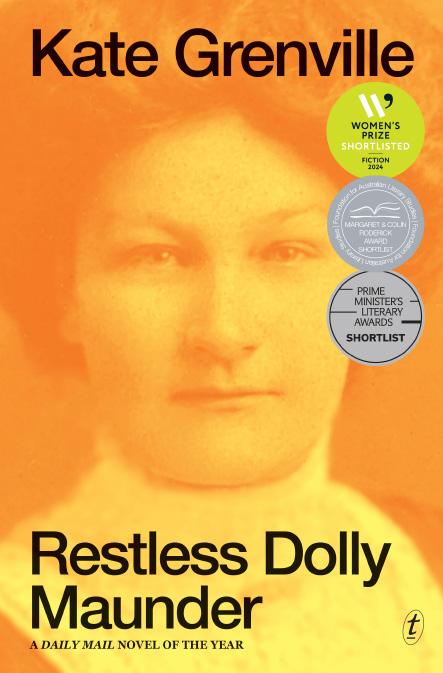
“by persistence, ingenuity, and a head for business, Dolly wrestled a space where she could make a life for herself, and she made sure her daughter and grand-daughter had choices and freedoms she herself had never had.”
Kate Grenville


Whether you’re having a stay-cation, heading somewhere exotic, or looking for a gift idea, these recent releases are on our radar.
Average at Best – Astrid Jorgensen
Average At Best is Astrid Jorgensen’s disarmingly honest and hilarious memoir about letting go of perfection. Creator of the global phenomenon Pub Choir, she takes readers behind the scenes of her musical movement and personal journey, showing how embracing mediocrity can be the key to connection, creativity and joy. From brushing shoulders with politicians to near-nunnery (yes, really), this is a celebration of the in-between – the bits that make us real. With warmth and wit, Astrid reminds us that doing something badly is often better than not doing it at all.
Not Quite White in the Head brings together, for the first time, Melissa Lucashenko’s powerful essays and journalism spanning two decades. With trademark clarity, humour and moral courage, Lucashenko reflects on race, class, literature, incarceration and identity, offering sharp insight into Blak life and Australia’s social and political fault lines. From surviving a siege, to honouring her literary heroes, this compelling collection affirms her place as one of the nation’s most vital voices. Engaged, urgent and deeply human, Not Quite White in the Head is an invitation into conversations Australia can no longer afford to ignore.
Dirtbag Billionaire tells the story of Yvon Chouinard, founder of Patagonia, and his radical approach to business, wealth and the environment. From humble beginnings as a climber uninterested in profit, Yvon built a billion-dollar company renowned for activism, ethics and unorthodox leadership. Through exclusive access and vivid storytelling, New York Times bestselling author David Gelles reveals how Patagonia became a global model for responsible capitalism – prioritising sustainability over shareholder gain. In a powerful final act, Yvon gave away his company to fight the climate crisis, showing there is another way to do business.
The Mushroom Tapes - Helen Garner, Chloe Hooper and Sarah Krasnostein
The Mushroom Tapes unites three acclaimed writers in an unprecedented collaboration. Tracking the courtroom drama surrounding Erin ‘Beef Wellington’ Patterson’s high-profile murder trial, the trio camped in Morwell, observed every proceeding, and shared candid reflections on the case and its deeper themes – grief, love, jealousy, revenge and the allure of true crime itself. This is not a conventional account, but a riveting, behind-the-scenes chronicle of three sharp minds reckoning with the limits of law, truth and storytelling. The Mushroom Tapes is a gripping, genrebending work that interrogates the very way we consume real-life tragedy.

In Gravity Let Me Go, Trent Dalton delivers a bold, unforgettable tale of love, ambition and buried truths. True crime journalist Noah Cork is chasing the biggest story of his career –until a case close to home shakes everything. Gritty, dark and unexpectedly funny, this novel explores marriage, dreams and the fictions we tell ourselves to survive. At its heart is a murder, a relationship under strain, and a man grappling with the cost of the stories we tell – and the ones we bury. Gravity Let Me Go is daring: moving, honest and impossible to put down.
Ghost Cities, winner of the 2025 Miles Franklin Literary Award, is an inventive, genre-bending novel inspired by China’s eerie, uninhabited megacities. It follows Xiang, a fake translator ousted from Sydney’s Chinese Consulate, whose exile sparks a surreal journey across time and myth. In these layered tales, emperors multiply themselves, sentient mountains lust, books are rebuilt from ash, and a chess-playing machine guards a deadly secret. Daring, strange and deeply allegorical, Ghost Cities blurs reality and fantasy to examine language, identity and the architecture of power. The perfect read (or gift) for fans of Haruki Murakami and Italo Calvino.
Theory & Practice is a bold, boundary-blurring novel by Michelle de Kretser, winner of the 2025 Prime Minister’s Literary Award for Fiction and the 2025 Stella Prize. Set in 1986 Melbourne, a young woman arrives to study Virginia Woolf but becomes entangled in the artistic and political fervour of St Kilda –and in a complex relationship with Kit, a man who speaks in theories but lives in contradictions. Blending fiction, essay and memoir, Theory & Practice explores desire, jealousy and the unravelling of ideals. It’s a shape-shifting meditation on how life collides with art – and what’s left in its wake.
The Bangalow Herald

















Drive, Mullumbimby PH 6684 2467 | raytowerscarpets.com.au
Community
AA (6pm Tues)
Karen Mc 0403 735 678
ArtsNational Dianne 0412 370 372
Al-Anon (2pm Fri) 1300 252 666
Bangalow Koalas Linda 0411 491 991
Bridge Club Brian 0429 311 830
Community Children’s Centre Kerry 6687 1552
Co-dependents Anonymous Gye 0421 583 321
CWA (Wed) Georgia cwasecbangalow@gmail.com
Garden Club (1st Wed) Diana 0418 288 428
George the snake man George 0407 965 092
Historical Society/Museum Trisha 0429 882 525
Kindred Women Together Janice 0401 026 359
Koala rescue line (24 hr) 6622 1233
Land & Rivercare (8.30am Sat) Noelene 0431 200 638
Lions Club (6pm 2nd/4th Tues) Nashy 0418 440 545
Men’s Shed John 0427 130 177
Op Shop (M-F 10am-2pm, Sat 9.30am-12.30pm) 6687 2228
Piccabeen Park Lynn 0429 644 659
Park Trust Committee Shane 0475 732 551
Police – DCI Matt Kehoe 6629 7500
Pool Trust Jo 6687 1297
Community Association Ian 0414 959 936
Poultry Club Hector 6687 1322
Quilters (2nd/4th Thur) Karen 0413 621 224
Red Cross (1st Fri) Liz 0409 832 001
Show Society Anne 6687 1033
Sport
Bowls men (1pm Wed & Sat) Gerry 6687 1142
Bowls women (9.30am Wed) Frances 6687 1339
Cricket Anthony 0429 306 529
Karate self-defence Jean 0458 245 123
Netball (3.30pm Wed) Ellie 0429 855 399
Pony Club Rebecca 0410 706 959
Rugby Union (Rebels) Dave 0412 080 614
Soccer (Bluedogs) 0434 559 700
Tennis court hire Bernie 0433 970 800
Venues
A&I Hall Belinda 0499 392 812
All Souls’ Anglican Hall 6684 3552
Bowling Club Chris 6687 2741
Coorabell Hall coorabellhall@gmail.com
Heritage House Trisha 0429 882 525
Lions Club Kiosk Nashy 0418 440 545
Moller Pavilion 6687 1035
Newrybar Hall Kerry 0414 560 119
Scout Hall Shane 0475 732 551
St Kevin’s Catholic Hall Russell 0423 089 684
Imelda Johnson RN, RM, MYO Unit 4 / 20 Byron Street, Bangalow | 0422 024 446

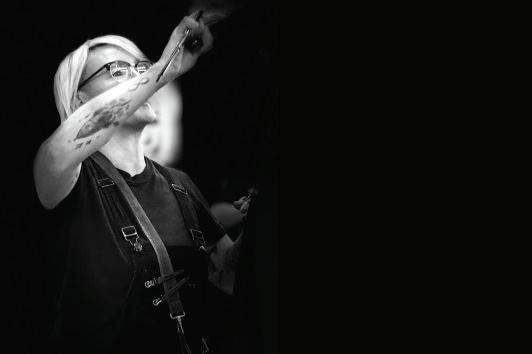

to 7.15pm
Yogalates 9.30 to 11.00am
Thurs Yin Restore Yoga 5.30 to 6.30pm



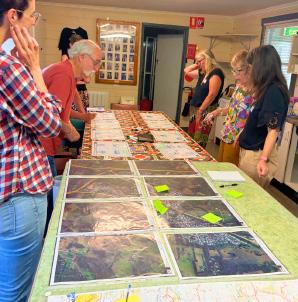
Be
December in Bangalow. Fairy lights in the main street, Bangalow palms dropping red berries, an influx of summer visitors and end-of-year celebrations galore, culminating in the annual Christmas Eve party at the showgrounds. What could be more quintessentially North Coast?
Also, typically North Coast, and definitively December, is wild and unpredictable weather, as dismayed revellers discovered several years ago in 2022 when a freak thunderstorm hit in the middle of the Christmas Eve. Wild winds knocked over marquees and sent them careering, and rain lashed the hundreds of partygoers who were huddled undercover at the Lions Kiosk for around an hour as they waited for the storm to pass. This summer wilder weather is likely, with a weak La Niña system predicted to bring storms and heavy rainfall to the region. High predicted daytime and nighttime temperatures also signal the likelihood of heatwaves such as the one experienced on 27 October. Intense heat, high winds, and the high fuel load also makes bushfires a distinct possibility. All or any of these events have been known to cause whole-of-town blackouts in Bangalow that sometimes last for days at a time, bringing another set of problems especially for those who rely on medical devices such as CPAP machines.
In the face of this uncertainty, there is much we can do, both on a household and a community level, to get more connected and better prepared.
At the household level:
• Clear gutters, prune branches that overhang houses or other infrastructure
• Keep grass cut short and foliage to a minimum around houses
• Clear out blocked drains on your property or street
• Stock pantries with dry foods, tinned goods and candles
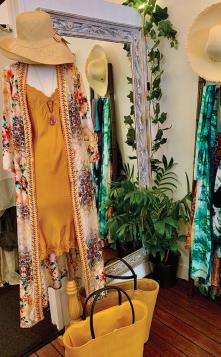

Enjoy a warm welcome and good old fashioned service at Déjà Vu Bangalow. Offering a wonderful selection of beautiful ladies apparel & unique accessories, fabulous silks & French linen. 9 Byron St, Bangalow. Ph: (02) 6687 2622.
• Keep hand- and head-torches charged and easily accessible
• Keep water cubes on hand to fill if you live in a rural area and rely on a pump
• Consider investing in battery packs to charge phones and other devices during blackouts
• If you have an electric or induction stove, consider buying a gas or butane camp cooker and stock up on fuel
• Download the Hazards Near Me app.
At the community level:
• Get to know your neighbours to identify who is well prepared and who might need some extra help preparing their properties or getting through an extreme weather event or power outage
• Consider starting a street/neighbourhood WhatsApp group if one doesn’t already exist. This can be used to check in with each other when the weather is escalating
• Consider joining with neighbours to organise a street gathering –as easy as a refreshment and folding chair on the verge, or in the local park. Or be sure you get to your community Christmas party – a great way to create more connection in your neighbourhood so we can help each other when disasters occur.
Claire McLisky Bangalow Resilience Network
What has the Bangalow Resilience Network been up to?
In great news, the BRN recently received a grant from Byron Shire Council’s community initiatives fund to buy booster stations for our active CB radio network. When the funds land in our bank account we’ll purchase the boosters and roll out training for their use in early 2026, with the mapping and technical support of our member and comms advisor Jason Wadsworth.
In addition, in early November we hosted Paul Cull, a researcher from Monash University and expert in the Wellington Model of disaster hub coordination. Paul facilitated a workshop over two days at the RSL Hall in which we took stock of community skills and resources, reflected on our learnings from Cyclone Alfred, and conducted a very successful simulated hub activation, which was observed by Damien Nardi from the Federal Rural Fire Service. Participants found the workshop enormously useful; in the words of a participant “it shows the strength of community knowledge and working together”. Paul, for his part, said he was “really impressed with how far Bangalow has got with its planning, how engaged all the participants were and how generously they shared their wisdom and experience”. The BRN will use the learnings from the workshop and hub activation simulation to continue to refine our disaster plan.
For more information, or to find out about coming to the BRN’s next gathering, contact bangalowresiliencenetwork@gmail.com, or search Bangalow Resilience Network on Facebook

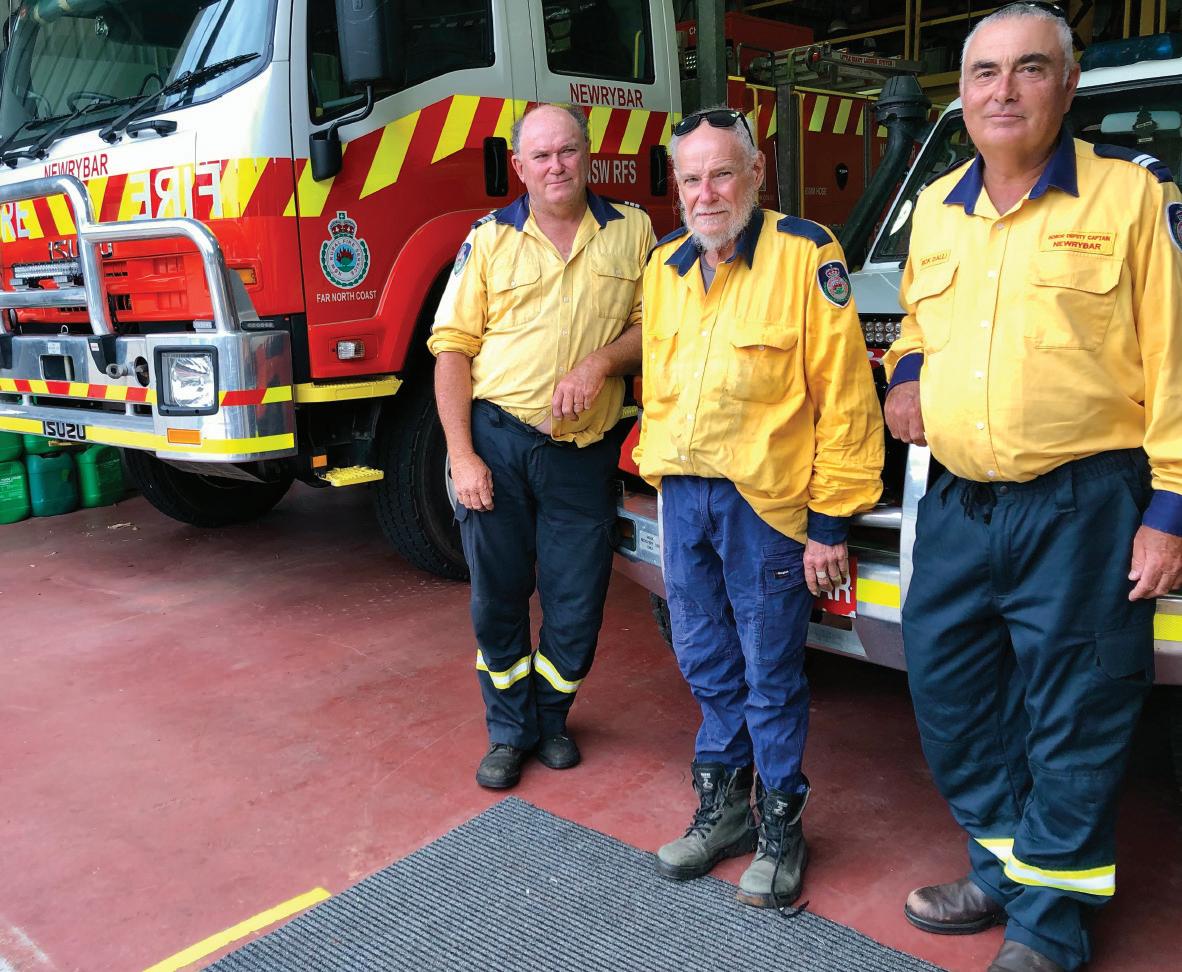
Darren Bailey and Rick Dalli were barely out of school when they signed on as volunteer firies with the Newrybar Brigade of the Rural Fire Service, writes Digby Hildreth
Recently the pair were awarded 40-year service medals: four decades of commitment to the safety of their community, neighbouring districts, and those as far away as Victoria. The two men have known each other all their lives; they remember teenage days when they’d be mucking around together and suddenly be called to action. “We’d be up a tree or somewhere, and you’d hear the siren on the pole go off, and both of us had pushbikes, and off you’d go to get up here to the station” – or, as it was in those days, “the old tin bus shed around the corner”.
And if there wasn’t room on the one truck the Brigade possessed, they’d find room among the gear on the tray, and hold on tight. Darren remembers occasions when “there’d be five blokes hanging off the back of a Land Cruiser, holding on, wherever they could, wherever you could get an arm in”.
It’s all very different now, of course. “Yeah, you’d get shot if you tried that today.”
The two teens followed Darren’s older brother, Brad, into the service: he got his 40-year gong four years ago. In his 60s now, Brad still turns up when a situation calls for it, though he sometimes has to be nagged into putting on his regulation boots – or footwear of any kind. “If he puts his thongs on we know he’s really keen,” Darren jokes.
He reckons that the Brigade Captain at the time “chewed ours ears a bit” about joining up, but their motivation seems to be pure altruism; “It was something that just seemed like a valuable thing to do for the community; something that was necessary,” Darren says.
Brigade membership was higher then, and their call-out jobs were much fewer, perhaps 20 a year. The number of critical incidents in some recent years has breached 100.
Equipment was scarce back then: “There was initially a tanker trailer, which was pulled by a member’s car. And then we were given a Land Cruiser. Then with a grant from the council, built a concrete block shed here. We also still had a little tanker trailer. As things progressed
along a little bit, we got a bigger tanker, and the Land Cruiser went to another brigade.”
Now they’ve got all the equipment they need, but face a shortage of volunteers.
“There’s a lack of new people coming here who want to commit to anything,” Darren says. “People sign up under the impression that the firies are out fighting raging bushfires every day of the week, as if we’re on the national news and everything, but most of our calls are a pretty average sort. But then, not everybody wants to get out of bed at three o’clock in the morning to go to an MVA (motor vehicle accident) on the highway.”
Duties in recent years have included emergency work “in the water” during the 2019–2020 floods, and afterwards helping clean up people’s houses, from Murwillumbah to Wardell.
It has also included interstate fire-fighting.
“Another district can put in a request, Fire Control Centre makes the decision and then a message comes out to us saying we need a strike team to go somewhere, and it’s up to the individual to reply to that,” says Darren.
In his citation for the award, Rick was said to be “consistently one of the first to volunteer” when calls for out-of-area assistance arose.
“Notable deployments include the major NSW fires of 1994, fires in the NSW Tablelands (2002), the Victorian fires (2009–2010), and numerous deployments across adjoining local government areas within New South Wales.”
He was also awarded the National Emergency Medal for his contributions during the 2019–2020 bushfires.
But some fires can go on for months –consider the 2023 blaze at Tyagarah – which can put tremendous strain on brigades and individuals. “It’s great to go away and help people in a genuine time of need, but it comes at a cost for the volunteers,” Darren says. They do, after all, have families to look after and livings to make.
A firie can always opt not to go. Both Darren and Rick are farmers and Rick says “there’s sometimes you’re out on a farm working, you’re pulling a calf out of a cow, or something, and you just can’t just respond to a call”.
But they usually make sure one of them is available to answer a call-out. “We always sort of watch and make sure someone can go, so if Darren’s busy, I’ll try and go,” Rick says.
The two old friends have both captained the Newrybar Brigade at times and the camaraderie amongst the trio is strong: “It’s good; it’s rewarding working with these fellas,” Brad says.
Over the last 20 years, they’ve “probably doubled our call rate in terms of the different types of jobs. Floods, traffic, storm damage and, as always, MVAs”. “The more people that come here, it creates more work for us, because it means more people light fires and crash cars,” Darren says.
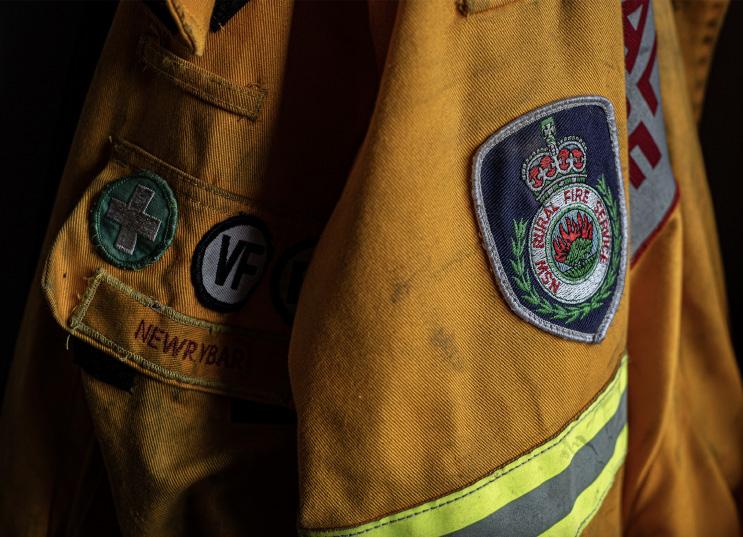
It’s dangerous work and 18 firies have been killed in the line of duty since 2019, but the Newrybar Brigade has not lost anyone and none of these men has been seriously hurt. Talking to them, you suspect they wouldn’t make a big deal of it even if they had been: they’re modest men – even about the risks and injuries. Have they been injured? “Oh, just the average ones, okay.” Burns? “Yeah. And smoke inhalation, I suppose. Heat exhaustion, of course,” Rick says. “Just the usual things. Nothing drastic.”
He does admit to having been terrified, “plenty of times”. “When you find yourself in a situation that you didn’t expect or you put your truck
where you shouldn’t have. You just beat a retreat if you can or try to cover yourself in blankets. Things like that.”
Trucks are vulnerable, and so are the firefighters in them. They catch on fire, or leave the road, trees fall on them. “Yeah, that’s something you can’t predict.”
The weather is also something that can’t be foreseen. Regarding the current fire season, Darren says: “It’s still got a long way to go; five or six months, and we haven’t got to the hottest part of the year yet. The forecast is for an above average wet year, but you just can’t predict. You just play it by day by day.”
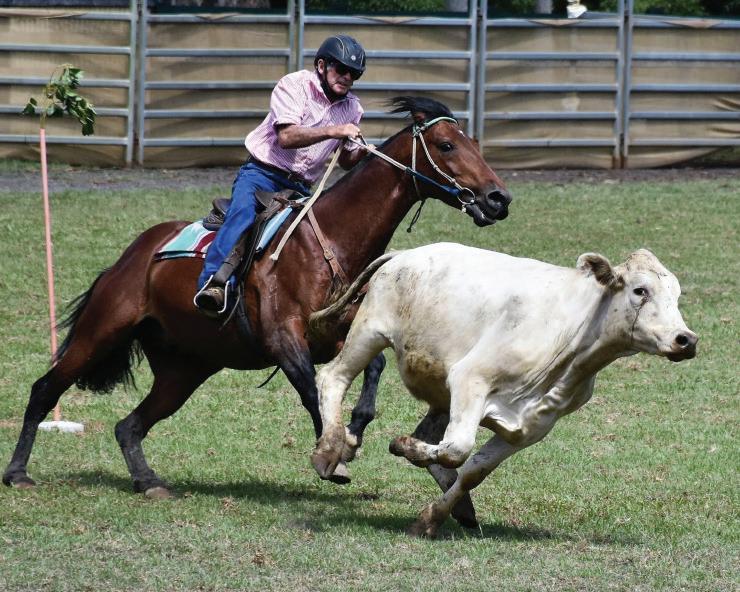


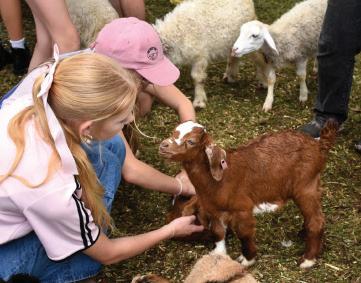
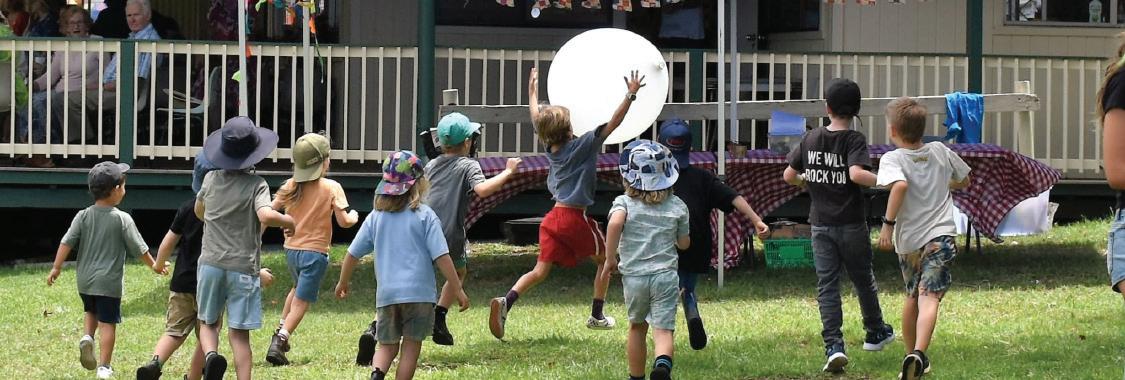
Danielle Mathie wraps up the 2025 Bangalow Show.
This year’s Bangalow Show closed out with a shower of rain. Is it really the Bangalow Show without a storm? Whether you didn’t stray from under the roof of the Lion’s Bar or made the most of the wet conditions, none of the events disappointed.
Firstly, a massive congratulations to all of the Show’s sponsors, the incredible committee,

the amazing volunteers, and the competitors who make this fabulous event possible year after year – 124 years’ strong now.
The Pavilion was a great place to view everyone’s entries out of the weather. A newly introduced addition to the Pavilion’s program was the Show Theme Banner competition, open to local primary schools and sponsored by the Bangalow Post Office. Students embraced this year’s theme – ‘Boots’.
Newrybar Public School took out the top prize and raised $120 at the auction – a huge success thanks to auctioneers Gary Jarrett and Jake Noble. All proceeds went to this year’s chosen charities: the Westpac Rescue Helicopter and Brunswick Valley Rescue Squad. Bangalow Public School had the topselling banner, fetching $300.
Team QLD out-placed NSW in the Woodchop, taking all the glory. The Lawn Mower Races are officially back – and were a huge crowd-pleaser.
Massive congratulations to Kate Hulbert, this year’s Bangalow Show Young Woman of the Year, as well as the two other entrants, Sienna Mathie and Clover Mowbray-Allen. And thanks to last year’s winner, Summer Chaseling, for opening the Show.
There was a record-breaking number of tarts entered into The Tart of the Show this year, with a whopping 17 raspberry cheesecakes making the judges’ job especially difficult. Taking out the top spot again was Megan Wright, with her take on the delicious dessert.
Two other events that had back-to-back winners were the Ironman Challenge – with the amazing team of Callum Sivewright, Dylan Parks and Georgia Hughes – and Raj Singh repeating last year’s success in the Calcutta. A notable mention: the committee’s own team came a close second in the Ironman – congratulations to Garry Jarrett, Dave Eastwell and … me!
Bill Roach took out top spot in the Open Campdraft riding Tess. The Danny Thomas Memorial was won by Paddy Lenihan riding Valliview Limited Edition. Supreme Hack winner was Lianna Daley on T-Cruise, and Supreme Champion Rider was Riley Kent on First Impressions. The Supreme Australian Stock Horse was Glen Lee Titanium, shown by Brodie Cooper. The working dog trials were captivating as always, with Ollie taking out the win alongside owner Dick Chapman.
In the Beef Ring, Little Valley Grazing Co won the Champion of Champions with their Brafords and claimed the All Breeds Champion Exhibit with their winning bull, Little Valley. In the Dairy Section, the Supreme Junior Champion Frank Scarrabelotti Memorial Trophy was won by Chappell Dairy.
Notable mentions from the Poultry Pavilion include Champion Pigeon of the Show, awarded to Steve Serone; Champion Rare Large Breed, won by Norm Black; and Champion Egg Exhibit, awarded to Caitlin Surman.
Make sure to stay tuned for next year’s event – and help us celebrate the 125th Show!
Many thanks to Maralyn Hanigan for documenting all the action and fun of the Bangalow Show in this selection of photos.
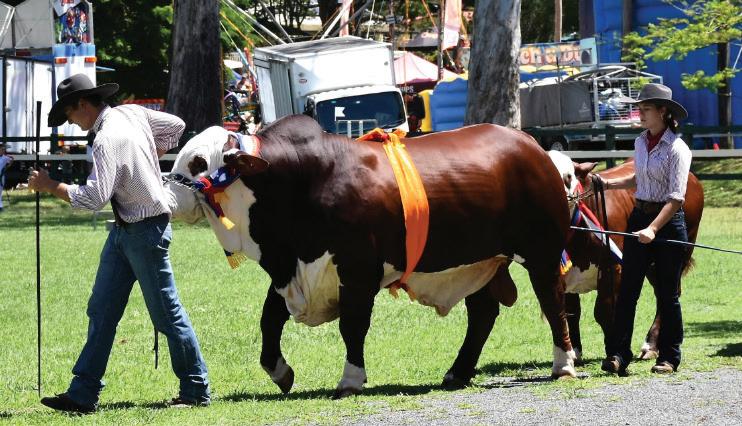
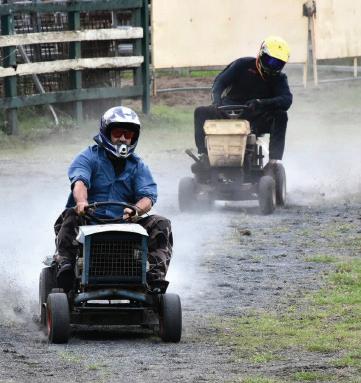
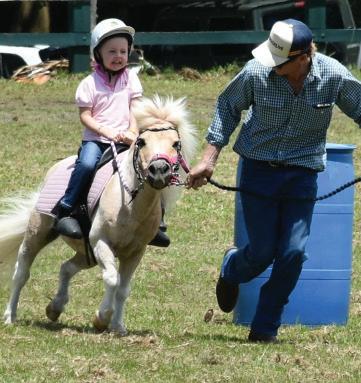
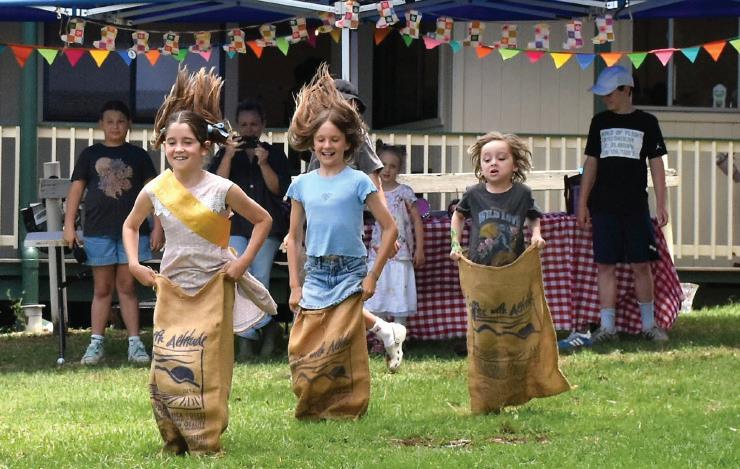
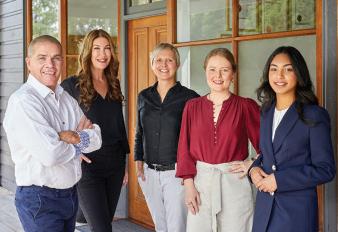


More than Tea and Scones Bangalow Branch
Enquiries: cwasecbangalow@gmail.com
women’s lobby group


0411 757 425
tim@millerrealestate.com.au
millerrealestate.com.au

When Tuesdays, 6-9pm
Where Bangalow Hotel, 1 Byron St, Bangalow
Tickets Free entry (18+)
Info Instagram @bangalowchess
Hosted by Evan and Daniel Manttari, Bangalow Chess Club welcomes players of any skill level for a friendly night of games, learning and connection. Whether you’re a curious beginner or a seasoned strategist, it’s a chance to test your moves, share tips and enjoy a social Tuesday evening. Bar voucher for the winner on the night.
When Thursday 4 December, 7pm
Where Bangalow Hotel, 1 Byron St, Bangalow Tickets $20/$15 shirechoir.eventbrite.com
The uber-talented Melia Naughton will take you by the hand (not literally) and lead you through a classic rock/ pop song in three gorgeous vocal parts, accompanied by the much-loved Birrell Bros Band. Expect infectious energy, harmonies that lift the roof, and a night where the whole room becomes the choir. No experience needed – just bring your voice and your mates. Festive vibes guaranteed.
When Thursday 4 December, 5.30-8pm
Where Bangalow Hotel, 1 Byron Street, Bangalow Tickets Free - RSVP essential via kindredwomentogether.com/events-1/ kwt-xmas-event-2025
Local ladies’ social club Kindred Women Together wraps up the year with a festive Thursday night gathering in the restaurant at the Bangalow Hotel. Wear your favourite Christmas outfit and join the celebration with a glass of bubbles and some nibbles, included. A relaxed social evening to farewell the year and toast what’s ahead.
When Saturday 6 December, 3-5.30pm
Where The Courthouse Hotel, Mullumbimby Tickets $25 via events.humanitix.com/ christmas-uke-tacular-2025
Stukulele and Miss Amber’s Christmas Uke-Tacular returns with festive sing-alongs, laughter and cheeky cheer. Everyone’s welcome – uke players, singers, toe-tappers and happy spectators. Come early for lunch or stay on for dinner and soak up the Christmas spirit Mullum-style. Expect carols classic and irreverent plus a few surprise guests to help kickstart your December groove.
When Sunday 7 December, 6-9pm
Where Station Street Co-Op, Bangalow
Tickets $25 at the door
Melbourne folk musician Hamish Bloom is rolling through Bangalow, playing with local guest Maiks. His tender singing doesn’t demand your attention as so much does in the modern day, it just quietly rises above and lets all else fade away into nothing.
When Tuesday 9 December, 6pm
Where All Souls’ Church, 1 Ashton Street, Bangalow
A traditional evening of readings and music to mark the beginning of the Christmas season in the beautiful setting of All Souls’ Bangalow. All welcome.
When Tuesday 9 December, 7pm
Where Bangalow Museum (Heritage House), 4 Ashton St Bangalow Info 0414 959 936
All postcode 2479 residents and business owners are invited to attend the 2025 AGM for the Bangalow Community Association to discuss currently active development and infrastructure matters. Informed feedback from an engaged and collaborative community helps to achieve significantly better outcomes for our village so come along and join the conversation.
When Wednesday 10 December, 5-8pm
Where The Eltham, 441 Eltham Road, Eltham
Tickets Free entry
Info elthampub.com.au
Guinness lives here all year and so do our beaut’ Irish folk friends. For around 18 months now, on the second Wednesday of each month, a bunch of local musicians gather round a few tables near the fire place for an evening of traditional folk music. Naturally the pints flow and the pubs abuzz with the sound of Ireland! All welcome, as audience or to join the jigs
When Thursday 11 December, 3-11pm
Where The Shack at The Beach Hotel, Byron Bay Tickets $45 via events.humanitix.com/bay-vibes
Contact nell@bayfm.org
BayFM turns up the heat with an epic summer party at The Shack. Sixteen DJs including Danu Lynch, Kate Monroe, Jason Lewis, Abel Toro, and GI Jode will bring back-to-back sets alongside Bay FM favourites. Curated by Danu and Nell Schofield this is a full-tilt celebration of Byron’s community radio sound.
Art Exhibition Museum
When 13-18 December, 10am to 4pm
Where Coorabell Hall 565 Coolamon Scenic Drive
Info @coorabellhall
A vibrant group exhibition featuring paintings by Cressida Campbell, Charly Wrencher, Peta Laurisen, Faye Maxwell, Rose McKinley, Bill Nicolson and others alongside sculpture by Lissa Coote, Damien Lucas, Adele Smout, Peter Neilson, Christina Khumari and more. Celebrate local talent at the opening night with drinks, Friday 12 December, 5pm.
When 21 December, 5pm
Where Uniting Church, Station Street, Bangalow Sing along with your favourites and modern classics celebrating the season, under the stars in the carpark next door to the Bangalow Uniting Church. All welcome.
When Tuesday 23 December, 7pm
Where Pearces Creek Hall
Info pearcescreekhall.com.au @pearcescreekhall | 0458 801 941
A beloved local tradition, this free community Christmas carol singalong has run for decades. Carols are chosen by the audience calling out numbers from well-loved photocopied booklets featuring glued-on Christmas card covers. Conducted by the Salvation Army and open to all this relaxed family evening wraps up by 8.00pm
When Wednesday 24 December, 4-8pm
Where Bangalow Showgrounds enter via Main Gates
Tickets Gold coin donation, parking $5 Info Facebook @BangalowLions
Bangalow Lions Club is again hosting the Bangalow Xmas Eve Carnival - it’s a very relaxed fun-filled family-focussed community gathering to celebrate Xmas. Street performers, children’s entertainment and activities, Santa Claus will visit with ice blocks and lollipops, lots of food truck options, the Lions Club Bar & BBQ will be cranking and the night finishes up with a spectacular fireworks display. Everyone welcome.
When Wednesday 24 December, 6pm
Where All Souls’ Church, 1 Ashton Street, Bangalow
A fun-filled Christmas Eve celebration for all ages. Enjoy festive storytelling, music and joyful spirit as the community gathers to welcome Christmas together.

When Thursday 25 December, 8.30am
Where Uniting Church, Station Street, Bangalow
A family-friendly joyous Christmas morning service. All welcome.
When Thursday 25 December, 9am
Where All Souls’ Church, 1 Ashton Street, Bangalow
Celebrate Christmas morning with a reflective and uplifting service at All Souls’, honouring the spirit of the season.
For January events, check The Bangalow Herald social media.

Christmas, in theory, is a time of joy, connection and togetherness. But for neurodivergent (ND) folk, it can feel more like one giant peppermint-scented panic attack of flashing lights, overbearing strangers and a shrill soundtrack of seasonal songs looping loudly.
For autistic individuals, young and old, and those with ADHD or other sensory profiles, the festive season can be less about cheer and more about managing discomfort – with a side serving of overwhelming smells and small talk.
So, with some practical strategies (and a little empathy), here’s how to make Christmas a little more inclusive for those with unique sensory needs. It may not be a Silent Night, but with a few tweaks, you’ll get through with a little less stress and a bit more calm.
Predictability is a present
Surprises might be part of the season for some, but for many ND people, routine and predictability are essential. Wrapped gifts with unknown contents can cause anxiety. A simple solution is to write a clue on the tag or give a heads-up about the gift. Even better, gift cards can avoid any discomfort altogether. If you or your child prefer to open gifts privately, feel free to let others know.
Plan your quiet place
Whether you’re visiting someone else’s home or hosting, make sure there’s a calm space to retreat to when needed – a shady verandah, a quiet room, or even the car. Pack a sensory survival kit: comfort items, fidgets, headphones, sunglasses – whatever helps soothe and regulate. Show kids where the quiet space is and how to access it. Always ask the host before wandering through their house to find it.
Festive food traditions can be delightful – or a sensory nightmare. If you or your child find certain textures, flavours or smells difficult, bring your own food. There’s no need to explain or apologise. Let kids serve themselves if possible. If that ends up being plain pasta or chicken nuggets, that’s perfectly fine. It’s about comfort, not conformity.
Minimise the small talk
Chatting with extended family or acquaintances can be tiring. It’s okay to stick to brief greetings like “Merry Christmas” or “Lovely to see you” and then gracefully step away. There’s also no rule that says you have to hug or kiss relatives. Teach children they can wave, high-five or fist bump if that feels more comfortable.
Know your limits
Increased sensory input, disrupted routines and social overload can lead to shutdowns or meltdowns. Give yourself and your loved ones grace. Ready-to-cook meals are your friend. You don’t need to serve a traditional spread – festive paper plates with favourite foods work just as well.
Don’t overcommit to social events. One gathering may be plenty. Plan recovery days between activities. Give children time to unwind with drawing, gaming, pets or their favourite show. Quiet time isn’t a luxury – it’s essential.
A neurodivergent-friendly Christmas is one where consent, flexibility and personal comfort take priority over tradition or expectations. This season, let’s choose calm over chaos and joy over pressure.
Sally Schofield
www.buncoffee.com.au