DR. TIFFANY SAUCER DIRECTOR OF BEHAVIORAL HEALTH AT ACHIEVABLE HEALTH

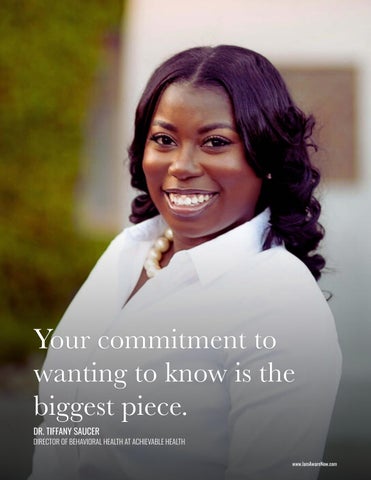
DR. TIFFANY SAUCER DIRECTOR OF BEHAVIORAL HEALTH AT ACHIEVABLE HEALTH

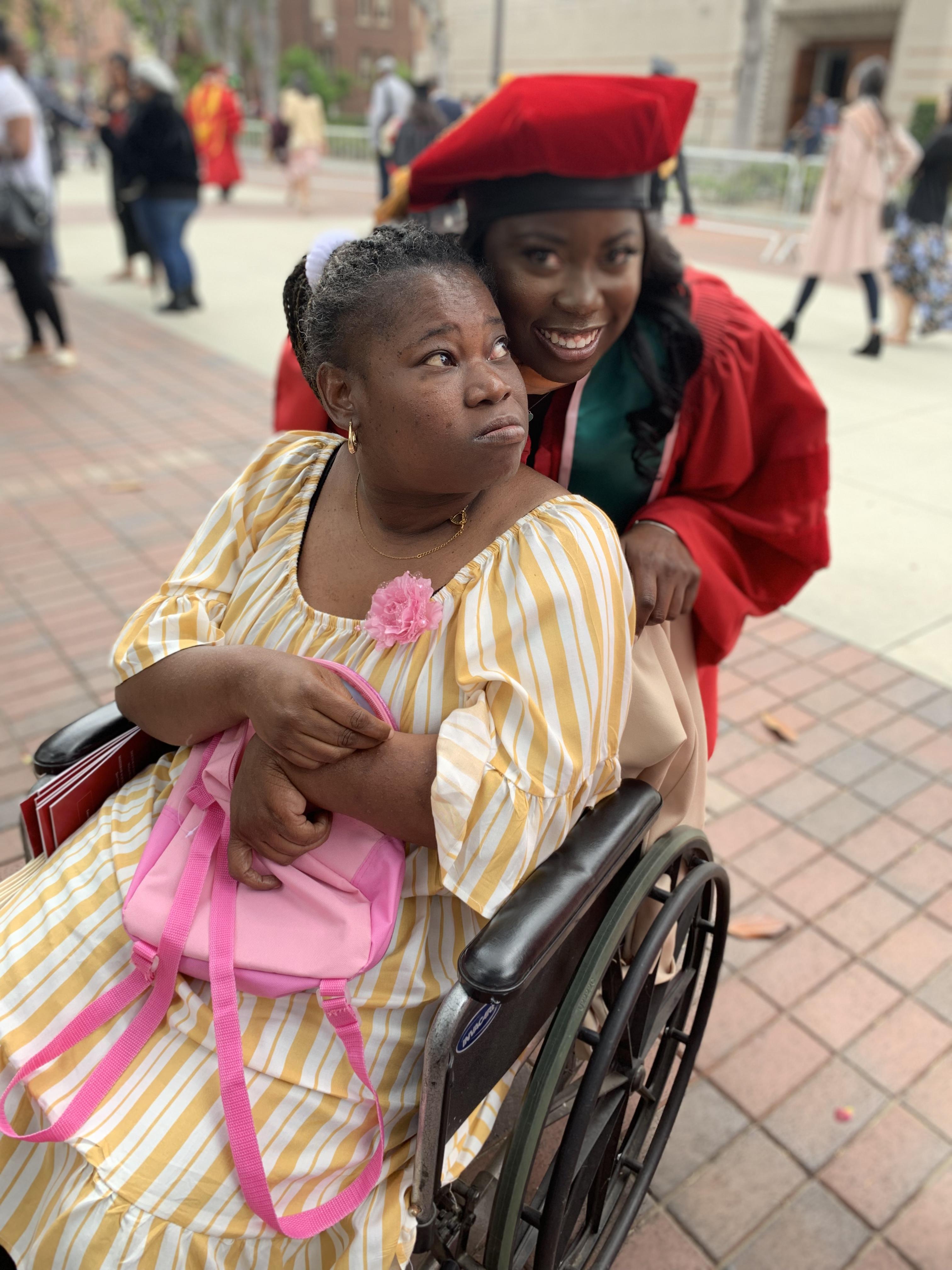
Dr. Tiffany Saucer is revolutionizing mental health care for individuals with intellectual and developmental disabilities (I/DD). As the Director of Behavioral Health at Achievable Health, she has spearheaded the creation of tailored mental health services that address longstanding gaps in support for vulnerable populations. Inspired by her personal experiences growing up in South-Central Los Angeles with her beloved aunt, Dr. Saucer’s work dismantles systemic inequalities and paves the way for a more inclusive, compassionate healthcare system.
ALLIÉ: Growing up close with your aunt, who has cerebral palsy and intellectual disabilities, clearly had a profound influence on your journey. Dr. Saucer, can you share how those early experiences shaped your vision and passion for the work you do today, especially in advocating for marginalized communities?



DR. TIFFANY SAUCER DIRECTOR OF BEHAVIORAL HEALTH AT
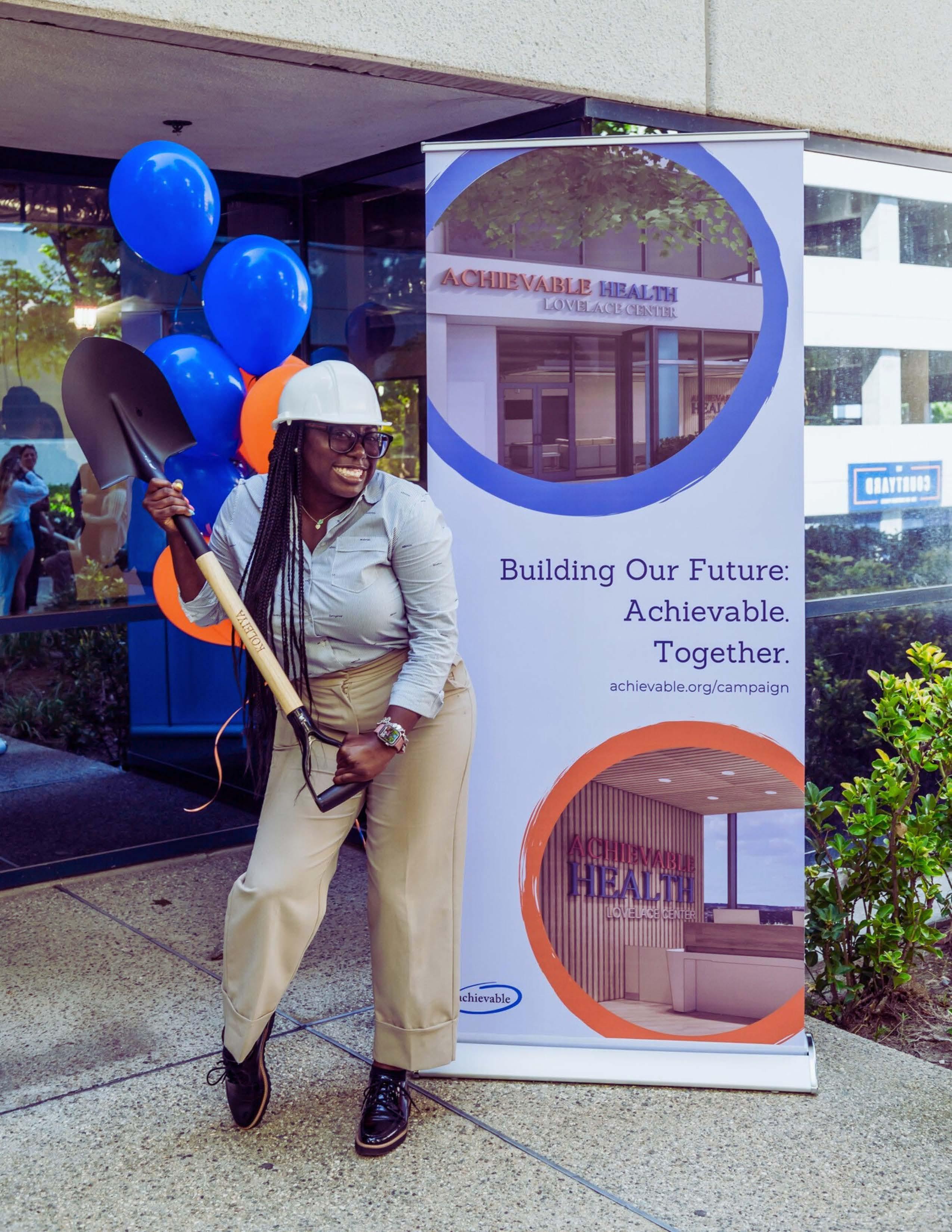

“This isn’t easy work. Each family’s needs are unique, so there’s no one-size- fits-all solution.”
DR. TIFFANY SAUCER: (continued) in the 1990s. The civil unrest following Rodney King’s tragedy left scars that remain unhealed. Many parts of the community haven’t been rebuilt. That backdrop shapes my family’s story.
My aunt has cerebral palsy and a profound intellectual disability. She operates developmentally at about a three- to five-year-old level and has a seizure disorder. I vividly remember coming home from school to an air of tension in my grandmother’s house because my family was responding to one of my aunt’s violent seizures. It was a traumatic experience as a child, knowing something wasn’t right and feeling the weight of it in my body.
These memories gave me deep empathy for my grandmother, who had to make the tough decision that someone always needed to be with my aunt. Sending her to school or integrating her into public systems wasn’t feasible. How could my grandmother feel safe, knowing her child couldn’t tell her how the day went or when something was wrong? Those experiences were formative, shaping the lens through which I view my work today.
ALLIÉ: What a powerful memory. That couldn’t help but shape your journey. You’ve also described a pivotal moment when your grandmother had to leave her job to care for your aunt, highlighting systemic gaps in support. How did witnessing your family’s struggle inform your understanding of the barriers faced by families like yours, and how do you address these barriers at Achievable Health?
DR. TIFFANY SAUCER: I wish I could say this doesn’t still happen, but it does. Just last night, I spoke with a mother who had to leave the workforce to care for her adult child, who is now bigger and stronger than her, making redirection increasingly difficult. They’re at a crossroads, deciding whether to keep their child at home or consider a group home setting, but financial barriers make it hard.
When you quit your job to care for a loved one, you become heavily reliant on government support, which is subject to changes with each administration. Families like these already sacri fice so much. My mission is to amplify their stories, to shout from the mountaintops: What about these families who’ve already given so much?
This isn’t easy work. Each family’s needs are unique, so there’s no one-size- fits-all solution. But these conversations need to happen—on micro and macro levels—to raise awareness and strategize for better outcomes.
ALLIÉ: Achievable Health has become a model for integrating mental health care with primary services for people with intellectual and developmental disabilities. What unique challenges have you faced in expanding these services, and how have those experiences shaped your approach as a leader and clinician?
DR. TIFFANY SAUCER: That’s a great question. I earned a doctorate in social work, but there was no formal training on how to work with individuals who have both intellectual disabilities and mental health needs. I wasn’t classically trained in how to support someone with autism who also has depression or anxiety, for instance.
At Achievable Health, I’m working to fill that gap. We’ve partnered with universities to provide practicums for students, giving them hands-on experience with this population. Even if these students don’t specialize in this field, at least they’ll know where to start when they encounter clients with intellectual or developmental disabilities.
AwareNow Podcast
Exclusive Interview with Dr. Tiffany Saucer https://awarenow.us/podcast/a-care-revolution


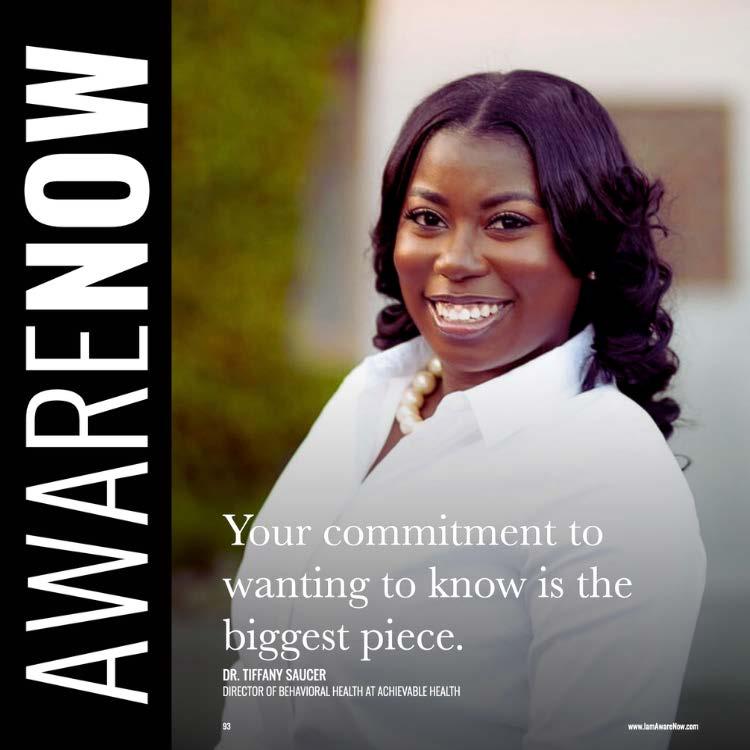
DR. TIFFANY SAUCER: (continued) Building rapport with this population takes time and patience. For example, it might take 10 to 15 sessions before a client with autism feels comfortable enough to share. But that time investment is necessary. By embedding this understanding into training opportunities, we’re equipping future clinicians to approach these cases with confidence and compassion.
ALLIÉ: What keeps you inspired and hopeful in this uphill battle to transform how mental health professionals are educated and engage with this population?
DR. TIFFANY SAUCER: It’s the little moments that keep me going. For instance, hearing about a patient who finally had their blood drawn after months of difficulty—thanks to a team effort involving physicians, medical assistants, family members, and creative strategies—reminds me why this work matters.
Hearing from a practicum student who was initially nervous but is now con fident and building strong rapport with clients also gives me hope. I dream of training cohorts of clinicians who leave with the skills and empathy needed to support this population. While we’re not there yet, I believe we’re on the right path. ∎