TAKE THE REVEAL CHALLENGE AND SEE HOW EASY IT IS TO INSTALL AND USE.
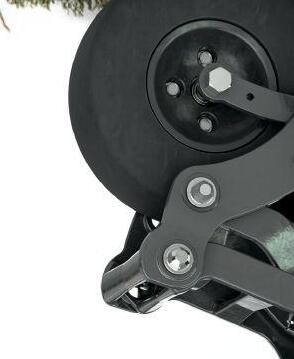
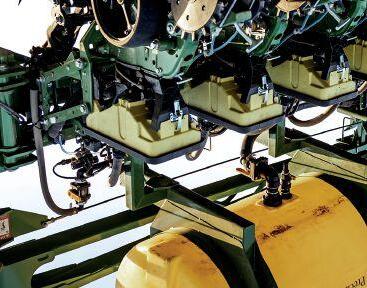
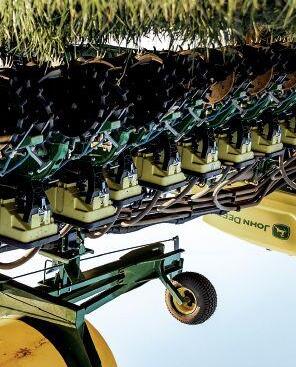
Have you heard of ttingretrofi or upgrading your planter but you’re just not sure it’s worth it? Join thousands of other farmers who have added Reveal and experience what it’s like to move your row cleaners off of the row unit, improve your row unit ride, and keep your row cleaners engaged without bouncing. The easiest way for you to try Precision Planting this year is by purchasing one row of Reveal. WE CHALLENGE YOU TO PUT ONE ROW OF REVEAL® ON YOUR PLANTER THIS YEAR. WE BELIEVE IN BETTER PLANTERS WITH BETTER ROW CLEANERS. Hint: Rotate this ad to reveal one of the best places to start.
6 | Resisting a devastating duo
Breeding soybean varieties for Ontario with resistance to two major disease threats.
By Carolyn King
10 | Crown rust in oats
This perennial disease needs dethroning.
By Bruce Barker
14 | Legume-based cover crop opportunities
Assessing options to make cover cropping more economically attractive in the short term.
By Carolyn King
By Alex Barnard
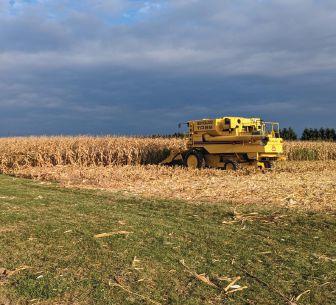
Planting corn directly into a living cover crop before it is killed by herbicide or tillage is not something that would have been considered 30 years ago. However, with advances in planter technology, herbicide options, and a greater awareness of cover crop benefits to soil health, more growers are doing it.
EDITOR
PUTTING A FACE TO FARMING
It’s always so energizing to go out and talk to people about agriculture. It’s exciting to learn about the research being conducted and hear the passion in people’s voices when they talk about their niche of the industry and what they’re doing.
I’m writing this while still invigorated from attending several off-season events, where I caught up with growers, industry reps and researchers about the latest trends, threats and opportunities facing the sector. Nothing beats those face-to-face conversations. You’ll be reading about them in future issues, and hearing from the experts on our Inputs podcast.
Top Crop Manager focuses on agronomy and research, unlike many other trade publications that often publish profiles and more people-centric stories. So, the times when I and my western counterpart get to step away from the desk and meet with the farmers who read our magazines and are doing the daily work of growing and managing crops is always an enjoyable experience.
“Nothing beats those face-to-face conversations.”
It’s also essential, to my mind. All the information printed in these pages is useless if it isn’t read and put into practice. So, keeping the needs of our audience in mind – and hearing what is and isn’t working for their operation – helps us provide the most relevant and useful features. We aim to stay ahead of the curve by a couple years, but we also want to make sure what we print is applicable to our readers.
If there’s a practice or topic you want to see the magazine cover, please feel free to drop us a line or strike up a conversation, if you happen to spot us in the wild at a conference or farm tour. Knowledge generation and dissemination is a collaborative effort – we can better support you as farmers when we are in touch with what’s really happening on the ground.
On the topic of representing our readership in the magazine: This summer, we’re bringing back the Top Crop Manager photo contest, which is one of my favourite projects to work on. One fantastic photo will be featured on the cover of our November issue. Other stellar photos submitted for the contest will be printed inside, so don’t miss this opportunity to send us your best snaps from the field and farm. If it shows some aspect of Canadian agriculture, we want to see it!
Good luck with your preparations for #grow24. Here’s hoping the April showers are just plentiful enough to get your season off to an excellent start.
RESISTING A DEVASTATING DUO
Breeding soybean varieties for Ontario with resistance to two major disease threats.
by Carolyn King
Both soybean cyst nematode (SCN) and soybean sudden death syndrome (SDS) are able to take big bites out of soybean yields. And both pests have been spreading almost hand-in-hand across Ontario’s soybean-growing areas. To develop soybean varieties able to withstand this double threat, breeder Milad Eskandari is working to stack SCN and SDS resistance genes and to diversify SCN resistance sources in his breeding lines.
His soybean breeding program at the University of Guelph’s Ridgetown Campus focuses on high-yielding, Ontario-adapted varieties with a range of quality traits that appeal to various markets. Resistance to SCN and SDS are key breeding objectives for his program.
“SCN and SDS rank as the primary and secondary threats to soybean cultivation in southwestern Ontario, causing substantial economic losses amounting to millions of dollars. The development of cultivars equipped with resistance to SCN and SDS stands as the most effective management strategy currently available to farmers,” says Eskandari.
“Consequently, the development and utilization of high-yielding commercial soybean varieties resistant to these diseases are imperative for ensuring sustainable soybean production in Ontario. By prioritizing the cultivation of resistant varieties, farmers can mitigate the economic impact of these destructive pests, maintain their yields, and contribute to the long-term viability of soybean farming in the region.”
Funding for Eskandari’s current studies related to SCN and SDS is from Grain Farmers of Ontario, SeCan, Ontario Ministry of Agriculture, Food and Rural Affairs (OMAFRA), the Natural Sciences and Engineering Research Council of Canada (NSERC) and
the University of Guelph (both Ridgetown and the main campus). Collaborators on the SCN research include Owen Wally with Agriculture and Agri-Food Canada in Harrow and Albert Tenuta with OMAFRA. SDS research collaborators include Istvan Rajcan with the University of Guelph as well as Wally and Tenuta.
A quick look at the pathogens
SCN was first detected in Ontario in 1988 in the Chatham area and has been spreading through the province ever since. This soil-dwelling, microscopic roundworm attacks a host plant’s roots, stealing nutrients from the roots and reproducing on them. The nematode’s name refers to pinhead-sized cysts found on infested roots, which contain its eggs.
SDS, first observed in the Chatham area in the mid 1990s, appears to be spreading in SCN’s wake. It is a soil-borne fungal disease caused by Fusarium virguliforme. SDS can cause root rot as well as leaf damage and defoliation.
Each disease on its own can cause very high yield losses when conditions favour the pest. Plus, the two diseases often occur together. Although researchers are still looking into exactly how the two pathogens interact, SDS tends to be more severe if SCN is present. Research indicates that root damage by the nematode can provide entry points into the root for pathogens like F. virguliforme. Also, this fungus is found in SCN cysts so the nematode may be helping to spread SDS.
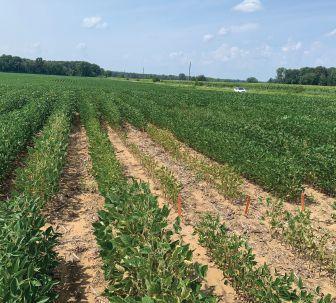
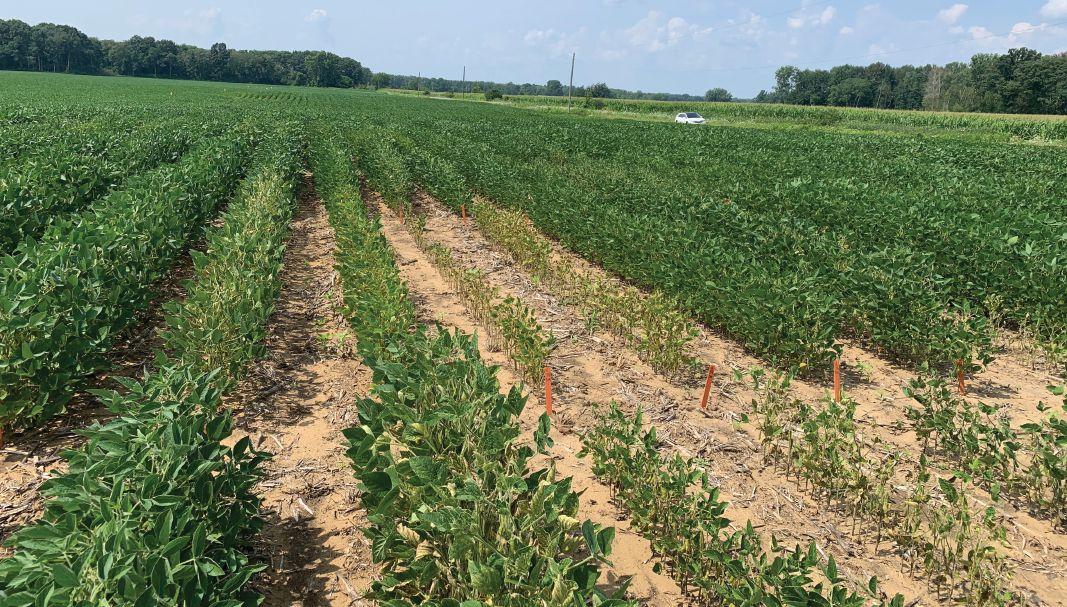
ABOVE: SDS-susceptible soybean lines compared to resistant lines in one of Eskandari’s field locations.
HAVE YOU EVER THOUGHT...
“I
WONDER IF MY PLANTER COULD HAVE DONE BETTER?”
JOIN TENS OF THOUSANDS OF FARMERS WHO HAVE THOUGHT THE SAME THING AND GOTTEN BETTER BY ADDING JUST 3 PRODUCTS.
You could buy a new planter or new-to-you planter, but the biggest yields yearover-year have come from focusing on the row unit and starting with automated downforce, electric drives, and high speed, all available through Precision Planting. It’s a shift in thinking, but the 70% savings versus a new(er) planter and the yield bumps have made it an easy decision. So if you want more out of your planter, add vDrive®, DeltaForce®, and SpeedTube® to your row units.
WE BELIEVE IN BETTER PLANTERS WITH BETTER ROW UNITS.
Diversifying SCN resistance
SCN resistance genes are named based on the soybean line, or plant introduction (PI), that was the original source of the genes. For example, PI 88788 is the name of the resistance source used in more than 95 per cent of North American SCN-resistant soybean varieties.
Breeders have been relying heavily on PI 88788 for about three decades, which is worrisome. Growing a particular resistance source in a field selects for the few natural variants in the nematode’s population that are able to survive and reproduce on those plants. Repeatedly using the same resistance in the field shifts more and more of the nematode’s population to those variants. Eventually that resistance source will no longer be effective in that field.
As in the rest of North America, PI 88788 predominates in Ontario. Almost all the SCN-resistant varieties in the 2023 Ontario Soybean Variety Trials use PI 88788. Only a handful have a different source, which is PI 548402, also known as Peking.
“The prolonged reliance on SCN-resistant soybeans exclusively carrying the PI 88788 source in the Midwest U.S. has led to the emergence of SCN types capable of overcoming this resistance,” says Eskandari. He notes that this concerning trend is already appearing in southwestern Ontario, where PI 88788 is starting to lose its effectiveness in some fields, resulting in yield declines in those fields.
To help counter this trend, Eskandari’s program is actively working with PI 548402, PI 437654 (also known as Hartwig) and PI 89772. As more soybean varieties with different SCN resistance sources become available, Ontario growers will have more options for rotating their resistance sources to slow the development of SCN variants that can defeat the resistance genes. And growers will have
more options in situations where PI 88788 is no longer as effective.
Developing soybean lines with these alternative SCN resistance sources is complex and time-consuming, but Eskandari’s program is making progress.
“Currently, we have promising soybean lines in our pipeline carrying PI 437654 and PI 548402 resistance sources. These lines are undergoing thorough field evaluation for both yield and agronomic characteristics,” he says.
“We are optimistic about their performance, and if they meet our criteria, we plan to release them to farms in the near future.”
Developing molecular tools
Eskandari’s program is using and developing molecular markers to screen breeding materials for SCN resistance. “In the realm of plant breeding, success often hinges on numbers – the more lines evaluated, the higher the likelihood of success. Leveraging reliable molecular marker technologies enhances the efficiency of a breeding program,” he explains.
“Moreover, using molecular markers in the development of SCNresistant cultivars offers a distinct advantage. SCN infestations in fields are not uniform, leading to potential variability in field ratings. Molecular analyses and greenhouse bioassays provide a more consistent and reliable means of evaluating resistance, offering a valuable complement to field assessments. This dual approach, combining field evaluations with molecular marker analyses, strengthens our ability to develop soybean cultivars with robust resistance to SCN.”
Some of his group’s work to develop better molecular tools for breeding SCN-resistant lines involves using RNA sequencing. Dual RNA sequencing shows which genes are being expressed; so, for example,
Every day new challenges, obstacles, roadblocks and uncertainties threaten your farm’s progress. That’s why you need solutions that work. You need agronomists that know the industry. You need answers. Because regardless of the unknowns, you always have to make a decision. Make the most with what you’ve been given by tapping into the nutrient enhancing technologies from Koch Agronomic Services proven to create a positive impact in your fertility program.
researchers can determine which plant genes are involved as a soybean line responds to the nematode’s attack and which nematode genes are involved in overcoming the plant’s defences. This helps to increase understanding of the complexities of SCN resistance in soybeans.
“In our recent study, led by my research associate Sepideh Torabi, utilizing RNA sequencing, we identified candidate genes integral to the defence mechanisms associated with SCN resistance in various sources including PI 437654, PI 548402 and PI 88788,” Eskandari says. Their results indicate that the different PIs use different genes to fight off the nematode’s attack.
“While further analyses are required to validate these findings, the identified genes show promise as valuable indicators for discerning resistance mechanisms among different sources.”
This discovery opens avenues for creating markers that could be used in developing varieties that have stacked SCN resistance genes from multiple sources, offering more durable resistance to the pest.
Towards SDS resistance
Although SCN resistance is a longstanding focus for Eskandari’s group, their work on SDS resistance only started a few years ago.
“Developing soybean lines with resistance to SDS presents several challenges within our program. Since SDS is relatively new in our research focus, that necessitates an initial step to establish a comprehensive understanding of how our Canadian germplasm responds to this disease,” Eskandari explains.
“Following this initial hurdle, the subsequent challenge involves the identification of suitable exotic donors. These donors not only need to align with our germplasm but also show great adaptability to
our local climate. Currently, we are actively engaged in this phase, rigorously evaluating various SDS sources in Ontario to pinpoint the most promising lines for subsequent breeding crosses.”
He adds, “SDS presents an additional challenge due to its complex genetics. A thorough understanding of the genetic factors associated with the disease is essential for effective breeding strategies.”
At present, Eskandari is collaborating with Rajcan to evaluate the University of Guelph’s soybean germplasm for reactions and resistance to SDS. Their work so far has revealed a diverse range of reactions to SDS.
Through further work, they hope to discover some of the genomic regions underlying the resistance to SDS. They can then use those findings to develop reliable markers for selecting SDS-resistant breeding lines.
“Within another project in my program, we initiated crosses between our elite lines and exotic SDS-resistant lines. The progenies from these crosses are undergoing comprehensive evaluations for their resistance to SDS, along with assessments of important agronomic traits. Our goal is to develop germplasm with robust SDS resistance that can be either released to farmers directly or utilized in future breeding crosses for cultivar development,” he notes.
“This multifaceted approach underscores our commitment to advancing the understanding and application of SDS resistance in soybean cultivation.”
All of these efforts to advance SCN and SDS resistance in soybeans contribute to achieving the overall aim of Eskandari’s breeding program to help ensure sustainable and resilient soybean production in Ontario.
CROWN RUST IN OATS
This perennial disease needs dethroning.
by Bruce Barker
Crown rust in oats is a royal pain. It’s a worldwide problem wherever oats grow, except in dry, arid areas. Crown rust, caused by Puccinia coronate var. avenae f. sp. avenae, is economically significant in Quebec, Ontario, Manitoba and eastern Saskatchewan.
“Crown rust is the most widespread and damaging disease of oat,” says Jim Menzies, a plant phytopathologist with Agriculture and Agri-Food Canada in Morden, Man. “Yield losses can range from 10 to 40 per cent or higher in severe epidemics, and it can cause losses in grain quality as well.”
In 2022, crown rust was at epidemic levels on the eastern Prairies, with 97 per cent of fields surveyed having the disease. The mean number of plants infected per field was 38 per cent, and the severity of infection was higher than what has been seen over the past 10 years. This was followed in 2023 with 90 per cent of fields surveyed having the disease, with an average of 45 per cent of the plants being infected and an infection severity slightly higher than what was observed in 2022.
“Some fields were severely infected and suffered yield losses in both years,” says Menzies.
Another severe year was 2020, with 86 per cent of fields infected, while 2018, 2019 and 2021 had minor disease pressure, likely caused by low precipitation in those three years.
The optimum conditions for crown rust development are warm sunny days of around 20 C to 25 C and mild nights with temperatures around 15 C to 20 C and adequate moisture for dew formation. The crown rust fungus can overwinter on stubble and grasses on the eastern Prairies, but can only infect buckthorn plants in the spring. On buckthorn, the fungus reproduces into a form that can infect nearby oat crops. But because buckthorn is not commonly found on the Prairies except for city parks, ravines and riverbanks, this source of infection is of minor concern.
The main source of crown rust infections on the Prairies is spores that blow up on southerly winds from the U.S. on the ‘Puccinia Pathway.’ The first inoculum usually arrives around late June or early July. During the growing season, agronomists and growers can follow the rust situation in the U.S. through the United States Department of Agriculture’s (USDA’s) Cereal Rust Bulletins.
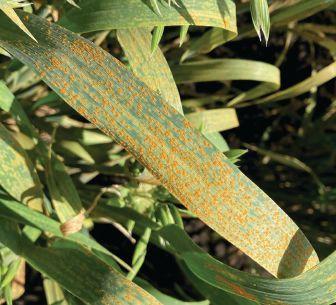
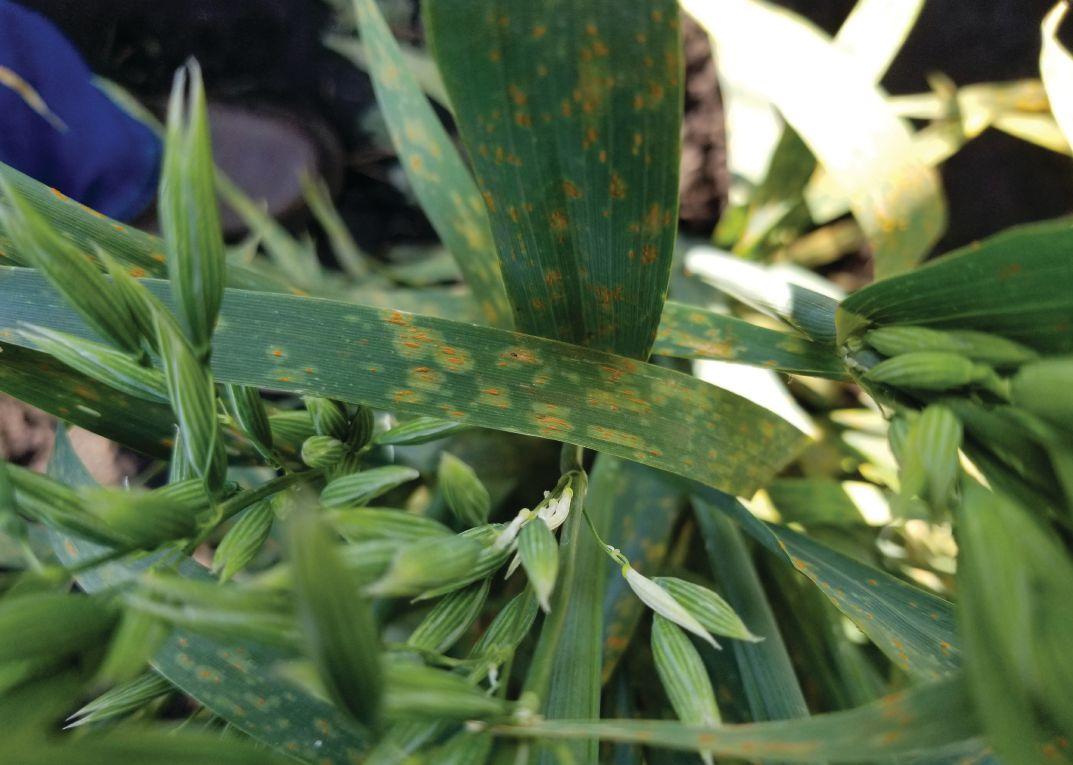
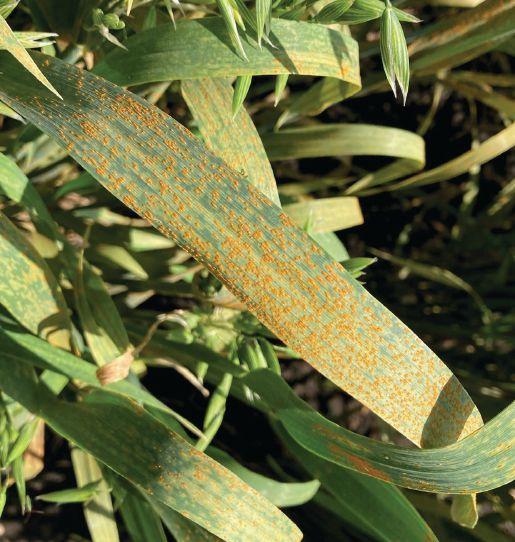
ABOVE: Crown rust can cause up to 40 per cent yield loss, or more.
Unleash life without white mould.
Every once in a while,
Symptoms of crown rust on oat are orange pustules on the upper and lower leaf surfaces. Sheathes and glumes can also be infected under severe infestations.
The crown rust fungus is genetically very variable. Eastern and
western Canadian populations are very different, but both are equally variable. Since 2002, approximately 2,500 isolates have been assessed for virulence – the ability of the pathogen to infect a host. In any given year, about 80 per cent of the isolates are unique races. Menzies says that only about two per cent of races are found repeating over a five-year period, and if a race is found at four per cent of the population, it is considered to be a dominant race.
Controlling the disease
The foundation of crown rust management is the use of resistant oat varieties. Provincial Seed Guides provide crown rust disease resistance ratings, however the genetic diversity of the fungus means that plant breeders must continually use new sources of resistance. For example, the oat varieties Stainless, Souris and AAC Justice relied on the Pc91 gene as a source of effective resistance, but virulence was first noted in 2012 at six per cent and had risen to 67 per cent by 2015, effectively overcoming the resistance.
Similarly, the Pc94 gene used in some varieties was effective and virulence remained low at around two per cent in 2015, but is now at 20 per cent. “Honestly, it could go up to 60 per cent next year. I don’t know. The pathogen is just that variable,” says Menzies.
The genetic diversity of the pathogen becomes an issue with variety ratings.
“A crown rust resistant gene remains viable as an effective gene for resistance, on average, less than five years,” he says.
Even though resistance genes may be overcome, Menzies says that growers should still grow a variety with a resistant or moderately resistant rating.
Crown rust severity was high in 2022 and 2023.
PHOTO COURTESY OF AAFC.
overcome,” says Menzies. “And to be fair, some of those lines do have good resistance. So it is kind of the luck of the draw. I’m sorry to say that, but those resistant ratings have been done and there is a lot of work behind those ratings.”
Menzies says another management strategy is to seed early. This will allow the oat crop to mature earlier and avoid inoculum buildup and disease development. As a result, the severity of the disease could be lower with the earlier seeded crop.
Another strategy is to select fields away from buckthorn infestations. As an alternative host for crown rust, sexual reproduction of crown rust and infection of oat will start earlier in the year than if the fungus is blown in from the U.S.
Foliar fungicide application is the last line of defence. Menzies recommends that oat fields are scouted in early July for signs of the disease. The ideal application timing is at flag leaf emergence. Once the flag leaf is infested with pustules, it is too late to apply a fungicide. Growers should consult with their oat buyer to ensure that a foliar fungicide application is acceptable to the end-use market.
Growers are also encouraged to consider the weather and the potential for disease development. Menzies says that if the weather is dry and little disease has developed by late July, fungicide application may not be warranted. He also recommends that growers rotate fungicide groups to help prevent the development of fungicide
“It is the same as the resistance gene,” says Menzies. “If you put a resistance gene out on a huge acreage, the pathogen will evolve to
collection program helps producers manage empty agricultural small and large bulk bags.
TAKE THEM BACK TO YOUR AG RETAILER FOR SAFE DISPOSAL BEGINNING MAY 1.
• Get free Cleanfarms collection bags from ag retailers.
• Place small empty bags into collection bags; to avoid dust, don’t shake; tie bags.
• Flatten & fold large bulk bags (100kg) into bundles of 5 or 6. Tie with twine.
• Return full collection bags and bundles to ag retailers.
In PEI only, empty fertilizer bags are accepted at designated collection sites. Thank you for helping to keep empty ag bags out of landfill and the environment. Find a collection loc ation near you at csmap.cleanfarms.ca info@cleanfarms.ca @cleanfarms
Crown rust can be a problem wherever oats are grown.
PHOTO COURTESY OF BRUCE BARKER.
LEGUME-BASED COVER CROP OPPORTUNITIES
Assessing options to make cover cropping more economically attractive in the short term.
by Carolyn King
Producers know cover crops can provide an array of benefits, such as improved soil health and decreased disease, insect and weed problems. But in the short term, the costs of buying the seed and planting the cover crop can be a barrier to adoption of this practice. A southern Ontario project is evaluating some legume-based cover crop options to see if they might help overcome this barrier.
“If we can make cover crop use a little more economically feasible in the short term – for example, if the cover crop provides a nitrogen credit to the next crop or if the cover crop is harvested as forage – then cover cropping might be more attractive to farmers,” says Kim Schneider, the project’s principal investigator and an assistant
professor of plant agriculture at the University of Guelph.
This project also reflects Schneider’s research interest in seeking ways to improve nutrient-use efficiency in agriculture. “If we can find places in the rotation to fix more nitrogen biologically using legumes, then we could potentially help decrease nitrogen fertilizer use. And reducing nitrogen fertilizer use would cut down on greenhouse gas emissions associated with nitrogen fertilizers.”
Collaborating with Schneider on this project are her University
ABOVE: The project is assessing the ability of various legume-based cover crops to provide a nitrogen credit to the next year’s corn crop.
of Guelph colleagues Elizabeth Lee and John Lauzon. Two master’s students in Schneider’s research group have carried out the project: Daniel Colcuc, who worked on it from 2021 to 2023; and Connor Goodwin, who started in 2023. The Ontario Agri-Food Innovation Alliance and Grain Farmers of Ontario are funding the project.
About the project
This research evaluates several legumebased cover crop options that target the period between harvesting winter wheat and planting corn in a winter wheat-cornsoybean rotation, a common rotation in southwestern Ontario.
“The project has three main objectives. One is to evaluate the ability of annual legume-based cover crops, planted following winter wheat harvest, to provide a nitrogen credit to the next year’s corn crop. We are looking at monoculture legume and mixedspecies cover crops, and comparing those to frost-seeded red clover,” explains Schneider.
She says frost-seeding of red clover into a standing winter wheat crop is a fairly common cover crop option in southern Ontario. “Frost-seeding generally involves seeding in early spring when the ground is still frozen but most of the snow has gone. Usually, it is done fairly simply by broadcasting the seed on the surface. Then the seed is kind of worked into the soil through freeze-thaw action. Red clover seems to be one of the species that does fairly well with frost-seeding.”
When red clover does well, Schneider says it can be a great cover crop choice. However, even though red clover does
“We want to see what effect [biomass] removal has on nitrogen credits and corn crop yields, and whether it makes cover cropping more economical.”
better than some species with frost-seeding, sometimes it still doesn’t establish very well. And that results in varying levels of benefits in terms of nitrogen (N) credits and aboveground biomass. “Researchers are still figuring out the reasons for this [variability in establishment], but it seems that different environmental conditions may make a difference; for instance, moisture probably plays a role.”
The annual legume-based cover crop options are seeded with a drill in early August just after the winter wheat is harvested. In part, Schneider wants to see if any of these options might provide benefits similar to or better than frost-seeded red clover. “Another reason to look for annual legume alternatives to red clover is to provide more options for farmers. For instance, maybe they weren’t able to get out to frost-seed, or maybe they want to take the cover crop off for forage, and they don’t want all red clover.”
The project’s second objective is to assess the effect of removing the aboveground biomass of the cover crop as if you wanted to harvest it for forage. “We want to see what effect removal has on nitrogen credits and
So Much Power. So Little Effort.
corn crop yields, and whether it makes cover cropping more economical,” she says.
The third objective is to quantify the effect of planting the legumes in a bio-strip – a strip where the corn will be planted in the following year. They want to look at whether concentrating the legumes in a strip would increase the N credit or corn yield. Biostrips are used by some Ontario farmers as an alternative to strip tillage. In particular, if the bio-strip includes species that have large taproots which can reduce soil compaction and that have residues which break down quickly over the winter, then the biostrip can provide a fairly nice, relatively bare seedbed in the spring.
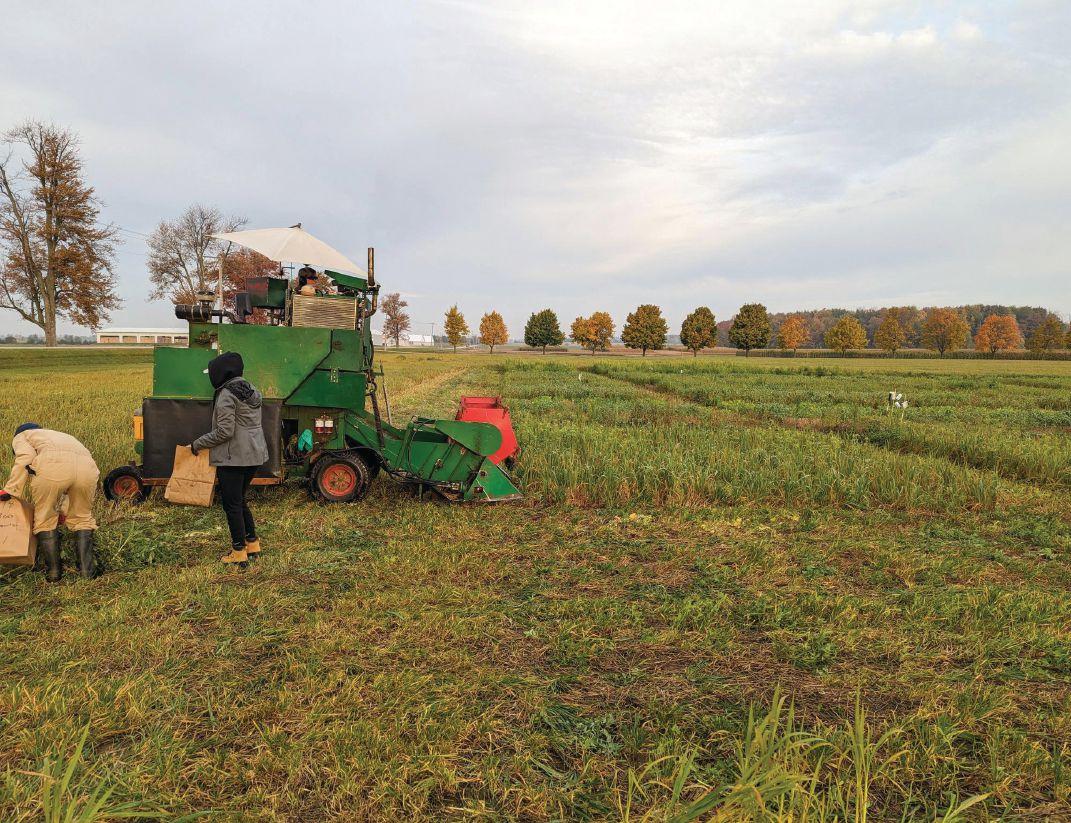
The project encompasses three years of cover crops followed by corn, with 2024 being the final corn year. The field site is at the Ontario Crops Research Centre in Elora.
Schneider explains, “For the annual legumes, we included pea because it is a fairly common choice. Berseem clover and balansa clover are newer legumes which are less known. We have seen a little bit of success with berseem clover at the research centre in some other trials, and we wanted to see how well these two annual clovers would perform when seeded in August.”
In a mixture with an annual legume, oat and radish can help boost the cover crop’s biomass. Oat is an inexpensive cereal that grows well under a range of conditions. Radish can be a good choice for a biostrip because its taproot can help in breaking up the soil and the residues decompose quickly after being winterkilled, leaving a bare strip of loose soil for a seedbed for corn.
The trial also compares two options for the cover crops seeded in August: seeding them in a bio-strip; or seeding them uniformly across a plot. If the cover crop was seeded uniformly across the plot, then the plot was strip tilled in both the fall and the spring, to prepare the seedbed for corn planting. Schneider explains, “In the first year there was some extra residue, so we strip-tilled again in the spring. We also did that in the next years to be consistent. However, in most situations, you would probably just need to strip-till in the fall.”
Biomass findings
“We have had three years now of cover crops. The first year, 2021, was definitely our best year for biomass. Red clover was our best performer; it produced about 1.7 tonnes per hectare of aboveground biomass. That was followed by oat and the oat/pea/radish mixture – they each produced about 1.3 tonnes per hectare,” says Goodwin.
“The second year, 2022, was a very dry year, and the red clover didn’t establish at all. But the oat and the oat/pea/radish were still pretty consistent at about 1.3 tonnes per hectare.
“Then in 2023, the conditions were a little moister. The red clover did establish, but it only produced about 1 tonne per hectare. Once again, the oat and the oat/pea/radish were pretty consistent at about 1.3 tonnes.”
The balansa clover and berseem clover did not do very well, especially under dry conditions. “So, out of the annual legumes planted after winter wheat harvest, pea was the most reliable,” notes Schneider.
She adds, “We’re trying to figure out what conditions would help berseem and balansa clovers to do better. For instance, in a separate experiment involving some grazing trials of warm-season forages, berseem was in the mix. When berseem was planted around June 1, you could get three cuts from it. In that system, berseem could be an option. However, when you’re planting in August, the conditions tend to be drier so these clovers won’t do very well; also, you’re getting only one cut.”
N credits, biomass removal, economics
“With red clover, if you can get it to establish, it does very well in terms of the N credit. [In 2021, red clover’s best yielding year,] it provided a benefit of around 70 kilograms of N per hectare for the following corn crop,” says Goodwin.
“The monoculture pea was the only other legume that provided an N credit, although not a very large one.” Neither the berseem nor the balansa clover produced enough biomass to result in an N credit
The project is also evaluating removal of the cover crop’s aboveground biomass for forage to see the effect on nitrogen credits, corn yields and cover cropping economics.
harvesting, the red clover in 2021 was still about $40 per hectare more profitable than having no cover crop. And Goodwin notes the calculations of economic benefits in the project are on the conservative side; for instance, they use custom rates for harvesting rather than assuming that producers would be using their own equipment.
“I’ll be interested to see our corn harvest data from this summer, given that the red clover biomass amount in 2023 was kind of in the middle compared to 2021 and 2022. In 2023, red clover established but it didn’t produce the high biomass we saw in the first year,” he says. “So the 2024 corn yield data might give us a better idea of what a standard year might look like.”
Tips for growers
Based on the results so far, Schneider offers a few tips on cover crop choices: “If you can get red clover to establish, it is probably the best option for providing nitrogen from a legume source.
“If you want to harvest your cover crop for forage and you want to plant it after winter wheat harvest, then monoculture oat or the oat/pea/radish are decent, consistent options. Oat seems to establish relatively well in dry conditions compared to the other species. The oat/pea/radish was a little better than oat in terms of providing a bit of nitrogen and boosting corn yields a little, but it wasn’t a statistically significant difference.
“And if it’s a dry August, don’t put in berseem or balansa clover.”
She emphasizes that this project is looking at short-term profitability – whether the cover crop is economical in that same year or very next season.
in any year.
Planting the legumes in bio-strips did not make a significant difference to the N credits or corn yields compared to planting uniformly across the plots. The cover crop’s biomass yield was greater when planted conventionally than in bio-strips.
Removing the aboveground biomass resulted in a small negative effect on corn yield and a slight reduction in the N credit, but the differences were not agronomically significant.
Goodwin also points out that, despite the reductions in corn yields and N credits,
harvesting the forage was a more cost-effective practice for almost every cover crop choice. “In fact, in 2021, harvesting the red clover’s aboveground biomass was actually about $100 per hectare more profitable than having no cover crop,” he says.
“And the oat and the oat/pea/radish cover crops were pretty close to making cover cropping a net-zero cost when the biomass was harvested.” For instance, in 2021, the cost of the oat cover crop was only about $30 per hectare more than having no cover crop, and in 2022, it was about $70 more.
Interestingly, even without biomass
“In the short term, it is usually hard for a cover crop to be a lot more profitable than not planting a cover crop,” she says. “Definitely in the long term, there may be economic benefits to the cover crops that we were not able to observe in our study.”
“Any of the treatments in this project that get pretty close to being profitable or that are even more profitable than having no cover crop could be a good option to help people adopt cover cropping in the short term,” says Goodwin.
Schneider adds, “Some of your long-term benefits from cover crops may decrease a bit if you are removing the aboveground biomass. Your choices will depend on how you balance your short- and long-term goals.”
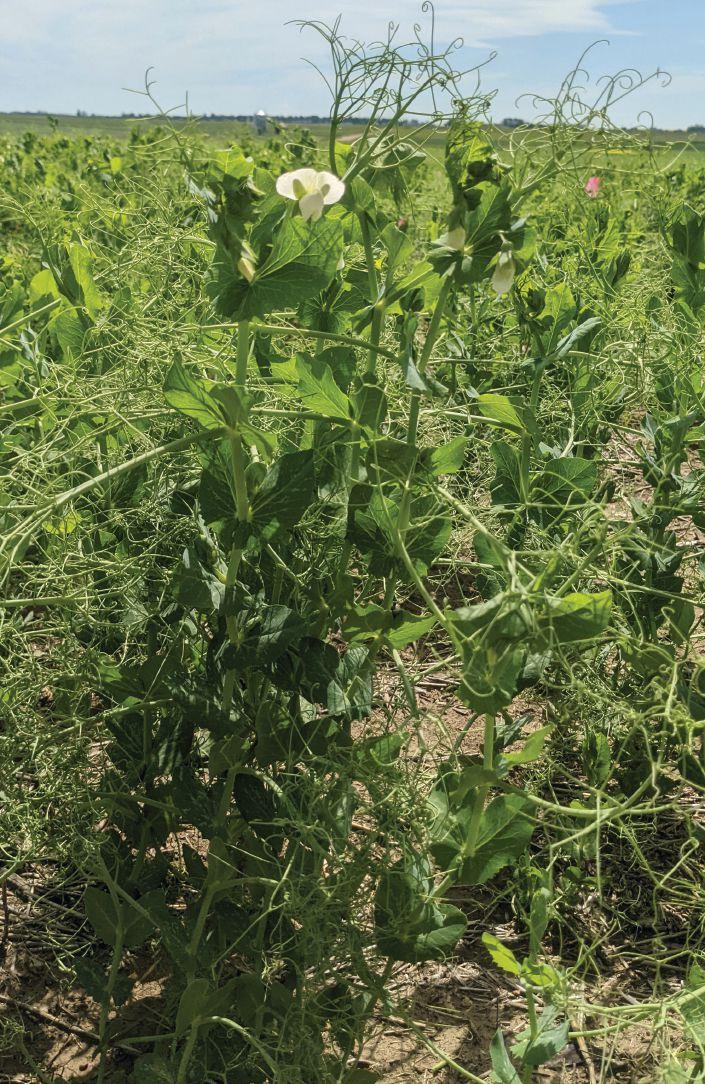
Austrian winter pea was included in the legume cover crop trials because it is a fairly common option that some growers are already using as a cover crop.