

As a dedicated architecture student, I am passionate about crafting design solutions that provide meaningful spaces for clients and their communities. Through research-driven and responsive planning, I strive to create architecture that promotes place-making and social well-being within the built environment.
STANTEC PARK(ing) Day 2024
Reimagining Philadelphia’s Northeast Library
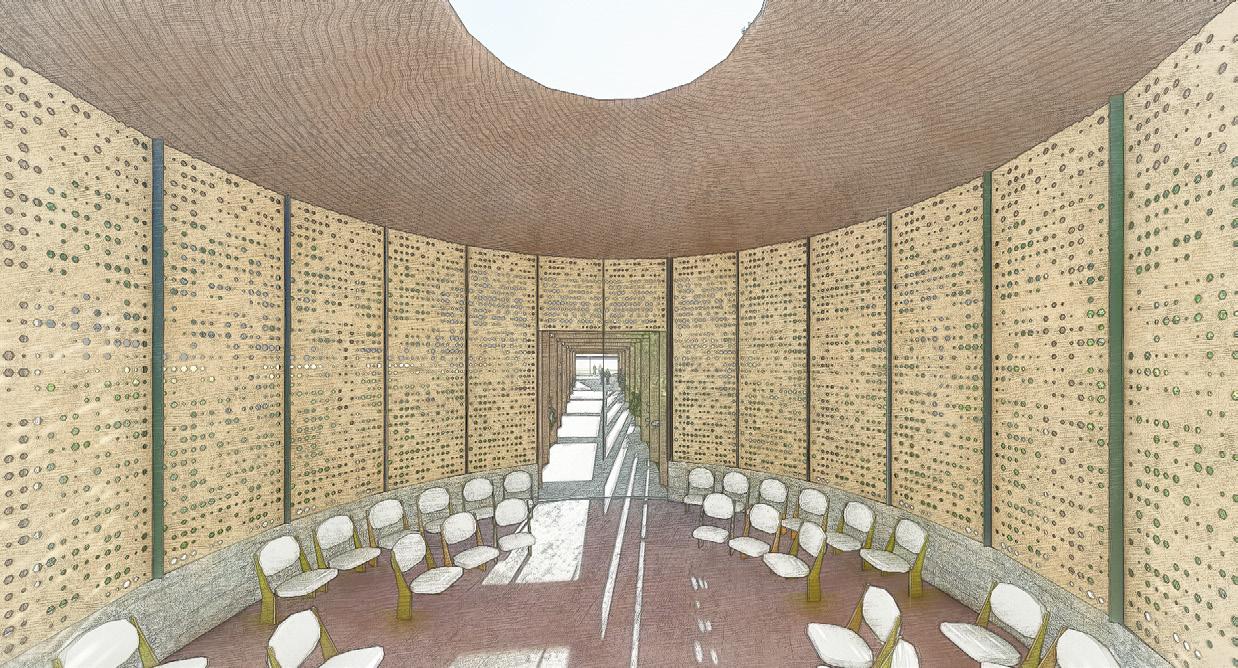
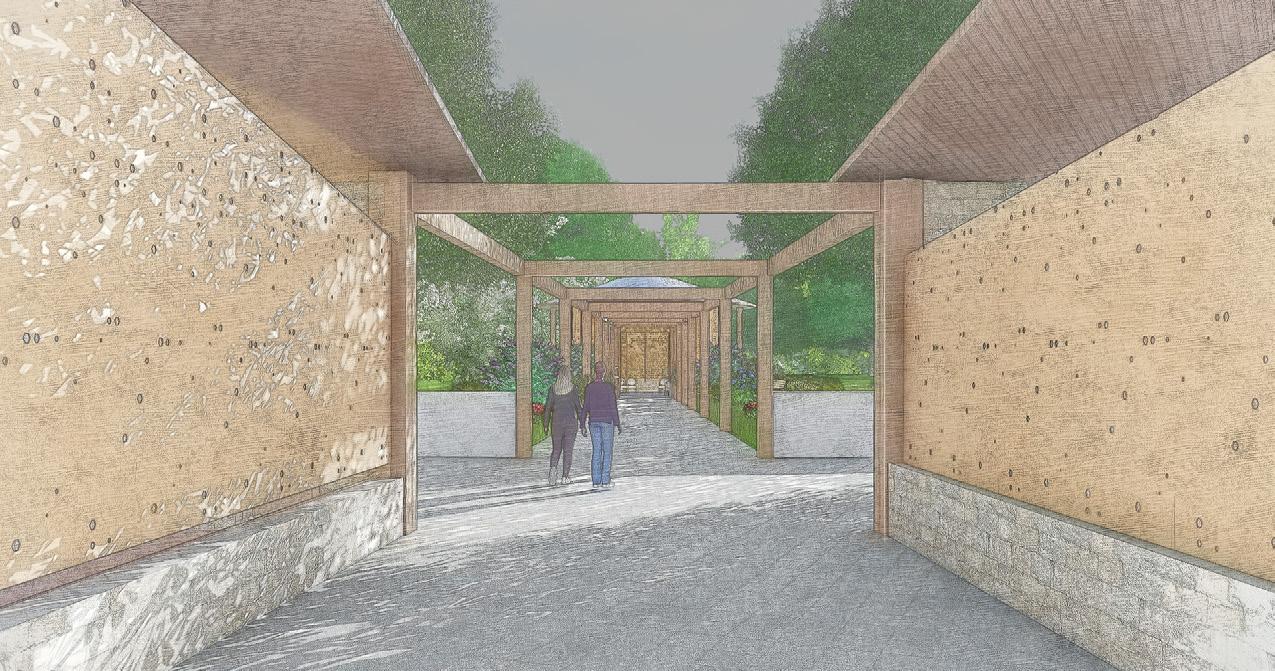
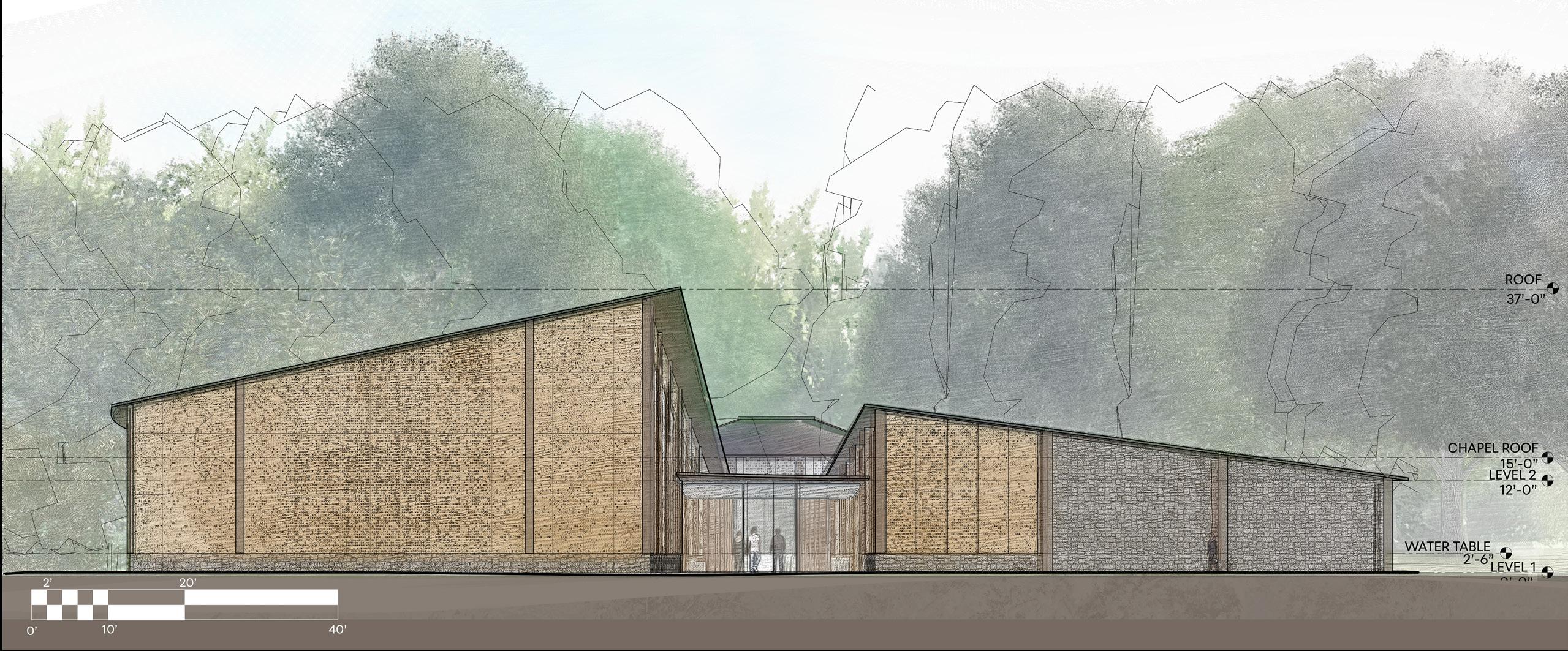
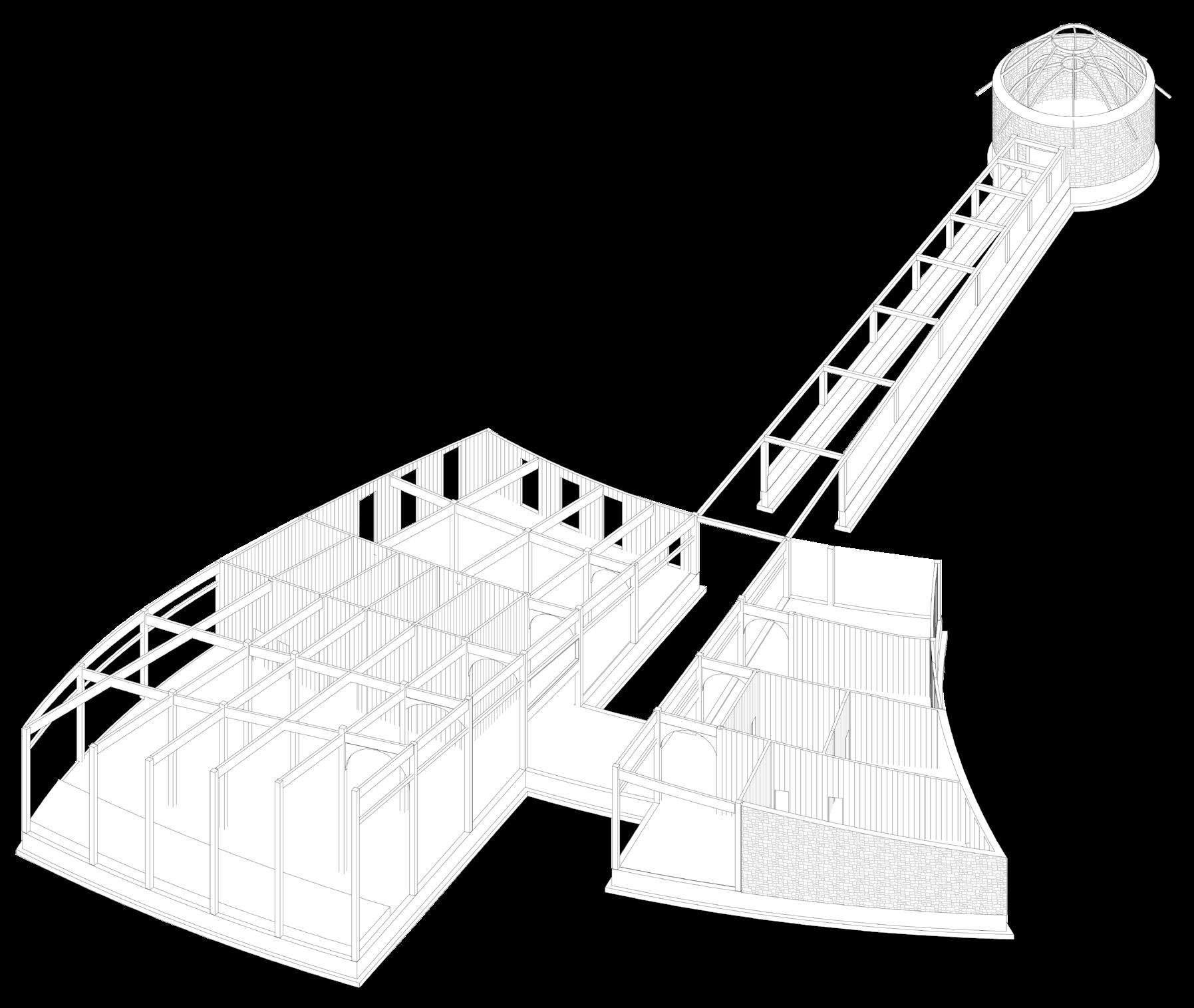
Non-Demoninational Church at Blue Bell Park
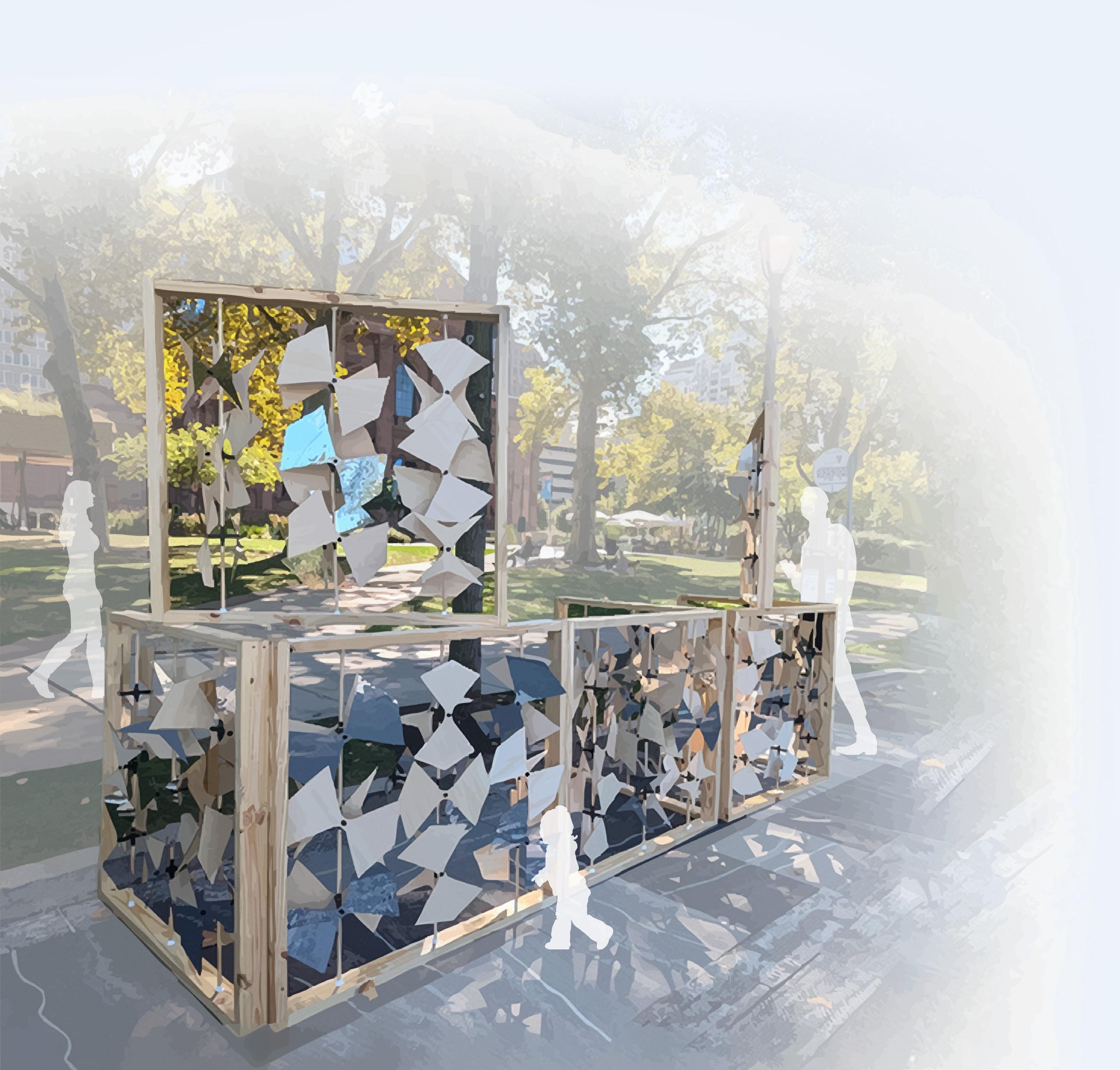
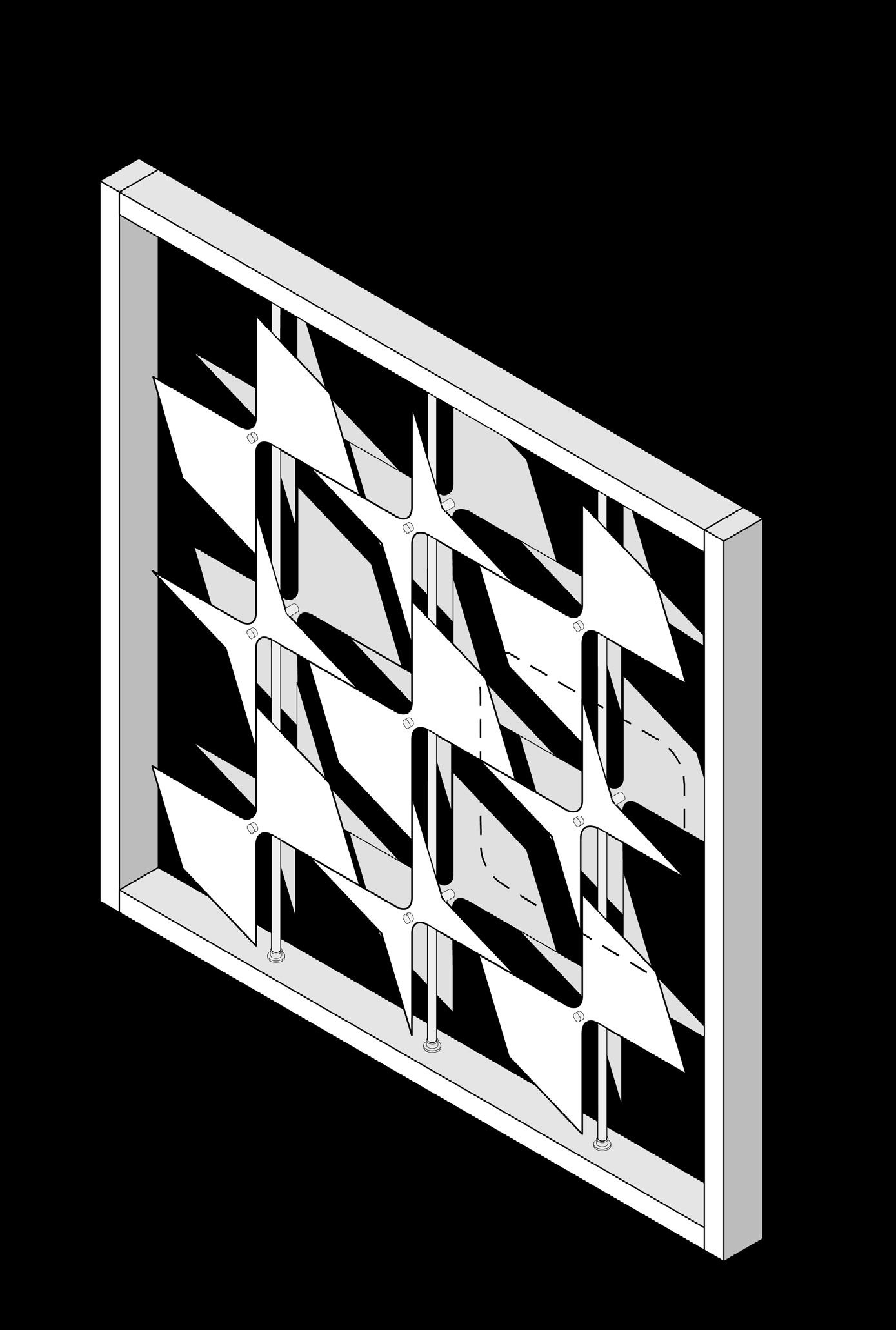
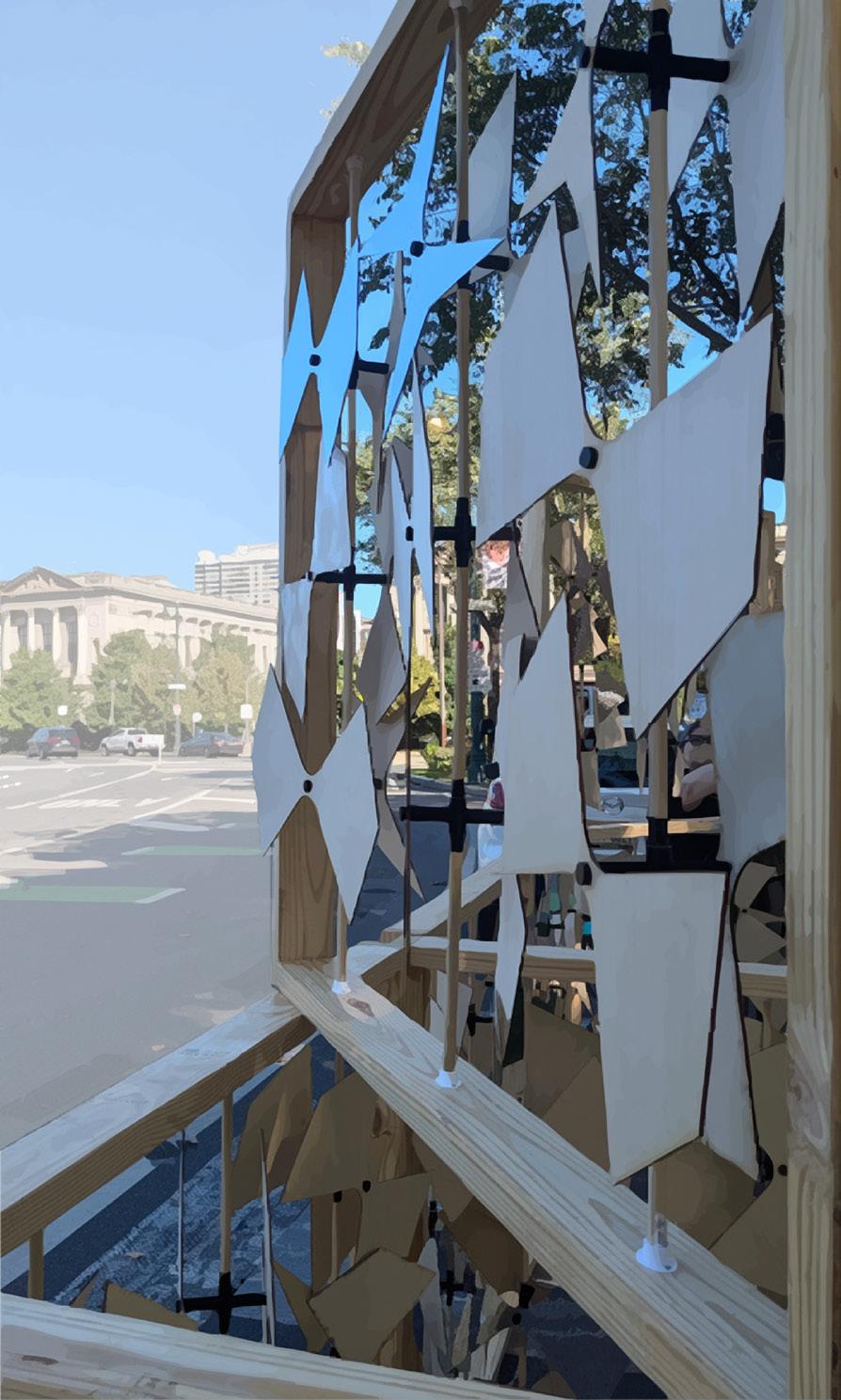
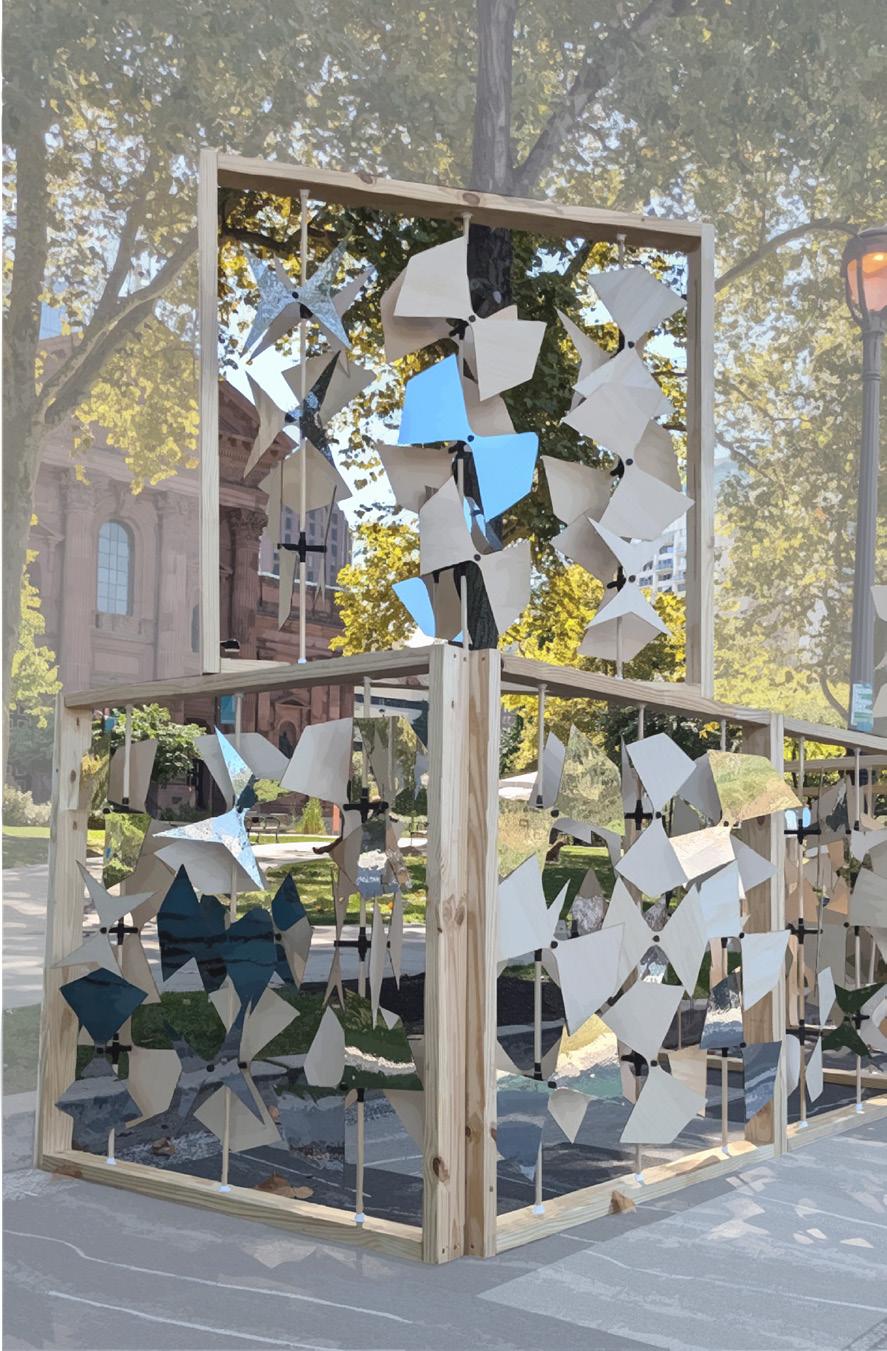
Developed in collaboration with STANTEC designers, this installation encourages public engagement through rotating, mirrored modules. One panel’s movement effects the orientation of surrounding modules, altering the installation’s reflection of its surroundings. This interaction intends to demonstrate the ripple affect of our actions on our surroundings and subsequent perception of those changes.

Concept Sketch of Panel Interactions

Panel Assembly - Exploded Axonometric
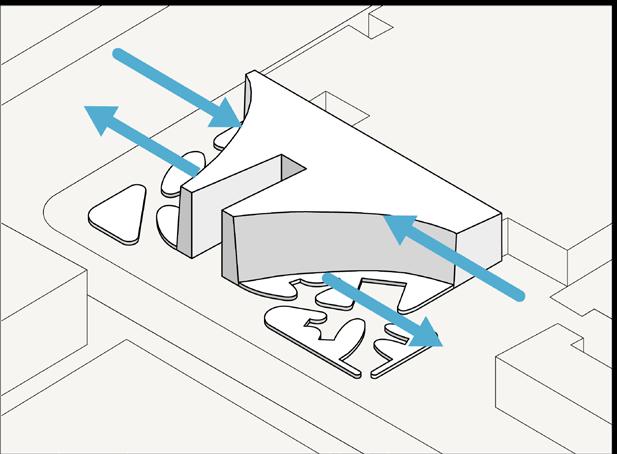
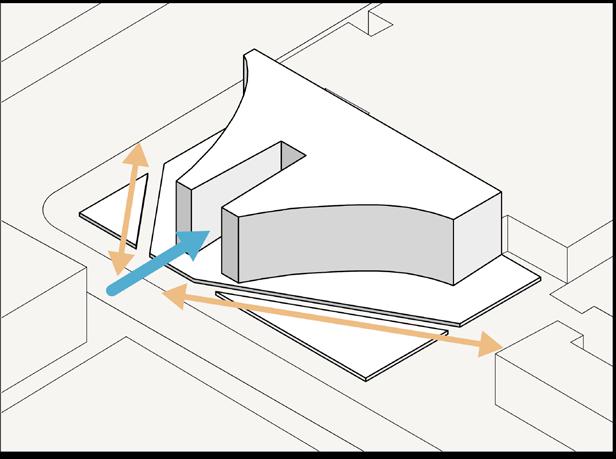
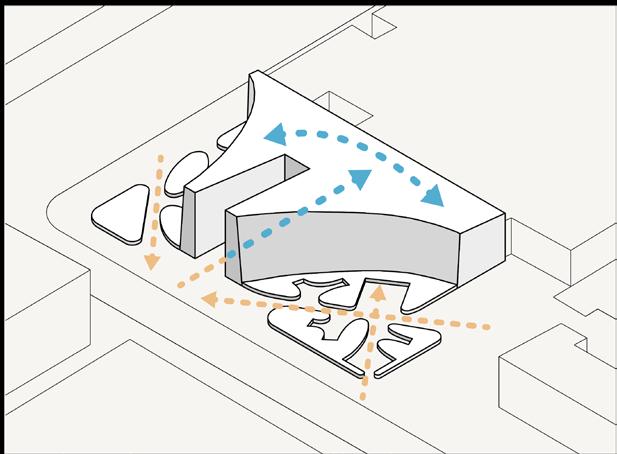
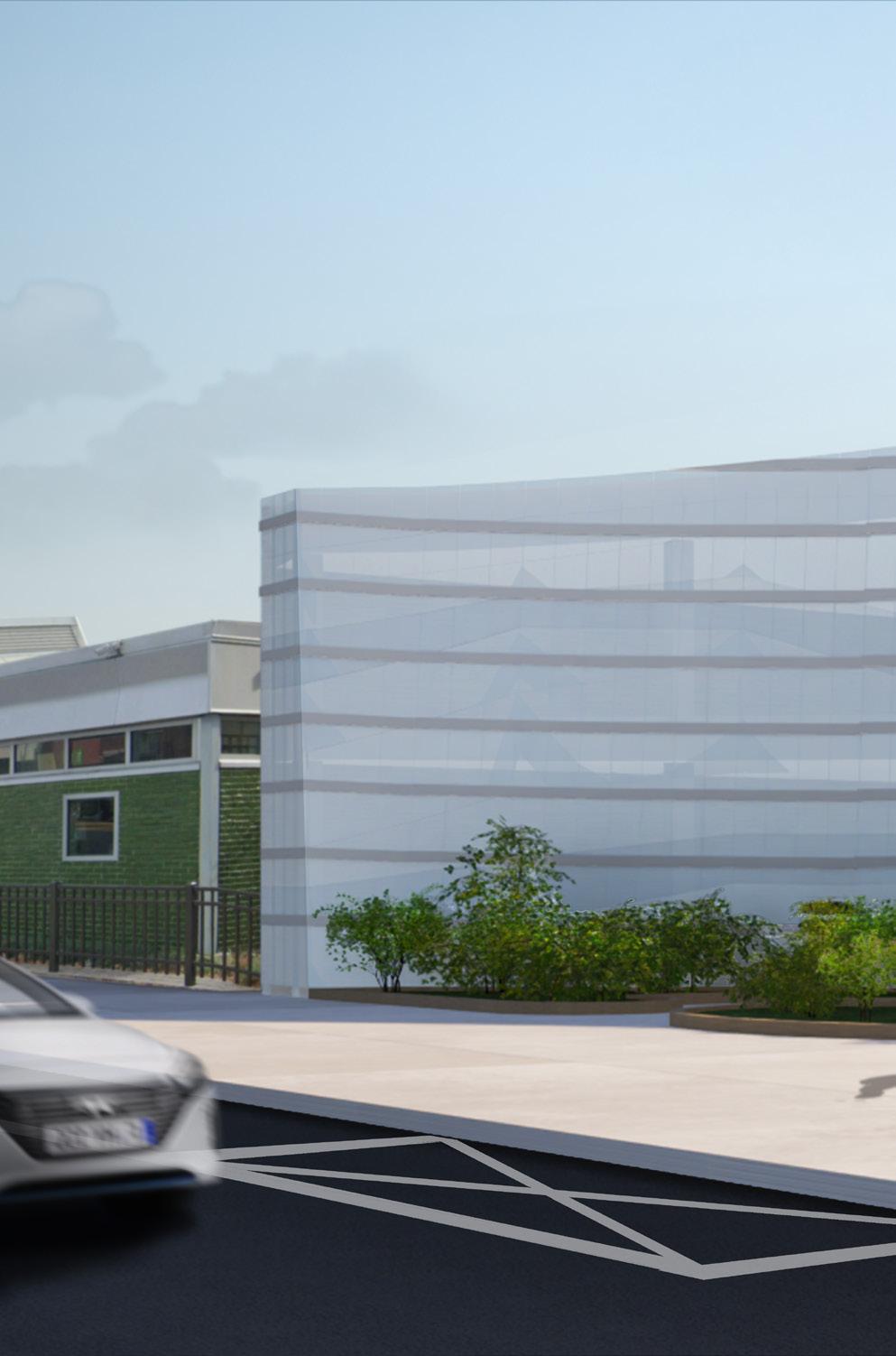
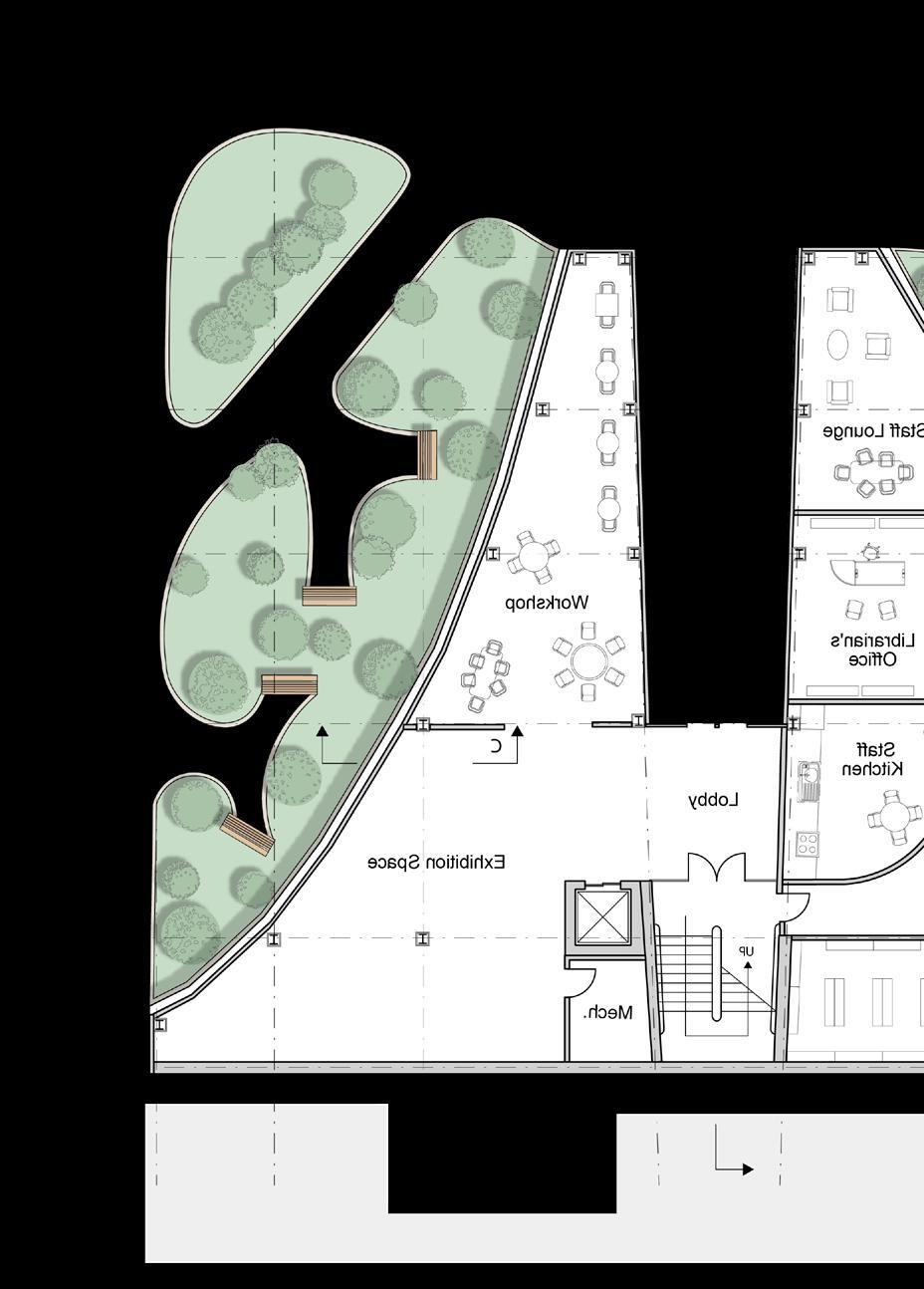
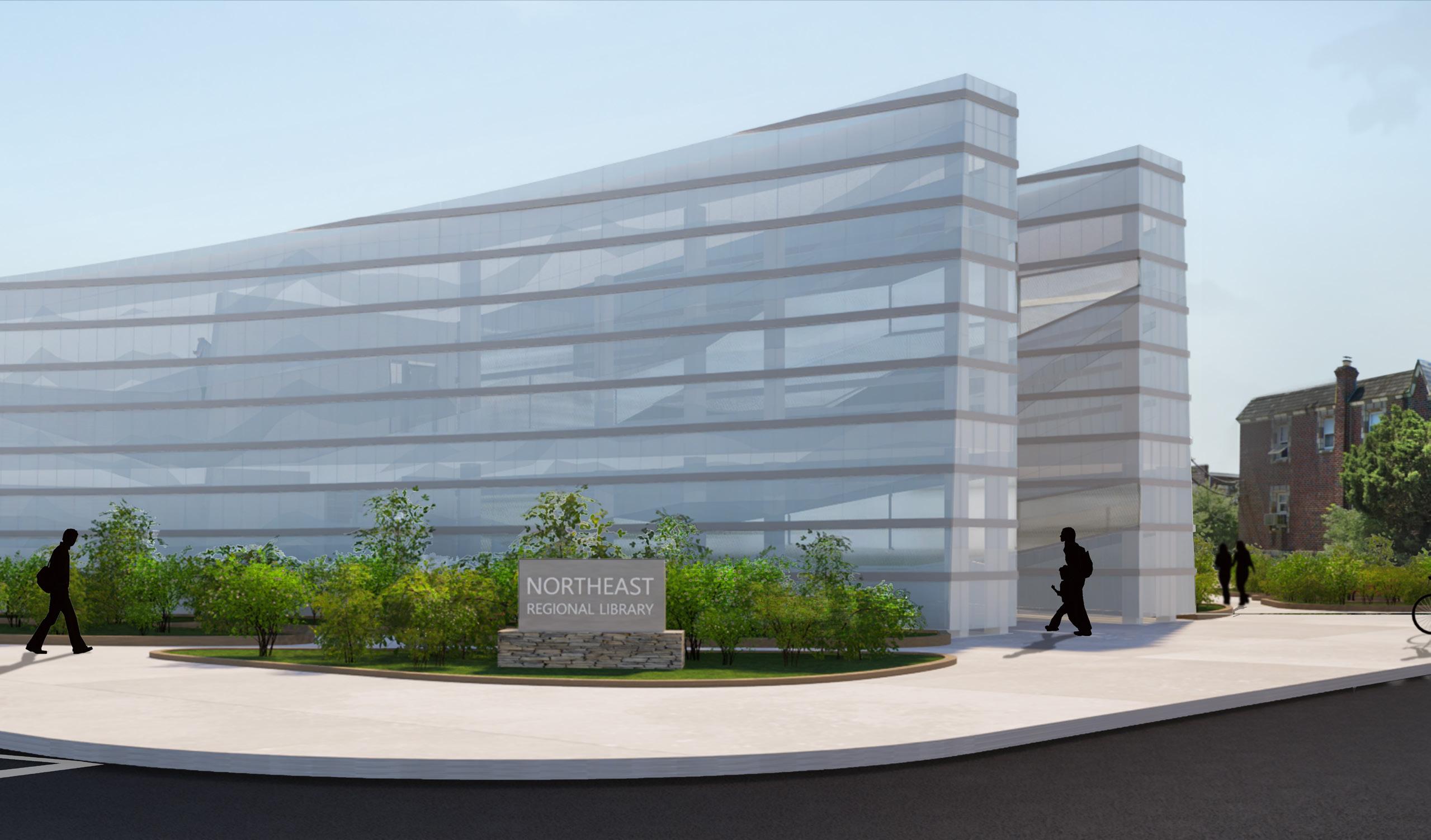
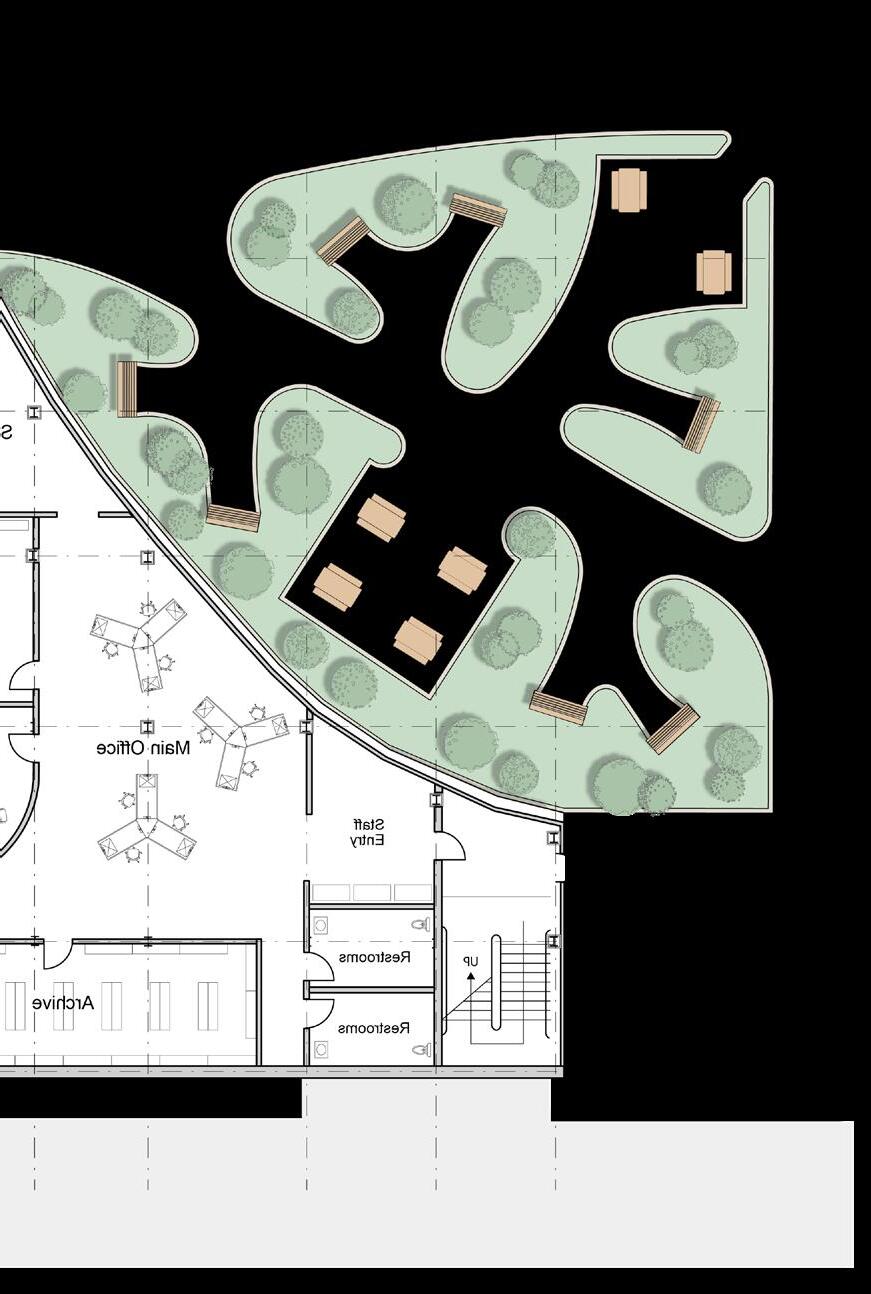
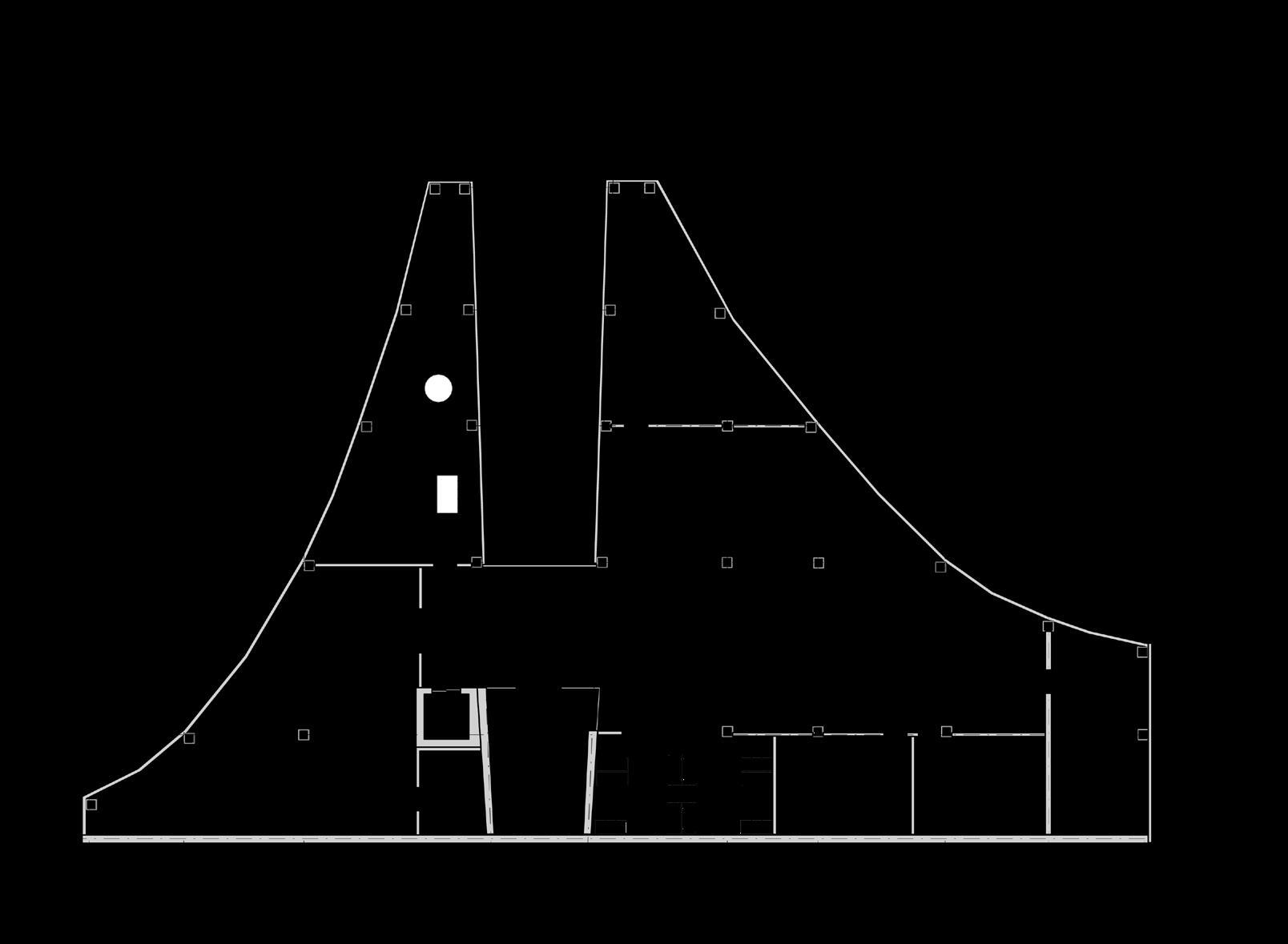
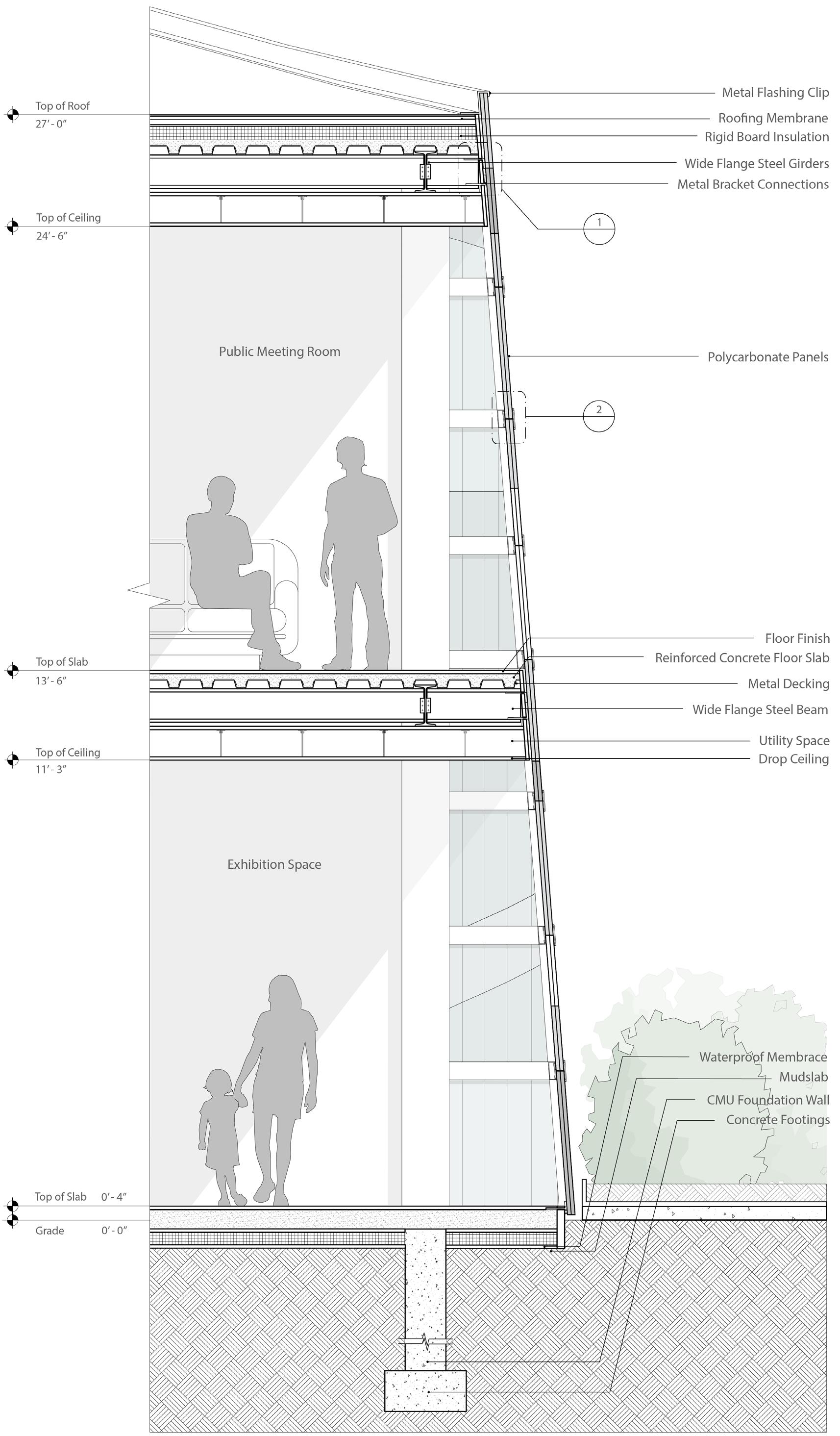
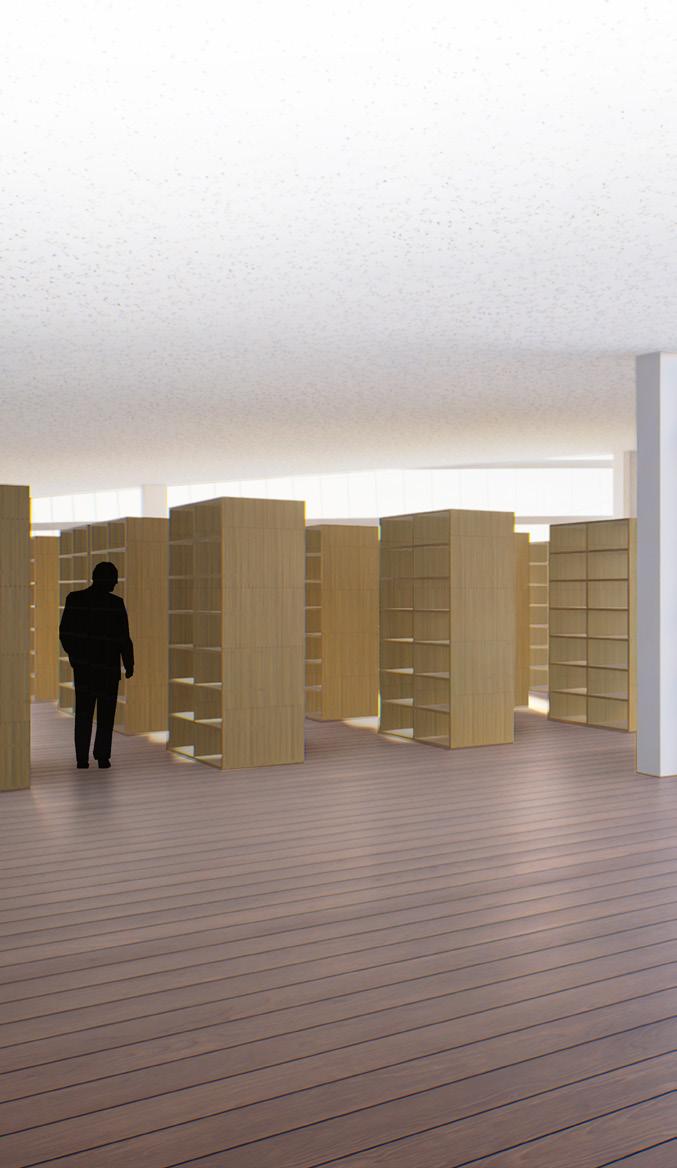
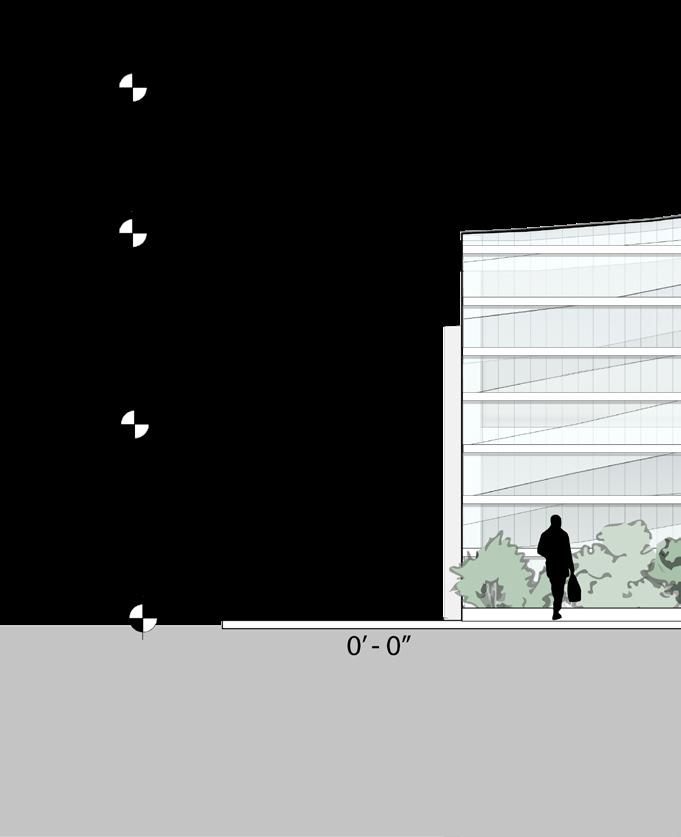
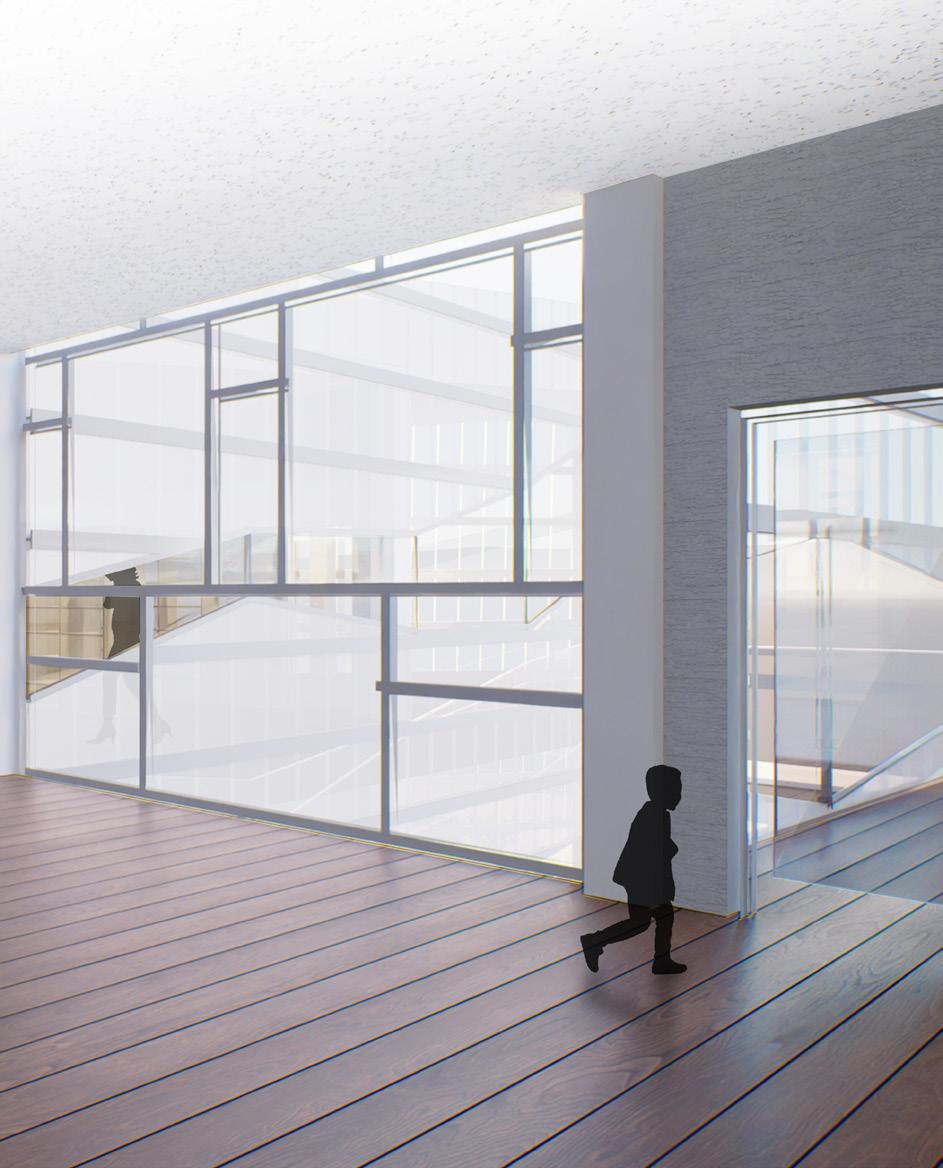
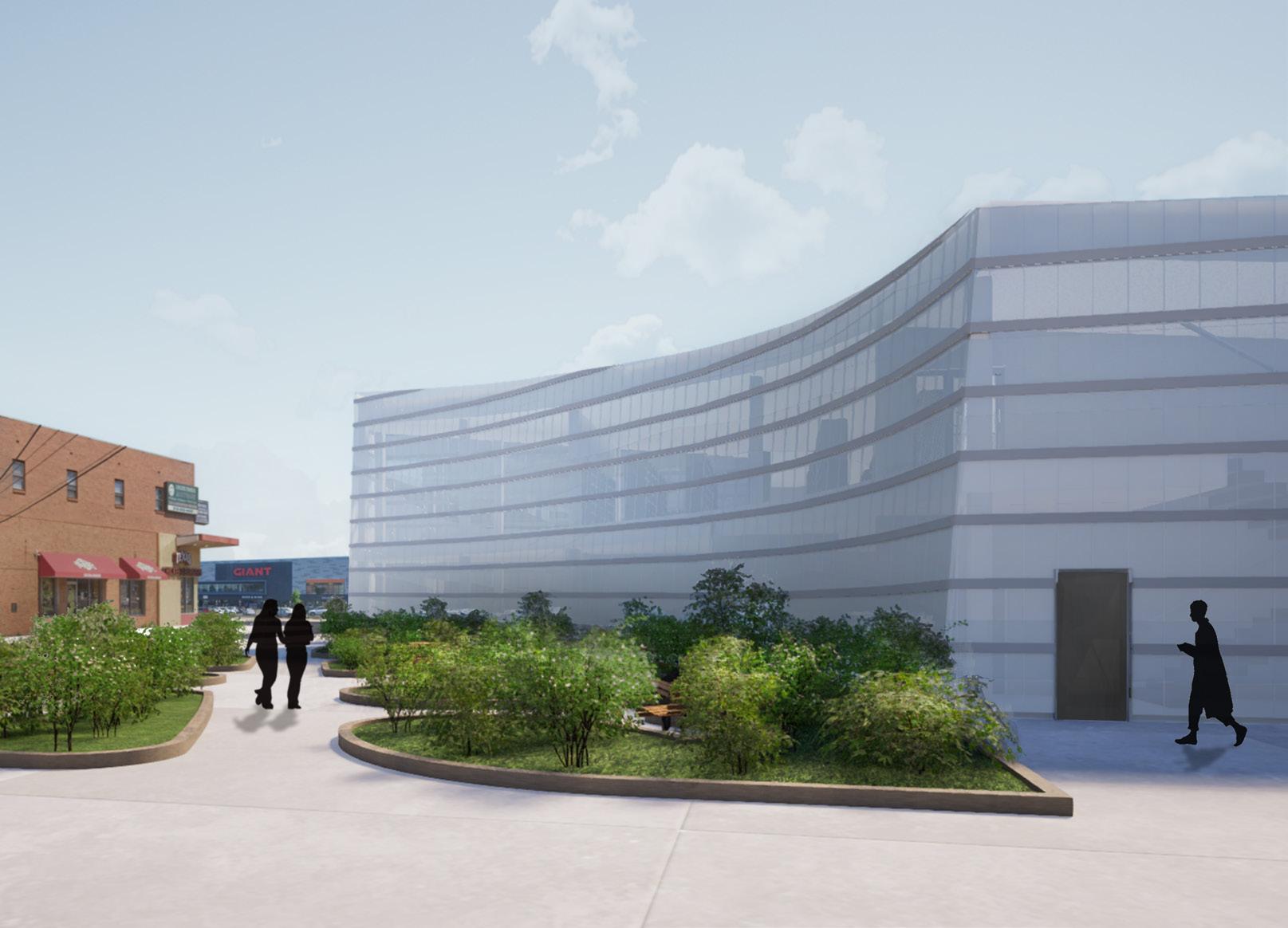
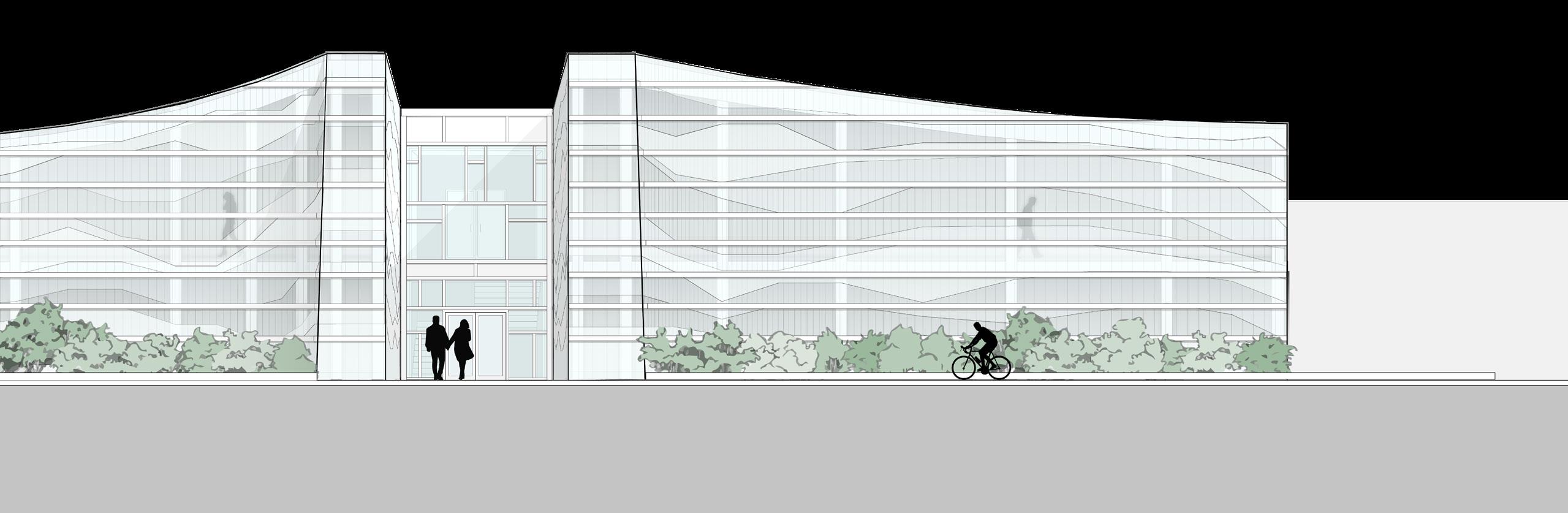
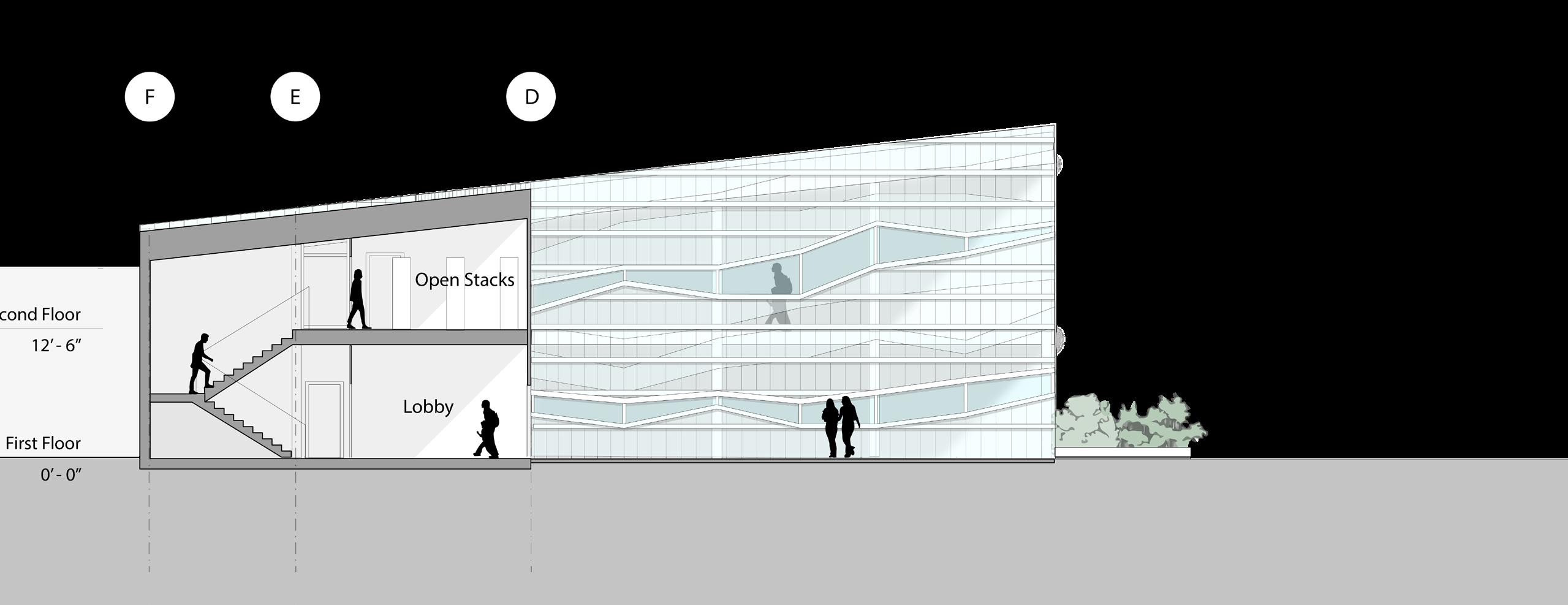
The proposed library aims to foster the engagement of residents by creating a distinct site presence. As the current library is underutilized, this mediateque visually differentiates itself from the surroundings to draw greater attention. The entrance instills this effect with its receding throughway, using pillars to mark the entry. The facade, comprised of polycarbonate panels, allows diffuse lighting into the building without revealing its interior conditions.
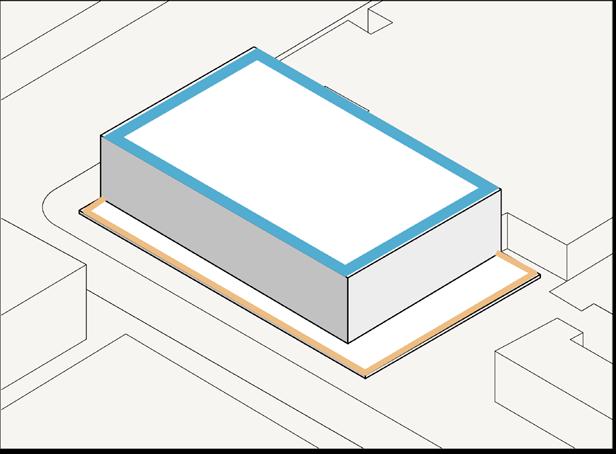
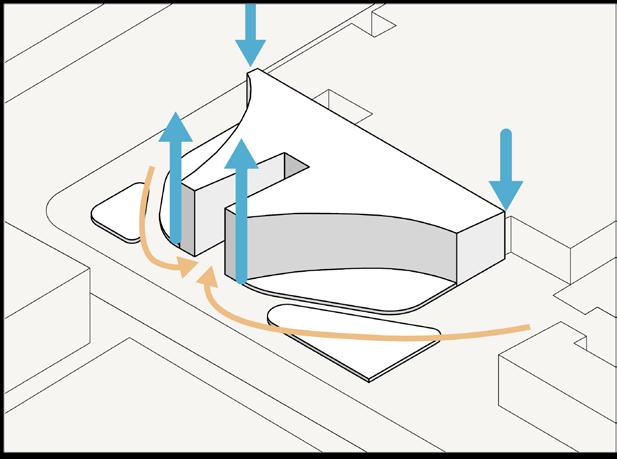
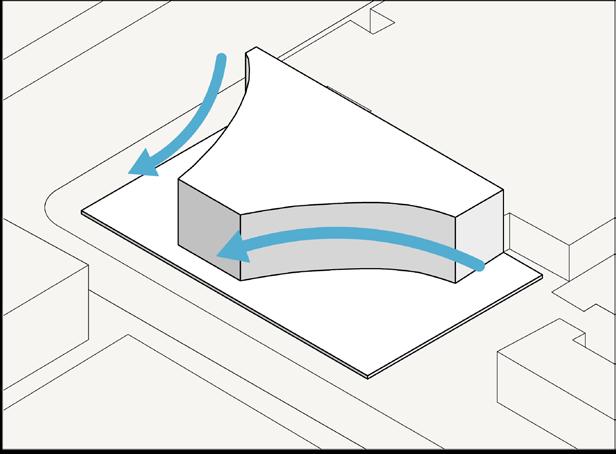


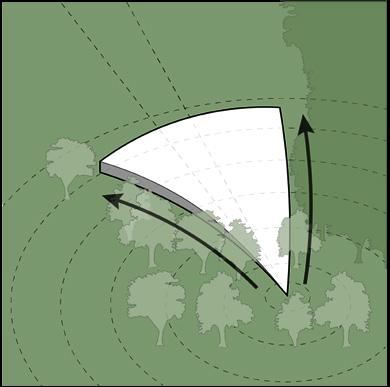
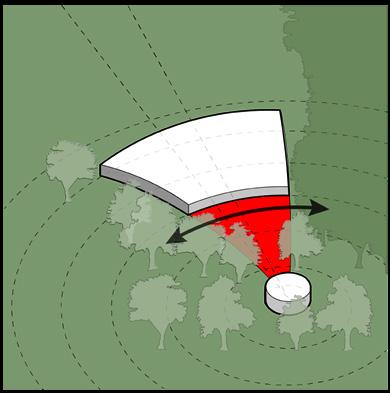
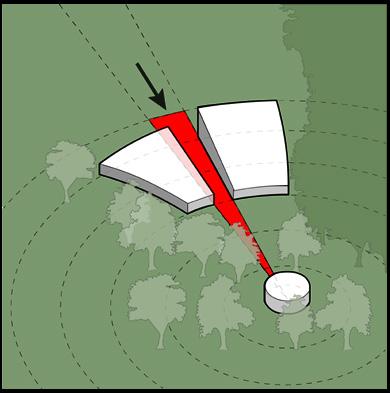
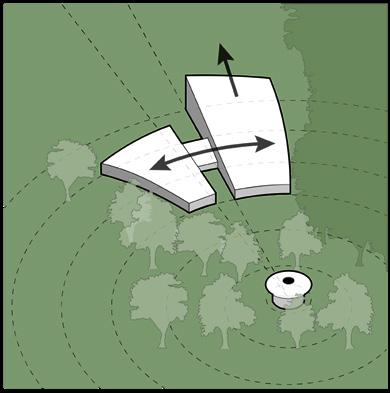
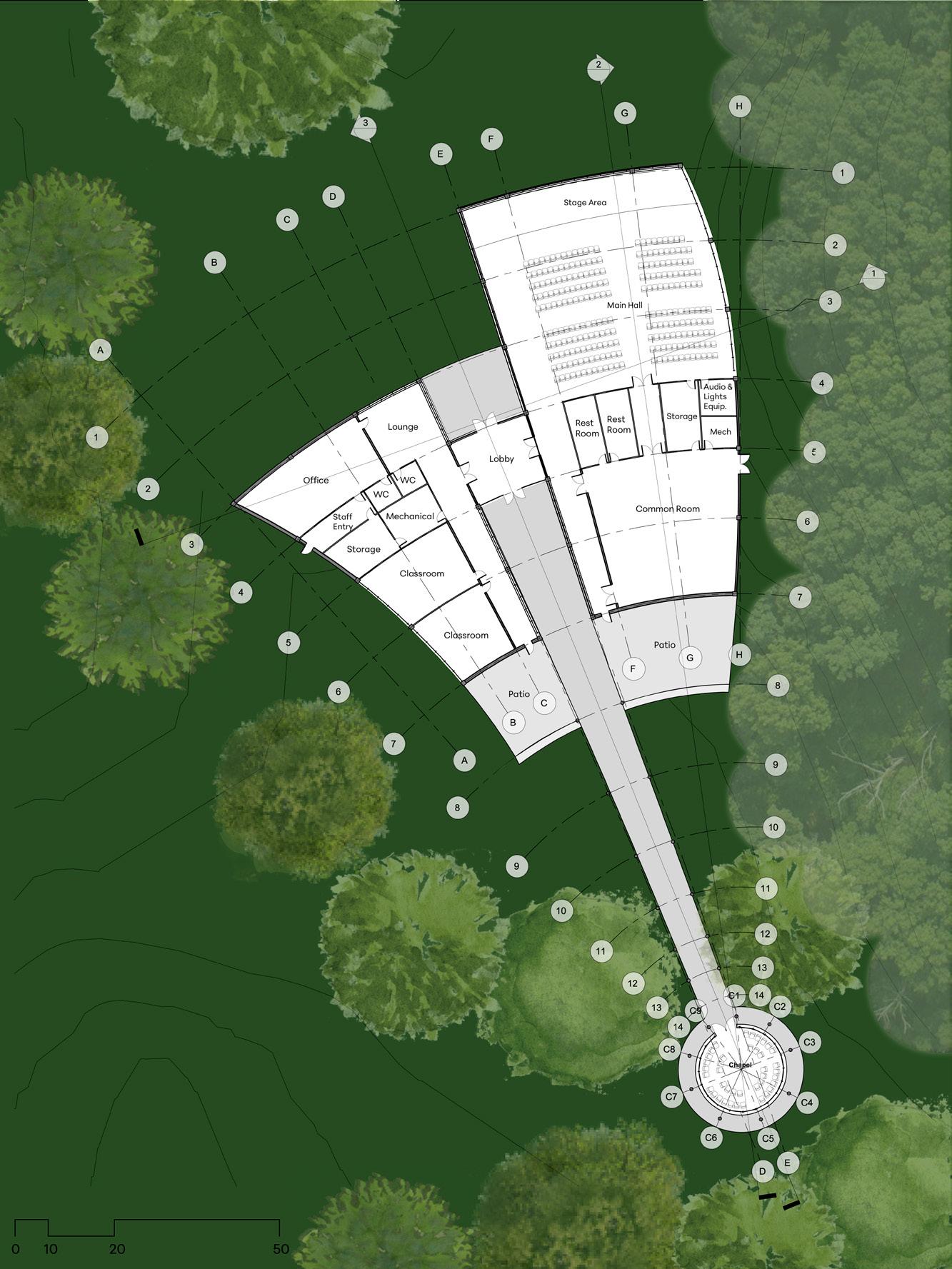
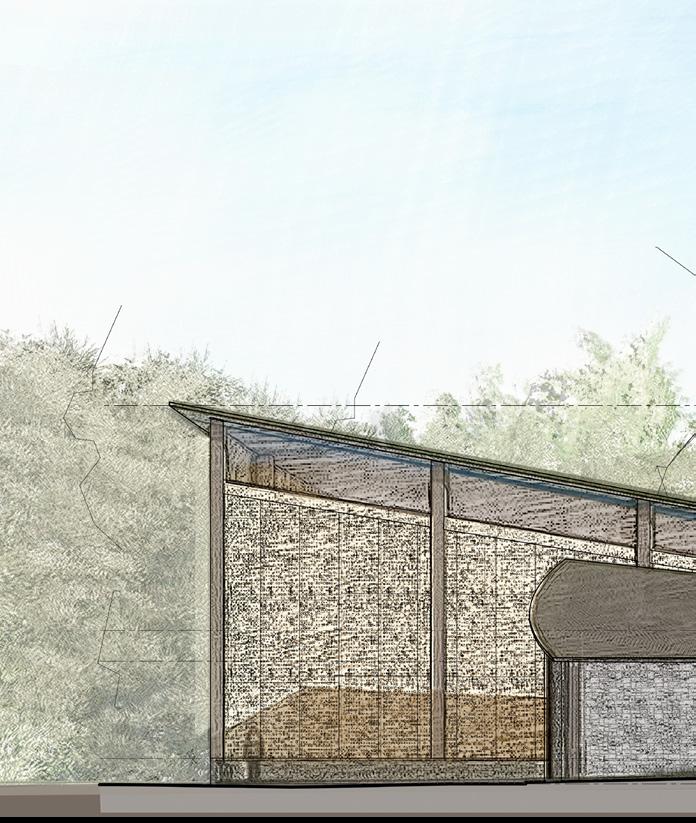
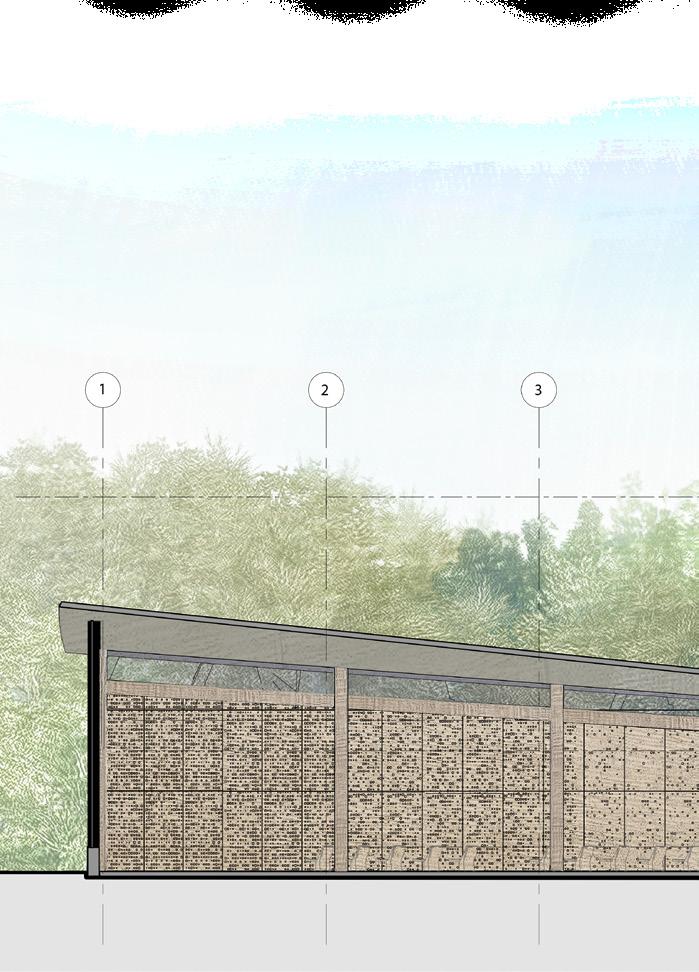
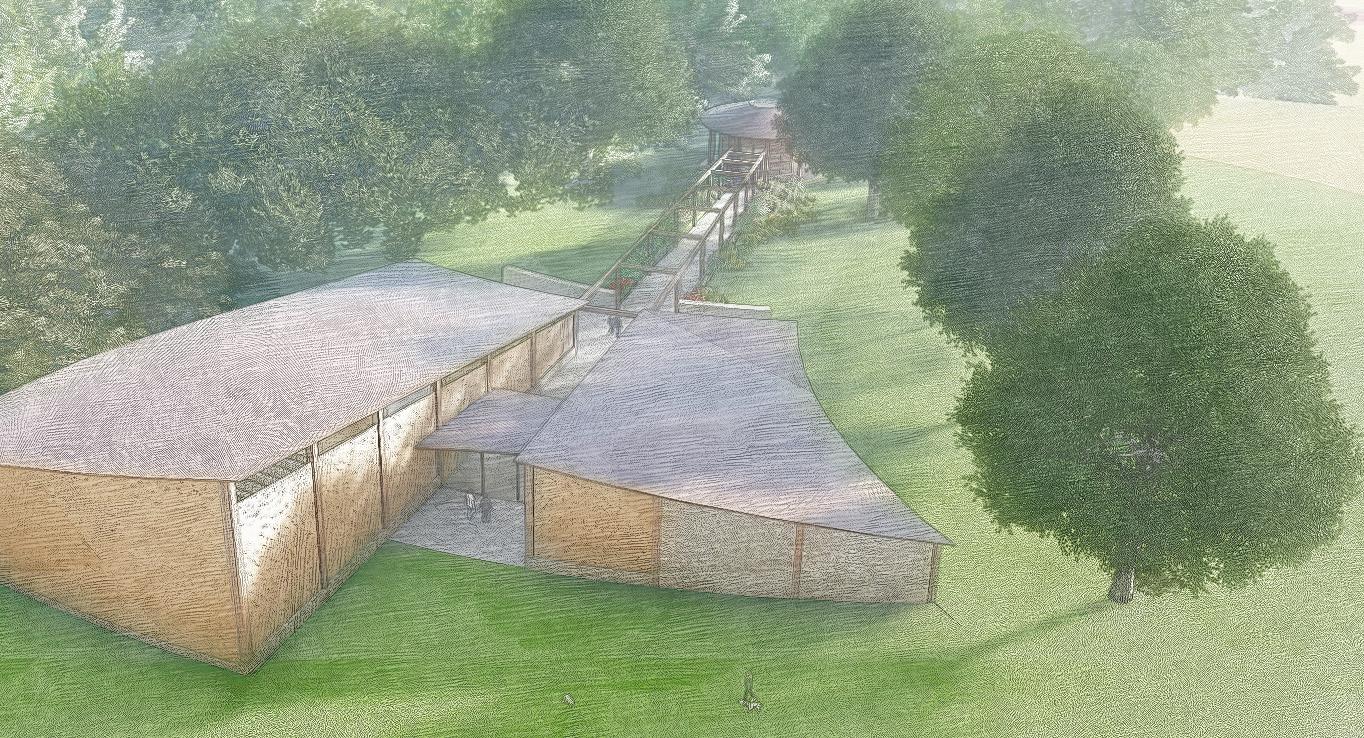
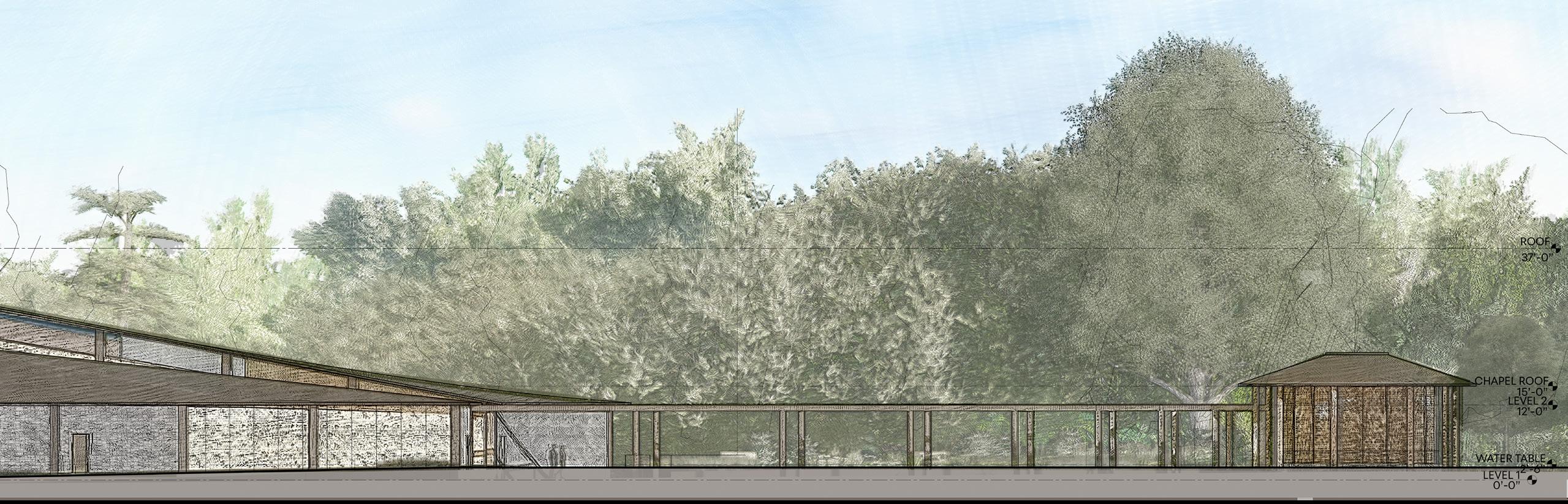
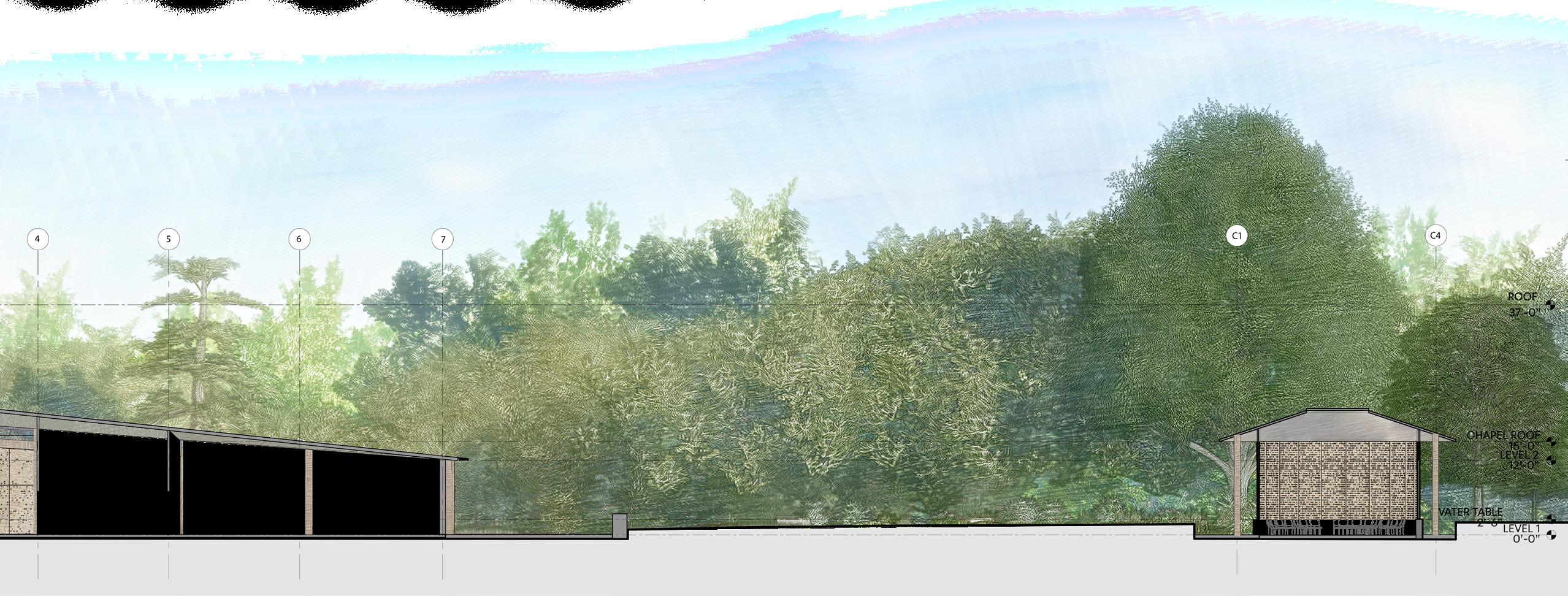
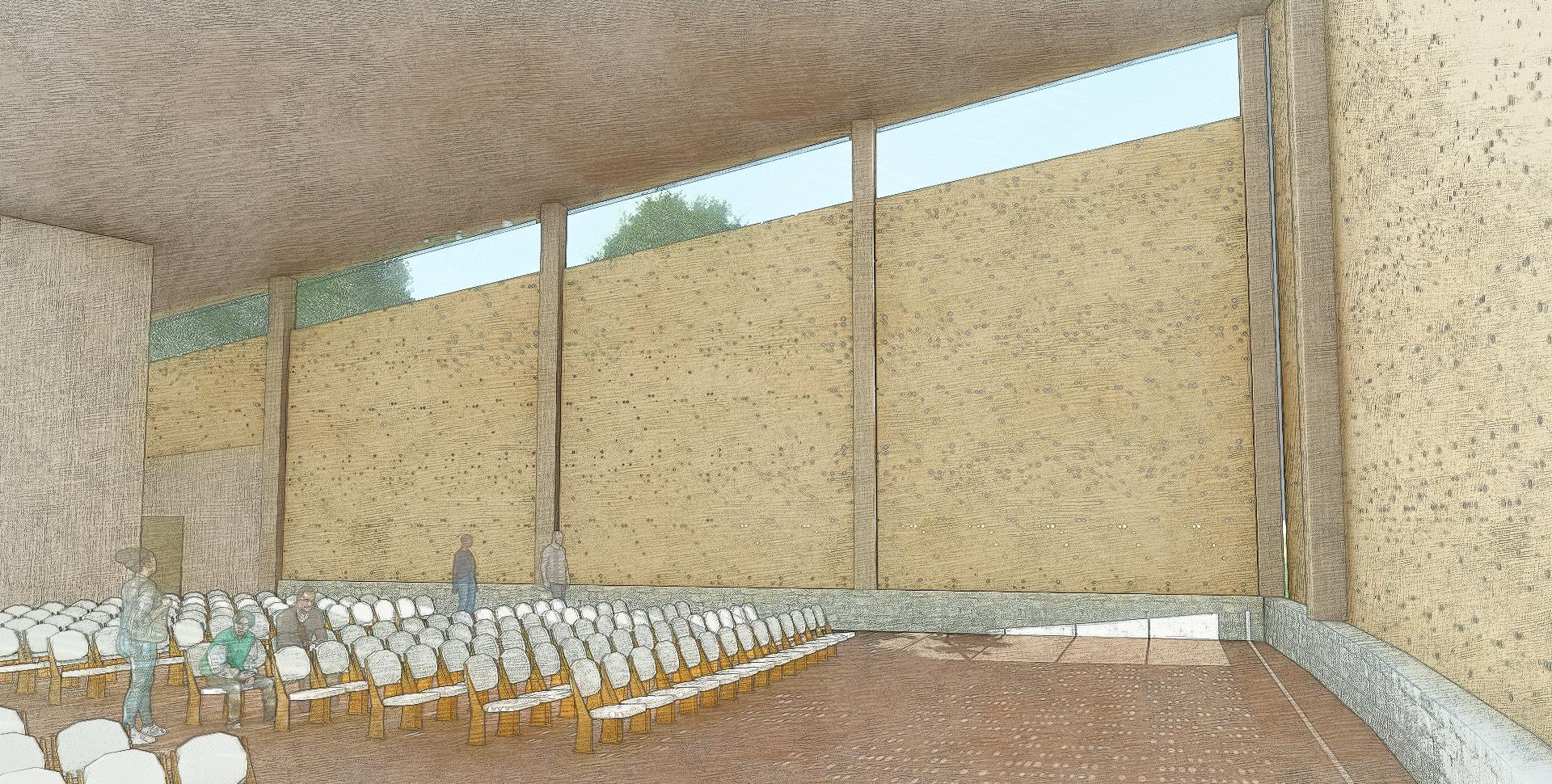
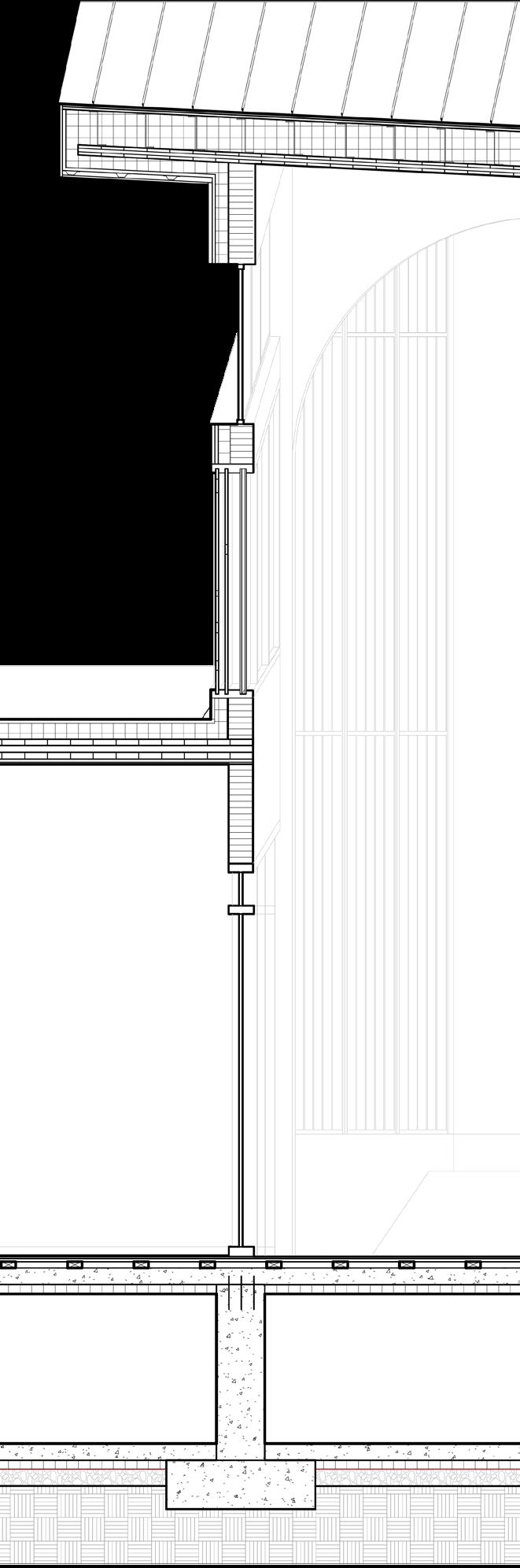
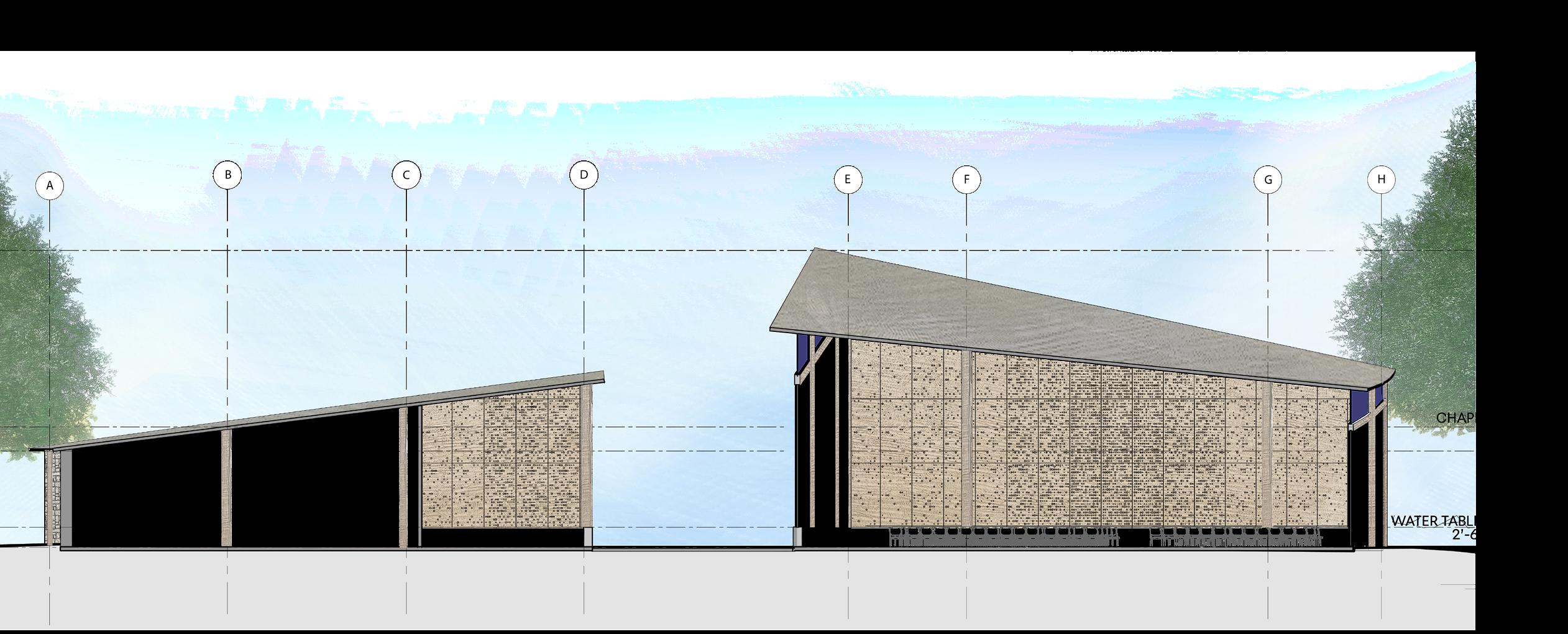
Using existing landscape elements, this spiritual center creates a serene outpost in nature. The quietest space, the chapel, is nestled in a wooded clearing. The small building ripples outward through the exterior procession, orienting the main building along its axis. The use of mass timber construction allows the expression of natural materials in the building’s structure. A perforated screen facade creates an impression of enclosure by limiting views while providing natural lighting.

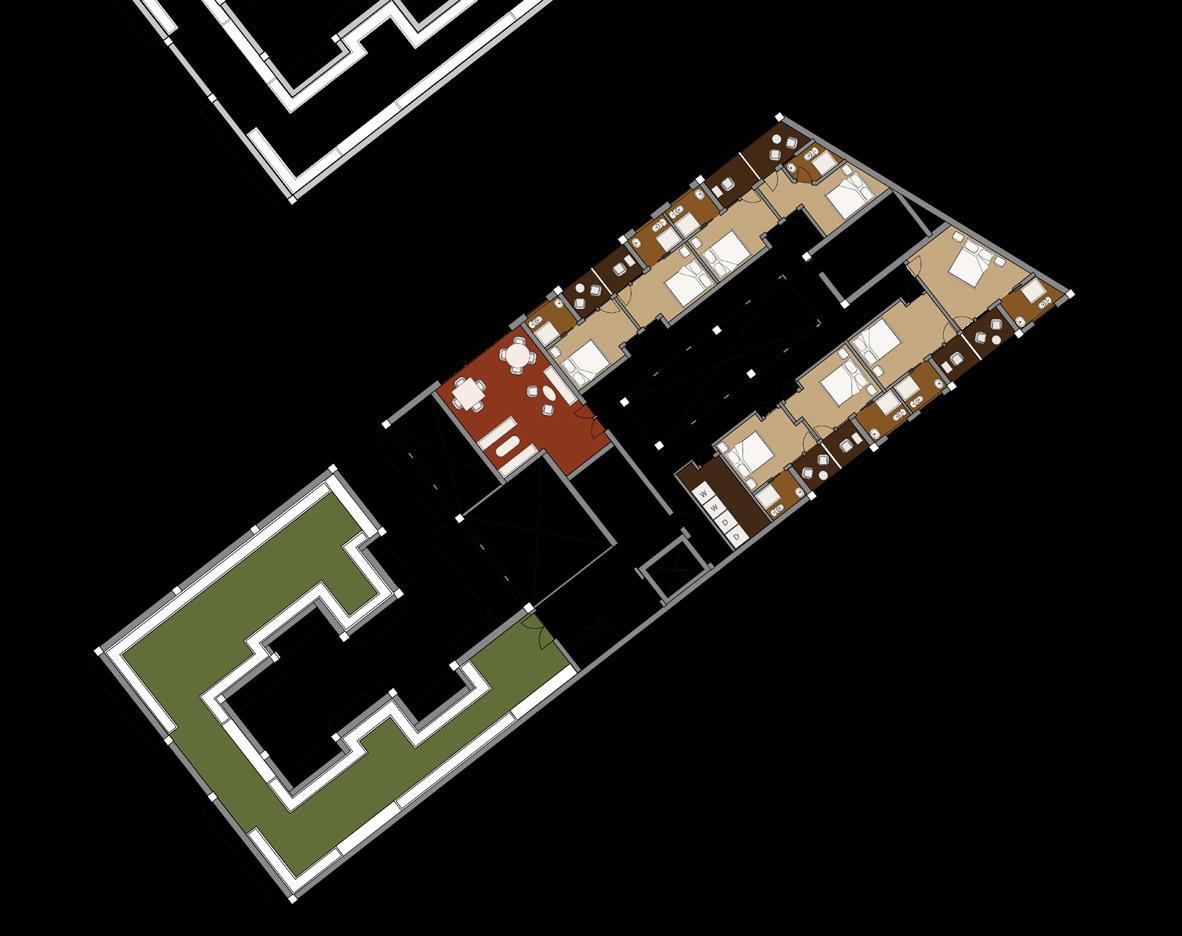
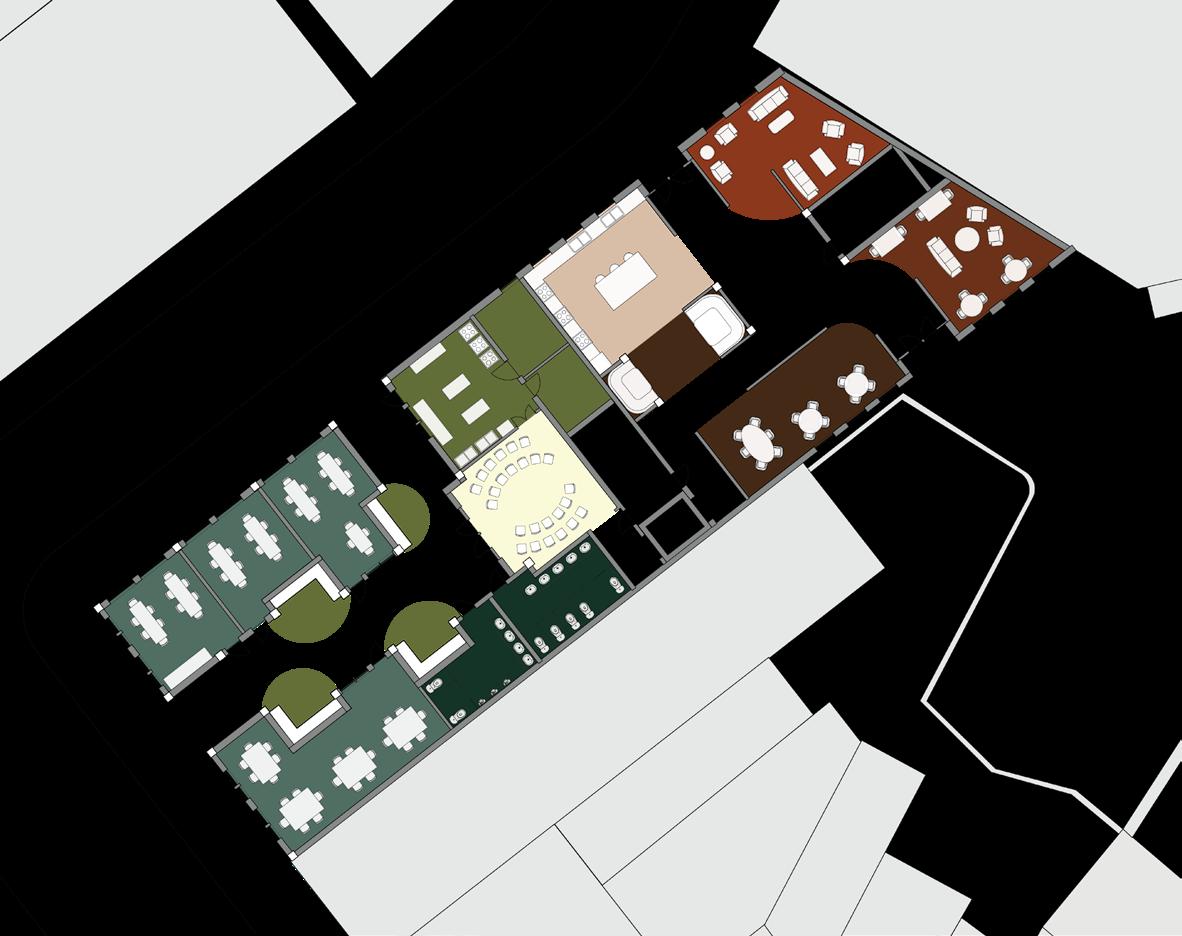
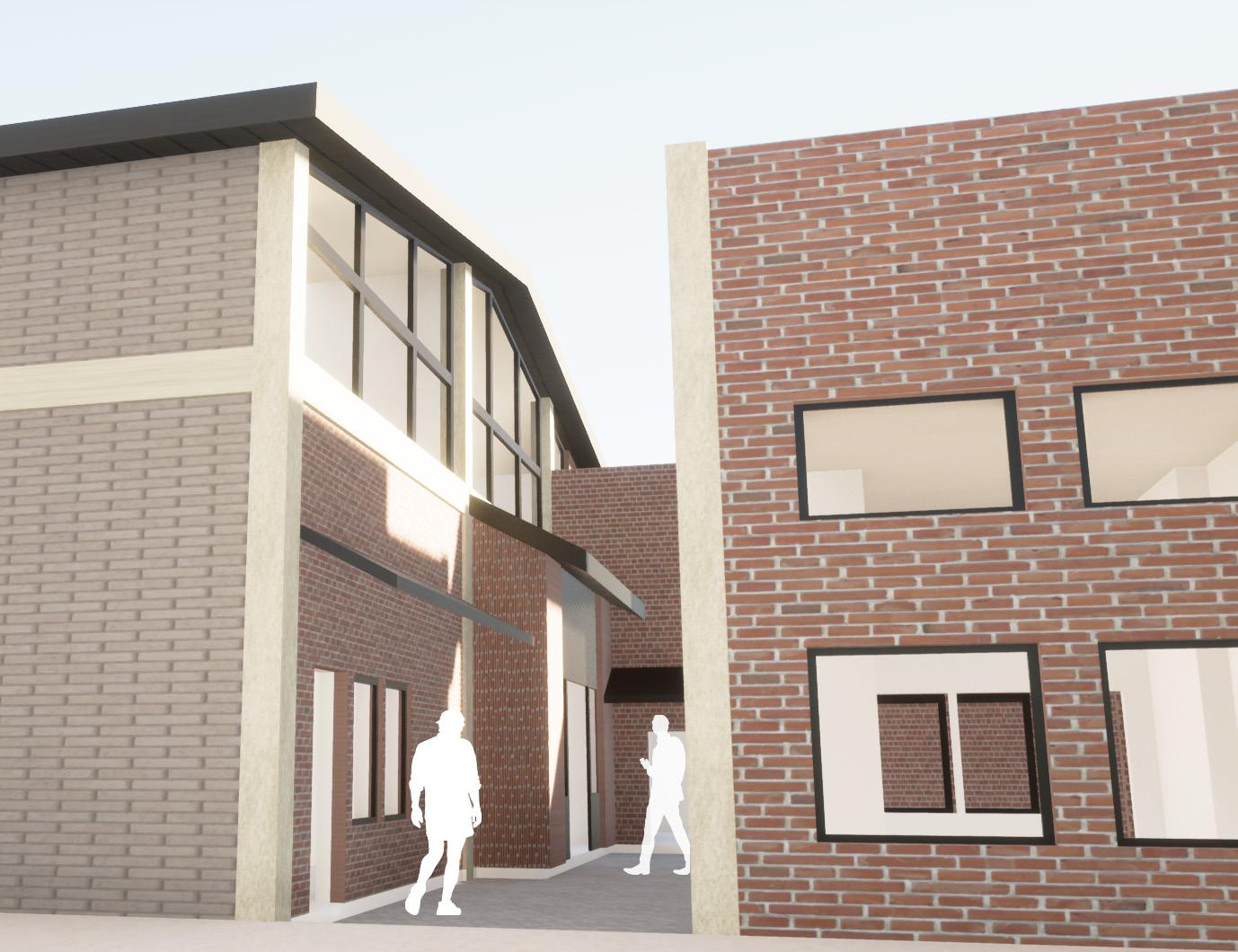
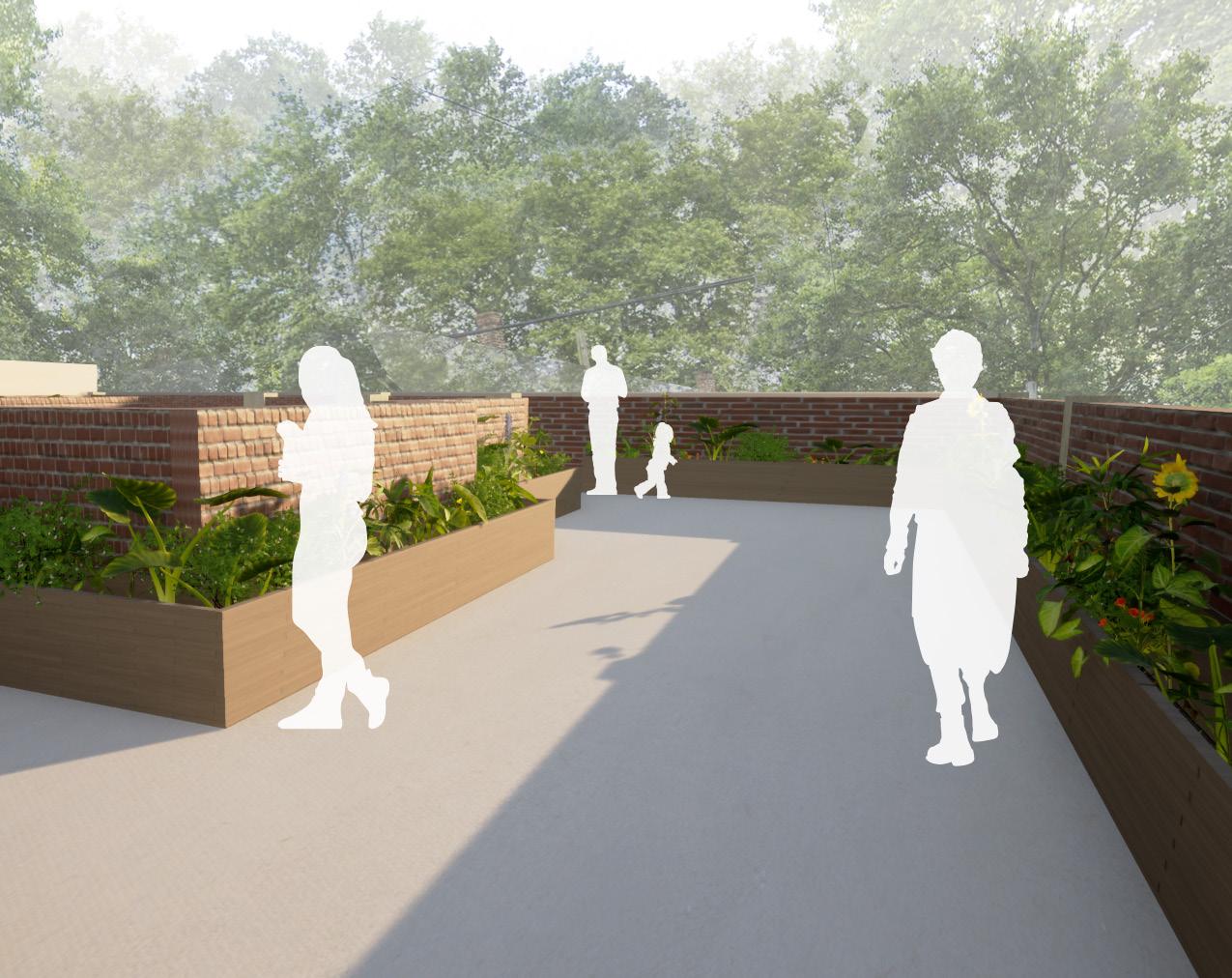
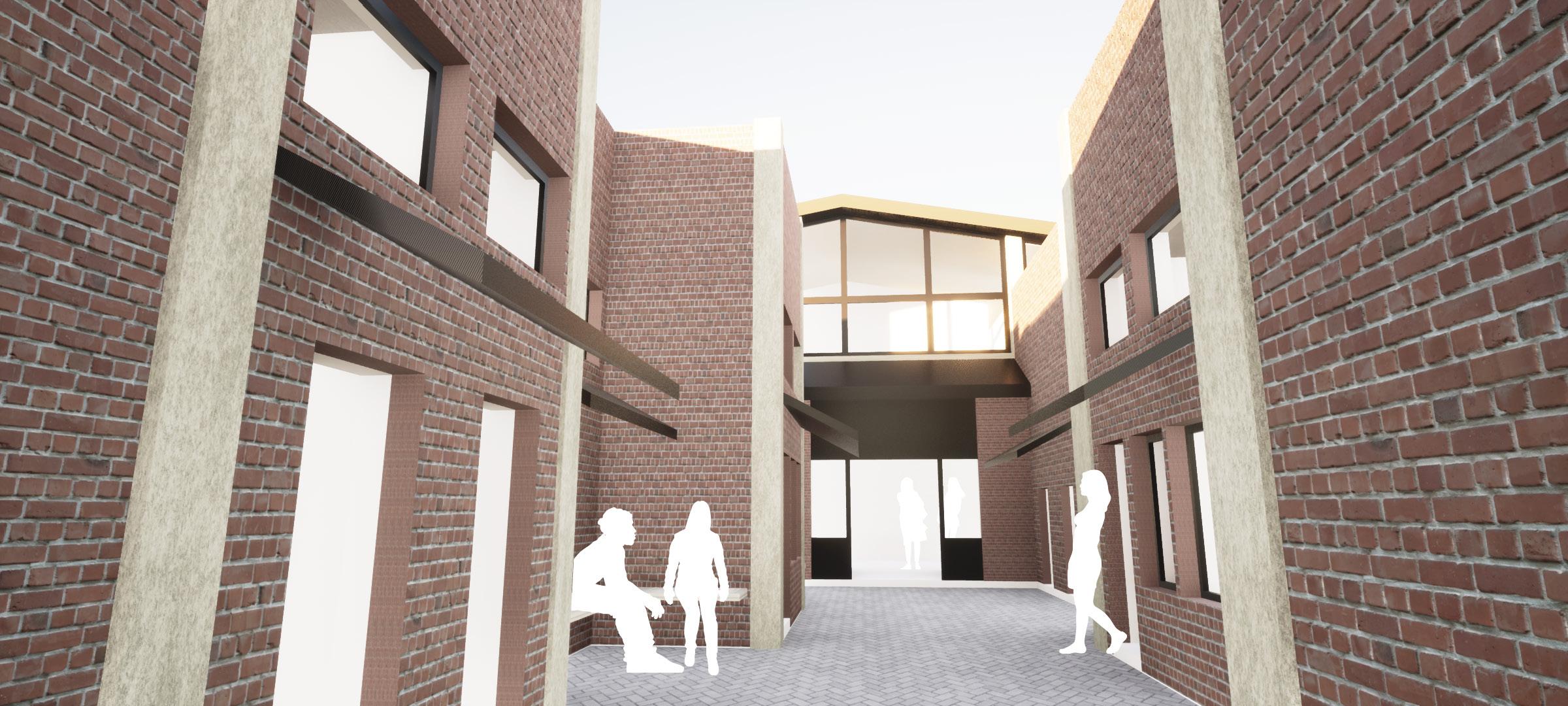
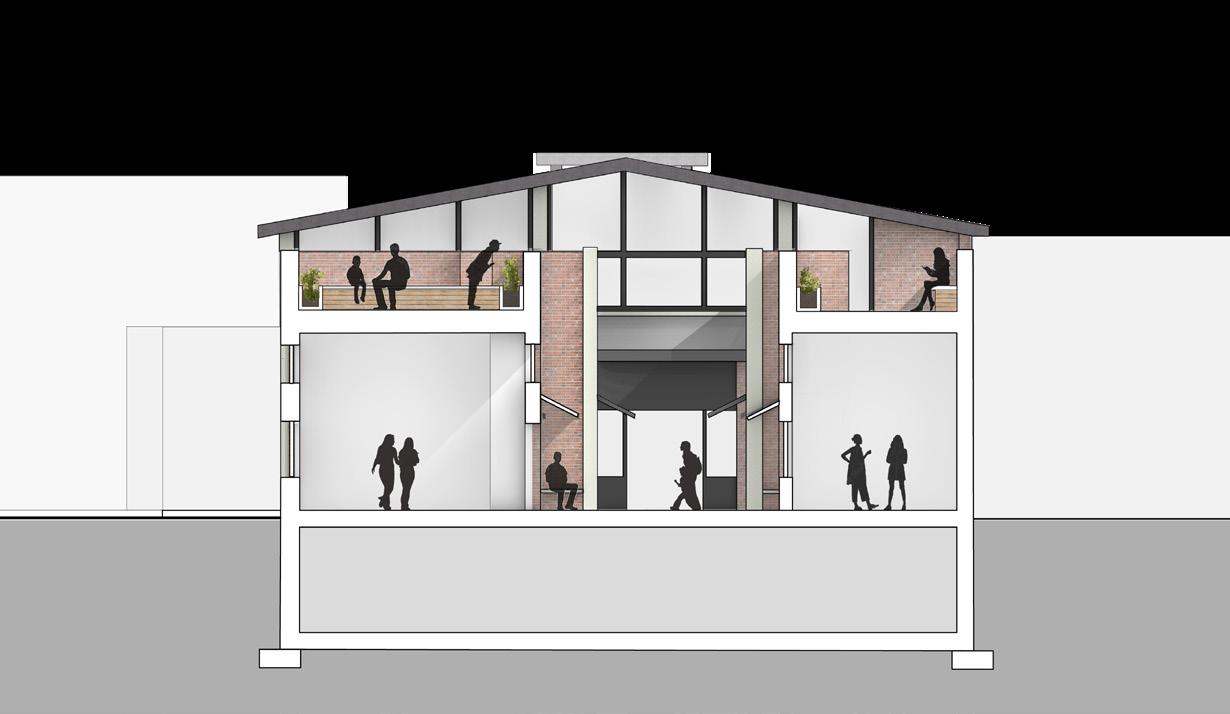
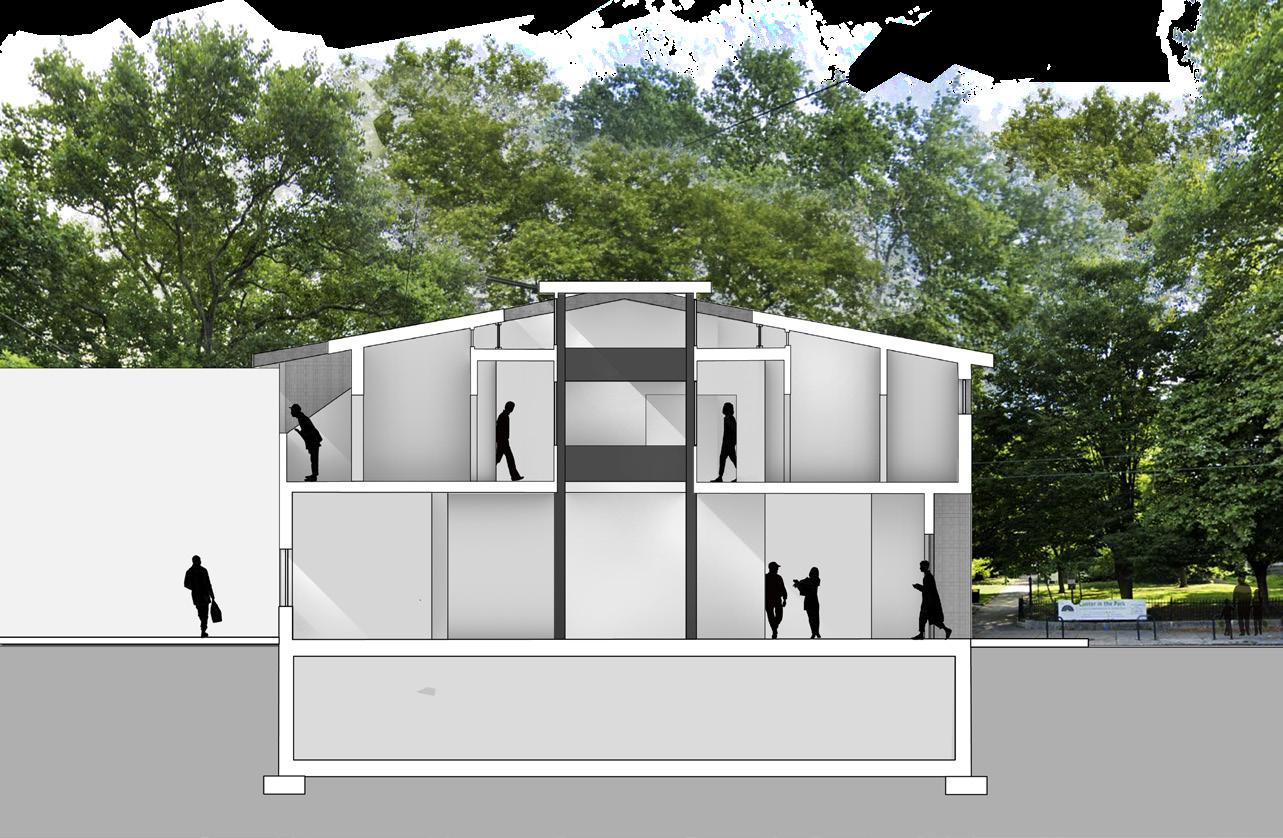
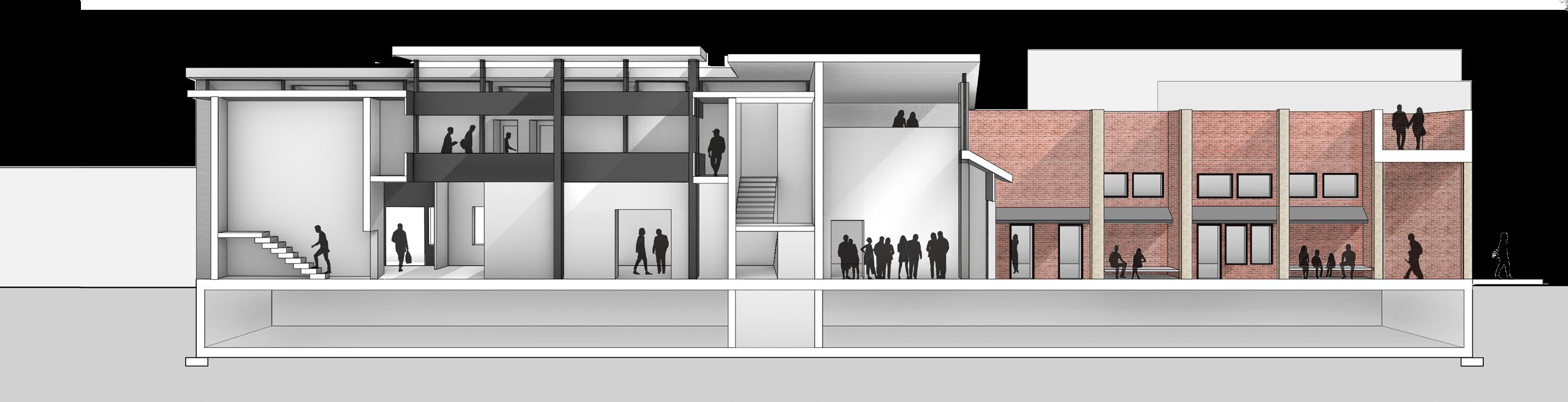
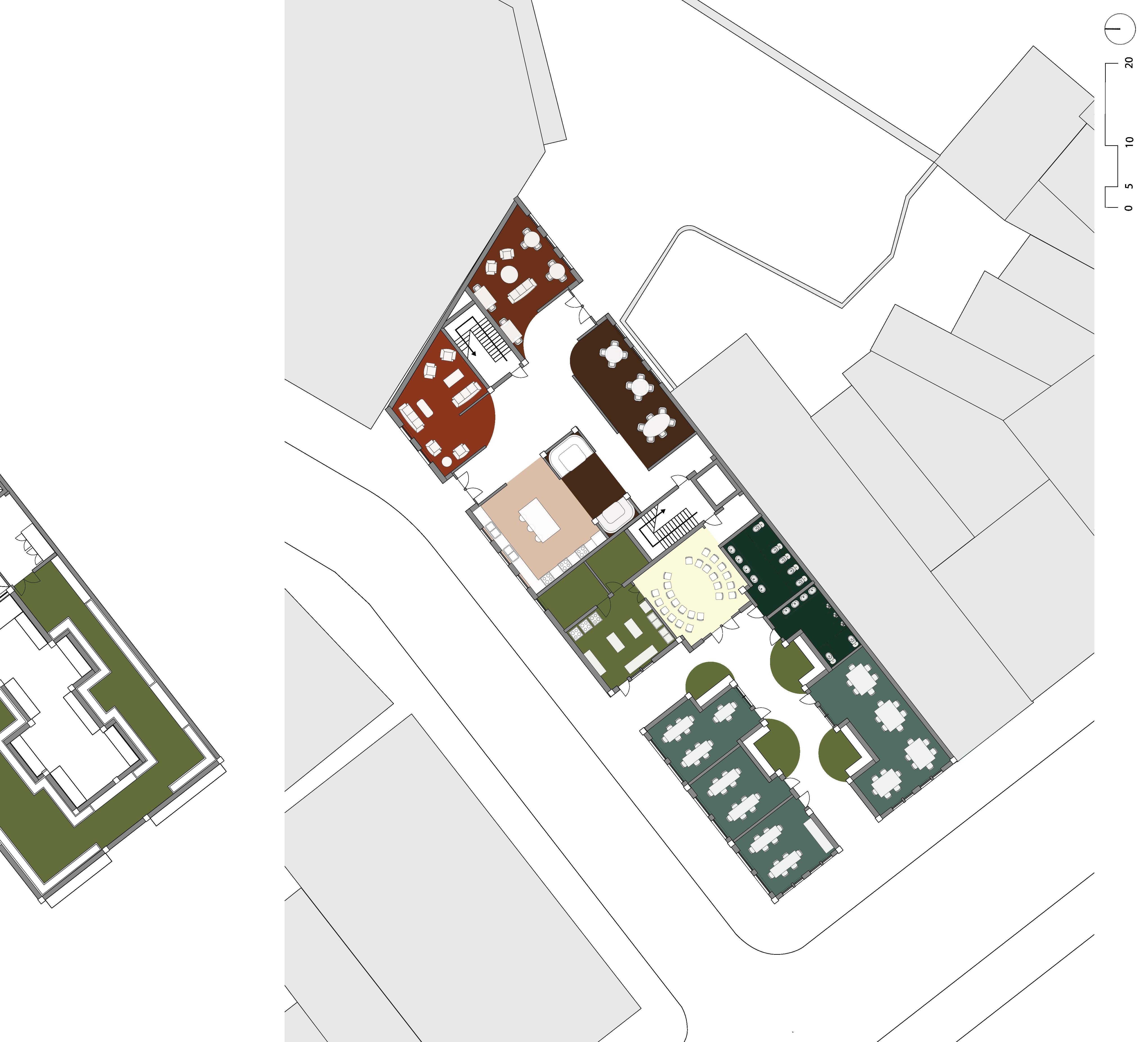
Designed for a grassroots non-profit organization, this community center aims to provide familiarity by implementing site-responsive styles and materials. The seperation of public community spaces and temporary housing meets the organization’s needs for a permenant meeting place and economic alternatives to existing living options in the area.